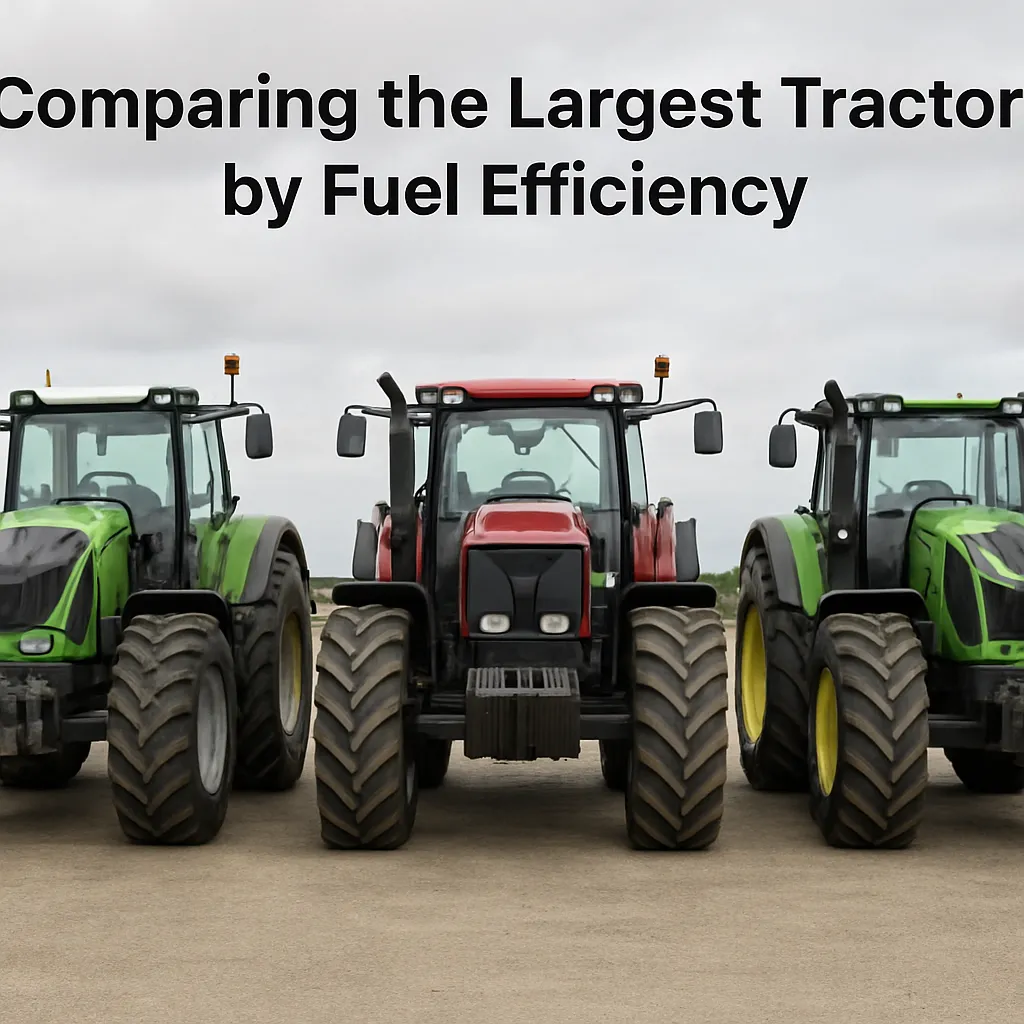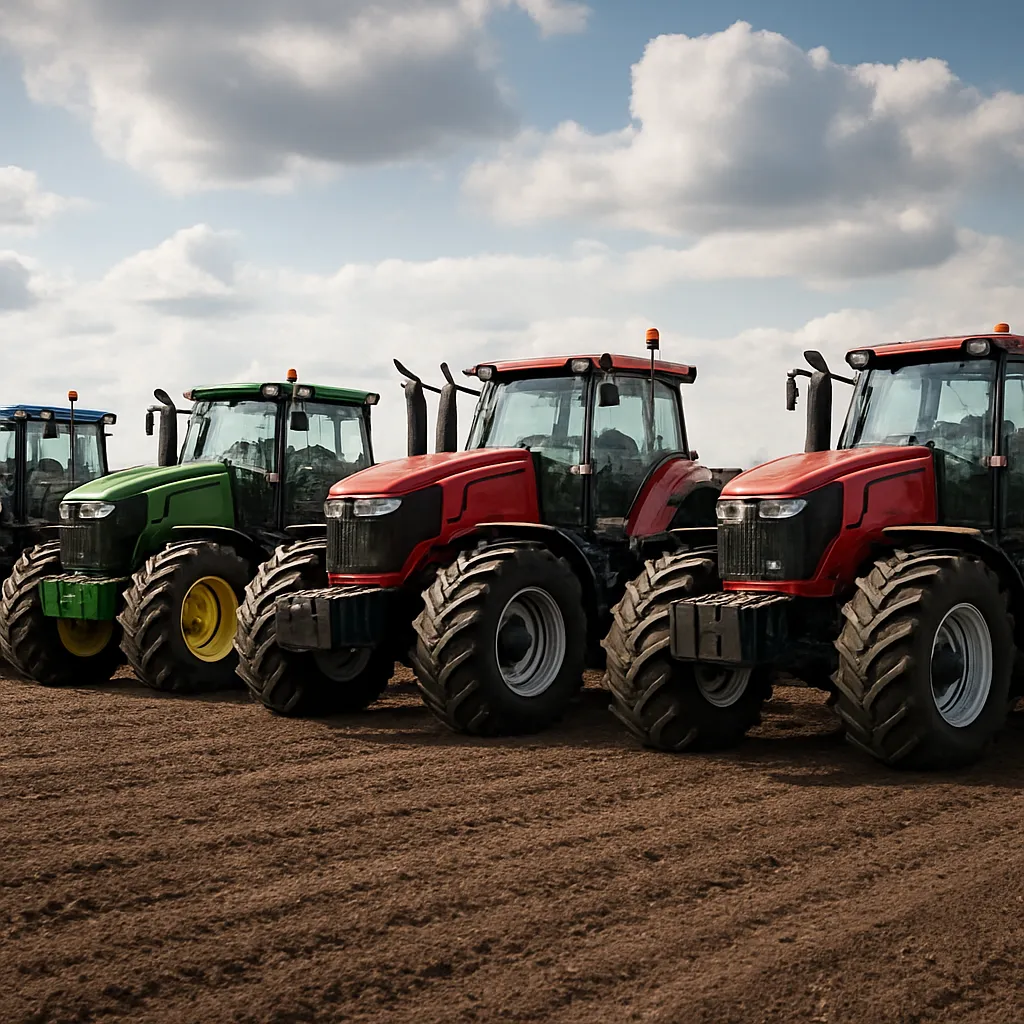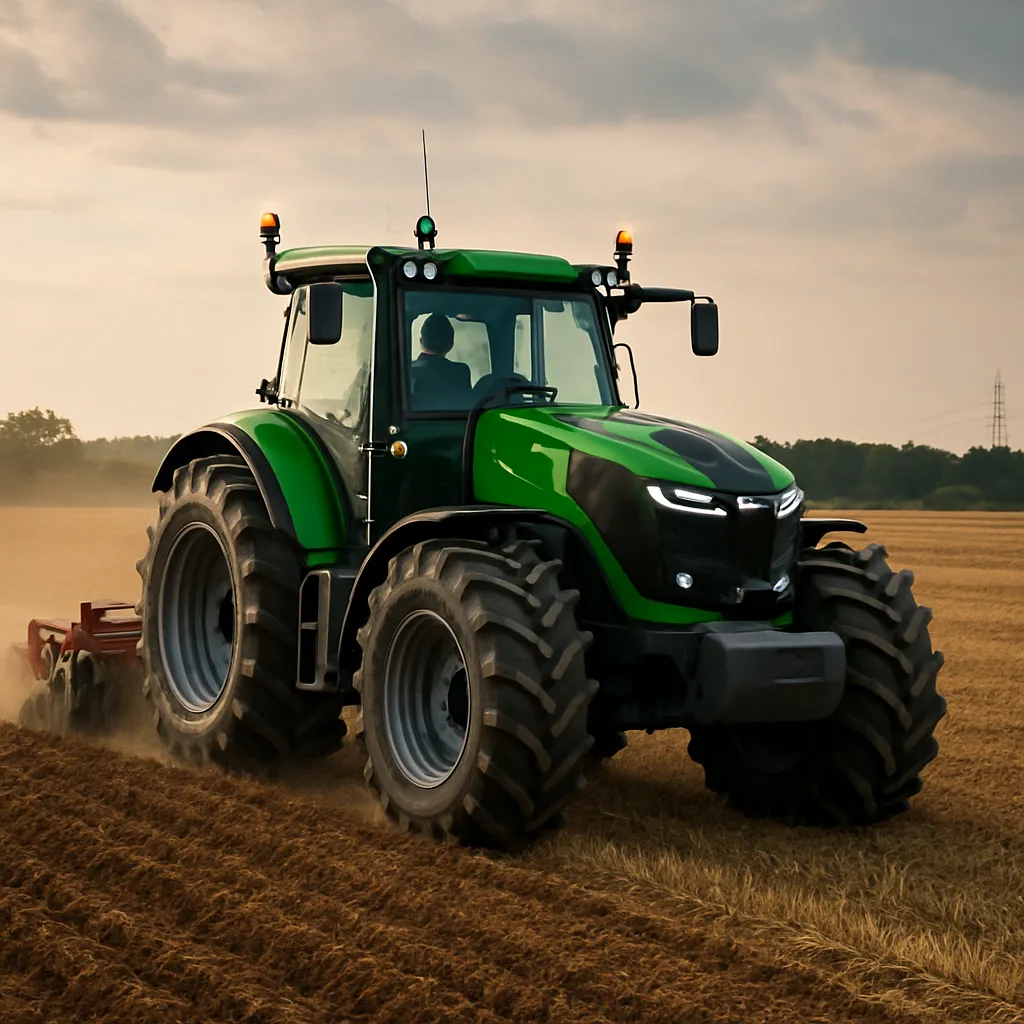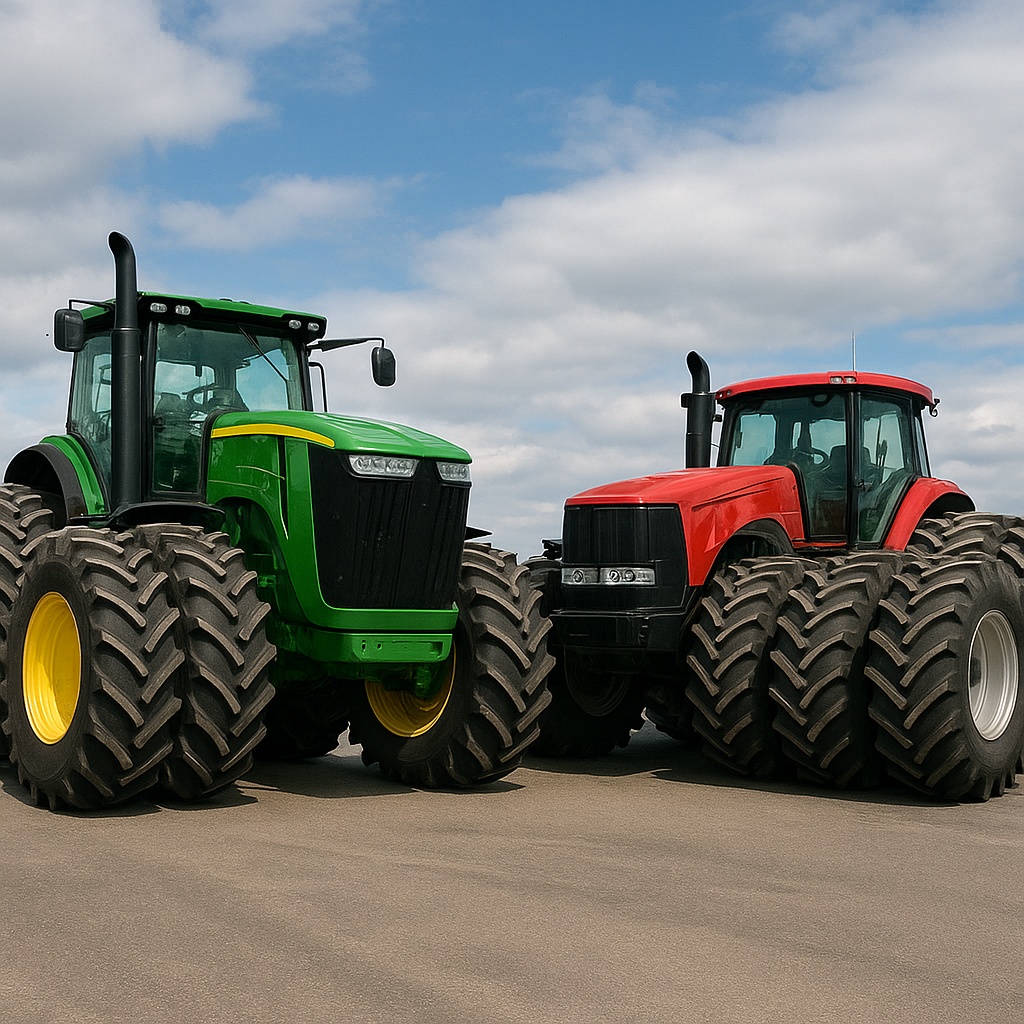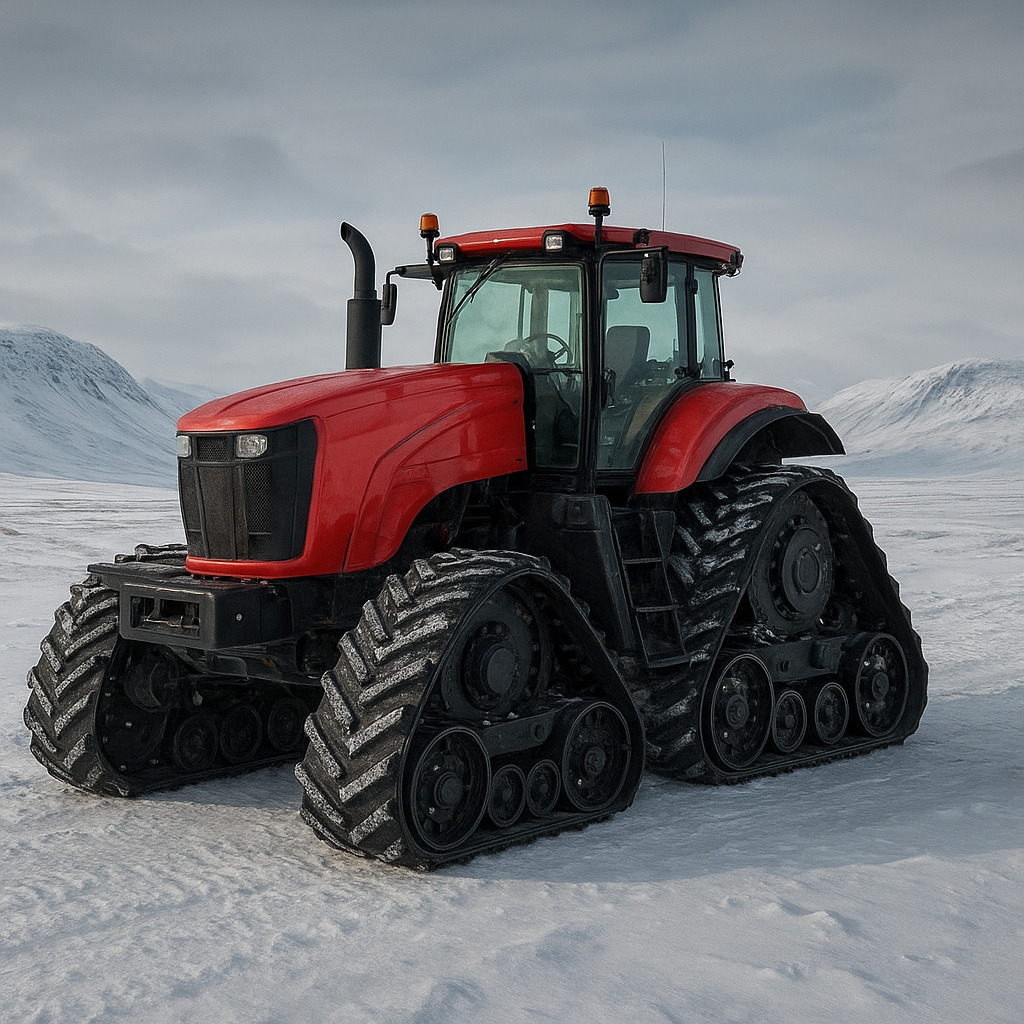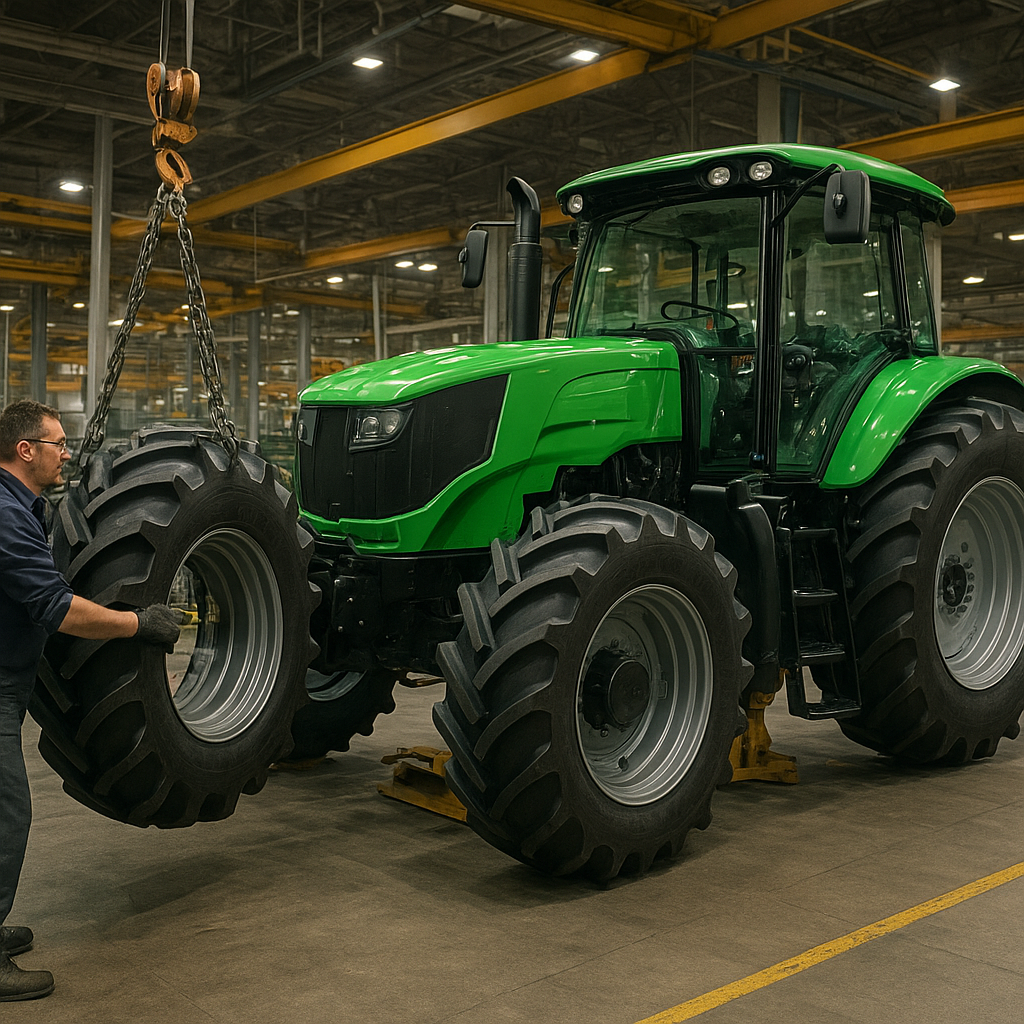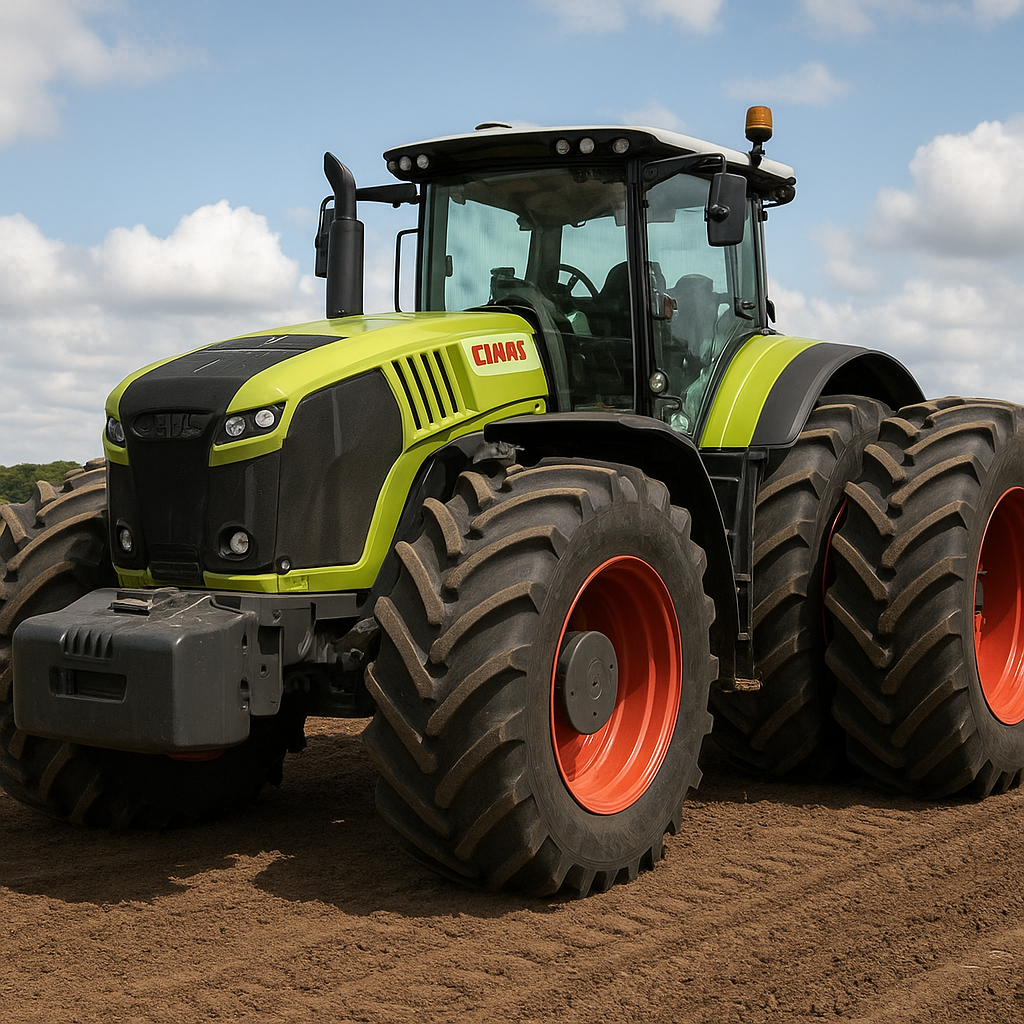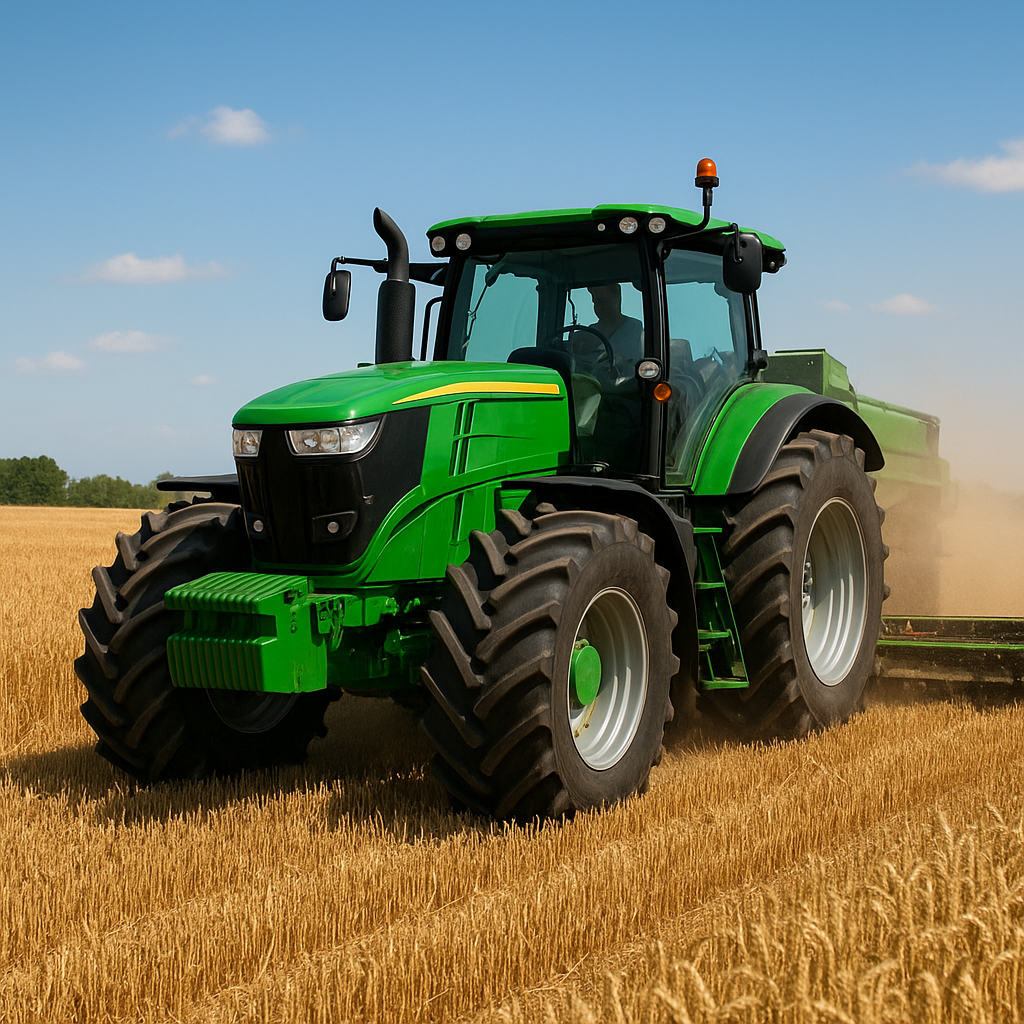
Large tractors stand at the forefront of modern agriculture, providing the power and precision required to maximize crop yields and streamline harvesting operations. As farms expand and labor demands rise, these behemoths of the field deliver unmatched productivity, enhanced efficiency, and reliable durability. This article explores the world of the biggest tractors, their defining features, real-world impacts on harvesting, and the innovations shaping their future role in sustainable farming.
Power and Performance: The Anatomy of Giant Tractors
The true hallmark of a large tractor lies in its ability to marry raw power with intelligent design. In many leading models, engine outputs exceed 600 horsepower, enabling seamless towing of multi-row harvesters or heavy tillage implements. Key components include:
- High-Torque Engines: Turbocharged diesel engines with advanced after-treatment systems ensure optimal fuel combustion, reduced emissions, and peak torque delivery even under heavy load.
- All-Wheel Drive Systems: Sophisticated differentials and power-split transmissions distribute power evenly to each wheel, enhancing traction on soft, muddy, or uneven terrain.
- Hydraulic Capacity: With hydraulic flow rates surpassing 100 gallons per minute, operators can manipulate large grain carts, multiple plow sections, or air seeders without lag or pressure drops.
- Robust Chassis and Axles: Reinforced frames and heavy-duty axles withstand continuous stress, minimize downtime, and extend operating life—even when hauling 40-ton grain wagons.
Advanced Technology: Precision Meets Automation
Modern large tractors integrate cutting-edge innovations that transform harvesting into a highly automated, data-driven process. The convergence of electronics and mechanical systems yields smarter, more capable machines:
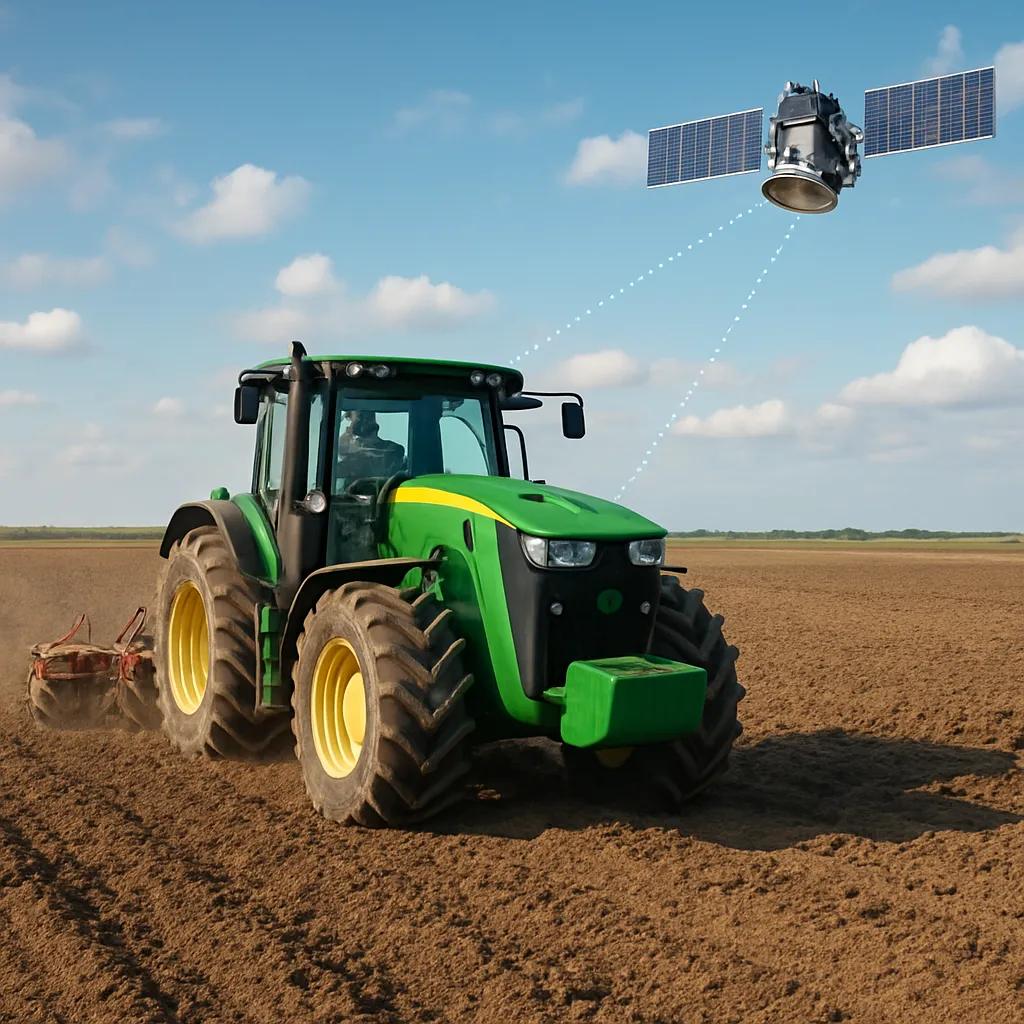
- GPS Guidance and Auto-Steering: Satellite navigation keeps tractors traveling in perfectly straight lines with sub-inch accuracy, reducing overlap and operator fatigue during hours of harvesting.
- Telematics and Remote Monitoring: Real-time data on engine health, fuel consumption, and field progress is transmitted to farm managers, enabling proactive maintenance and optimized resource allocation.
- Variable Rate Control: By adjusting seeding or fertilizer application on the go, tractors help maximize yield potential while conserving inputs and minimizing environmental impact.
- Collision Avoidance Systems: Sensor arrays detect obstacles and other machinery, automatically slowing or stopping the tractor to prevent costly accidents in busy field operations.
Impact on Harvesting Efficiency
Deploying large tractors during harvest season delivers tangible benefits that extend beyond mere horsepower. Farms can realize significant gains in:
- Operational Speed: Higher travel speeds, combined with broader headers and multi-unit attachments, allow a single tractor to cover more acreage per hour than smaller machines.
- Labor Optimization: Automation reduces reliance on manual labor for steering, monitoring engine parameters, or adjusting implement settings, freeing up skilled workers for other critical tasks.
- Reduced Soil Compaction: Despite their size, advanced tire designs and track systems distribute weight more evenly, preserving soil structure and promoting healthier root growth in subsequent seasons.
- Cost-Effectiveness: Over the lifespan of the machine, reduced fuel consumption per acre, fewer passes across fields, and lower maintenance intervals translate into improved return on investment.
Case Study: Maximizing Corn Harvest with a 700 HP Tractor
In the Midwest, a major grain producer upgraded its fleet to 700 horsepower tractors equipped with dual tracks and precision seeding attachments. Results included:
- 20% faster harvest completion compared to previous 400 HP units
- 15% reduction in input costs due to precise application of fertilizers
- 30% fewer breakdowns over two seasons, thanks to condition monitoring alerts
- Improved crop uniformity, leading to a 10% higher overall yield
These outcomes underscore how large tractors, when paired with the right technology, can revolutionize the harvesting process.
Sustainability and Environmental Considerations
While the size and power of these tractors can raise concerns about fuel usage and emissions, manufacturers and farmers are committed to sustainable farming practices. Key strategies include:
- Engine Emission Controls: Tier 4 final engines incorporate selective catalytic reduction (SCR) and diesel particulate filters to minimize harmful exhaust byproducts.
- Biofuel Compatibility: Many tractors can operate on biodiesel blends, reducing carbon footprint without sacrificing performance.
- Precision Soil Management: Controlled traffic farming confines compaction to permanent lanes, preserving the majority of the field’s soil structure and vitality.
- Renewable Energy Integration: On-site solar arrays and wind turbines can supply electricity for maintenance barns and charging stations for electric or hybrid tractor prototypes.
Future Trends: Electrification and Autonomous Operation
Looking ahead, the landscape of large tractors is evolving rapidly. Two major trends are set to redefine harvesting:
Electric and Hybrid Drivetrains
- Battery-electric tractors promise zero tailpipe emissions and reduced noise levels during nighttime operations.
- Hybrid systems combine diesel engines with electric motors to optimize torque delivery and achieve significant fuel savings.
- Modular battery packs allow quick swapping in the field, minimizing downtime and extending working hours.
Full Autonomy
- Advanced machine vision and lidar sensors enable fully autonomous harvest cycles, eliminating operator error and enabling 24/7 operation when supported by adequate lighting and guidance infrastructure.
- Fleet coordination software dispatches multiple tractors in unison, maximizing field coverage and reducing bottlenecks at unloading stations.
- Continuous learning algorithms adapt machine behavior to varying soil types, crop conditions, and weather patterns, fine-tuning performance over time.
Choosing the Right Giant Tractor for Your Farm
Selecting the ideal large tractor involves balancing several factors:
- Field Size and Topography: Hilly or rocky terrain may benefit more from tracked models, while flat, wide fields can leverage high-speed wheeled tractors.
- Crop Type: Row crops like corn and soybeans require different attachments and spacing considerations than small grains or forage crops.
- Budget and ROI: Total cost of ownership, including maintenance, fuel, and depreciation, should be weighed against projected productivity gains.
- After-Sales Support: Availability of local parts, qualified technicians, and remote diagnostics services ensures maximum uptime during critical harvest windows.
Conclusion
The evolution of the largest tractors has transformed harvest operations from manual, time-consuming endeavors into high-precision, automated processes. By harnessing immense power, cutting-edge technology, and forward-thinking design, these machines not only boost productivity and profitability but also pave the way for more sustainable and resilient agricultural systems worldwide.