The evolution of colossal farming equipment has reshaped the face of agriculture, turning once labor-intensive tasks into feats of engineering. Giant tractors, some boasting more power than small airplanes, are tackling vast fields with unprecedented speed and precision. These leviathans of the soil pave the way for higher yields, streamlined workflows, and innovative cultivation practices. By harnessing cutting-edge technologies, today’s operators can handle operations that would have required dozens of smaller machines just a decade ago.
Monumental Machines of Modern Agriculture
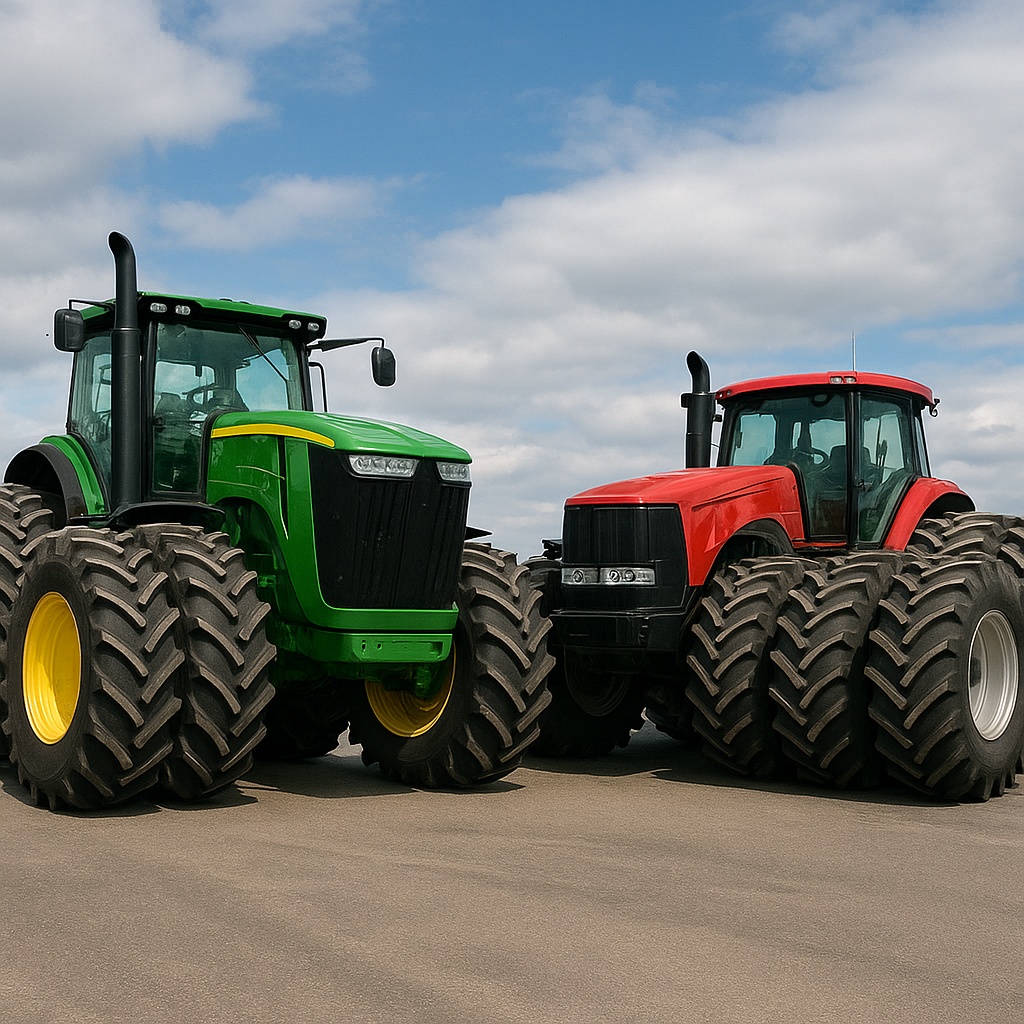
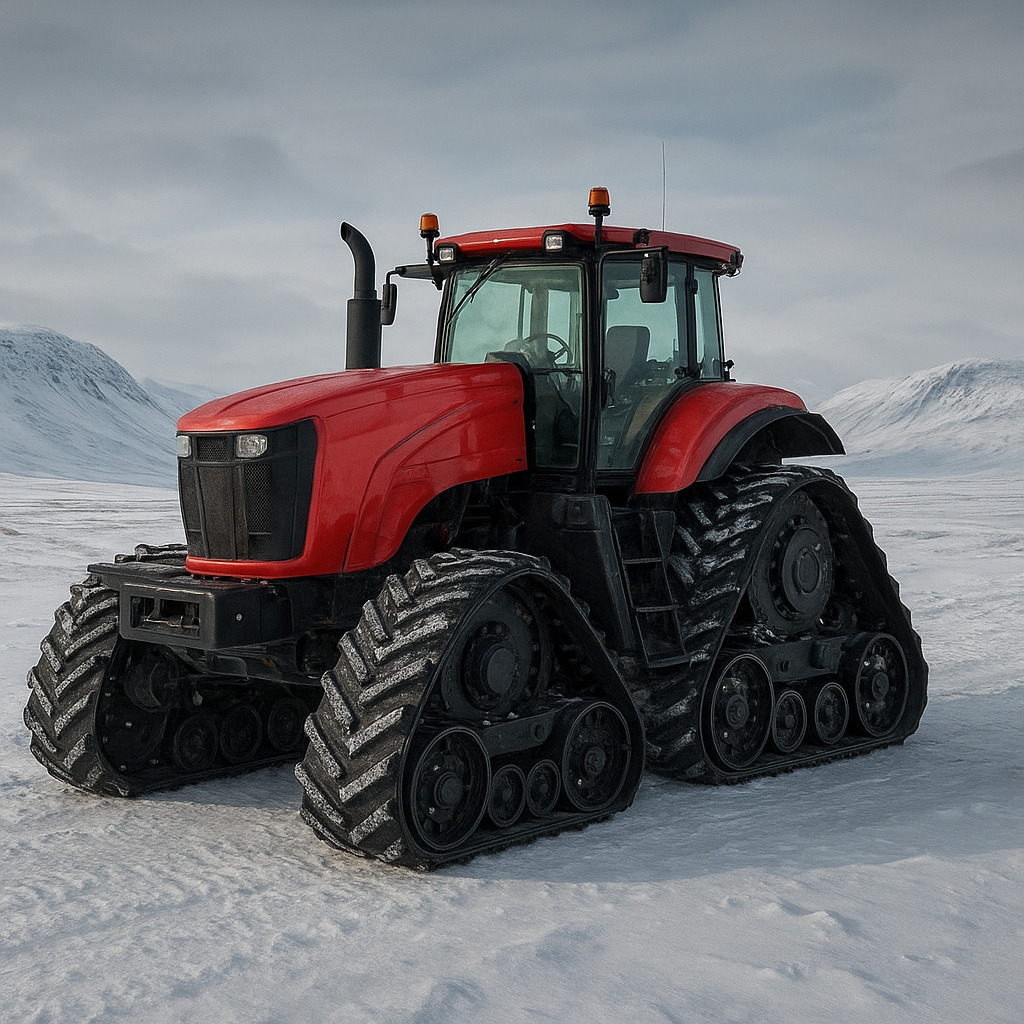
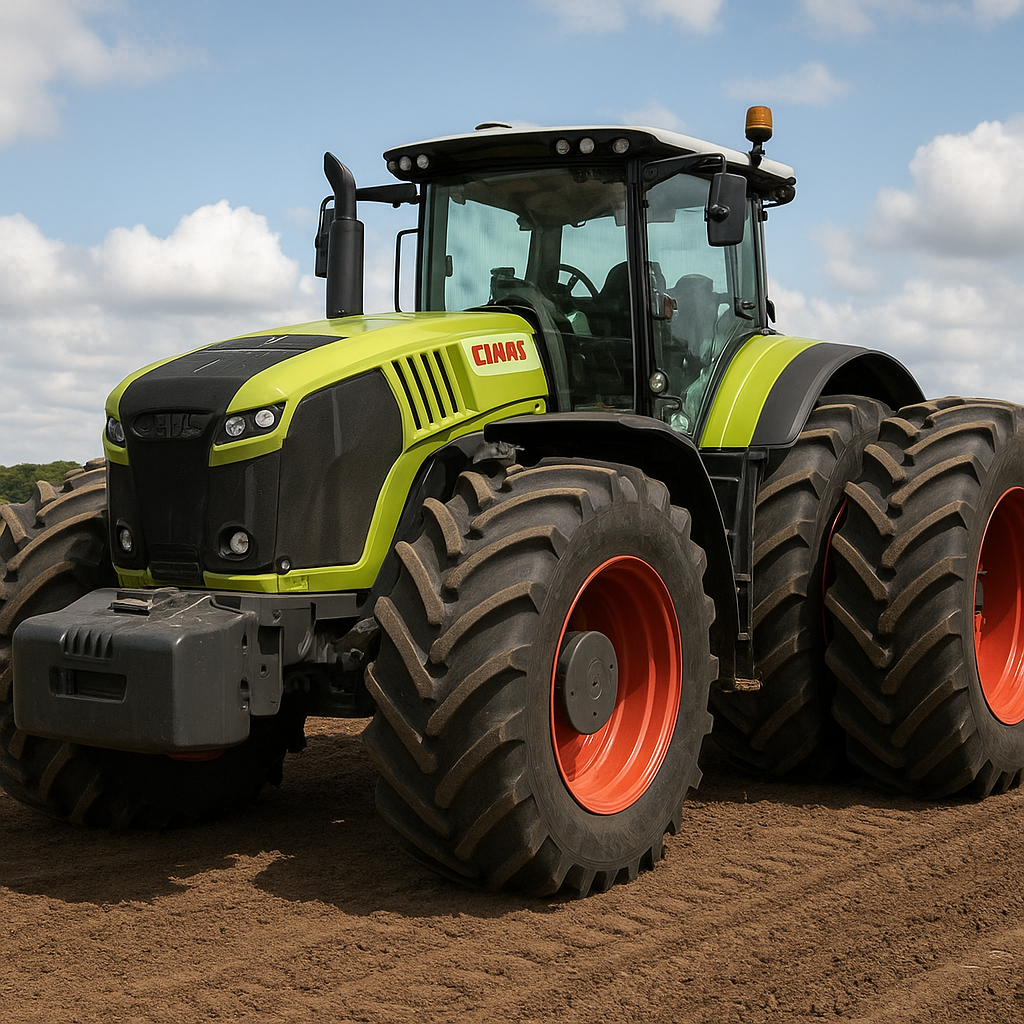
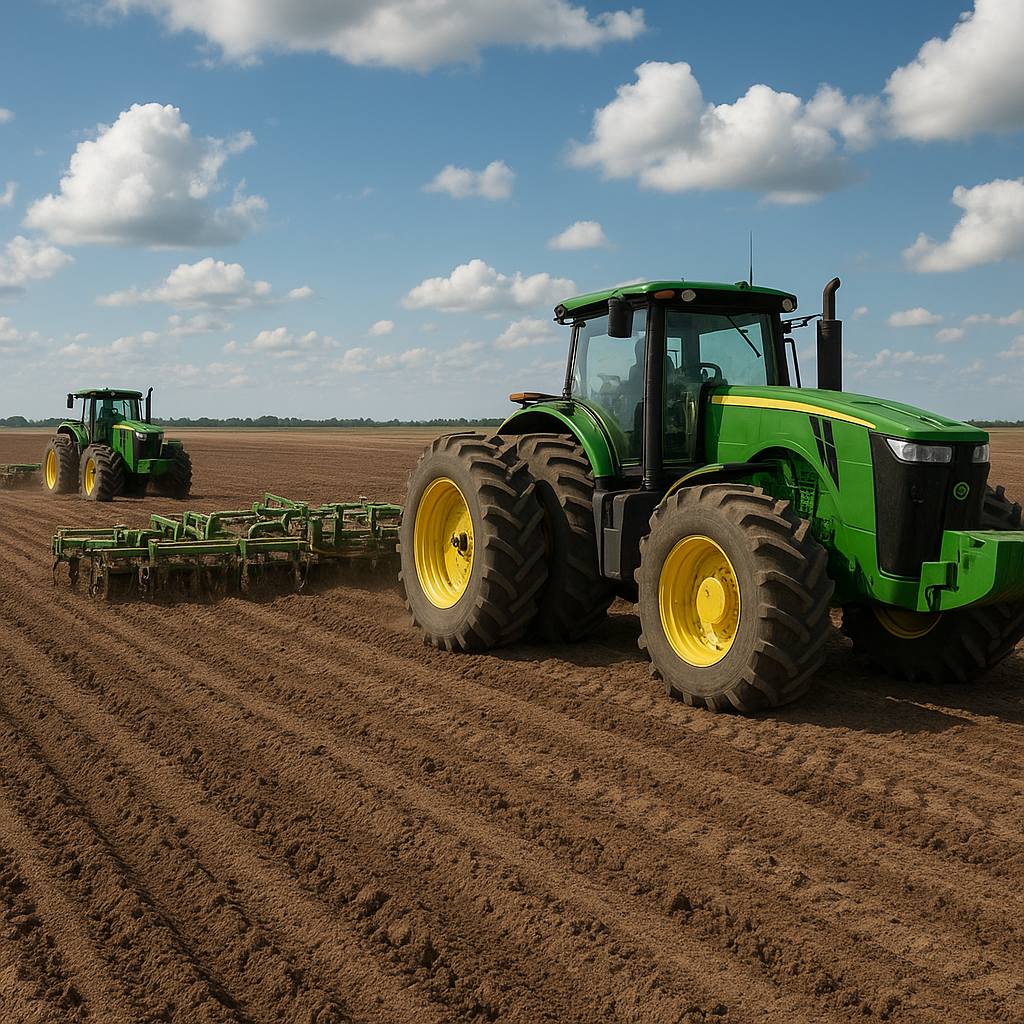
Across prairies in North America, the steppes of Eastern Europe, and the outback of Australia, farmers deploy some of the world’s largest tractors to conquer hundreds of hectares in a single pass. Models such as the Fendt 1167 Vario, Challenger MT875E, and New Holland T9 Ultra Command boast upwards of horsepower ratings exceeding 670 HP, allowing them to tow multifaceted implements with ease. These machines feature wide tracks or dual wheels to distribute weight evenly, reducing soil compaction while maintaining unparalleled traction.
The design philosophy behind these giants emphasizes modularity and flexibility. Interchangeable attachments—ranging from deep-ripping subsoilers to precision seed drills—transform a single platform into a multi-purpose powerhouse. On the fly, farmers can switch between tillage, seeding, fertilizing, and even spraying operations, optimizing field time and cutting down fuel costs. Instrumentation pods with touchscreen interfaces consolidate control functions, ensuring that adjustments to depth, speed, and application rates occur seamlessly during operation.
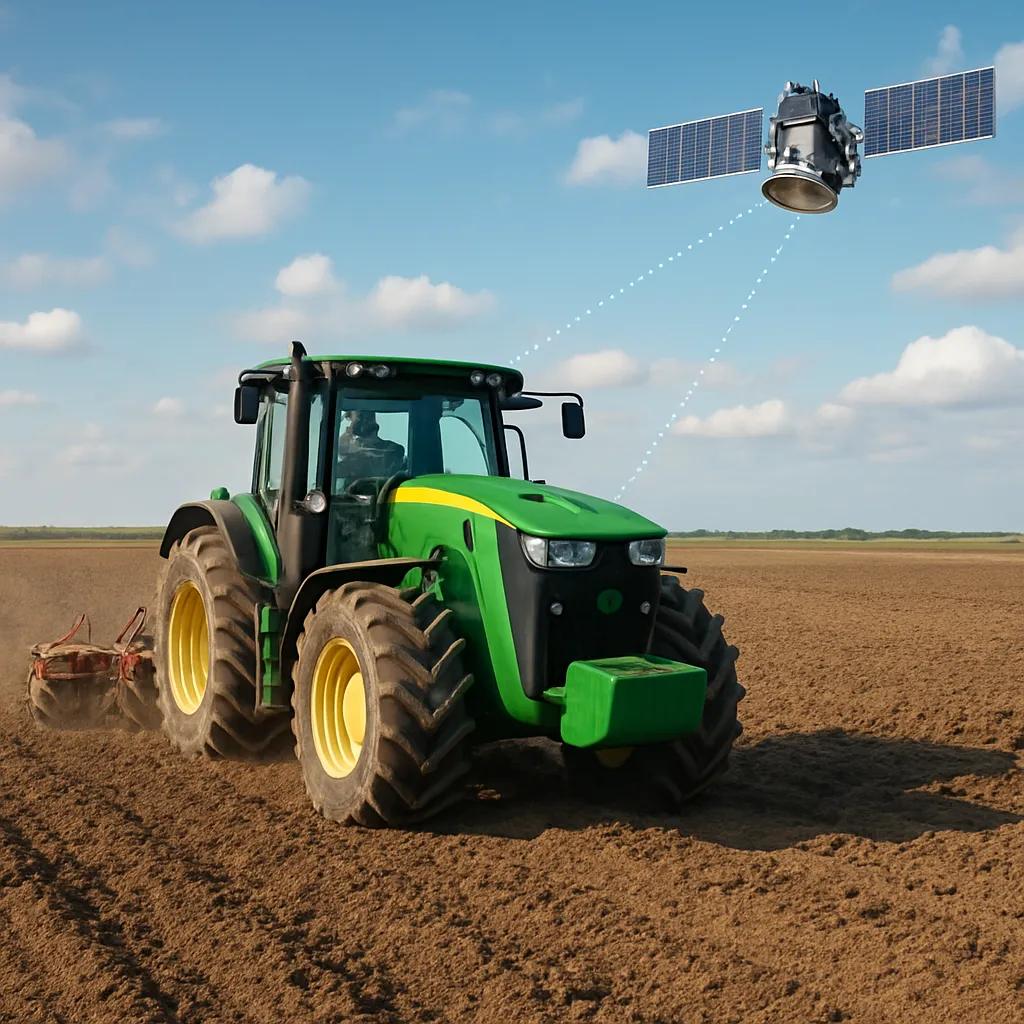
Notably, the implementation of real-time telemetry systems has elevated the efficiency of large-scale operations. By monitoring engine performance, soil conditions, and implement pressure via satellite links, agronomists and operators can receive instant feedback and make data-driven decisions. This fusion of hardware and connectivity exemplifies how modern tractors serve as roving command centers, orchestrating the interplay between machine, terrain, and crop cycles.
Engineering Marvels and Technological Innovations
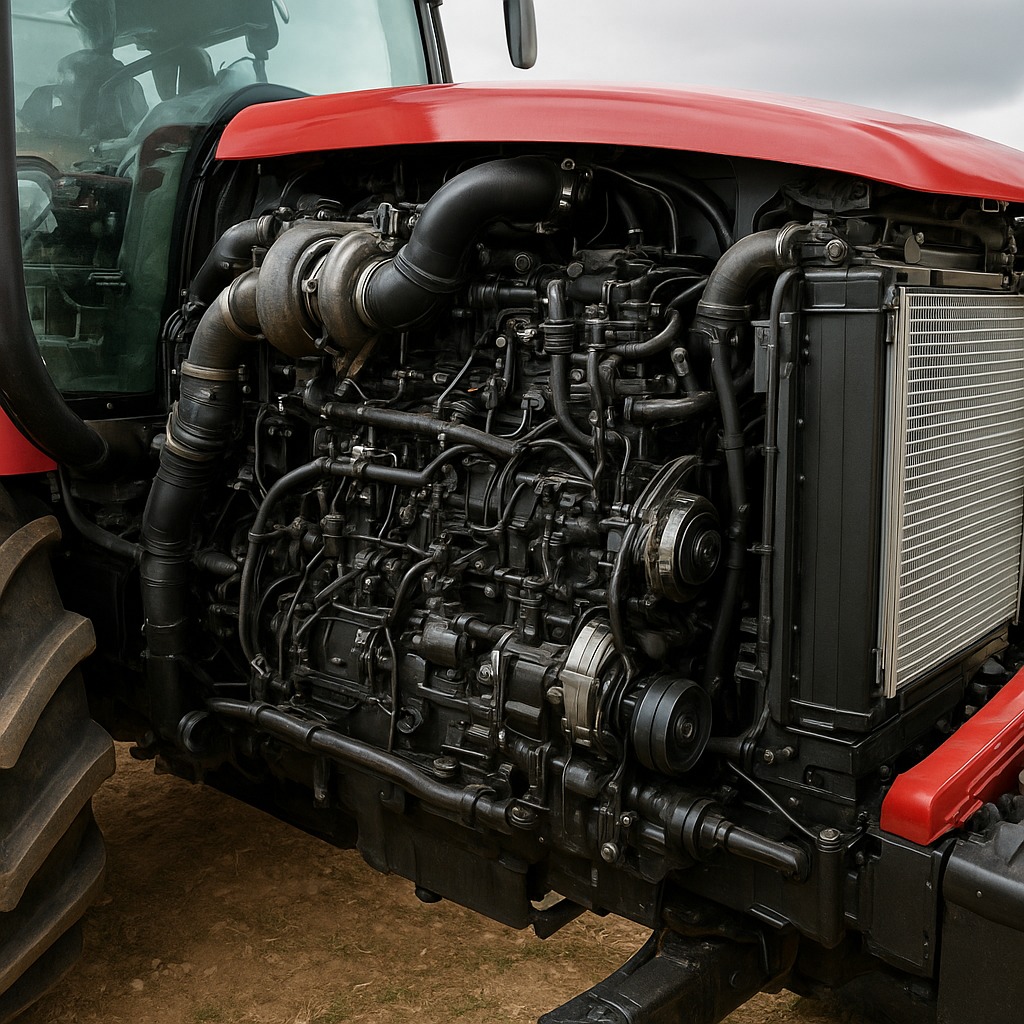
Under the hood, these tractors integrate advanced powertrain architectures designed for durability and performance. Many models utilize continuously variable transmissions (CVT) to provide smooth torque delivery across a wide speed range. Coupled with state-of-the-art hydraulic systems, they ensure that heavy-duty implements remain stable and responsive. High-pressure hydraulics enable precise adjustments of tool angles and depths, a critical factor when striving for uniform seed placement and optimal soil aeration.
- Precision steering systems employ GPS-guided auto-steer technology to maintain accuracy within mere centimeters, significantly reducing overlap and input wastage.
- Advanced suspension setups on tracked models enhance operator comfort while preserving consistent ground contact, leading to improved field traction.
- Remote diagnostics tools allow manufacturers to perform predictive maintenance, minimizing downtime and extending component life spans.
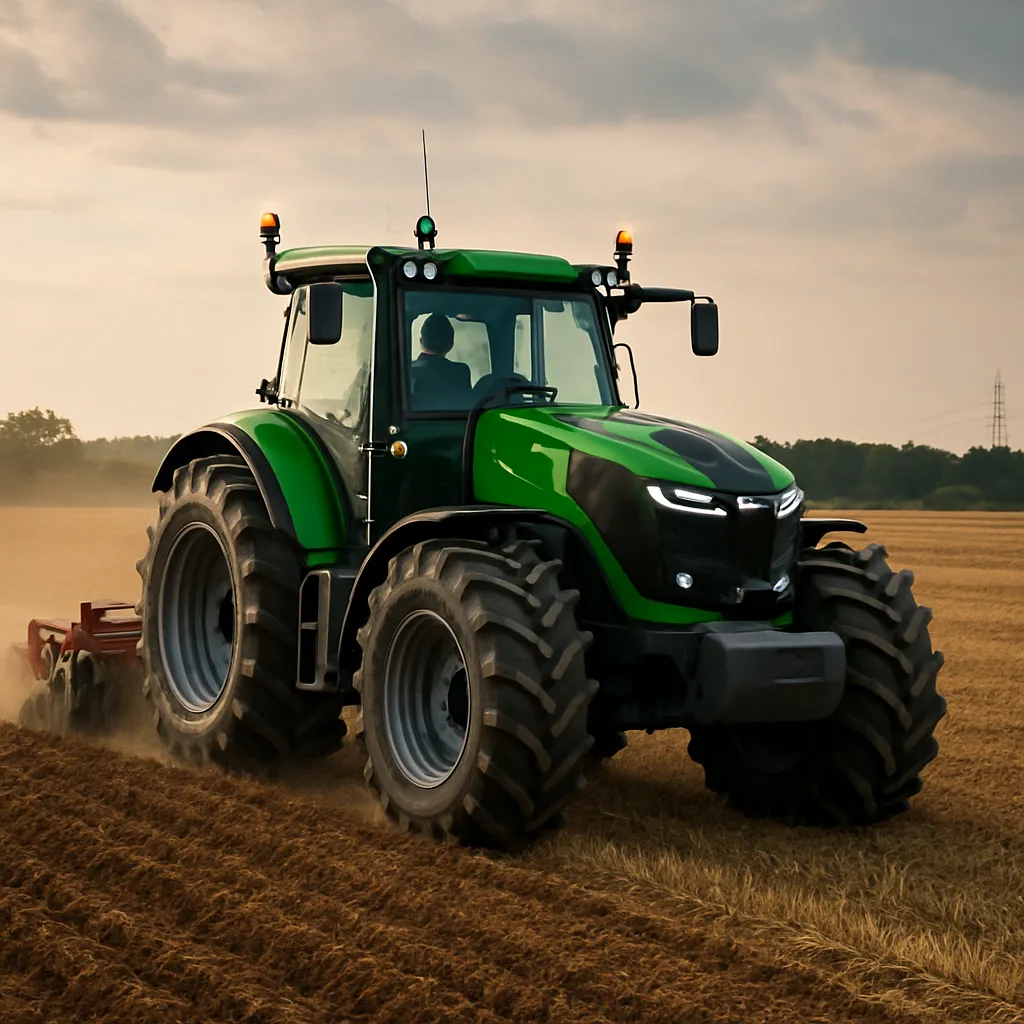
Another significant leap has been the incorporation of partial autonomy. While fully driverless tractors remain in experimental stages, many large-scale machines now feature semi-autonomous modes. These modes handle long, straight runs on flat terrain, allowing the operator to focus on implement performance. By combining machine learning algorithms and sensor arrays, tractors can recognize field boundaries, avoid obstacles, and follow optimal paths laid out in farm management software. Such innovations point toward a future where hands-free cultivation will become the industry standard.
Economic and Environmental Impact
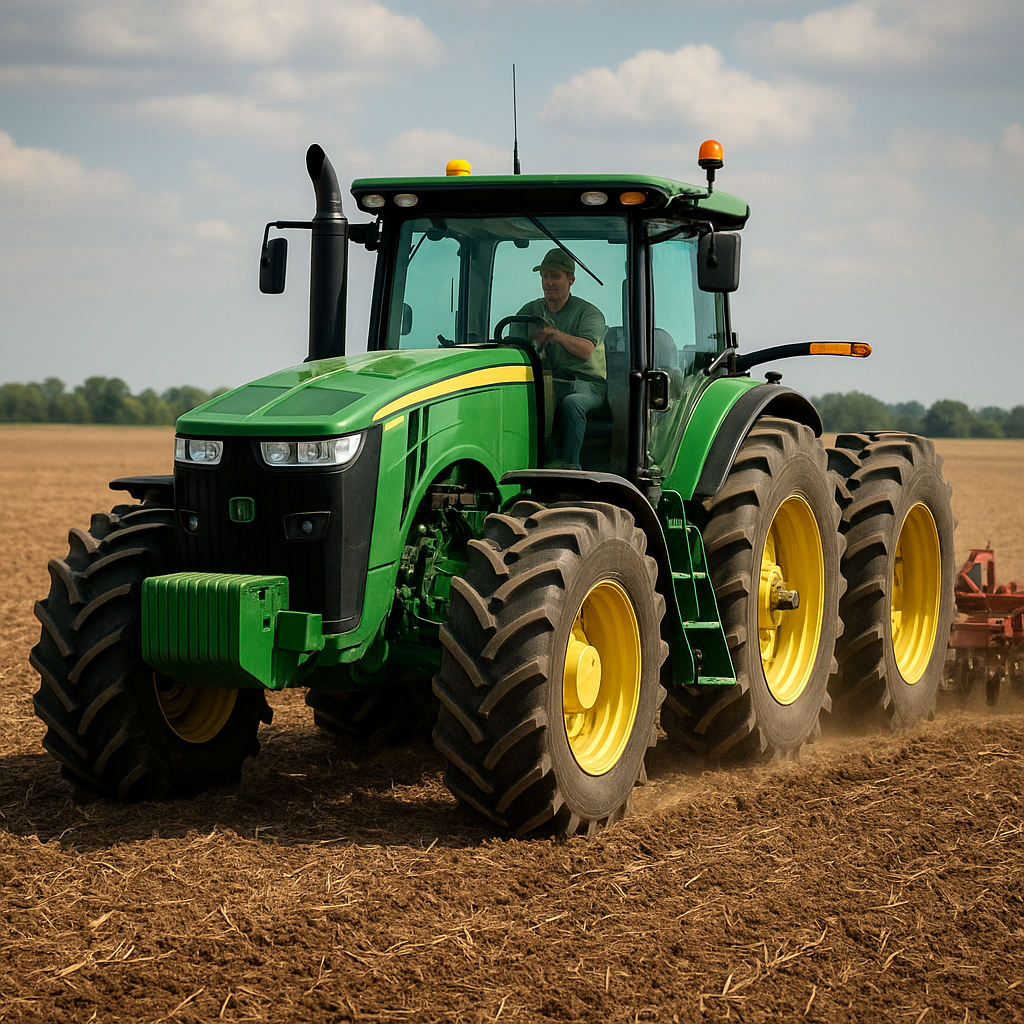
Deploying these hulking tractors yields remarkable gains in productivity and resource management. A single high-capacity tractor can cover upwards of 100 acres per hour during planting season, slashing labor requirements and accelerating time-sensitive operations. Larger machines also improve fuel efficiency on a per-acre basis; despite burning more liters per hour, they accomplish more work overall, reducing the total gallons consumed for each harvest cycle.
However, the widespread use of massive tractors raises concerns about soil health and environmental footprint. Continuous operations on extensive fields can exacerbate erosion and degrade topsoil if not managed properly. To address these challenges, many farms adopt conservation tillage practices. By combining large tractors with precision cultivation tools and residue management techniques, they maintain soil structure and organic matter content. Cover cropping and variable-depth tillage further mitigate negative impacts, promoting long-term soil vitality.
Economically, the high initial investment for the largest tractors can be prohibitive for small and medium-sized farms. As a result, custom hire businesses and machinery rings have emerged, allowing multiple operators to share the cost of ownership. This cooperative approach spreads financial risk and ensures that equipment runs at peak utilization during critical planting and harvesting windows. For agribusinesses focusing on large-scale grain production, the return on investment can be substantial, particularly when paired with precision nutrient management strategies that optimize input usage.
Looking ahead, sustainability will remain at the forefront of agricultural machinery design. Manufacturers are exploring alternative fuels, including biodiesel blends and hydrogen prototypes, to reduce greenhouse gas emissions. Electrification of certain tractor subsystems—such as hydraulic pumps and cooling fans—promises to increase operational efficiency while lowering noise and heat signatures. As these technologies mature, they will integrate seamlessly into the workflow of big-field operations, delivering powerful performance with a lighter ecological footprint.