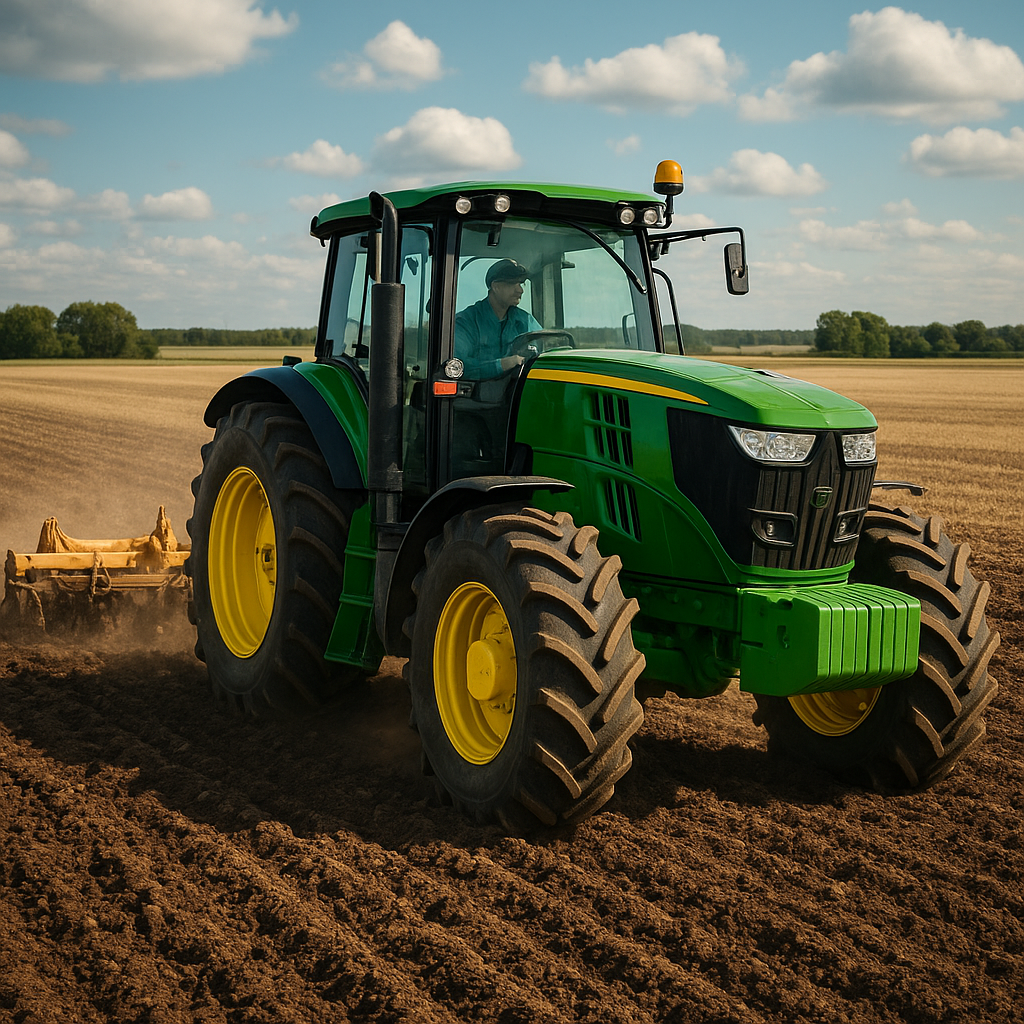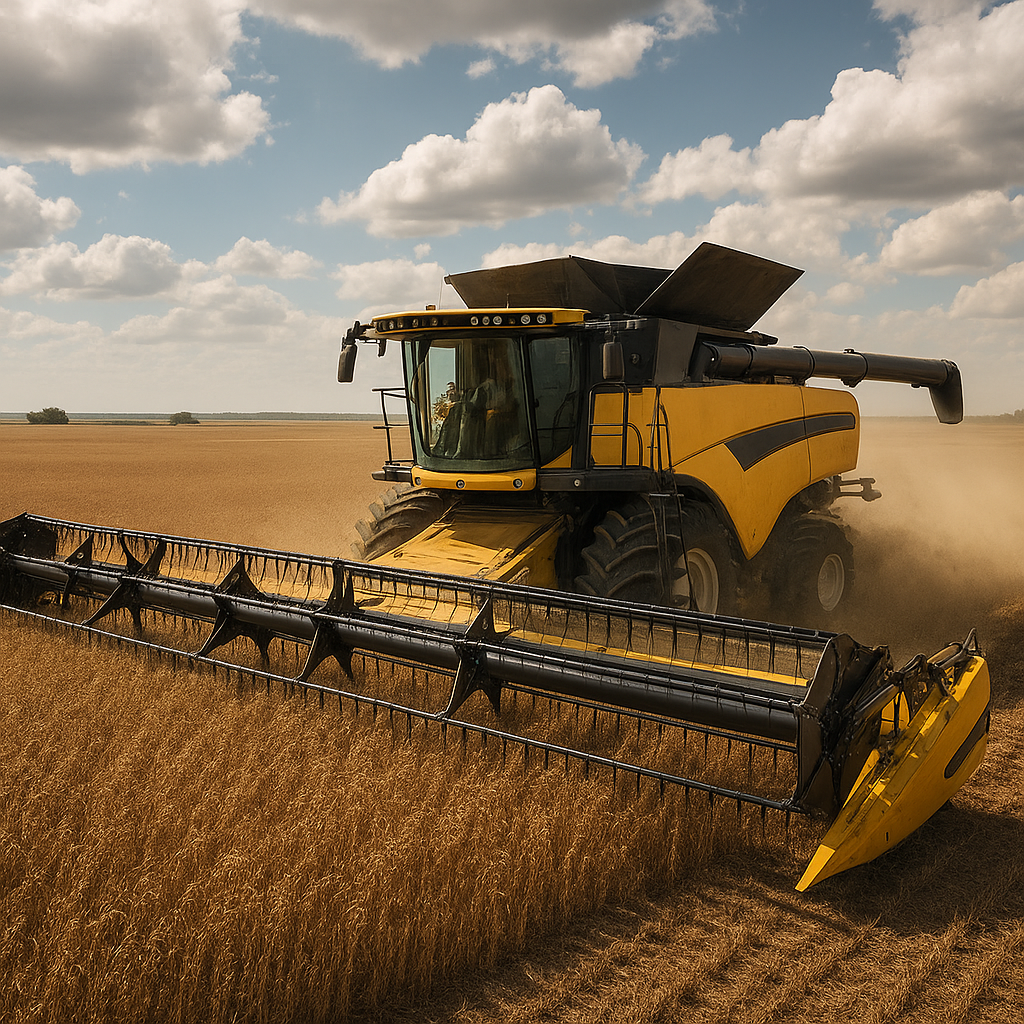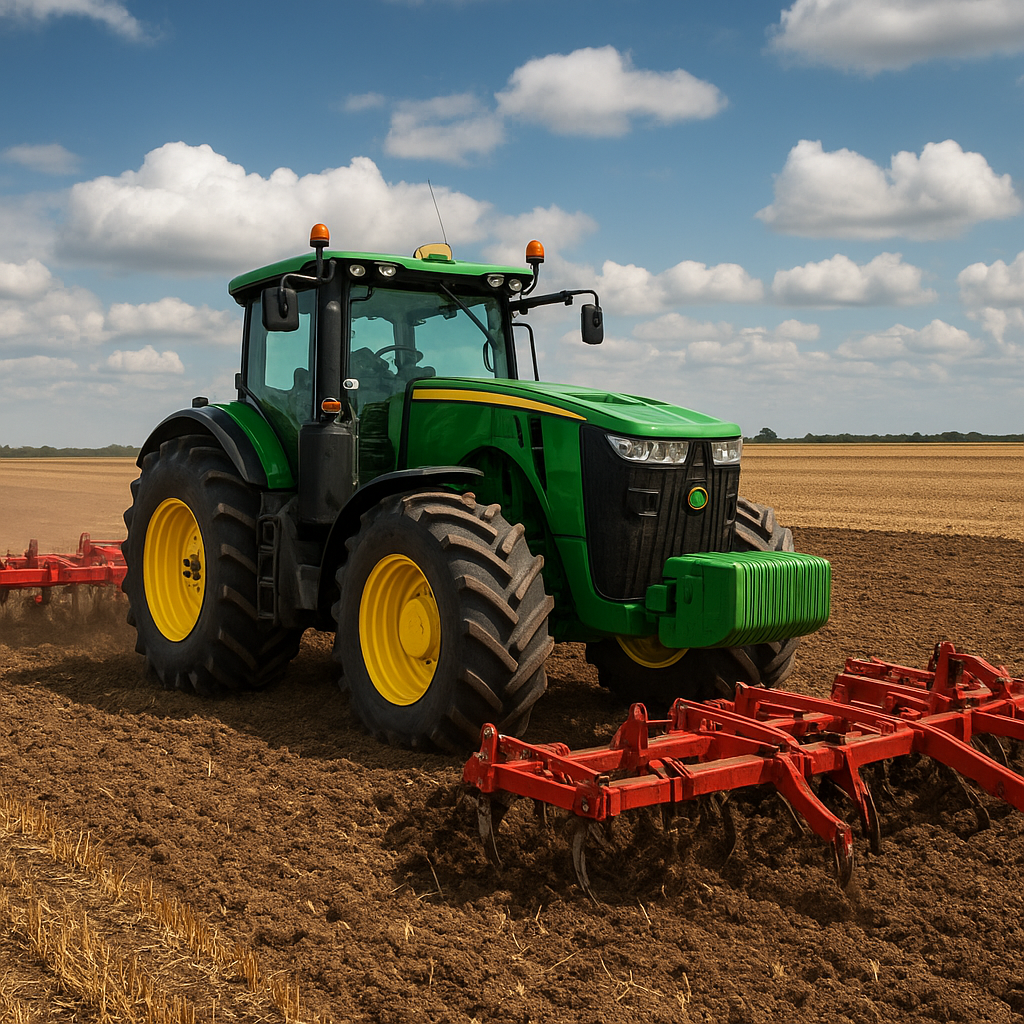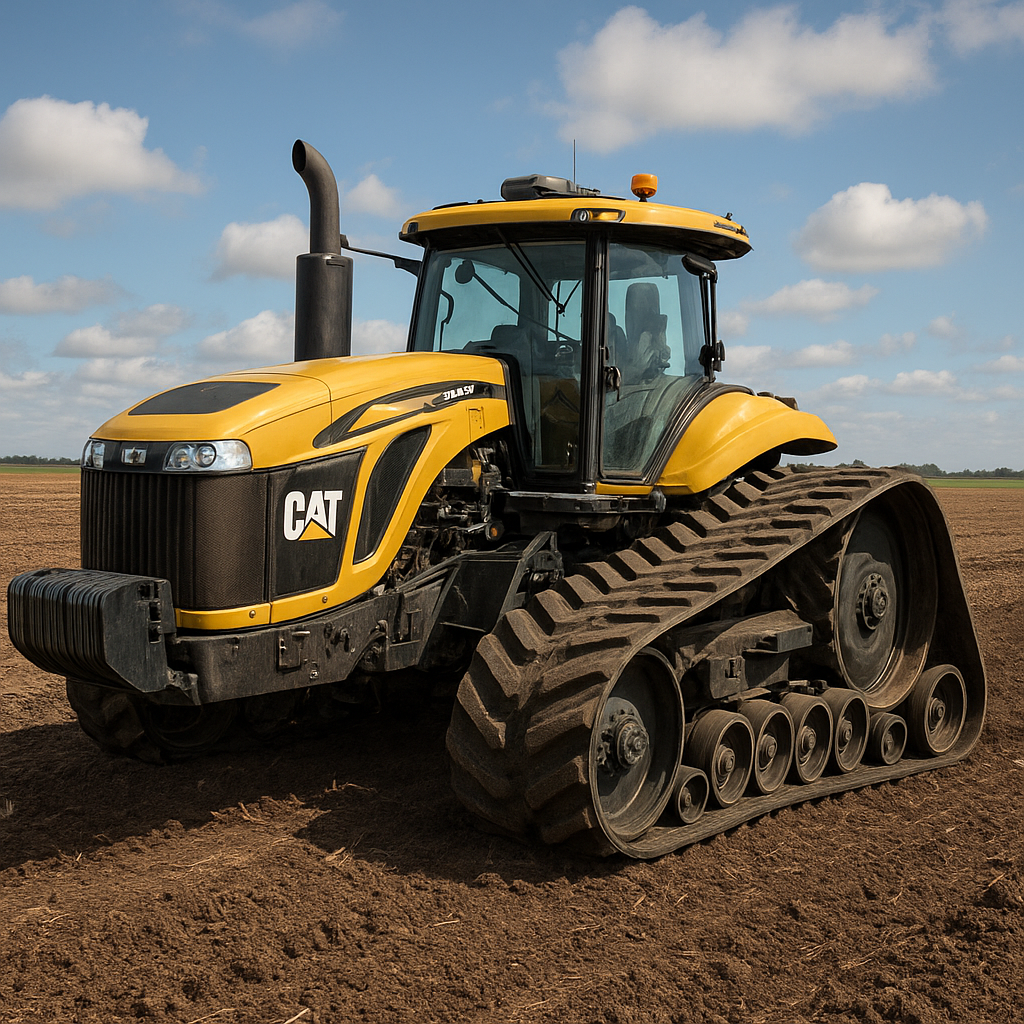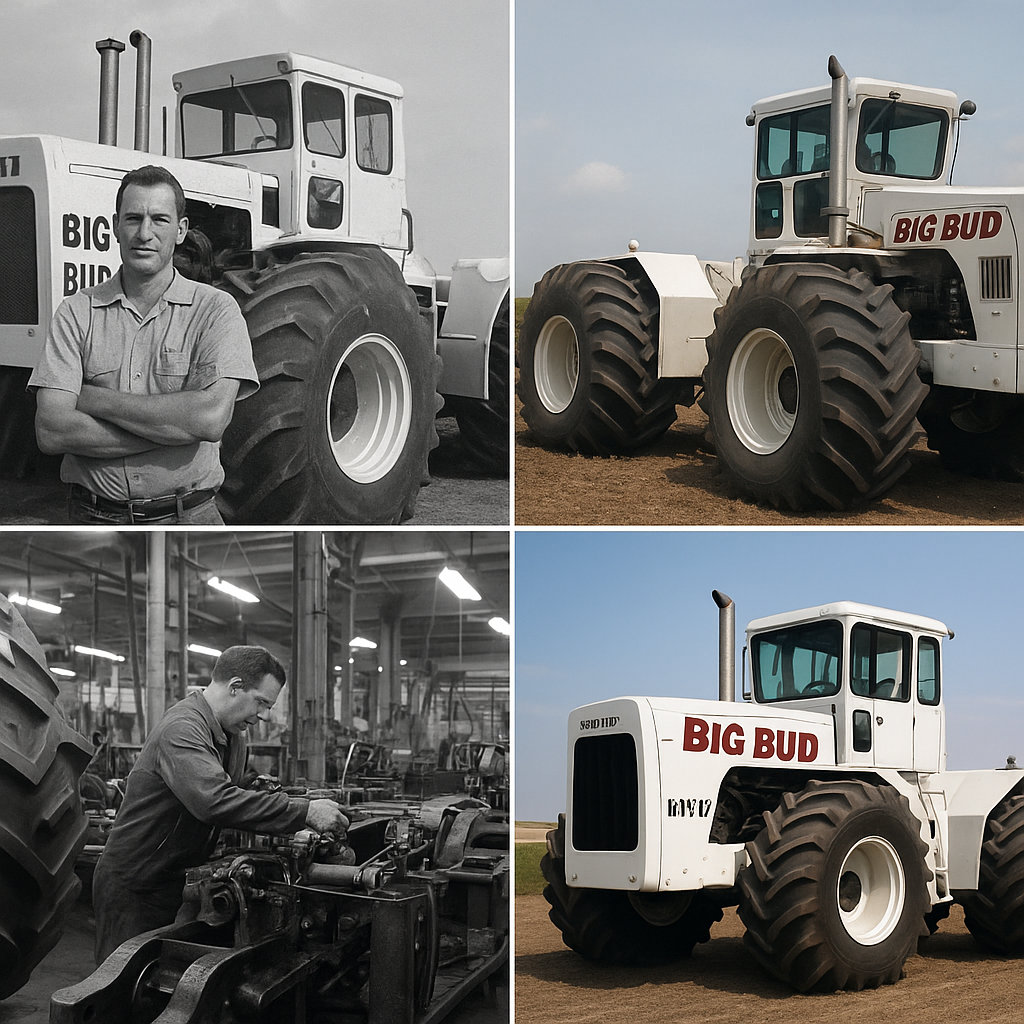
Tracing the remarkable evolution of Big Bud Manufacturing reveals a story woven from passion, perseverance, and groundbreaking achievements in the realm of massive farming machinery. From its modest beginnings to the creation of the world’s largest tractors, this narrative highlights the pioneering spirit that revolutionized large-scale cultivation.
Early Origins and Ambition
The seeds of what would become Big Bud Manufacturing were sown when a group of visionary farmers and engineers recognized the need for machinery capable of handling vast expanses of arable land. In the mid-20th century, conventional tractors simply could not meet the demands of large-scale grain operations and extensive soil preparation. Motivated by relentless determination, these innovators embarked on a mission: to design machines with unprecedented horsepower and towing capacity. The first prototypes were bulky, inefficient, and plagued by technical glitches, but each setback fueled further refinement.
Key milestones during this formative era included:
- The adaptation of industrial diesel engines to farming equipment, boosting raw torque.
- Reinforced chassis designs to support extra weight and attachments.
- Collaboration with specialized foundries for high-strength components, improving overall durability.
Through iterative testing and the unwavering support of local agricultural communities, the foundation for Big Bud’s future success was firmly established.
Engineering Breakthroughs and Mega Tractors
As demand for larger, more capable tractors soared, Big Bud’s design team introduced a series of engineering marvels that set new benchmarks. The emphasis was on creating a machine that could handle multi-plow setups, vast seed drills, and heavy tillage equipment without sacrificing maneuverability or reliability. To achieve this, engineers focused on several critical advancements:
- Implementation of multi-speed transmissions with custom gear ratios for optimized performance under varying loads.
- Hydraulic lift systems engineered to raise and lower massive implements smoothly, ensuring precise soil penetration.
- Heavy-duty cooling circuits to prevent overheating during continuous high-load operations.
- Ergonomically designed cabins featuring advanced controls, enhancing operator comfort over long shifts.
Record-Breaking Achievements
In 1977, Big Bud unveiled its legendary 747 model, boasting a staggering 760 engine horsepower—the most powerful tractor of its time. This tractor eclipsed competitors and captured global attention for its ability to pull enormous seeders across hundreds of acres in a single day. Subsequent models pushed these limits even further, achieving over 1,000 horsepower in specialized configurations. Each generation built upon the last, leveraging cutting-edge materials and computational design tools to balance weight distribution and structural integrity.
Transforming Agricultural Practices
The introduction of mega tractors by Big Bud triggered a paradigm shift in modern farming. Operations that once required multiple smaller machines and large workforces could now be consolidated, reducing labor costs and increasing efficiency. Farms spanning thousands of acres adopted these giants, enabling rapid planting, cultivation, and harvesting cycles.
Major impacts on agricultural practices included:
- Enhanced precision in tillage depth and spacing, improving crop yields.
- Reduced soil compaction by optimizing tire and track design, preserving soil structure.
- Streamlined logistics through integration with GPS-based auto-steer systems, minimizing overlap and resource waste.
- Greater flexibility in planting windows, as tractors could work longer hours under challenging conditions.
This transformation was not limited to grain farms. Sugarcane, cotton, and other large-scale crops benefited from similar efficiencies, showcasing Big Bud’s influence across diverse agricultural sectors. Farmers praised the machines for their unmatched reliability, even in the most demanding environments.
Challenges and Future Prospects
Despite its storied success, Big Bud Manufacturing encountered challenges inherent to constructing and maintaining behemoth tractors. Transporting such large equipment between fields or across country borders required specialized trailers and regulatory coordination. Additionally, the high initial investment posed a barrier for smaller farming enterprises. To address these issues, the company explored modular designs, allowing critical components to be shipped separately and assembled on-site.
Looking ahead, the interplay between emerging technologies and Big Bud’s heritage promises an exciting future. Areas of exploration include:
- Electrification of drivetrains to reduce emissions while maintaining exceptional power output.
- Integration of advanced robotics and remote operation for enhanced safety and efficiency.
- Application of innovation in lightweight composite materials to boost fuel economy without compromising strength.
- Collaborations with agritech firms to develop data-driven farming solutions, optimizing every aspect of crop management.
These efforts aim to preserve the brand’s core values of engineering excellence and steadfast durability while adapting to the evolving needs of global agriculture. By harnessing breakthroughs in automation, artificial intelligence, and sustainable energy, Big Bud Manufacturing aspires to continue its legacy of driving progress in large-scale cultivation.
Key themes
- Agriculture revolution through mechanization
- Maximizing machine performance under heavy loads
- Sustainable growth via cultivation innovation