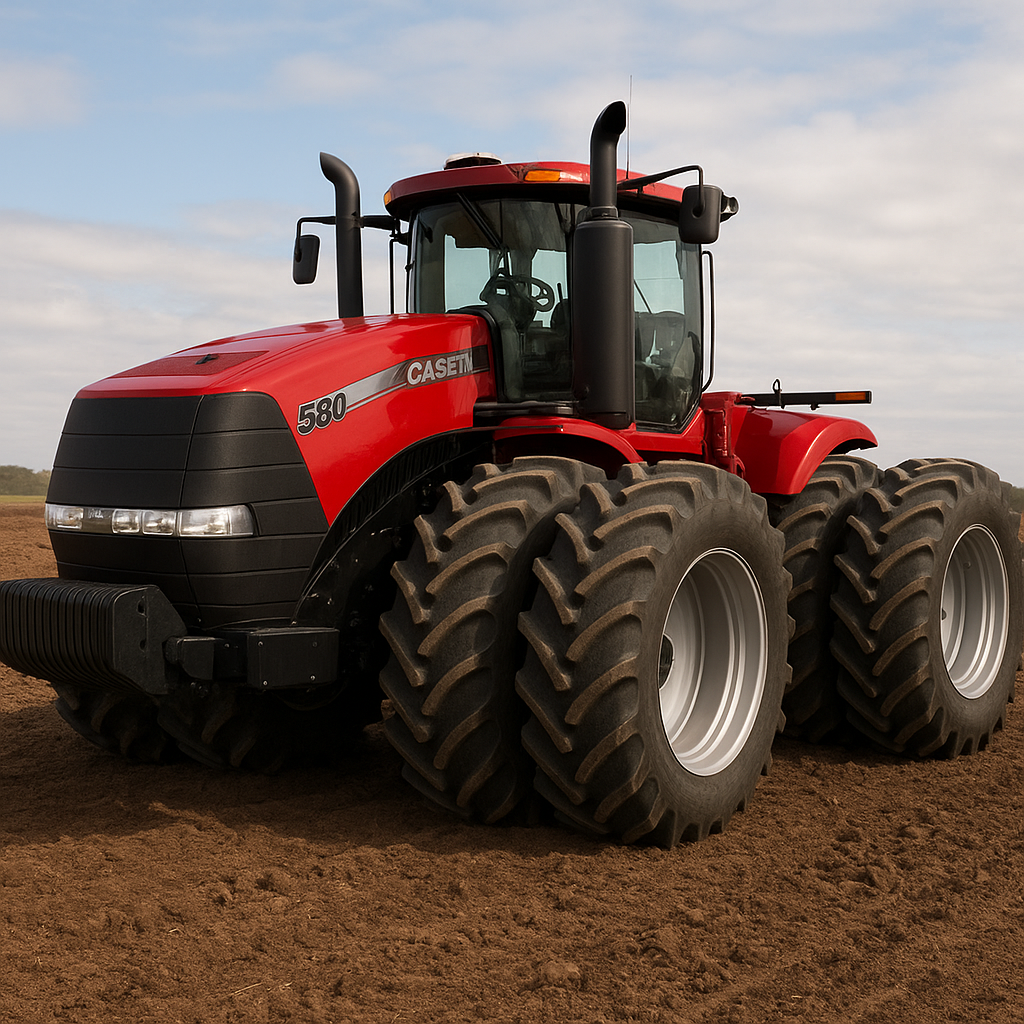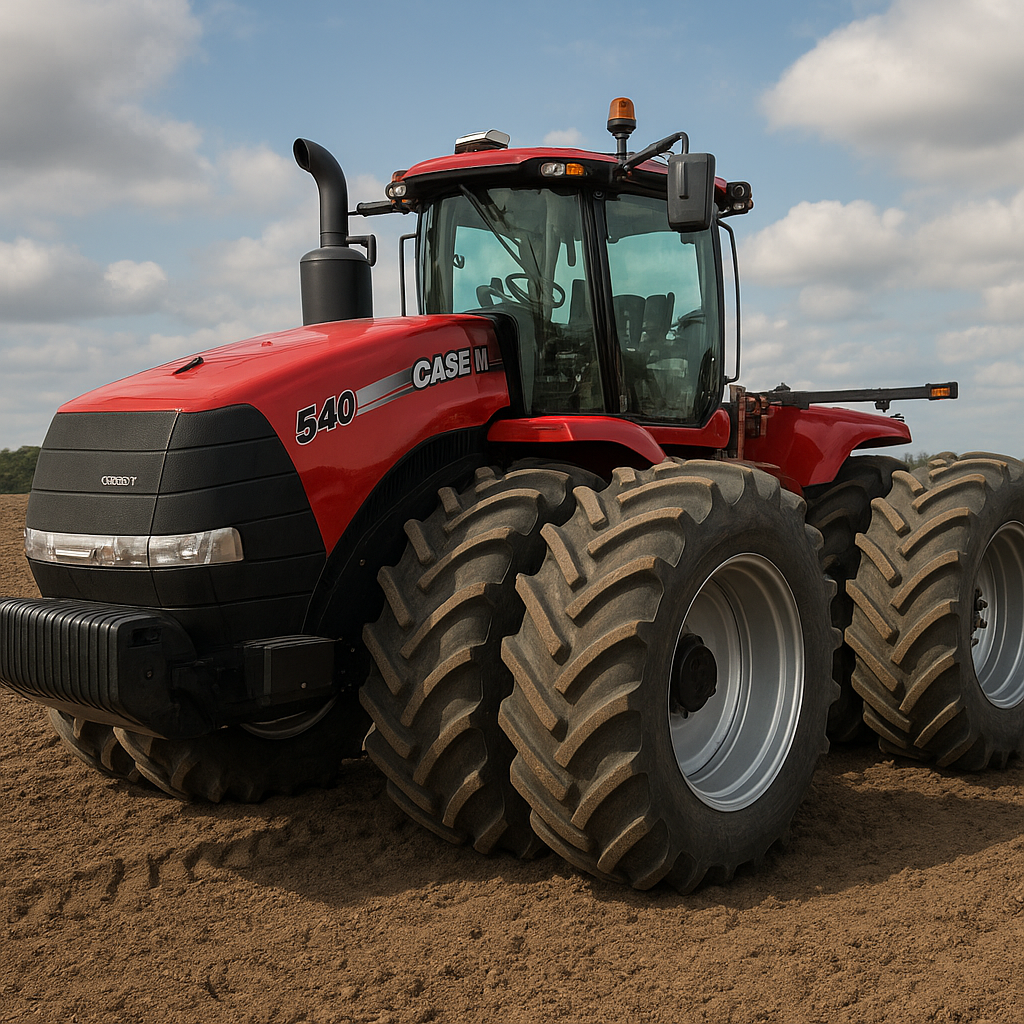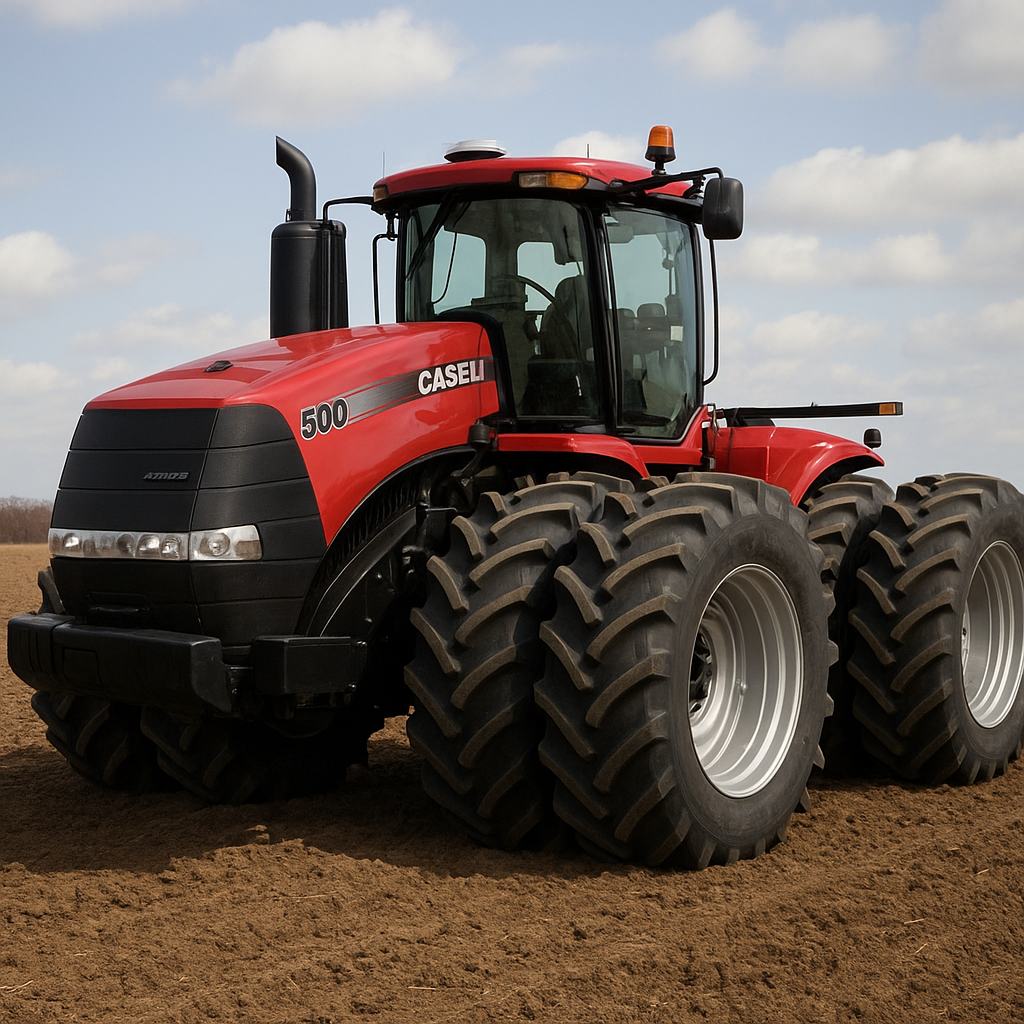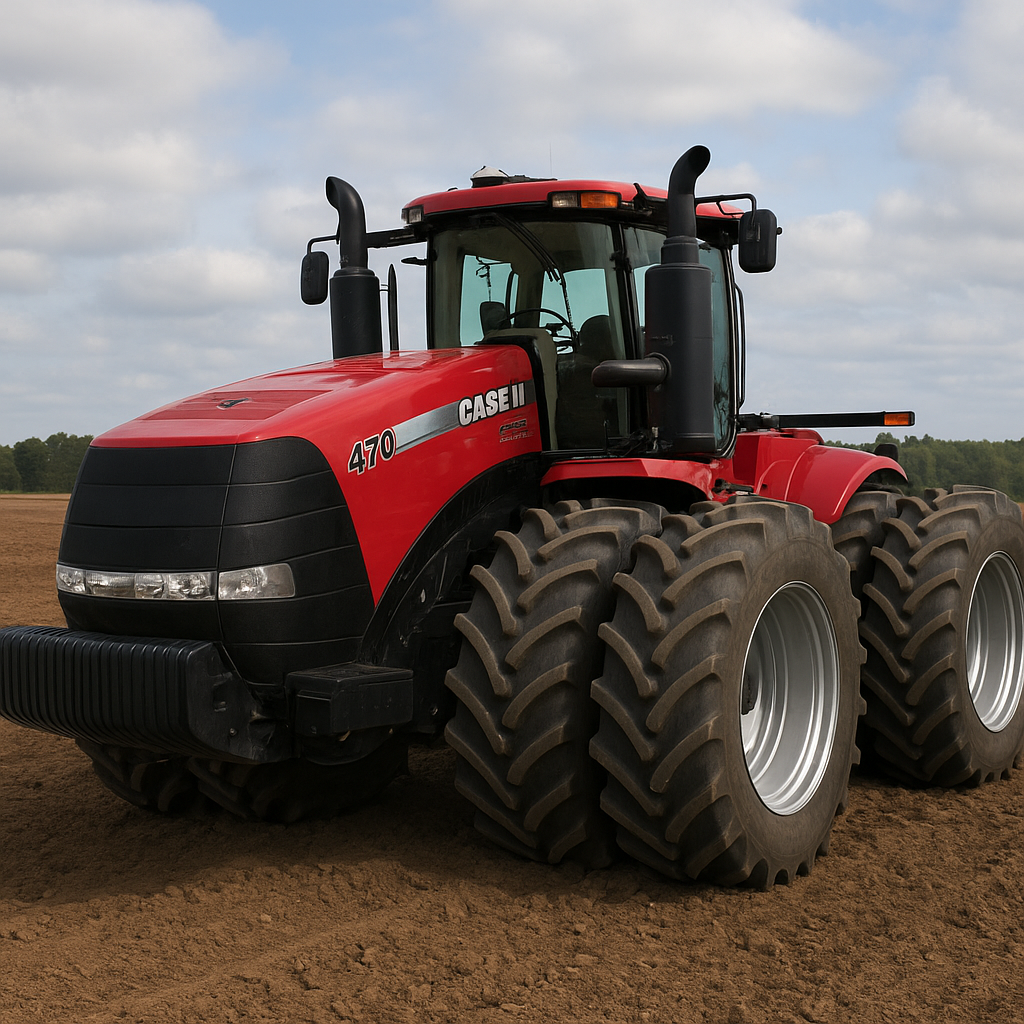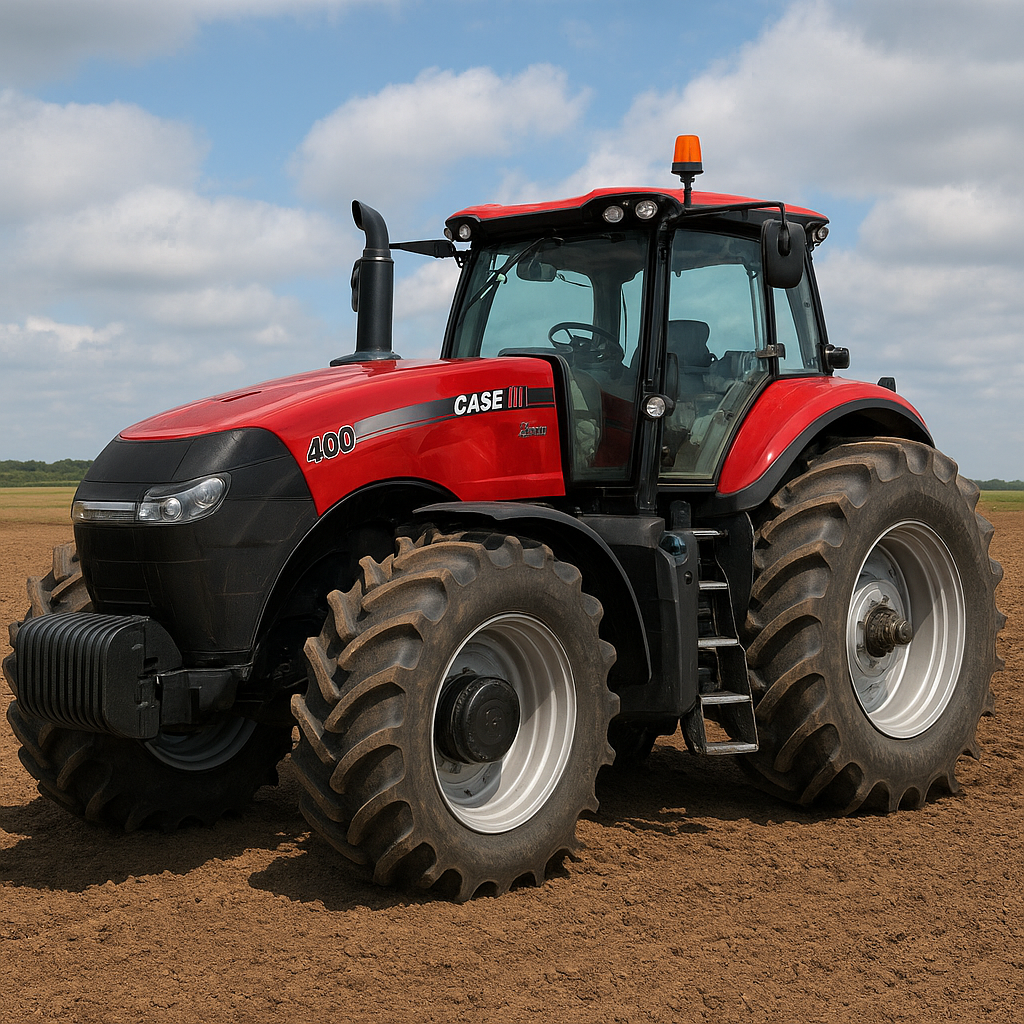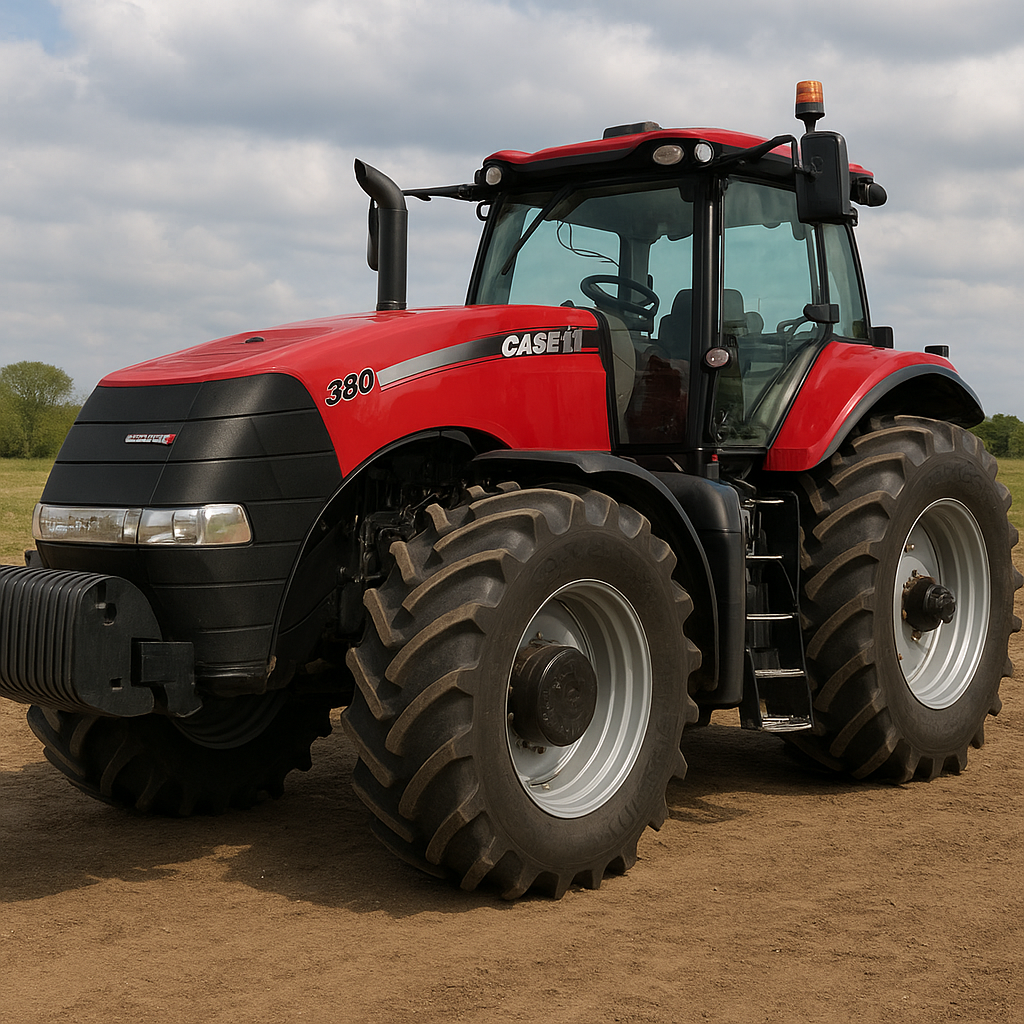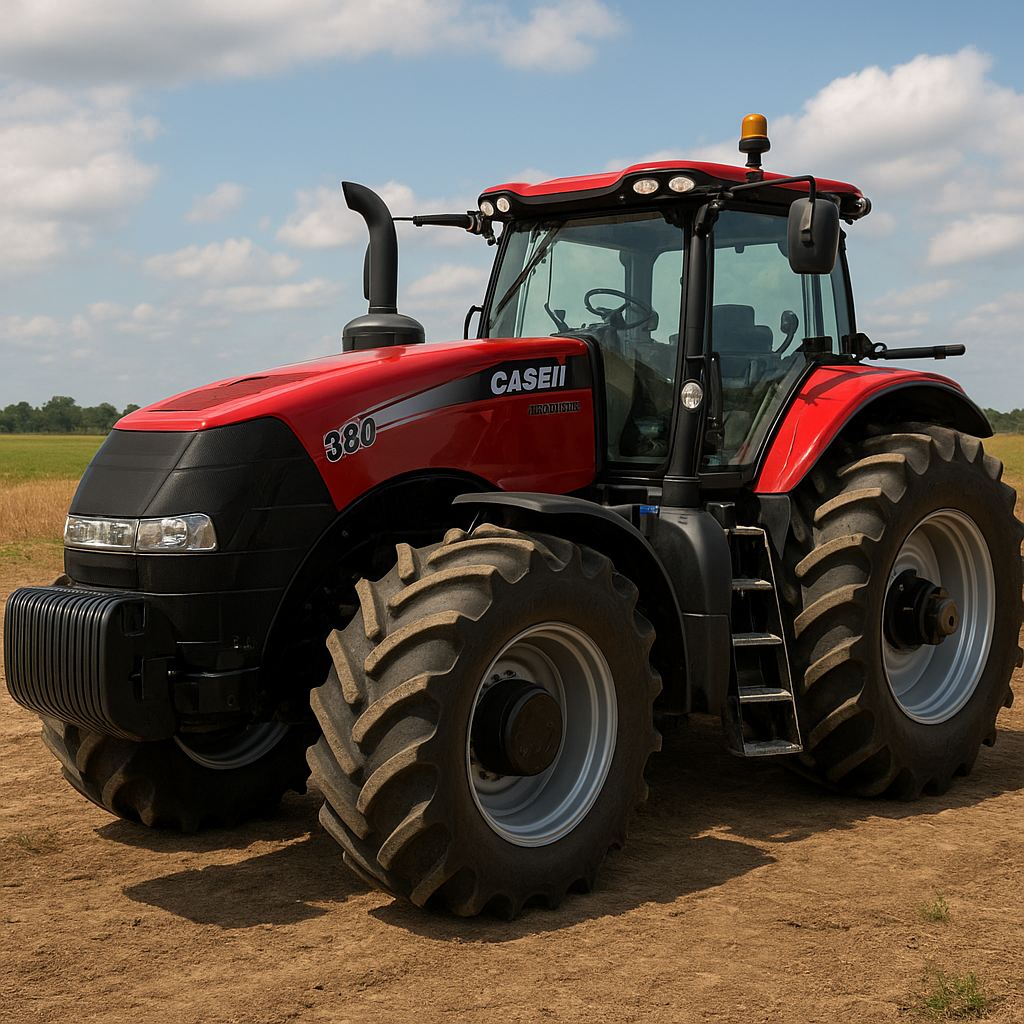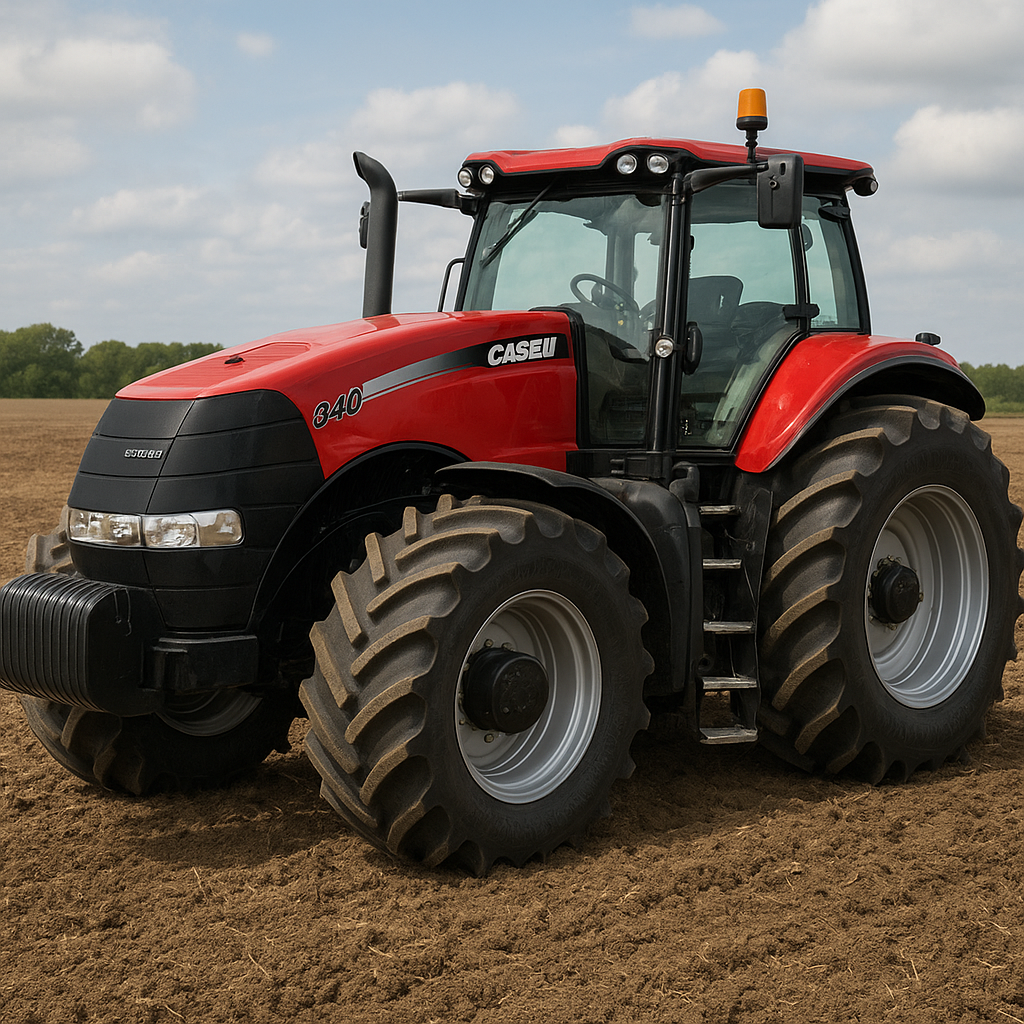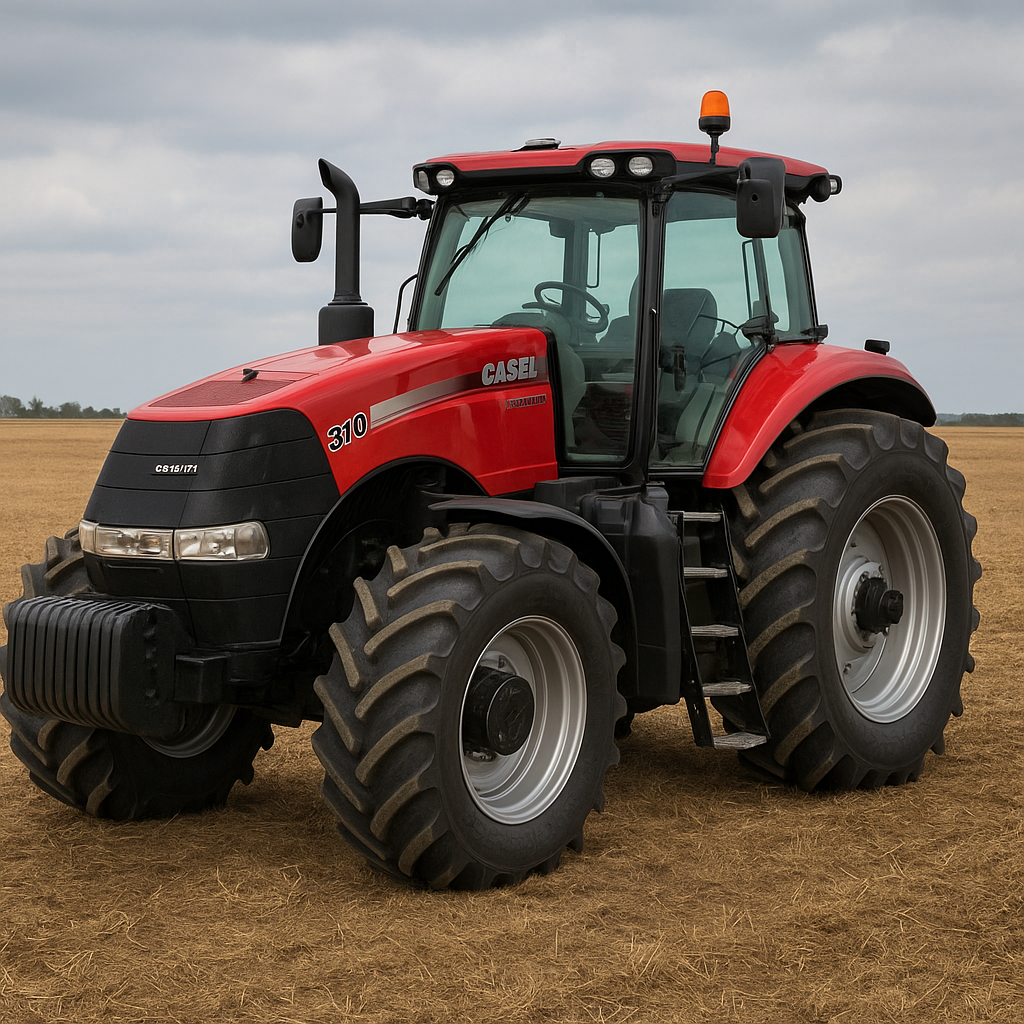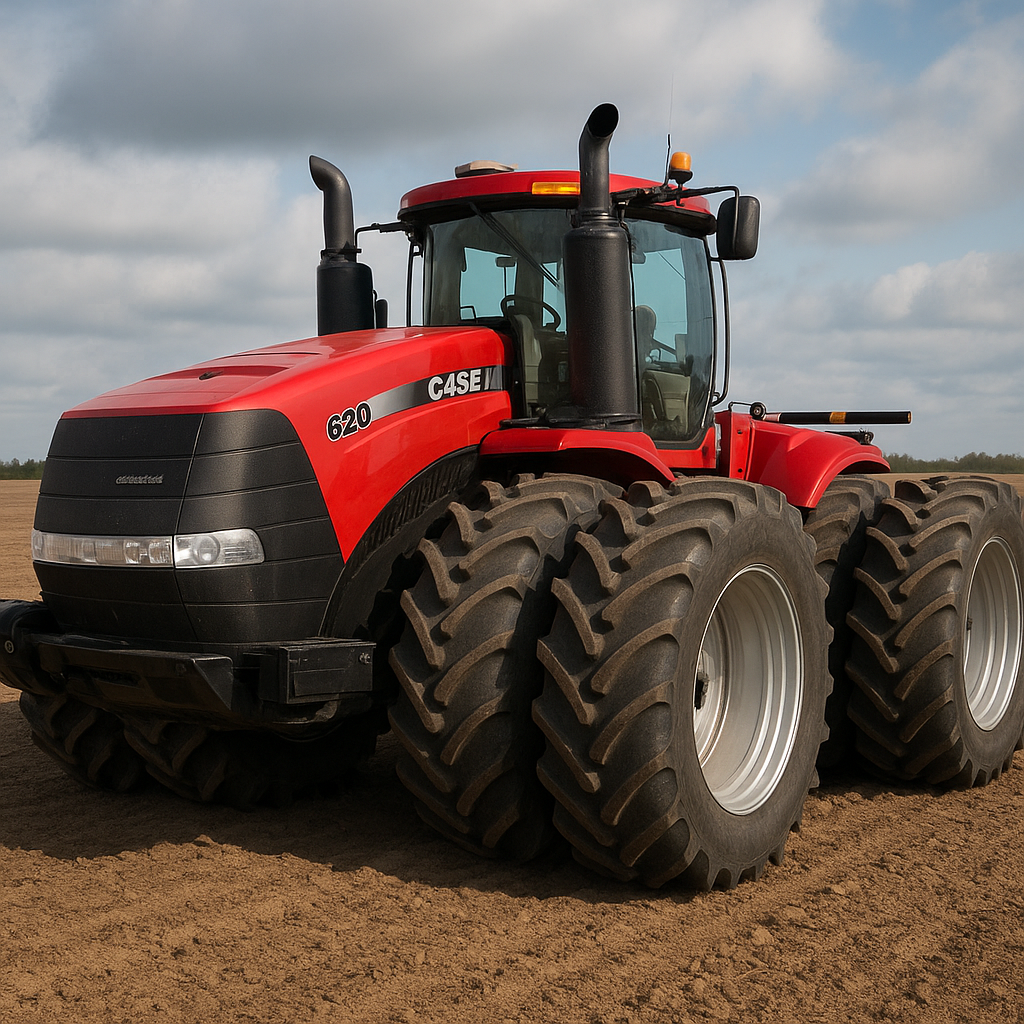
The Case IH Steiger 620 is a heavyweight contender in the world of large agricultural tractors. Designed to deliver exceptional pulling power, reliable performance and advanced operator comfort, the Steiger 620 is commonly found on large-scale farms, in heavy tillage operations and wherever maximum traction and sustained horsepower are required. This article explores the machine’s design, typical applications, technical highlights, operational considerations and economic impact for modern agricultural businesses.
Design and engineering philosophy
Case IH engineered the Steiger series with a focus on combining raw power and robust construction with operator ergonomics and serviceability. The Steiger 620 sits near the top of the product line in terms of output and chassis capability, featuring a heavy-duty frame designed to handle high drawbar loads and large implements.
Powertrain and driveline
The Steiger 620 is built around a high-displacement diesel engine designed to provide sustained power for long field days. Typical configurations emphasize maximum rated power in the high hundreds of horsepower (the model designation, 620, denotes the approximate nominal engine horsepower). Transmission choices historically include advanced multi-range powershift and continuously variable/infinitely variable style drivetrains on some variants, giving operators a balance between direct mechanical efficiency and flexibility for varying field speeds. The driveline and final drives are engineered to meet the demands of continuous heavy draft work while ensuring reliable torque delivery to the wheels or tracks.
Chassis, axles and traction
The Steiger’s articulated chassis, heavy axles and large tire or track options are tailored for improved traction and flotation. Available in both dual-wheel and track configurations (including Quadtrac on some Steiger-family models), the machine is optimized to maintain traction across soft or uneven ground and to spread weight for reduced soil compaction. The combination of a long wheelbase, substantial ballast capacity and adjustable ballast strategies helps operators match the tractor to specific implements and soil conditions.
Operator environment
Case IH places strong emphasis on operator comfort and control, equipping the Steiger 620 with a spacious cab featuring adjustable seating, climate control, and ergonomic controls. Integrated displays, joystick controls and advanced automation systems are commonly offered to reduce operator fatigue and improve precision in repeatable tasks such as deep tillage, primary seeding or transport of heavy equipment.
Typical applications and use cases
The Steiger 620 is a purpose-built machine for demanding agricultural tasks. Its design makes it particularly valuable in the following areas:
- Primary tillage – operating large plows, discs and cultivators that require sustained draft force and consistent ground-engagement over many hectares.
- Large-scale seeding – pulling multiple-row planters and air seeders across broad fields where consistent speed and depth control matter for uniform emergence.
- Heavy transport – moving heavy implements or trailers on and off the field where high torque and robust braking are necessary.
- Land management – tasks such as deep ripping, subsoiling and reclamation where deep, repeatable passes are required.
- Hay and forage operations – towing large balers or forage harvesters in areas where horsepower and traction translate directly into throughput.
Commercial and contractor use
Contractors and custom operators often favor the Steiger 620 because its combination of power and durability allows them to operate large implements and cover extensive acreages efficiently. The machine’s capability to work with multiple attachments and handle long operational cycles makes it a common sight in contracting fleets.
Performance and specifications (typical figures)
Specifications can vary by year, configuration and regional options. Below are representative figures and ranges to give a practical sense of the Steiger 620’s class and capabilities.
Representative performance figures:
- Approximate rated engine power: ~620 hp (model designation indicative of class)
- Engine type: high-displacement, turbocharged diesel with advanced fuel management
- Transmission: multi-range powershift or continuously variable (depending on model/year)
- Hydraulic flow: high-capacity hydraulic systems to operate large implements and multiple remote couplers
- Ballast and operating weight: substantial and adjustable, depending on tires/tracks and ballast choices
Note: exact numbers such as engine displacement, maximum torque and hydraulic flow depend on model year and selected options. For procurement or compatibility assessments, consult the specific serial-numbered machine’s specification sheet or a local dealer for verified figures.
Fuel economy and efficiency
Large tractors like the Steiger 620 are optimized for work-per-liter rather than absolute fuel economy. Efficiency depends on matching tractor power to implement demand, using gears and field speeds that keep the engine in its optimal fuel-efficiency band, and leveraging advanced electronic engine management and transmission control systems. Many operators report the best fuel economy when avoiding prolonged high engine RPMs under partial load and instead using the opportunity to downshift or adjust implement settings to maintain engine load within an efficient window.
Technology and automation
In recent generations, Steiger tractors incorporate a range of electronic systems intended to increase precision, productivity and ease of operation.
- GPS guidance and auto-steer integration for consistent pass-to-pass accuracy and reduced overlap.
- Implement control systems and ISOBUS compatibility for seamless communication between tractor and implement.
- Telematics and remote diagnostics to monitor machine health, location and performance metrics for fleet management.
- Advanced traction control, differential lock management and suspension settings to optimize field performance.
Driver aids and precision farming
Precision farming features can significantly improve operational efficiency when paired with a machine of this size. Auto-steer capabilities reduce operator fatigue and yield precise row spacing and coverage; variable-rate application and section control features minimize input overlap and save seed, fertilizer and fuel across large farms. Many Steiger owners leverage data capture systems to track field passes, fuel use and implement hours to inform maintenance and optimize field planning.
Maintenance, reliability and operating costs
Owning and operating a high-horsepower tractor like the Steiger 620 involves careful attention to maintenance and lifecycle costs. Key considerations include:
- Scheduled maintenance: regular oil and filter changes, transmission and hydraulic fluid checks, and air system service to extend component life.
- Undercarriage and tire/track care: correct tire inflation, track tensioning and inspection to prevent premature wear.
- Cooling system upkeep: large engines generate significant heat; radiator and coolant maintenance are critical in hot or dusty climates.
- Electrical and electronic diagnostics: as tractors incorporate more sensors and controllers, timely software updates and diagnostic checks are important.
When properly maintained, Steigers are known for heavy-duty reliability over long service lives. However, parts and service costs are higher than for lower-power machines, and total cost of ownership should be considered in light of productivity gains: if a Steiger 620 can complete jobs that would otherwise require multiple smaller tractors, the fleet simplification and time savings can justify the investment.
Resale value and lifecycle
High-horsepower tractors from reputable manufacturers tend to retain value well relative to the specialty market, especially when service records and machine condition are well documented. Lifecycle planning often includes decisions about trade-in, rebuilds or component replacement (e.g., transmission rebuilds, engine overhauls) at major milestones measured in engine hours.
Attachment compatibility and implement selection
The Steiger 620’s strength lies not only in its horsepower but in its ability to interface with large implements. Choosing matching implements and properly setting up hitch geometry, hydraulics and PTO (where applicable) is critical for safe and efficient operation.
- Large plows, heavy discs and cultivators that require consistent draft force.
- High-capacity seeders and planters, often towed with air carts and requiring hydraulic and electrical interfaces.
- Soil conditioning equipment, such as deep rippers and subsoilers.
- Large-mounted or trailed spraying systems for broadacre operations (ensuring boom weight and transport considerations are accounted for).
Adaptation for tracks vs. wheels
Many operators choose tracks (including rubber-track systems) for extreme flotation and reduced compaction, especially in wet or lighter soils, while others prefer large duals or triple wheels for versatility and lower cost. The selection depends on soil types, field size and transport requirements.
Environmental considerations and safety
Modern Steiger tractors are designed to meet contemporary emissions regulations through advanced engine control and aftertreatment systems. Operators should be aware of the impacts of large machine use and apply best practices to reduce soil compaction, fuel consumption and emissions.
- Use appropriate ballast and tire pressure to minimize soil compaction.
- Plan field operations to reduce redundant passes and optimize route efficiency.
- Keep emissions control systems in good repair to ensure compliance with local environmental regulations.
Safety for operators and bystanders is paramount. The size and mass of machines like the Steiger 620 require careful transport planning, proper lighting and marking for road travel, and clear communication between machine operators in multi-unit operations.
Buying and financing considerations
Purchasing a Steiger 620 should follow a thorough needs assessment. Key questions include:
- Will this single machine replace multiple smaller tractors or complement an existing fleet?
- What are the typical implements and loads the tractor will handle?
- Is the farm’s infrastructure (barns, transport routes, bridges) able to accommodate the machine’s dimensions and weight?
- What are warranty and service package options from local dealers, and what is the availability of parts?
Financing often factors in projected upticks in acreage or productivity. Leasing, hire purchase and manufacturer finance plans can be structured around seasonal cashflow to make investment more manageable for operators.
Summary and practical advice
The Case IH Steiger 620 is a high-horsepower tractor optimized for large-scale, heavy-duty agricultural tasks. It excels in primary tillage, large-scale seeding, heavy transport and other applications that demand long-duration, high-torque output and excellent traction. While exact specifications vary by year and configuration, the machine’s class and capabilities make it a natural choice for contractors and large farms seeking to maximize throughput.
Practical advice for prospective users:
- Match machine power to implement demand—overpowering small implements is inefficient, while underpowering large implements strains the drivetrain.
- Invest in operator training to exploit advanced guidance and automation systems and to reduce wear from improper operation.
- Plan a maintenance schedule and budget for higher parts and service costs relative to smaller tractors.
- Consider soil health and compaction mitigation strategies when operating large machines, including tire pressure management and strategic routing across fields.
With the right planning, the Steiger 620 can be a cornerstone asset for large-scale agricultural operations, delivering significant productivity advantages when its power, traction and durability are matched to appropriate tasks. Its combination of advanced controls, comfortable operator environment and heavy-duty engineering make it a modern example of how high-horsepower tractors contribute to contemporary farming efficiency.