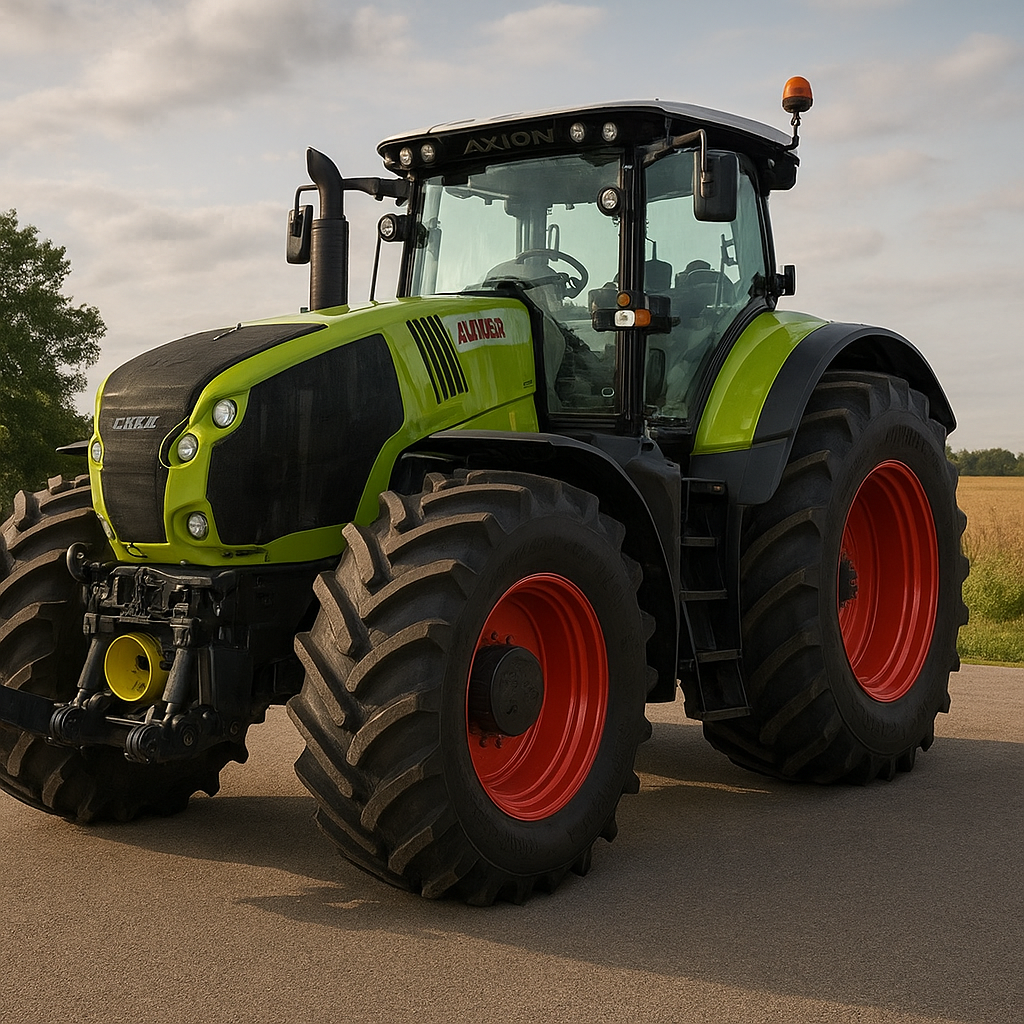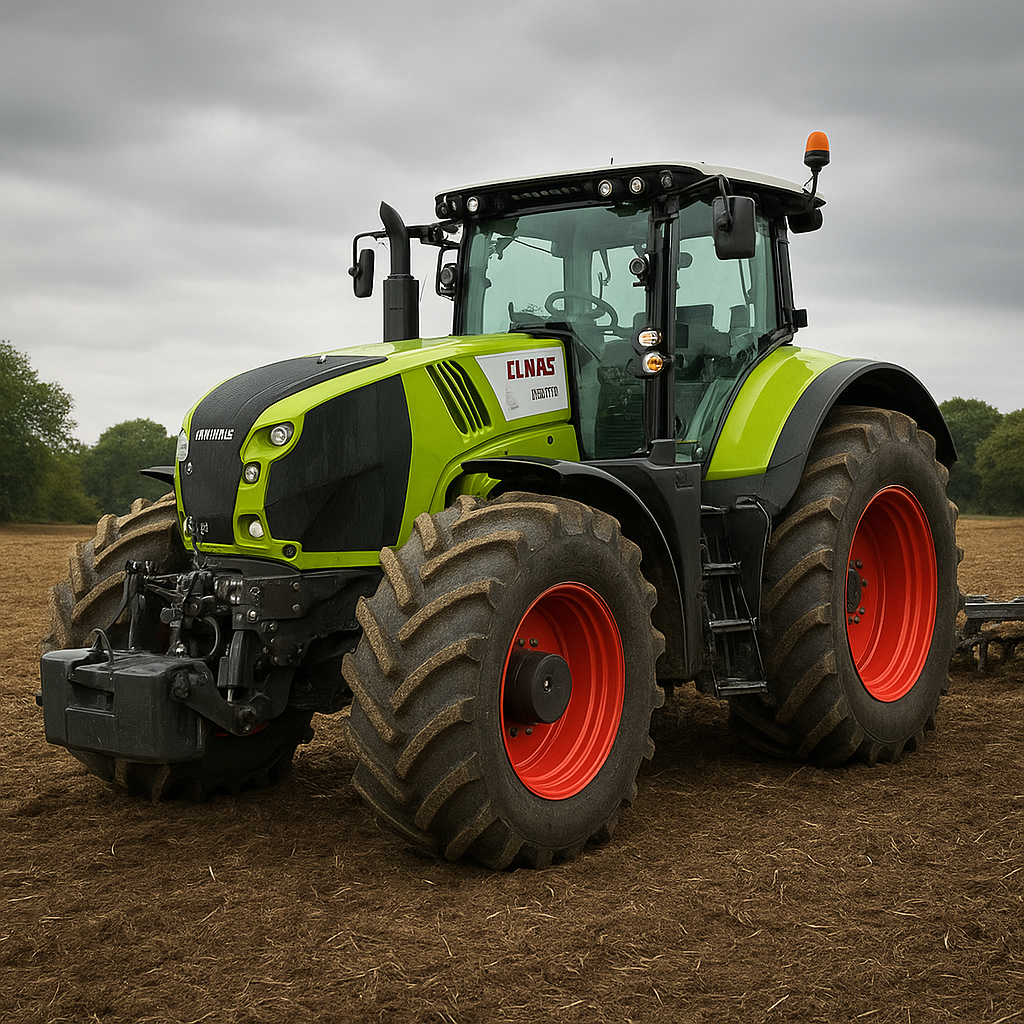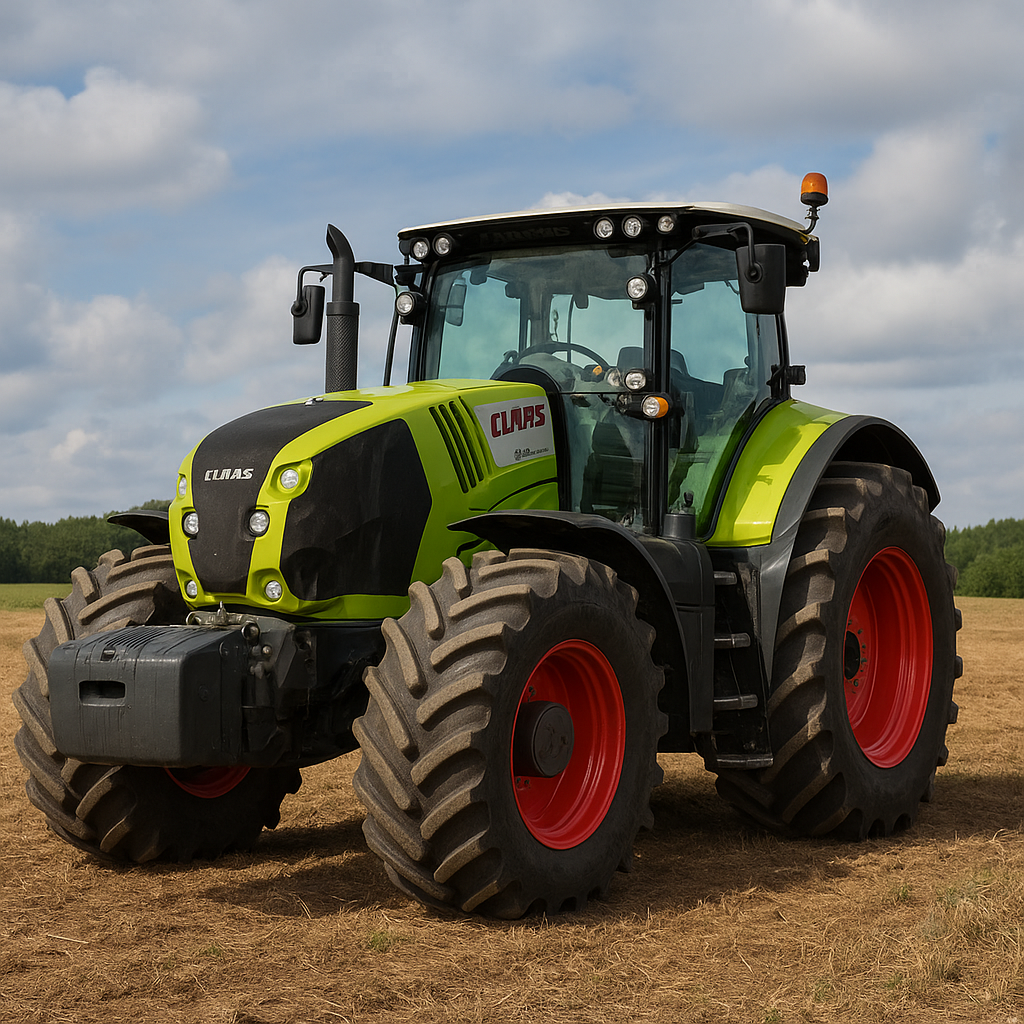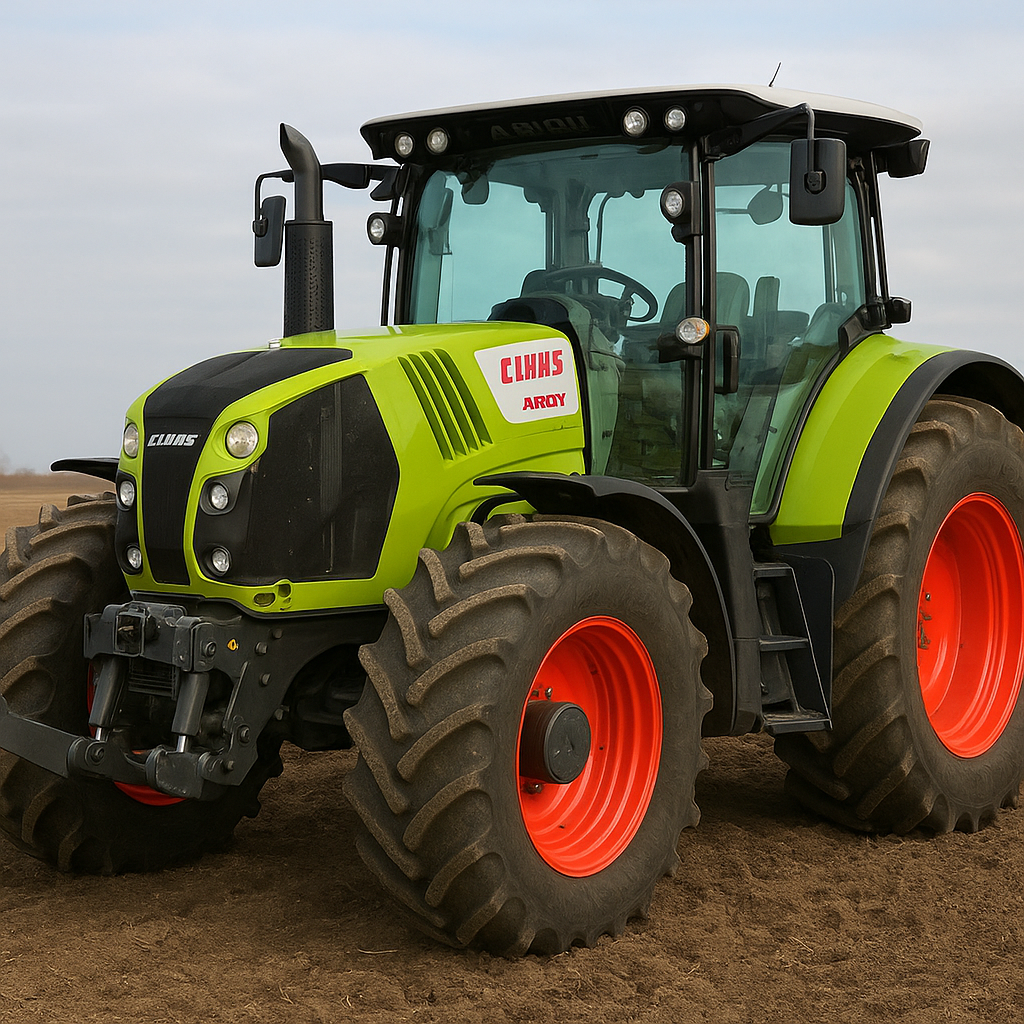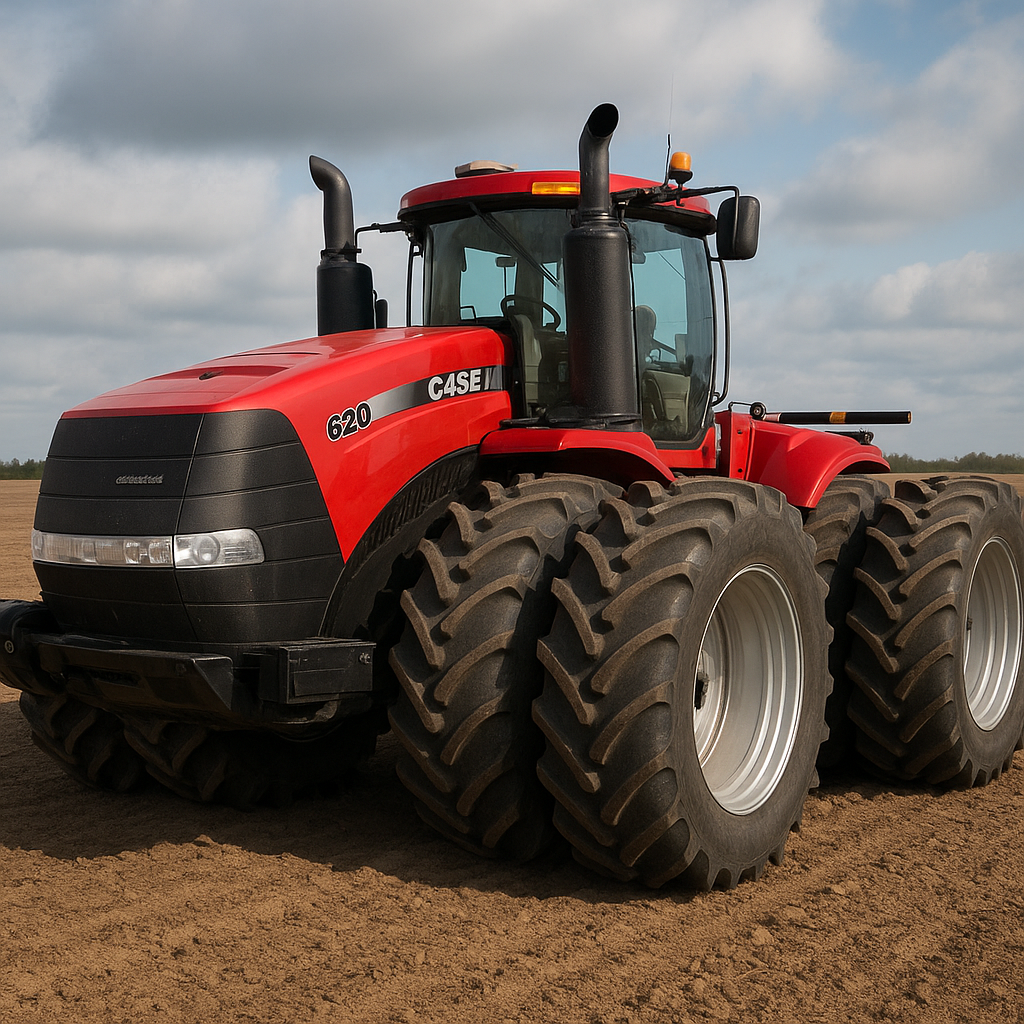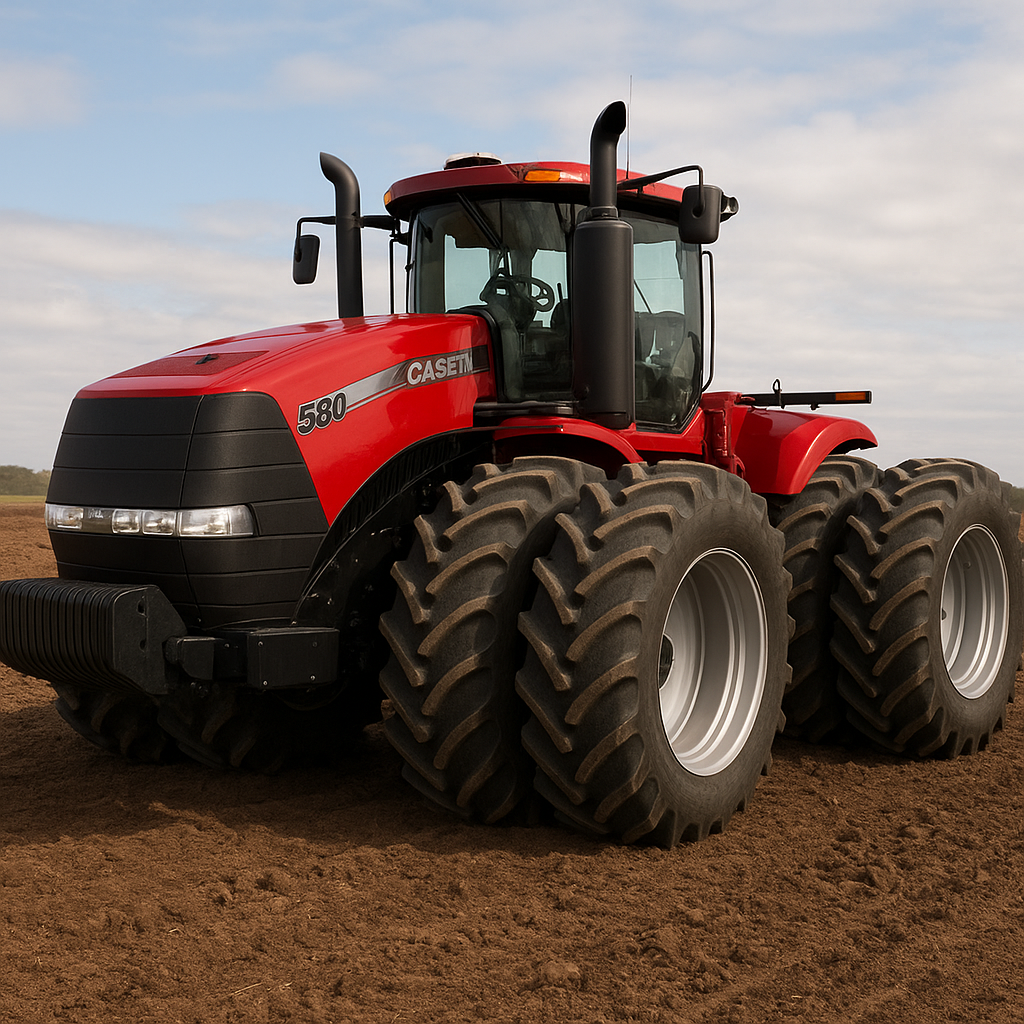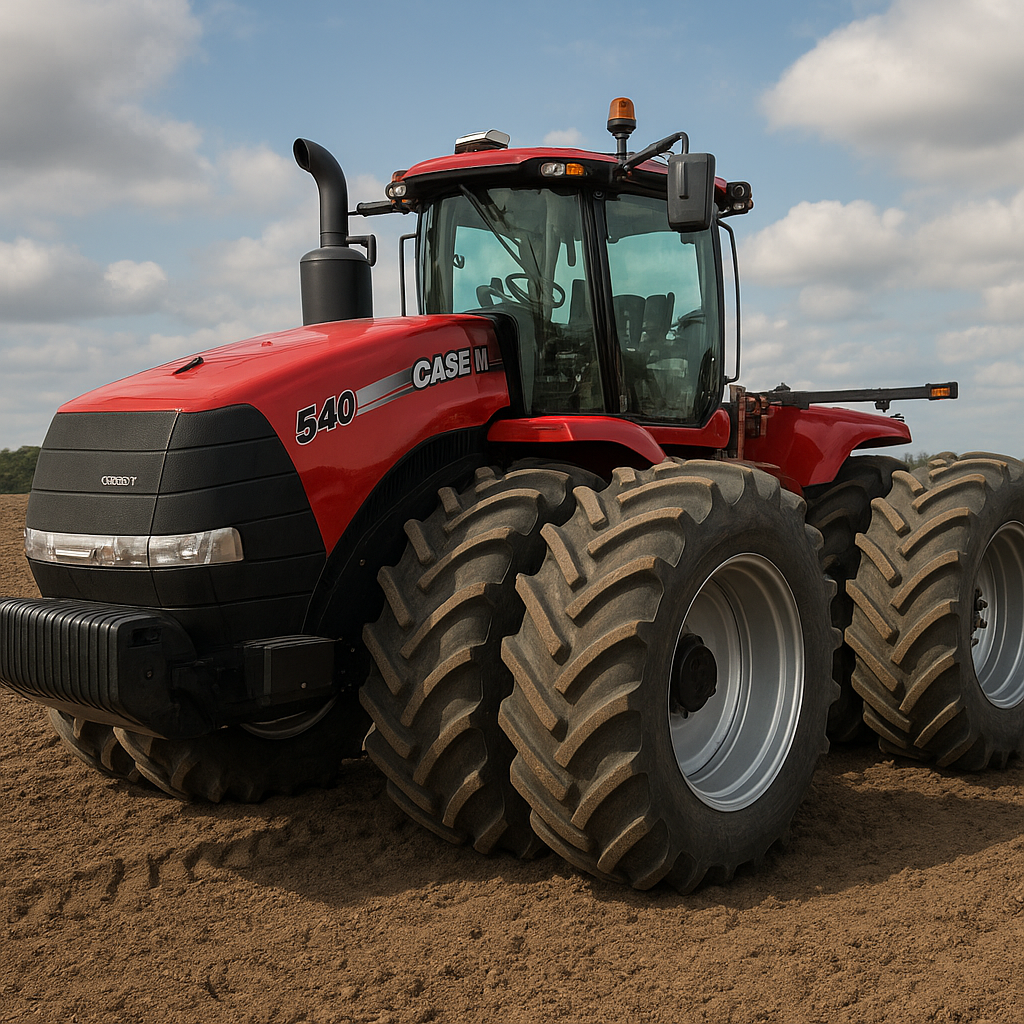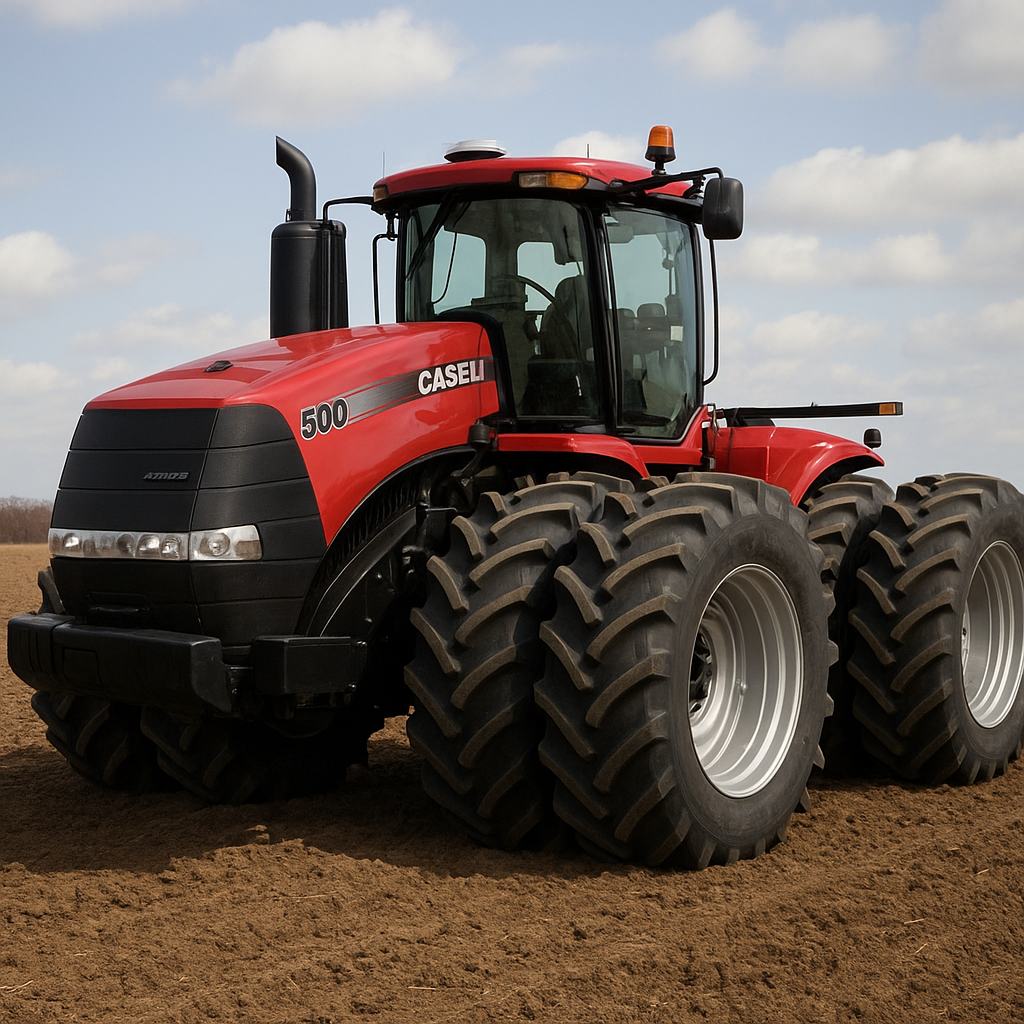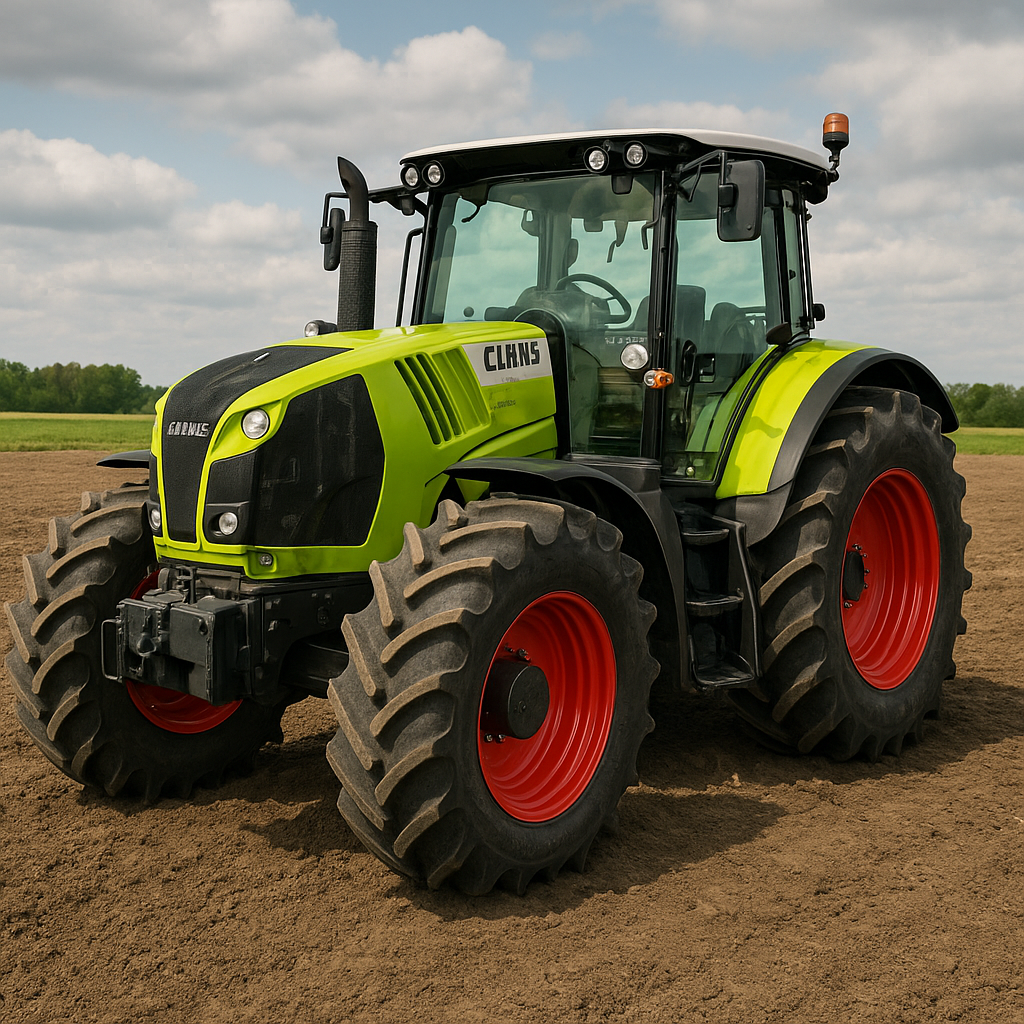
The Claas Arion 660 is a versatile mid‑range agricultural tractor that has become a familiar sight on farms across Europe and beyond. Designed to deliver a balanced combination of power, comfort and adaptability, this model sits in the middle of the Arion range and is intended for a wide spectrum of tasks — from soil cultivation and transport to haymaking and loader work. In the following sections, we explore the Arion 660’s technical attributes, typical applications, operator comfort and technology, practical performance figures, and ownership considerations.
Technical overview and design philosophy
The Claas Arion 660 follows Claas’s philosophy of offering machines that are easy to operate, robustly built and adaptable to different farming systems. At its core, the Arion 660 is engineered around a reliable powertrain, a modular transmission system and a well‑appointed cab. The tractor is often chosen by farms that need a single machine capable of tackling a broad set of seasonal operations without the complexity and cost associated with higher‑end specialty tractors.
Engine and powertrain
The Arion 660 typically features a mid‑power engine in the Arion 600 family. Depending on model year and market, it is offered with diesel engines from reputable manufacturers that meet applicable emissions standards for the time of manufacture. Rated power usually places the Arion 660 in the mid‑hundred horsepower bracket, making it suitable for implements and operations that require both continuous pulling power and responsive torque for short bursts of load. Key aspects of the Arion 660 powertrain include:
- Reliable diesel engines tuned for agricultural duty cycles.
- Multiple transmission choices — from synchronized gearboxes to semi‑powershift and continuously variable or stepless options in some configurations — allowing buyers to prioritize simplicity, efficiency or comfort.
- A selection of PTO speeds (commonly 540 and 1000 rpm, with economy options like 540E) to match a wide range of implements.
These elements combine to give the Arion 660 a flexible performance envelope: adequate top speed for road transport, low‑speed creep for seeding and horticultural tasks, and power management suitable for mounted and trailed implements.
Hydraulics and linkage
Another important technical area is the hydraulic and three‑point linkage system. The Arion 660 is typically fitted with a dependable rear linkage with electronic draft and position control that provides precise implement management for ploughs, cultivators and seed drills. Hydraulics on many configurations are designed with high flow options to support modern implements and front‑end loaders. Typical features include:
- Electronic hitch control for improved repeatability and sensitivity during field work.
- Optional high‑flow pumps (in many markets up to the mid‑triple‑digit liters per minute range) to support hydraulic motors, wide balers and loader circuits.
- Multiple remote valves (mechanical or electronic) configurable for complex hydraulic functions.
Applications and daily use
One of the Arion 660’s strengths is its ability to serve as the farm’s “do‑everything” tractor. It is commonly used on mixed farms, medium‑sized arable operations and livestock enterprises where versatility and cost effectiveness are prized. Typical application areas include:
- Tillage — primary and secondary cultivations with mounted or trailed implements.
- Seeding and planting — pulling seed drills and planters with precise draft control.
- Hay and forage — mowing, tedding, raking, baling and wrapping when fitted with appropriate PTOs and hydraulics.
- Loader work — front loaders for bale handling, material transport and feed management.
- Transport — trailers and slurry tankers on road and field with speeds useful for modern farm logistics.
Because of its balance of horsepower and weight, the Arion 660 is often preferred where traction and soil protection are both important. With correct tire selection and ballast, the tractor provides good traction without excessive compaction. For livestock farms, the Arion 660’s maneuverability and loader options make it a daily workhorse, while arable farms value its ability to handle long hours behind seeders and cultivators.
Loader compatibility and front linkage
Many Arion 660 tractors are paired with factory‑approved front loaders or front linkage packages. These combinations transform the tractor into an efficient material‑handling unit. Features commonly found when configured for loader work include:
- Strong front lift capacity for pallet forks and bucket work.
- Integrated joystick or armrest controls to operate loader functions smoothly.
- Quick‑attach systems for rapid change between implements.
Operator environment, comfort and technology
Claas places emphasis on operator comfort and intuitive controls, and the Arion 660 reflects that emphasis. The cab is designed to be a productive workplace for long days in the field, featuring excellent visibility, ergonomic control layouts and climate control options. Some of the cab and technology highlights typically available include:
- Spacious and quiet cab with panoramic windows for excellent sightlines to implements and loaders.
- Comfort features such as air suspension seats, adjustable steering column and climate control to reduce operator fatigue.
- Armrest‑mounted control clusters that consolidate the most frequently used functions for convenience.
- Optional precision farming compatibility including ISOBUS, GPS guidance and telematics packages on certain trims.
When equipped with precision farming tools, the Arion 660 can support auto‑steer, section control and rate control functions that increase field efficiency, reduce overlaps and deliver input savings. Telematics solutions available for Claas tractors can transmit operational data for fleet management, maintenance scheduling and remote diagnostics.
Safety and visibility
Safety features are designed around the operator and the machine’s work environment. Standard and optional elements typically include robust lighting packages for extended working hours, good rear visibility for hitching and reversing, and well‑placed mirrors and camera options for loader and rear implement operations.
Performance figures, fuel economy and operating costs
Exact performance numbers for any particular Arion 660 depend on year, specification and optional equipment. However, there are some general expectations and typical ranges that give a realistic picture of operating performance:
- Horsepower — the Arion 660 is positioned in the mid‑power bracket of the Arion 600 family; depending on model year and tuning, typical rated power is often in the low to mid hundreds of horsepower, sufficient for a broad range of implements.
- Fuel consumption — in real‑world mixed duty cycles, fuel consumption often ranges based on load from single‑digit to low double‑digit liters per hour. For many medium workload tasks farmers report consumption figures that make the Arion 660 competitive with other tractors in its class when considering power output and efficiency.
- PTO and hydraulic performance — available PTO speeds and hydraulic flows are designed to meet the demands of modern implements; high‑flow options improve performance for hydraulically driven machines and loaders.
Owners typically consider the Arion 660 economical to run when maintained correctly. Key areas affecting operating costs include routine servicing, tire selection and ballast, correct selection of gear and engine speed for tasks, and the use of precision farming tools that can reduce fuel and input wastage over time.
Reliability and maintenance
Claas tractors, including the Arion series, are generally regarded for robust build quality and long service intervals when properly maintained. Practical maintenance considerations include:
- Following manufacturer service intervals for oil and filter changes to protect the engine and transmission.
- Keeping hydraulic and cooling systems clean and free of contamination to extend component life.
- Using dealer‑recommended parts and software updates, especially if the tractor is equipped with electronic control systems and precision farming tools.
Many operators report long working seasons between major services when attention is paid to daily checks and preventive maintenance. Warranty and dealer network coverage vary by country, so prospective buyers should compare support options when purchasing.
Market reception, resale and comparisons
The Arion 660 sits in a competitive mid‑range segment of the tractor market, where buyers weigh cost, capability and aftersales support. In markets where Claas has strong dealer presence, the Arion family enjoys favorable resale values and wide aftermarket support. Factors that influence market reception include:
- Dealer network — strong local dealer support improves parts access and reduces downtime.
- Commonality of parts across Claas models — which can reduce inventory needs and maintenance complexity on mixed fleets.
- Availability of modern features such as cab comfort, loader packages and precision farming options — which attract buyers looking to consolidate fleet roles into a single versatile machine.
Comparatively, the Arion 660 is often pitched against similar mid‑range offerings from other major tractor brands. Buyers typically choose based on personal preference for cab ergonomics, dealer experience, optional equipment lists and the total cost of ownership rather than raw specification alone.
Resale and lifecycle
Resale values for tractors are influenced by hours of operation, service records and how up‑to‑date the electronics and precision agriculture features are. An Arion 660 with well‑documented maintenance history, appropriate tires and recent software updates will retain greater market value. Farm buyers often plan a tractor lifecycle of many years and tens of thousands of operating hours, so initial purchase choices reflect long‑term considerations.
Strengths, limitations and buying advice
When evaluating the Claas Arion 660, it helps to balance the machine’s strengths against the limitations that are inherent to mid‑range tractors. Strengths typically include:
- Versatility — suitable for a broad array of tasks across different farm enterprises.
- Comfortable and user‑friendly cab conducive to long operating days.
- Good overall value for farms that need multi‑role capability without stepping into larger, more expensive classes.
Limitations to consider:
- Farms requiring extreme heavy‑duty or high‑horsepower tractors for continuous deep ploughing or large implements may prefer higher‑tier models.
- Some advanced precision and automation features that are standard in premium classes may be optional or unavailable depending on the Arion 660’s specific trim.
Buying advice for prospective Arion 660 owners:
- Define the typical daily tasks and choose the transmission and hydraulics package that match those operational needs.
- Consider loader or front linkage options if material handling is frequent work on your farm.
- Review service plans and parts availability from local Claas dealers to minimize downtime.
- If precision farming features are important, verify ISOBUS, GPS/RTK compatibility and telematics options for the specific model year.
Practical examples and user experiences
Farmers who operate the Arion 660 commonly highlight its ability to switch between tasks quickly and its comfortable cab as key advantages. For example, a mixed livestock farm may use an Arion 660 in the morning to move feeders and bales with a loader, then switch implements and head to a field for mowing or slurry spreading in the afternoon. Arable operations value the tractor’s consistent draft control when operating drills and cultivators, and contractors appreciate the dependable PTO and hydraulic capabilities for a variety of short‑term contracts.
User reports indicate that when the machine is equipped with modern guidance and task‑controller systems, field efficiency improves measurably thanks to fewer overlaps and optimized implement control. Maintenance narratives usually emphasize the importance of keeping service logs and adhering to recommended oil and filter change intervals to preserve resale value and reliability.
Summary and final considerations
In summary, the Claas Arion 660 represents a pragmatic choice for farms seeking a dependable, comfortable and adaptable mid‑range tractor. Its combination of adequate power, configurable hydraulics, multiple transmission choices and a well‑appointed cab make it a true generalist that can serve many roles across the farm. Prospective buyers should evaluate specific trim levels and optional packages to ensure the tractor aligns with their most frequent tasks, and they should consider dealer support and parts availability when making a purchase decision.
Whether used for loader duties at a dairy enterprise, towing seeders on a mixed crop farm, or operating balers and mowers during the busy forage season, the Arion 660 is engineered to deliver a balance of efficiency and comfort. Properly specified and maintained, it can be a central element of a productive farm fleet for many years.