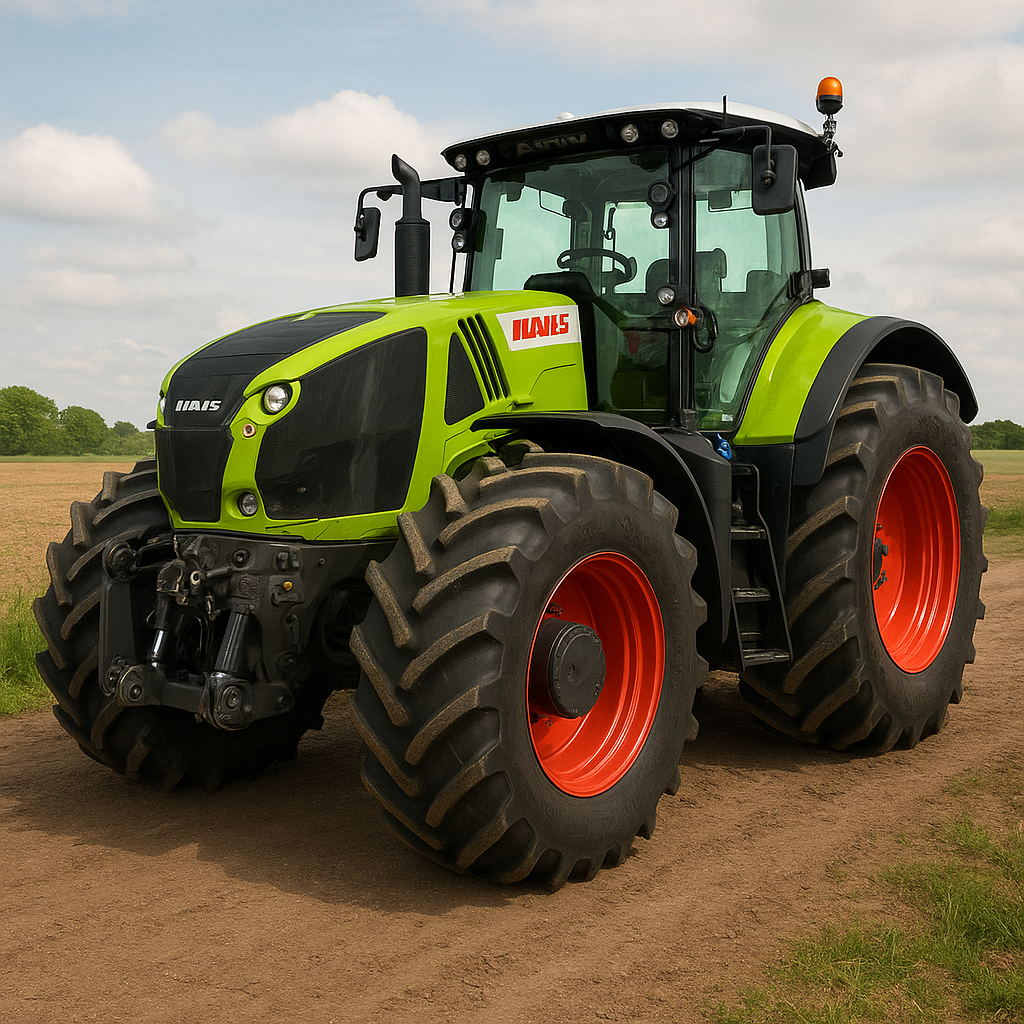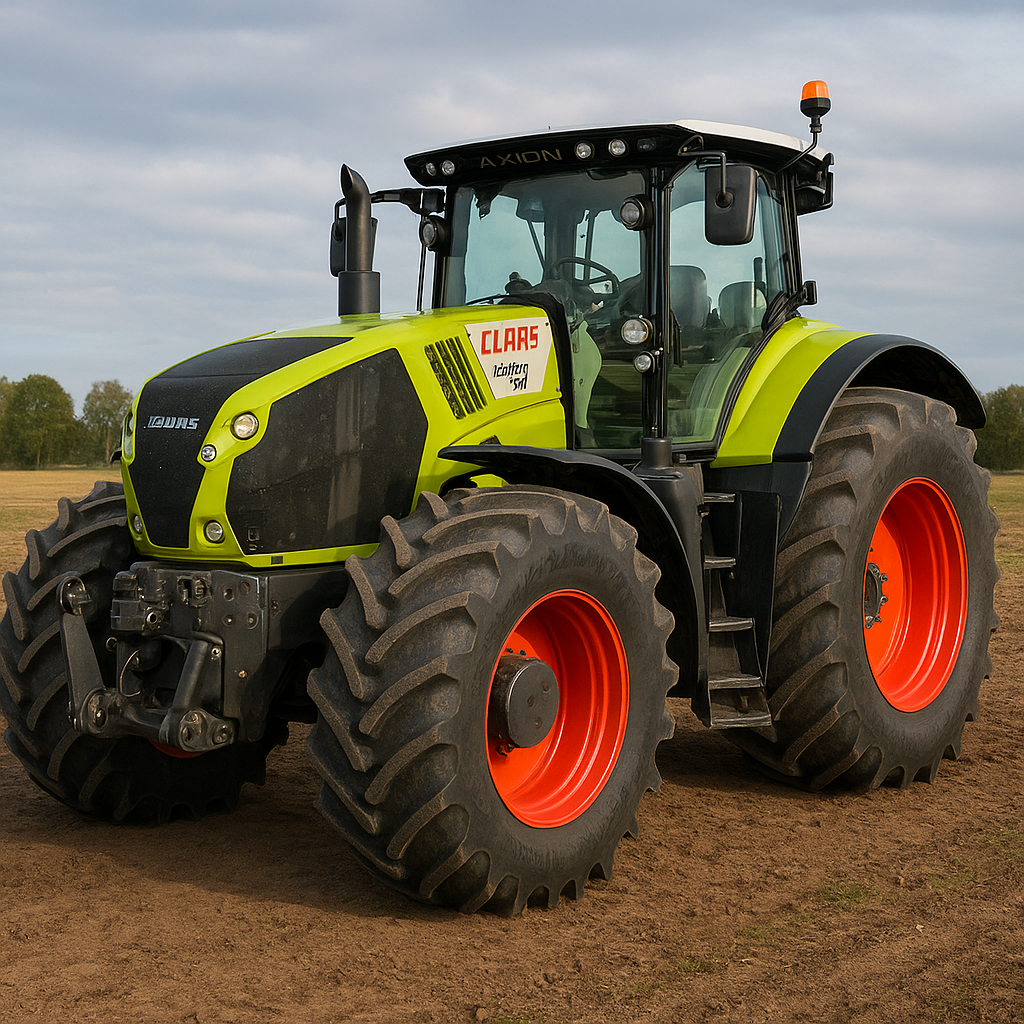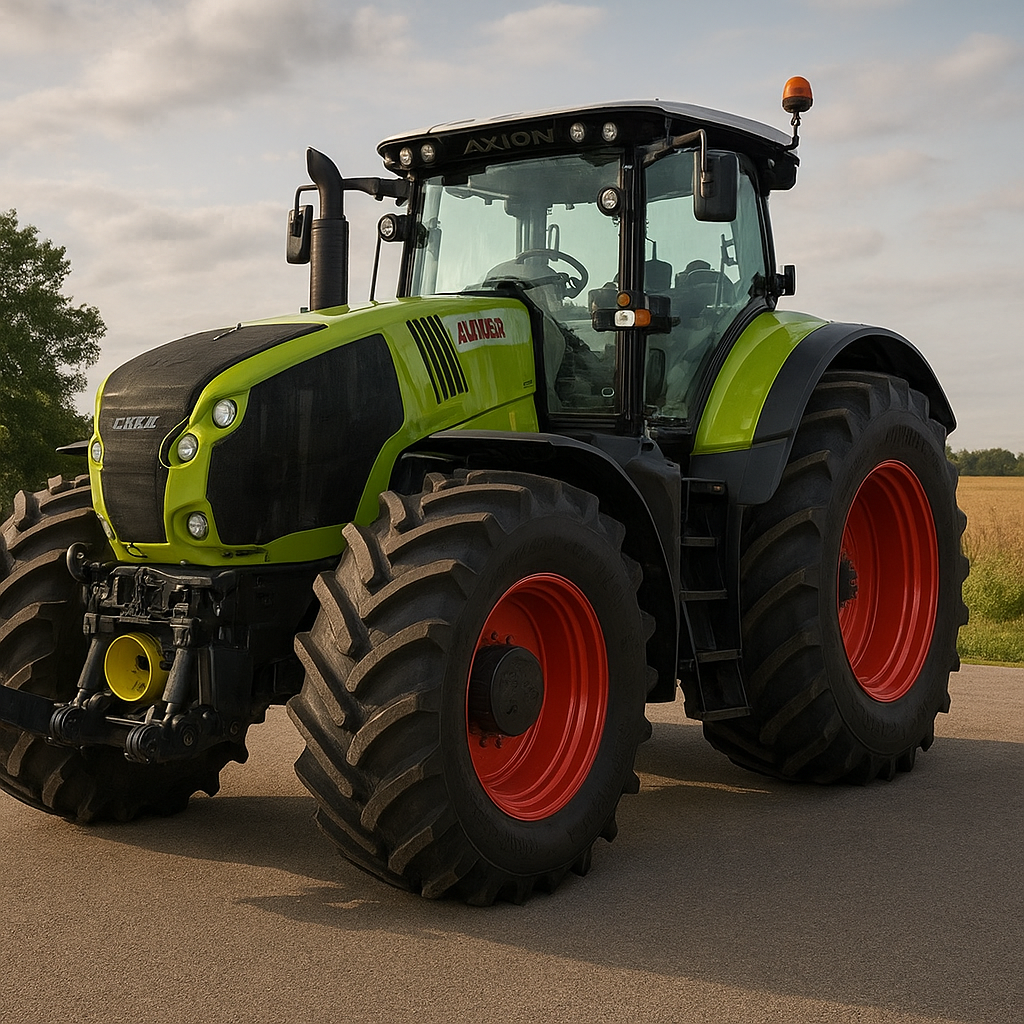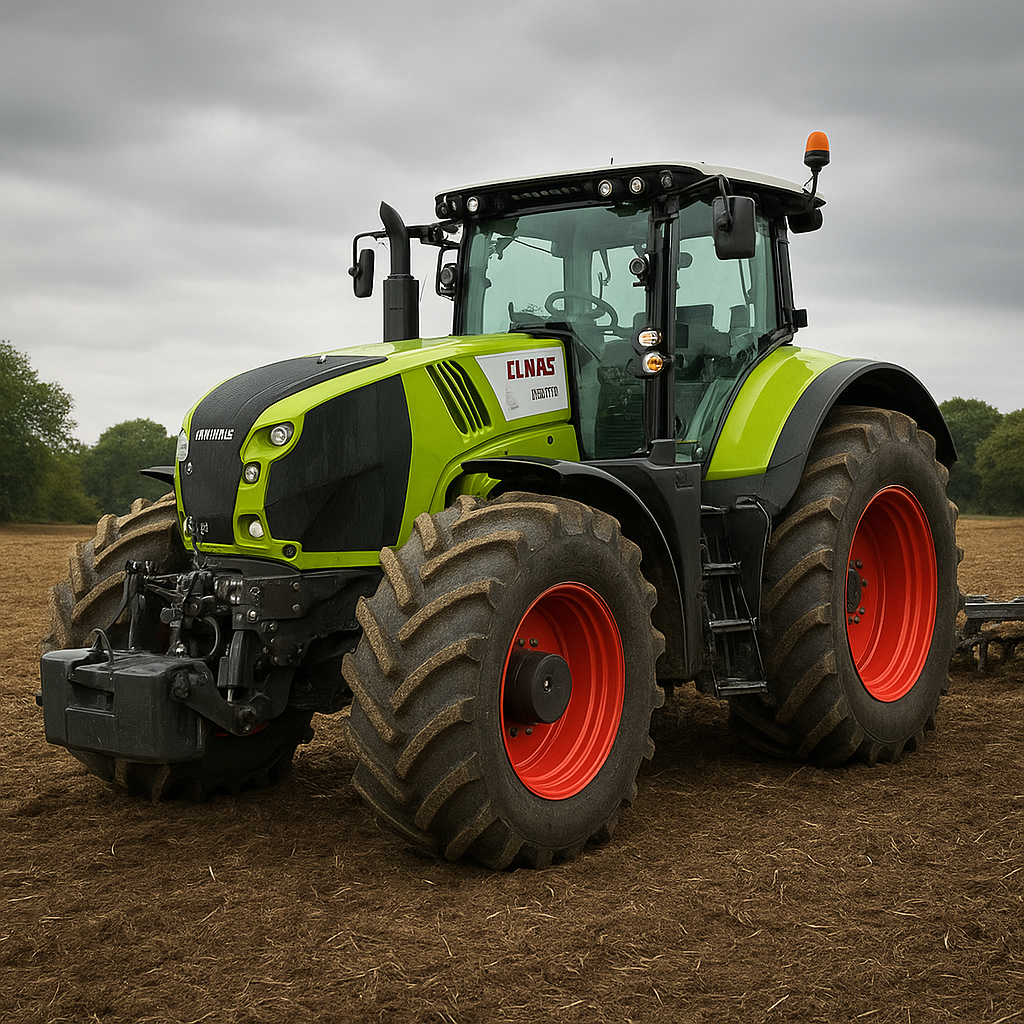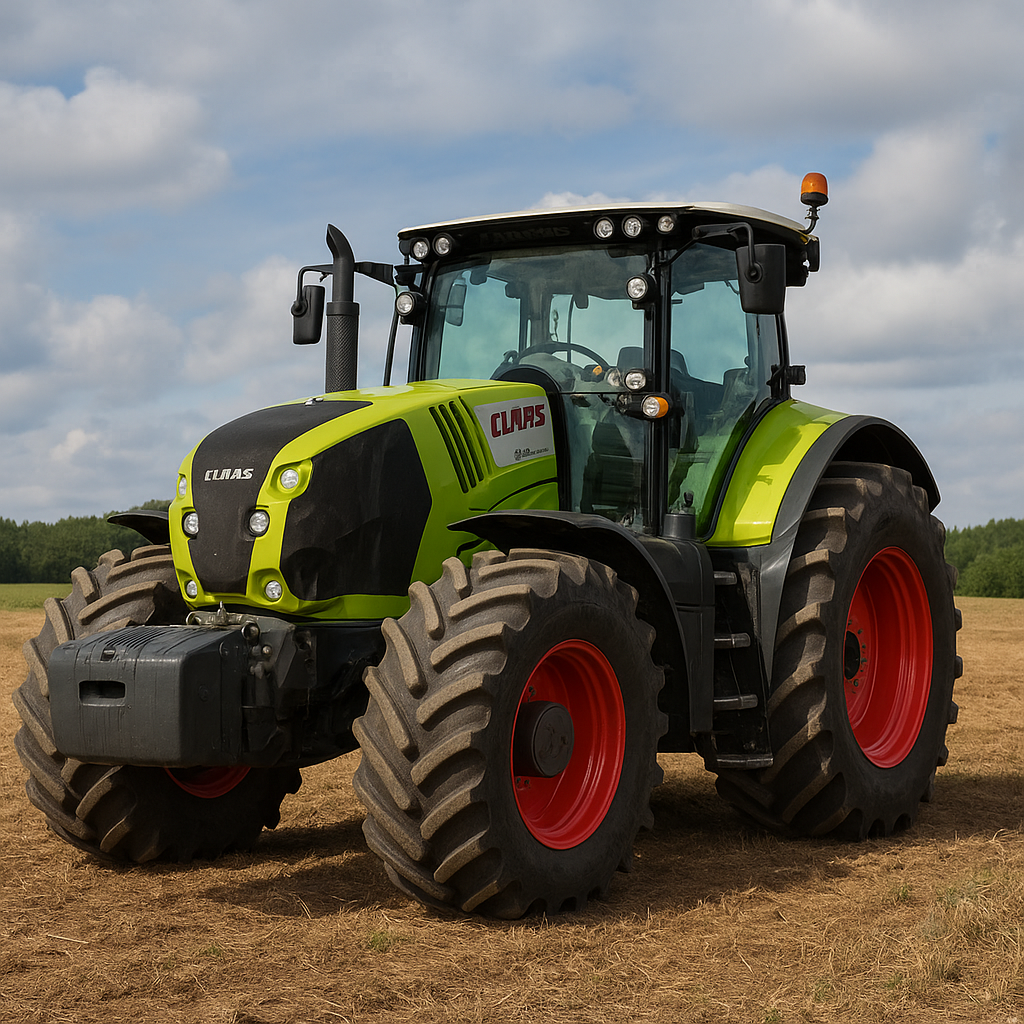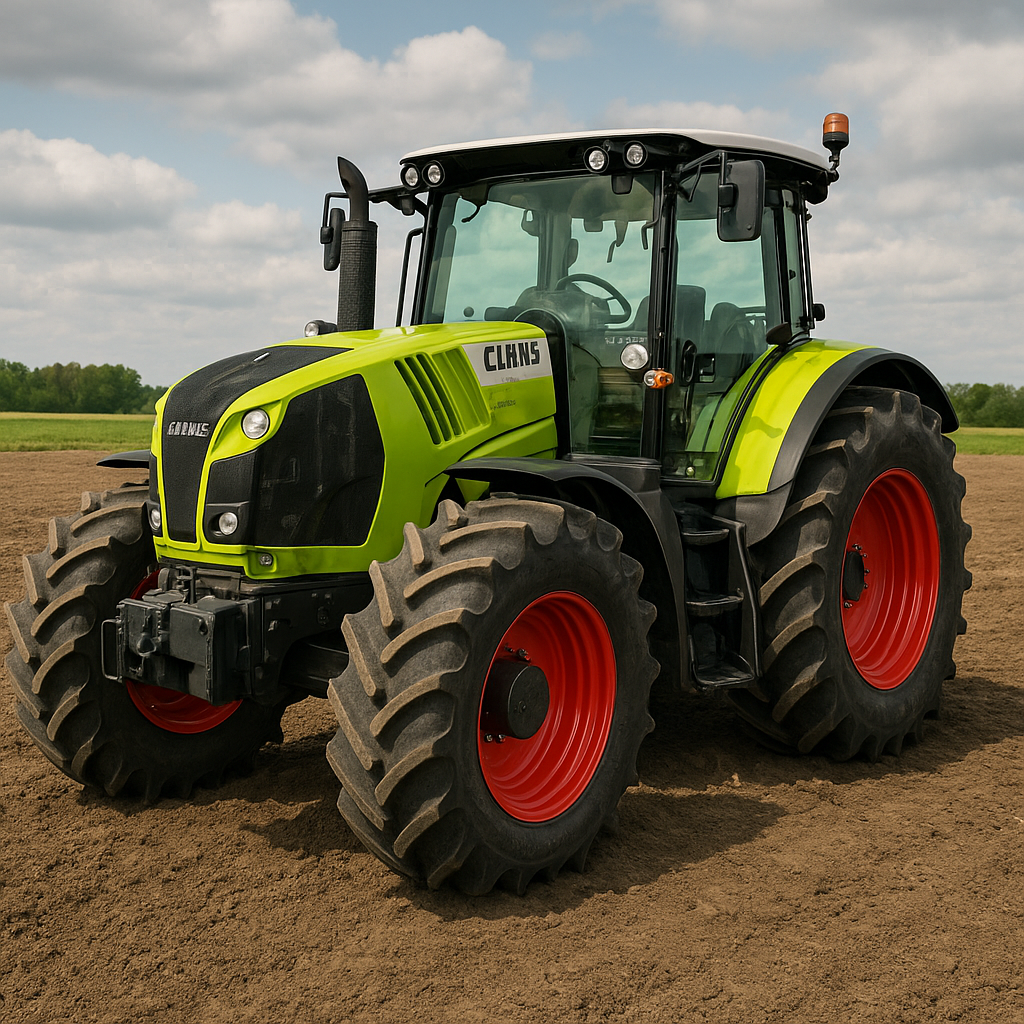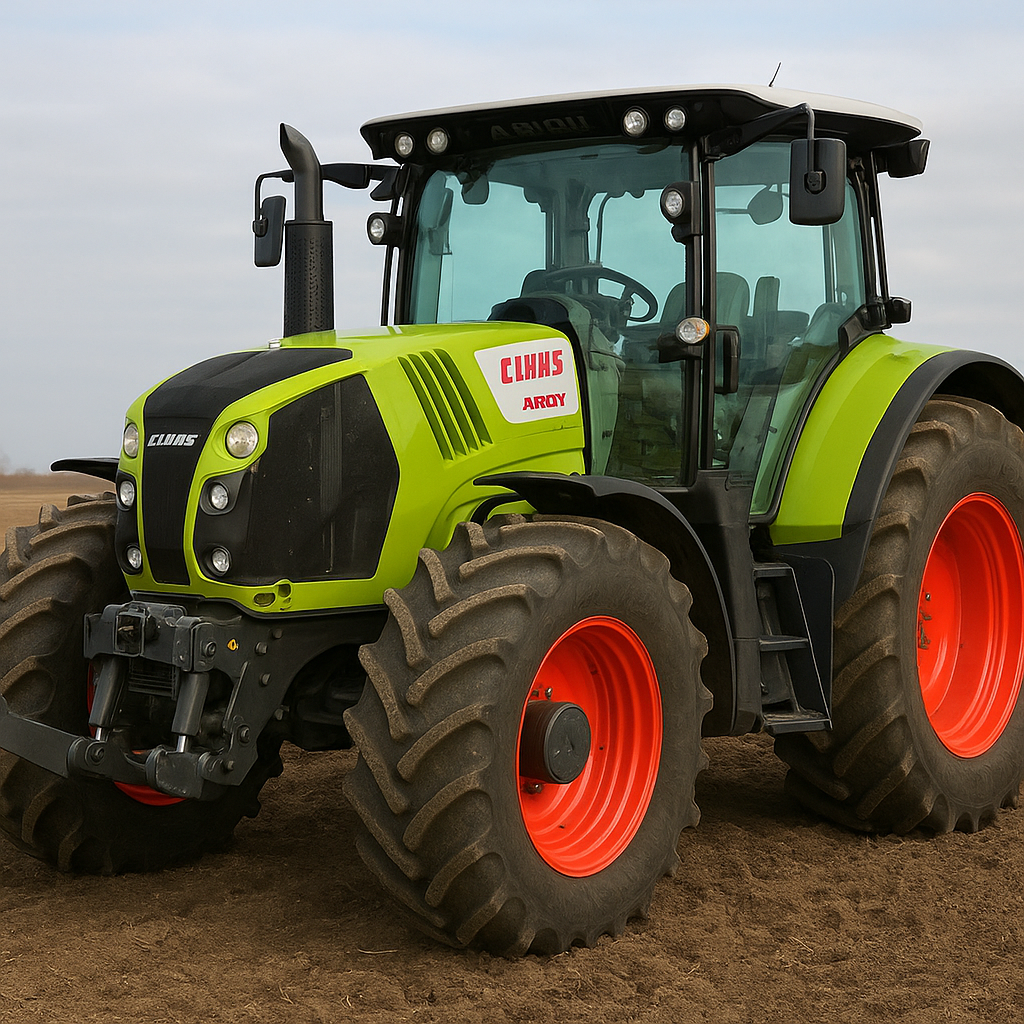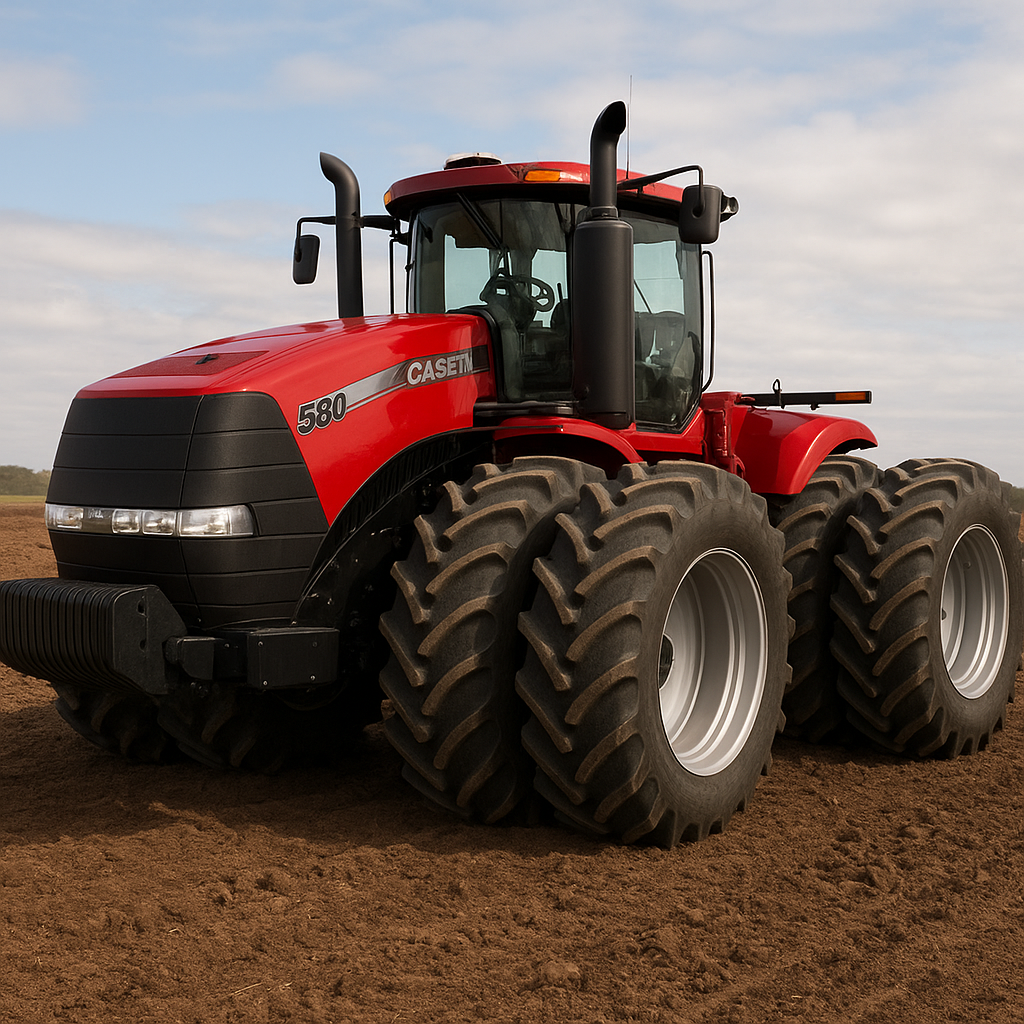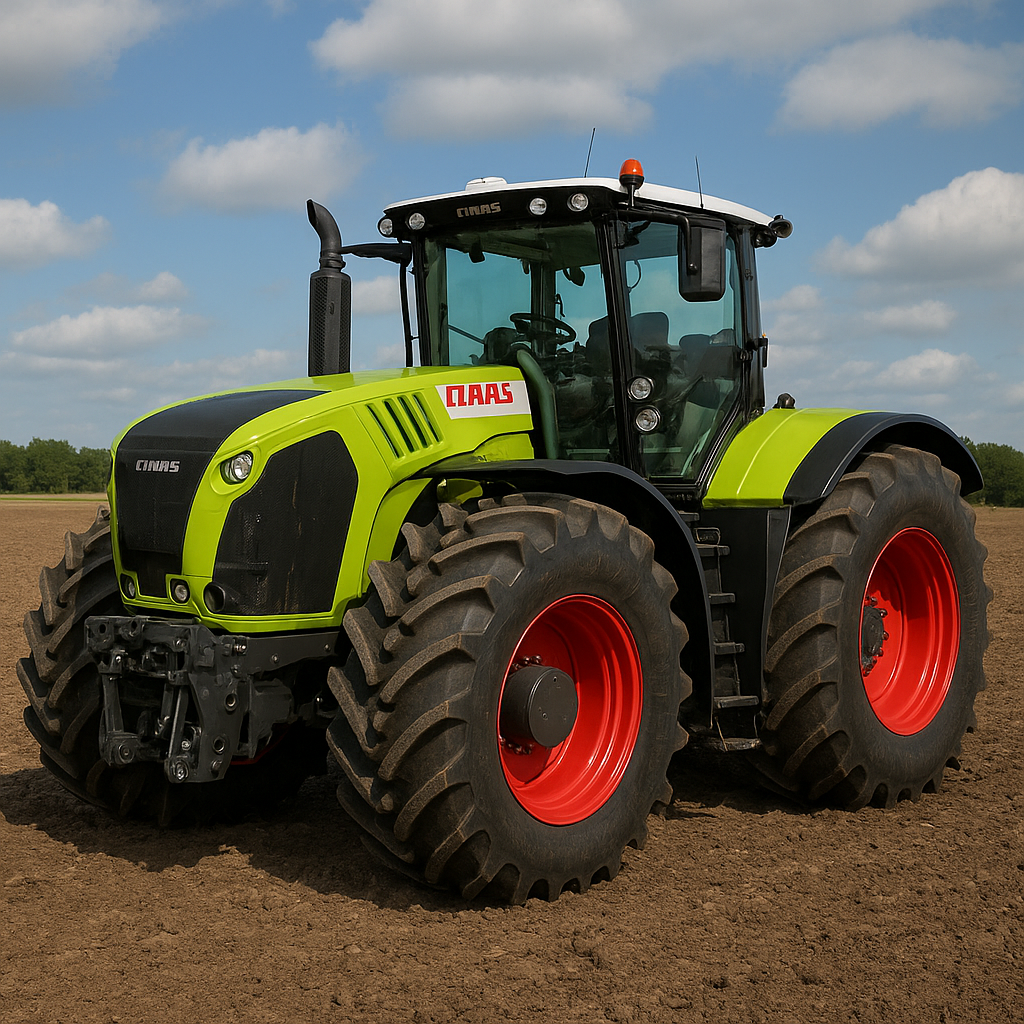
The Claas Xerion 4000 is a high‑performance, heavy‑duty agricultural tractor built for demanding tasks on large farms and contractors. Combining an unusual articulated chassis with a comfortable, technology‑laden cab and robust driveline components, the Xerion 4000 is designed to deliver continuous high power, excellent traction and outstanding stability across a wide range of field and transport operations. In the following sections, we will explore the machine’s design and practical applications, highlight technical characteristics and performance, describe operator comforts and technology features, and discuss economic and environmental aspects that matter to farm managers and contractors.
Overview and distinctive design elements
The Claas Xerion family is recognizable by its articulated chassis and centrally mounted cab, a layout that gives the 4000 model a unique combination of maneuverability, visibility and traction compared with conventional tractors. The articulation joint allows the front and rear frames to pivot relative to each other, which reduces soil compaction by enabling even weight distribution and superior traction while turning. The central cab position gives the operator excellent visibility to the front and rear implements and contributes to a low center of gravity for stable work on slopes.
Key design elements include:
- Articulated four‑wheel drive platform providing exceptional traction and a tight turning radius for a tractor of its size.
- Large, heavy‑duty axles with wide track options and a variety of tyre configurations to match soil conditions and transport requirements.
- A modern, ergonomically arranged operator station with an emphasis on comfort and control.
- High‑capacity hydraulic and power take‑off (PTO) systems to operate large implements and power demanding equipment.
The Xerion 4000 targets large arable farms, contractors, and operations where continuous, reliable power and excellent implement control are required. Its architecture makes it particularly suitable for operations such as primary tillage, deep ripping, subsoiling, heavy slurry injection, and pulling large seed drills or cultivators. The machine’s versatility also extends to transport duties, where its stability and road speed make it efficient for moving heavy implements between fields.
Technical specifications and performance (typical figures and ranges)
Engine and powertrain
Claas positions the Xerion 4000 as a high‑power machine in the Xerion range. Typical power ratings for the 4000 series are in the neighborhood of approximately 400 horsepower (roughly 294–300 kW), though exact figures can vary by model year and regional specification. The Xerion platform uses modern diesel engines compliant with contemporary emissions standards; later model years include SCR/AdBlue aftertreatment and particulate filter systems to meet EU Stage IV/Stage V regulations.
The transmission architecture on Xerion tractors is engineered for continuous, steady pulling power rather than many gear steps. Depending on generation and configuration, the drive system integrates hydro‑mechanical or hydrostatic elements to deliver smooth speed control, high torque at low ground speeds for heavy draft tasks, and sufficient road speeds (commercially common top speeds around 40 km/h) for efficient transport.
Hydraulics and PTO
For heavy implements, the Xerion 4000 offers high hydraulic flow rates and multiple spool options to feed large hydraulic motors and cylinders. Typical flow capacities for large tractors in this class are often in the region of 180–220 l/min from main pumps, supported by additional circuits for implement control.
PTO options commonly include 540/1000 rpm outputs (rear and, where fitted, front) with the capacity to power large rotary equipment, pumps, and mounted machinery. The combination of strong PTO output and high hydraulic capacity makes the Xerion suitable for slurry pumps, large rotary tillers, and other power‑hungry implements.
Weights, dimensions and mobility
Operating weight and axle loads depend on tyre choice and ballast, but Xerion 4000 class machines typically weigh in the mid to high tonnes range, reflecting the heavy frame and robust driveline required for large implements. Wide tyres and dual configurations are available to reduce ground pressure during field work. The articulated joint and four‑wheel steering (on some configurations) give the tractor exceptional off‑road mobility and allow tighter turning than might be expected from its mass.
Fuel capacity and consumption
Fuel tank capacity for machines in this segment is substantial to support long field days without frequent refuelling. Actual fuel consumption varies widely with task, implement load, ground conditions and operator style: heavy draft tillage will consume significantly more fuel per hour than light transport or precision application tasks. Claas and independent tests indicate that fuel consumption is optimized when the engine is operated in its effective torque range and when proper implement matching and depth/speed control are observed.
Applications and practical use cases
The Xerion 4000 excels where sustained high tractive effort and implement control matter. Typical applications include:
- Tillage: primary ploughing, heavy subsoiling and deep ripping—especially on large acreages where long field runs favor a powerful, stable tractor.
- Sowing and seeding: pulling very large seed drills and air seeders for high‑capacity sowing operations.
- Liquid manure and slurry application: powering high‑capacity pumps for injection or trailing shoe systems across extensive livestock or mixed farms.
- Transport: moving heavy mounted or trailed equipment between fields and to sites, benefitting from commercial road speeds and a comfortable cab for long trips.
- Forestry and civil works: hauling or powering forestry equipment, and use in construction or reclamation where durability and traction are critical.
- Specialized implements: such as large mowers, rotary harrows and crushing equipment where robust PTO and hydraulic supply are necessary.
Contractors particularly value the Xerion 4000 for operations that need a single, powerful tractor that can efficiently handle diverse high‑capacity tasks without frequent downtime to change machines.
Operator comfort, cab features and ergonomics
Claas emphasizes operator comfort in the Xerion series to reduce fatigue on long workdays. The centrally mounted cab provides an almost symmetrical view of front and rear implements, and contemporary features typically include climate control, air suspension seating, adjustable steering consoles, and an ergonomic layout of controls.
- Multifunction joystick(s) and easy access to hydraulic/electronic controls to minimize hand movements.
- Large windows and carefully arranged mirrors for excellent visibility during hitching and while monitoring implements.
- High‑quality seating with suspension and multiple adjustments to improve comfort when operating on rough ground.
- Modern displays for machine information, GPS guidance, ISOBUS implement control, and telematics.
These elements contribute to operator productivity by enabling precise implement control and lowering physical strain during extended operations.
Technology, connectivity and precision farming
The Xerion 4000 integrates technologies that support modern precision farming workflows. Claas offers ISOBUS compatibility for seamless communication with a wide range of implements, along with integrated guidance systems and compatibility with external autosteer solutions. Telematics solutions—often branded as Claas Telematics—allow fleet managers to monitor machine usage, location, fuel consumption and maintenance intervals remotely.
Key technology features:
- ISOBUS implement control for plug‑and‑play operation of compatible equipment.
- Autosteer and guidance compatibility to reduce overlap, save fuel and inputs and increase pass‑to‑pass accuracy.
- Telematics and fleet management tools for remote diagnostics, service planning and utilisation tracking.
- Electronic management systems that optimize engine output to meet hydraulic and PTO demands efficiently.
When combined with variable-rate application and precise implement control, these capabilities help farms improve resource use efficiency, lower input costs, and document field operations for compliance and planning.
Maintenance, reliability and operational economics
Large tractors such as the Xerion 4000 are capital‑intensive assets, so reliability and serviceability are critical. Claas designs the Xerion with robust components, and routine maintenance is simplified through accessible service points, clear diagnostics and dealer support networks in many markets.
- Planned maintenance intervals for engine oil, filters, hydraulics and driveline items are typical considerations—adherence preserves resale value and reduces unplanned downtime.
- Telematics data can highlight usage patterns that inform preventative maintenance, reducing the risk of costly failures.
- Operating costs depend on factors such as fuel consumption, tyres and implement matching; the machine’s efficiency improves when tasks and speed are matched to the tractor’s power band.
Residual values for high‑power tractors remain strong when machines are well maintained and equipped with popular technology packages like GPS guidance and ISOBUS. For contractors, the ability to perform multiple tasks with one machine can make the Xerion 4000 an economically attractive investment despite high initial purchase costs.
Comparative position in the market
In the market for high‑horsepower tractors, the Claas Xerion 4000 differentiates itself through its articulated chassis and central cab design. Competitors offering similar power levels include large conventional tractors from manufacturers such as John Deere, Fendt, New Holland and Case IH. The choice between an articulated Xerion and a conventional chassis machine often comes down to personal preference, implement compatibility and the specific tasks expected of the tractor.
- Advantages over some conventional designs: superior maneuverability for its size, reduced compaction with appropriate tyres, and unique operator visibility.
- Tradeoffs: different implement mounting and hitching geometry compared to conventional tractors; some implements are designed primarily for conventional three‑point linkages and may require adaptation.
Many operations select the Xerion for its balance of power, stability and flexibility—particularly where long, heavy pulling tasks are routine and where the central cab/ articulation design offers practical benefits in the field.
Environmental and regulatory considerations
Modern Claas Xerion models comply with stringent emissions standards in most markets, employing SCR (Selective Catalytic Reduction), DPF (Diesel Particulate Filter) and other aftertreatment systems to meet EU Stage IV/Stage V or equivalent regulations. These technologies lower NOx and particulate emissions but add complexity in maintenance and fuel/AdBlue management.
Additionally, the potential reduction in field passes through high‑capacity single‑pass implements and precision guidance reduces overall fuel consumption per hectare, which can be a favorable environmental outcome when the machine is used optimally. Operators should also consider tyre selection and ballast strategies to minimize soil compaction, which has implications for long‑term soil health and crop performance.
Purchase considerations and configuring a Xerion 4000
When evaluating a Claas Xerion 4000, buyers should consider:
- Primary tasks and implement compatibility—ensure the tractor’s hydraulic and PTO capacities meet implement requirements.
- Desired technology packages (autosteer, ISOBUS, telematics) that will influence upfront cost but can deliver operational savings.
- Tyre and ballast configuration—choosing the correct tyres and ballast for soil conditions is crucial to balance traction and minimize compaction.
- Service and dealer support—large tractors require reliable parts and service networks to maintain uptime.
Custom options such as different cab comforts, lighting packages, front linkage and PTO, or specialised hydraulic circuits allow buyers to tailor the machine to farm or contract needs.
Conclusion
The Claas Xerion 4000 is a purpose‑built, high‑power tractor aimed at large farms and contractors who need sustained pulling power, excellent traction and broad implement compatibility. Its articulated layout, coupled with a well‑appointed cab and modern control and guidance systems, makes it an effective choice for demanding tasks such as primary tillage, large seeding and slurry application. While purchase and operating costs are significant, careful matching of the tractor to tasks, along with the use of precision technologies and good maintenance practices, can deliver strong productivity gains and favourable long‑term economics. For operations that value versatility, durability and high daily output, the Xerion 4000 remains a compelling option in the high‑horsepower tractor segment.