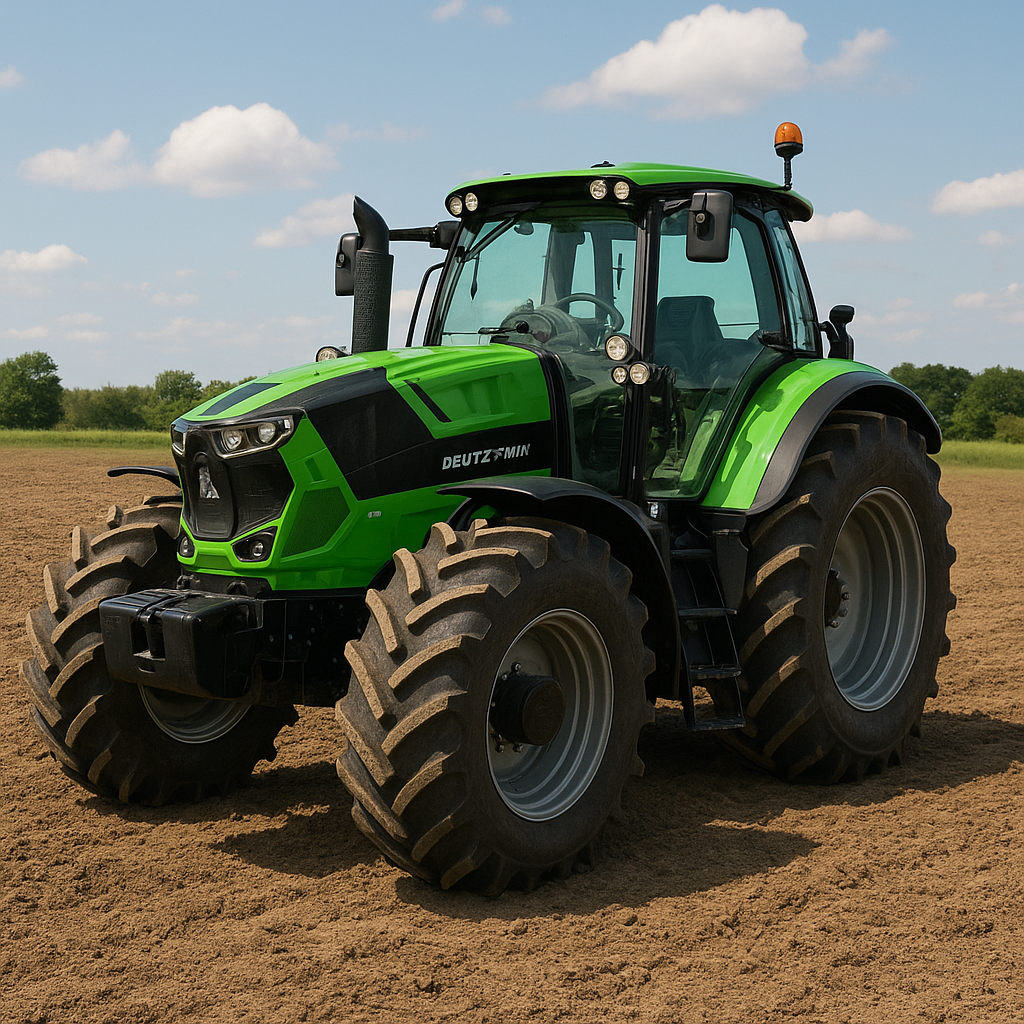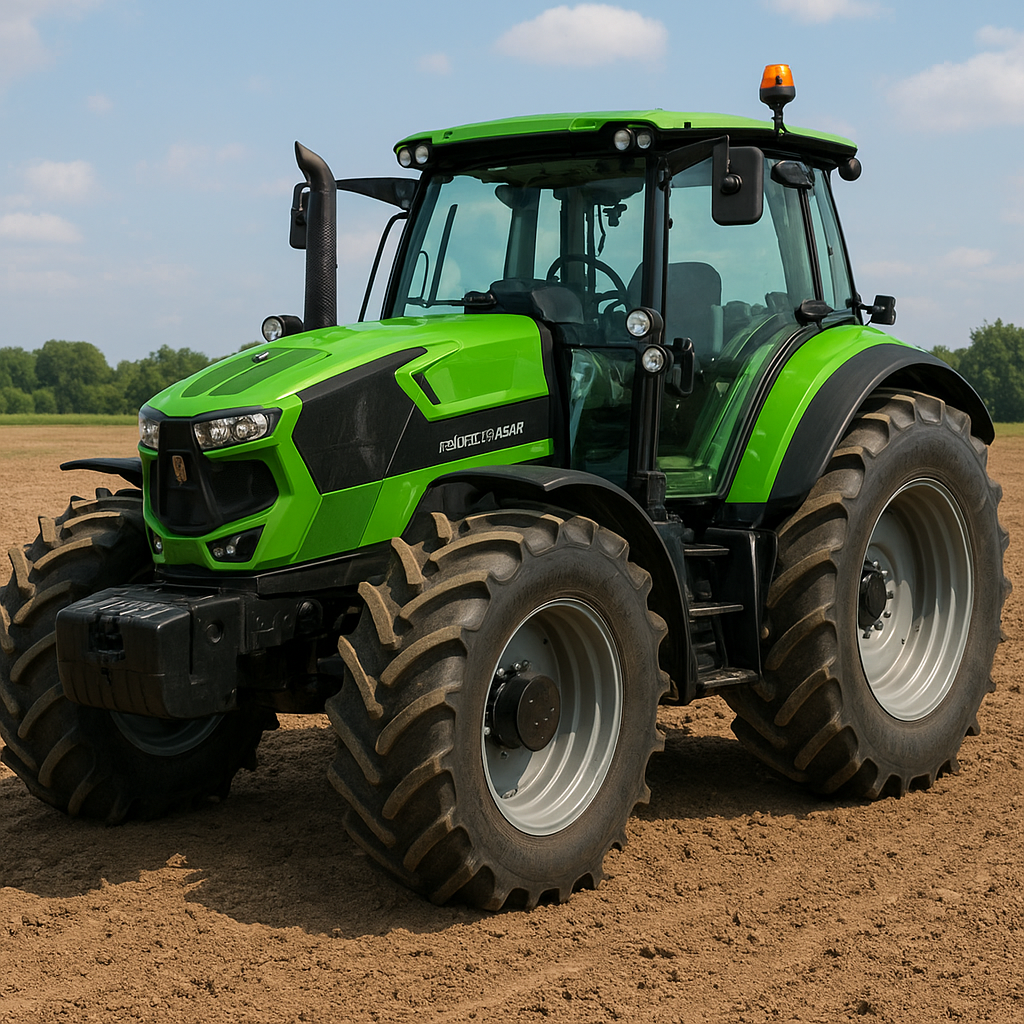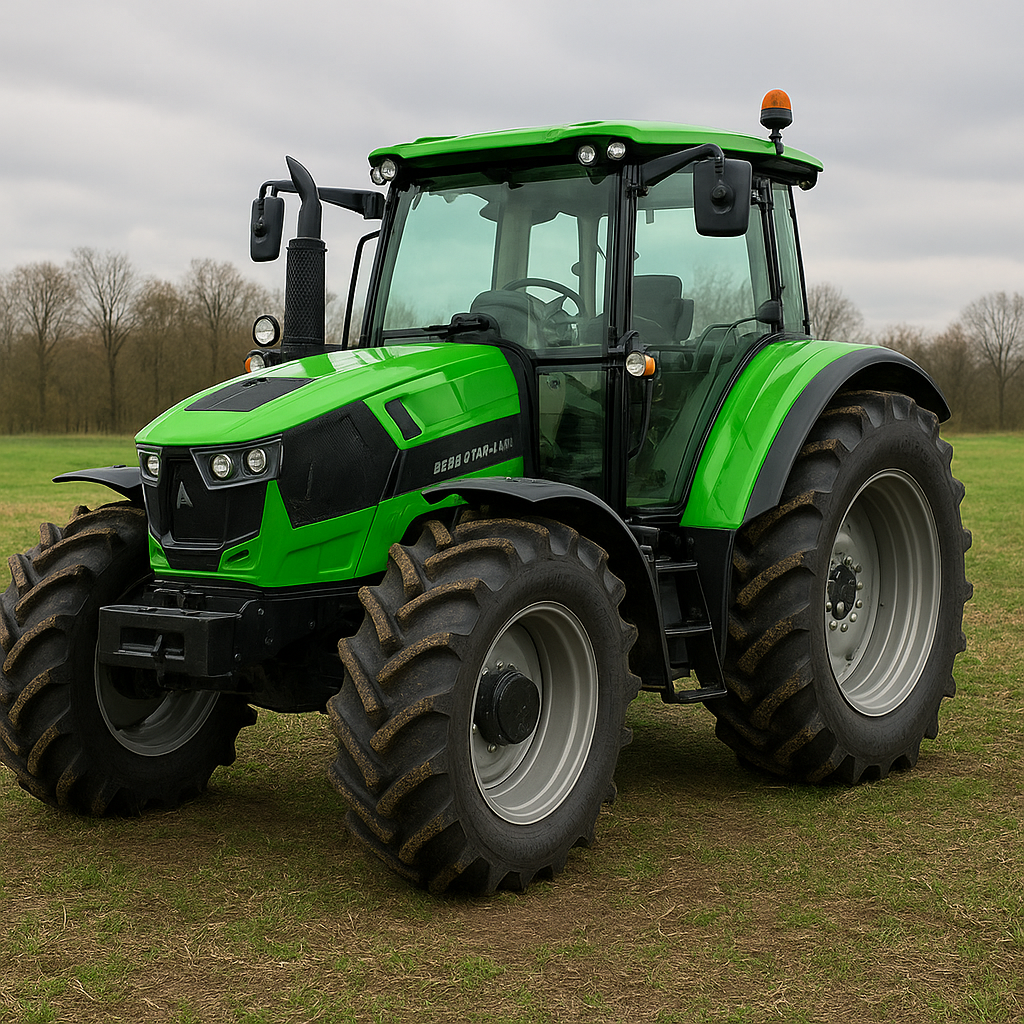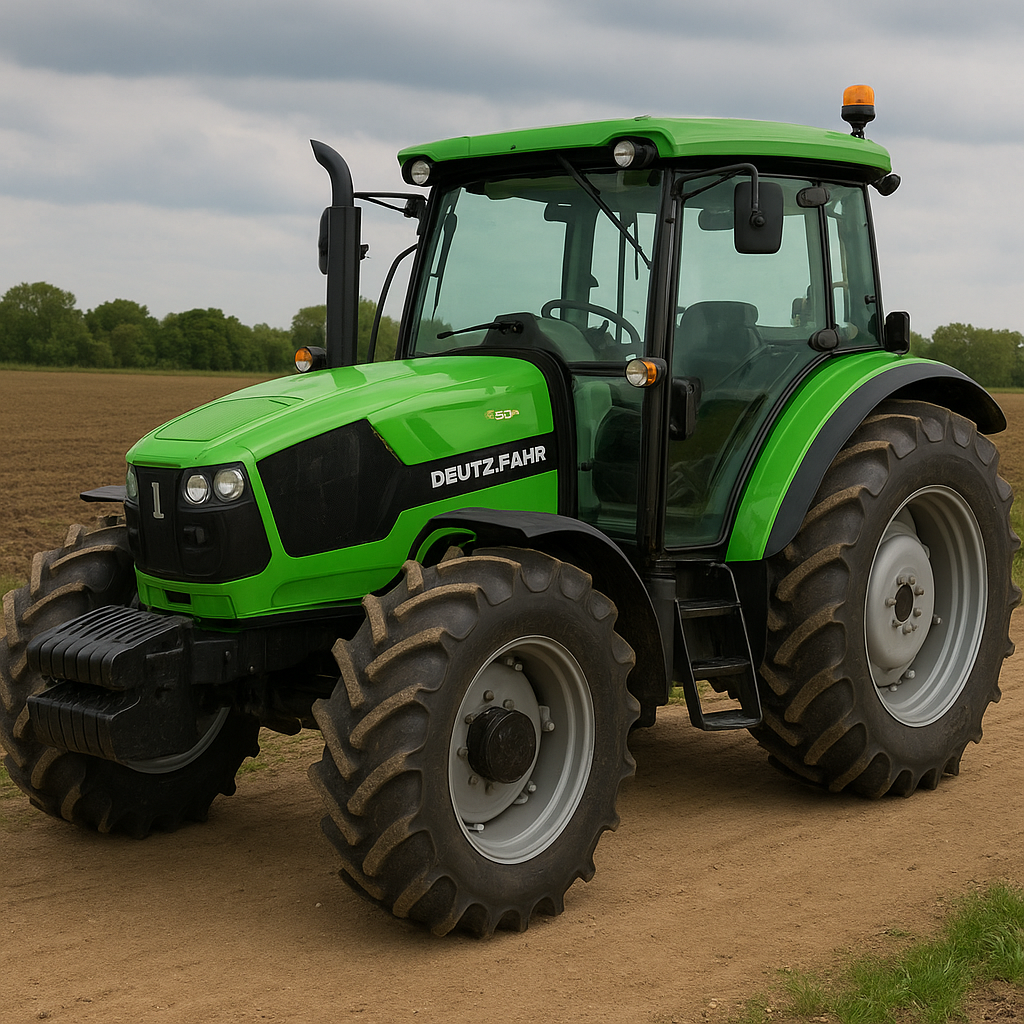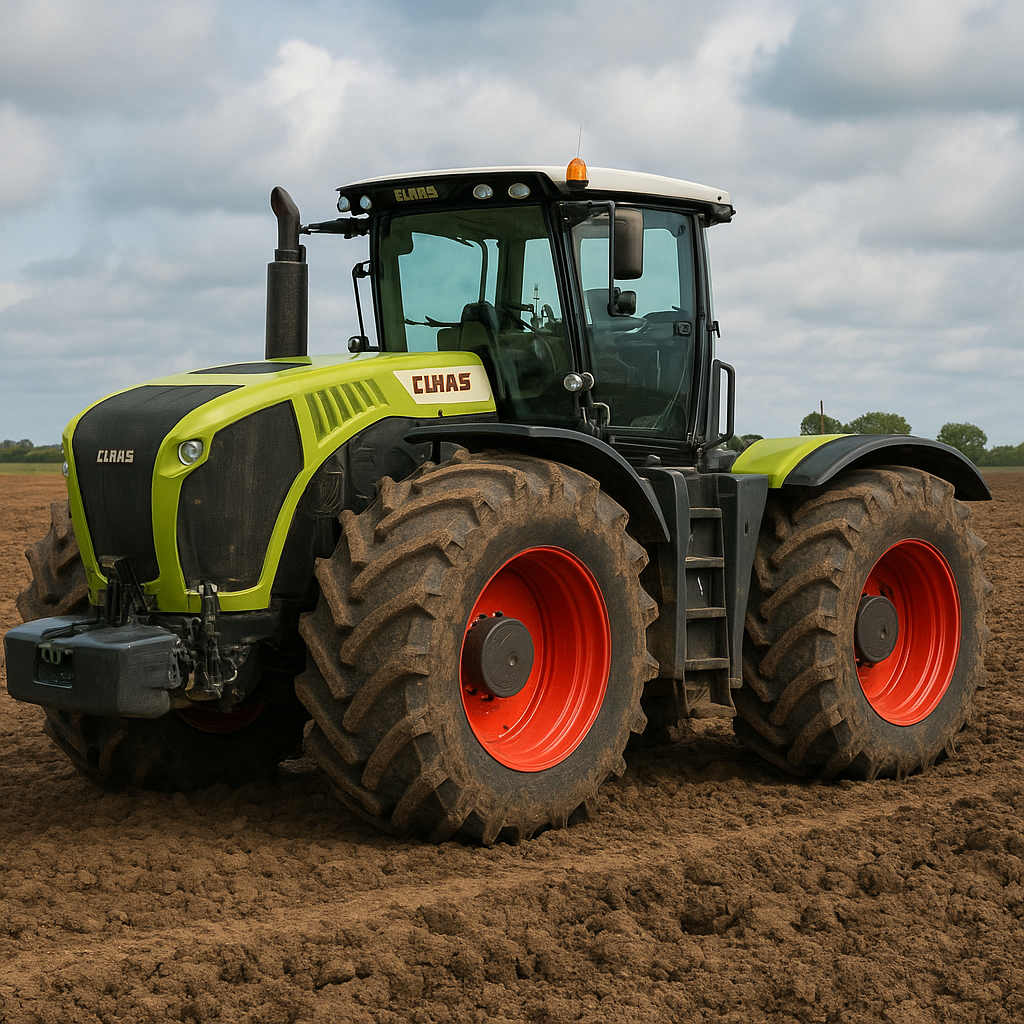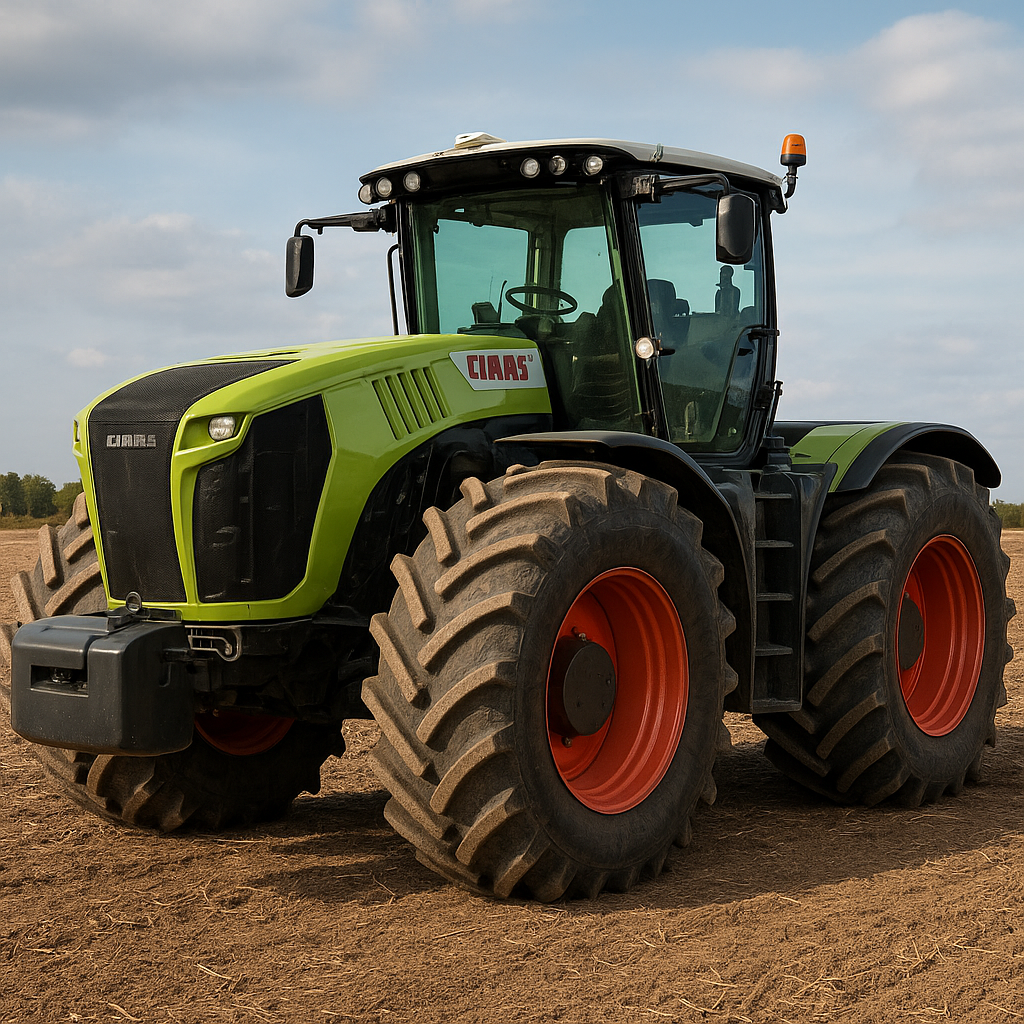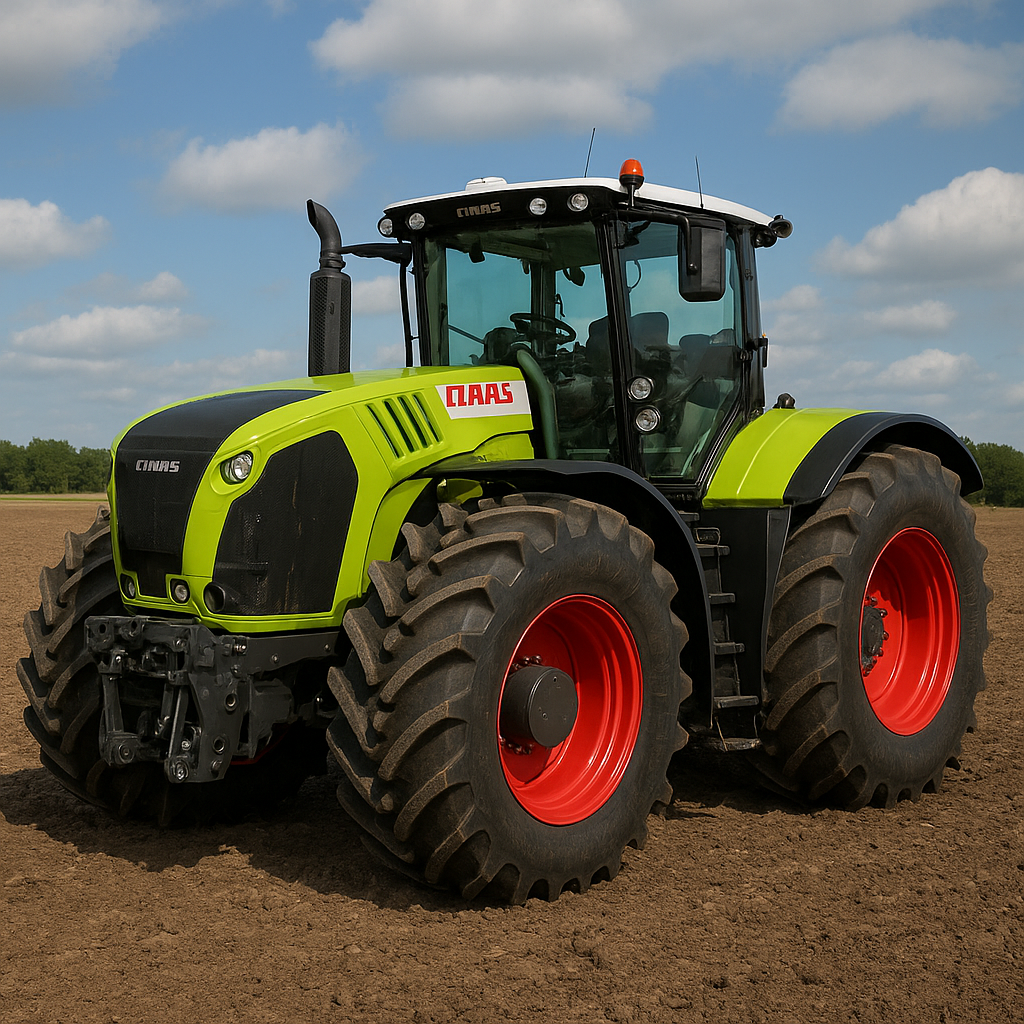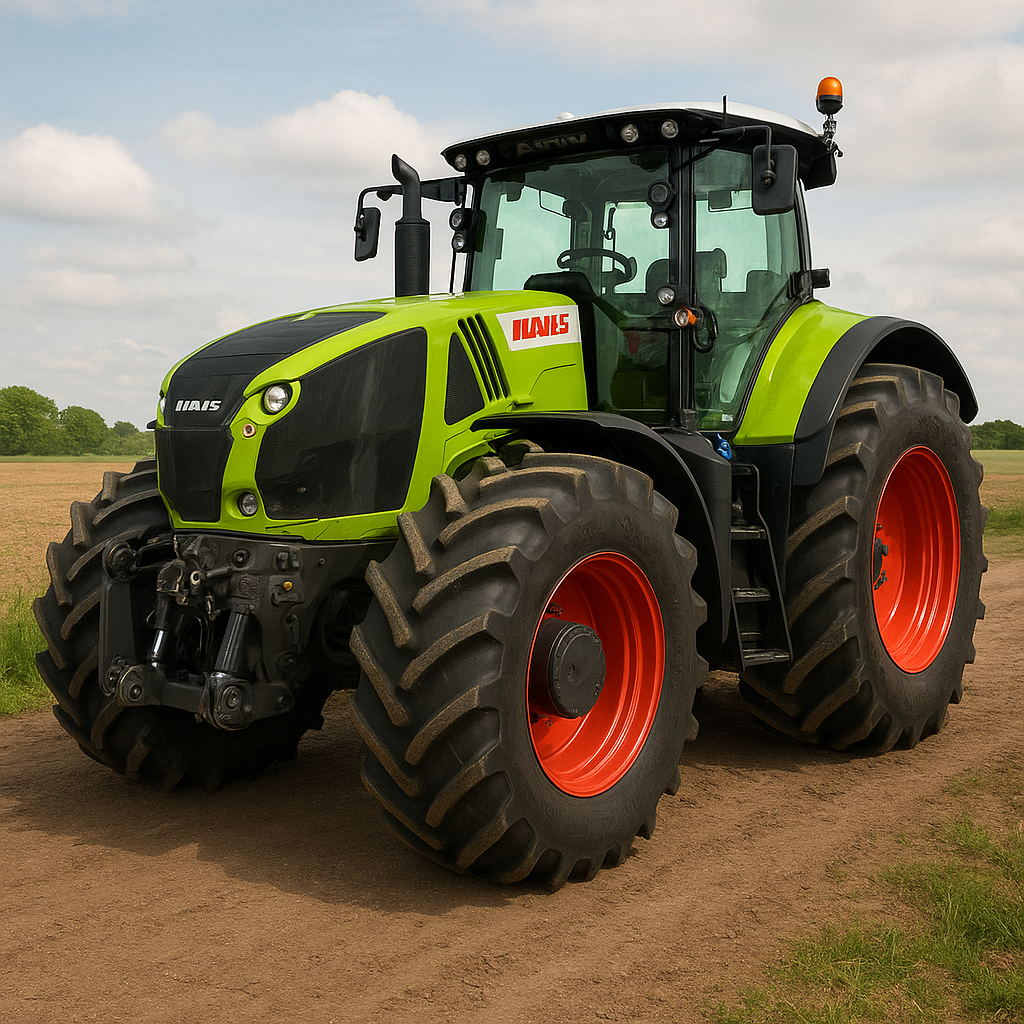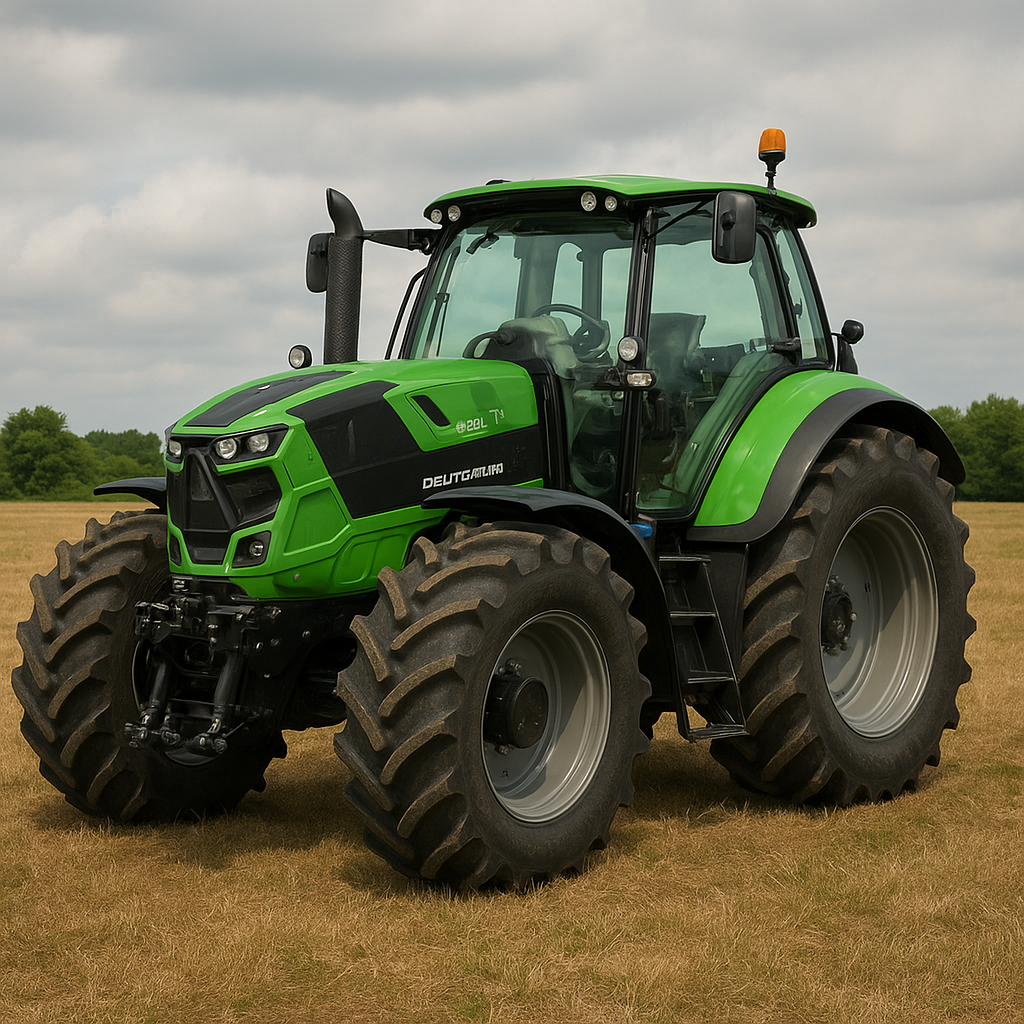
The Deutz-Fahr 7250 TTV is a premium high-horsepower tractor designed to meet the demands of modern large-scale agriculture and professional contracting. Combining advanced diesel engine technology, a smooth continuously variable transmission, and a feature-rich cab and electronic package, the 7250 TTV positions itself as a versatile workhorse for tasks ranging from heavy tillage to precision planting and high-speed transport. This article examines the technical characteristics, typical applications, operational advantages, and practical considerations for owners and operators of the 7250 TTV.
Technical overview and key specifications
The Deutz-Fahr 7250 TTV sits in the manufacturer’s 7 Series family and is engineered for strong performance and high daily throughput. At the heart of the machine is a modern diesel engine paired with a continuously variable transmission (TTV) that enables smooth power delivery and fine speed control. The model is built around modular technology that emphasizes durability, emissions compliance and operator comfort.
Engine and emissions
The 7250 TTV is powered by a Deutz diesel engine featuring common-rail direct injection, turbocharging and exhaust after-treatment systems to meet contemporary emissions standards (including Stage IIIA/Stage IV/Stage V depending on the year and market). The engine architecture prioritizes a balance between high torque at low rpm and fuel-efficient cruising at road speeds.
- Typical engine displacement: approximately 6–6.6 liters (depending on specific variant and production year)
- Nominal/max power output: generally marketed in the ~240–260 horsepower class (model number 7250 aligns with roughly 250 hp class)
- Peak torque: often in the range of ~1,000–1,200 Nm depending on engine tuning and power-boost features
- After-treatment: DOC + DPF + SCR with AdBlue for NOx reduction (Stage-compliant configurations)
These engine and after-treatment systems combine to deliver reliable power while meeting regulatory limits on particulate and NOx emissions. The engine control strategy also supports engine braking and fuel-optimized performance under load.
Transmission and drivetrain
The TTV continuously variable transmission is a central selling point. It provides seamless acceleration, precise speed matching for PTO-driven implements, and high efficiency for field and road operations. Key drivetrain characteristics include:
- Smooth, stepless speed variation ideal for variable-rate seeding, high-precision spraying, and transport
- Selectable top speeds up to approximately 40–50 km/h (market and gearing dependent)
- Advanced cruise control and engine-speed management for PTO work
- Robust multi-plate clutches and heavy-duty axles designed for high drawbar loads
Hydraulics, PTO and lifting
Hydraulic capacity and rear linkage strength make the 7250 TTV suitable for large implements. Manufacturers typically offer multiple hydraulic pump configurations to match a variety of oil-flow requirements:
- Hydraulic flow rates commonly available in the 120–220 L/min range (depending on option packs)
- Rear linkage lift capacity around 9,000–11,000 kg (approximate rating depending on configuration)
- PTO options: 540 / 540E / 1000 rpm, with optional front PTO and front linkage for versatile implement combinations
Chassis, axle and weight
The 7250 TTV is built on a heavy-duty chassis with options for front axle suspension and cab suspension to improve ride comfort and stability under load. Gross vehicle weight and axle load configurations will vary depending on country regulations and optional equipment, but a typical curb weight can be expected in the multi-ton range suited for high-traction applications.
Applications and real-world roles
The Deutz-Fahr 7250 TTV is engineered to serve a broad cross-section of professional agricultural tasks. Its combination of power, precision, and equipment flexibility makes it attractive to large-scale arable farmers, contractors, and mixed farms that require a single tractor to perform many roles efficiently.
Field cultivation and primary tillage
For heavy tillage, deep ploughing, and large cultivator work, the 7250 TTV’s high torque and robust rear linkage permit the use of large, wide implements. Stability and traction—often aided by ballast and tire choice—allow efficient forward speeds and consistent draft force, which are crucial for maximizing field productivity.
Seeding and planting
Precise speed control from the TTV transmission makes the 7250 ideal for seeding and planting operations where constant forward speed results in uniform seed placement and reduced overlap. When equipped with GPS guidance and implement control systems (ISOBUS), the tractor excels at precision farming workflows, including section control and variable-rate seeding.
Forage, baling and harvesting support
With high hydraulic flow and optional front linkage/PTO, the 7250 TTV can handle large balers, forage harvesters, and silage equipment. The combination of power and hydraulic performance improves throughput during busy harvest windows.
Transport and road work
The tractor’s comfortable cab and high top speed (when specified) make it suitable for long transfers between fields, road haulage of implements and trailers, and time-sensitive contracting work. Fuel economy at cruising speeds and adaptive engine management help reduce operating costs during transport.
Spraying and precision applications
Many operators pair the 7250 TTV with large booms and sprayers. The smooth drive train and precision control minimize overlaps and drift, while modern telemetry and prescription maps reduce chemical and fertilizer waste.
Cab, electronics and operator comfort
Deutz-Fahr positions the 7250 TTV as a premium operator environment with a focus on ergonomics and integrated electronic controls. The cab is designed for long working days with features that reduce operator fatigue and increase productivity.
- High-visibility, spacious cab with climate control, air suspension seat and panoramic glazing
- Multifunction armrest and joystick controls for easy implement and transmission management
- Advanced display terminals with touchscreen options, ISOBUS compatibility and telematics
- Integrated guidance and automatic steering compatibility (RTK-capable when paired with appropriate GNSS hardware)
- Headland management systems for repeatable sequences and hands-free implement control
Telematics and fleet-management tools are often available through SDF services, enabling remote monitoring of engine hours, fuel consumption and location—beneficial for contractors and multi-unit operations.
Fuel efficiency, maintenance and operating costs
Operating efficiency is a major factor for owners of high-horsepower tractors. The 7250 TTV incorporates several technologies intended to reduce fuel consumption and lower lifecycle costs.
Fuel economy strategies
Key elements that contribute to fuel efficiency include:
- Engine torque curve optimized for low-rpm torque, which reduces engine speed while maintaining implement performance
- Continuously variable transmission that allows matching engine rpm to load rather than fixed gear ratios
- After-treatment regeneration and efficient SCR systems tuned to minimize fuel penalties associated with emissions control
Typical fuel consumption for large tractors varies greatly with the task—heavy tillage may consume several dozen liters per hour, while lighter transport or PTO work can be far lower. Average real-world consumption figures are situational, but operators generally report that optimized use of the TTV transmission and low-rpm torque characteristics can yield meaningful savings versus older-generation machines.
Maintenance and service intervals
Routine maintenance practices for reliability include:
- Regular engine oil and filter changes per the manufacturer’s schedule
- Monitoring and scheduled servicing of the after-treatment system (DPF regens and AdBlue replenishment)
- Hydraulic oil and filter maintenance, particularly for high-flow systems
- Axle and transmission service checks and scheduled inspections for seals and clutches
Service accessibility and modular component design help reduce downtime. Using authorized service networks and OEM parts maintains peak performance and can sustain resale value.
Market position, variants and lifecycle
The 7250 TTV competes in the upper mid- to high-power tractor market. Its value proposition relies on a mix of European engineering, operator comfort, and integration with precision agriculture systems. The model has seen various updates and option packages over its lifecycle to meet changing emissions standards and customer demands.
- Variants: Dealers commonly offer different trim levels, hydraulic and PTO configurations, and optional front linkage/axle packages
- Upgrades: Software-driven upgrades and retrofit kits for guidance, telematics and ISOBUS are frequently offered
- Lifecycle: Regular updates to engine mapping and electronics have helped the 7 Series remain competitive since initial launches in the mid-to-late 2010s
Because tractors of this class are often kept in service for a decade or more, aftermarket support, parts availability and a strong dealer network are important decision factors for buyers.
Operational tips and best practices
Owners and operators can extract the most value and longevity from a 7250 TTV by following practical best practices that focus on efficiency, safety and timely maintenance.
- Match implement selection to the tractor’s hydraulic flow and PTO capabilities—oversized or underspecified combinations reduce efficiency
- Use ballast and tires that optimize traction while minimizing soil compaction—consider duals or wide flotation tires in wet soils
- Leverage TTV cruise and implement speed-management features to maintain consistent seeding and spraying rates
- Implement telematics and GNSS guidance to minimize overlap and track machine utilization for preventive maintenance planning
- Follow manufacturer-recommended intervals for oil, filters and after-treatment service to maintain performance and emissions compliance
Comparisons, resale and investment considerations
When comparing the Deutz-Fahr 7250 TTV to rivals from other European and global manufacturers, buyers should weigh total cost of ownership, service network strength, operator comfort, and compatibility with existing implements. Resale values for mid- and high-horsepower tractors are affected by hours, service history, local demand, and emissions-standard relevance.
- Resale: Properly maintained high-horsepower tractors with modern emissions systems typically retain good resale value among contractors and large farmers
- Financing: Leasing and tailored finance packages are commonly used to manage capital costs for such machines
- Integration: Compatibility with existing ISOBUS implements and guidance systems reduces additional investment needs
Summary and final observations
The Deutz-Fahr 7250 TTV is a high-capability tractor designed for demanding agricultural and contracting roles. Its combination of a torque-rich diesel engine, stepless TTV transmission, powerful hydraulics, and a comfortable, feature-rich cab make it suitable for a wide range of tasks—from heavy tillage and seeding to baling and transport. Operators who prioritize smooth power delivery, precision farming integration, and a modern operator environment will find the 7250 TTV aligned with those needs.
Deutz-Fahr has positioned this model to serve professional users who require reliable uptime, efficient fuel use, and the ability to handle large implements. With appropriate maintenance and the right configuration, the 7250 TTV can be a long-lived and productive asset on large farms and contracting fleets.
Highlighted key terms: 7250 TTV, transmission, engine, power, torque, hydraulics, ISOBUS, Stage V, fuel efficiency, Deutz-Fahr.