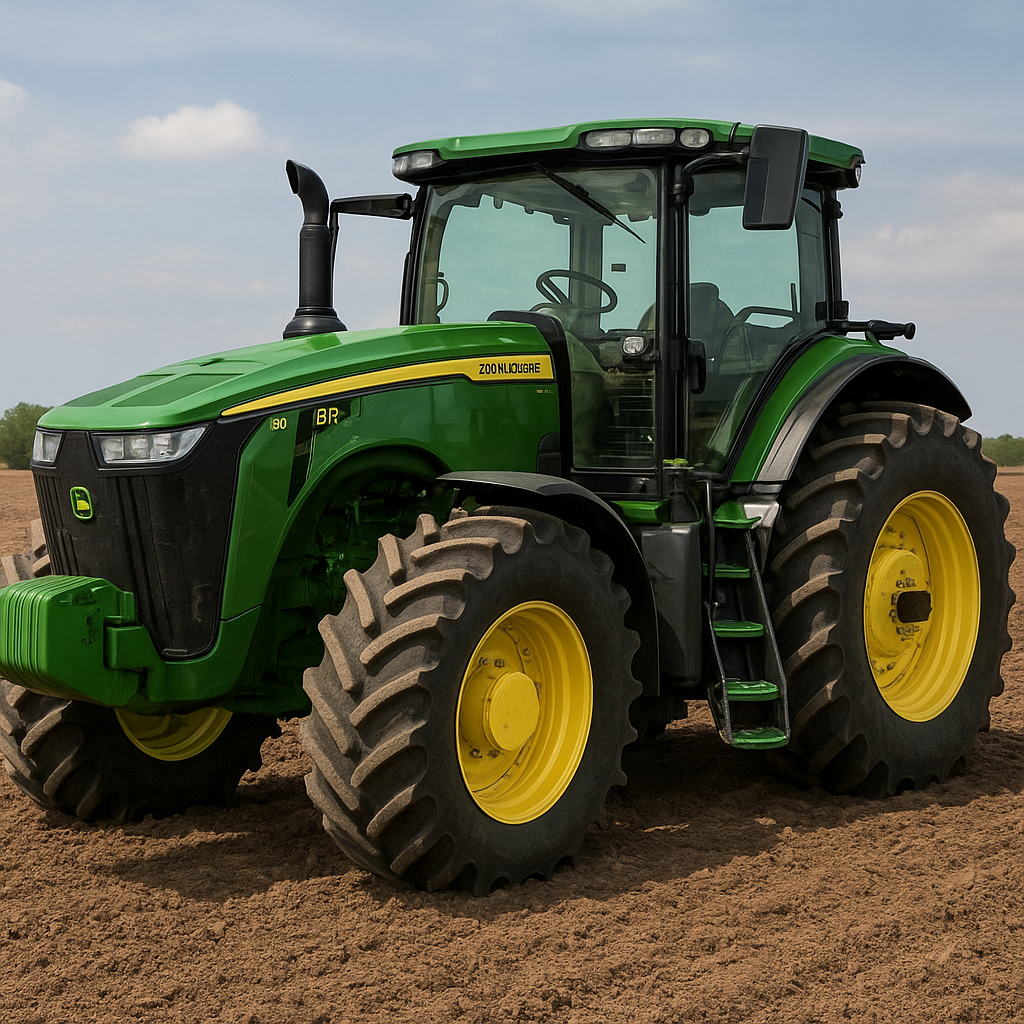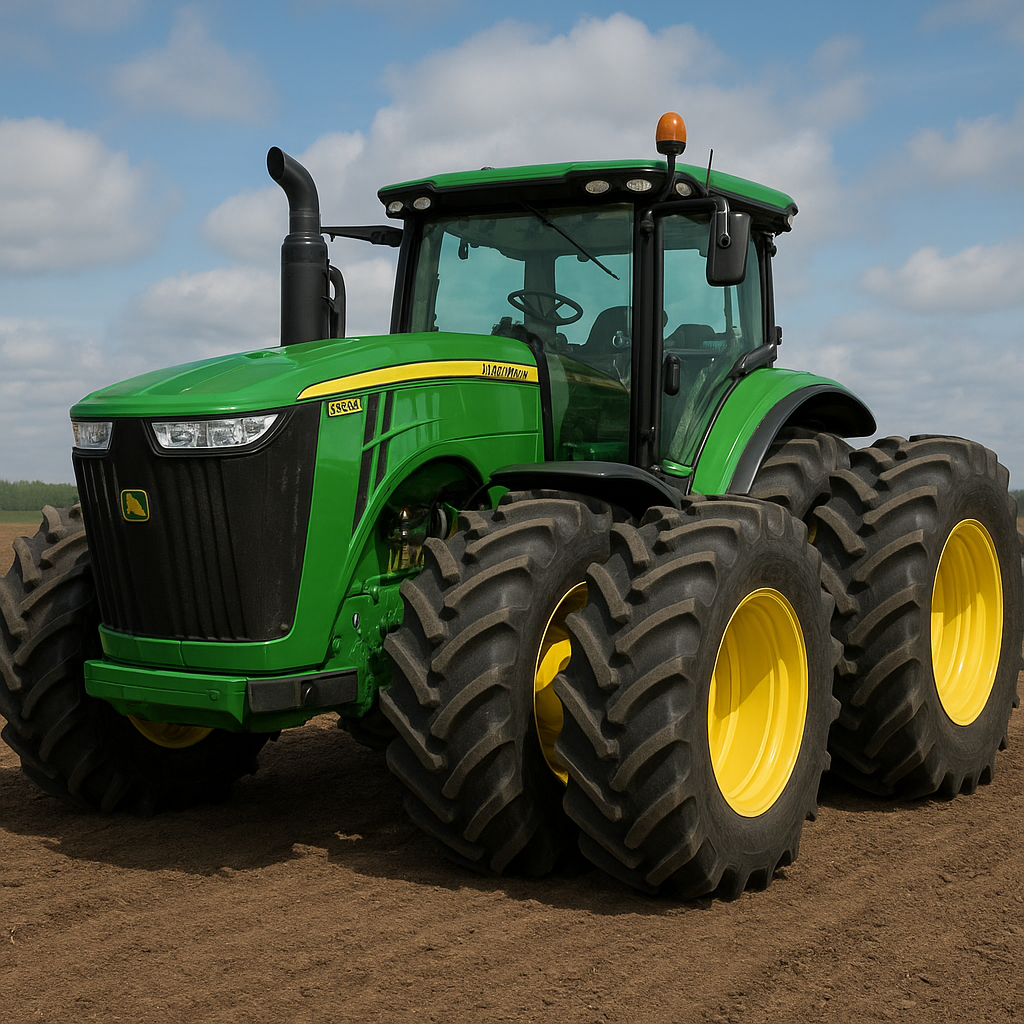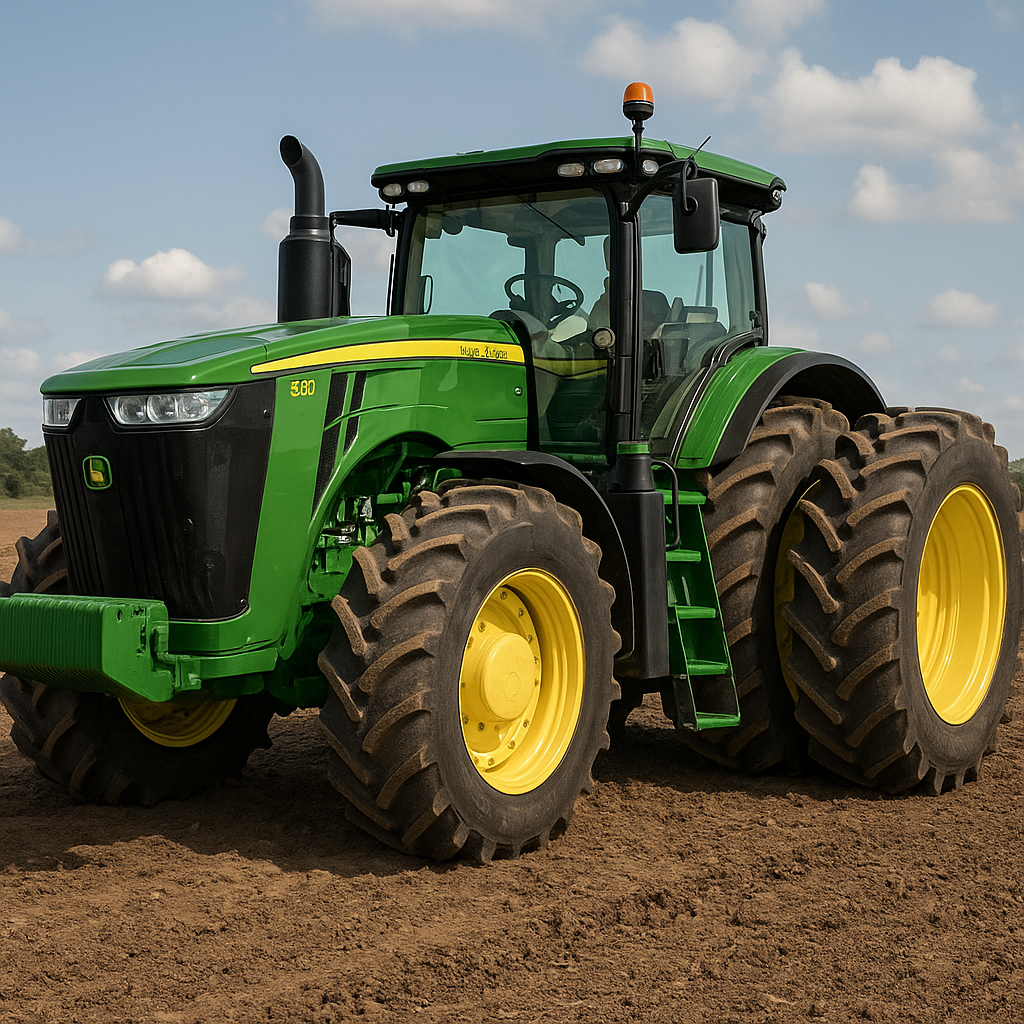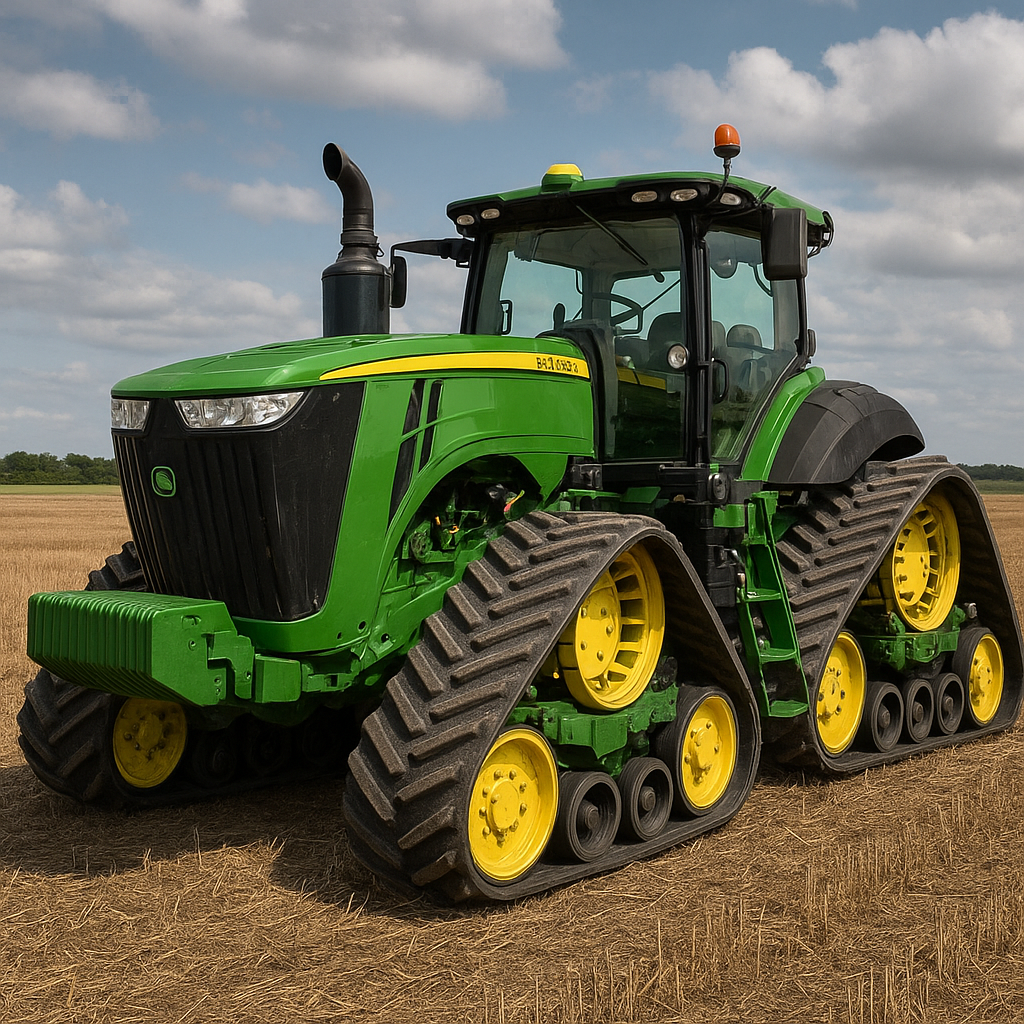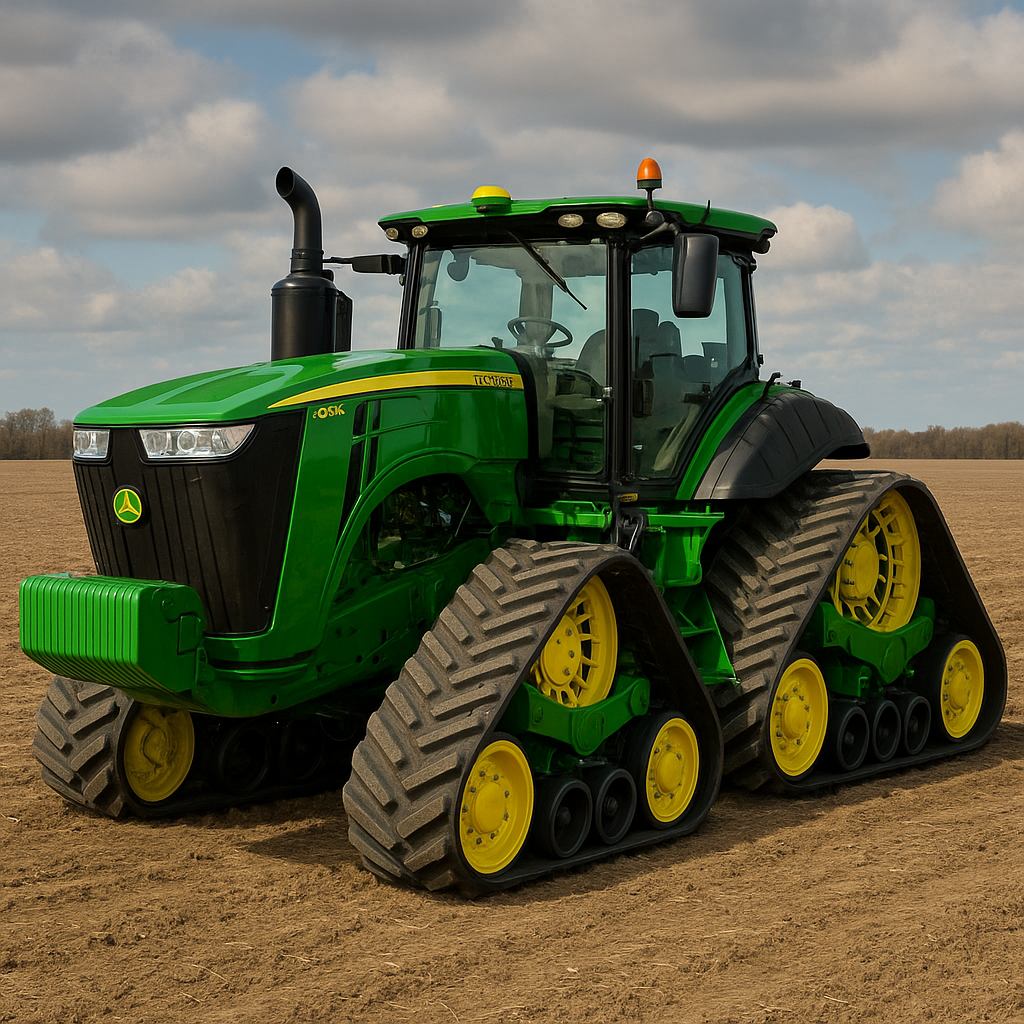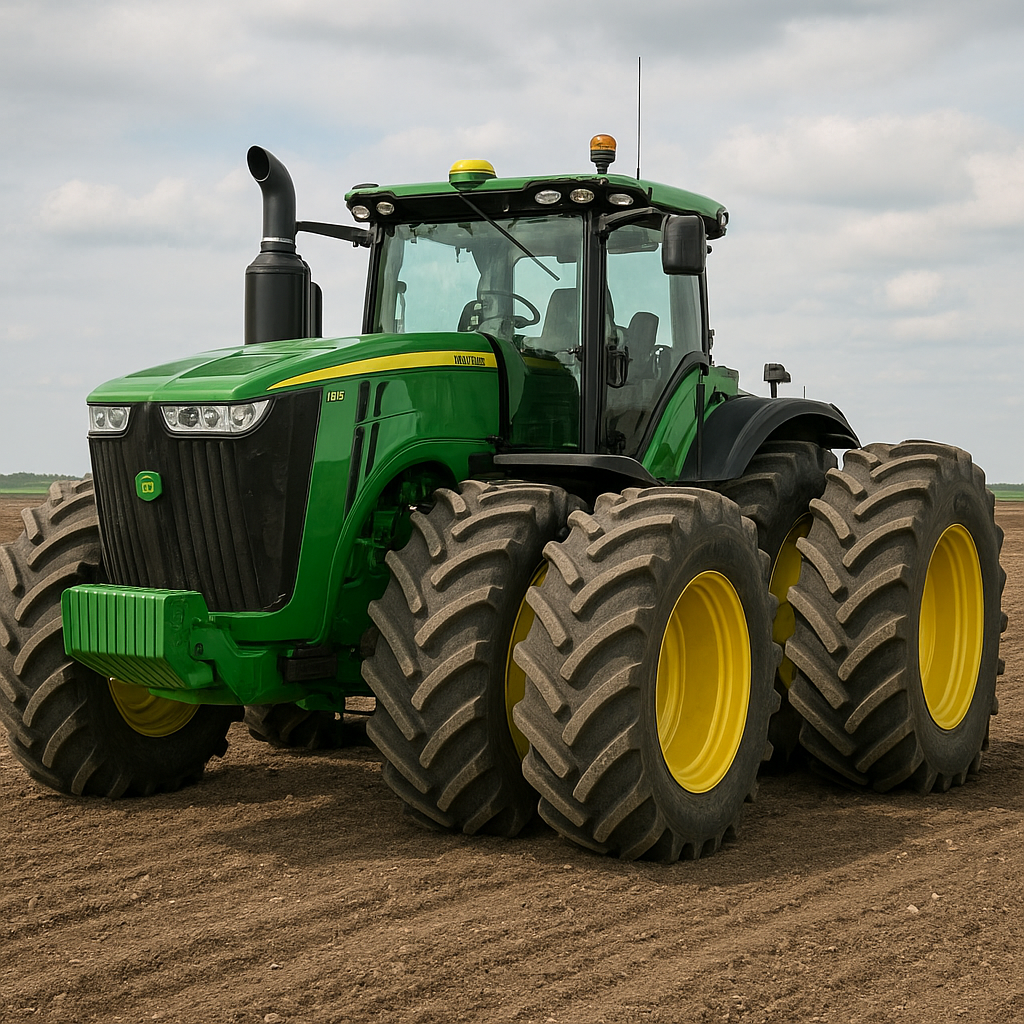
The John Deere 9R 640 is a machine that occupies a prominent place in modern large-scale farming. Combining raw power with advanced electronics and operator comfort, it is designed to tackle the most demanding tasks in arable and mixed agriculture, as well as in specialty operations requiring heavy traction and hydraulic capacity. In the following sections, you will find an in-depth look at the tractor’s design philosophy, typical applications, technical and operational considerations, and practical advice for farms and contractors considering the model.
Design and engineering overview
The John Deere 9R 640 emerges from a lineage of high-horsepower row-crop and heavy-duty tractors engineered to deliver continuous, high-torque performance throughout long working days. As a member of the 9R family, this model emphasizes a balance between maximum drawbar and PTO capacity, operator ergonomics, and compatibility with modern precision farming systems. John Deere 9R 640 is often selected where a combination of horsepower and versatility is required.
Engine and powertrain
The heart of the 9R 640 is its diesel engine calibrated for sustained power delivery under load. The engine is built to meet stringent emissions standards while providing predictable torque curves for heavy tillage and pulling loads. Depending on model year and regional configuration, the 9R line typically offers engines that balance peak output with fuel economy, turbocharging systems for response under load, and aftertreatment systems to comply with emissions regulations.
Transmission and driveline
Transmission options traditionally include advanced powershift or continuously variable-type systems depending on the specification and the year of manufacture. These systems are developed to offer smooth power transfer and precise ground speed control, which are essential for seeding, spraying, and controlled depth tillage operations. The driveline design prioritizes longevity and the capacity to handle heavy loads from implements and trailers.
Hydraulics and PTO
Hydraulic systems on the 9R 640 are sized to support multiple remote valves and high-flow implements, including large planters, air seeders, and hydraulic-driven tillage tools. PTO options provide robust mechanical power for rotary tillers, balers, and other PTO-driven machinery. The integration of hydraulics, PTO, and electronic control enables automation features and precise implement management.
Primary applications and field roles
The 9R 640 is commonly used where large-acreage operations and high-demand tasks require a reliable, multi-functional tractor. It is popular with commercial farmers, custom operators, and large estates that need a single machine capable of handling diverse seasonal operations.
Tillage and primary soil cultivation
For primary tillage—plowing, heavy discs, subsoiling—the tractor’s high torque and heavy-duty frame provide the traction and stability needed to pull large implements through compacted soils. This configuration helps maintain target working depth and reduces finish variability across large fields. Operators appreciate the machine’s mass and ballasting options that help counter implement draft and improve traction.
Seeding and planting
When pulling large planters or air seeders, the 9R 640 delivers consistent forward speed control and hydraulic support for heavy-mounted equipment. The ability to maintain uniform ground speed is critical for accurate seed placement and population control, enhancing yields and reducing rework.
Transport and heavy hauling
Beyond fieldwork, these tractors are frequently used to tow large grain carts, heavy trailers, and transport machinery between sites. The combination of horsepower and transmission choices makes the tractor efficient in road transit while also capable of handling heavy trailer loads without overheating or driveline stress.
Specialized tasks
In some regions, the 9R 640 is adapted for specialized tasks such as deep ripping, large-scale manure injection, and heavy-duty snow removal or land reclamation. Contractors also deploy the tractor for forestry and industrial uses where high ground clearance and powerful hydraulics are necessary.
Operator environment and technology
Modern 9R tractors focus heavily on operator comfort and integrated technology. This improves productivity by reducing operator fatigue and enabling precision farming tools that boost input efficiency and recordkeeping.
Cab and ergonomics
The cab environment typically includes climate control, adjustable seating with suspension, and intuitive controls. Large visibility windows and strategically placed cameras enhance situational awareness when working with wide implements or during transport. The cab design supports long operating shifts with reduced vibration and noise.
Precision agriculture integration
The 9R 640 is equipped to support GPS guidance, auto-steer systems, section control for sprayers/planters, and variable-rate application systems. These technologies reduce overlap, save on inputs like seed and agrochemicals, and create application maps that improve decision-making across seasons. The tractor integrates seamlessly with John Deere’s telemetry platform, allowing remote monitoring of machine health, fuel use, and field progress.
Telematics and machine monitoring
Telematics platforms provide live data on location, fuel consumption, engine hours, error codes, and more. This capability allows fleet managers and owners to plan maintenance, optimize fuel use, and respond quickly to faults. Remote diagnostics can reduce downtime by enabling technicians to pre-diagnose issues before arriving on site.
Maintenance, reliability, and lifecycle costs
High-powered tractors like the 9R 640 require proactive maintenance to preserve performance and manage lifecycle costs. The design incorporates service points that are intended to be accessible and modular components that simplify repairs.
Routine maintenance
- Engine oil and filter changes at recommended intervals.
- Inspection and replacement of air and fuel filters to protect injectors and turbochargers.
- Hydraulic oil and filter servicing to ensure consistent control and avoid contamination-related failures.
- Tire or track inspection and alignment to manage traction and reduce soil compaction.
Reliability and uptime
Reliability is driven by the quality of components, correct ballasting and match between implement and tractor, and the adherence to maintenance schedules. Many operators report that regular telematics monitoring and preventive maintenance substantially increase uptime and resale value.
Resale value and depreciation
High-horsepower tractors tend to retain value when properly maintained, particularly when they include up-to-date electronics and telematics subscriptions. Resale values also vary by region, local demand for large tractors, and the availability of labor and parts.
Economic and environmental considerations
Owning and operating a machine like the 9R 640 requires a cost-benefit assessment. While the tractor can reduce labor and increase throughput, its purchase price, fuel consumption, and maintenance must be balanced against productivity gains.
Fuel efficiency and operating costs
Large displacement engines consume significant fuel under heavy load, but modern engine management and aftertreatment systems improve fuel economy compared to older generations. Precision farming features, such as variable-rate application and automated guidance, further reduce input waste, which can offset fuel and operating costs over a season.
Environmental compliance
Engines conform to regional emissions standards through the use of selective catalytic reduction (SCR), diesel particulate filters, or other aftertreatment systems. Proper operation and maintenance of these systems are important, both for legal compliance and to avoid diminished performance.
Soil health and compaction
Large tractors concentrate weight on smaller contact areas, which increases the risk of soil compaction. Operators mitigate this with wider tires, tracked configurations, controlled traffic farming, and proper ballasting. Integrating soil management practices helps preserve long-term productivity.
Comparisons, configurations, and buying considerations
Potential buyers should consider how the 9R 640 compares with other high-horsepower models from John Deere as well as from competing manufacturers. Selection depends on the scale of operations, types of implements used, and long-term farm plans.
Configurations
- Wheel vs. track options—tracks reduce soil compaction and increase tractive efficiency on soft soils; wheels can be more efficient on hard surfaces and easier to maintain in some regions.
- Axle and ballast options—configurable for different implement weights and soil conditions.
- Transmission choices—available to match operator preference for responsiveness, fuel economy, and ease of use.
How to choose
Evaluate the typical implements you run, the maximum draft you need, and the average field size. If you frequently tow large grain carts or run wide planters, prioritize drawbar power and hydraulic flow. For heavy tillage, look for options that maximize traction and allow for heavy ballasting while maintaining tire life and fuel economy.
Case studies and real-world use
Across large farms in North America, Europe, South America, and Australia, tractors in the 9R class serve as backbone machines for planting and harvest logistics. Below are illustrative scenarios where a 9R 640 (or comparable model in the series) typically excels:
Large-scale grain operations
In multi-thousand hectare grain farms, a 9R-class tractor reduces the number of passes needed for operations and allows a single operator to cover more ground with large planters and sprayers, enabling narrow planting windows to be met under tight weather constraints.
Custom contracting
Contractors who provide tillage, planting, and hauling services benefit from the machine’s versatility. The tractor’s robustness minimizes downtime during peak seasons, and its telematics help manage multi-site fleets effectively.
Mixed-use and livestock farms
Even on farms with diversified activities, a 9R tractor can handle heavy tasks such as bedding, manure injection, and feed-harvesting support while also serving in transport roles during harvest.
Safety, training, and operator best practices
Operating a high-power tractor requires training and adherence to safety protocols. Proper training reduces the risk of rollovers, implement entanglement, and operator fatigue.
Key safety practices
- Understand center of gravity and ballast limits; avoid sudden turns with heavy implements attached.
- Keep up-to-date with PTO guarding and hydraulic safety checks.
- Use operator presence systems, seat belts, and roll-over protective structures (ROPS).
- Train operators on telematics alerts and fault codes so that minor issues are addressed before they become serious.
Operator training
Structured onboarding for new operators should include familiarization with electronic systems, calibration of precision equipment, and hands-on practice with changing ballasting and implement settings under supervision. Simulation and classroom instruction combined with in-field mentoring lead to safer, more efficient use.
Market outlook and availability
The demand for high-horsepower tractors fluctuates with commodity prices, farm consolidation trends, and regional crop patterns. In regions where farm sizes are increasing and mechanization is intensifying, demand for tractors like the 9R 640 remains strong. Dealers typically provide multiple finance options, warranty packages, and connected-services subscriptions that influence the total cost of ownership.
Aftermarket and parts
John Deere’s global dealer network supplies genuine parts, service plans, and used-equipment trade-in channels. Access to parts and skilled technicians is a major factor influencing ownership satisfaction. For operators in remote regions, planning for spare parts and scheduled maintenance is essential to minimize downtime during peak seasons.
Summary and final considerations
The John Deere 9R 640 represents a class of tractors designed for large-scale and high-demand agricultural operations. It combines substantial horsepower and robust mechanical systems with modern electronics for precision agriculture, telematics-based maintenance, and operator comfort. When evaluating this tractor, consider the alignment between implement needs, soil management practices, fuel and maintenance budgets, and the availability of dealer support. Strategic use—such as controlled-traffic farming, careful ballasting, and integration of variable-rate technology—can improve efficiency and ultimately contribute to better farm economics. For farms and contractors that require sustained power, high hydraulic capacity, and advanced guidance systems, the 9R family, and models like the 9R 640, remain a compelling choice.
Key attributes at a glance: tractor, engine, transmission, traction, precision agriculture, fuel efficiency, telematics, maintenance, painstaking reliability, versatility.