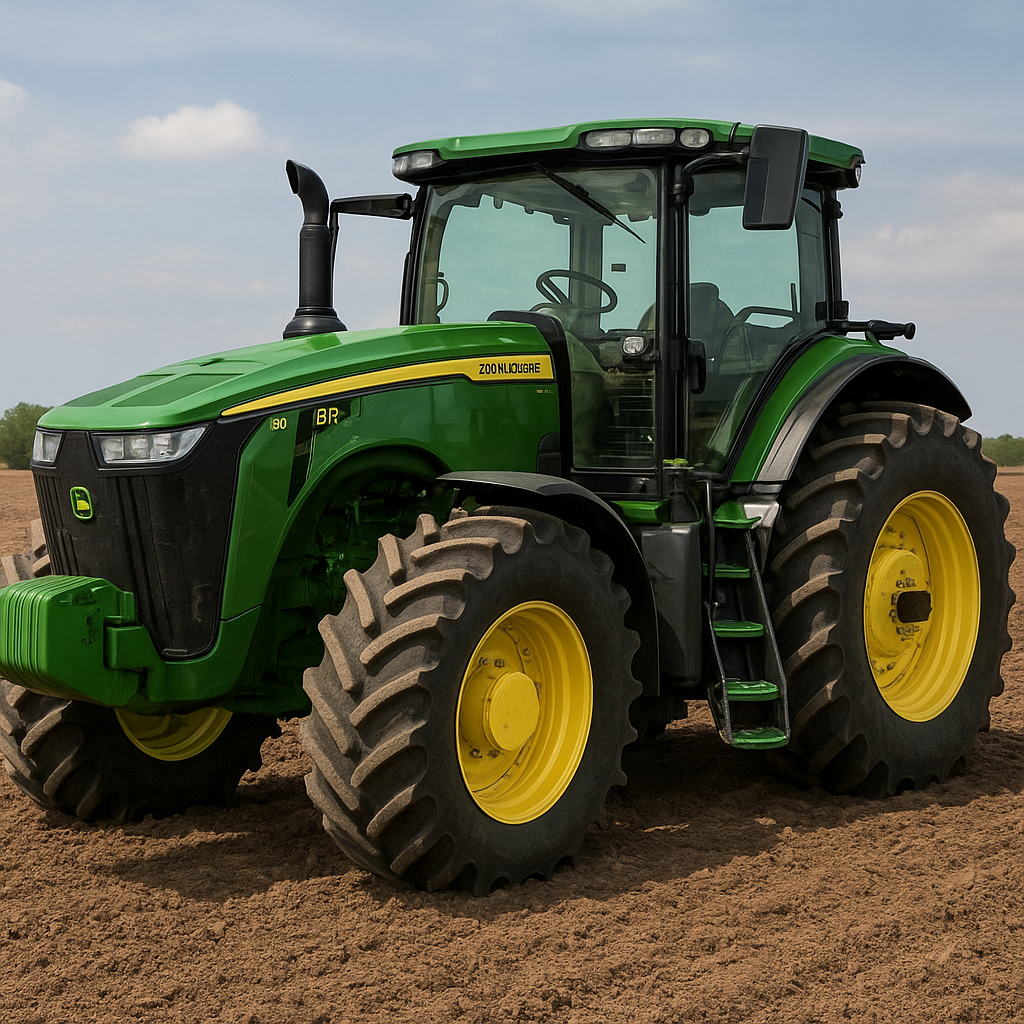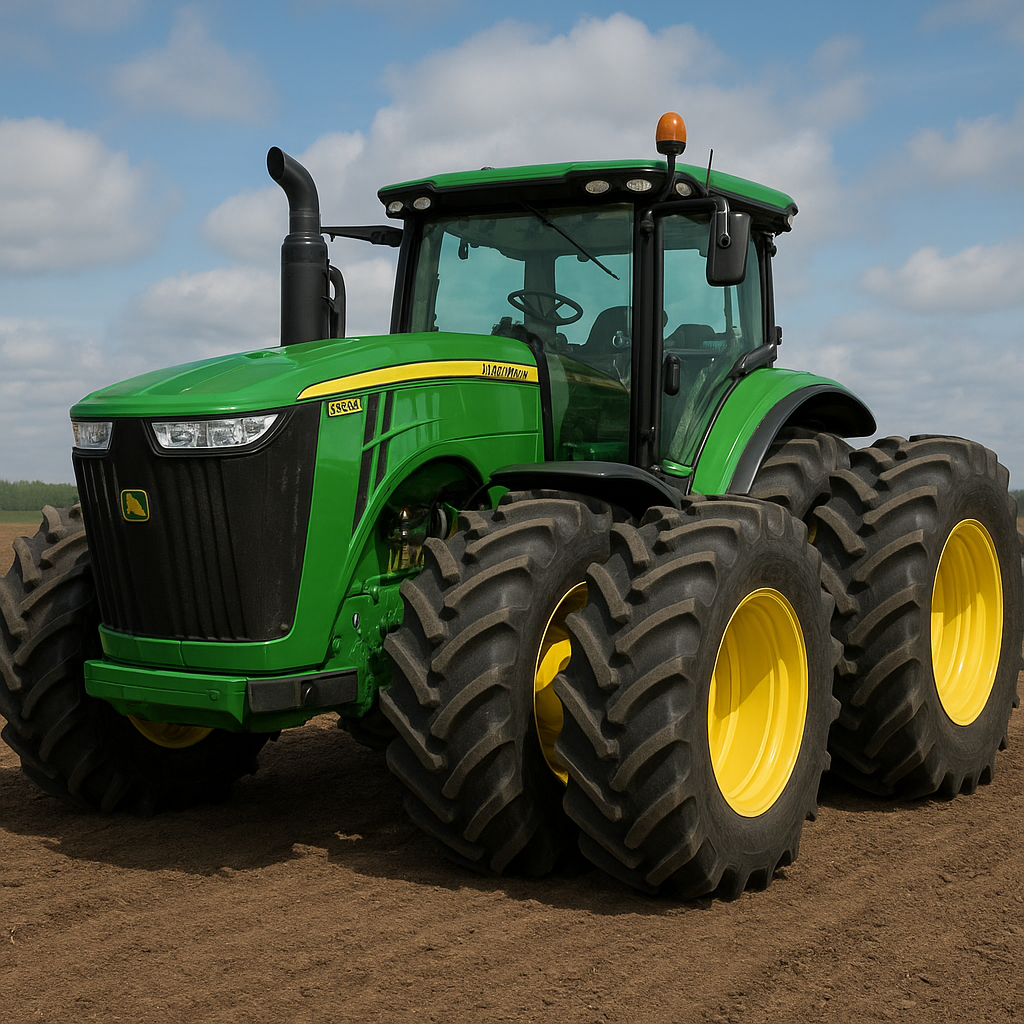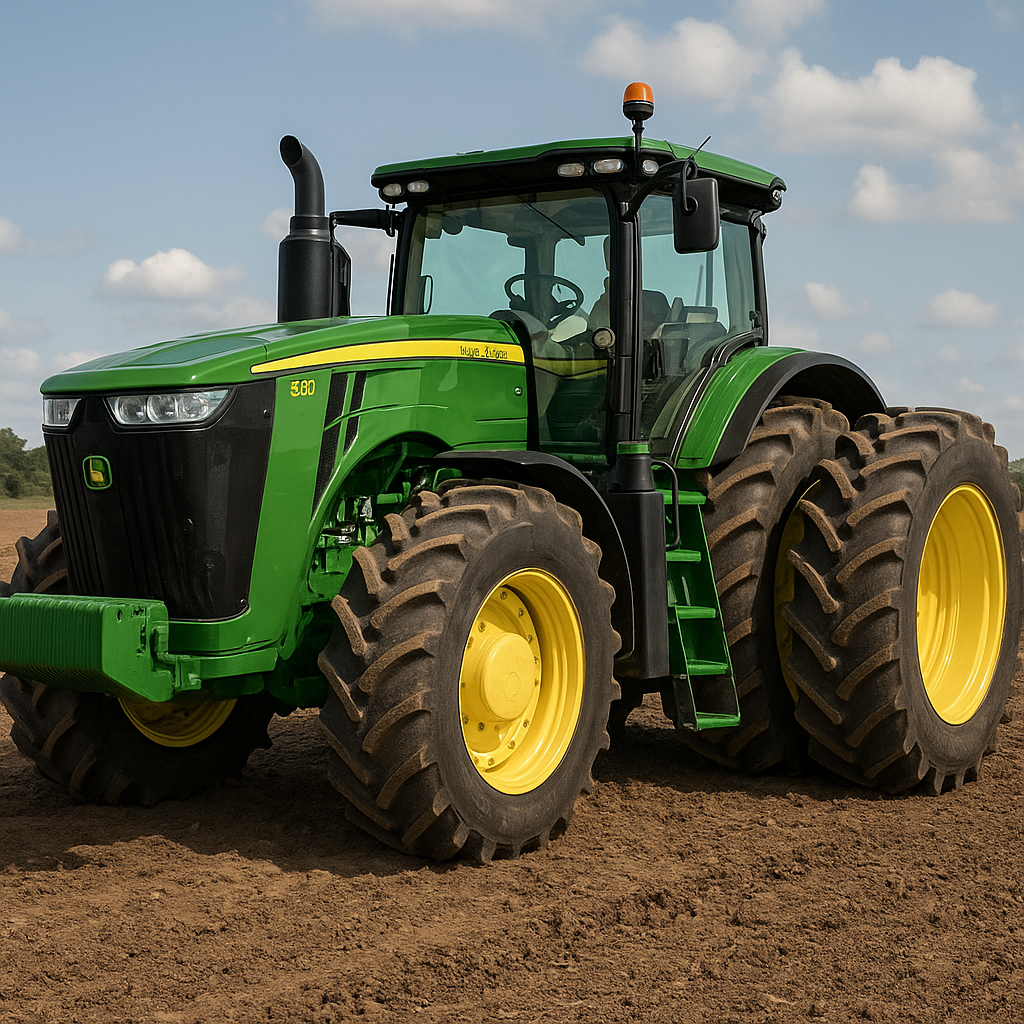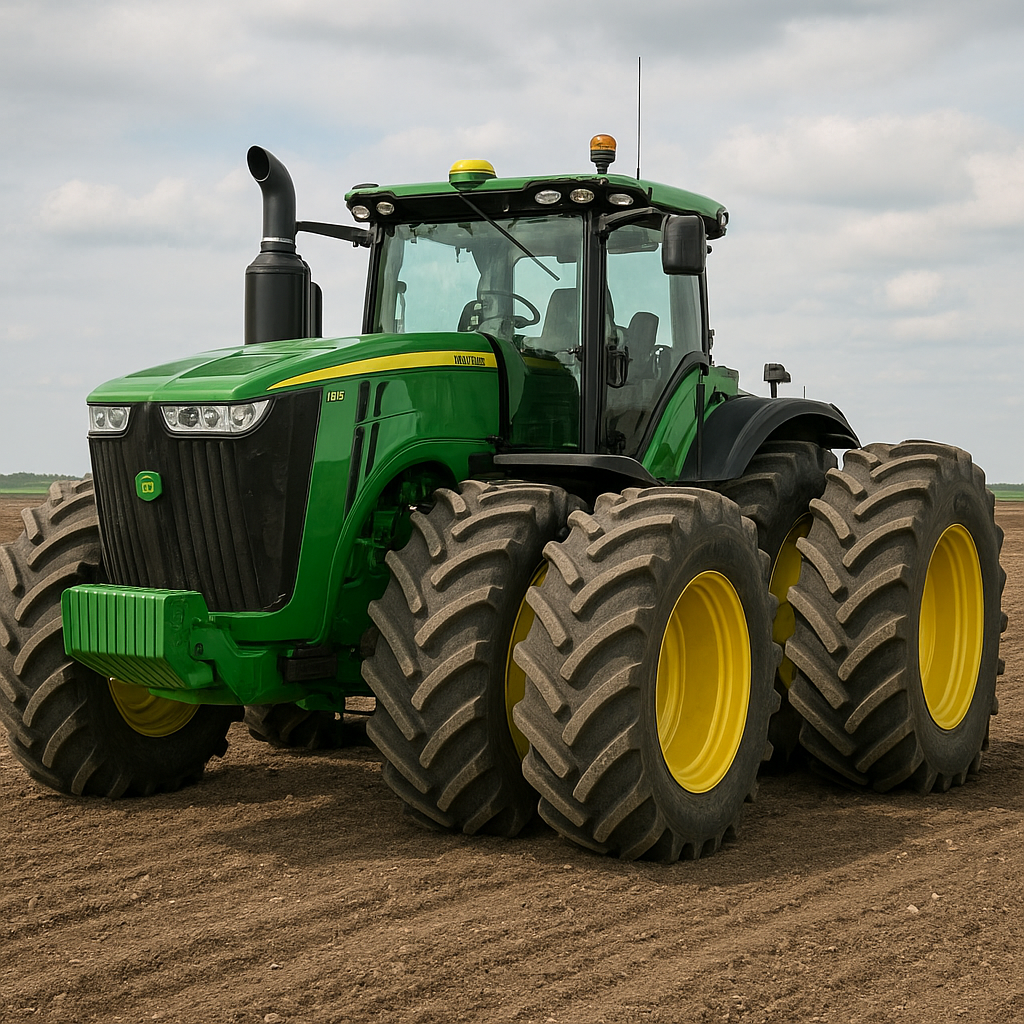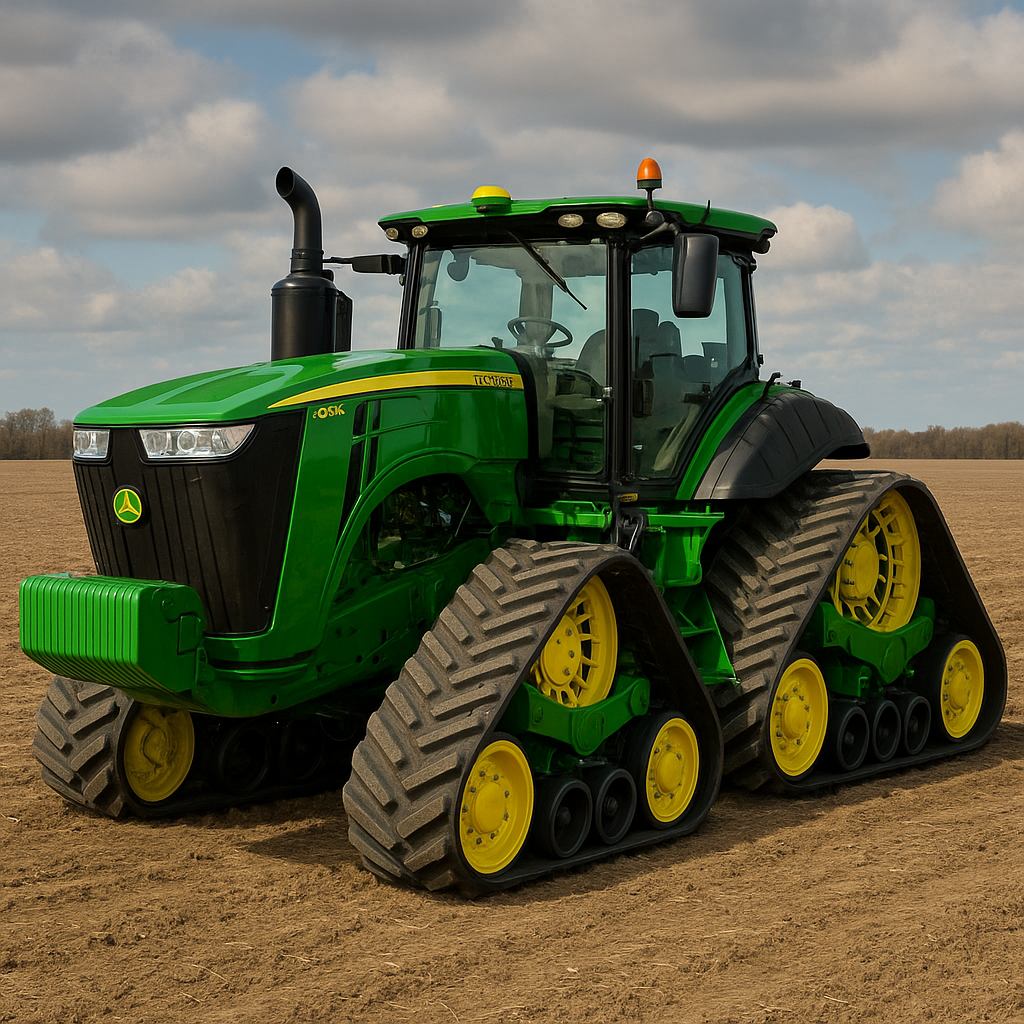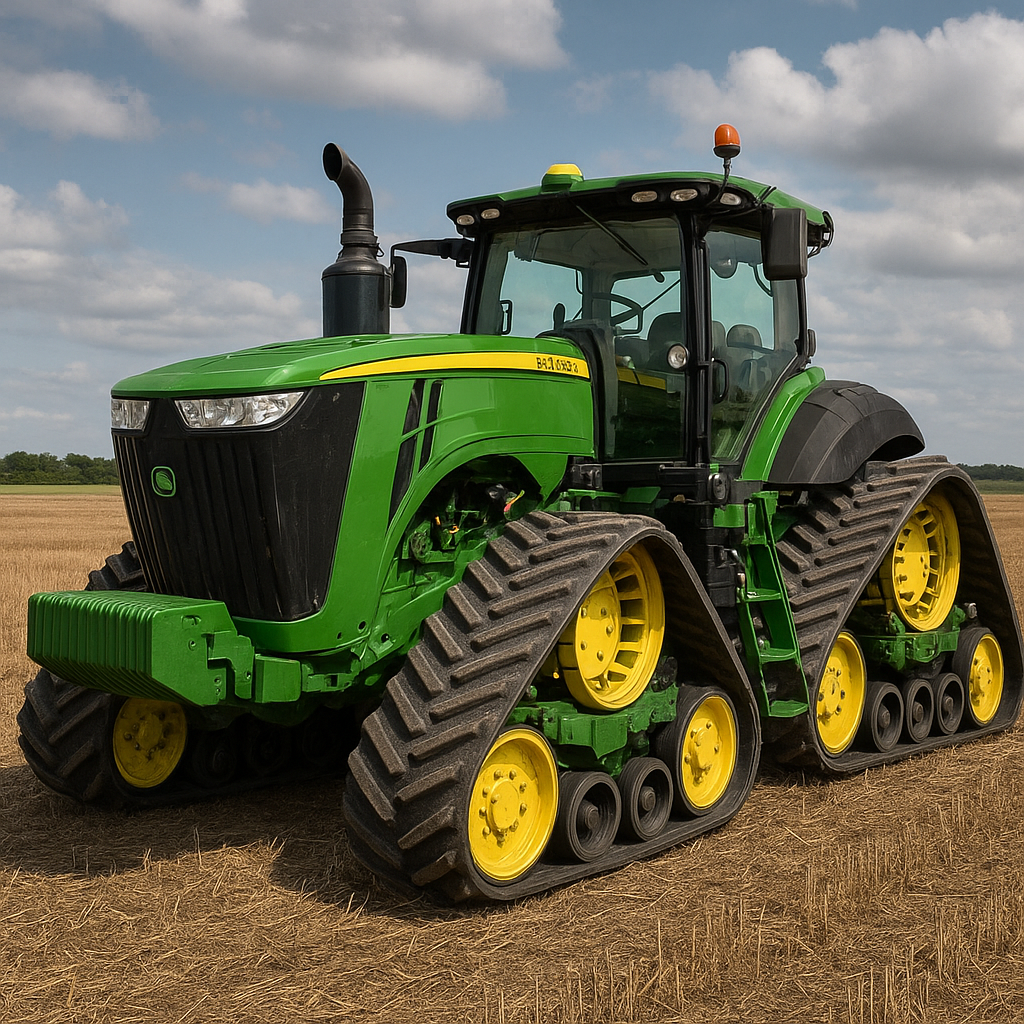
The John Deere 9RX 590 is a flagship, high-horsepower agricultural tractor designed for large-scale farming operations that demand exceptional **traction**, **durability**, and technological integration. As part of John Deere’s 9RX series, this machine combines a powerful **engine**, a four-track undercarriage for improved flotation and reduced soil compaction, and advanced precision-agriculture systems. This article explores the 9RX 590’s applications, technical highlights, operational characteristics, and practical considerations for farmers, contractors, and equipment managers looking for a reliable tool to maximize productivity on demanding acreages.
Overview and design philosophy
The 9RX series was developed to address the needs of modern row-crop and large-acreage producers who require high horsepower while minimizing soil disturbance. The 9RX 590 represents one of the higher-power variants in the series, emphasizing sustained field performance and versatility across a range of soil types and operations.
- Engine: The 9RX 590 is built around a robust diesel powerplant tuned for continuous high-load operation. The emphasis is on reliable, long-duration torque delivery for heavy draft implements.
- Undercarriage: Unlike wheeled tractors, the 9RX uses a four-track configuration. This design distributes weight over a larger area and improves traction and flotation on soft or uneven ground.
- Transmission and hydraulics: The tractor integrates heavy-duty driveline components and high-flow hydraulics to operate large seeders, planters, tillage equipment, and large sprayers.
- Cab and controls: John Deere packages advanced operator comfort and integrated precision-farming controls, including touchscreen displays, AutoTrac guidance, and telematics for remote monitoring.
The 9RX’s design philosophy is to deliver high effective horsepower at the point of the implement while protecting soil health through reduced compaction, making it suitable for intensive cropping systems and heavy tillage operations alike.
Primary applications and ideal use cases
The John Deere 9RX 590 is optimized for several core agricultural roles where high traction and sustained power are essential. Typical applications include:
- Tillage and primary cultivation — deep plowing, chisel plowing, and heavy cultivations where consistent draft force is needed over long field passes.
- Seeding and planting — pulling large air seeders or planters across wide work widths; the decreased soil compaction and improved flotation help maintain consistent seeding depth.
- High-horsepower pulling tasks — heavy cultivators, subsoilers, and large disc gangs benefit from the tractor’s torque and track traction.
- Large hay and forage operations — baling and heavy forage equipment where a powerful hydraulic system supports high-demand implements.
- Land leveling and earthmoving — operations that require pushing or pulling significant loads while maintaining traction on variable terrain.
Because of its low ground pressure and high drawbar capability, the 9RX 590 is particularly valuable on farms with sandy or wet soils where wheeled tractors may slip or cause excessive compaction. Contractors and custom operators also value this model for its ability to handle large-acre contracts efficiently.
Key technical features and performance attributes
This section outlines the principal technical elements that give the 9RX 590 an operational edge in the field.
Powertrain and engine characteristics
The 9RX 590 is engineered to provide high continuous horsepower with a strong torque curve. The powertrain emphasizes reliability under sustained load, supporting multi-hour operations typical of planting and tillage windows. John Deere’s engine tuning focuses on fuel-efficient power delivery and emissions compliance, while offering ample torque reserve for heavy implements.
Undercarriage and track system
The hallmark of the 9RX is its four independent track modules. Compared with twin-track or wheeled designs, the 9RX’s configuration offers:
- Reduced soil compaction due to wider footprint
- Improved traction and reduced slippage in wet or low-traction conditions
- Smoother ride and stability on slopes or rolling terrain
- Lower rolling resistance in many conditions, aiding fuel efficiency
Track choices (width and belt design) allow operators to balance flotation, transport speed, and field performance for specific crops and soil types.
Hydraulics, hitch capacity, and implement support
High-flow hydraulic systems on the 9RX 590 support large planters, air seeders, and heavy toolbars. The three-point hitch and drawbar are rated to connect and control implements at the scale expected for high-acreage farming, allowing efficient use of large implements that reduce passes per field.
Cab environment and operator aids
John Deere equips the 9RX with a spacious, ergonomically designed cab featuring climate control, reduced noise, and advanced seating. Integrated technology includes multi-function displays, joystick controls for implement operation, and guidance systems such as AutoTrac. These aids reduce operator fatigue and improve accuracy, especially during long workdays and night operations.
Precision agriculture and connectivity
The 9RX 590 is compatible with John Deere’s precision tools: GPS-guided steering, variable-rate application control, and JDLink telematics for remote monitoring. These systems enable:
- Accurate field passes with repeatable guidance
- Reduced overlap and input savings through variable-rate prescriptions
- Remote diagnostics and fleet management via telematics
In many regions, operators can retrofit additional sensors and ISOBUS-compatible implements to further streamline data capture and management workflows.
Known specifications and performance statistics
Exact specifications vary with model year, optional equipment, and regional configurations. Below are representative figures and performance-oriented metrics commonly associated with the 9RX 590 configuration; these should be verified against the specific unit’s data plate or dealer documentation for exact numbers.
- Engine horsepower: Approximately 590 horsepower (rated), with transient torque reserve for heavy draft work.
- Track options: Multiple track widths typically available (e.g., 24-inch, 30-inch, 36-inch), affecting flotation and transport characteristics.
- Fuel capacity: Large tanks designed to support extended field operation without frequent refueling; capacities vary by configuration and regional spec.
- Hydraulic flow: High-flow hydraulic circuits to handle large planter and implement demands; exact gpm depends on pump options.
- Operating weight: Substantial mass to stabilize implements and provide traction; the four-track footprint spreads weight to reduce ground pressure compared to comparable wheeled tractors.
Performance metrics reported by operators often highlight high effective field speeds when paired with wide implements, substantial fuel consumption under heavy load (but reasonable fuel use per acre due to fewer field passes), and excellent throughput when integrated with precision guidance.
Advantages and limitations
Understanding the strengths and trade-offs of the 9RX 590 helps potential buyers evaluate fit for their operations.
Advantages
- Superior traction in low-traction conditions, enabling consistent draft force with large implements.
- Reduced soil compaction thanks to the larger contact area of the four-track system.
- Improved ride quality and stability across uneven terrain compared with traditional wheeled tractors.
- High productivity per hour when using wide implements, leading to fewer passes per field and potential input savings.
- Integrated precision ag features that support efficient, data-driven operations.
Limitations and considerations
- Higher purchase price compared with many wheeled tractors of similar rated horsepower; the undercarriage and power components raise upfront costs.
- Maintenance complexity for track systems and associated components, requiring specialized knowledge for upkeep and repairs.
- Transport logistics — while transport speeds are sufficient for road moves, the overall width and track footprint can complicate transport between distant fields unless planned carefully.
- Fuel consumption can be significant under continuous heavy draft; however, fuel per acre may be competitive due to reduced pass counts.
For many enterprises the productivity and soil-benefit trade-offs outweigh the higher acquisition and maintenance costs, especially for large-acre farms or contractors who can amortize costs over many acres.
Operational tips and best practices
Maximizing return on a 9RX 590 requires good operational discipline and attention to maintenance. Key best practices include:
- Choose the right track width for your soil type and crop rotation. Wider tracks enhance flotation but may increase transport width.
- Monitor track tension and wear regularly to prevent premature component failure and maintain ride quality.
- Use precision guidance and implement control to minimize overlap and optimize input use.
- Plan for service access — ensure dealer support and parts availability in your region, especially for tracked components and specialized driveline parts.
- Train operators on the specifics of track-tractor driving, turning radius differences, and weight distribution when hitching large implements.
- Balance fuel and engine load by matching gear selection and PTO/hydraulic demands to minimize excessive fuel burn while sustaining productivity.
Maintenance, reliability, and total cost of ownership
The 9RX 590 is intended for heavy use, but tracking long-term cost of ownership requires attention to both routine services and major wear items. Typical maintenance items include engine oil and filter changes, diesel particulate filter and emissions system checks, hydraulic filters, and specific undercarriage inspections.
- Track undercarriage wear — This is one of the most significant ongoing costs. Track life depends on soil type, field conditions, and transport frequency.
- Driveline and final drive service — Scheduled inspections and oil changes preserve reliability under high torque loads.
- Electronics and sensor upkeep — Precision farm components should be calibrated and updated regularly; JDLink and guidance sensors may require occasional firmware updates and alignment checks.
When evaluating total cost of ownership, factor in the machine’s increased productivity (fewer passes, faster job completion), potential input savings due to precision application, and the resale value of high-demand, high-horsepower tracked tractors. Many operators find the payback period favorable on large-acre operations or for contractors with consistent, high-utilization workloads.
How the 9RX 590 compares to alternatives
Comparisons commonly made by buyers include wheeled tractors in the 400–600 hp class and other high-horsepower tracked models from competitors. Key comparative points:
- Versus wheeled tractors: The 9RX typically offers better flotation and traction, with lower ground pressure and improved consistency in challenging soil conditions. Wheeled units may be less expensive to purchase and maintain but can be limited by slip and compaction.
- Versus other tracked models: Competitors may offer similar horsepower and drag performance, but John Deere differentiates with integrated precision agriculture, dealer network, and parts support. Choice often comes down to dealership relationships, specific implement compatibility, and service infrastructure.
For operations prioritizing soil conservation and high-throughput field work, the 9RX 590 often ranks highly in buyer comparisons. For smaller farms or operations with limited service access, a wheeled tractor or lower-powered tracked model might be more economical.
Environmental and soil health considerations
A major advantage of the 9RX series is the potential for reduced compaction. By spreading the machine’s mass over a larger surface area, the 9RX minimizes peak soil pressures that can impede root growth and water infiltration. When used with conservation tillage or no-till systems, this tractor can help maintain soil structure and support long-term productivity.
Precision-application technologies reduce over-application of fertilizers and agrochemicals, supporting environmental stewardship while improving input efficiency. However, operators should still follow best management practices for nutrient placement, residue management, and compaction mitigation to realize the full soil-health benefits.
Purchasing considerations and customization
Buying a 9RX 590 involves assessing your operation’s scale, typical field conditions, and financial strategy. Key elements to evaluate:
- Implement compatibility — Ensure your largest implements match the tractor’s hitch and hydraulic capacity.
- Track choice — Select track width and belt type appropriate for your soil and typical transport needs.
- Technology package — Decide on levels of AutoTrac, JDLink, StarFire receiver accuracy, and other guidance or telemetry options.
- Financing and trade-in — Factor in depreciation, potential trade-in value, and operating schedules to estimate payback.
Custom options may include enhanced lighting, additional hydraulics, air-compressor packages, or specialized tow setups for unique implements. Work closely with a dealer to configure a tractor that matches expected acreages and job types.
Conclusion
The John Deere 9RX 590 is a purpose-built, high-horsepower solution for large-scale agricultural operations and contractors needing exceptional traction, flotation, and integrated precision capabilities. While the initial investment and maintenance for a four-track tractor are higher than many wheeled options, the operational advantages—reduced soil compaction, improved traction in challenging conditions, and high field productivity—often justify the cost for high-utilization farms. With strong dealership support and modular precision ag tools, the 9RX 590 represents a comprehensive platform for modern, data-driven farming.