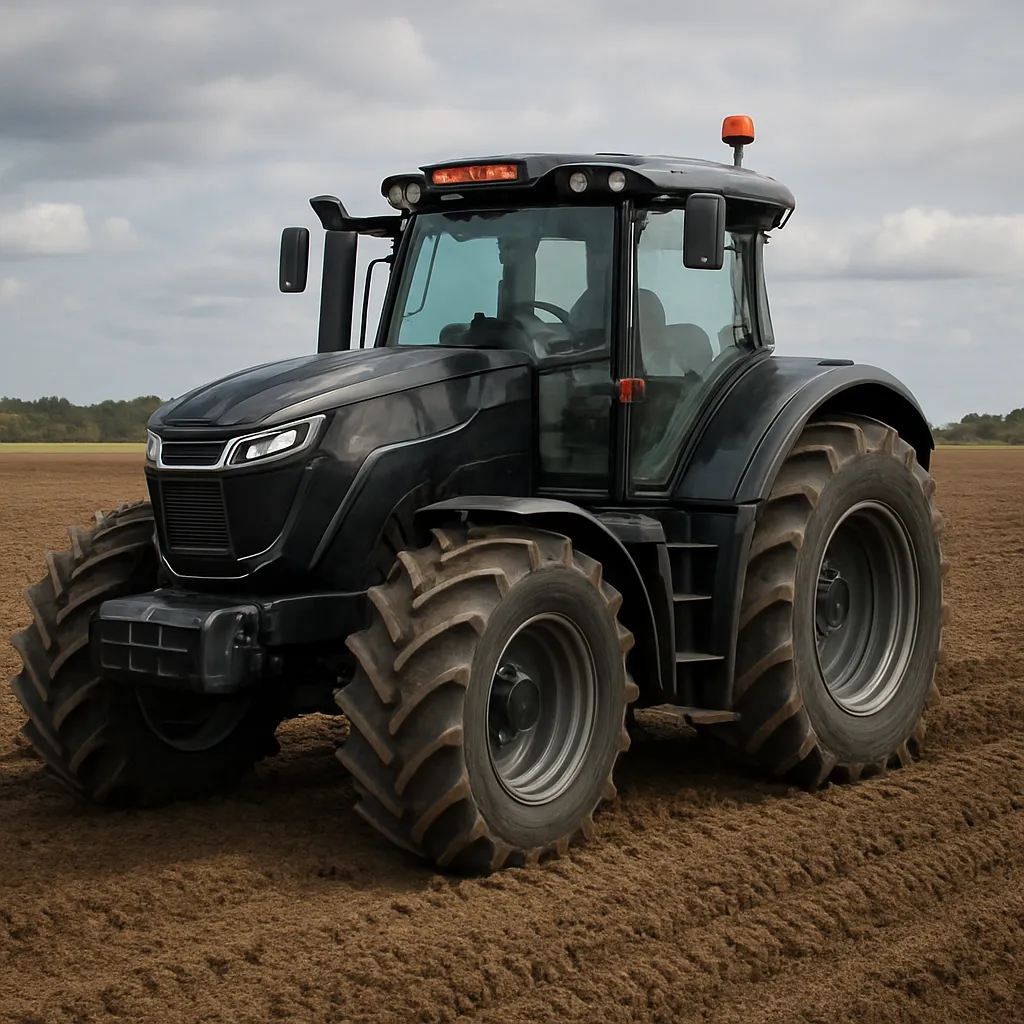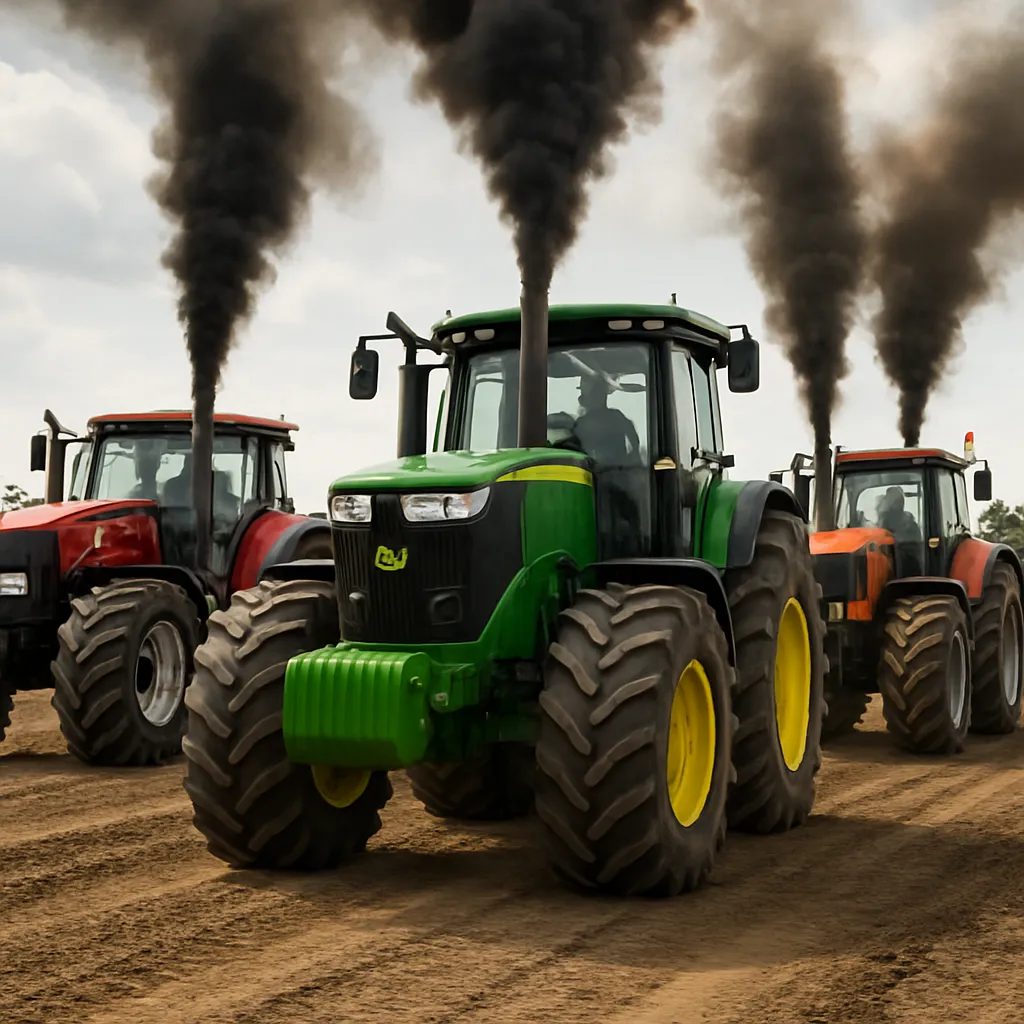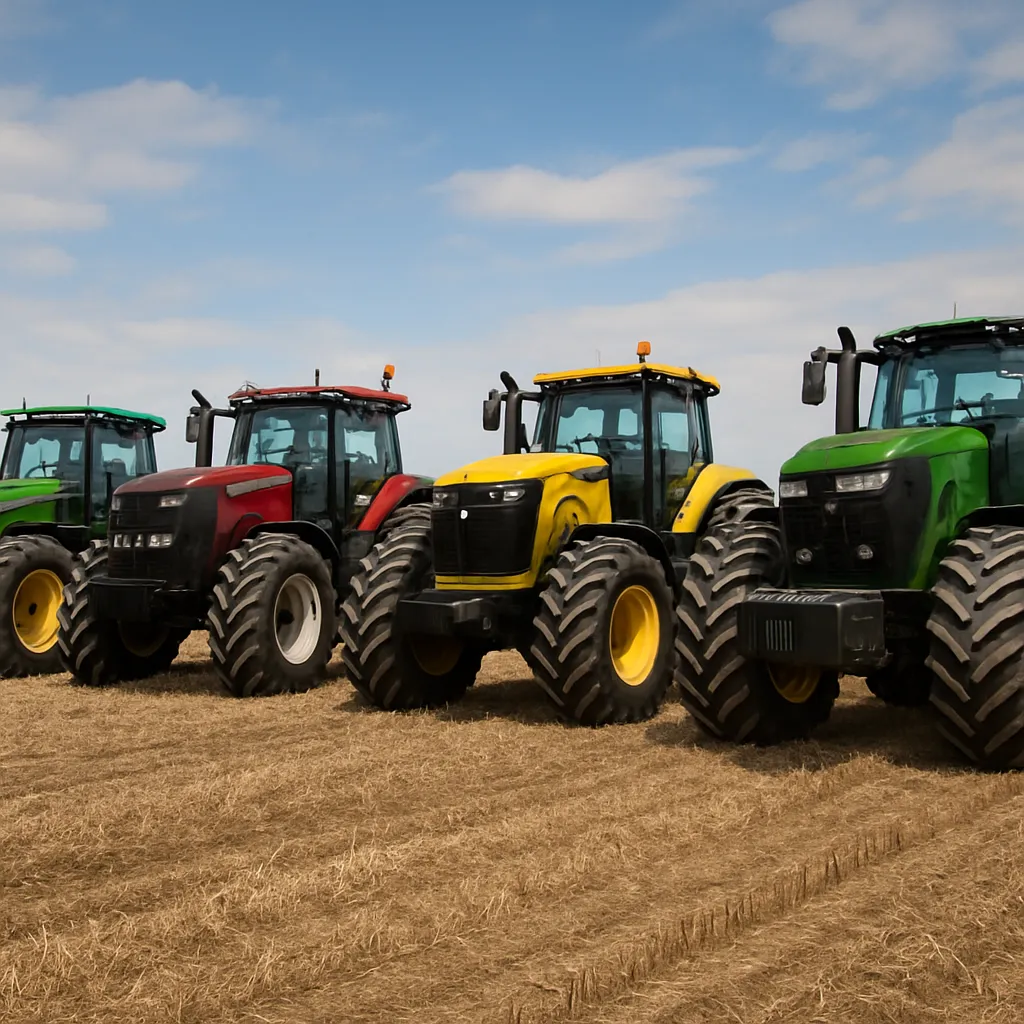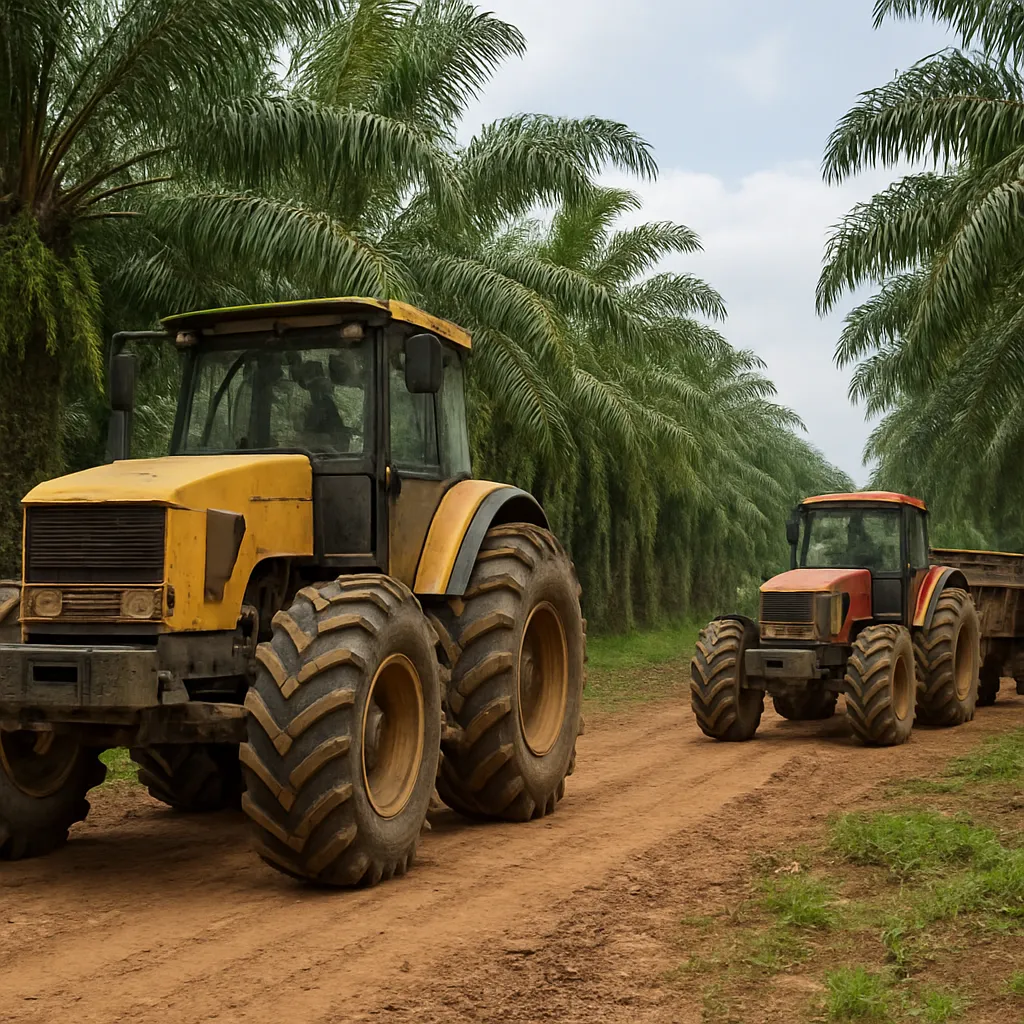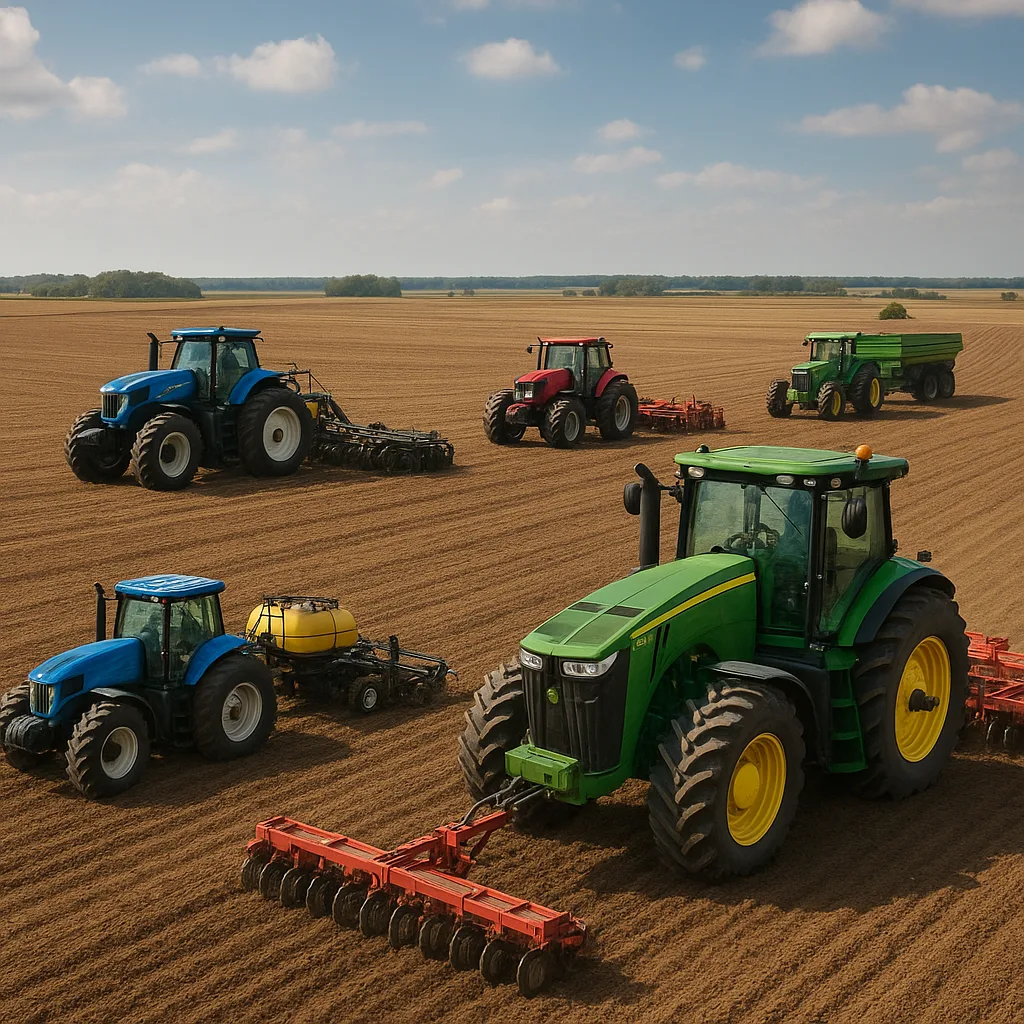
The realm of large-scale farming is defined by extraordinary machinery capable of transforming vast acreage into productive fields. As agricultural demands rise, farmers and contractors turn to the most powerful tractors on Earth, boasting groundbreaking horsepower and state-of-the-art technologies. These mega-tractors not only redefine farm productivity but also integrate advanced systems in precision agriculture, automation, and sustainability. Below, we explore their evolution, leading manufacturers, operational strategies of fleet owners, and the innovations steering the future of heavy-duty farm machinery.
The Evolution of Mega-Tractors
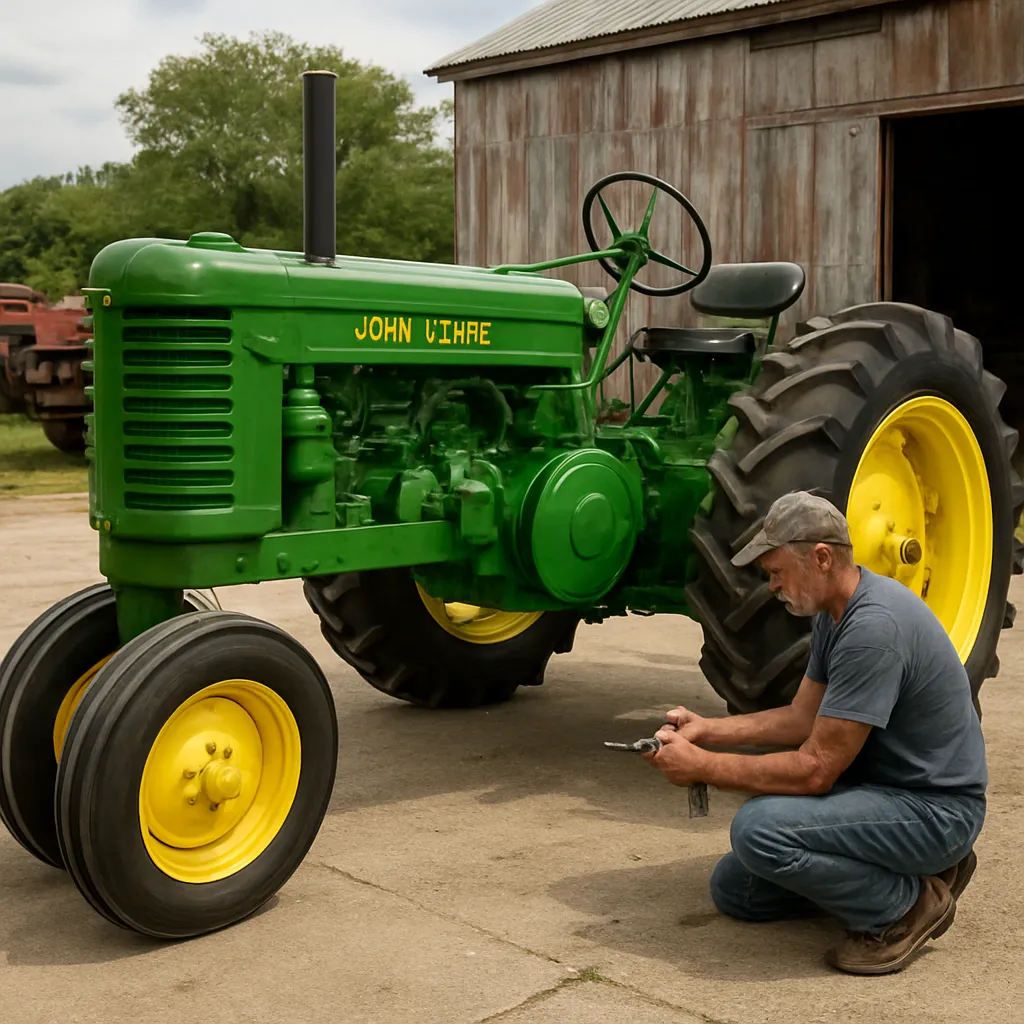
Since the early 20th century, tractors have grown steadily in size and capability. Early models used simple belt drives and raw mechanical leverage, but modern giants rely on robust drivetrains. Key milestones include:
- 1940s: Introduction of diesel engines, boosting torque and fuel efficiency.
- 1970s: Turbocharging and intercooled engines increased power while managing emissions.
- 1990s: Electronic fuel injection and computer-controlled engine management enhanced reliability.
- 2010s: Integration of GPS and global positioning system guidance systems for sub-inch accuracy.
Today’s ultra-large tractors feature modular design concepts that allow for adjustable wheelbases, swappable ballast kits, and both wheeled and track-type configurations. These machines deliver more than 600 to 900+ horsepower ratings, serving the needs of commodity crop producers who cultivate thousands of hectares in single passes.
Key Technological Breakthroughs
- Direct Injection Engines: Optimize combustion for maximum power and reduced fuel consumption.
- Advanced telematics: Offer real-time diagnostics, remote updates, and predictive maintenance.
- Variable-Rate Application: Enables precise fertilizer and pesticide delivery, minimizing waste.
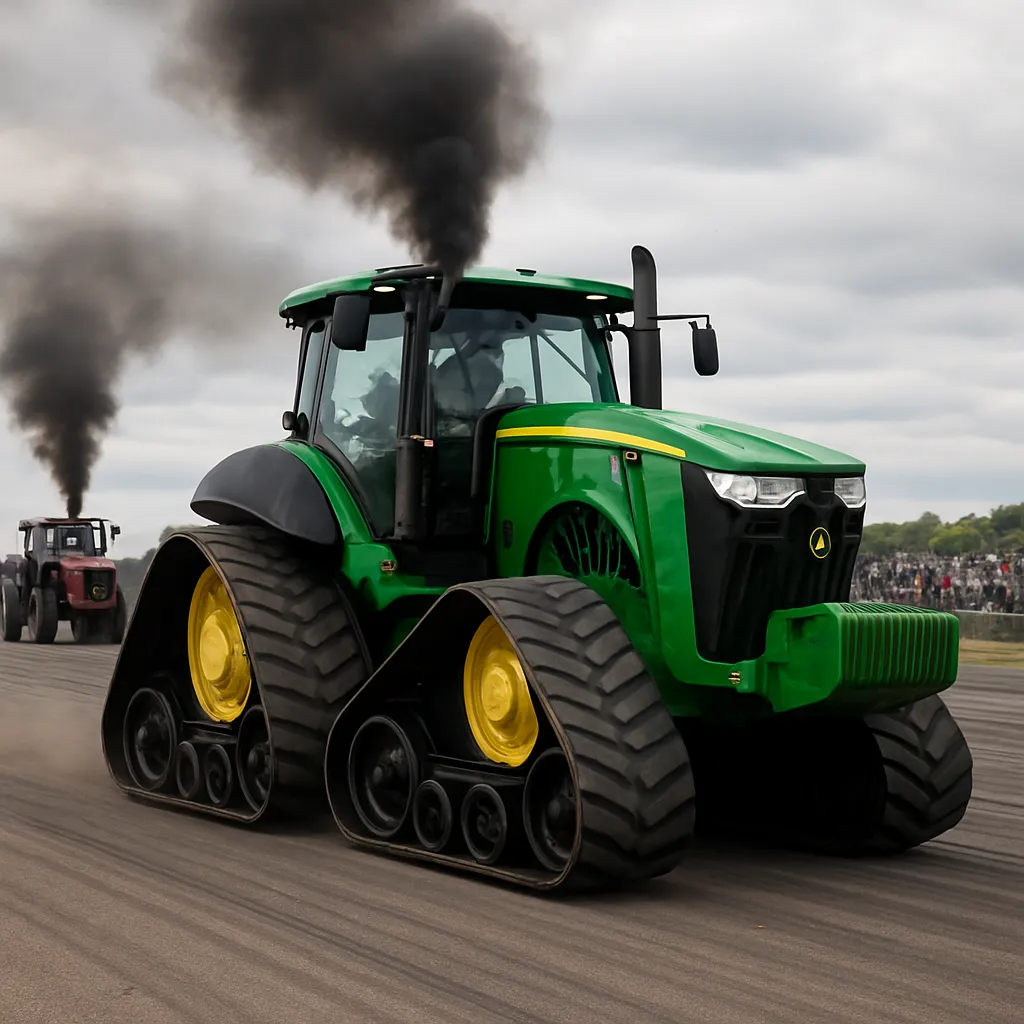
- Track Systems: Enhance traction in wet or uneven fields, distributing weight to protect soil structure.
Leading Manufacturers and Iconic Models
A handful of companies dominate the high-end tractor market. Each brings its unique approach to delivering raw power and versatility.
- John Deere: Known for its flagship 9R Series, pushing beyond 620 horsepower with optional triple tracks. Equipped with the CommandPro console and JDLink telematics, these tractors offer seamless connectivity and intuitive controls.
- Case IH: The Steiger series boasts models up to 900 horsepower in quad-track configurations. Its AFS AccuGuide system supports hands-free steering and data logging.
- New Holland: T9 models merge 4WD and dual tracks. The IntelliView touchscreen and PLM Intelligence provide fleet managers with actionable analytics.
- Fendt: The 1000 Vario delivers 517 to 517 hp with Vario CVT transmissions for continuous power delivery. VarioGuide and VarioDoc simplify field operations.
Beyond these giants, bespoke manufacturers and custom engineering firms produce limited-run machines exceeding 1,000 horsepower for niche applications. These units often incorporate heavy-duty chassis reinforcements and bespoke hydraulics to handle massive planters, sprayers, and tillage equipment.
Comparing Global Powerhouses
- Fuel Efficiency: Measured in liters per hour at rated power output, with modern engines targeting efficiency improvements of 10–15% over previous generations.
- Cab Comfort and Safety: Features like swivel seats, panoramic visibility, climate control, and rollover protection contribute to operator well-being during extended shifts.
- Connectivity: Platforms such as John Deere’s Operations Center or CNH Industrial’s MyPLM enable data-driven decision-making across entire fleets.
- Customization: From factory-fitted auto-steer kits to third-party implement integration, flexibility is key for fleet operators.
Operational Strategies of Giant Farming Fleets
Owning or leasing dozens of ultra-large tractors requires meticulous planning. Fleet managers focus on maximizing uptime and ensuring consistent performance under diverse conditions.
Maintenance and Uptime
- Preventive Maintenance Schedules: Based on hours of operation and sensor data, maintenance interventions are pre-planned to avoid unexpected breakdowns.
- Remote Monitoring: Through telematics platforms, technicians receive alerts on engine health, hydraulic pressures, and fluid levels to intervene before failures occur.
- Spare Parts Logistics: Centralized warehouses stock high-wear components like oil filters, belts, and seals, ensuring rapid replacements.
Field Deployment and Task Management
- Yield Mapping and Analysis: Data collected by combine harvesters and drones integrate with tractor guidance systems to optimize seeding rates.
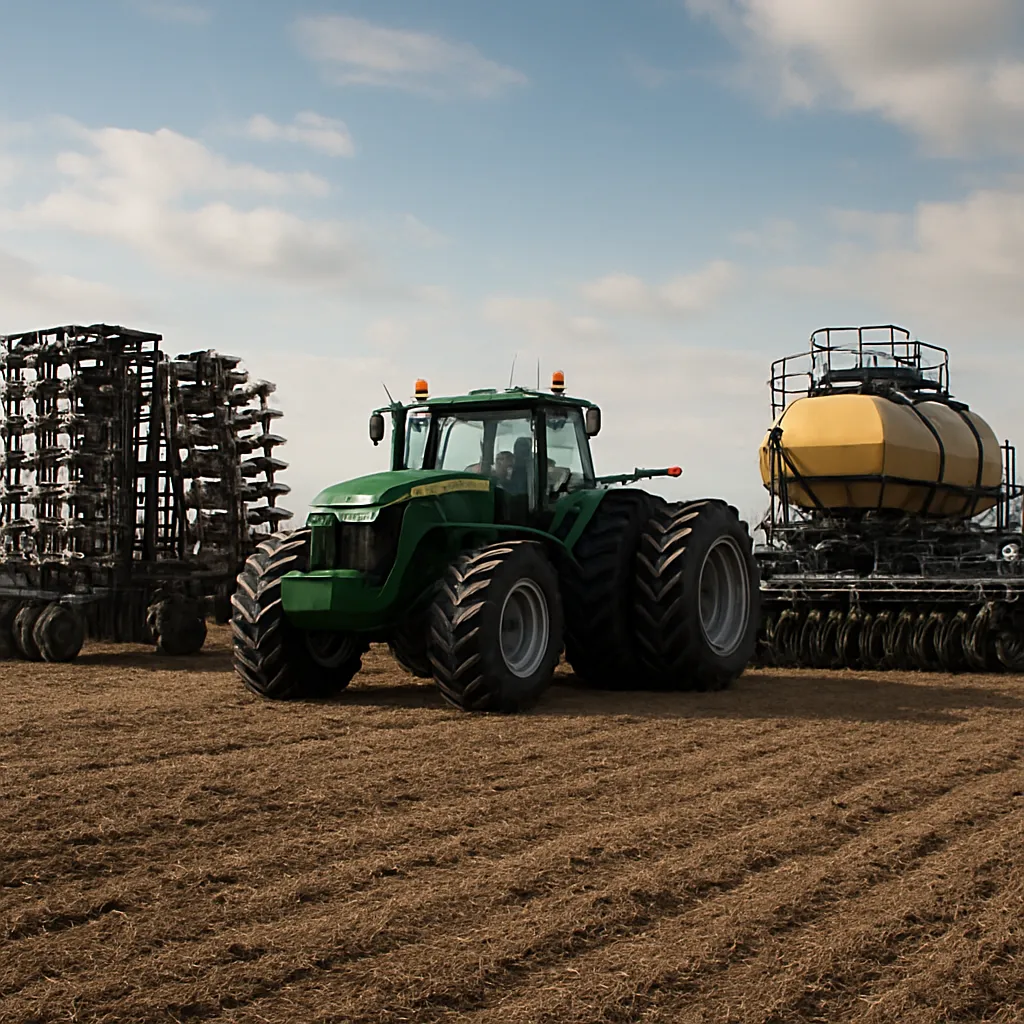
- Multi-Tasking Capabilities: Tractors equipped with ISOBUS implement control can switch between planters, spreaders, and sprayers without manual reconfiguration.
- Shift Rotations and Operator Training: High-horsepower machines require skilled operators. Regular training on automation features and safety protocols ensures efficiency.
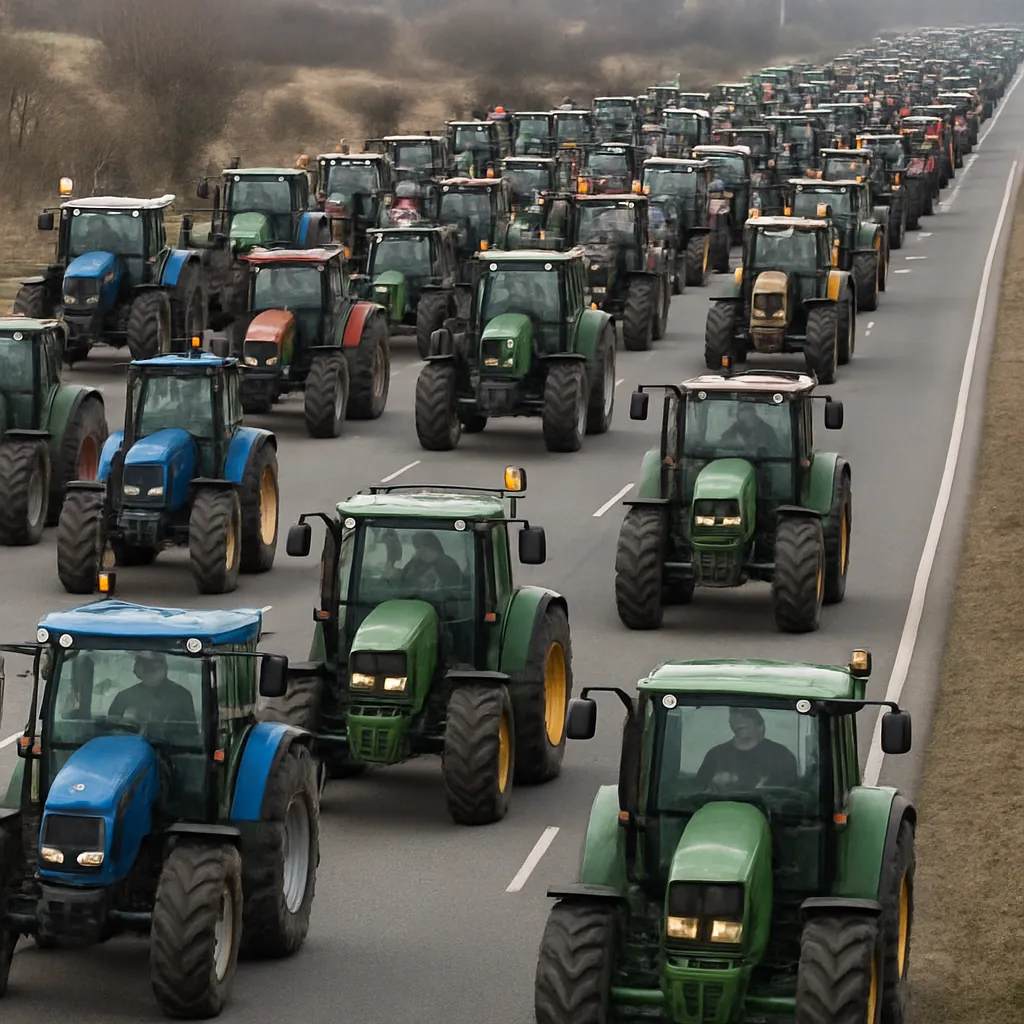
Large fleets often adopt a regional hub model, stationing tractors at satellite locations to minimize deadhead travel between fields. This approach reduces fuel consumption and wear, aligning with sustainable farming goals.
Future Trends in High-Capacity Farming Machinery
The synchronization of digital technology and mechanical prowess points to transformative trends for tomorrow’s mega-tractors.
Electrification and Hybrid Powertrains
- Battery-Assisted Combustion: Hybrid systems will provide peak power bursts, reducing dependency on high-displacement diesel engines and cutting emissions.
- Fully Electric Prototypes: Short-range electric tractors for greenhouse operations and orchard management are already under trial.
Autonomous and Swarm Farming
- Fleet Coordination: Multiple autonomous tractors working in concert, managed by an AI-driven control center, promise round-the-clock operations.
- Safety and Redundancy: Lidar, radar, and camera arrays ensure obstacle detection and fail-safe navigation in dynamic environments.
Advanced Materials and Additive Manufacturing
- Lightweight Alloys: Reducing overall vehicle weight enhances fuel economy without sacrificing durability.
- 3D-Printed Components: On-site production of bespoke parts can shrink repair times and offer design flexibility for hydraulic manifolds, brackets, and sensor housings.
Embracing these advancements will propel the next wave of mega-tractors to unprecedented levels of sustainability and performance. As global food demand intensifies, the synergy between cutting-edge machinery and data-driven farming practices will be essential for meeting future agricultural challenges.