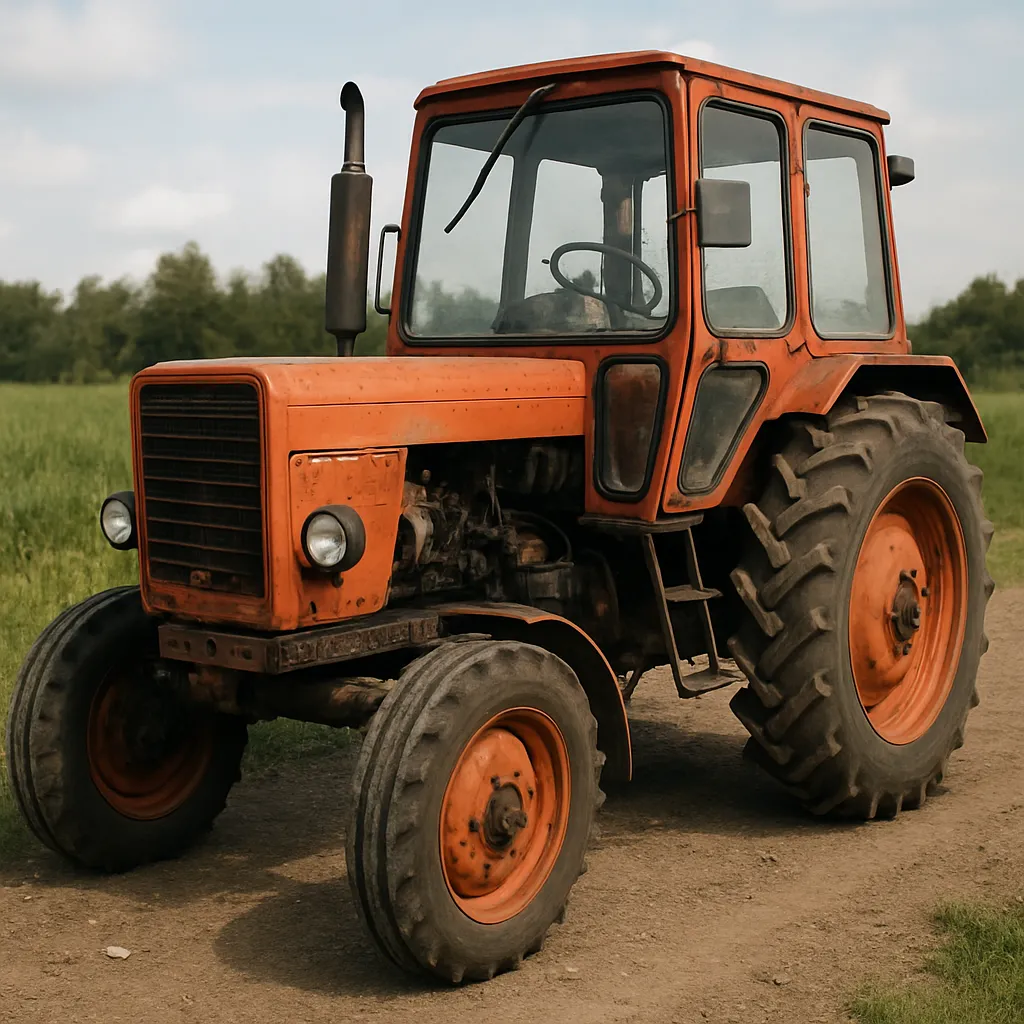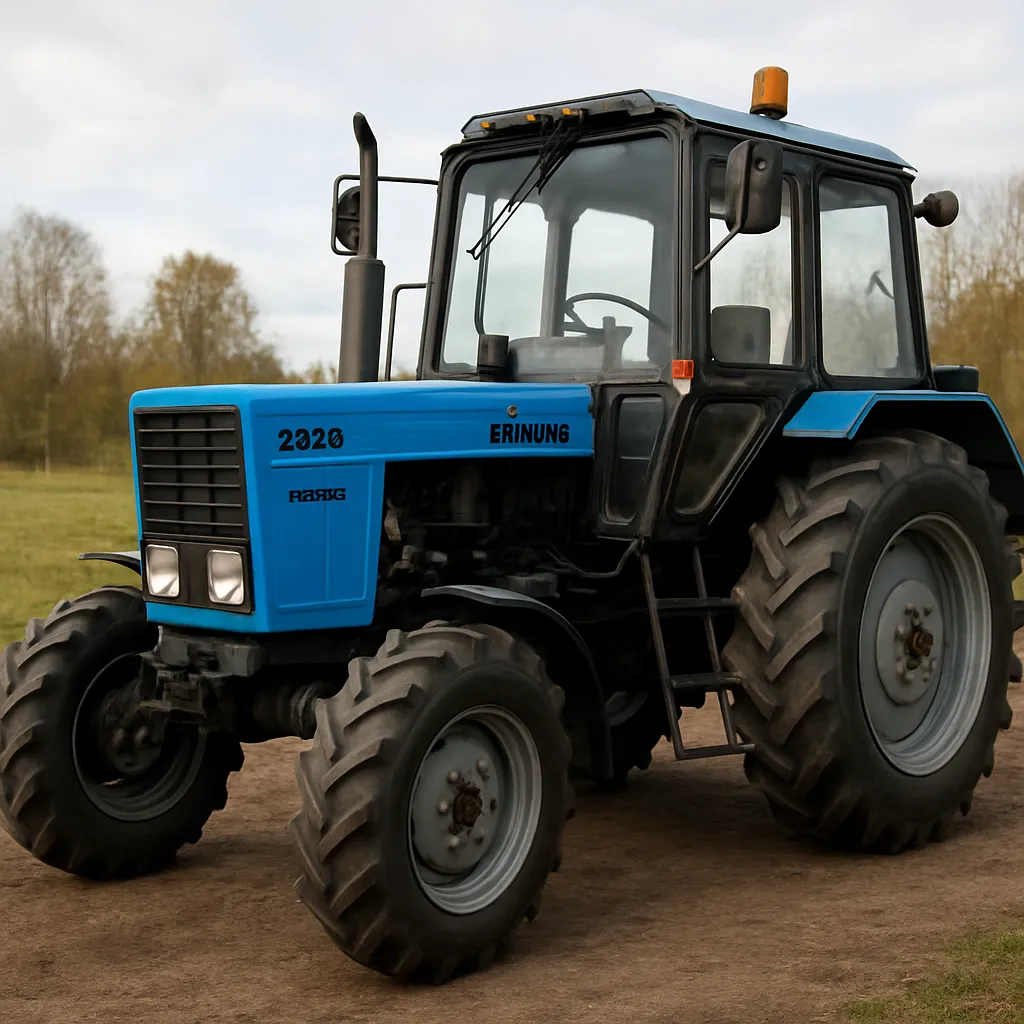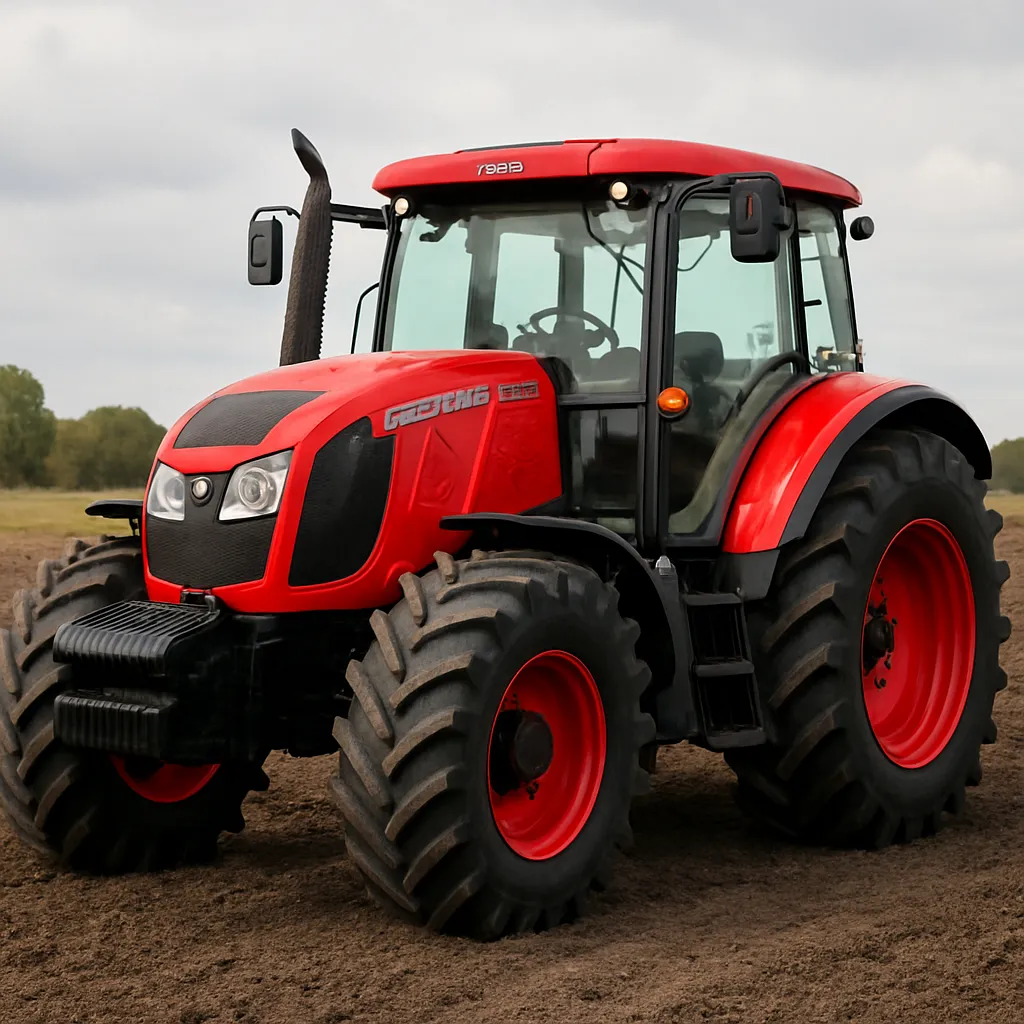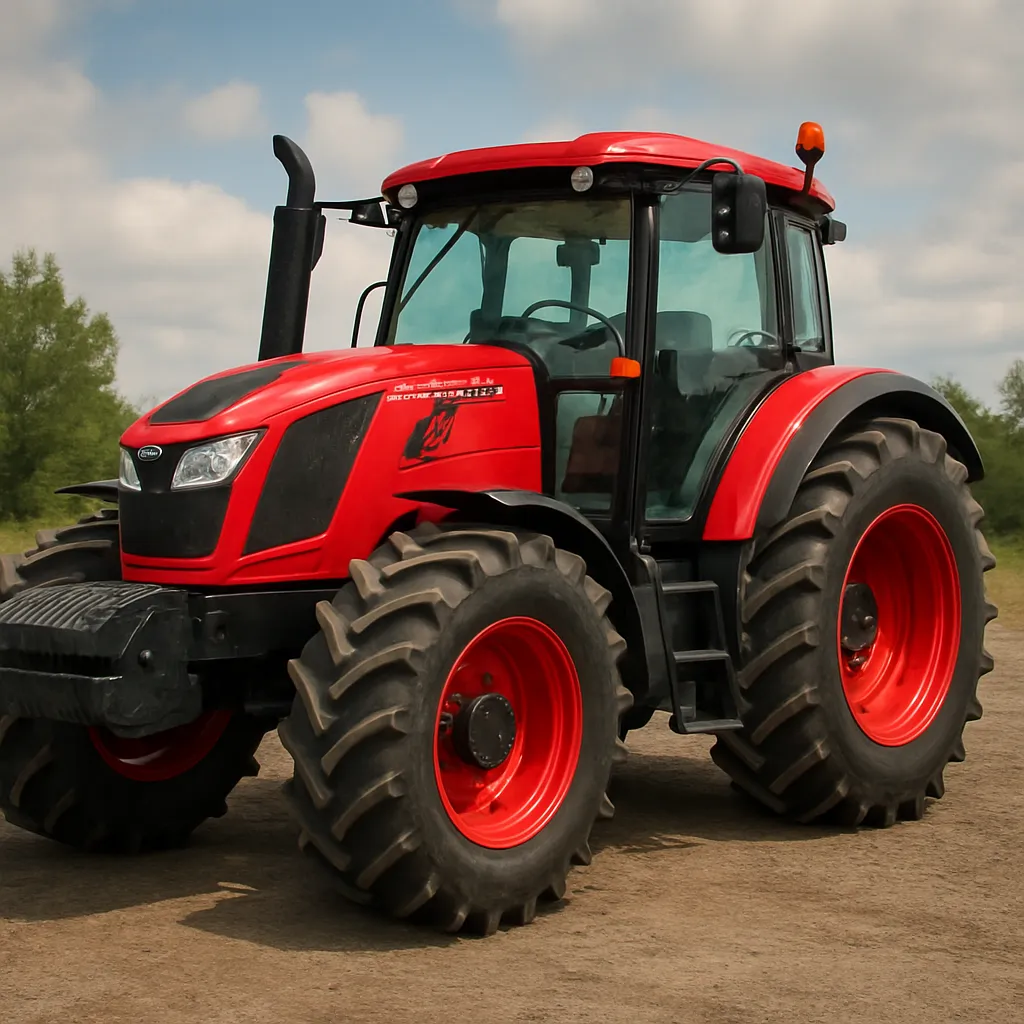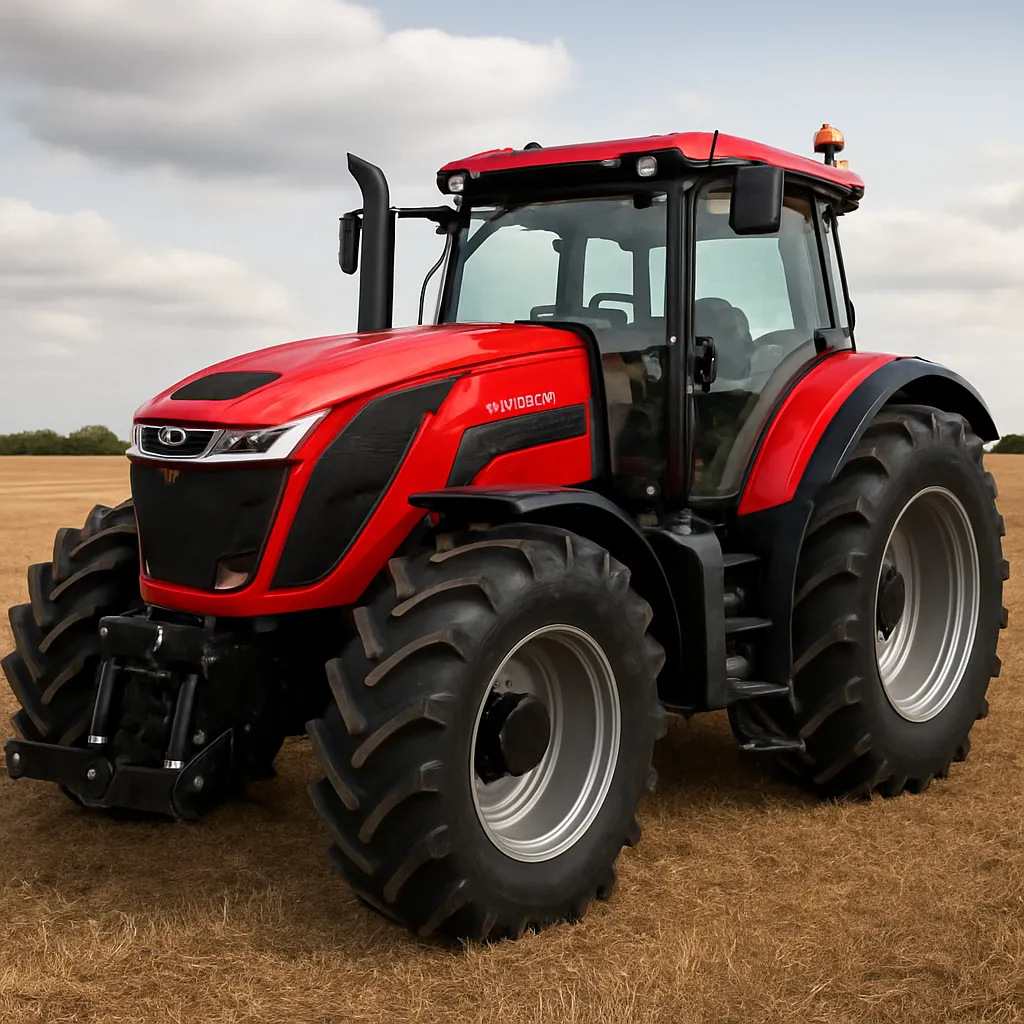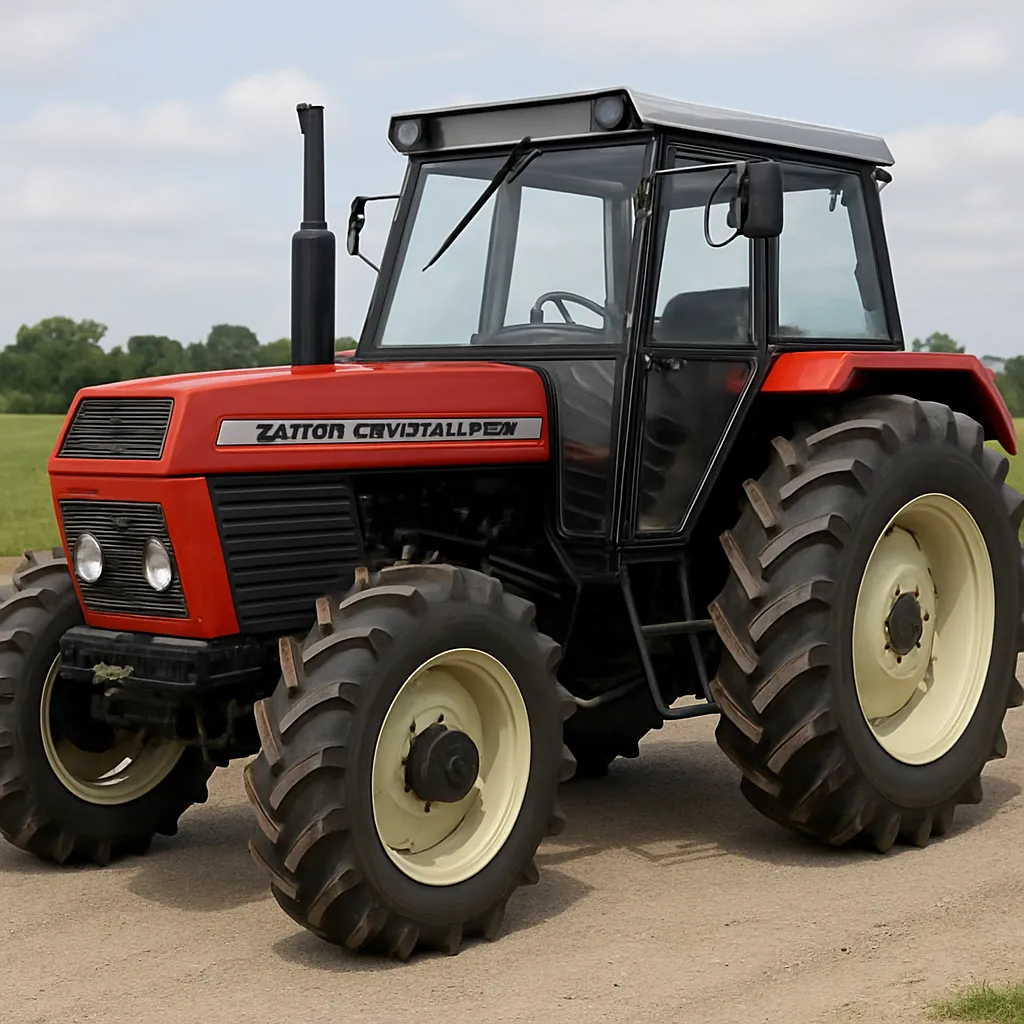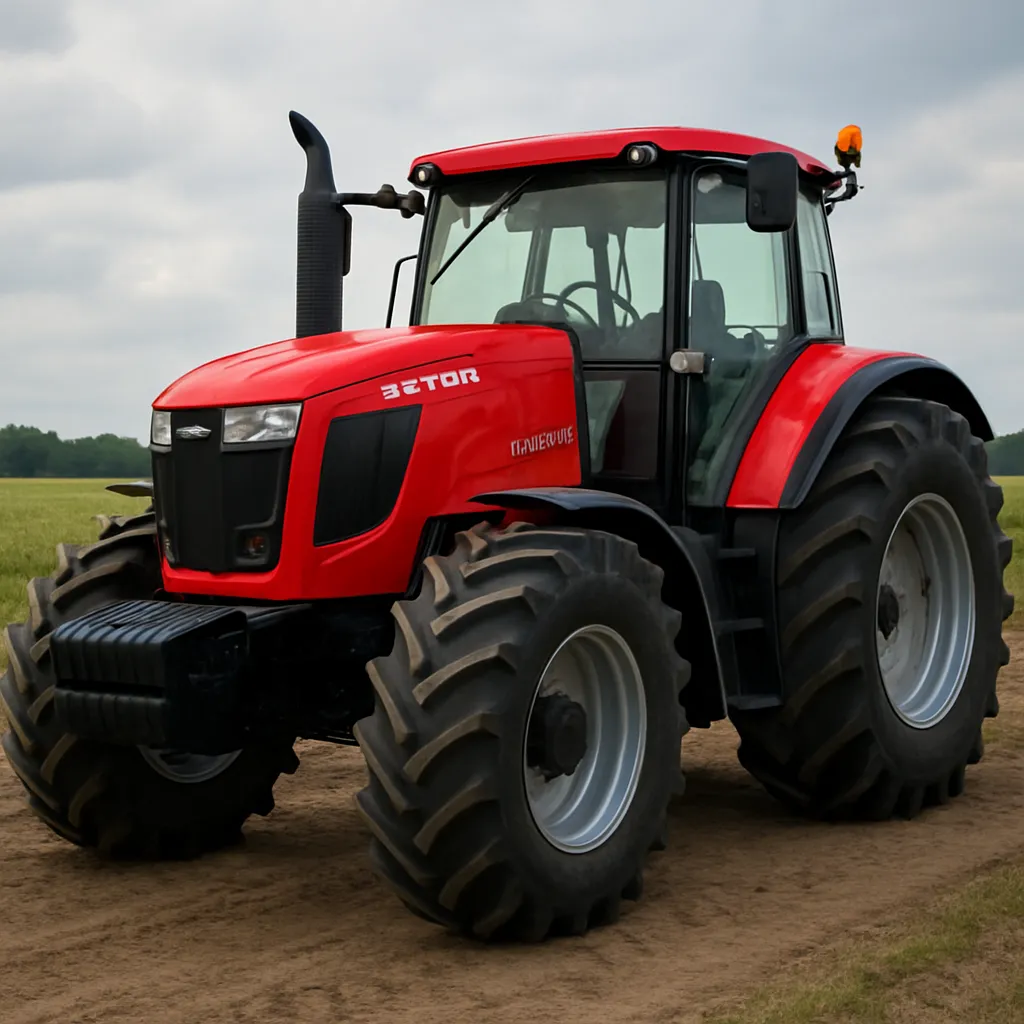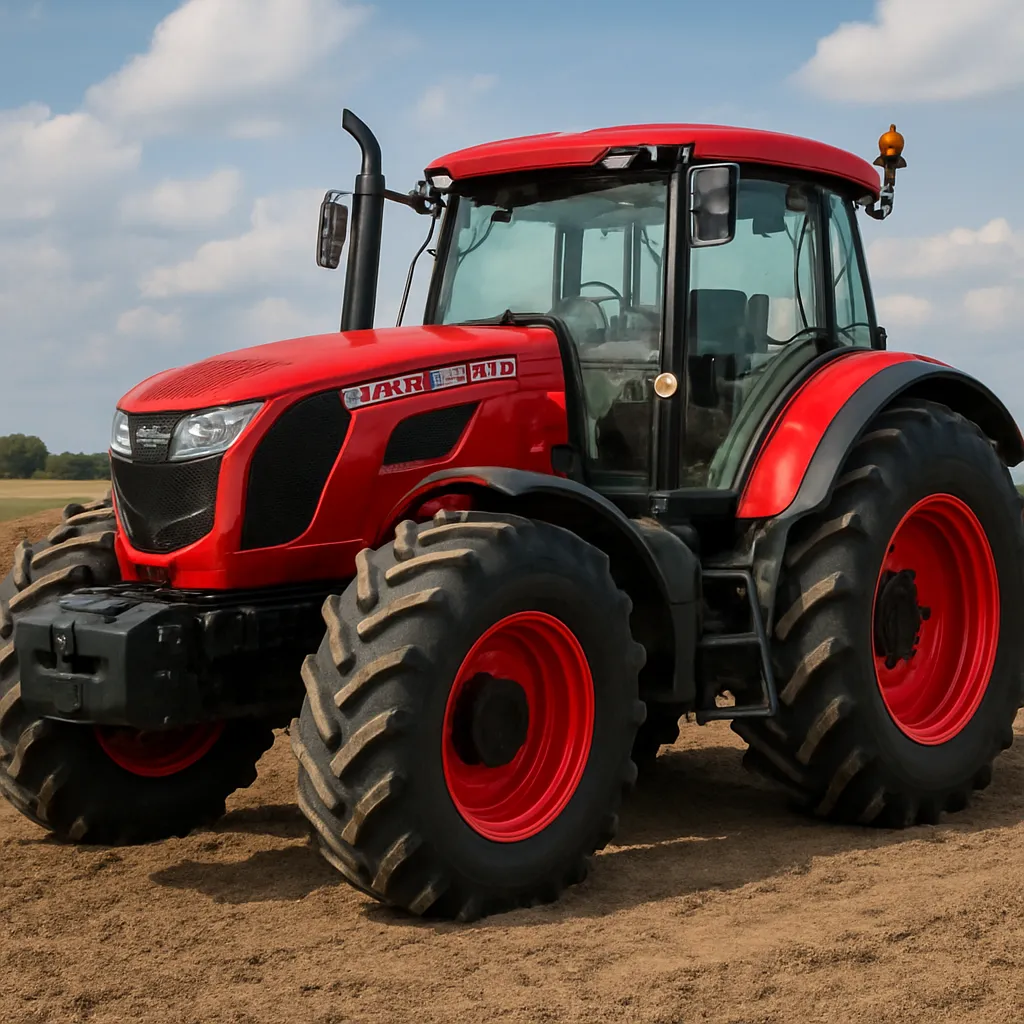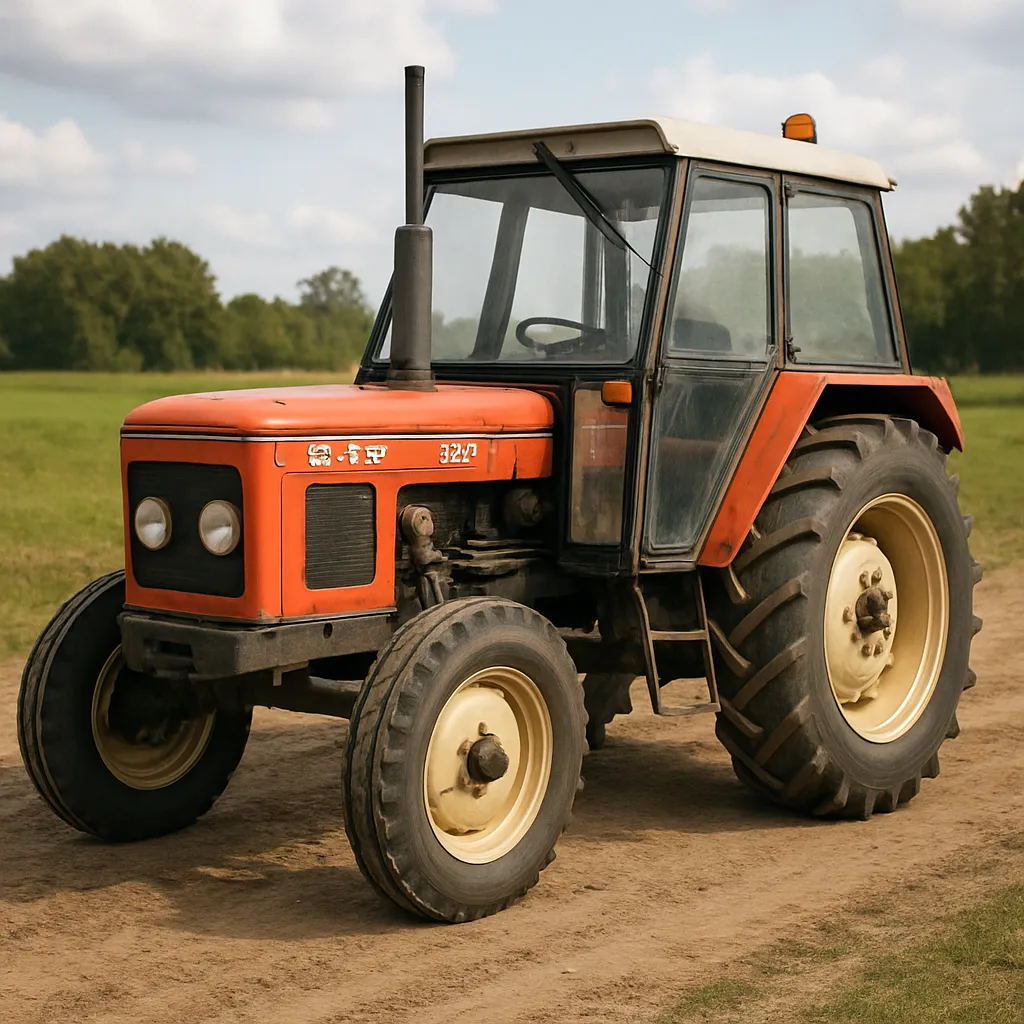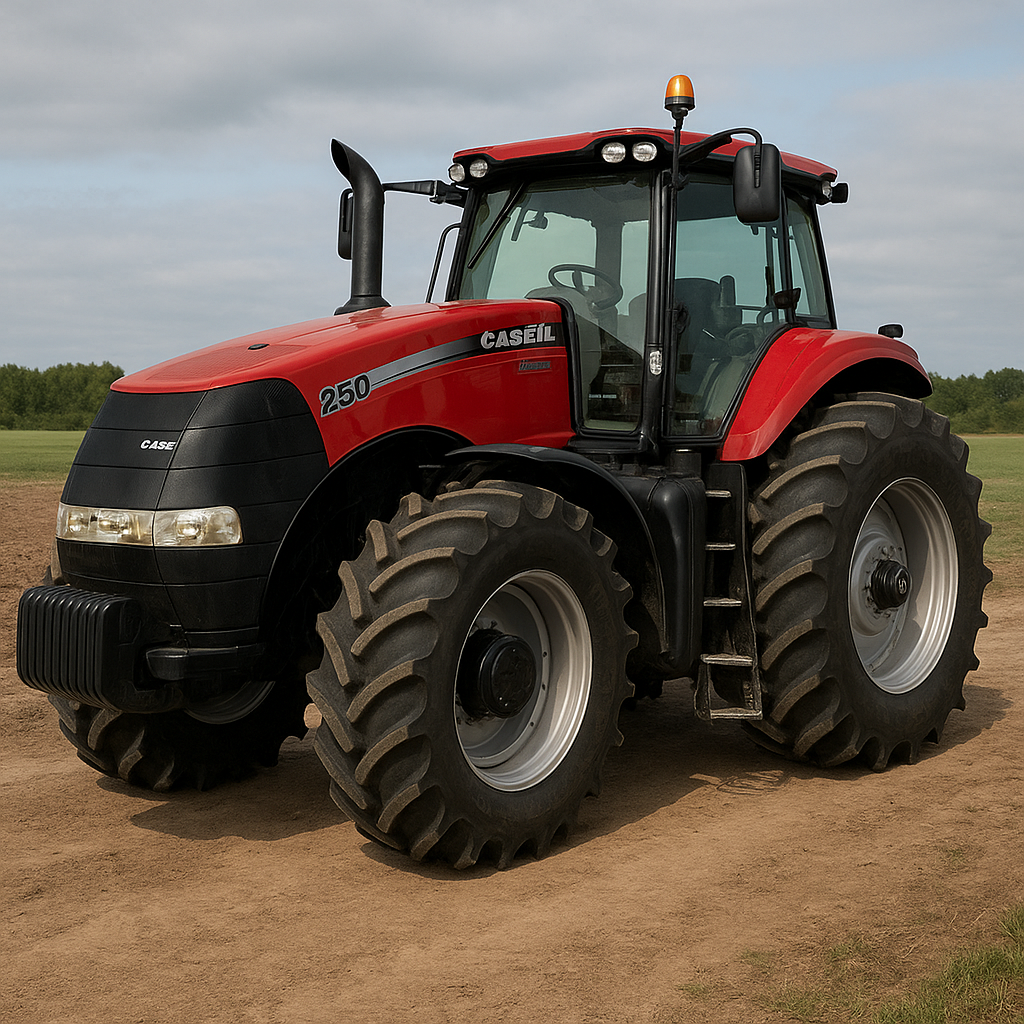
The Case IH Magnum 250 is a heavy-duty agricultural tractor designed for demanding fieldwork and large-scale farm operations. As part of the Magnum family from Case IH, this machine combines robust mechanical design, adaptable configurations and operator-focused features to meet a wide range of tasks from primary tillage to precision seeding and heavy transport work. The following article explores the Magnum 250’s origins, technical characteristics, real-world applications and practical considerations for owners and operators.
Overview and historical context
The Case IH Magnum line has been a cornerstone of the brand’s lineup for decades, positioned between lighter utility tractors and the larger Steiger and Quadtrac series. The Magnum 250 — the numeric designation referencing its approximate engine power rating — was introduced as part of several iterations of the Magnum family and has been used worldwide by contractors and professional farmers. It represents a balance between high on-field productivity and versatile road transport capability.
Case IH is a division of CNH Industrial, and the Magnum series benefited from continuous improvements in engine technology, hydraulics and operator ergonomics. Over the years, the Magnum 250 was offered with multiple configurations and options to suit regional needs: different transmission choices, hydraulic packages, cab levels and front axle options. These options made the tractor adaptable across grain farms, mixed operations and contractors who need dependable machines for long hours and varied implements.
Design principles and key components
The design of the Magnum 250 emphasizes durability and serviceability. Core elements include a heavy-duty chassis, a reliable diesel engine with turbocharging and intercooling, and a drivetrain built to transfer significant torque to the ground. The tractor typically features four-wheel drive and a robust front axle to ensure traction in a variety of field conditions.
Engine and power delivery
The Magnum 250 centers on a multi-cylinder diesel engine engineered to provide steady, usable power across the working range. The model designation suggests a nominal engine power near 250 horsepower; in practice, depending on the model year and tuning, usable PTO and drawbar power may be slightly lower. The engine is designed with a focus on torque reserve and a broad usable rpm band, allowing implements to run efficiently without constant high engine speeds.
Transmission and driveline
Transmission choices historically available for Magnum tractors include robust powershift units and, on some models or model years, continuously variable or stepped transmissions offering finer control over ground speed. These transmissions aim to strike a balance between fuel-efficient transport and responsive field performance. A heavy-duty final drive and selectable differential locks ensure excellent traction and efficient power transfer.
Hydraulics, hitch and PTO
Hydraulic capacity is a defining feature for any high-horsepower tractor. The Magnum 250 typically offers high-flow hydraulic systems suitable for contemporary implements: multi-function planters, large seeders, modern sprayers, and balers. Three-point hitch lift capacity is designed to handle large mounted implements, while rear remote valves and optional front-loader circuits broaden implement compatibility.
The tractor is commonly equipped with one or more PTO speed options (540/1000 rpm or economy modes), enabling it to drive a wide array of implements efficiently. Strong emphasis is placed on responsive hydraulic control and hitch modulation to provide consistent implement performance and reduce implement wear.
Performance characteristics and operational data
The Magnum 250 is built to deliver high productivity in both primary and secondary tillage, seeding, hauling and specialized tasks. Key performance factors include ground speed control, effective weight distribution for traction, and the ability to sustain high-power output under load.
- Power: The model name indicates nominal power near 250 hp; effective working power at the PTO and drawbar varies with configuration and conditions.
- Torque: A healthy torque curve and reserve are prioritized to maintain implement performance at lower engine speeds.
- Hydraulics: High hydraulic flow supports advanced implements that require continuous, high-volume oil supply.
- PTO: Multiple PTO speed options allow matching implement requirements for efficiency and wear reduction.
- Transmission: Transmission choices give operators the ability to optimize for fuel efficiency or maximum responsiveness.
Real-world operators often evaluate a Magnum 250 not only by peak horsepower but by how effectively it translates that power into work across a full day. Fuel consumption, implement compatibility and downtime for maintenance are the practical metrics that determine its productivity in the field.
Common applications and versatility
The Magnum 250 excels in a variety of agricultural tasks thanks to its strong engine and hydraulic capabilities. Typical applications include:
- Tillage: Primary plowing and deep cultivation with large, wide implements are well within the capabilities of the Magnum 250.
- Seeding and planting: Paired with heavy planters or air seeders, this tractor provides consistent seed bed preparation and precise speed control.
- Spraying and fertilizing: With appropriate ballast and hitching, it can pull large sprayers and applicators at field speeds that maximize coverage.
- Baling and forage: Suitable for powering balers and forage harvest attachments, particularly on larger farms.
- Transport and logistics: Road transport capability allows swift movement of equipment and materials between sites, with comfort and safety features that support long drives.
- Contracting: Contractors appreciate the Magnum 250 for jobs that require high continuous output and adaptability to different implements.
Beyond agriculture, the tractor can be configured for specialized roles such as hillside operations, heavy loader work, and municipal applications with proper attachments and safety modifications.
Operator environment and ergonomics
Operator comfort is a significant factor for high-hour tractors. The Magnum 250’s cab is designed to reduce fatigue and enhance usability with features such as ergonomic controls, good visibility, climate control and an adjustable seat. Controls are generally laid out to minimize operator movement and to provide intuitive access to transmission, hitch and hydraulic settings.
Modern variants and later model years introduced enhanced cab insulation, improved visibility through refined cab geometry and upgraded infotainment and monitoring systems. These changes help operators maintain productivity over long shifts and reduce errors caused by fatigue.
Maintenance, serviceability and lifecycle considerations
Long-term ownership of a high-horsepower tractor depends on straightforward maintenance and access to parts and service. The Magnum 250 was designed with service points located for relatively easy access: routine checks for oil, filters, and hydraulic fluid can be performed quickly. Case IH and local dealer networks provide service support, replacement parts and diagnostic tools that help maintain uptime.
Key maintenance considerations include:
- Regular engine servicing (oil and filter changes) to preserve engine life and maintain emissions compliance.
- Hydraulic system care to prevent contamination and maintain flow rates required by modern implements.
- Transmission maintenance to ensure shifting performance and longevity, particularly under heavy loads.
- Cooling system checks to prevent overheating during prolonged heavy work or transport in warm climates.
- Axle and driveline inspection for wear and lubrication of universal joints and final drives.
Proper seasonal maintenance and proactive replacement of wear items—tires, brake components, seals—are essential to maintain resale value and reduce the risk of expensive downtime during peak seasons.
Reliability, resale and market position
Case IH tractors, including the Magnum series, generally enjoy a reputation for robustness and strong resale values when properly maintained. Reliability stems from conservative engineering choices, components sized for heavy-duty work and the support network of dealerships. The Magnum 250 competes in the medium-high horsepower segment and is often compared with models from other major manufacturers in terms of operating costs, comfort and dealer support.
Resale values depend on hours, maintenance history and market factors, but tractors in this class often retain value due to ongoing demand for dependable, high-horsepower machines among large farms and contractors.
Safety and operator training
Given its size and power, safe operation of the Magnum 250 requires training and adherence to recommended operating procedures. Important safety aspects include proper front and rear ballast to prevent tipping, safe hitching practices and the correct matching of implements in terms of weight and required drawbar or PTO power. Modern cabs are equipped with safety systems such as rollover protection and seat belts, and operators should be trained on the functionality of onboard electronic safety aids.
Adaptations and aftermarket options
Owners often equip a Magnum 250 with various aftermarket and factory options to tailor the tractor for specific tasks. Typical adaptations include:
- Ballasting packages for improved traction and stability.
- Front loaders and heavy-duty quick-attach systems for material handling.
- GPS and precision farming systems for automated guidance and variable-rate application.
- Extra hydraulic circuits and advanced valve packages for complex implements.
- Enhanced lighting and camera systems for night work and improved visibility.
The integration of precision agriculture technology is a common upgrade, allowing the Magnum 250 to take advantage of auto-steer, section control and data logging to increase efficiency and reduce input costs.
Environmental considerations and fuel economy
Modern farm practice places importance on efficient fuel use and emissions control. While exact fuel consumption depends on implement load and field conditions, operators can improve fuel economy through:
- Maintaining correct tire pressures and wheel alignment to reduce rolling resistance.
- Using engine and transmission settings optimized for the task rather than running at full throttle constantly.
- Implementing precision farming techniques to minimize overlap and reduce unnecessary passes.
- Keeping the engine and air intake systems clean and in good repair to maintain combustion efficiency.
Case IH engines and emissions systems are designed to meet regulatory requirements in many markets and to provide reasonable fuel economy for the power delivered, though heavy-duty use will naturally increase consumption.
Comparisons and buyer guidance
When considering a Magnum 250, potential buyers should evaluate how the tractor will be used across the full season. Important questions include whether the primary tasks require continuous high-power draw (favoring a fully spec’d hydraulic and transmission package), or whether mixed-use with occasional heavy tasks is the norm (in which case a conservative specification might suffice).
Compare against competing models from other manufacturers on the basis of total cost of ownership: purchase price, fuel usage, expected maintenance, warranty coverage and resale value. Demo-time or test-driving the tractor with the actual implement types you plan to use is highly recommended to evaluate ergonomics and real-world performance.
Summary and final remarks
The Case IH Magnum 250 is a versatile and powerful tractor designed to meet the needs of large-scale farms and contractors who require sustained high performance, adaptable hydraulics and operator comfort for long working days. It balances forceful implement-driving capability with features that support precision farming, safety and maintenance efficiency.
Key strengths include robust power delivery, adaptable hydraulic systems and widespread aftermarket options that allow the tractor to be tailored to many agricultural roles. Proper configuration and regular maintenance are central to getting the most out of a Magnum 250 and ensuring it remains a productive asset for years.
reliability torque power hydraulics PTO transmission operator comfort versatility fuel efficiency maintenance