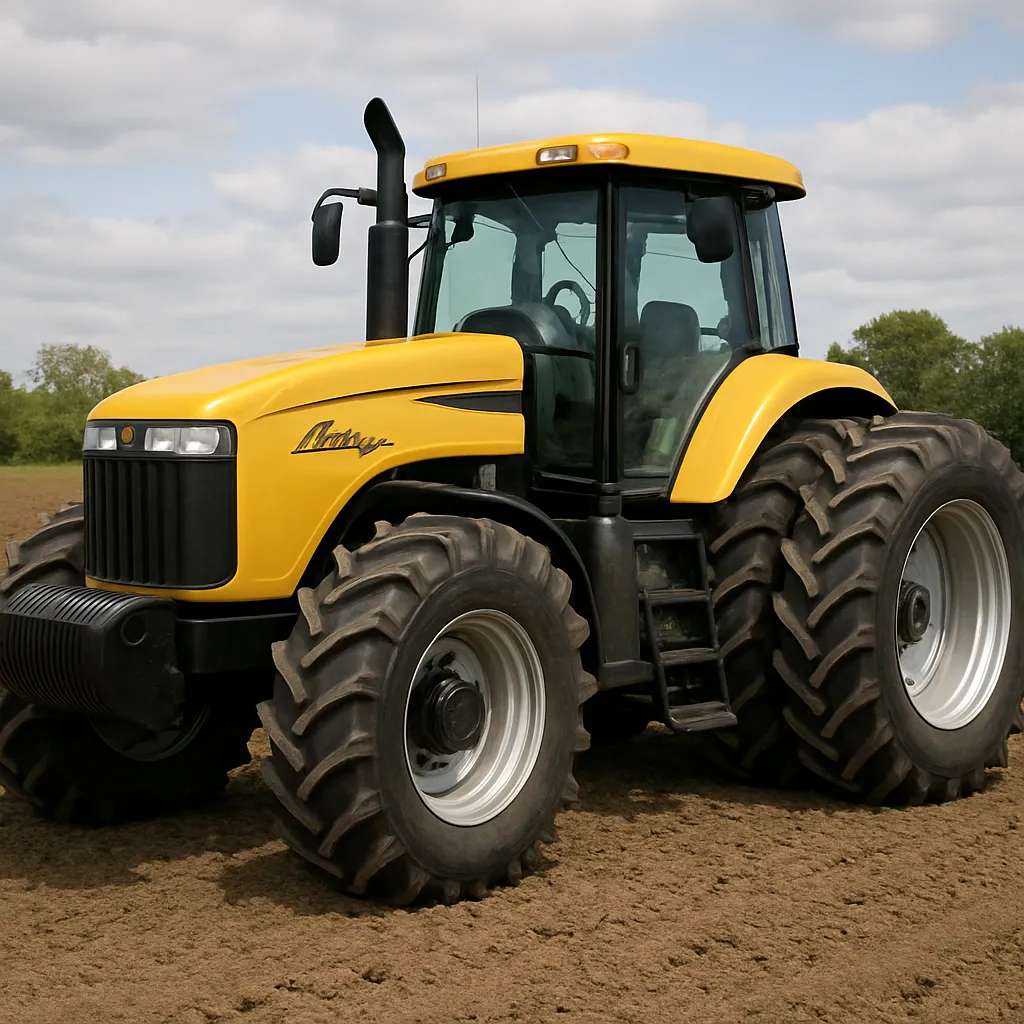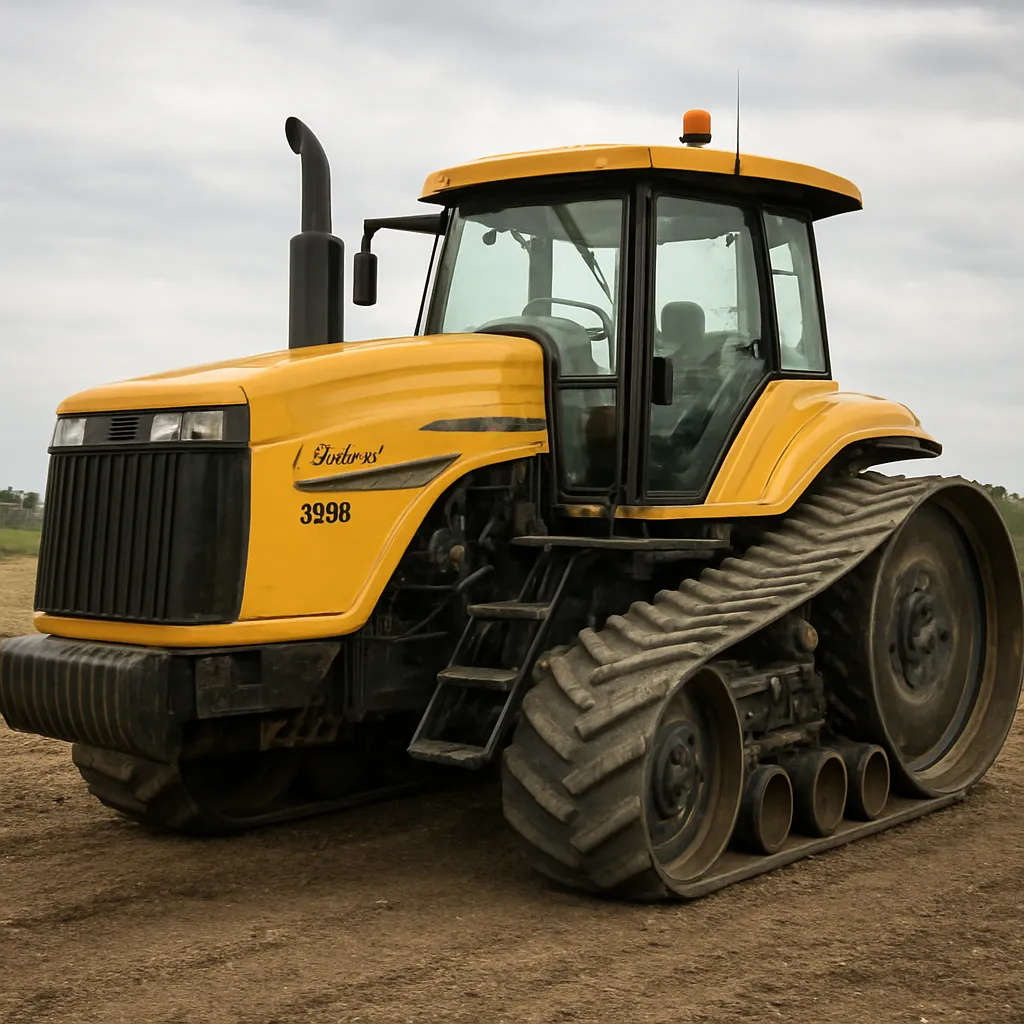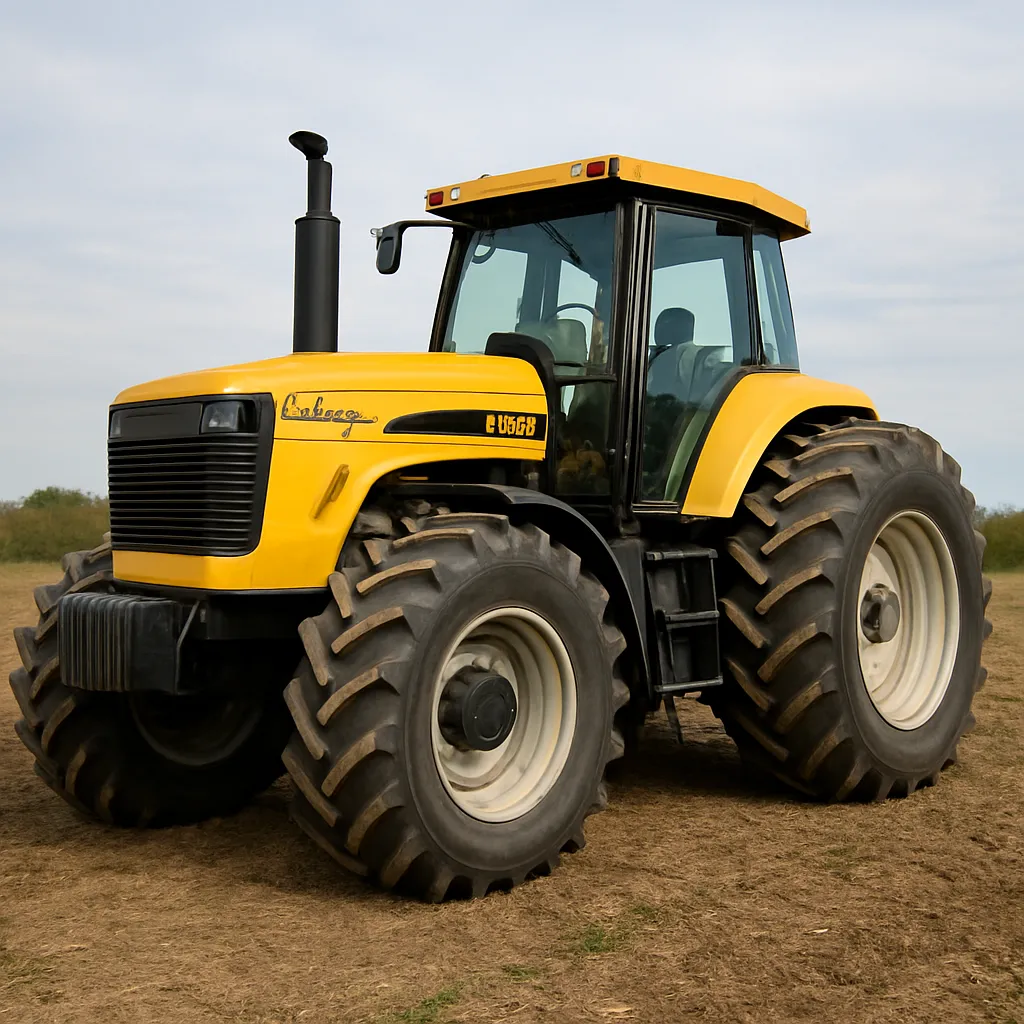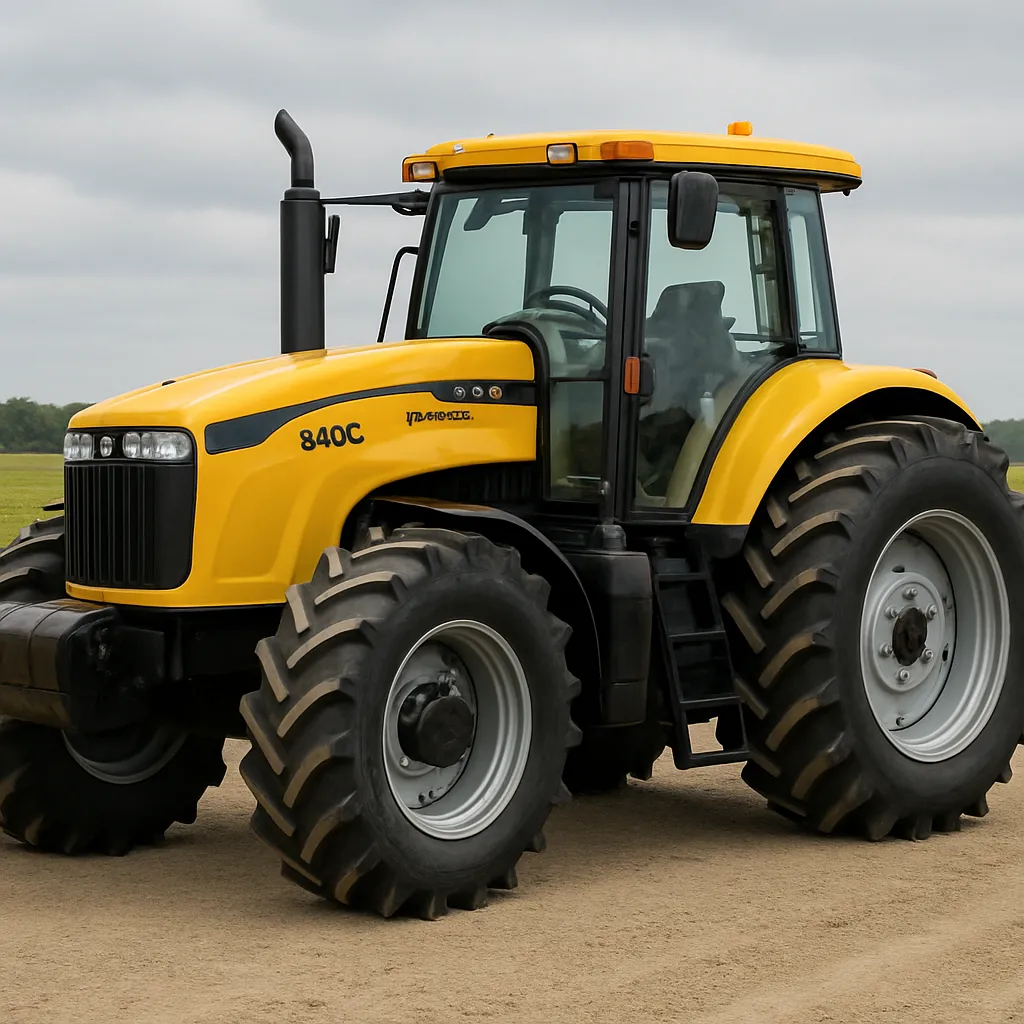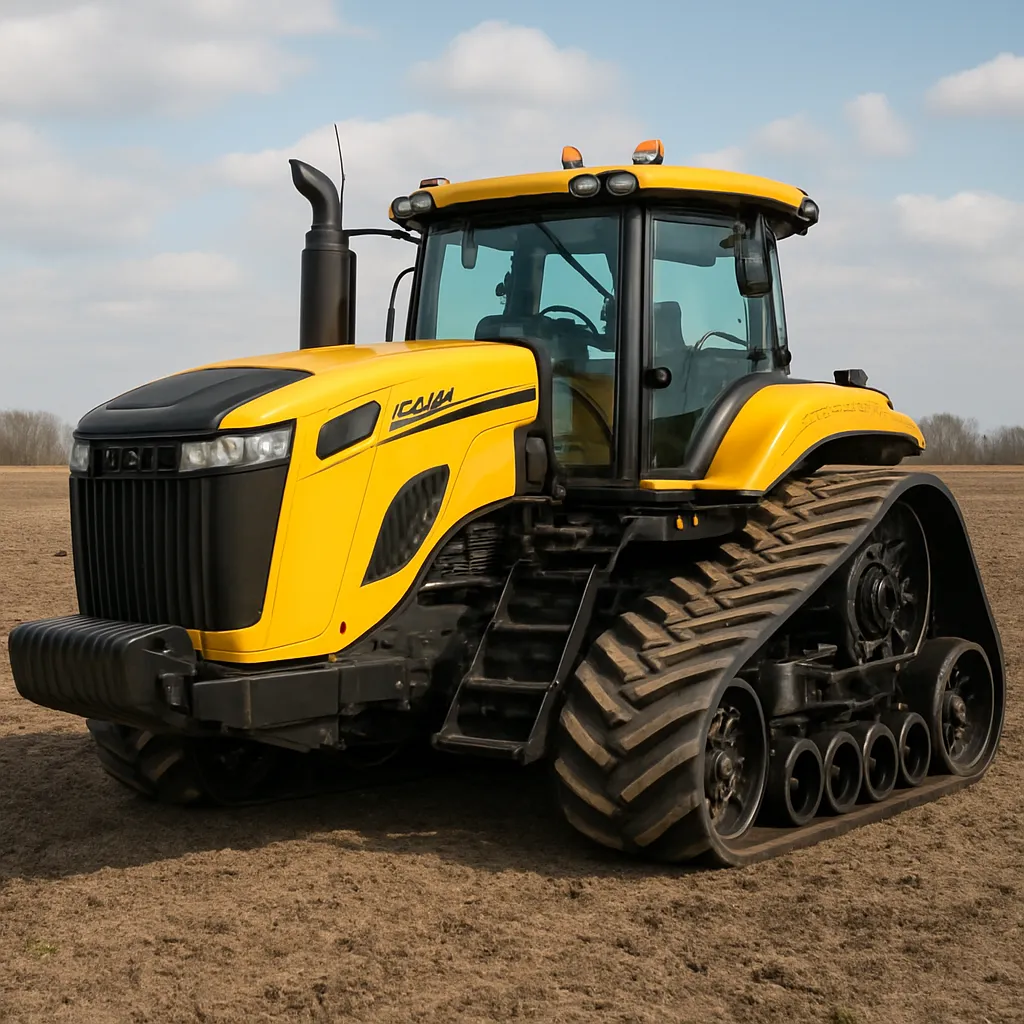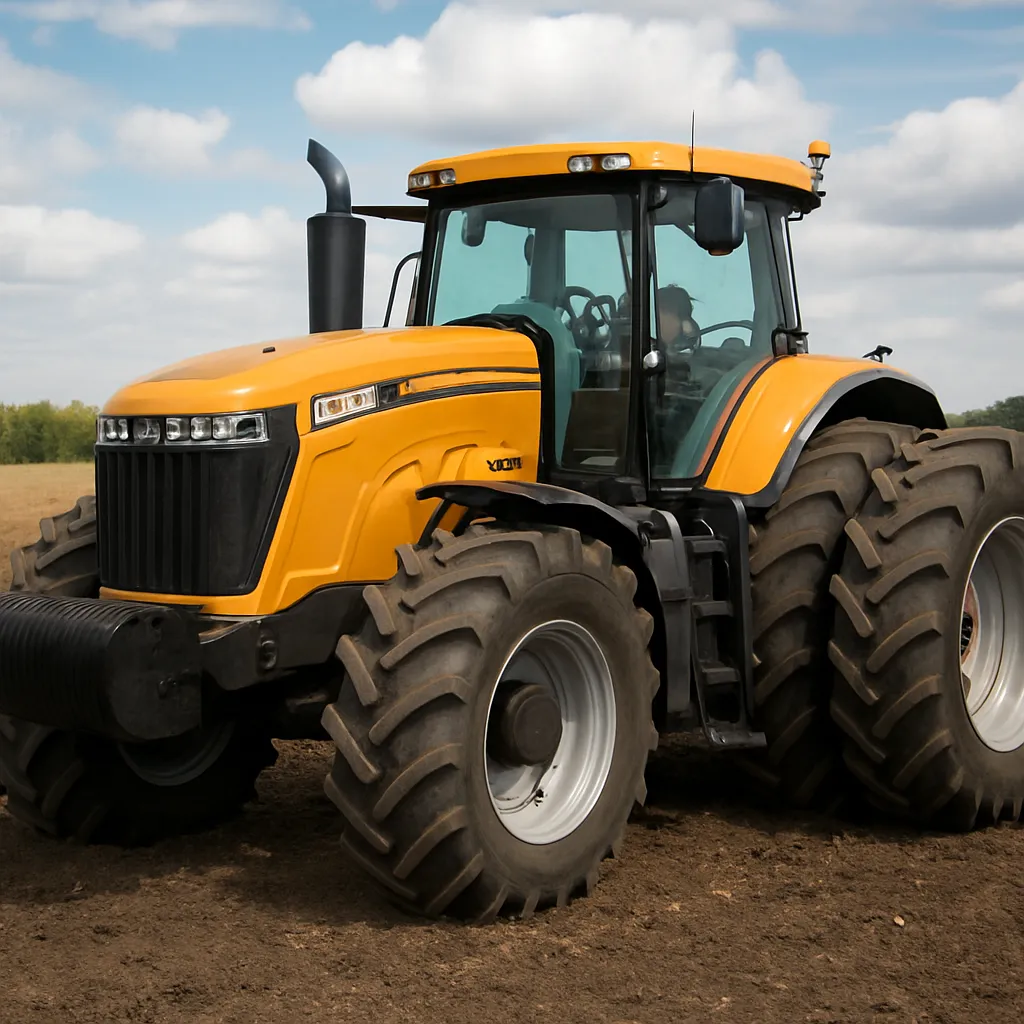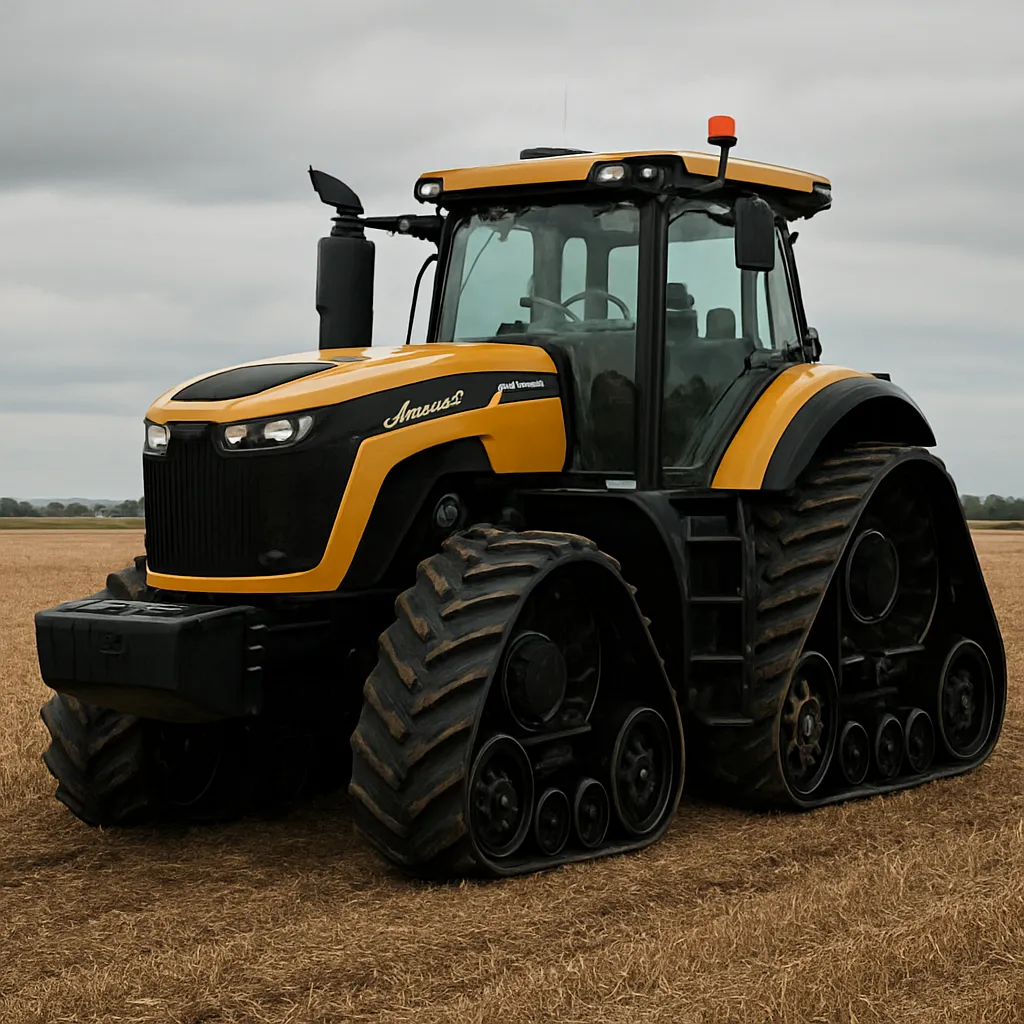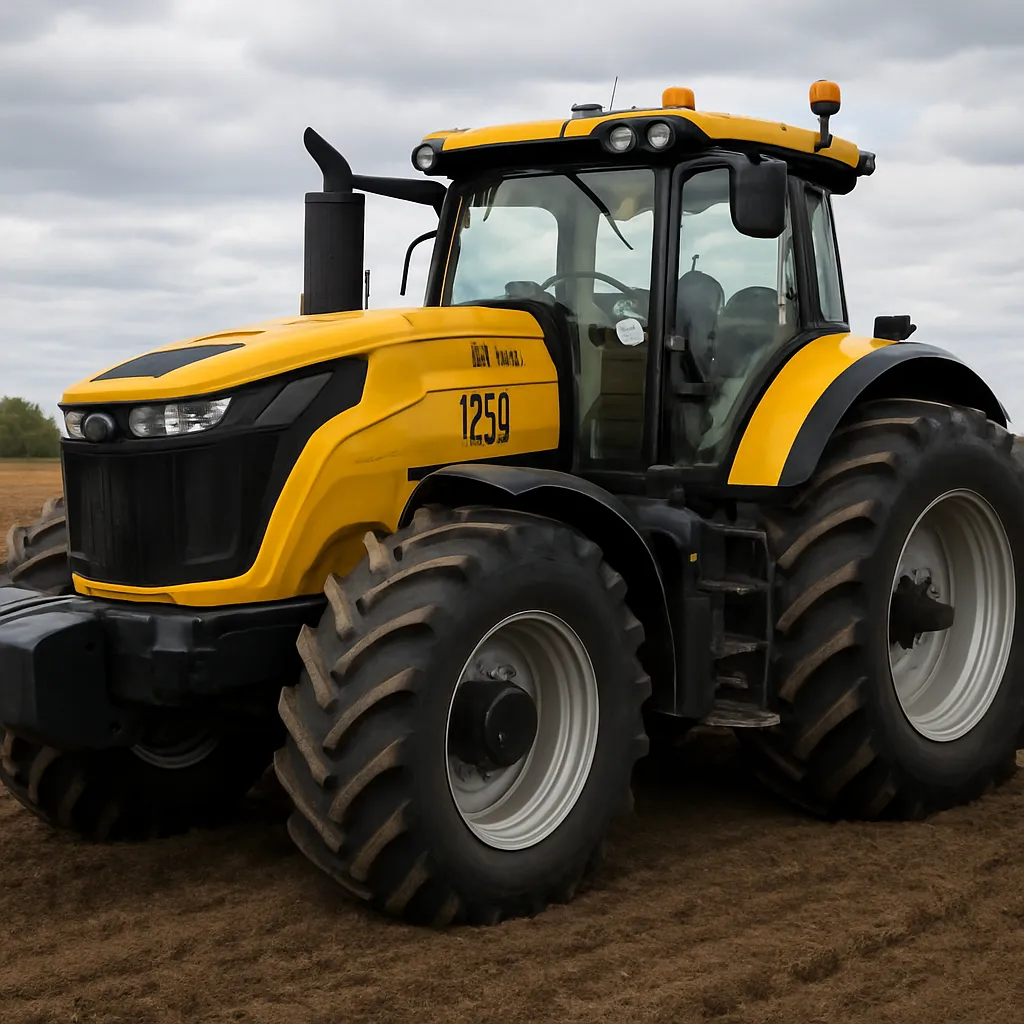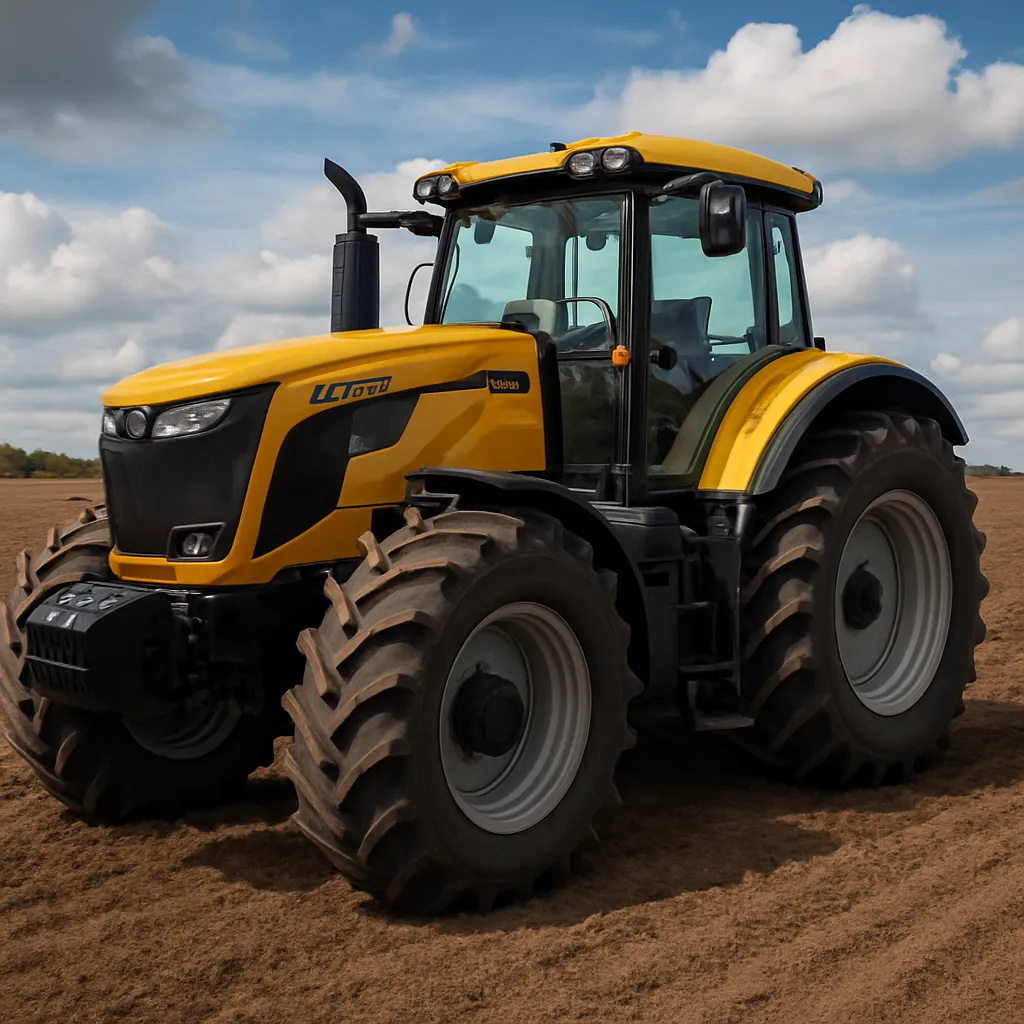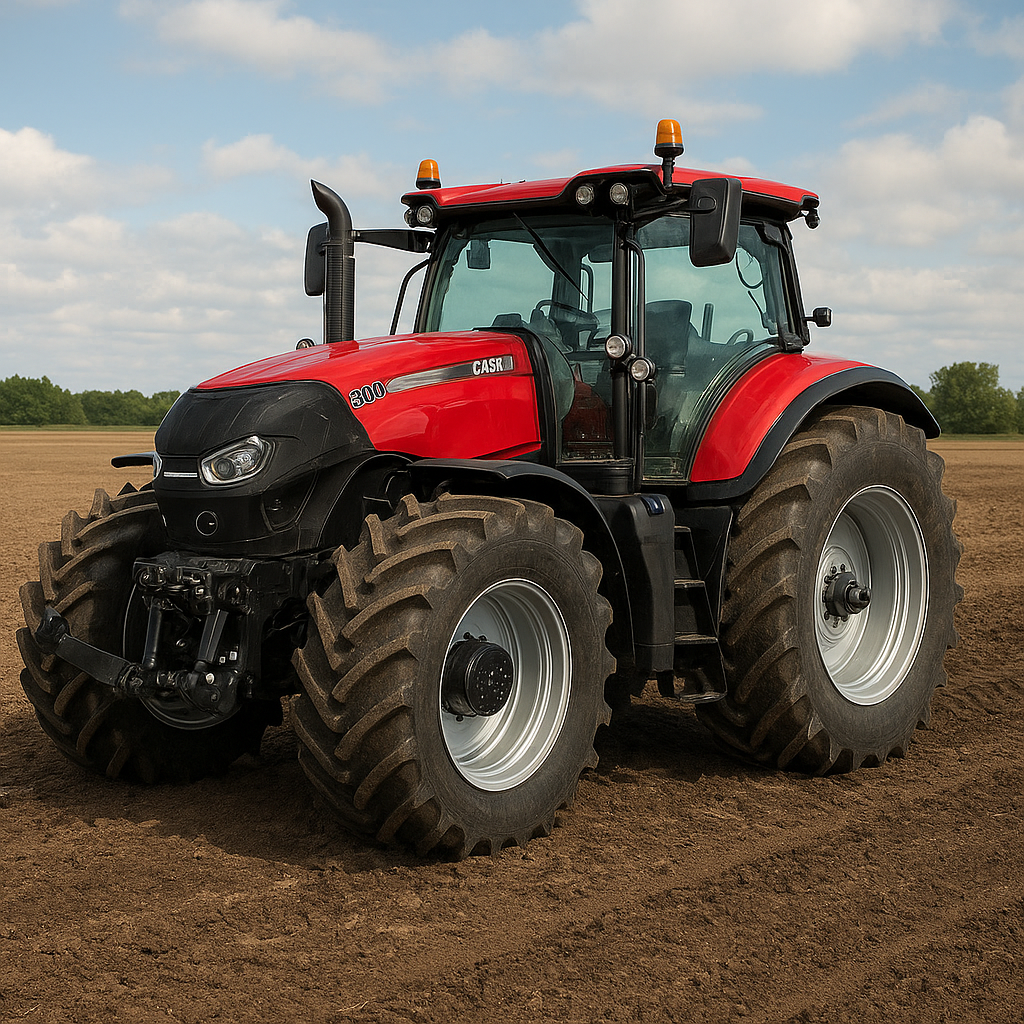
The Case IH Optum 300 is a high-capacity agricultural tractor designed to bridge the gap between row-crop versatility and heavy-pull power for large farms and contractors. Combining substantial horsepower with modern electronics and comfortable cab features, the Optum 300 has been used across a broad range of applications since its introduction. This article examines the machine’s design, technical characteristics, typical uses, and other practical and market-related information to give a comprehensive picture of what makes the Optum 300 a compelling choice for demanding agricultural and contracting tasks.
Design philosophy and engineering
The Optum line was developed to deliver a balance of power, agility and on-road comfort for operations that require long hours in the field and frequent transport between sites. The Optum 300 in particular targets customers who need roughly 300 rated horsepower with the flexibility to run a variety of implements efficiently.
At the heart of the machine is a robust diesel engine, typically a turbocharged inline-six configuration used by Case IH in this class. While exact displacement and tune were varied across production years and markets, the core engineering emphasis is on delivering a broad torque curve to match a wide variety of implements and field conditions. Case IH engineers designed the Optum series to provide both continuous power for long cultivation passes and the ability to deliver short-term power for demanding draft peaks.
Chassis and drivetrain design also reflect the dual mission of field work and road transport. The front and rear axles are built to handle substantial loads, and the tractor often comes with features such as front linkage and optional front PTO for loader or front-mounted implement compatibility. The Optum frame is rigid enough for heavy draft tasks yet tuned to provide operator comfort at road speeds and over long working days.
Performance, transmission and hydraulics
Performance characteristics of the Optum 300 typically center around a rated output close to 300 hp (around 220–225 kW). Peak engine output and torque vary by year and emissions package, but the tractor is commonly capable of delivering additional transient boost under load when engine management systems detect the need.
- Transmission: Many Optum 300 units were offered with continuously-variable or stepless transmissions (CVT/IVT-style) in certain markets, while other configurations used advanced powershift gearboxes. The CVT options allow seamless speed matching from low-speed fieldwork to high-speed road travel—typical top road speeds are in the 40–50 km/h range depending on gearing and local regulations.
- Hydraulics: The hydraulic system on Optum tractors is sized for high-demand implements, with hydraulic flow rates often in the range of 160–220 liters per minute depending on pump configuration. This supports multiple remote valves, hydraulic top link options, and front linkage functions.
- PTO: Standard PTO offerings include 540 and 1000 rpm outputs, with some variants including economy PTO settings or optional independent PTO configurations to match diverse implement needs.
The combination of a powerful engine, efficient transmission and a high-flow hydraulic system makes the Optum 300 effective for heavy tillage, large seed drills, multi-section cultivators, and high-capacity baling and harvesting support. The machine’s driveline and hydraulics were engineered to minimize power losses and maintain consistent implement performance across long working days.
Cab comfort, ergonomics and operator aids
Case IH placed significant emphasis on the operator environment when developing the Optum series. The cab is built to reduce fatigue and improve productivity through ergonomic controls, excellent visibility, and noise suppression. Key aspects include:
- Spacious cab with adjustable seating and multiple suspension options to improve operator comfort on long shifts.
- Climate control and air filtration systems to manage dust and temperature, important in heavy tillage or harvest operations.
- Ergonomic control layout with easy-to-reach hydraulic levers, PTO and linkage controls; models with more advanced options include joystick control for front loader or hydraulic functions.
- Integrated displays and steering-column controls to monitor engine load, fuel consumption, and implement status. Many units can be equipped with advanced guidance and precision farming technologies.
Comfort features directly affect field efficiency: a well-rested operator can sustain higher productivity over longer periods. The Optum 300’s cab is therefore a key selling point when labour productivity and operator retention are important considerations for the farm or contractor.
Applications and typical use cases
The Optum 300 is used across a wide range of agricultural and contracting tasks. Its design makes it suitable for operations where both power and versatility are required:
- Primary tillage: Large ploughs and rigid or semi-mounted discs that demand continuous, high draft power.
- Seedbed preparation and drilling: Pulling large multi-section cultivators and air-seeder combinations on medium-to-large acreages.
- Baling and forage: Operating large balers and silage equipment, where hydraulic flow and PTO reliability are critical.
- Transport and haulage: Road transport of implements, trailers and loads between fields and storage sites, benefiting from high road speeds and comfortable cab.
- Loader and material handling: When fitted with front loaders, the Optum 300 performs well for heavy lifting and stacking tasks around large farms and contracting projects.
- Specialised contracting work: Contractors often select Optum-class tractors for large-scale operations where fuel efficiency, uptime and resale value support fleet economics.
In many regions, the Optum 300 is valued by larger arable farms, mixed farms scaling up operations, and contractors who require a single machine that can handle a diverse suite of implements without compromise.
Fuel efficiency, emissions and environmental considerations
Modern iterations of the Optum 300 were equipped with emissions control systems to meet regional Tier/Stage regulations (e.g., Tier 4, Stage III/IV). These systems include selective catalytic reduction (SCR), diesel particulate filters (DPF), and advanced engine management to balance emissions compliance with fuel efficiency.
Key points on environmental performance:
- Fuel efficiency: The balance of engine torque and transmission design aims to keep the engine within an efficient operating band for much of the day. Real-world fuel consumption varies greatly by task, but farmers commonly track liters per hectare or liters per hour for a specific implement to compare machine efficiency.
- AdBlue/DEF requirements: Engines with SCR systems require a diesel exhaust fluid supply, which adds a maintenance step but enables lower NOx emissions and improved fuel burn strategies.
- Emission control maintenance: DPF systems and SCR catalysts require periodic maintenance and monitoring—operators need to follow manufacturer guidance to avoid downtime and to ensure continued compliance.
Optimizing implement selection, matching PTO and ground speeds to the job, and keeping the engine in its optimal power band are practical ways operators manage fuel costs and emissions over a season.
Reliability, maintenance and lifecycle costs
Reliability is a core consideration for tractors in this class since downtime can be costly. The Optum 300 benefits from Case IH’s global dealer network, parts availability and established service procedures. Typical maintenance topics include:
- Engine maintenance: regular oil and filter changes, air filter servicing, and monitoring of emission system components.
- Transmission and drivetrain: periodic fluid and filter changes, inspection of driveline components, and maintaining correct tire pressures to distribute load properly.
- Hydraulics: filter and fluid changes, and inspection of hoses and couplings to prevent leaks and loss of hydraulic performance.
- Electronics and sensors: modern tractors rely on a suite of sensors and electronic control units; keeping software updated and diagnosing faults quickly helps avoid larger failures.
From an economic perspective, owners commonly evaluate lifecycle costs by considering fuel use, parts/service intervals, resale value and expected working life. Properly maintained, an Optum 300 can serve reliably for many thousands of hours; resale values depend on hours, service history and the condition of key components such as the engine and transmission.
Technology, precision farming and telematics
Case IH has emphasized integration with precision farming tools, and many Optum models can be fitted with guidance systems, variable-rate control, and data-logging platforms. The integration improves task accuracy and reduces overlap in field operations, delivering measurable savings in seed, fertilizer and fuel.
Telematics and connectivity options allow fleet managers and farmers to monitor machine location, fuel use, operating hours and maintenance alerts remotely. This capability helps in planning service intervals and optimizing field logistics—especially important for contractors managing multiple machines and long-distance moves between jobs.
Attachments, compatibility and customization
One of the strengths of a tractor like the Optum 300 is the breadth of compatible implements and optional equipment:
- Front linkage and front PTO: expand implement possibilities to include front-mounted mowers, snow blowers or silage equipment.
- Various tyre and wheel configurations: from high-flotation tyres for soft soils to duals or tracks for maximum traction and soil protection.
- Weight packages and ballast: to optimize traction and minimize slippage with heavy implements.
- Cab options and lighting packages: to tailor the tractor for long working hours and night operations.
Customization allows owners to align machine configuration with local conditions and the specific implements in their fleet, improving overall productivity and protecting soil structure through appropriate tyre selection and ballast management.
Market position, resale and common statistical indicators
The Optum 300 sits in a market position between utility tractors and the largest flagship models. It tends to be purchased by larger farms and contractors who require high-draft performance plus the ability to travel efficiently on roads. Some statistical observations and general indicators:
- Rated engine power: commonly marketed around 300 hp (≈220–225 kW), with transient boost capacity for short demands above rated power.
- Typical operating weight: depending on spec and ballast, many machines in this class operate in the 7–11 tonne range; weight increases with ballast and dual tyres or tracks.
- Hydraulic flow rates: commonly in the 160–220 L/min range depending on pump configuration and optional hydraulic packages.
- Fuel tank capacity: many units have tanks sized between 400 and 700 liters to support long field days without frequent refuelling—exact capacity depends on factory or dealer-fitted tanks.
- Production era: Optum models were introduced in the late 2000s and continued through the 2010s in various updates; later Case IH lineups introduced successor models with new emissions packages and electronics.
Resale values for an Optum 300 depend on hours, condition, service history, and the prevalence of local used-machine demand. Contractors often prefer machines with full service history and proven attachments, and buyers frequently seek tractors with precision farming and telematics packages already installed.
Practical tips for buyers and operators
For prospective buyers or operators considering an Optum 300 or similar class tractor, the following practical points are useful:
- Match the tractor to implement weight and draft requirements. Overpowering is wasteful; underpowered tractors will suffer chronic slip and higher fuel use.
- Consider transmission type and how often you will be transporting on roads. CVT/IVT transmissions offer smooth transitions between field and road speeds but may command a premium.
- Evaluate hydraulic flow needs based on the number of remote valves and the most demanding implement you will run.
- Check emission system maintenance history (DPF regeneration logs, AdBlue refills) when buying used, as these systems affect operating costs and reliability.
- Review telematics and software versions: up-to-date systems reduce the risk of compatibility issues with precision implements and simplify fleet management.
Conclusion
The Optum 300 is a powerful, versatile option for large farms and contractors who require a balance of sustained draft power, high hydraulic performance, and operator comfort. Its combination of a torque-rich engine, advanced drivetrain options, and integrated comfort and technology makes it well-suited to a wide range of tasks from heavy tillage to transport and forage work. While specific technical numbers vary by year and market, the overarching design intent remains the same: offer a reliable, efficient and adaptable tractor platform that can support large-scale agricultural operations and demanding contracting work.