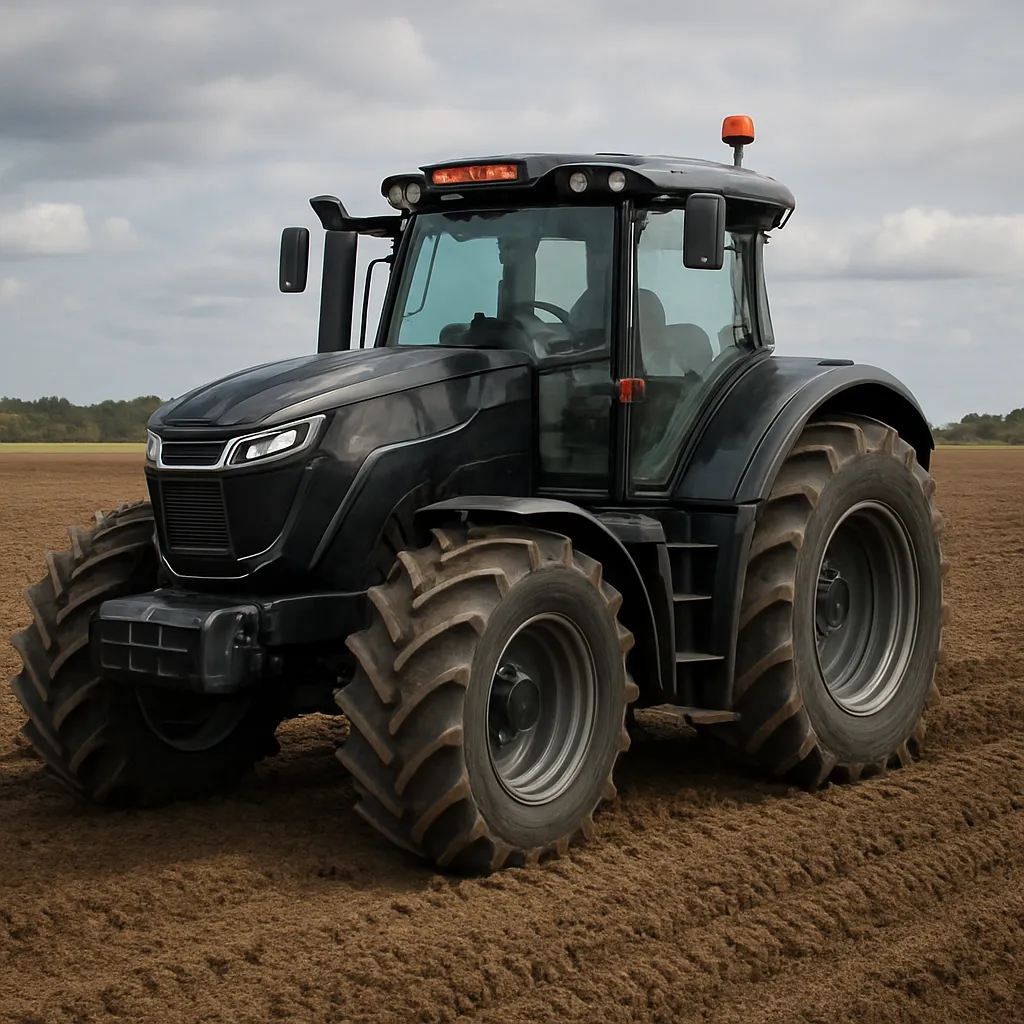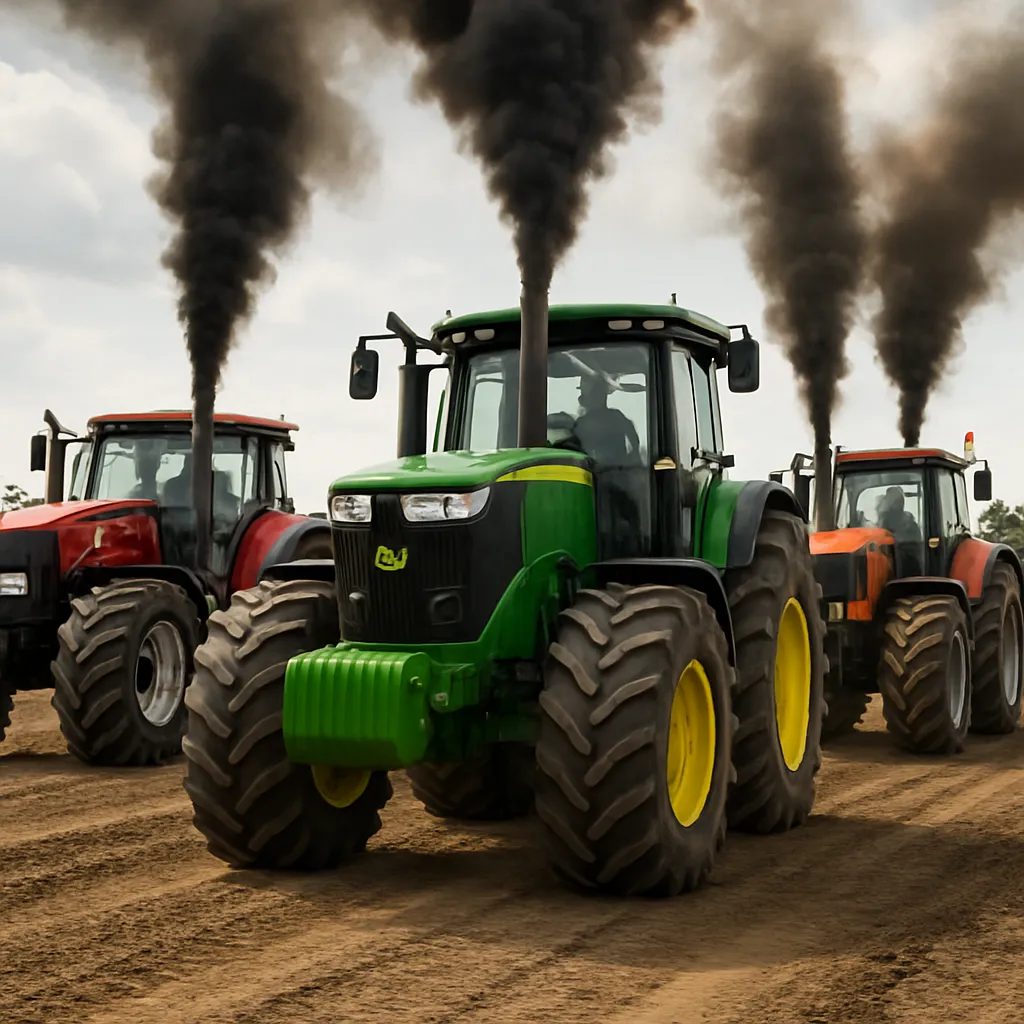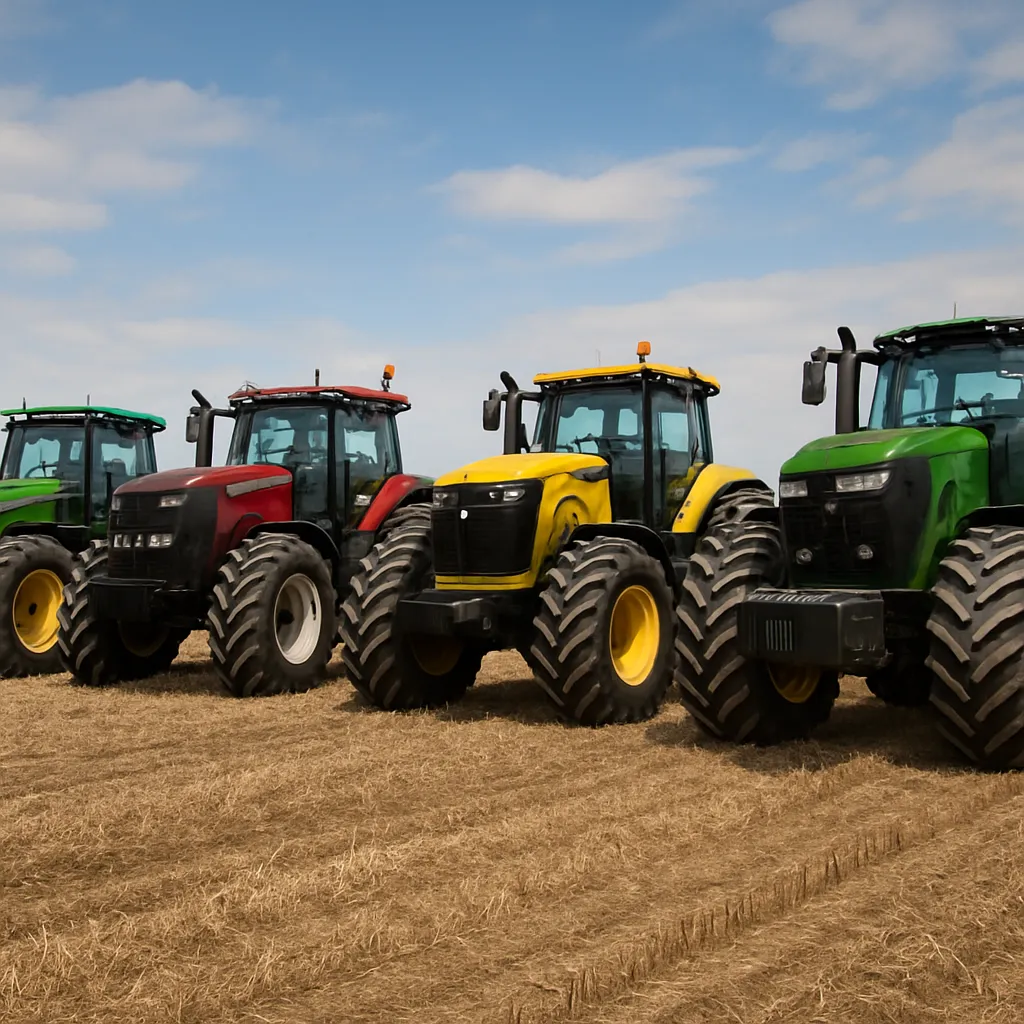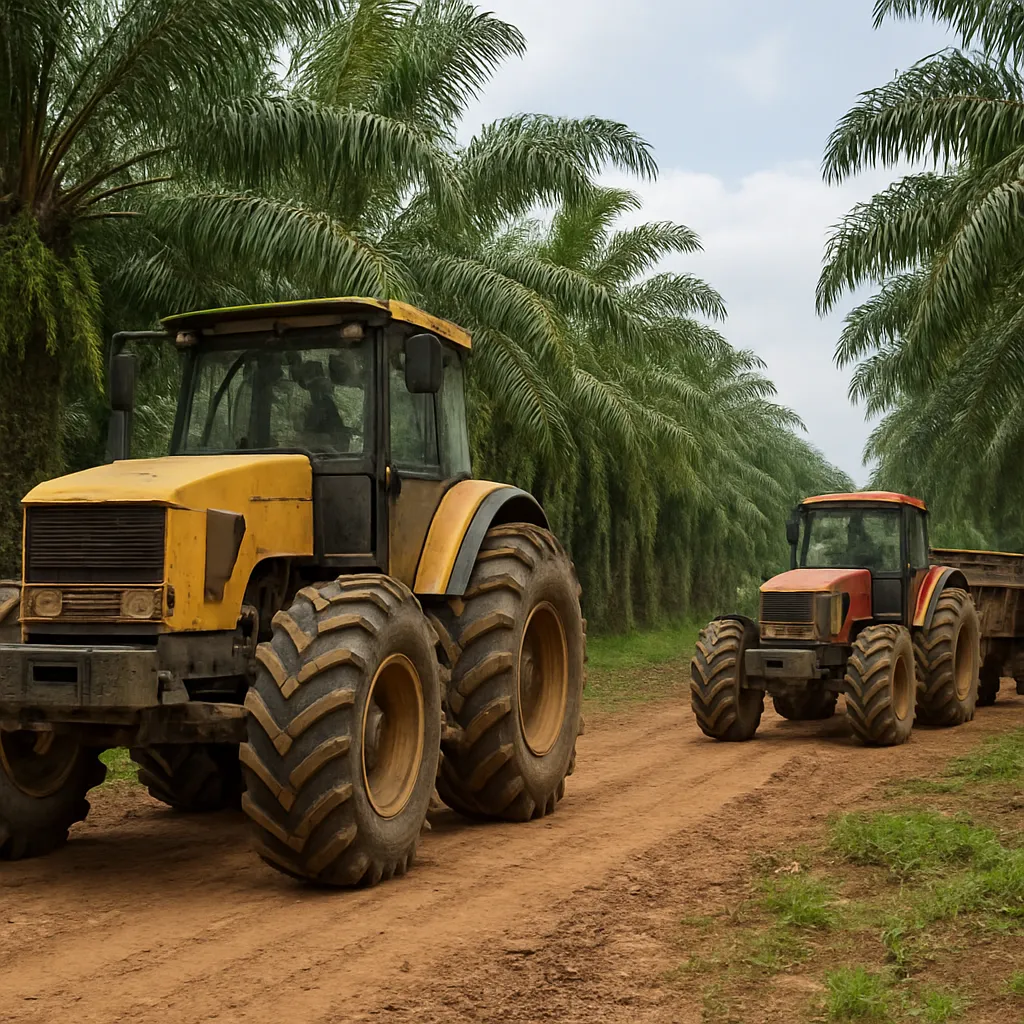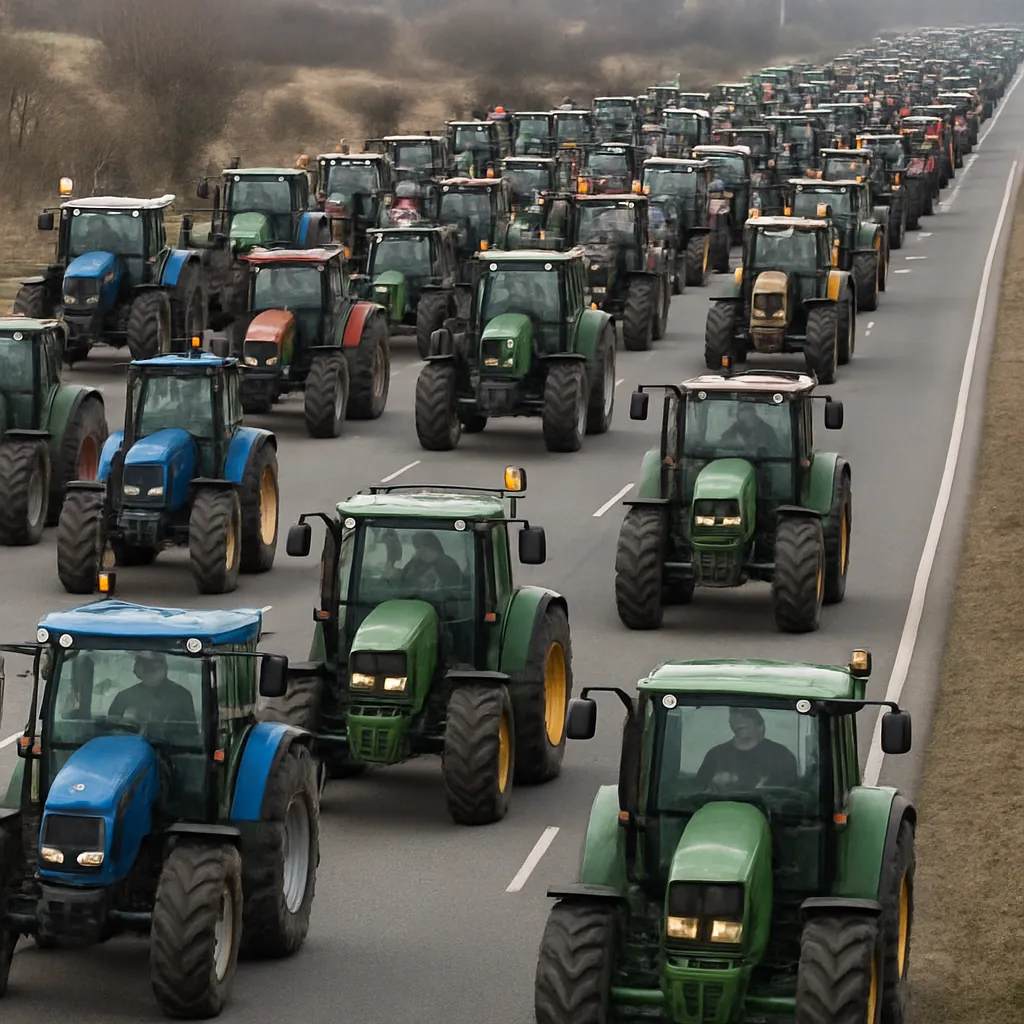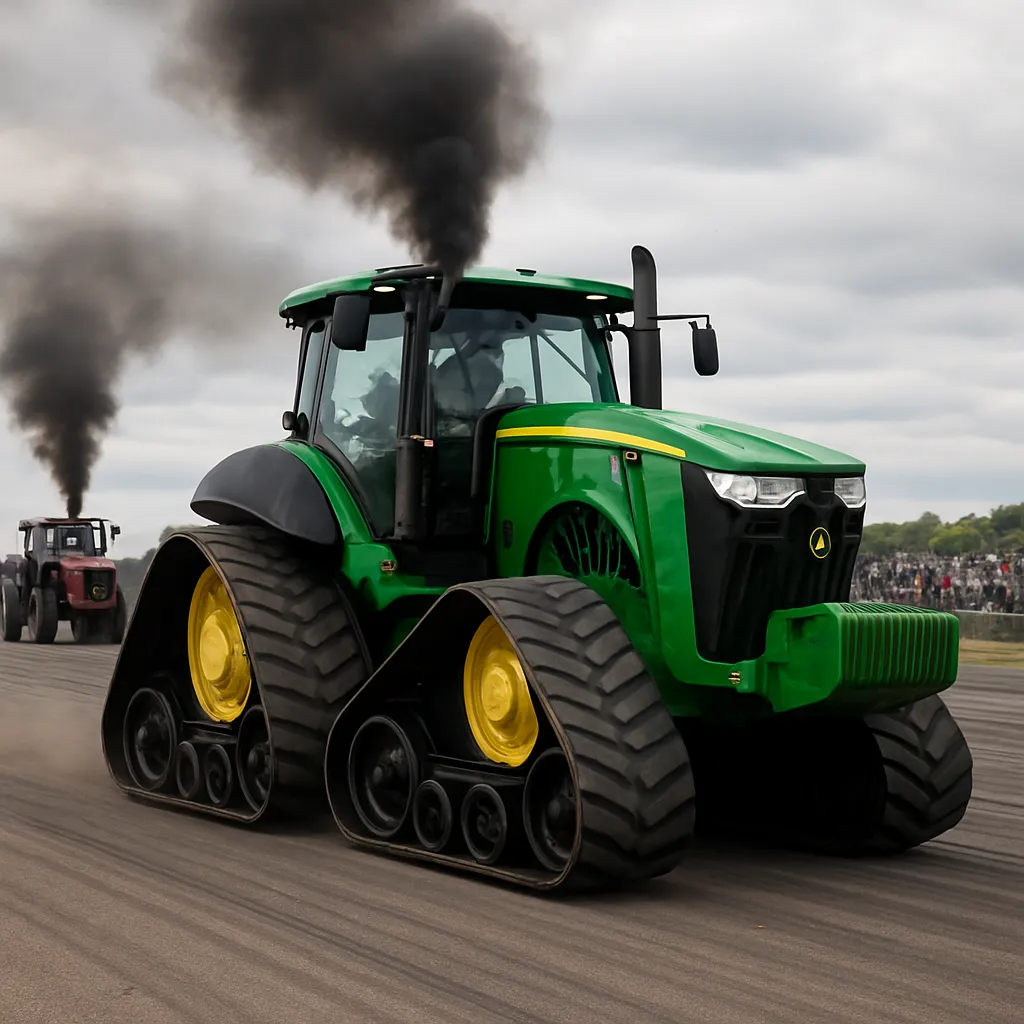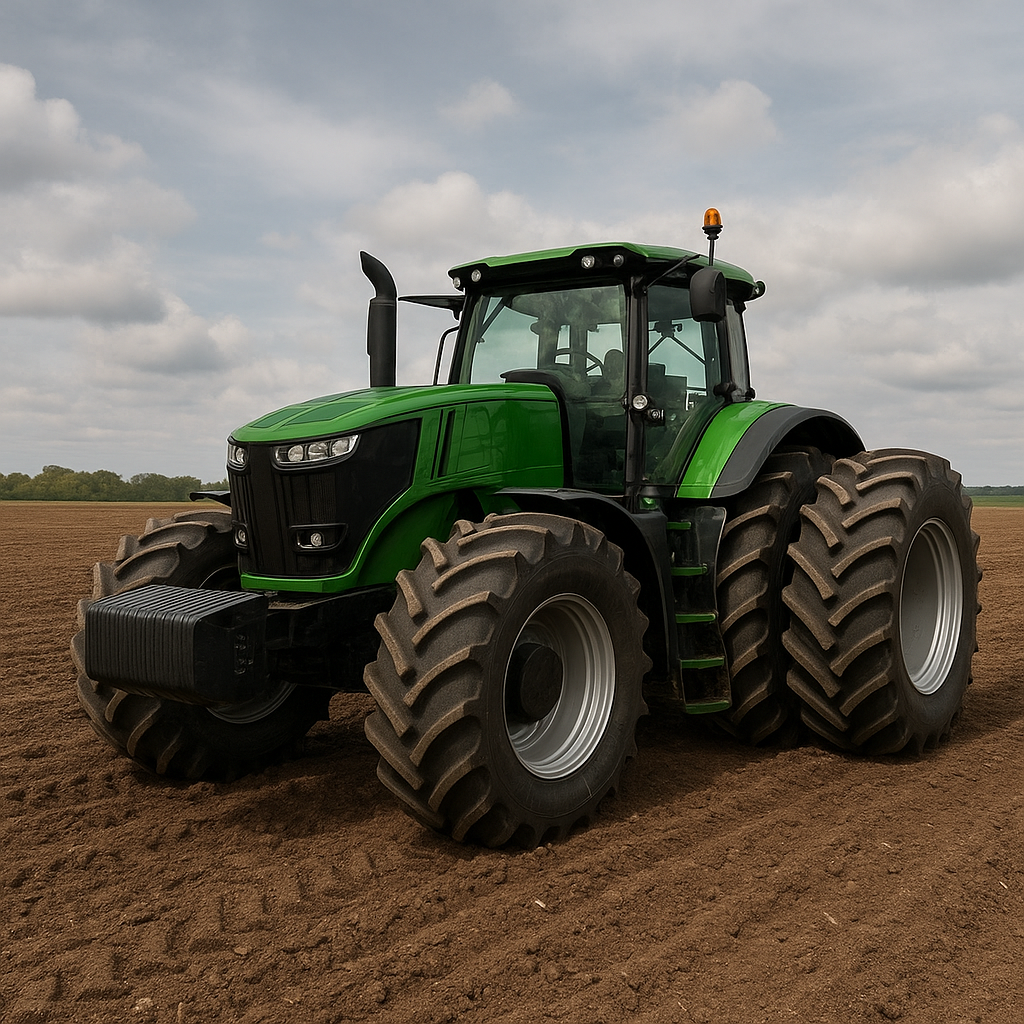
The debate over deploying tractors with over 600 HP has intensified across modern farms. As fields expand and labor becomes scarcer, manufacturers rush to push the boundaries of mechanical power. While some growers embrace the idea of towering machines, others question whether colossal horsepower truly delivers proportional benefits. Exploring the history, economics, and environmental impact of massive tractors reveals a nuanced balance between unmatched capability and practical necessity.
The Rise of High-Powered Agricultural Giants
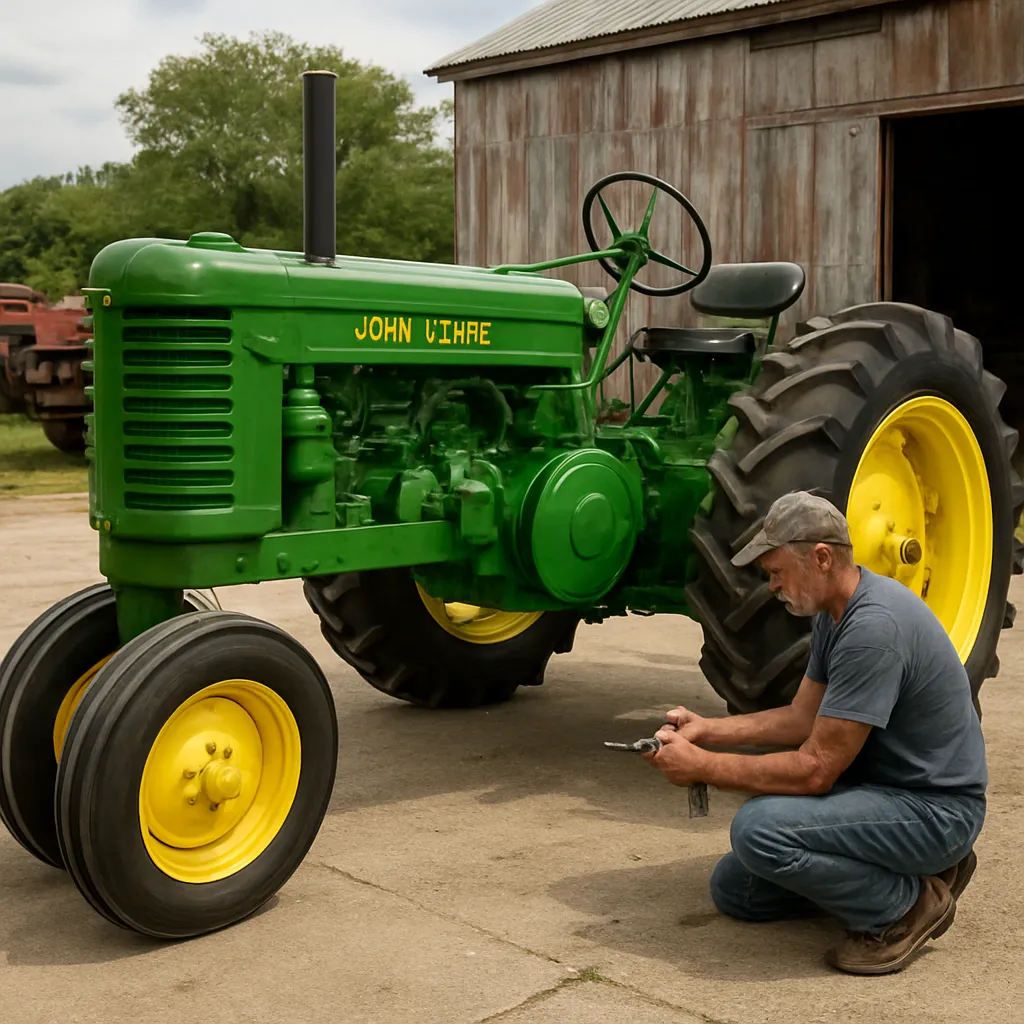
Since the first mechanized plows replaced draft animals, farmers have chased ever-greater horsepower. Early 20th-century models barely scratched double digits, yet today’s exhibits boast over 1,000 HP. This meteoric growth stems from advances in engine design, turbocharging, and durable materials. High-power tractors can pull wider implements, cover more acreage in fewer hours, and operate heavy tillage equipment that earlier tractors could never manage.
Key drivers behind this upsizing trend include:
- Expanding field size that demands wider toolbars and higher ground speeds
- Scarcity of skilled labor, incentivizing larger machines that reduce pass count
- Improvements in transmission technology, such as continuously variable transmissions (CVT)
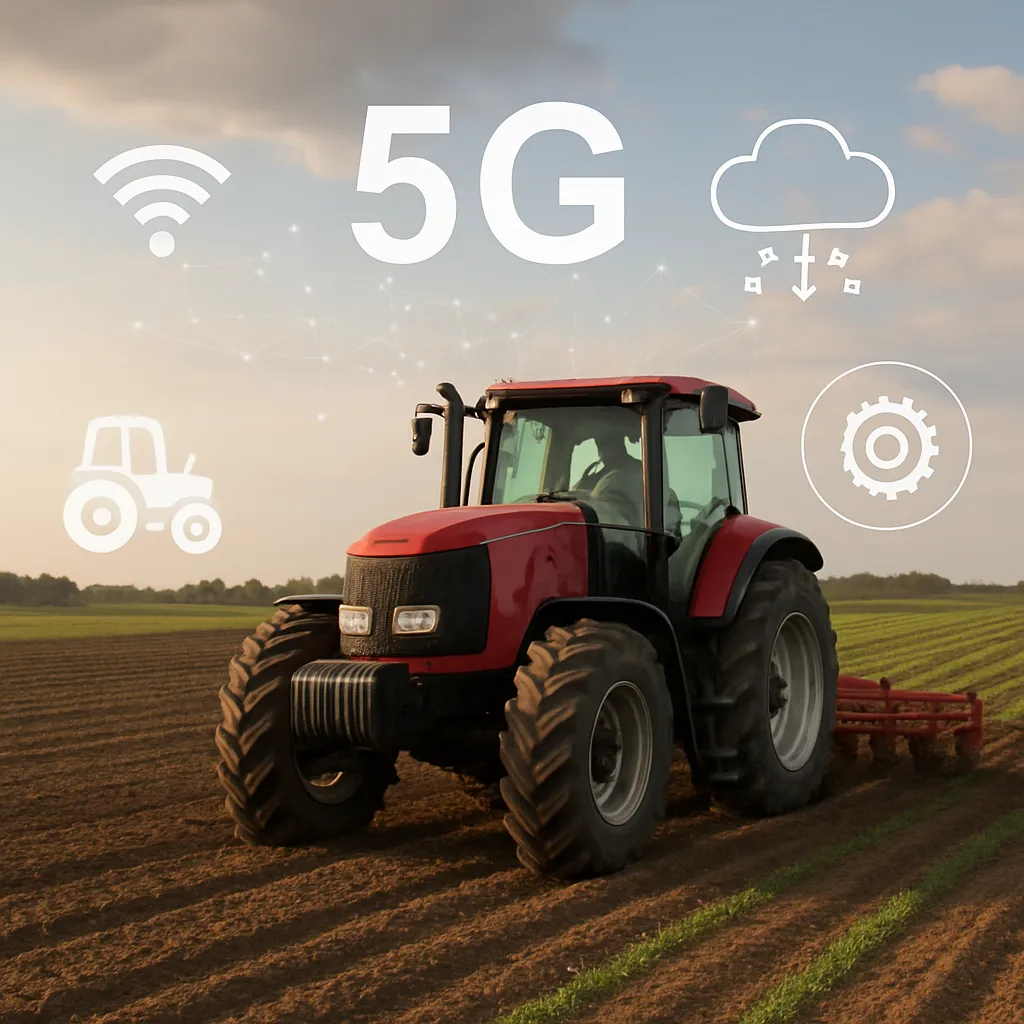
- Digital controls and smart sensors that optimize engine output in real time
Despite these innovations, some agronomists question whether the leap from 300 HP to 600+ HP yields a linear return in efficiency. Ground compaction, fuel consumption spikes, and limited maneuverability on smaller plots all highlight potential drawbacks.
Economics of Mega Tractors
When evaluating a tractor purchase, the sticker price often captures immediate attention. Models exceeding 600 HP can cost upwards of $500,000, including advanced telemetry packages. Yet the true investment goes beyond acquisition:
- Routine maintenance, including engine tunes, filter changes, and axle inspections
- Specialized transport permits for moving wide equipment on public roads
- Insurance premiums tied to higher replacement values
- Fuel bills that can exceed 15 gallons per hour under full load
Return on Investment
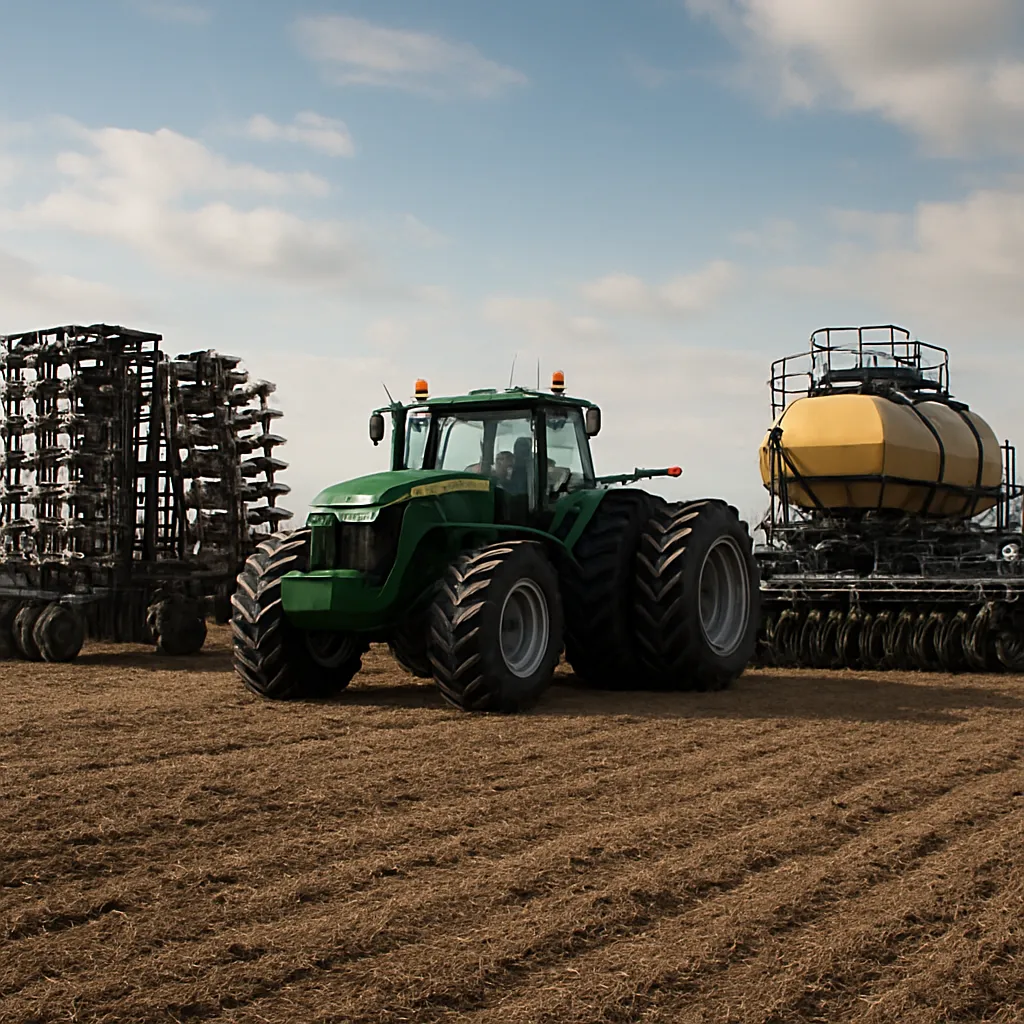
Proponents argue that a super-powered tractor unlocks remarkable gains in productivity. By accommodating 50-foot planters and 60-foot sprayers, a single machine can substitute for multiple smaller tractors working in tandem. This consolidation reduces total operating hours, cuts labor costs, and minimizes scheduling complexity during critical planting windows.
Maintenance and Fuel Considerations
However, larger engines come with steeper upkeep demands. Diesel particulate filters and selective catalytic reduction systems require precise servicing intervals. Failure to adhere to manufacturer guidelines risks costly downtime. Moreover, mega tractors often operate at partial load during light tasks, resulting in suboptimal fuel performance. Farmers must weigh these hidden expenses against potential time savings.
Impact on Sustainable Farming Practices
The pursuit of greater output must be balanced with eco-conscious strategies. While mega tractors can finish tasks rapidly, they also exert tremendous ground pressure, risking soil compaction that impairs root growth and reduces long-term yields. Conservationists advocate for complementary practices to offset these effects:
- Cover cropping to maintain soil structure and porosity
- Variable-depth tillage to break compaction layers only where needed
- GPS-guided auto-steering for precise pass overlap reduction
Precision Farming and Innovation
Integration of remote sensing, yield mapping, and machine learning has ushered in a new era of data-driven agriculture. Mega tractors equipped with advanced sensors collect granular field data, enabling site-specific input applications. This approach enhances nutrient use sustainability and reduces wasted resources. Farmers can apply fertilizer, seed, and crop protection products only where crop health demands intervention.
Future Trends and Technological Evolution
Looking ahead, the trajectory points toward even larger machines, autonomous operation, and hybrid powertrains. Electric drivetrains promise instant torque and lower emissions, but current battery energy density limits reach compared to diesel. Collaborative robotics, where swarms of smaller unmanned vehicles work alongside a mother tractor, could offer a middle ground—combining the robust digging force of a high-HP unit with versatile, low-impact support robots.
Ultimately, the decision to adopt tractors over 600 HP hinges on individual farm circumstances. For large-scale growers managing thousands of acres, the promise of enhanced innovation and operational scale may justify the hefty cost. Small to mid-size operations, conversely, should carefully analyze whether a super-sized investment aligns with their crop rotations, topography, and long-term goals. By balancing ambition with pragmatism, farmers can harness the immense power of modern tractors to cultivate a more efficient and sustainable future.