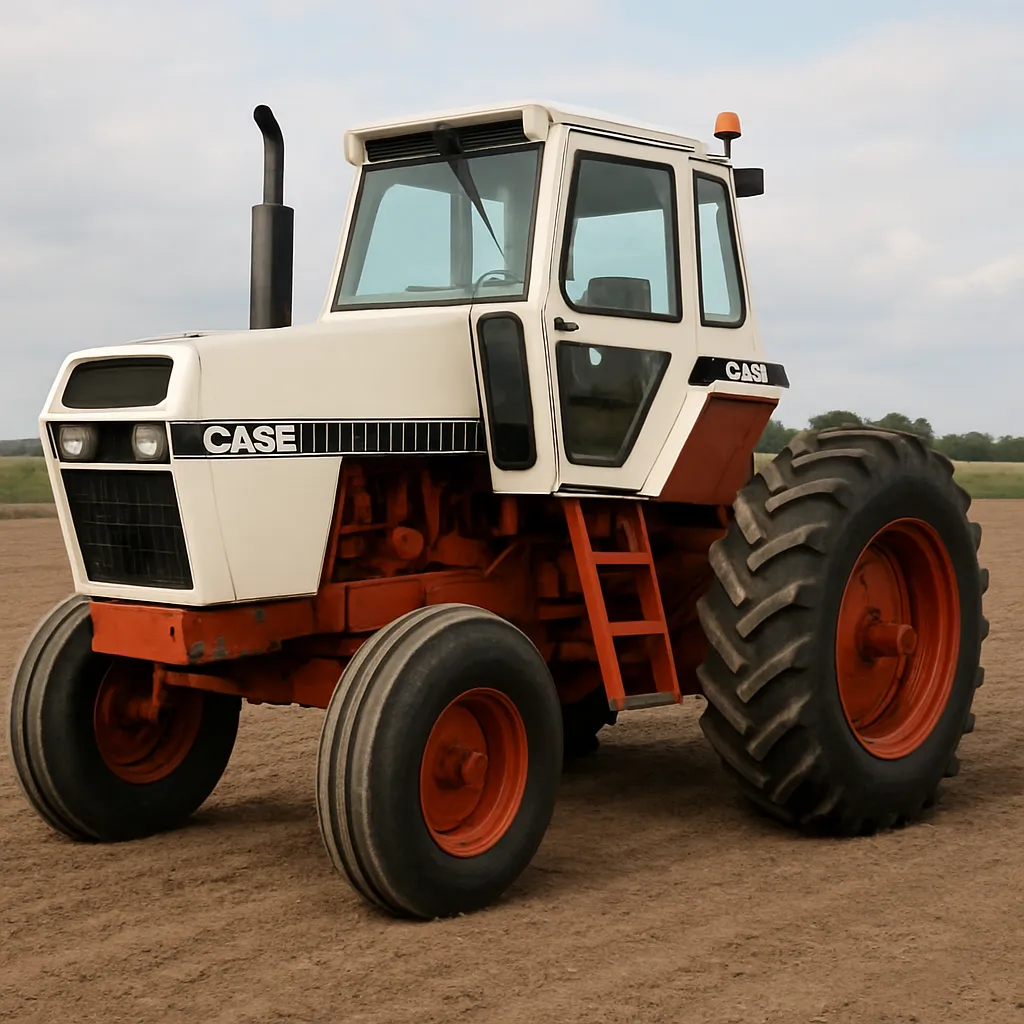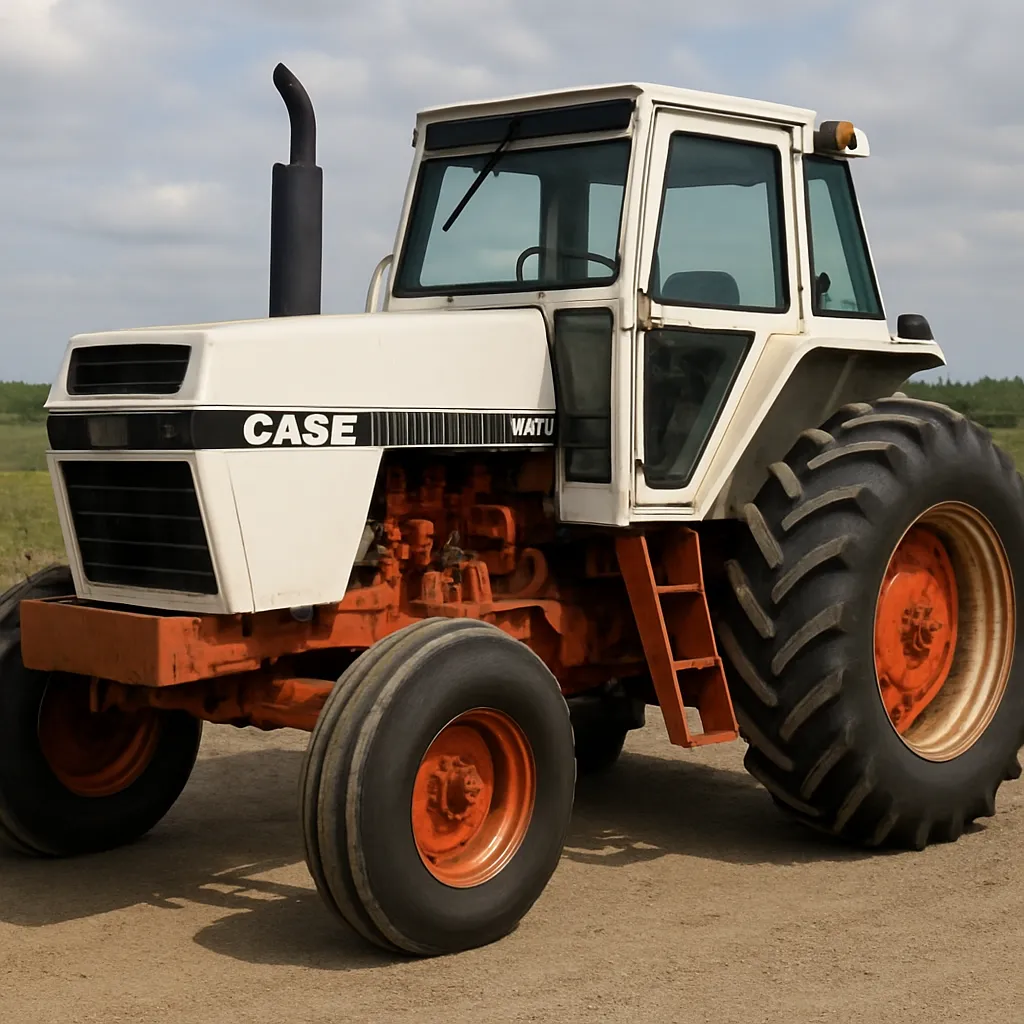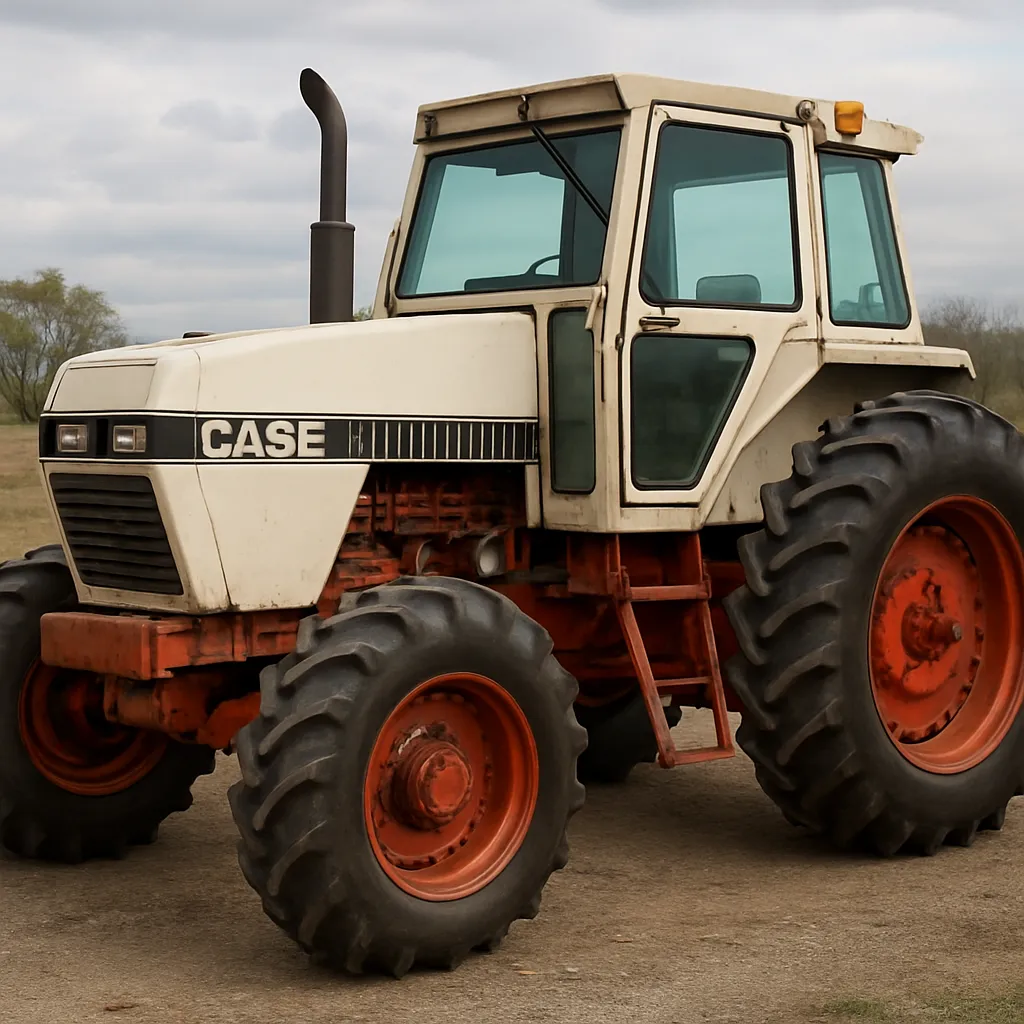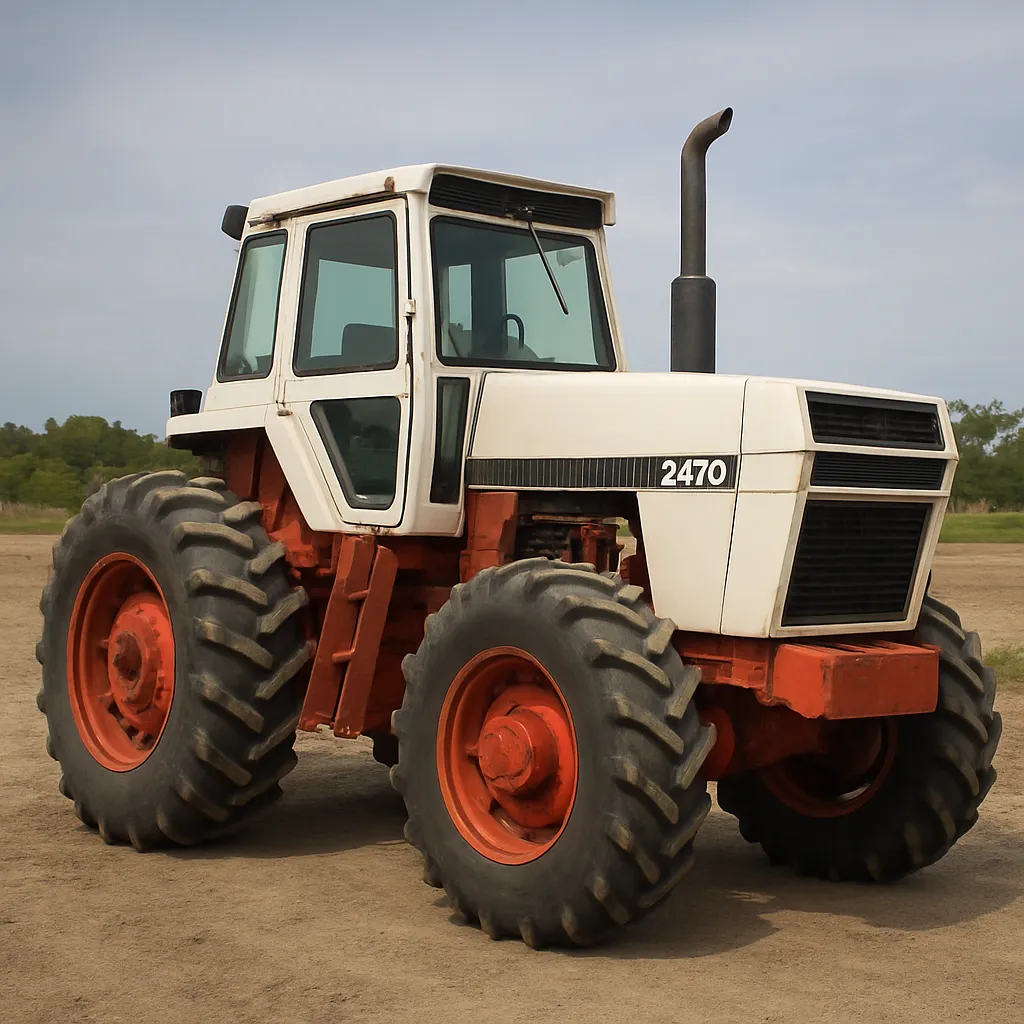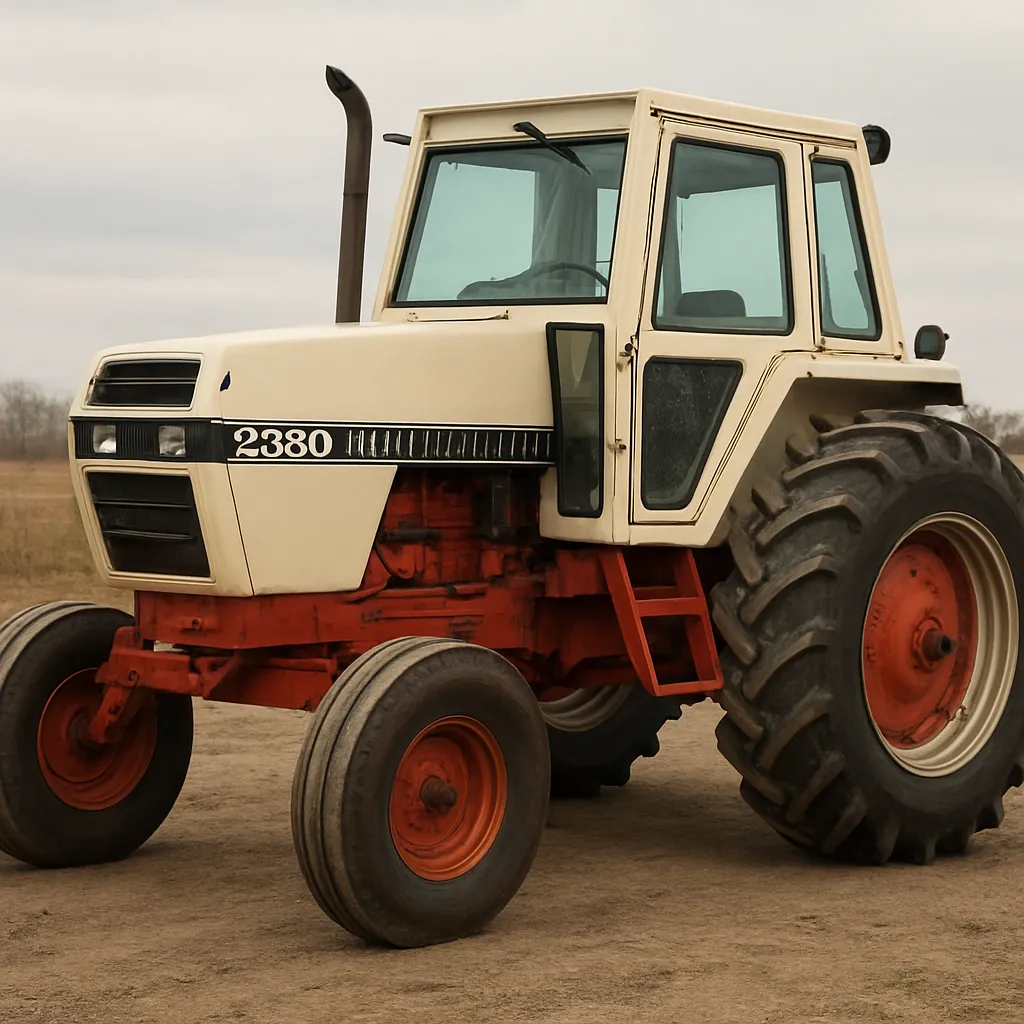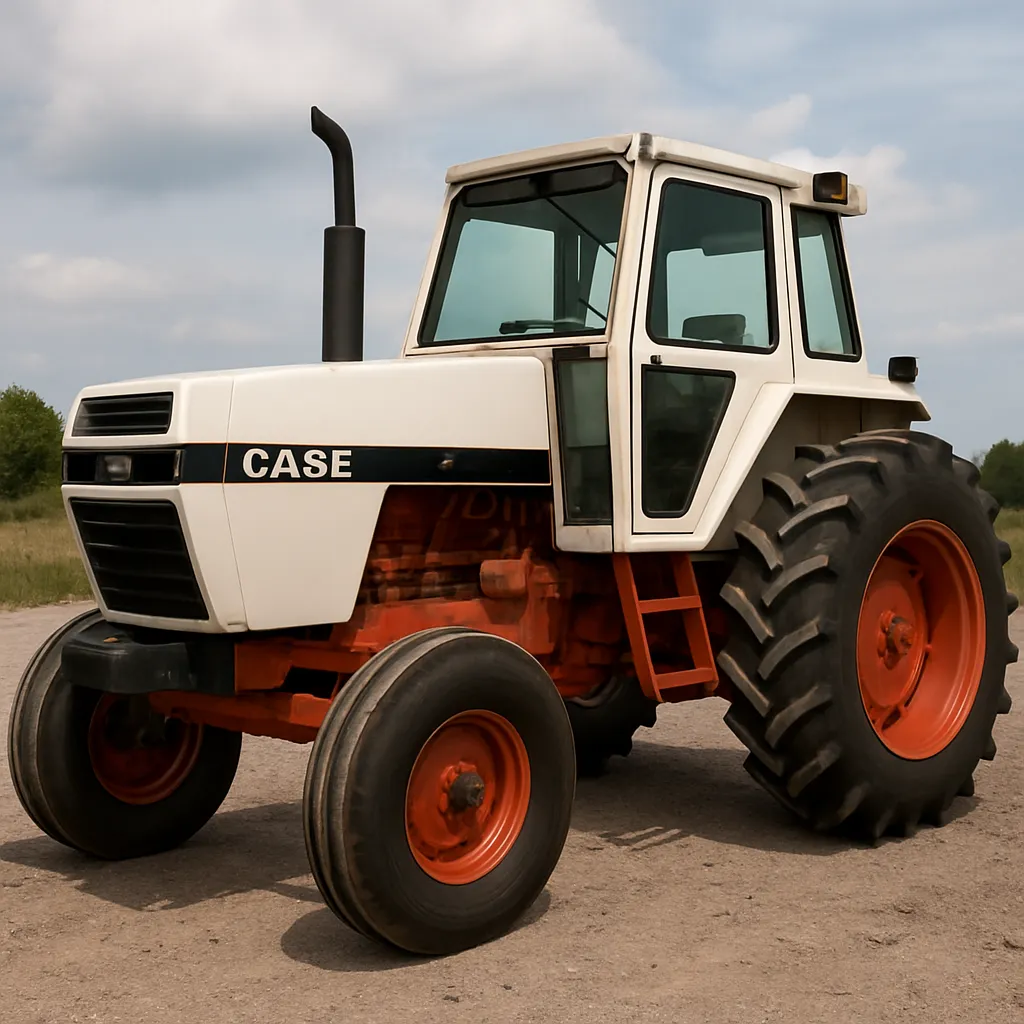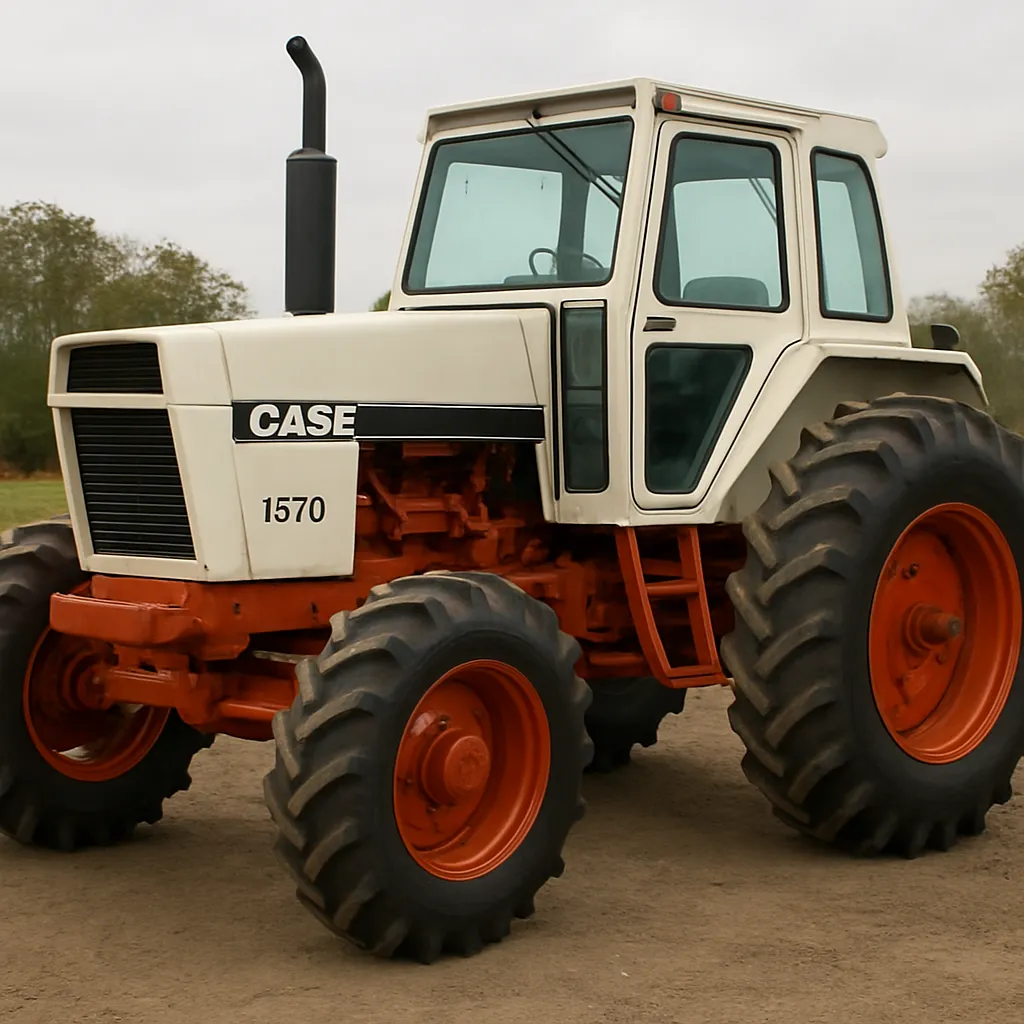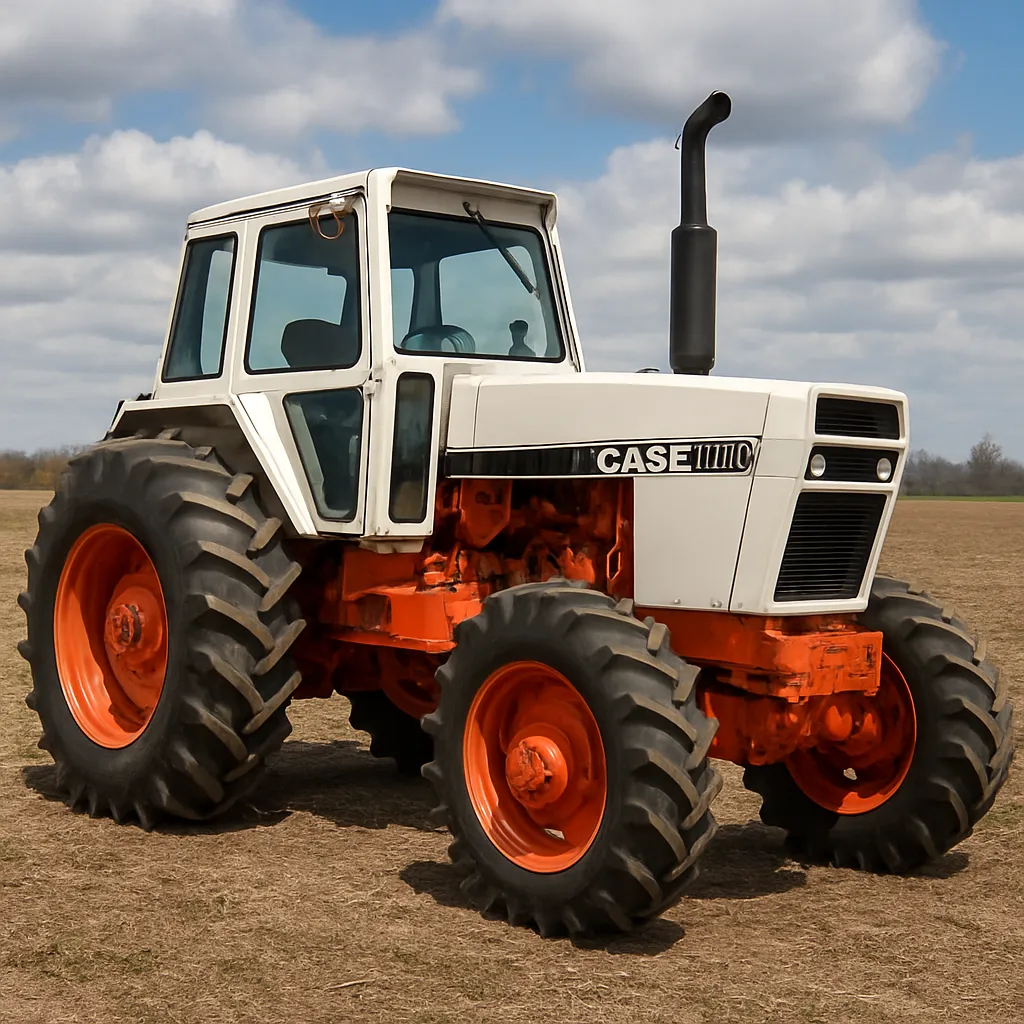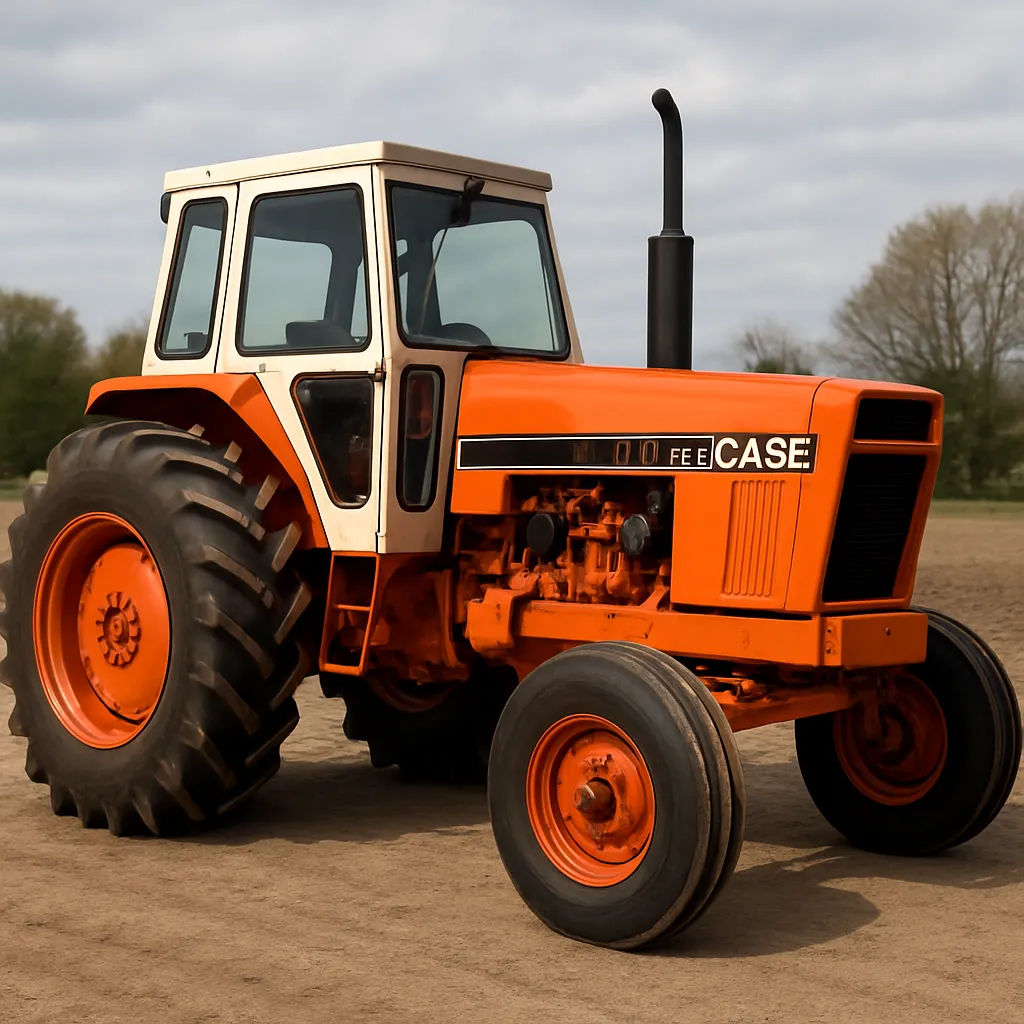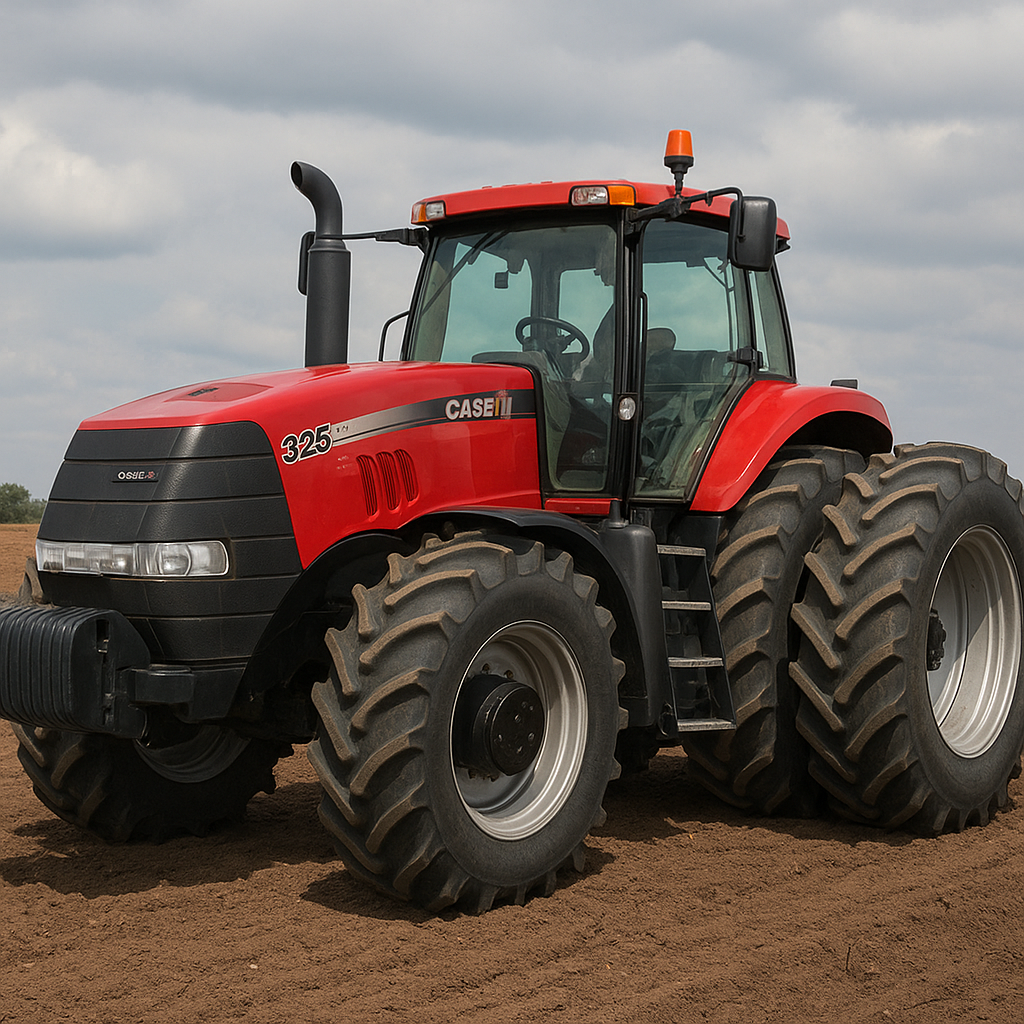
The Case IH Steiger 325 is a heavy-duty agricultural tractor built to tackle large-scale fieldwork, heavy tillage and high-horsepower implement tasks. Designed as part of the Steiger family — a line with a long heritage in high-traction, high-power farming equipment — the Steiger 325 blends robust mechanical architecture with modern operator comforts and precision-agriculture electronics. In the sections that follow, you will find an in-depth look at typical specifications, main applications, performance characteristics, operator features, maintenance insights and practical buying considerations for this class of tractor.
Overview and background
The Steiger name goes back to purpose-built, high-horsepower tractors developed for demanding North American row-crop and tillage operations. Over time, Case IH expanded and modernized the Steiger line to include a mix of wheeled and track (Quadtrac) configurations and integrated advanced emissions controls and electronic systems. The Steiger 325 occupies the mid-to-high end of the Steiger range as a roughly 325 horsepower machine from the factory rating, intended for farms and contractors that need sustained drawbar and PTO power with excellent traction and stability.
Design philosophy
- High-traction, high-weight platform for deep tillage, subsoiling and primary cultivation.
- Balance of mechanical robustness and modularity so different transmissions, axles and hydraulic packages can be specified.
- Integration of modern electronics — GPS guidance, ISOBUS implement control and remote diagnostics — to maximize productivity and reduce overlaps.
Historical and market position
The Steiger line targets large-acreage farms, custom operators and contractors. The Steiger 325 provides many of the capabilities of larger models (in traction and hydraulic power) while offering cost and fuel-consumption advantages relative to the highest-rated models. Over the years it has been offered in multiple model-year revisions to meet evolving emissions standards (Tier 3, Tier 4 Final / Stage IV depending on region and production year) and to support updated transmissions and cab packages.
Typical technical specifications and statistics
Specifications for the Steiger 325 vary by production year, regional configuration and optional equipment. Below are commonly observed figures and typical ranges to give a clear sense of capability. Exact values should be confirmed by model-year brochures or the tractor’s data plate when accurate numbers are required.
- Engine: 6-cylinder turbocharged diesel (Case IH / FPT-based or OEM diesel), common displacement range ~8.7L (may vary). Rated power ~325 hp (ISO), with a power bulge at rated RPM for transient loads.
- Maximum torque: Typical peak torque range ~1,200–1,600 Nm depending on tuning and engine generation.
- Transmission: Options historically include powershift transmissions (multiple-speed powershift variants: 16/18/21-speed) and continuously variable/step-less options in some later models; driveline choices can include locked front differential and multiple PTO engagement modes.
- PTO: Rear PTO standards typically 540/1000 rpm with optional engagement options. PTO power available at the shaft generally somewhat lower than engine-rated HP (typical usable PTO power in the 250–300 hp range depending on drivetrain losses).
- Hydraulics: Implement hydraulic flow commonly offered in configurations around 120–150 liters per minute (L/min) depending on pump configuration; electronic flow control and multiple remote valves are standard or available.
- Rear hitch / lift capacity: Typical lift capacities are in the multi-ton range; manufacturers’ figures commonly list rear hitch capacities in the 6,000–12,000 kg (or ~13,000–26,000 lb) range, depending on coupling and hydraulics.
- Axles and traction: 4WD heavy-duty front and rear axles; tire versus Quadtrac (tracked) choices affect ground pressure and effective traction.
- Weight: Operating weight typically falls within a broad range (wheeled versions often 10,000–14,000 kg; track-equipped variants heavier).
- Fuel capacity: Fuel tank sizes vary with optional tanks and range extenders; common tank volumes often between 400–900 liters depending on specification.
- Emissions: Model-year dependent; earlier models met Tier 3 standards while later units include selective catalytic reduction (SCR), diesel particulate filters (DPF) and exhaust aftertreatment to comply with Tier 4 / Stage IV rules.
Statistic examples (representative) — for a Steiger-class 325 tractor, typical performance and consumption metrics under field load might include:
- Rated power: ~325 hp (ISO)
- Fuel consumption under heavy load: commonly in the range of 18–28 L/h during intensive tillage, lower during light transport or unloaded field travel
- Hydraulic pump flow: ~120–150 L/min depending on auxiliary pump options
- Rear lift hydraulic capacity: multiple tonnes (specifically check the model-year spec sheet for exact lift rating)
Note: the above numbers are representative and should be validated for procurement, finance and matching implements. Performance is influenced by tyre/track configuration, ballast, transmission selection and environmental conditions.
Primary applications and where the Steiger 325 excels
The Steiger 325 is built for large-scale agricultural work and heavy implements. Its combination of engine torque, hydraulic power and traction make it suited to a wide array of demanding tasks.
Field and soil preparation
- Primary tillage with large moldboard plows, heavy disc harrows and offset discs. The tractor’s weight and traction help maintain ground engagement and consistent implement depth.
- Subsoiling and deep ripping — the constant high torque allows operation at low speeds with heavy draft loads.
Seeding, planting and air seeding
- Large planters and air-seeders often require sustained power and high hydraulic flow for fan-driven seeder systems; the Steiger 325 provides the frame and auxiliary hydraulics to support these systems on large acreage.
Hay and forage operations
- Pulling large mowers, rakes and balers in broad-acre operations where speed of operation and power for PTO-driven equipment matter.
Transport and heavy-duty rear-mount implements
- Transporting heavy implements between fields and supporting high-efficiency fleet operations.
- Materials handling when equipped with front loaders or specialized attachments.
Specialized uses and contractors
- Contractors doing land development, drainage, or heavy farm services benefit from the high drawbar capacity and robust cooling systems.
- When tracked (Quadtrac) variants are specified, they excel in minimizing soil compaction while maintaining traction on wet soils.
Performance characteristics and operational considerations
Understanding how the tractor performs under real-world conditions is essential to maximize return on investment. The Steiger 325’s strengths lie in sustained torque, modular hydraulic options and compatibility with precision-agriculture systems.
Traction, ballast and ground compaction
- Correct ballast and tire selection are fundamental for converting engine power into usable drawbar force without excessive wheel slip.
- Track options reduce ground pressure and improve traction, particularly on wet or soft soils, lowering compaction and preserving soil structure.
Fuel economy and operating cost
- While large tractors consume more fuel in absolute terms than small machines, the cost per hectare often falls due to higher working speeds, fewer passes and greater implement widths.
- Engine efficiency, autoshift transmissions and operator habits (e.g., maintaining correct PTO speed and avoiding unnecessary load) influence fuel consumption significantly.
Electronics, precision farming and automation
- Many Steiger 325 units are equipped with Case IH AFS (Advanced Farming Systems) technology or are ISOBUS-compatible, enabling auto-steer, section control and variable-rate application.
- Telematics platforms allow remote monitoring of engine hours, fuel usage and fault codes, enabling proactive maintenance and fleet optimization.
Operator comfort, cab features and controls
Long shifts and large work areas require a comfortable and intuitive operator environment. Case IH has continuously evolved cab ergonomics and control layouts on Steiger models.
- Comfort: air-suspended seats, climate control, noise insulation and well-placed controls reduce operator fatigue during multi-hour operations.
- Console-mounted controls, multi-function joysticks and programmable function keys make implement control and frequently used settings fast to access.
- Large glass areas and optional camera systems improve visibility to hitches, rear implements and blind spots.
- Modern AFS displays provide centralization of machine and implement telemetry, GPS guidance and pass-to-pass mapping.
Maintenance, reliability and serviceability
Long-term uptime for a heavy tractor like the Steiger 325 depends on routine maintenance, correct fluid choices and proactive component care.
Routine maintenance intervals
- Daily/Pre-start: check engine oil, coolant level, air intake and visual inspection for leaks or damage.
- Every 250–500 engine hours: oil and filter changes (intervals vary by engine calibration and duty cycle), fuel filter replacement and hydraulic system checks.
- 1,000+ hours: more extensive inspections of drivetrain, axle seals, cooling system flushes and injector system checks as recommended by Case IH.
Key service points
- Aftertreatment systems (DPF/SCR) require attention: keep diesel exhaust fluid (DEF/AdBlue) topped up where applicable, and monitor regeneration cycles.
- Hydraulic system cleanliness is critical — contamination leads to valve and pump wear. Use recommended filtration and follow fluid replacement schedules.
- Cooling system capacity and radiator cleanliness are vital during heavy tillage to avoid overheating; check for debris buildup frequently in dusty conditions.
Reliability and longevity
When maintained, Steiger-class tractors are durable and intended for high-hour seasonal workloads. A thorough service history and inspection are crucial when purchasing a used unit; look for evidence of regular oil changes, documented repairs and any transmitted fault codes that have been cleared without repair.
Implement compatibility and attachments
Large implements require matching hydraulic flow, hitch capacity and PTO power. The Steiger 325 is compatible with a broad ecosystem of large agricultural implements and attachments.
- Large ploughs, discs, subsoilers and seeders — ensure implement weight and required drawbar force match the tractor’s capacity.
- High-flow hydraulic implements such as large planters, air carts and traction-control systems benefit from the higher hydraulic flow packages.
- Front loaders and specialty attachments are available, but the primary role of the Steiger 325 is heavy-pull fieldwork rather than loader work unless specifically fitted for it.
Safety, regulations and operator training
Operating a high-horsepower tractor safely requires attention to stability, implement control and compliance with local road and farm regulations.
- Roll-over protection, proper hitching and ballast management are essential for safe heavy-tow operations.
- On-road use of wide implements may require escorts or special permits depending on local regulations; check local transport rules.
- Operators should be trained in PTO safety, hitching large implements, and in using electronic safety features like auto-stop or load-limiter settings.
Buying considerations and resale value
If you are considering acquiring a Steiger 325 — new or used — evaluate the following:
- Match the tractor’s power, PTO capability and hydraulic flow to the heaviest implements you plan to use. Over- or under-powering can both be costly.
- Check service history, past repairs, and hours. Heavy tractors with good maintenance histories hold value better.
- Consider tyre vs. track choices based on your soil type and concerns about compaction. Tracks reduce ground pressure but increase complexity and cost.
- Region and emissions standard affect price — machines with Tier 4 / Stage IV engines and aftertreatment tend to be more complex and more expensive to repair, but may be required for emissions compliance in some jurisdictions.
- Used market pricing (approximate ranges): values vary widely by year, configuration, hours and condition. As an indicative guide, used Steiger 325 tractors can range from mid-five-figure values to well above six figures in USD or equivalent in other currencies. New or low-hour units can be substantially higher; always check local market listings for current, region-specific pricing.
Strengths, limitations and final thoughts
The Steiger 325 is a strong, versatile machine for large farms and contractors. Its key strengths include sustained power delivery, robust mechanical systems, a flexible platform for implements and modern precision-agriculture integrations such as telematics and auto-guidance. Important limitations to keep in mind include higher fuel consumption relative to smaller tractors, the complexity of modern emissions aftertreatment systems and the need for correct ballast and tyre/track selection to fully utilize tractor capability without creating excessive soil compaction.
When properly matched to tasks — large-scale tillage, seeding and heavy PTO-driven implements — and maintained with discipline, the Steiger 325 can be a highly productive contributor to farm profitability. Its blend of mechanical robustness, electronic capability and operator comfort make it a practical choice for operations where time-on-task, field efficiency and implement compatibility are priorities.
Quick reference: key words and highlights
- Power — roughly 325 hp factory rating (verify by serial/year).
- Torque — designed for high-draft, low-speed pulling.
- Hydraulics — high-flow options to support large implements.
- PTO — standard 540/1000 rpm capability for heavy PTO implements.
- Traction — 4WD or tracked options for minimal slip.
- Efficiency — best realized when matched to wide implements and proper operation.
- Comfort — modern cab and control layout for long shifts.
- Telematics — connectivity for remote monitoring and guidance.
- Durability — built for high-hour seasonal use when maintained correctly.
- Maintenance — follow recommended intervals and monitor aftertreatment systems.
The Steiger 325 occupies a practical niche for those who need substantial horsepower without stepping up to the largest category of tractors. Evaluate specific model-year specs and optional equipment carefully when purchasing to ensure you get the hydraulic flow, transmission type and traction configuration that best fit your operation’s needs.