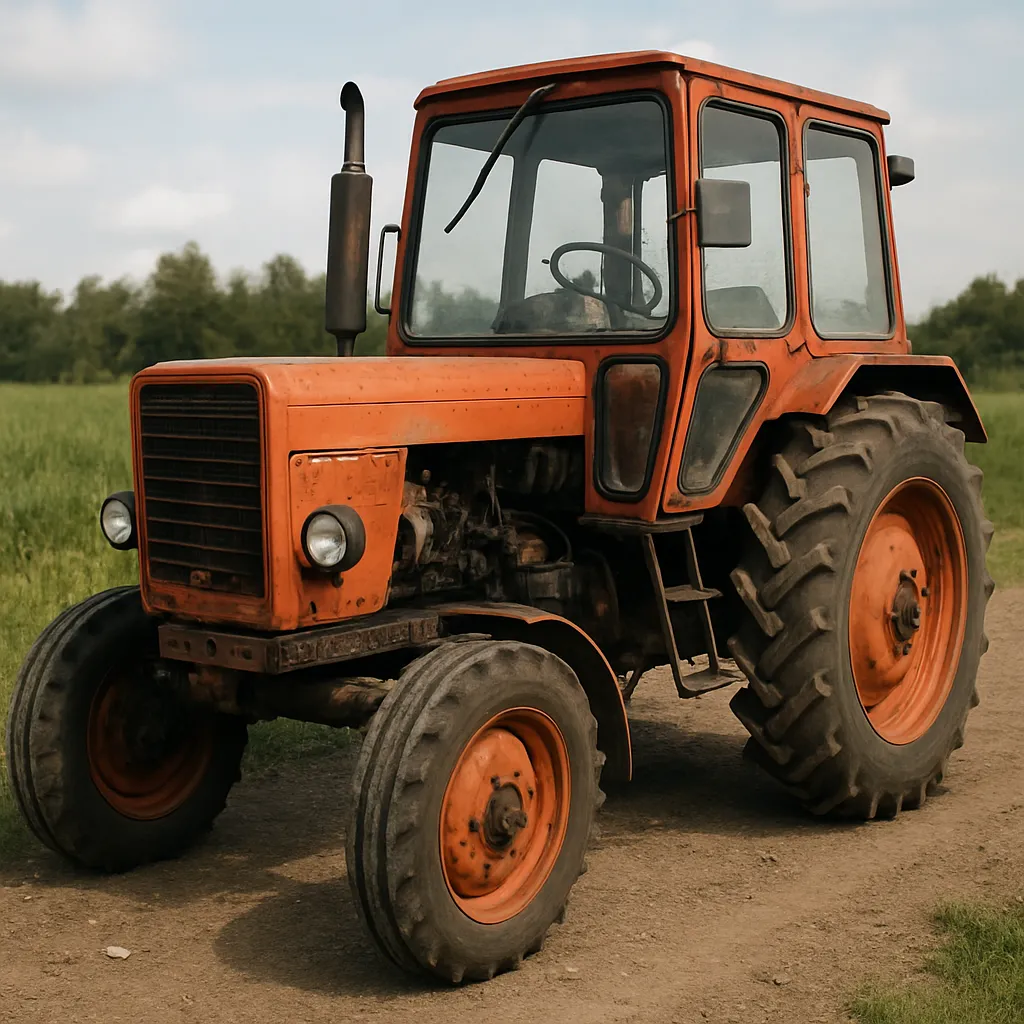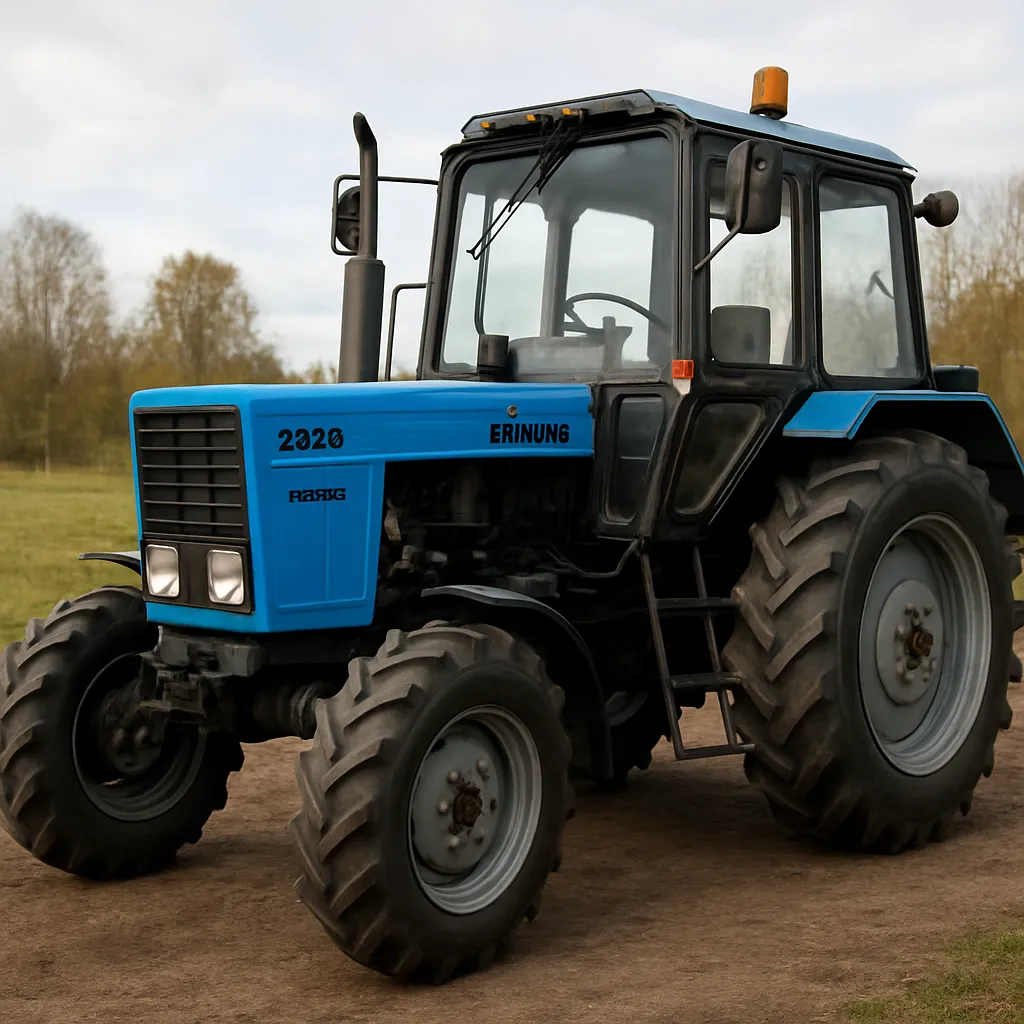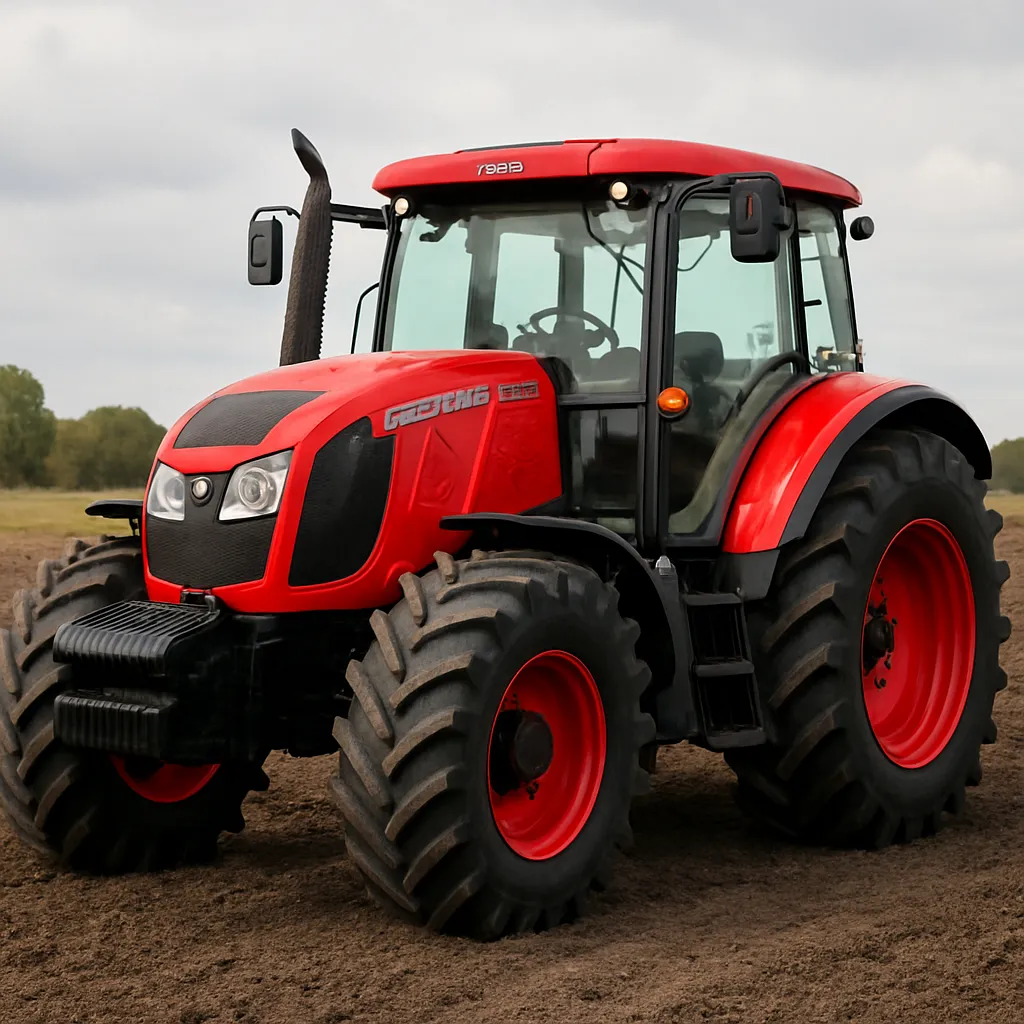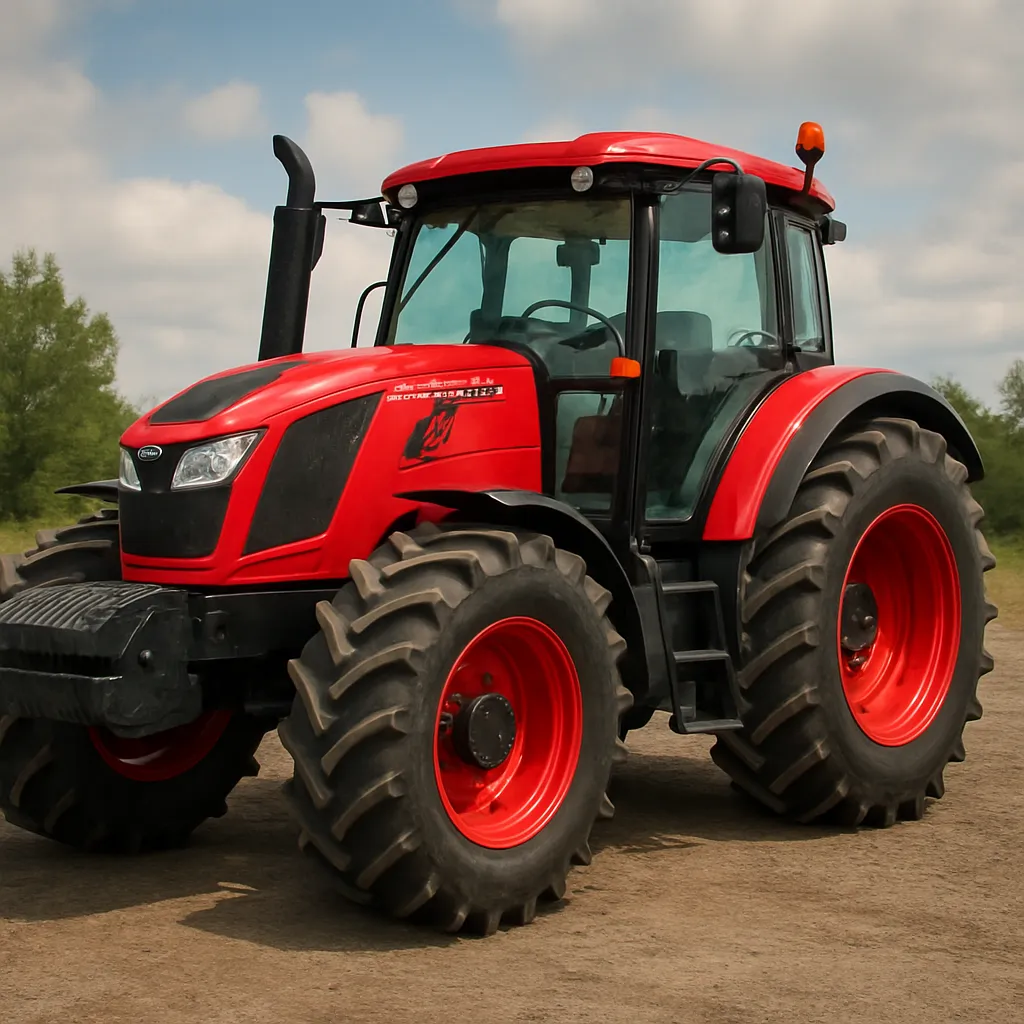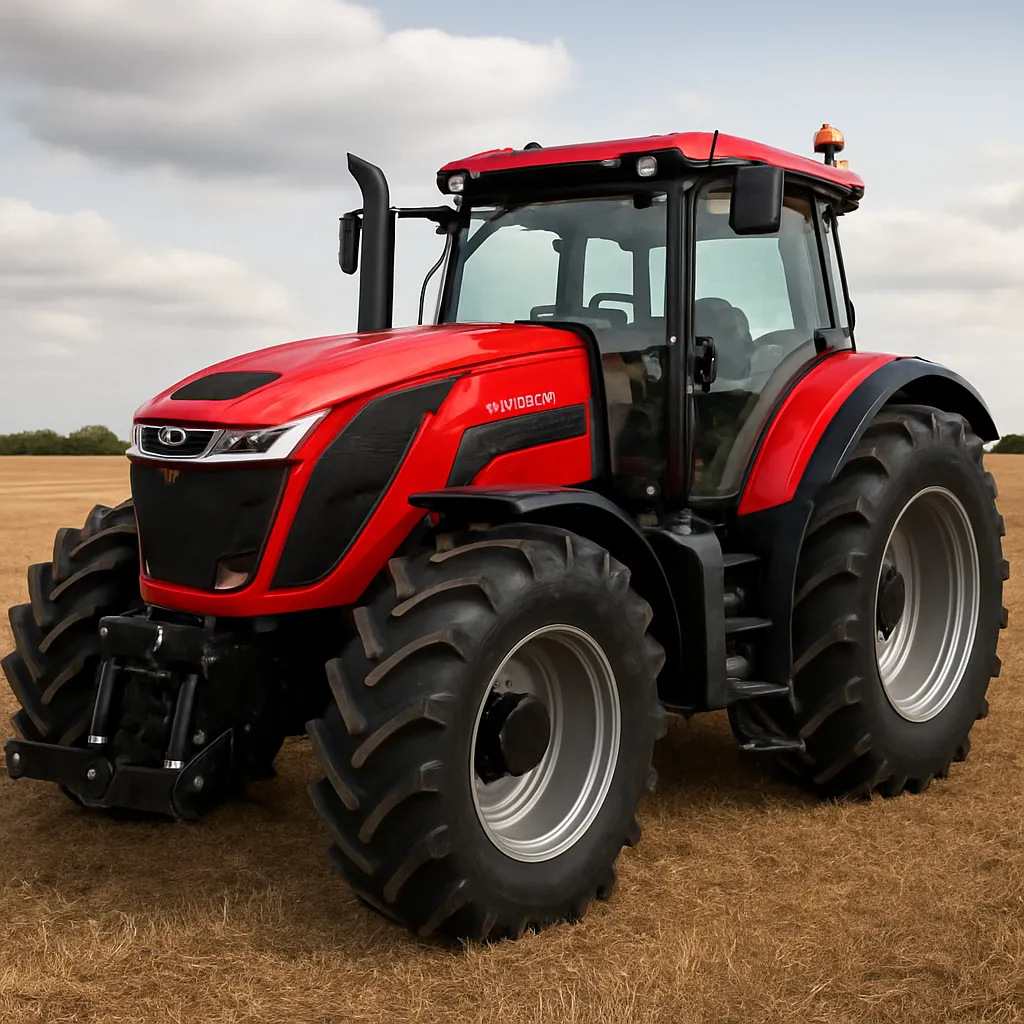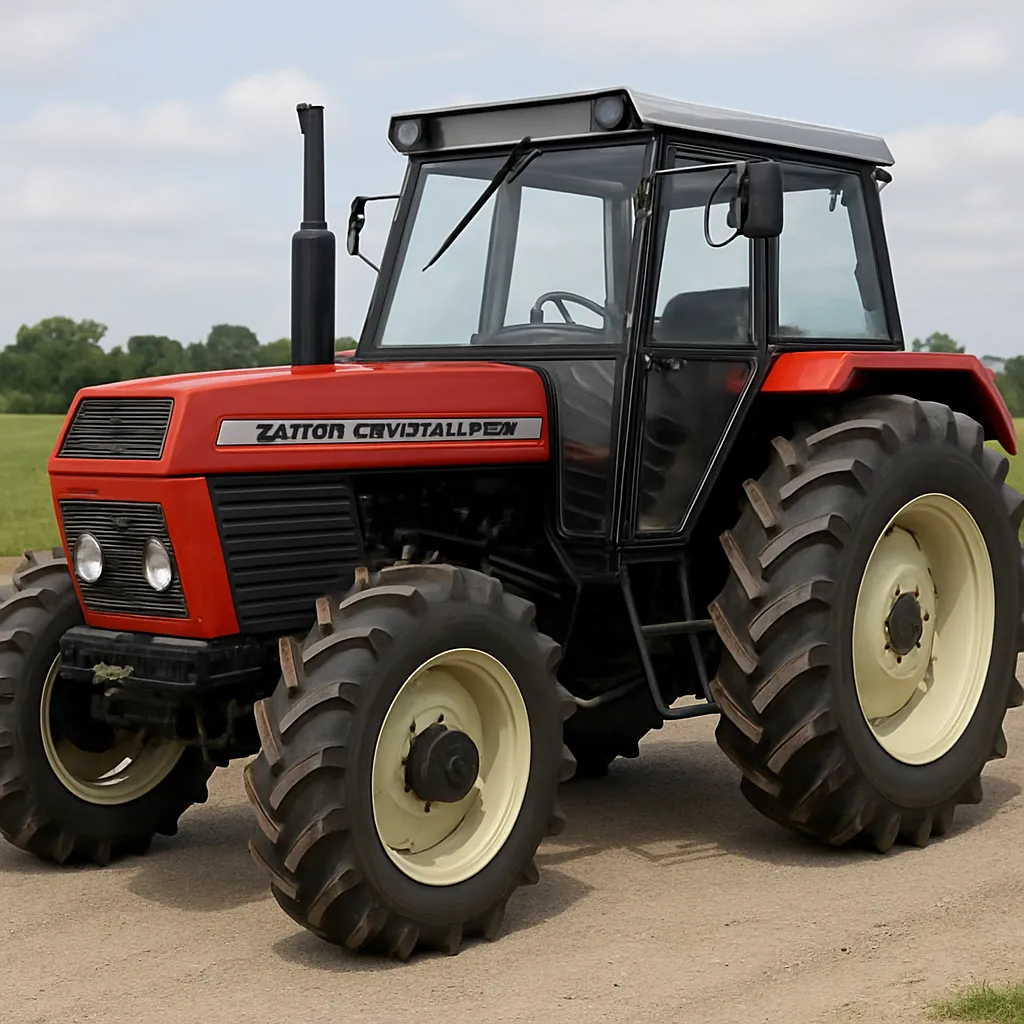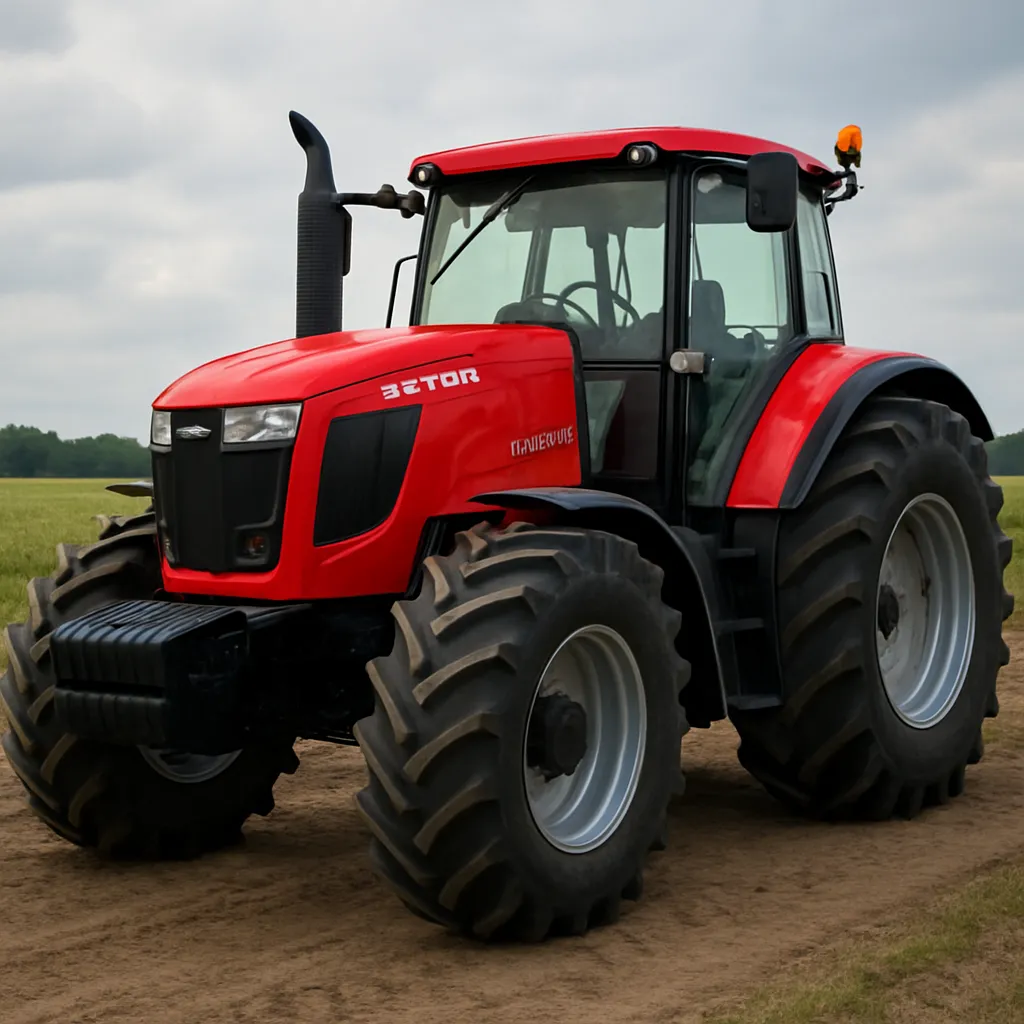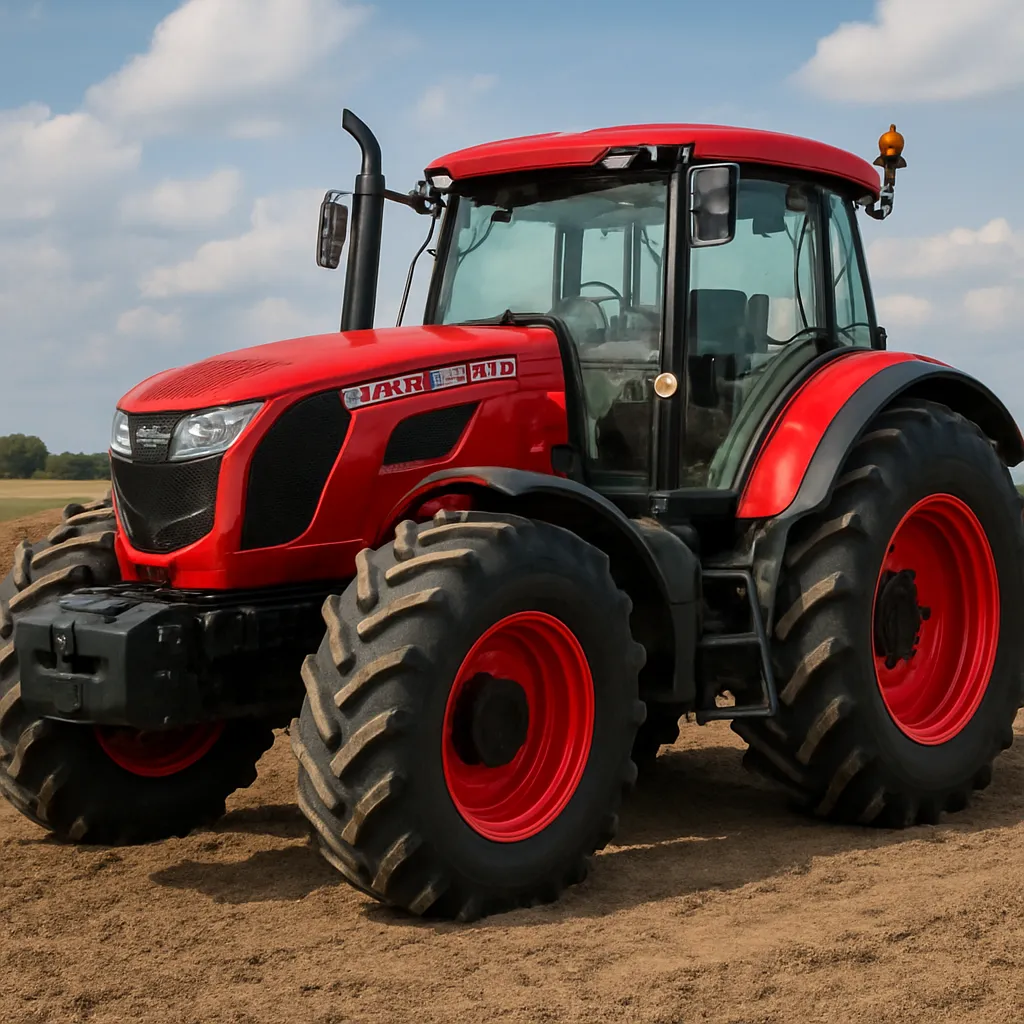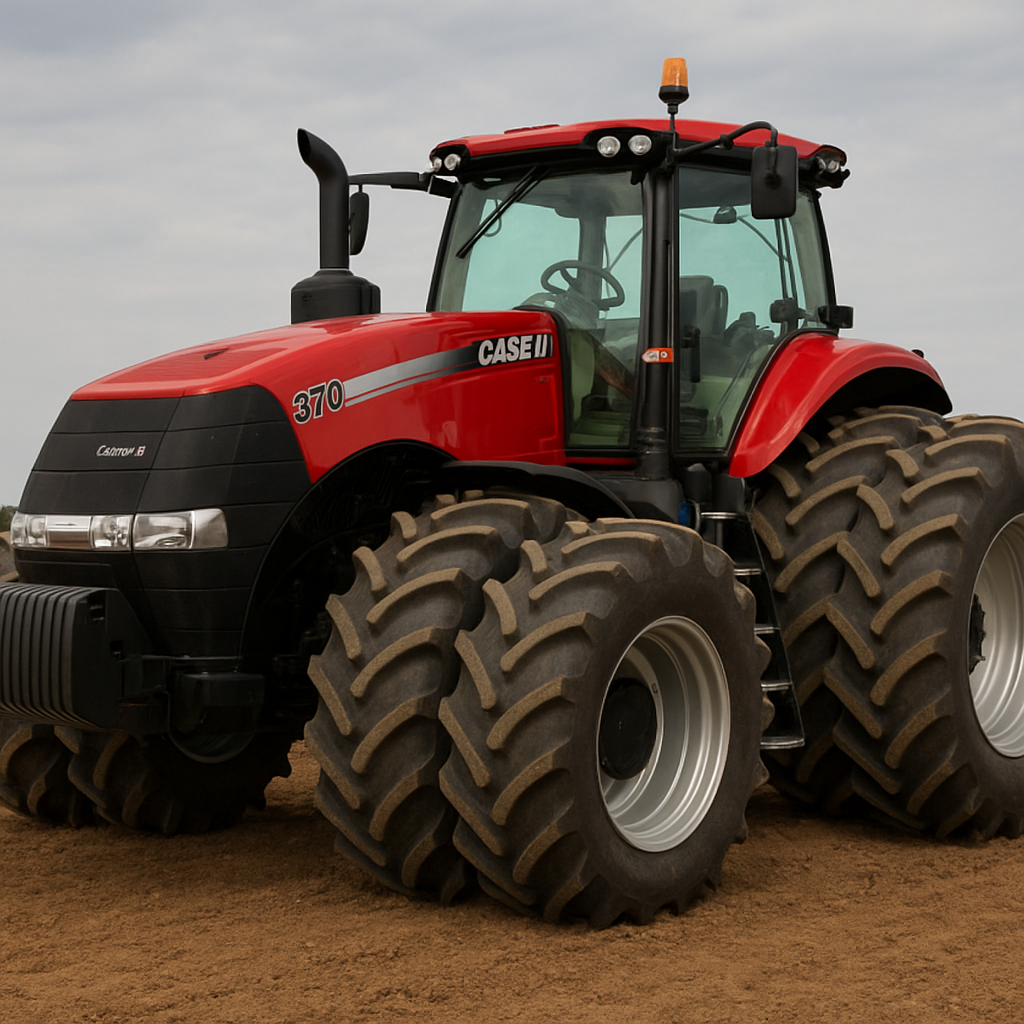
The Case IH Steiger 370 is a heavy-duty agricultural tractor engineered for high-power field work and demanding agricultural tasks. Designed to deliver robust traction, sustained power, and operator comfort for extended shifts, this model has been used worldwide where large-scale tillage, seeding and hauling operations are required. The following article explores the Steiger 370’s design, technical characteristics, typical applications, and practical considerations for ownership and operation.
Overview and historical context
The Steiger line has long represented Case IH’s portfolio of high-horsepower, four-wheel-drive tractors aimed at extensive row-crop production, deep tillage and custom farming operations. The Steiger 370 fits into this family as a dependable machine offering a balance of power and versatility. While the Steiger name originated from independent builders of large tractors, under Case IH the Steiger series evolved with modern engines, transmissions and operator-focused cab designs. The 370 model has been offered in various configurations and year-specific updates, so some features depend on model year and optional packages.
Design philosophy
The Steiger 370 is built around a few core principles: provide continuous, reliable power for heavy implements; maximize traction and flotation to transfer engine output to the field; and offer an operator environment that reduces fatigue on long workdays. The tractor’s chassis, driveline and hydraulic systems are scaled to match its rated output, and many units include features such as adjustable ballast, factory-installed guidance systems and options for tracks instead of conventional tires to reduce soil compaction.
Technical specifications and performance
Exact technical specifications for the Steiger 370 can vary by production year and optional equipment, but typical characteristics and performance figures are summarized below. Where values depend on configuration, ranges are provided.
- Engine: 6-cylinder diesel, turbocharged and intercooled. Displacement generally ranges from approximately 8.7 to 9.0 liters in many Steiger designs.
- Horsepower: Rated power is approximately 370 engine horsepower (HP) at the flywheel; marketed and model designation reflect this power class. Effective drawbar and PTO power are somewhat lower depending on conditions and drivetrain losses.
- Torque: Peak torque typically falls into a high range suitable for heavy draft work; torque management and engine maps provide strong low-RPM pulling capacity. Exact peak torque depends on engine variant and calibration.
- Transmission: Options commonly include power shift transmissions with multiple gears and ranges, often featuring creeper speeds and high road travel speeds up to ~40 km/h (depending on local regulations and gear ratios). Some models may offer advanced CVT-like solutions or electronically controlled power shifts.
- Drivetrain: Four-wheel drive (4WD) with heavy-duty axles. Track configurations (Quadtrac or similar) may be available for improved traction and flotation.
- PTO: Rear PTO standard, usually at 1000 rpm (implementation may vary), with robust drive train components to handle heavy PTO loads.
- Hydraulics: High-flow hydraulic systems configurable with multiple remotes; hydraulic flow rates typically suitable for large planters, air seeders, soil finishers and heavy implements — often in the range of 120–200 L/min depending on pump options.
- Lift capacity: Three-point hitch and rear linkage rated to lift very heavy implements; lift capacities are sized for large tillage tools and seeders.
- Fuel capacity: Large tanks to sustain long field shifts; typical capacities vary but can be in the several hundreds of liters range to reduce refueling stops.
- Weight: Operating weight is substantial to match traction needs; with ballast and optional weights the overall mass supports heavy draft operations while minimizing wheel slip.
The values above are representative. Because Case IH produced variations across years and regional specs, precise numbers (engine displacement, hydraulic flow, published torque figures) should be verified against the exact model year and factory configuration for purchase or technical service planning.
Typical applications and field roles
The Steiger 370 is intended for large-scale agricultural and contracting tasks where sustained, high-power performance is essential. Typical applications include:
- Tillage: Primary tillage with large moldboard plows, chisel plows and heavy disc harrows where deep soil penetration and consistent draft are required.
- Seeding and planting: Pulling wide planters and air seeders on heavier soils or across large acreages; the tractor’s hydraulic capacity and hitch lift allow operation of very large implements.
- Secondary tillage and finishing: Cultivator work, field restoration and bed preparation for high-yield operations.
- Haulage and transport: Heavy wagons, slurry tanks and large trailers on farms or between fields; high torque at low RPM provides efficient transport of heavy loads.
- Specialty and non-farm uses: Forestry mulching, road maintenance, and contractor tasks where a high-power wheeled or tracked tractor is preferred.
Because of its size and power, the Steiger 370 excels in operations that focus on productivity per hour rather than small-field maneuverability. Its best fit is often large, contiguous farms, contractors or cooperatives that can amortize the tractor’s capacity across many hectares.
Operator comfort, controls and technology
Long-duration use makes operator comfort and ergonomic controls a priority. Case IH has focused on cab design and integrated technologies to improve productivity and reduce operator fatigue.
- Cab environment: Spacious cab with sound insulation, climate control and adjustable seating. Visibility from the cab is optimized for implement monitoring and road travel.
- Controls: Ergonomic layouts for throttle, transmission and hydraulic controls. Many units include joystick or multi-function controls to manage loaders and remotes intuitively.
- Precision farming: Options such as GPS guidance, auto-steer, telematics and ISOBUS compatibility are commonly available. These systems reduce overlap, improve application accuracy and lower input costs.
- Monitoring and diagnostics: Onboard electronic systems provide engine, transmission and hydraulic diagnostics, warning indicators and data logging to support preventive maintenance and performance optimization.
Modernized Steiger 370 units (or those retrofitted with newer packages) can be integrated into farm management systems to collect field data and improve decision-making at the enterprise level.
Maintenance, operating costs and fuel economy
Owning and operating a Steiger 370 entails careful attention to maintenance and cost management. The complexity and scale of components mean scheduled service is essential for long-term reliability.
Maintenance considerations
- Regular engine servicing: oil and filter changes, turbocharger checks and fuel system maintenance.
- Transmission and final drives: periodic fluid and filter replacement according to hours and operating conditions.
- Hydraulic system: monitor fluid condition, replace filters and inspect hoses/valves for wear.
- Cooling system: keep radiators and intercoolers clean to prevent overheating in dusty or high-load conditions.
- Electronic systems: update software, address fault codes proactively and protect sensors from damage.
Fuel consumption and running costs
Fuel consumption for a 370 HP class tractor depends heavily on workload and ground conditions. Typical ranges under varied loads might be:
- Light-load road transport or light PTO work: lower consumption, potentially under 15–20 L/h.
- Moderate field work: commonly in the 20–30 L/h band.
- Heavy draft or high PTO loads: 30–40+ L/h, depending on soil conditions, implement size and traction efficiency.
Operators manage fuel usage by optimizing implement size, reducing wheel slip, using the most efficient engine RPM and employing precision guidance to minimize rework. Insurance, tires/tracks, replacement parts and scheduled servicing are additional cost centers to budget for.
Variants, options and aftermarket adaptation
Case IH offered the Steiger range with multiple options to tailor machines for specific uses. Common upgrades and variants include:
- Track systems (Quadtrac or similar) for improved flotation and reduced soil compaction on wet soils or when pulling very heavy implements.
- Different axle and tire configurations to balance traction and soil impact.
- Higher-capacity hydraulic pumps and remote valves for implements requiring significant hydraulic flow.
- Factory-installed or dealer-upgraded precision-ag packages, including guidance, section control and telematics.
- Front and rear ballast kits, front hitch options, and heavy-duty front axles for specialized attachments.
Aftermarket vendors and specialized dealers also provide conversion kits, software upgrades and remanufactured components that can extend the service life of a Steiger 370 and adapt it for niche tasks.
Economic considerations and resale
Purchase price, depreciation and resale are important for buyers. New high-horsepower tractors represent a significant investment; financing, tax incentives and cooperative ownership models are common approaches to spread capital costs.
- New purchase price: varies widely by year and region, and by options chosen. Historically, a new tractor in the 350–400 HP class could range from the mid-six-figure dollar range upward depending on specifications and attachments.
- Used market: well-maintained used units often hold value if hours are reasonable and service records exist. Prices depend on hours, condition, and whether major components (transmission, engine, final drives) have been rebuilt.
- Operational return on investment: calculated by matching tractor capability to farm scale — over- or under-sizing reduces economic efficiency. The Steiger 370 tends to be most cost-effective on large acreages where its hourly capacity reduces total field time.
Safety, environmental and regulatory aspects
Operating a high-power tractor requires adherence to safety protocols and awareness of emissions and noise regulations that may vary regionally.
- Rollover protection, seat belts and safe hitching practices are essential to reduce operator risk.
- Modern engines comply with emissions standards through EGR, SCR or DPF systems depending on model year — owners must maintain aftertreatment systems to remain compliant.
- Noise and vibration controls improve operator health, but hearing protection is recommended in older or heavily loaded machines.
Comparisons and market position
The Steiger 370 competes with similar high-horsepower tractors from other manufacturers. Its strengths typically include robust build quality, a wide range of factory options, and integration with Case IH precision agriculture systems. When comparing models, buyers evaluate:
- Fuel efficiency and torque characteristics
- Transmission choice and drivability
- Cab comfort and control ergonomics
- Service network and availability of parts
- Total cost of ownership over expected life
For many operators, brand preference, local dealer support and access to parts and service weigh as heavily as raw performance numbers.
Practical tips for prospective owners
If you are considering purchasing a Steiger 370, whether new or used, the following recommendations can help ensure a satisfactory ownership experience:
- Verify model year-specific specifications and confirm whether the unit has factory-installed options that affect performance (e.g., high-capacity hydraulics, guidance systems).
- Review detailed service and maintenance records for used machines; confirm hours and inquire about major overhauls.
- Inspect undercarriage components, final drives and hydraulic lines for wear or leaks.
- Check that electronic systems and software are up to date or can be updated to current standards for precision ag compatibility.
- Match implement size to tractor capability to maximize fuel efficiency and reduce implement stress.
- Consider training for operators on advanced transmission, PTO and guidance features to fully utilize the tractor’s efficiency potential.
Conclusion
The Case IH Steiger 370 is a heavyweight performer in the class of large agricultural tractors. Its blend of sustained power, robust driveline components and operator-focused features make it suitable for large-scale tillage, seeding and contracting work. While specific technical numbers vary by model year and options, the Steiger 370 generally offers roughly 370 HP of engine output, heavy-duty 4WD or track options, large hydraulic capacity and a cab designed for prolonged comfort. Proper maintenance, smart matching of implements and utilization of precision farming technologies will maximize productivity and reduce operating costs. For farms and contractors that need a workhorse capable of moving large implements efficiently across many hectares, the Steiger 370 remains a compelling choice.