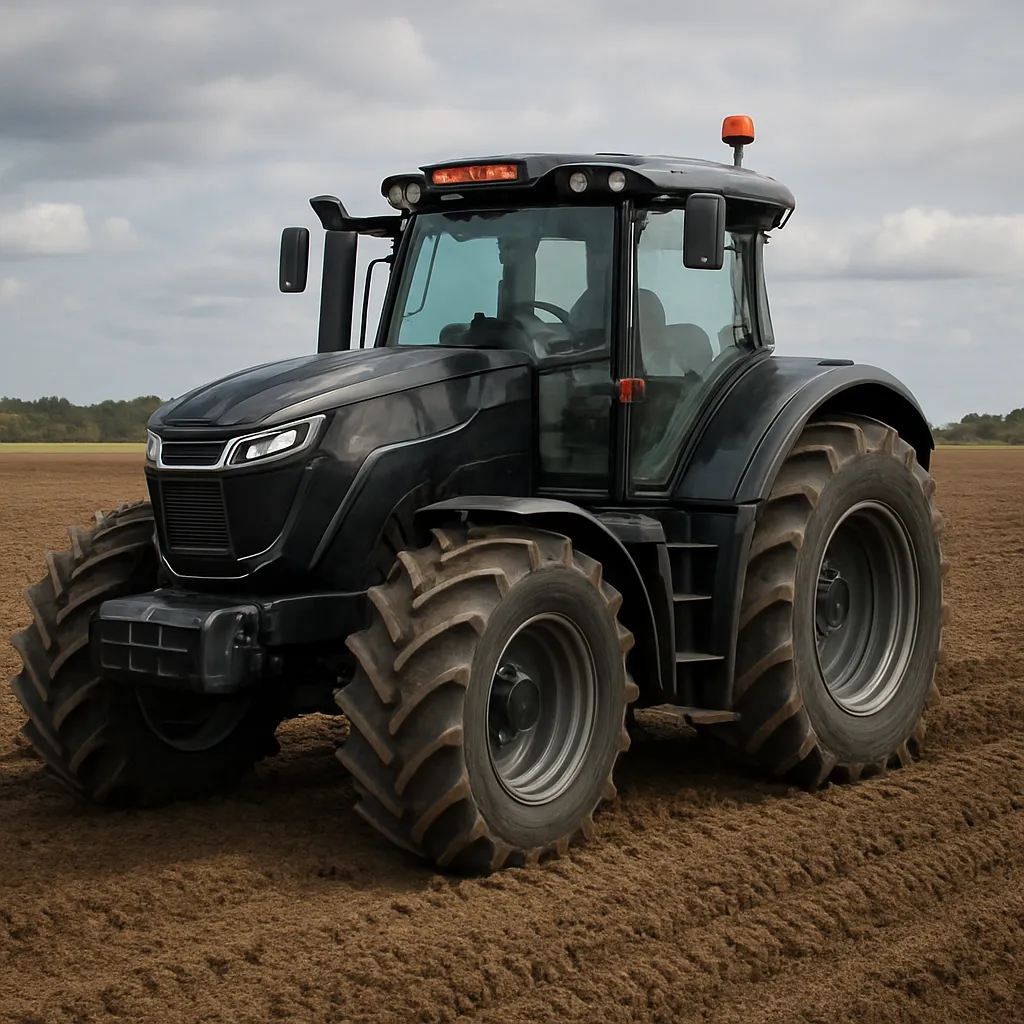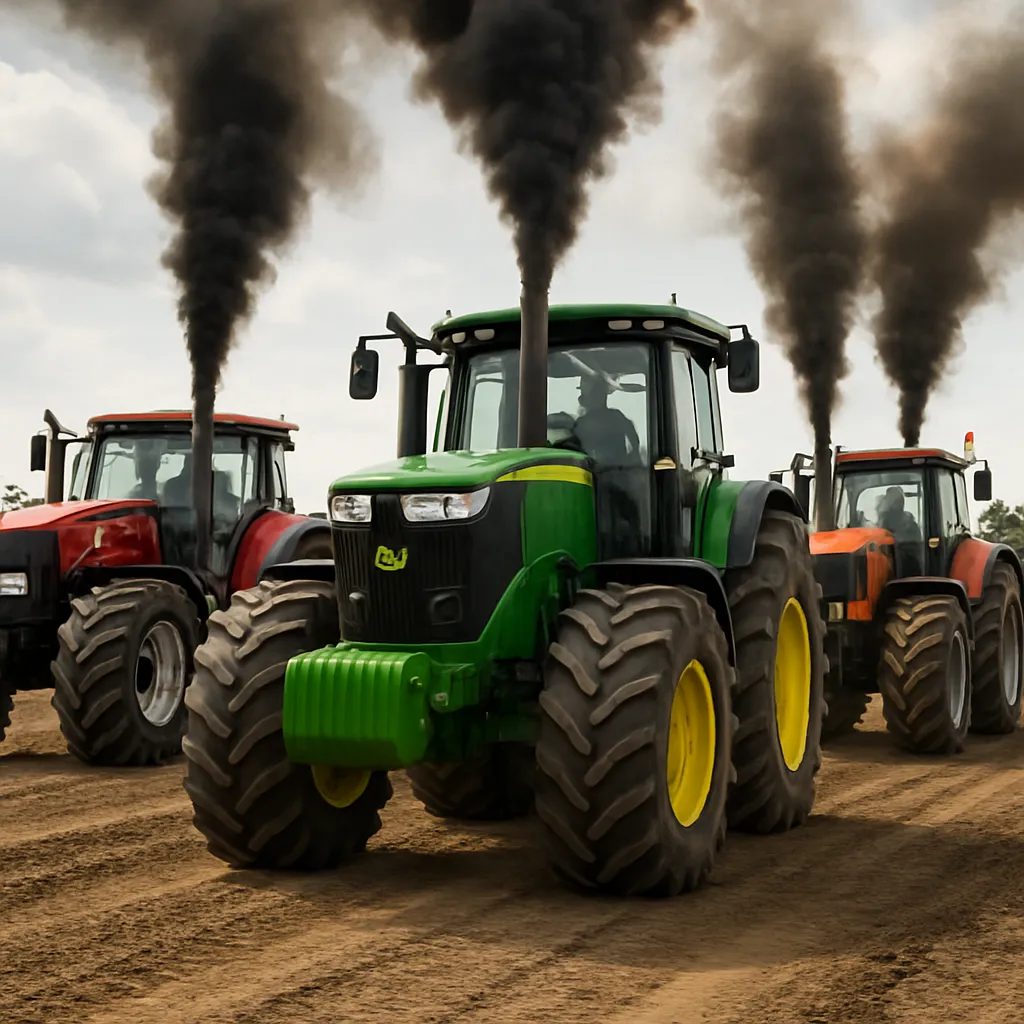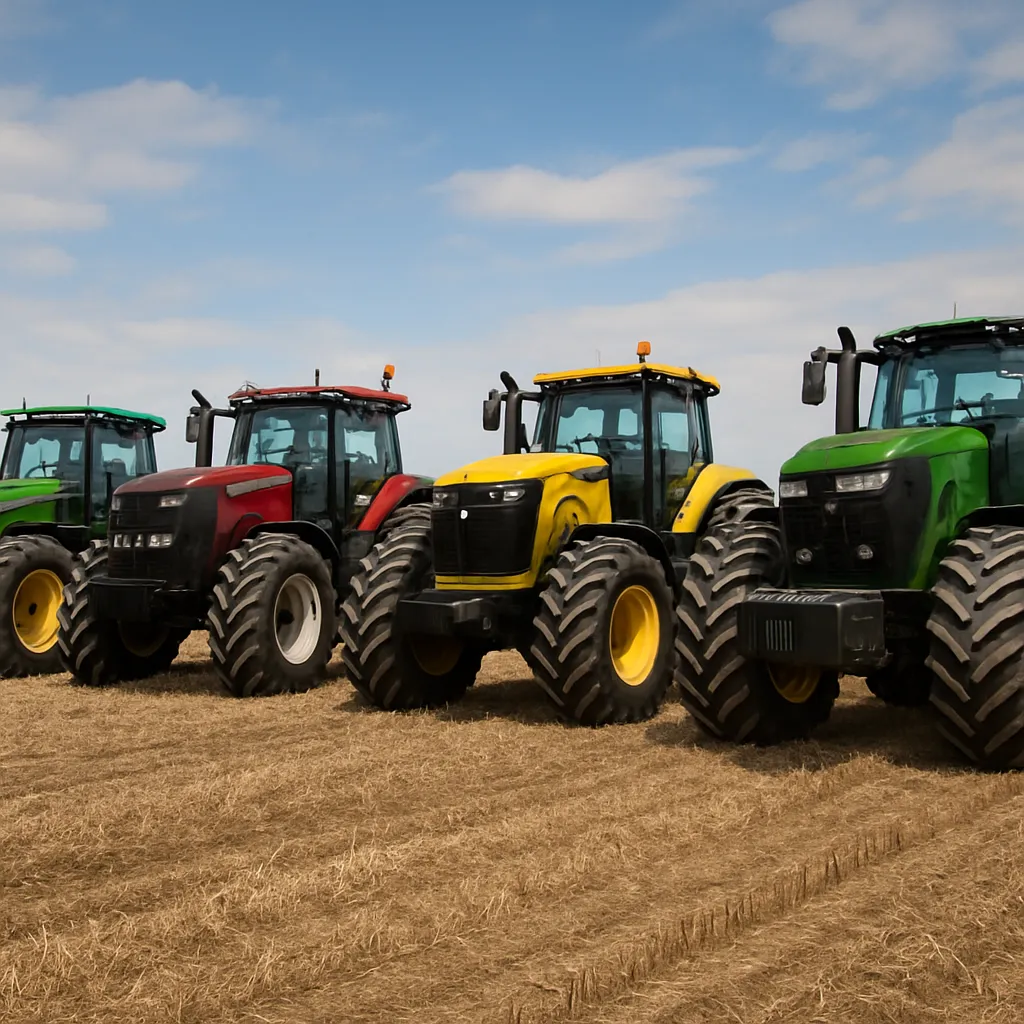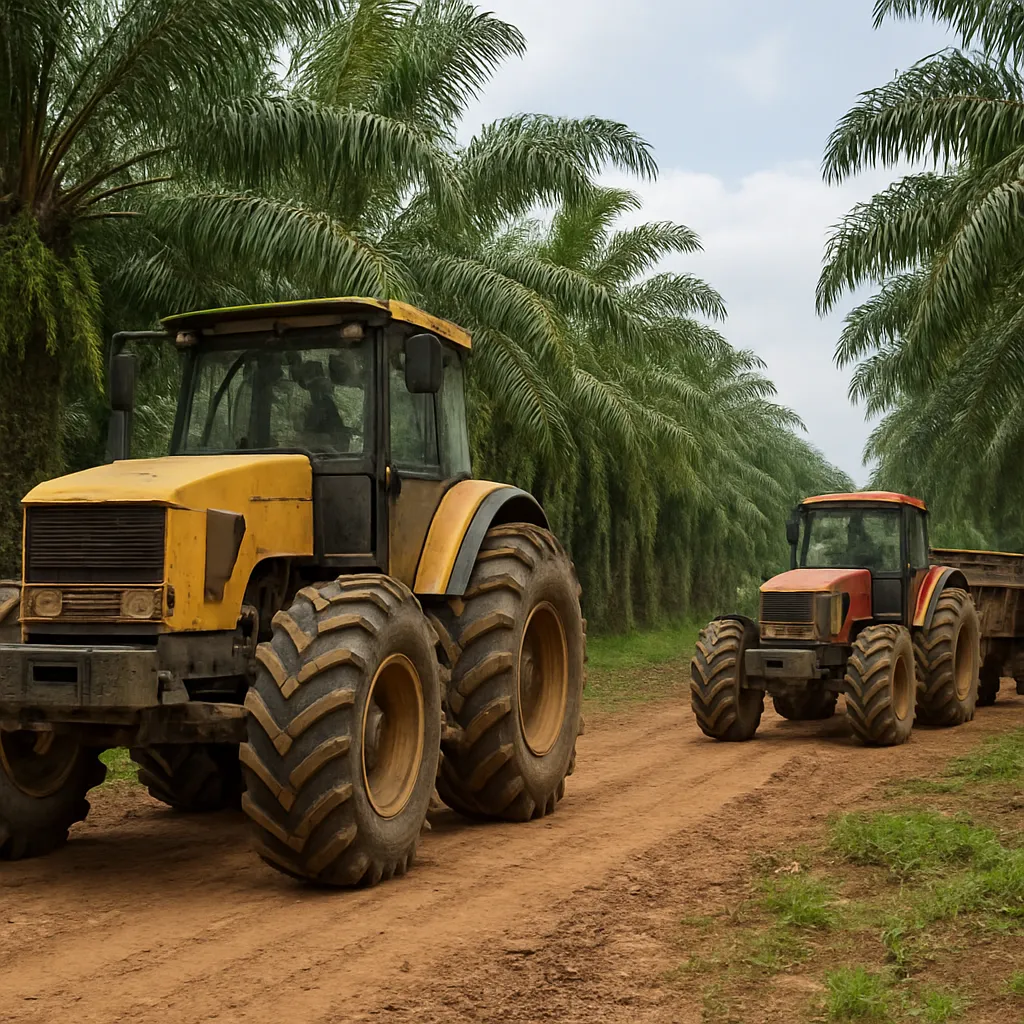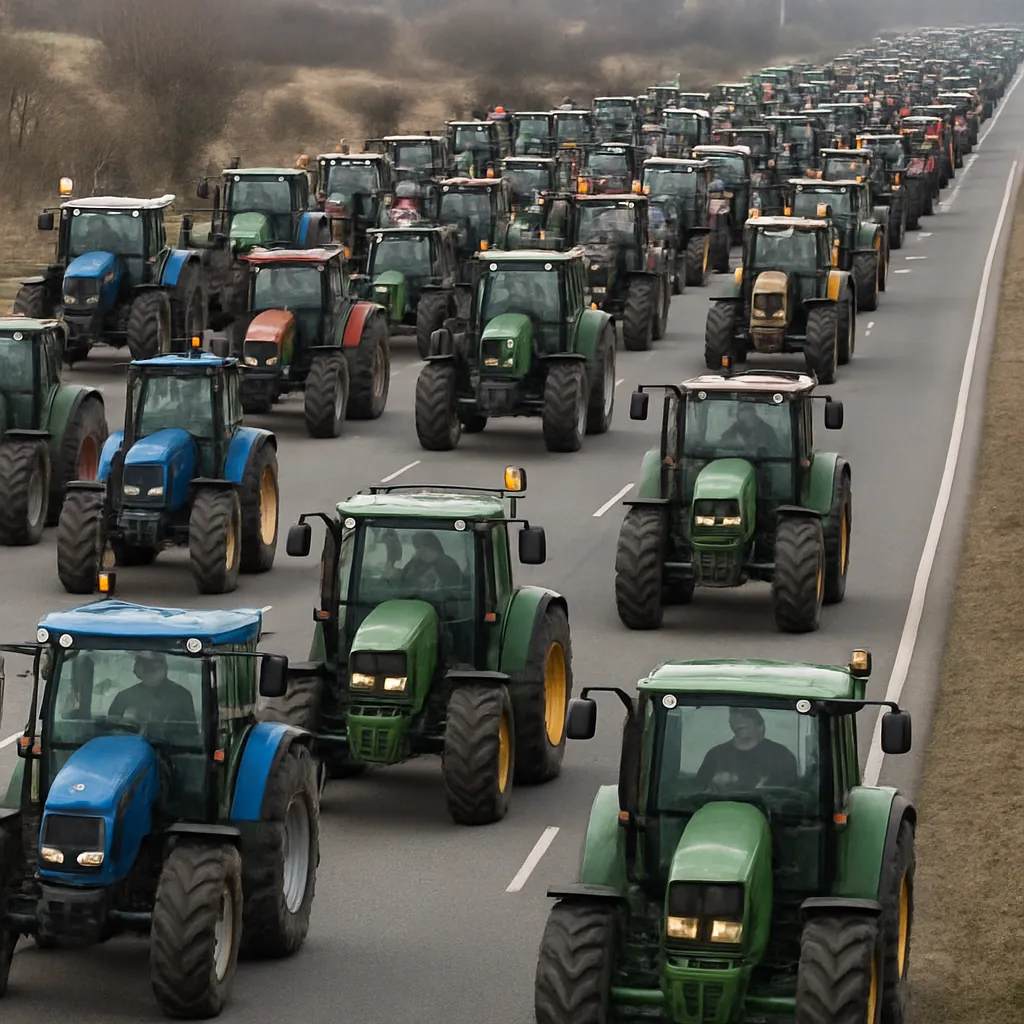
When it comes to modern farming, the pursuit of productivity hinges on selecting the right machinery. For many agricultural operations, large tractors form the backbone of fieldwork, tackling everything from deep tillage to heavy hauling. Farmers across the globe rely on industry-leading manufacturers to deliver robust equipment that balances power, comfort, and cutting-edge features. This article explores the largest mainstream tractors, examines key brands and models, highlights top technology trends, and considers future paths toward sustainability.
Leading Tractor Manufacturers and Flagship Models
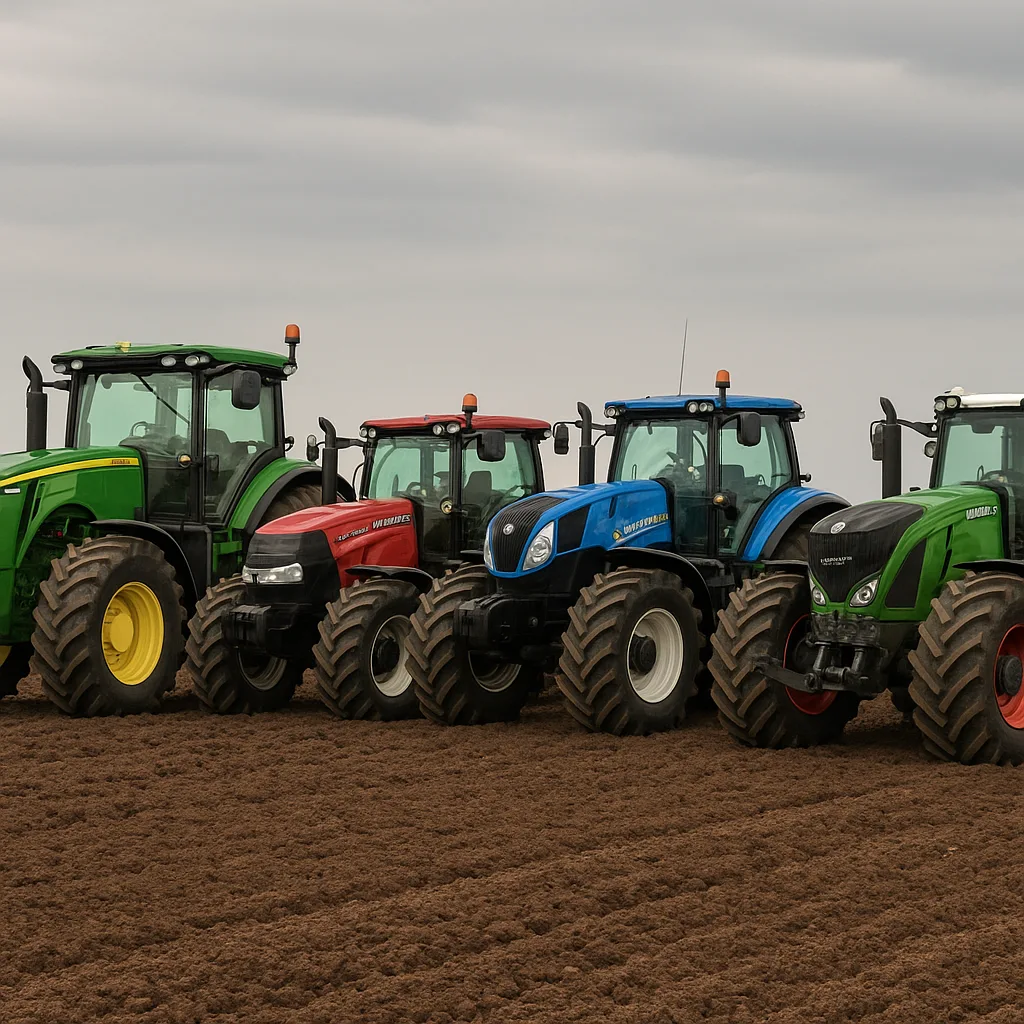
A handful of global companies dominate the market for high-horsepower machines. While each brand offers a diverse lineup, the following have earned reputations for delivering exceptional performance and reliability at the top end of the spectrum.
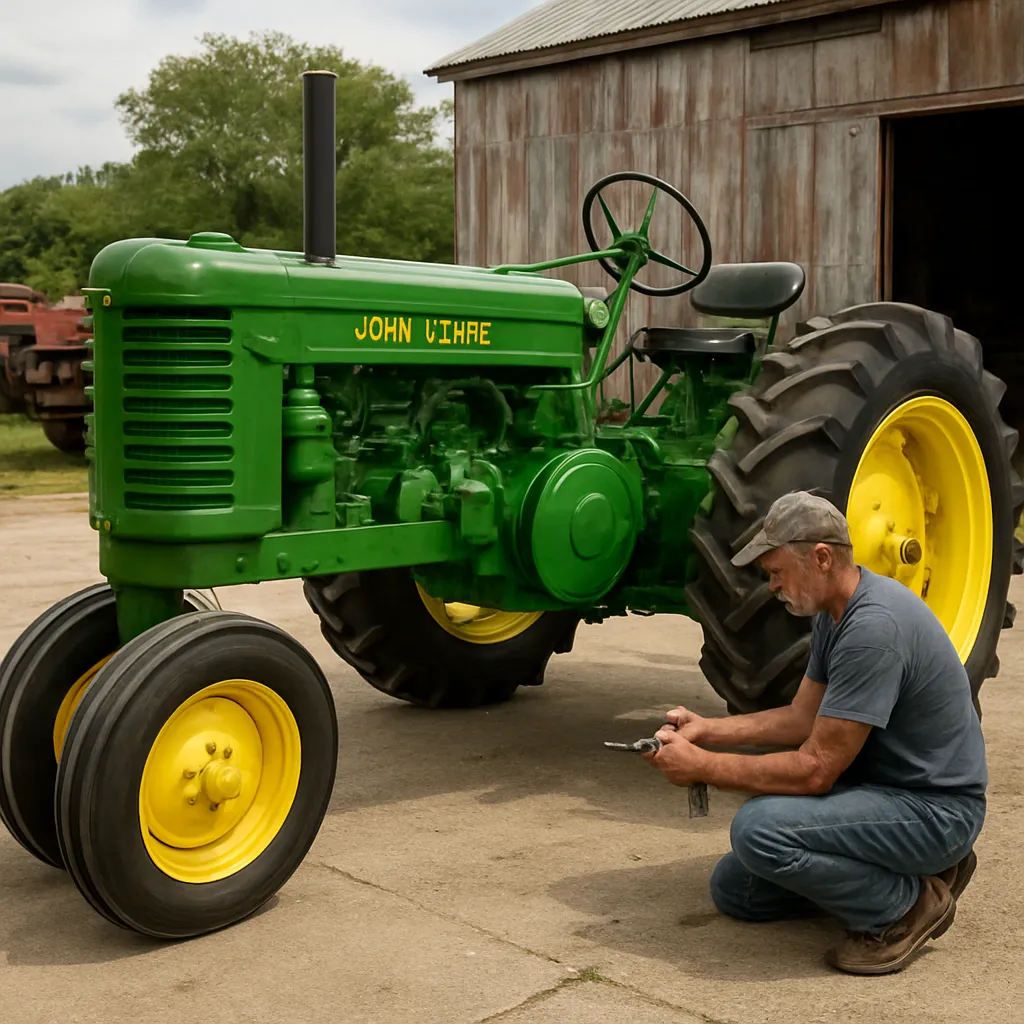
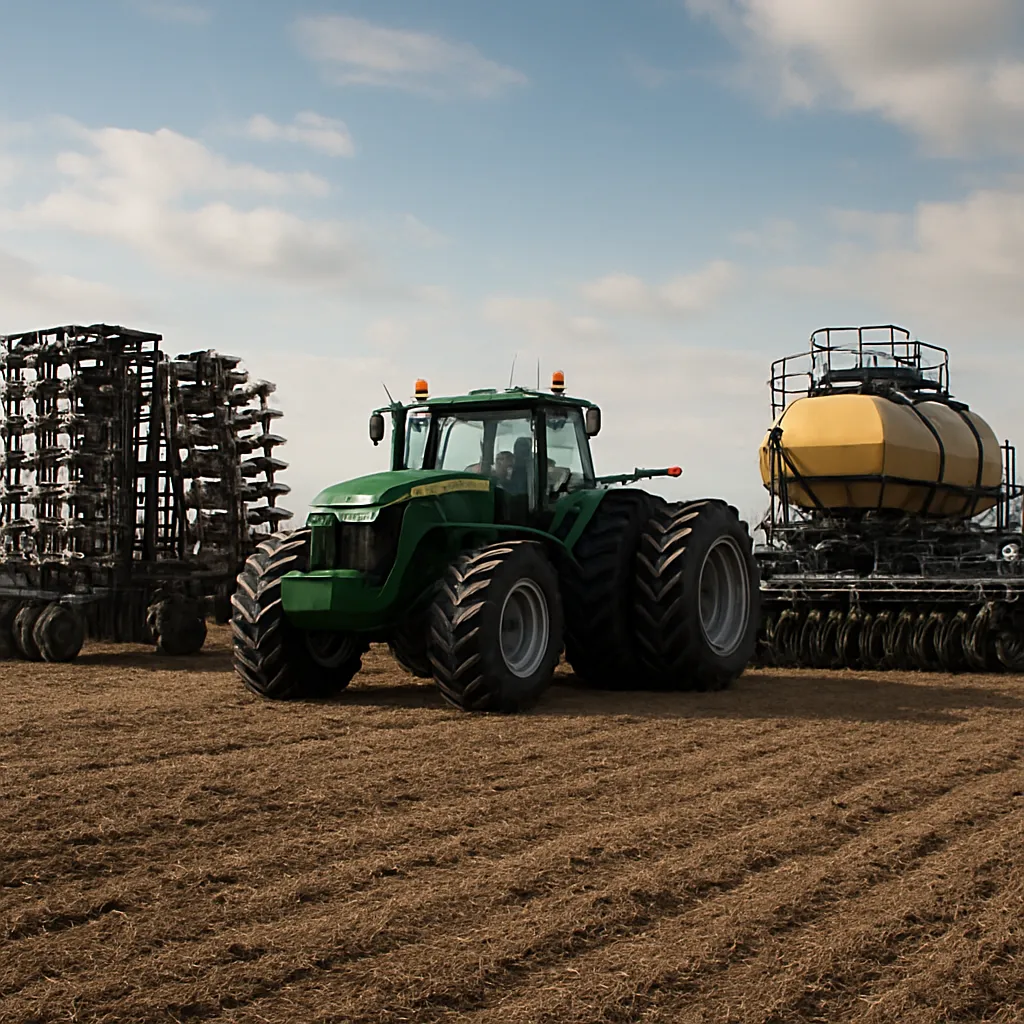
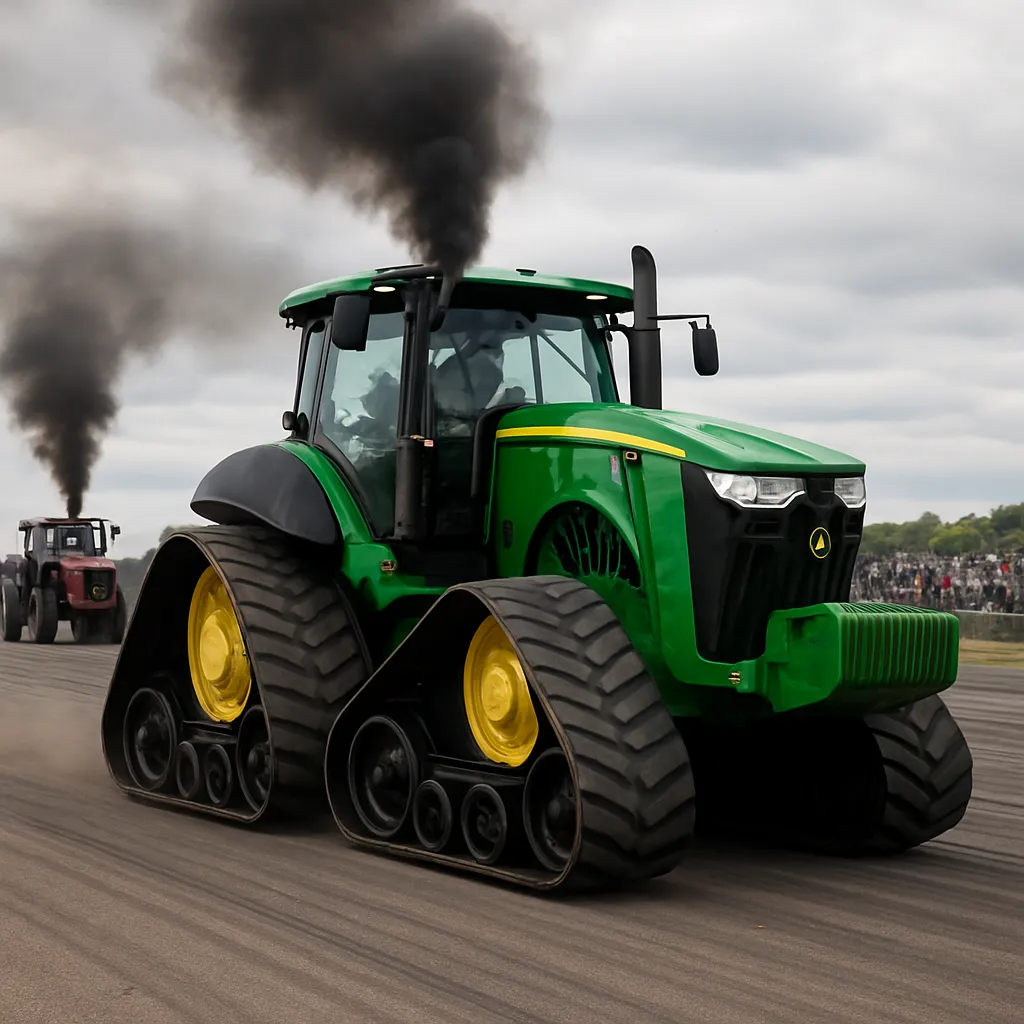
- John Deere – Their 9R Series reaches up to 620 horsepower, featuring integrated Precision Ag systems and ActiveCommand steering. Famously known for its green-and-yellow color scheme, John Deere combines durability with intuitive user interfaces.
- Case IH – The Steiger and Quadtrac Series push boundaries with 660 hp on the largest variants. Quadtrac models boast four independent tracks, reducing soil compaction and improving traction in tough conditions.
- New Holland – The T9 Series offers tracked and wheeled versions topping out at 625 hp. A standout feature is the Terralock system, which automatically adjusts power distribution for optimal ground contact.
- Massey Ferguson – Part of the AGCO family, the 8700 S Series climbs to 480 hp. While not the absolute largest, these tractors are prized for their balance of size, comfort, and fuel economy.
- Fendt – Known for German engineering, the 1000 Vario Series introduces 517 to 581 hp in a model range celebrated for seamless Vario stepless transmission and advanced cab ergonomics.
Technological Innovations Driving Efficiency
As global food demand grows, farmers seek machines that do more with less. Modern large tractors integrate advanced systems that optimize every acre, every gallon of fuel, and every operator hour. Two major areas stand out:
Precision Agriculture Tools
- Auto-Guidance Systems – Satellite-based steering reduces overlap by up to 90%, lowering input costs and fatigue.
- Variable Rate Application – On-the-go adjustment of seeding rates, fertilizers, and chemicals ensures inputs match soil variability.
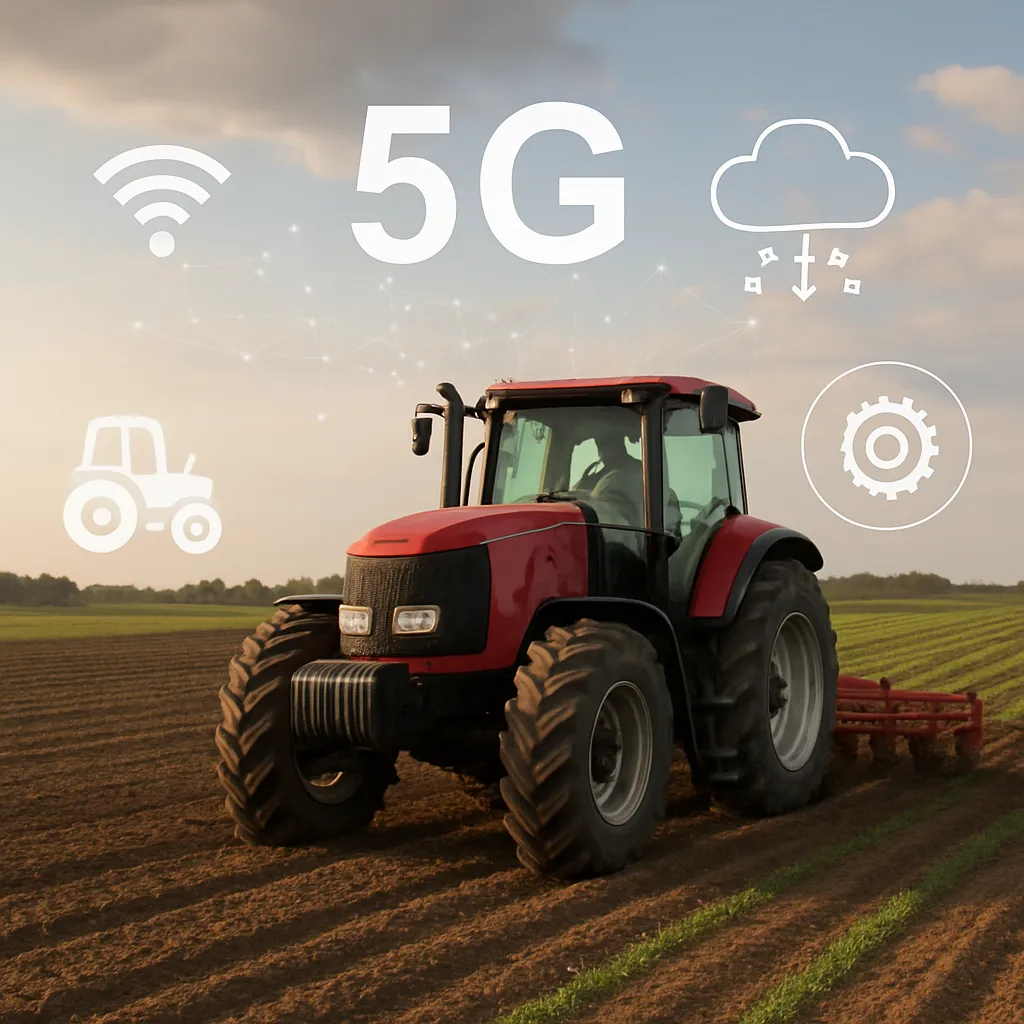
- Telematics and Data Analytics – Real-time dashboards track fuel usage, engine load, and maintenance alerts, enabling data-driven decisions.
Automation and Connectivity
- Implement Control – ISOBUS compatibility allows seamless communication between tractor and a wide variety of implements.
- Remote Monitoring – Fleet managers can supervise operations from a distance, scheduling service and managing logistics with minimal downtime.
- Future Vision: Autonomous Tractors – Prototype models demonstrate fully self-driving capability, potentially revolutionizing labor dynamics in large-scale farms.
Comparing Horsepower and Performance Metrics
Selecting a large tractor often begins with the horsepower rating, but true capability involves multiple interconnected factors:
Engine Power and Torque
- Maximum vs. Rated Power – Turbocharged engines can deliver peak power for short boosts, while continuous rated power indicates sustained performance under load.
- Torque Curve – A flatter curve means more pulling strength at lower RPM, crucial for heavy soil-engaging tasks.
Traction and Weight Distribution
- Wheels vs. Tracks – Wheeled tractors excel on road travel and maneuverability, while tracked machines offer superior traction and reduced soil compaction.
- Ballast Systems – Adjustable ballast allows operators to fine-tune weight for balancing traction with soil preservation.
Hydraulics and PTO Output
- Hydraulic Flow – High-flow systems power demanding implements such as planters, sprayers, and loaders.
- PTO (Power Take-Off) – Measured in rpm and torque, PTO capacity dictates which attachments can be driven efficiently by the tractor.
Sustainability Efforts and Future Outlook
Environmental pressures and rising fuel costs push manufacturers to rethink tractor design. Beyond pure performance, farmers now weigh the ecological footprint of their machinery. Key developments include:
- Hybrid Drives – Combining diesel engines with electric motors cuts fuel consumption by up to 20%, while enabling energy recapture during deceleration.
- Alternative Fuels – Trials with HVO (Hydrotreated Vegetable Oil), biodiesel blends, and compressed natural gas aim to lower greenhouse gas emissions.
- Lifecycle Management – Producers implement remanufacturing programs, refurbishing core components to extend service life and reduce waste.
Looking ahead, large tractors will continue evolving through material innovations that lighten weight without compromising strength, advanced AI for fully autonomous operations, and tighter integration with farm management software. Ultimately, these innovations will allow farmers to feed a growing population while maintaining soil health, lowering carbon footprints, and safeguarding profitability.