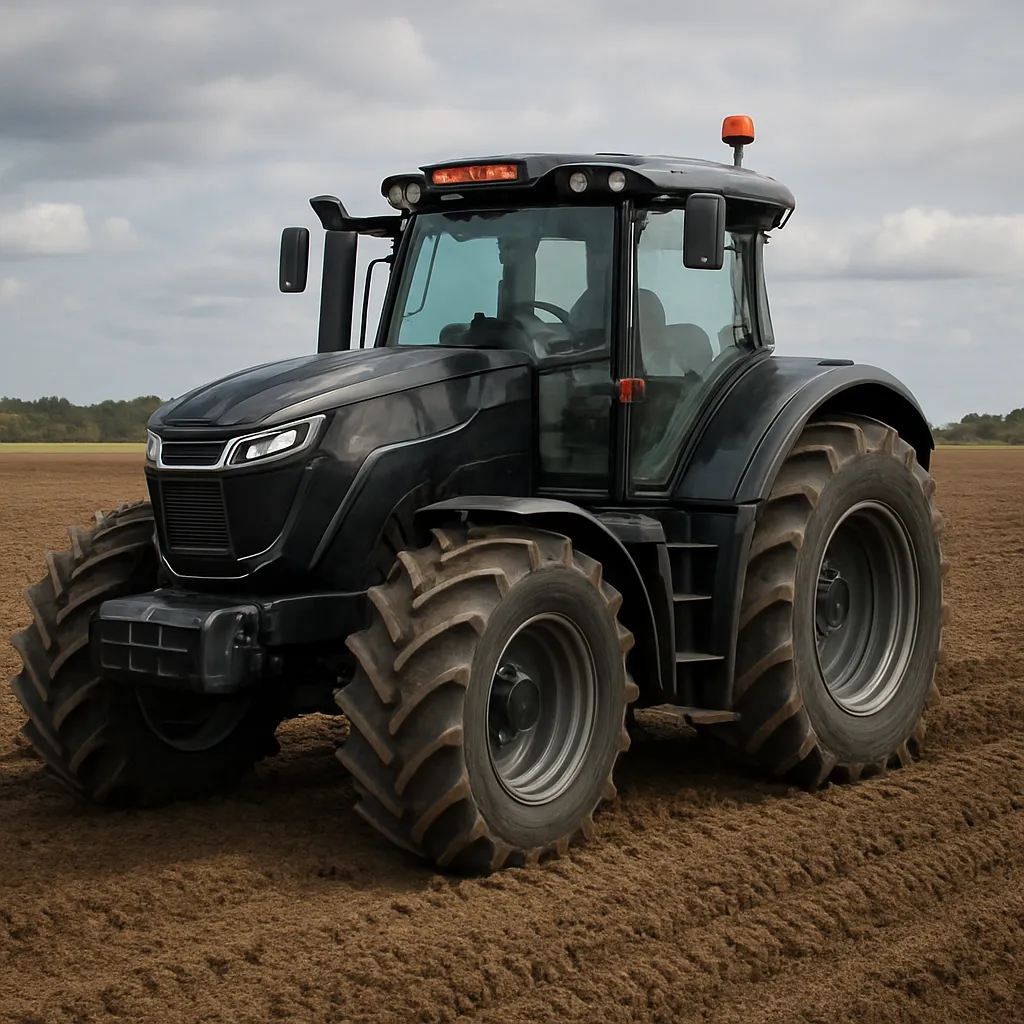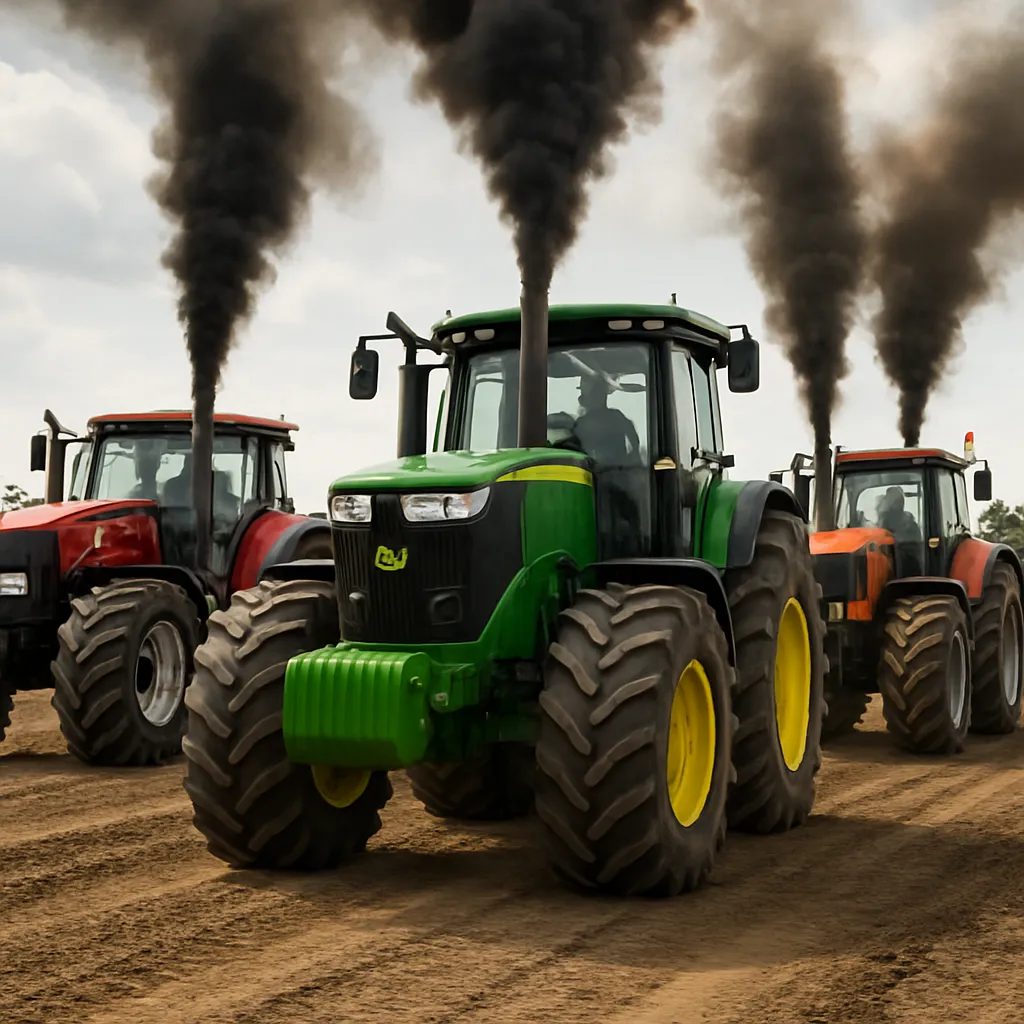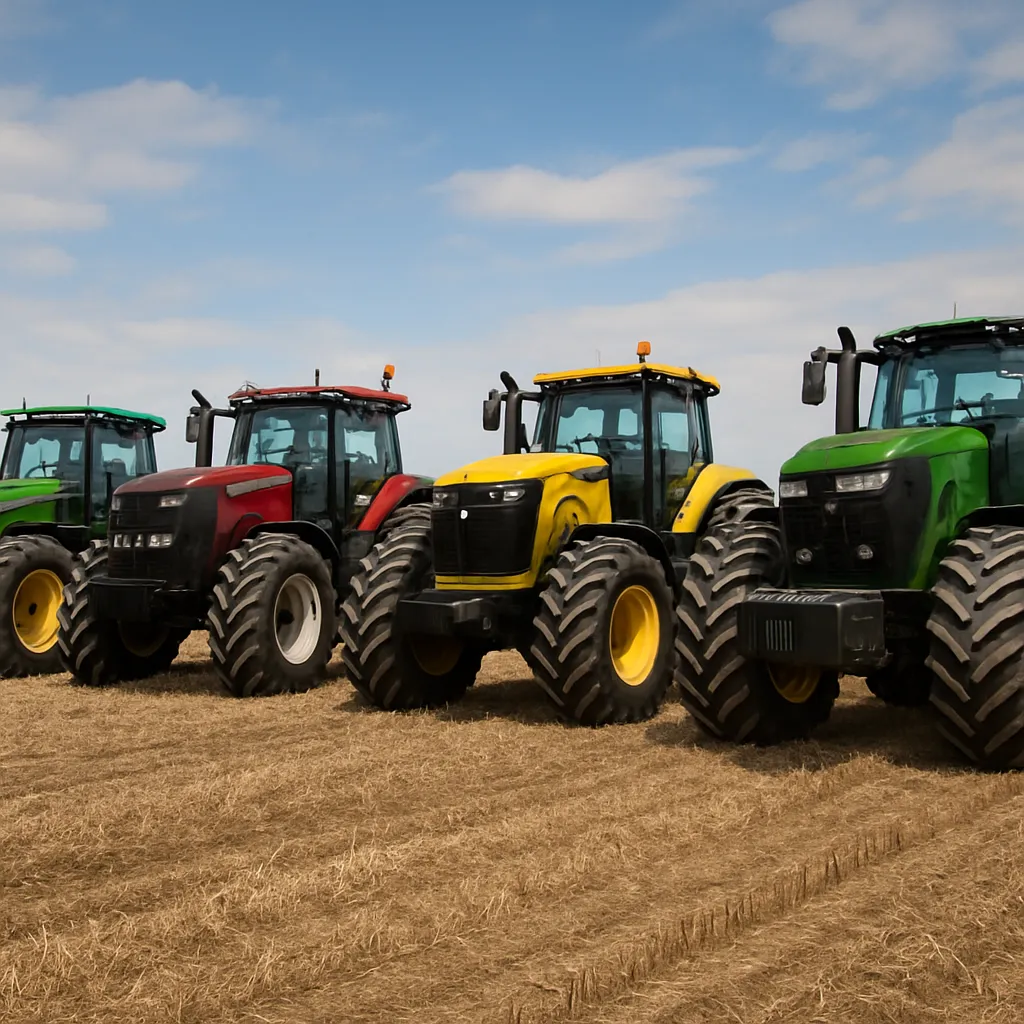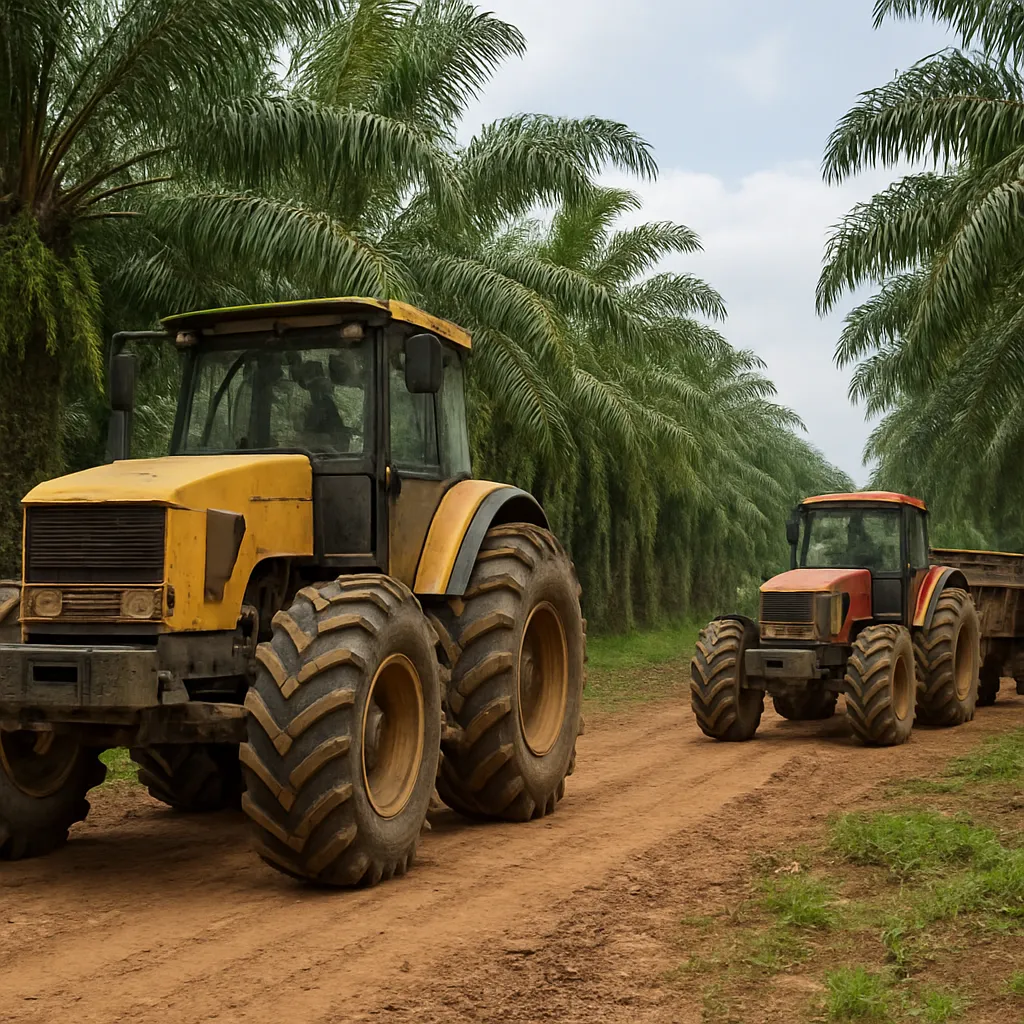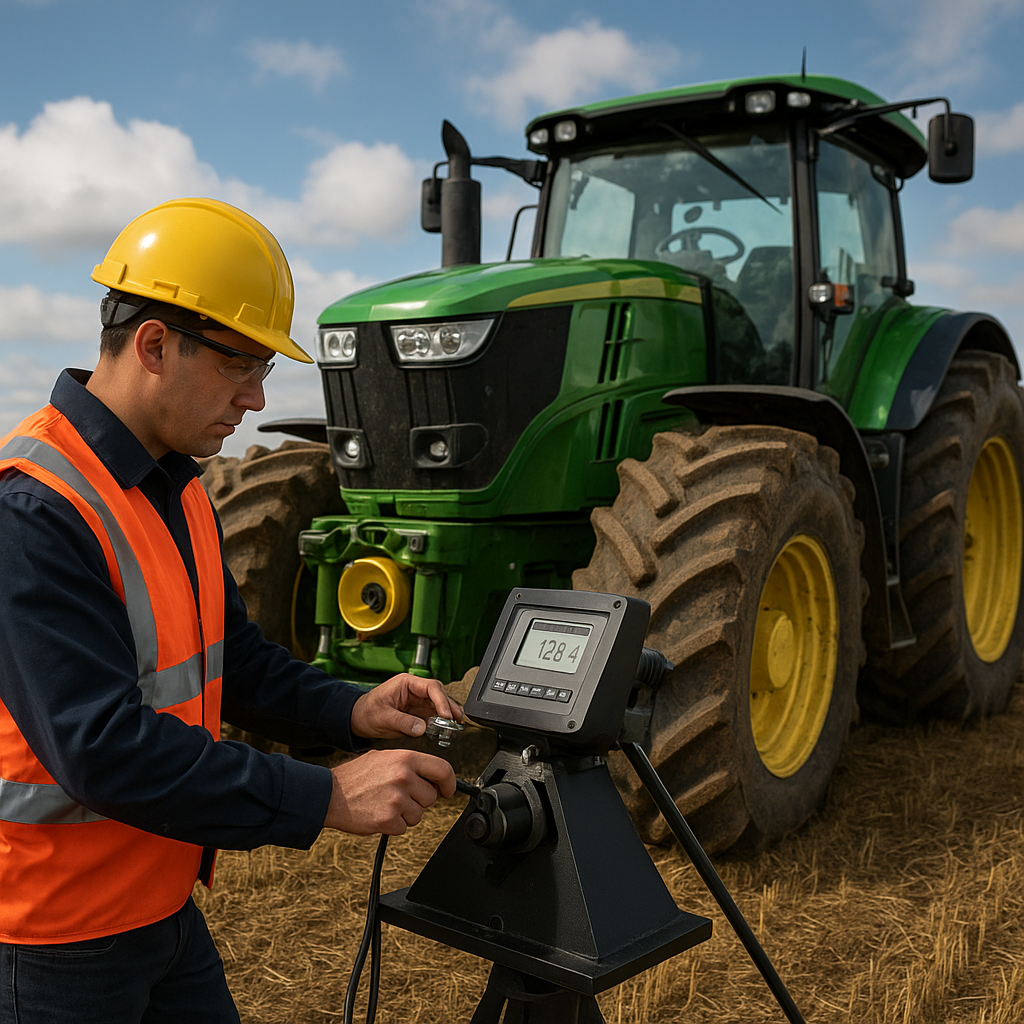
This article explores the domain of the world’s most powerful agricultural machines, focusing on their immense torque, revolutionary designs, and real-world applications. From early heavy-duty prototypes to today’s multi-axle giants, these tractors showcase cutting-edge engineering. We will examine the factors that drive their evolution, uncover the technologies used for precise torque measurement, and highlight how these mega-machines transform large-scale farming and industrial operations.
The Evolution of Mega Tractors
The journey from compact field tractors to the current category of ultra-large units spans nearly a century. Early mechanical plows relied on steam engines, offering rudimentary power and limited traction. By the mid-20th century, diesel engines replaced steam, delivering higher efficiency and greater pulling capacity. In modern developments, agricultural giants are measured not just by engine output in horsepower but by the massive torque they can deliver at low RPMs, ensuring soil penetration and stable heavy-load performance.
Key Milestones in Size and Power
- 1920s: First prototypes of steam-powered tractors, exceeding 50 kW.
- 1950s: Introduction of diesel engines surpassing 200 horsepower, marked improvement in fuel efficiency.
- 1970s–1980s: Emergence of four-wheel drive systems, doubling pulling capacity.
- 2000s: Quad-track designs and articulated frames that support over 600 horsepower.
- 2010s–Present: Modular platforms capable of over 1,000 horsepower and torque figures above 5,000 Nm.
During this timeline, manufacturers have focused on enhancing transmission robustness, advanced hydraulics, and electronic controls. Independent track systems have given way to full articulation joints, improving maneuverability despite the machines’ imposing mass. Developments in materials science—such as high-strength alloys—have also reduced overall weight while boosting structural rigidity.
Measuring Torque in the Titans
Assessing the torque output of mega-tractors is critical for both design validation and on-site performance analysis. Unlike smaller tractors where torque can be estimated from engine curves, these behemoths require precise instrumentation to capture dynamic load variations under field conditions.
Advanced Sensing Technologies
- Strain Gauge Torque Transducers: Mounted on drive shafts to record torsional deflection in real time.
- Optical Encoders: Track rotational speed and angle, synchronized with strain data for accurate torque calculations.
- Wireless Data Acquisition Systems: Transmit high-frequency measurements from moving components without cumbersome cables.
- On-board ECU Integration: Central processing units that correlate sensor inputs, apply calibration matrices, and log results for later analysis.
Manufacturers often conduct bench tests on dynamometers, applying variable loads to the tractor’s output shaft. Such tests can reveal the engine’s torque curve, but true field performance demands in-situ measurements. Here, soil resistance, implement drag, and changing gradients introduce complex forces. Wireless modules paired with GPS allow engineers to map torque output against terrain profiles, enabling data-driven adjustments to engine tuning and gear ratios.
Calibration and Validation
Accurate torque measurement depends on meticulous calibration procedures. A typical workflow involves zero-offset calibration under no load, followed by step-wise application of known torques using calibration rigs. Engineers then derive correction factors to account for temperature drift, sensor nonlinearity, and mechanical backlash. In heavy-duty testing labs, environmental chambers simulate extreme conditions—sub-zero cold or desert heat—to ensure that torque readings remain stable across operating envelopes.
Applications and Operational Impact
Ultra-powerful tractors have redefined large-scale agriculture, mining, and earthmoving. Their ability to handle multi-ton implements at consistent speeds enhances planting efficiency, soil conservation, and yield optimization. Beyond farming, contractors rely on these machines for tasks such as land leveling, road construction, and freight hauling.
Precision Farming Integration
- Variable Rate Technology (VRT): Automated modulation of seeding and fertilizer rates based on real-time torque and traction data.
- Autonomous Guidance Systems: GPS-enabled path planning that ensures straight rows and optimal field coverage.
- Telematics Platforms: Remote monitoring of engine health, torque curves, and fuel consumption, allowing fleet managers to optimize efficiency and uptime.
By correlating torque draw with soil compaction metrics, agronomists can make informed decisions on tillage depth and sequence. Reducing unnecessary passes over fields preserves soil structure, minimizes erosion, and lowers operational costs. In regions prone to wet conditions, consistent torque delivery at low ground pressure prevents equipment bogging and crop damage.
Future Trends and Innovations
The next generation of mega-tractors will likely feature hybrid powertrains, combining diesel engines with electric motors to provide instantaneous torque boosts and regenerative braking. Such hybrid systems promise enhanced fuel economy and reduced emissions. Solid-state torque sensors—based on microelectromechanical systems (MEMS)—are under development, offering higher accuracy and resilience against harsh vibrations.
Moreover, artificial intelligence algorithms that analyze torque and traction patterns in real time will enable predictive maintenance. By detecting anomalies in torque response curves, onboard systems can schedule servicing before critical failures occur, ensuring maximum reliability. Cloud-based analytics will empower equipment manufacturers and end users to benchmark performance across diverse geographies and crop types.
The Engineering Behind Unparalleled Performance
Under the hood of a mega-tractor lies a complex network of subsystems engineered for durability and power. High-pressure common-rail injection systems deliver precise fuel metering, while variable geometry turbochargers adapt to changing load requirements. The latest transmissions employ continuously variable architectures (CVT), enabling seamless shifts under full torque load. Advanced cooling circuits manage thermal loads from both the engine and hydraulic pumps, maintaining optimal operating temperatures even during prolonged heavy-duty use.
Each component contributes to the tractor’s ability to convert engine torque into effective drawbar pull. Reinforced axles, planetary gear hubs, and multi-plate clutches distribute torque across multiple axles or tracks, preventing undue stress on any single point. Engineers use finite element analysis (FEA) to iterate on chassis design, ensuring that torsional rigidity and bending stiffness meet exacting performance standards without excessive weight penalties.
Materials and Manufacturing
Modern mega-tractors benefit from the use of high-strength, low-alloy steels and advanced polymer composites. Critical load-bearing parts are often forged or precision cast, then heat-treated for maximum toughness. Robotic welding and automated assembly lines guarantee consistent build quality, reducing the risk of variances that could compromise structural integrity under extreme torque loads.
As production scales, economies of scale drive innovations in manufacturing efficiency. Additive manufacturing (3D printing) is finding applications in prototyping internal components, such as custom manifolds and sensor housings, enabling rapid design iterations without the cost and lead time of traditional tooling.
Sustainability and Environmental Considerations
Despite their size, mega-tractors are increasingly eco-friendly. Engine designs now meet stringent emissions standards through the use of selective catalytic reduction (SCR) and diesel particulate filters (DPF). Hybrid drivetrains and potential future incorporation of hydrogen fuel cells promise further reductions in greenhouse gas output. Precision torque measurement plays an indirect role here: by optimizing power delivery and minimizing wasted energy, these machines reduce fuel burn and lower carbon footprints in large-scale operations.
Furthermore, tire engineering has advanced to include low-compaction radial designs that distribute weight more evenly, reducing soil disturbance and preserving moisture. Track attachments offer even greater ground contact area, enhancing flotation in soft terrains without increasing engine load.
Overall, the marriage of immense mechanical power and data-driven torque management is setting a new standard in agricultural productivity and sustainability. The giants of the tractor world continue to evolve, pushing the boundaries of what heavy machinery can achieve while keeping a keen eye on environmental stewardship.