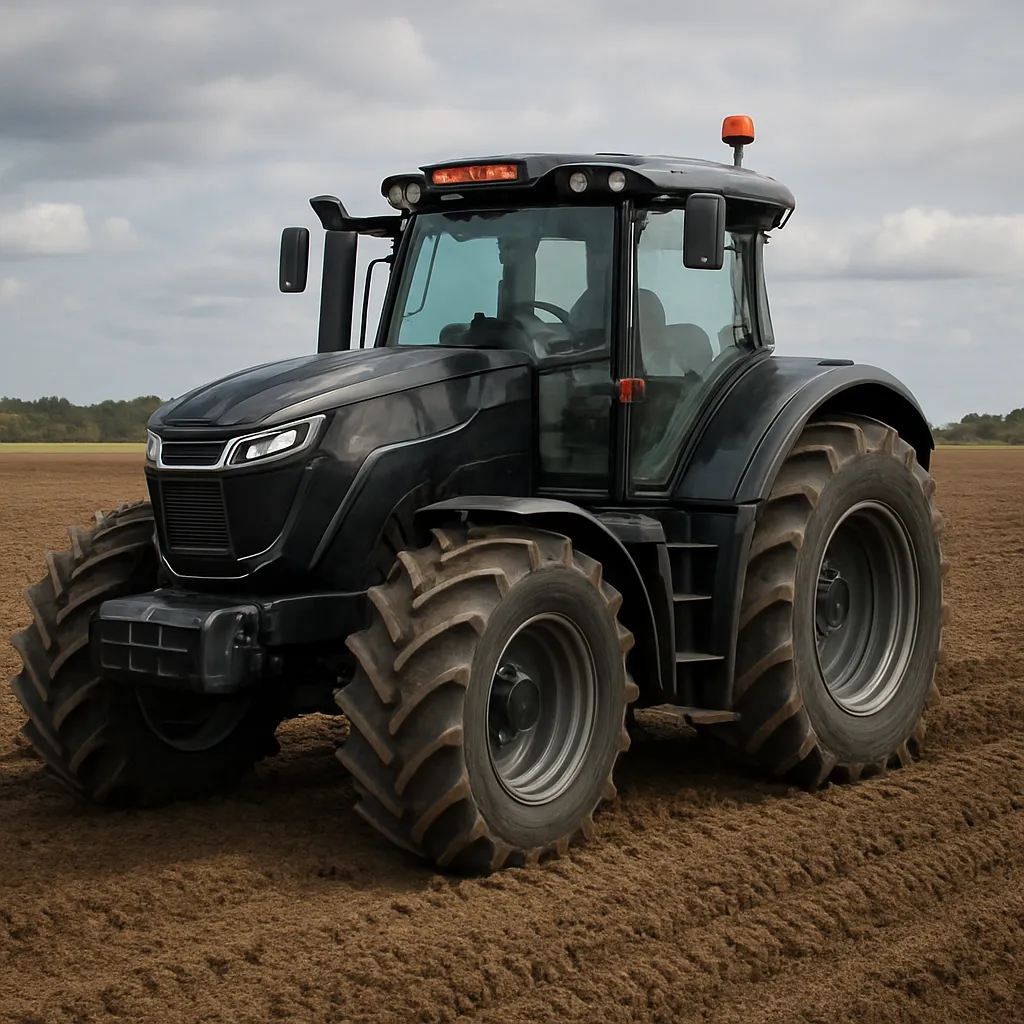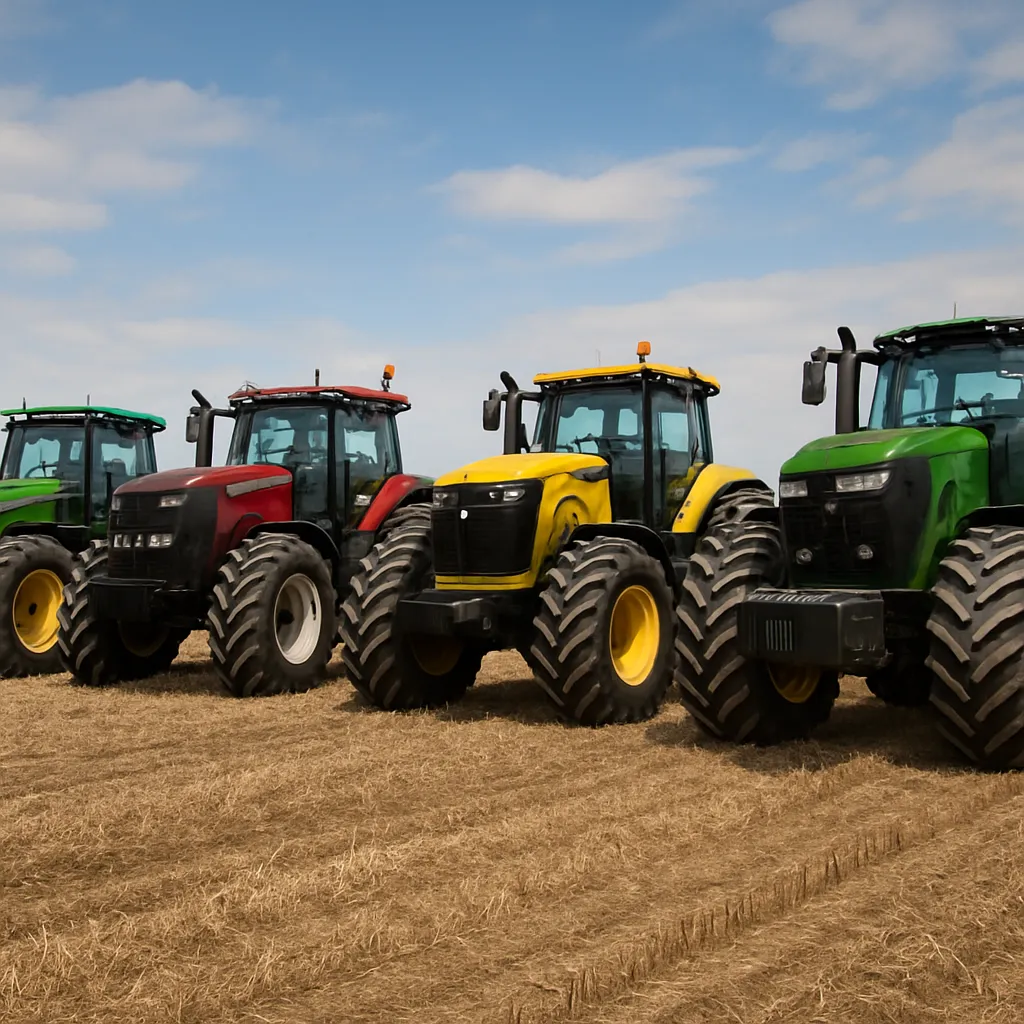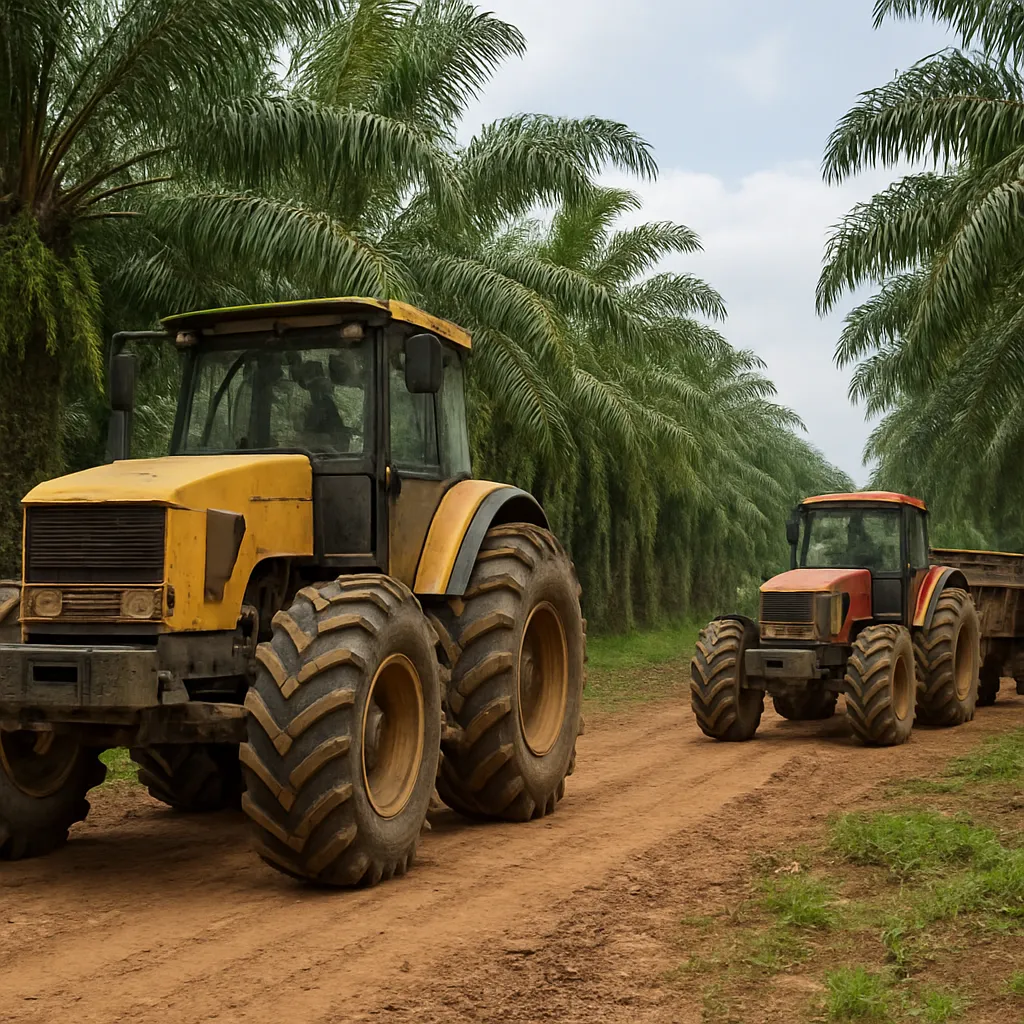
Across expansive plains and fertile valleys, the quest for more power and unmatched performance has driven tractor manufacturers to design ever larger and more robust machines. From the earliest steam-powered giants to the latest all-wheel-drive behemoths, the structural core of these farm workhorses lies in their frames. This article delves into some of the mightiest tractor frames ever engineered, highlighting the breakthroughs that allowed heavy-duty machinery to transform agriculture.
Evolution of Mega Tractors and Structural Breakthroughs
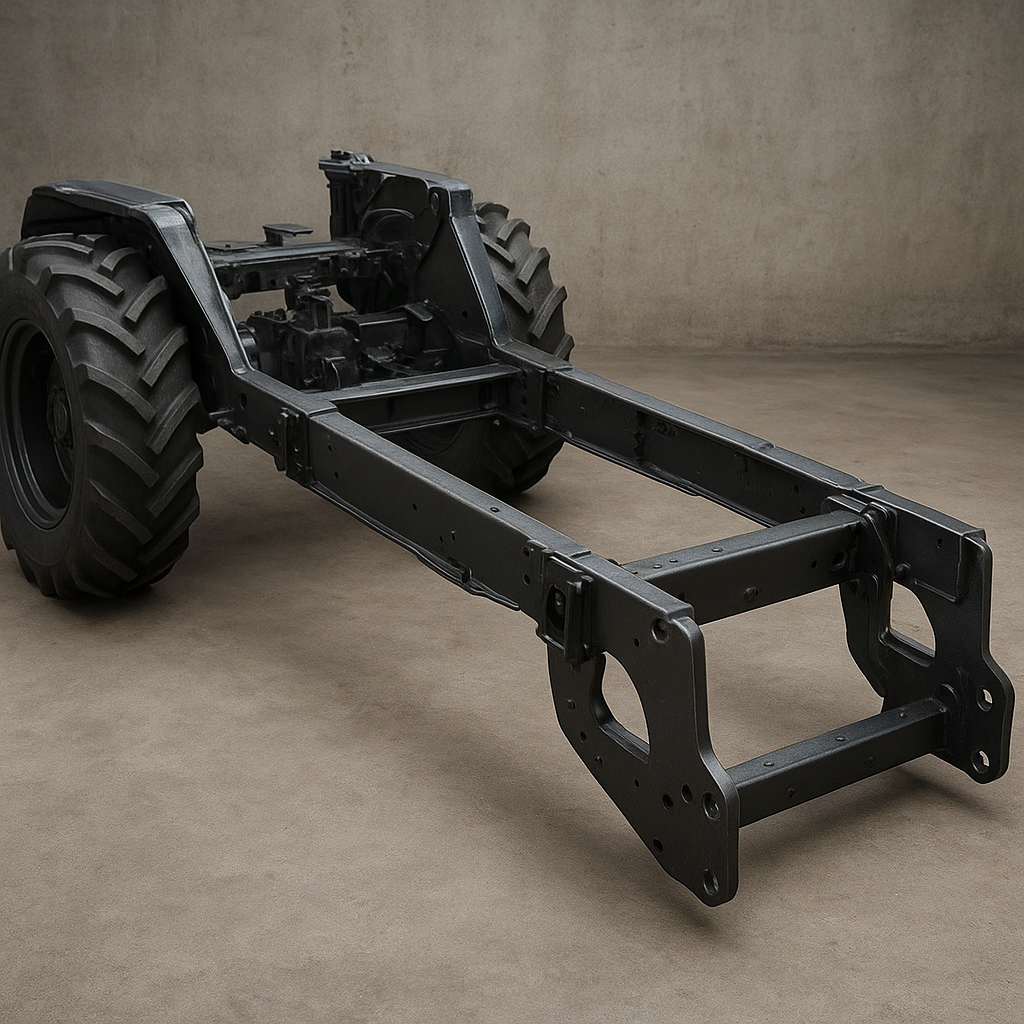
Starting in the mid-20th century, a series of industry giants began challenging the limits of size and strength. Early tractors featured simple boxed steel rails welded in place, but as horsepower ratings climbed past 500 hp, a more sophisticated approach to frame design became necessary. Innovations such as reinforced cross-members, tubular chassis elements, and high-tensile steel alloys have redefined what a tractor frame can endure.
The legendary Big Bud 747, introduced in the late 1970s, held the title of the world’s largest farm tractor for decades. Its frame architecture combined multiple steel girders to support its four massive dual tires and a supercharged diesel engine delivering over 900 hp. This pioneering design showcased the critical role of durability and engineering precision under extreme loads.
Following that era, European manufacturers like Fendt and CLAAS integrated hydroformed sections into their frames. This process formed complex shapes out of single sheet-metal pieces, increasing rigidity while minimizing weight. The friction weld joints and integrated mounting points offered improved reliability and easier maintenance on multi-functional tractors.
Engineering Marvels in Modern Tractor Frames
Contemporary models surpass former record-holders not only in raw horsepower but also in overall structural efficiency. Within this category, a few notable examples stand out:
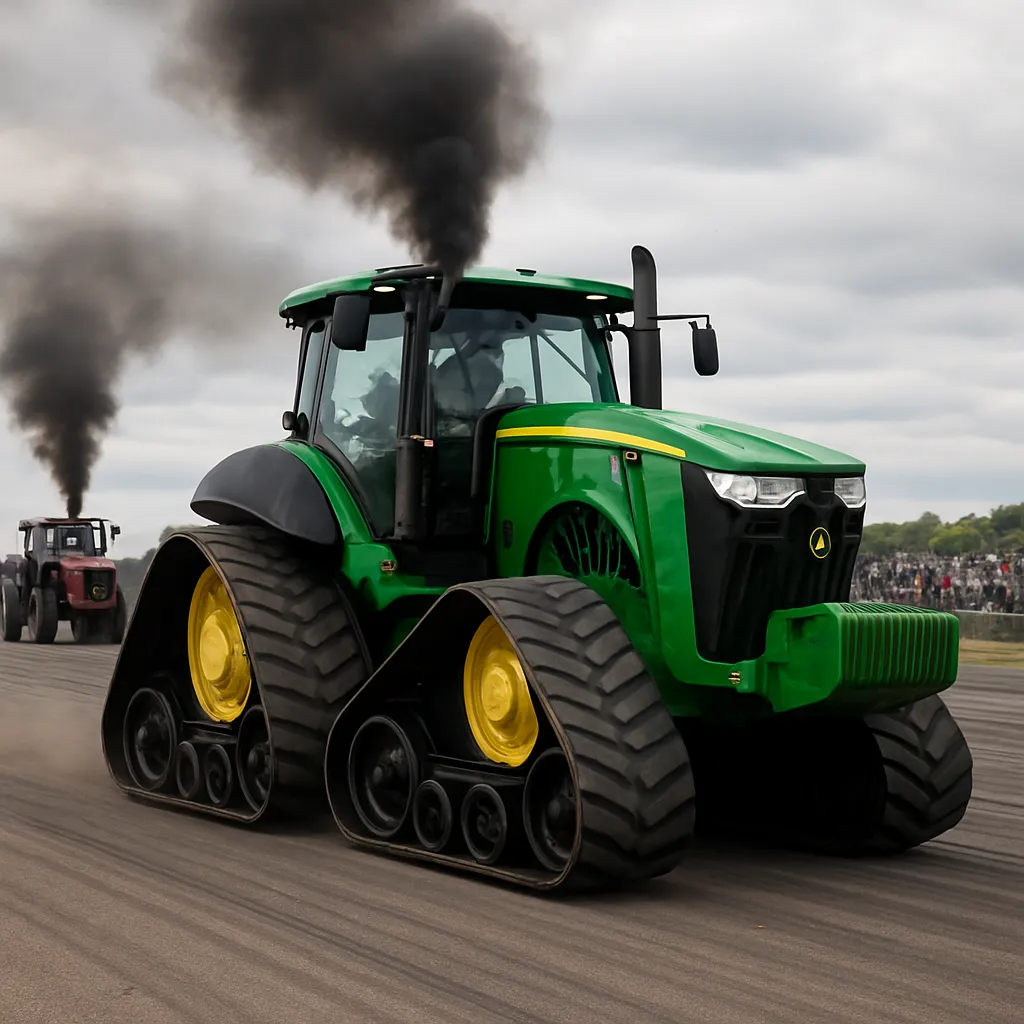
- John Deere 9620RX: This model features a four-track design that distributes weight evenly, dramatically reducing soil compaction while providing exceptional traction. The frame is reinforced with box-section beams over 250 mm thick, ensuring stability on uneven terrain.
- Case IH Steiger Quadtrac: Utilizing a modular undercarriage frame, the Quadtrac achieves both flexibility and strength. The central backbone houses hydraulic lines and electronics, protected by tubular steel shields.
- Fendt 1050 Vario: A perfect example of combining innovation with structural integrity. The Vario’s hydrostatic chassis uses integrated cross struts to handle torque peaks, and its cab supports are bolted to the frame using vibration-damping mounts.
Breakthrough Materials and Techniques
Advances in metallurgy have introduced ultra-high-strength steel (UHSS) and hybrid composites into select frame components. These materials offer durability up to 40 % greater than traditional steel, while reducing overall mass. Additionally, robotic welding cells ensure consistent weld quality across thousands of joints per unit. Key techniques include:
- Multi-pass Weld Reinforcement – Applying repeated weld layers to high-stress zones.
- Laser Straightening – Post-weld treatment aligning beams to precise tolerances.
- Cold Forming – Pressing long beams into final shapes to improve grain structure.
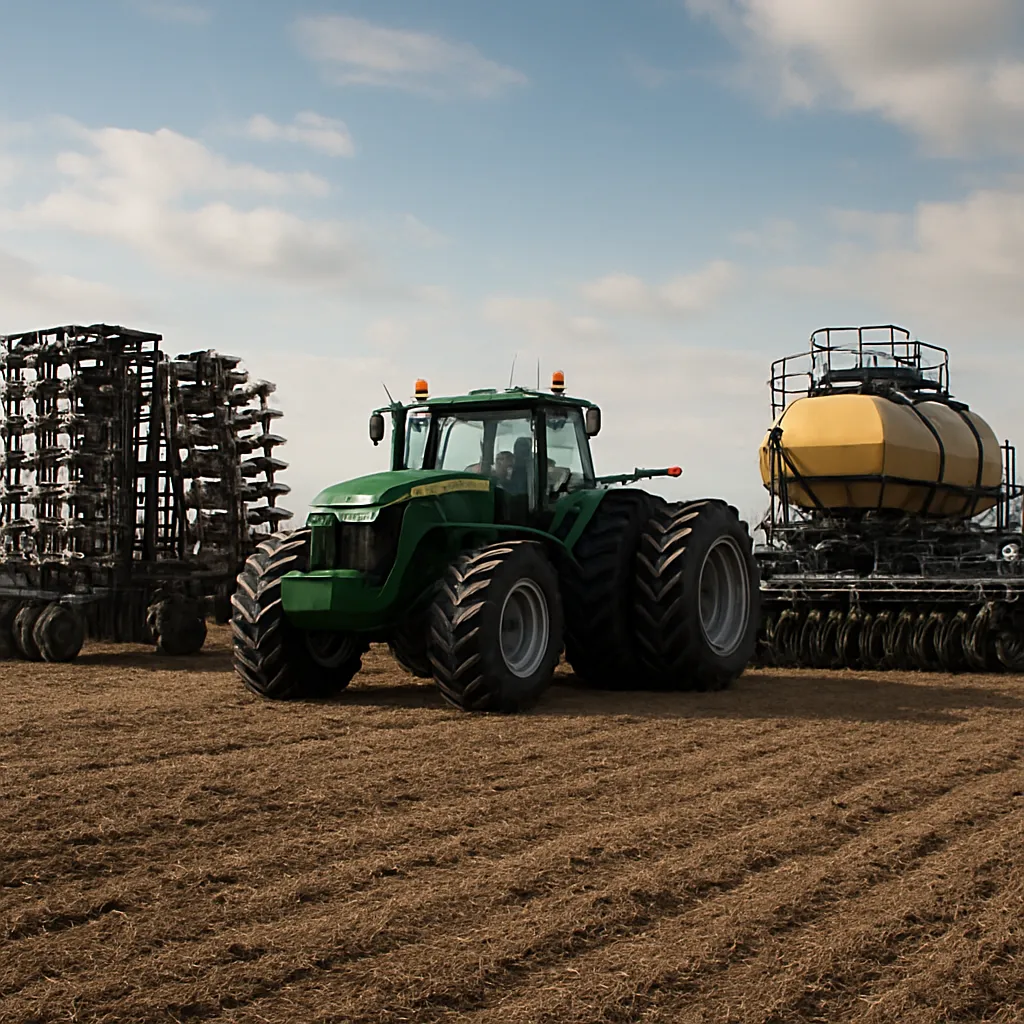
By combining these methods, manufacturers achieve a perfect balance between weight and strength, essential for hauling heavy implements like disc harrows, planters, and chisel plows.
Challenges and Future Trends in Ultra-Heavy Machinery
As farm operations expand in scale, the demand for ever larger tractors continues. However, several engineering hurdles remain:
- Soil Compaction – Greater weight can damage soil structure, hindering crop yields.
- Transport Regulations – Oversized frames often exceed road width limits, requiring special permits.
- Manufacturing Complexity – Large-scale robotic cells and dedicated tooling lines raise production costs.
To address these issues, research is focusing on modular frame concepts that can be disassembled for transport and reassembled on-site. Smart sensors embedded within the frame can monitor stress levels in real time, alerting operators to potential fatigue points before a failure occurs. This predictive maintenance model leverages IoT connectivity and cloud analytics to extend the service life of critical components.
Moreover, the push for sustainable farming practices is driving innovation in electric and hybrid powertrains. While battery packs add weight, the elimination of a conventional transmission and the integration of electric motors into the chassis offer new design freedoms. Electric drive axles can be directly mounted to reinforced composite frames, reducing the need for heavy drive shafts and central gearboxes.
Looking ahead, advances in additive manufacturing may enable on-demand production of replacement parts or entire subframes using high-strength metal powders. This approach could drastically reduce downtime in remote regions and allow for custom-tailored frame geometries optimized for specific tasks, ensuring that the next generation of mega tractors continues to push the boundaries of reliability and efficiency.