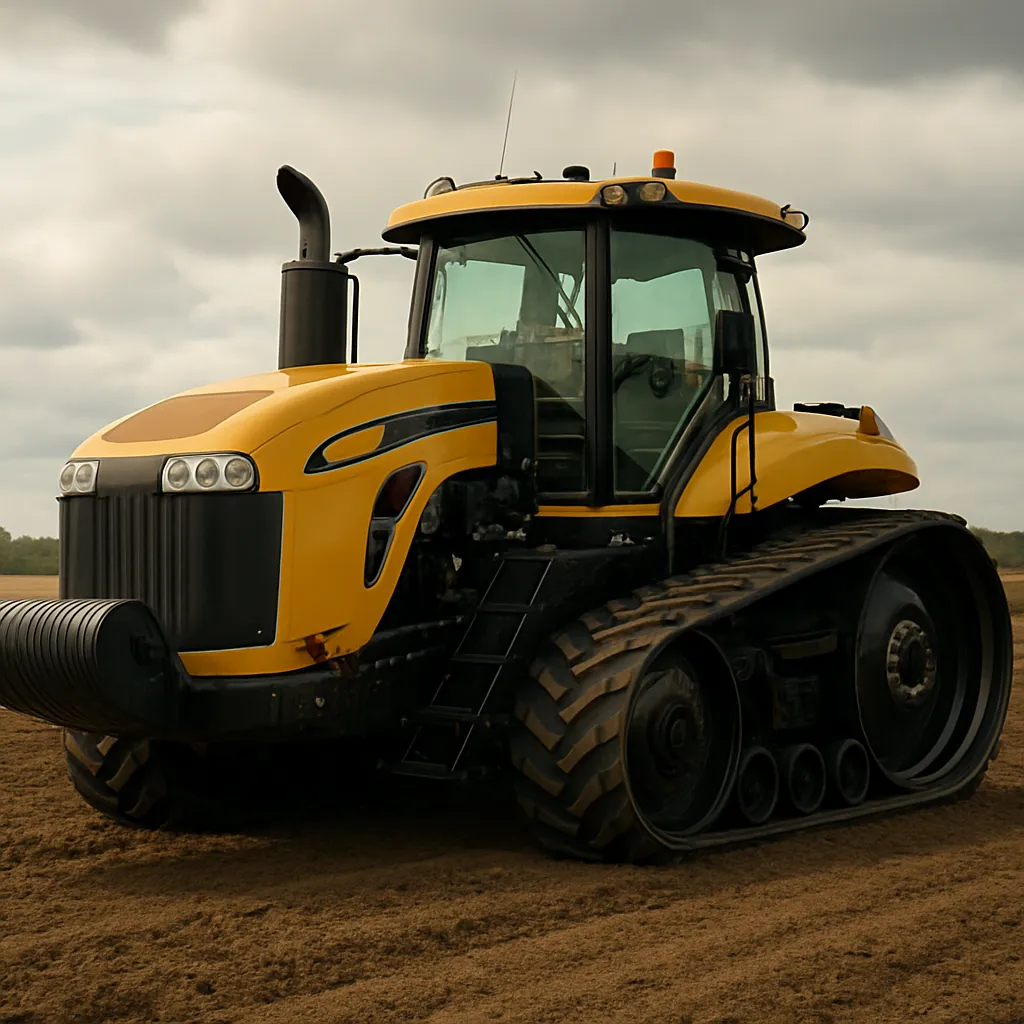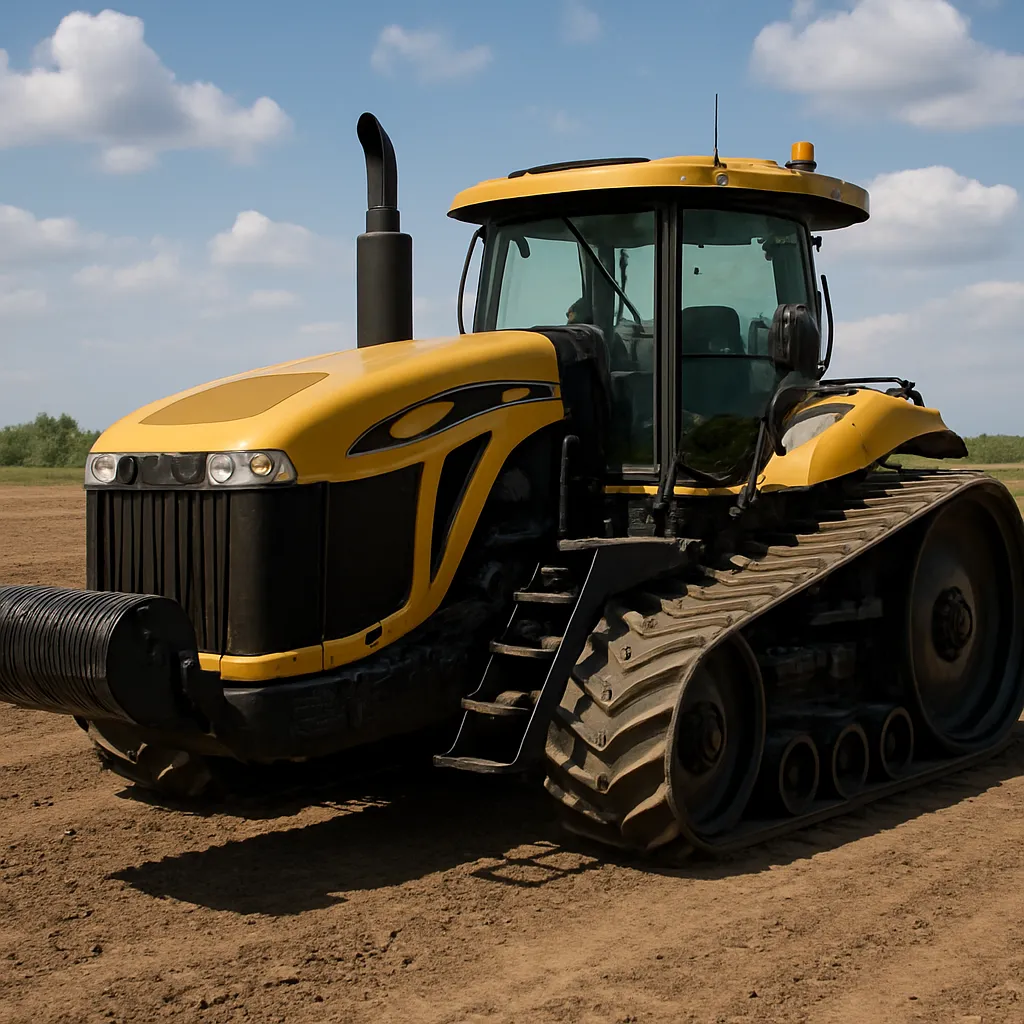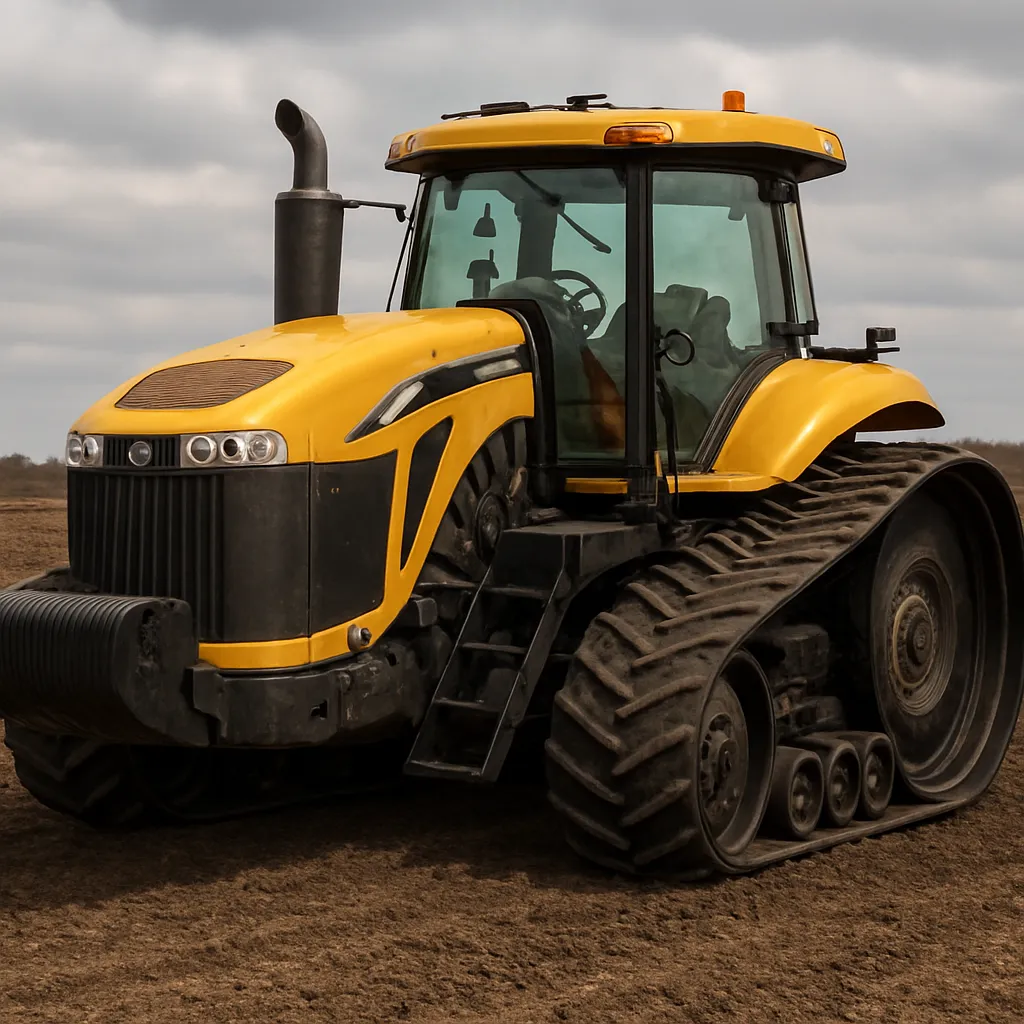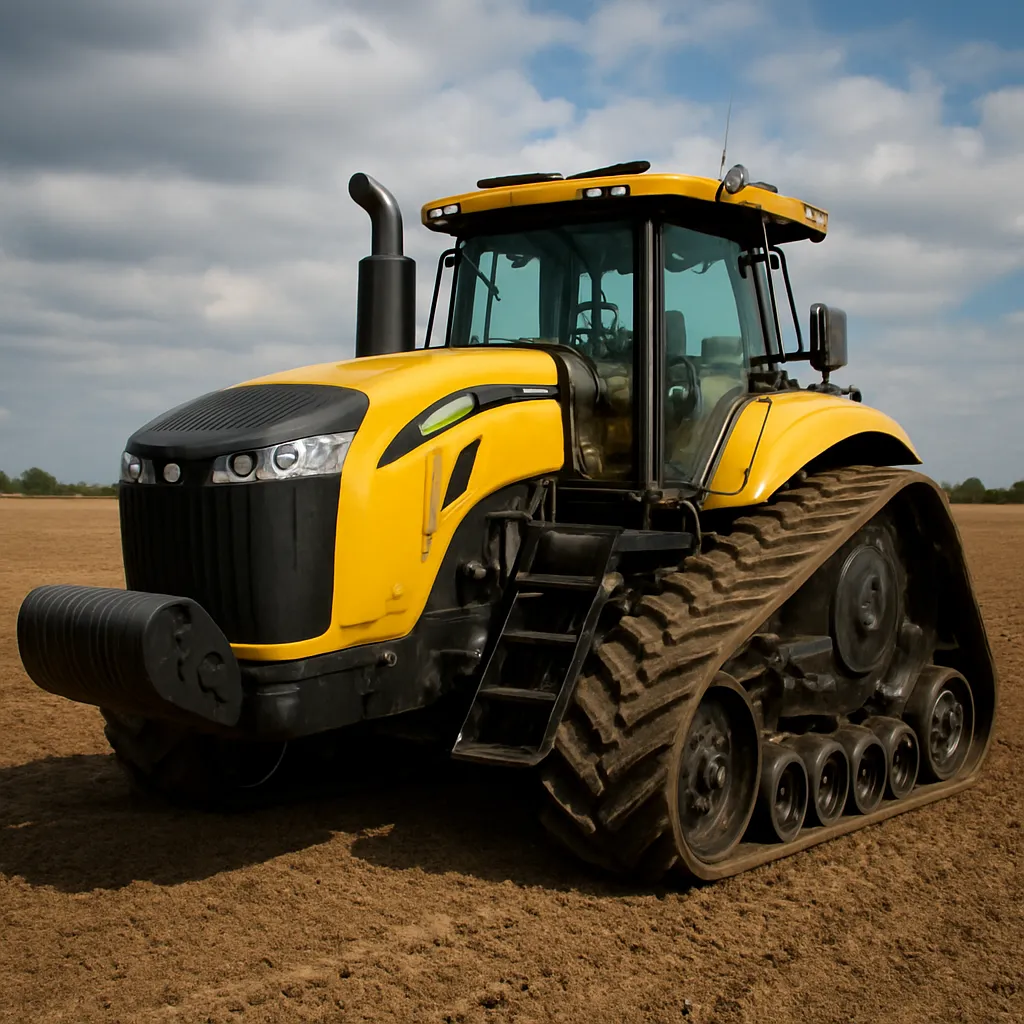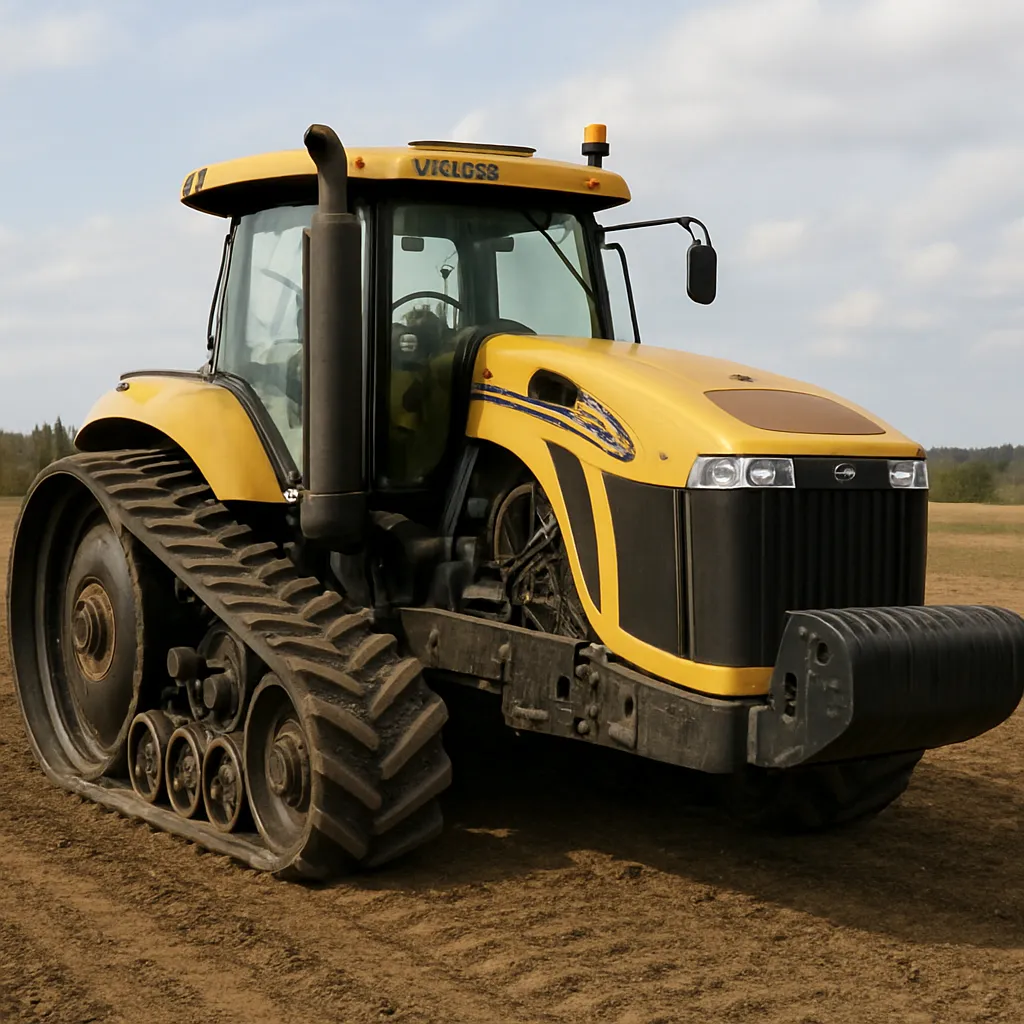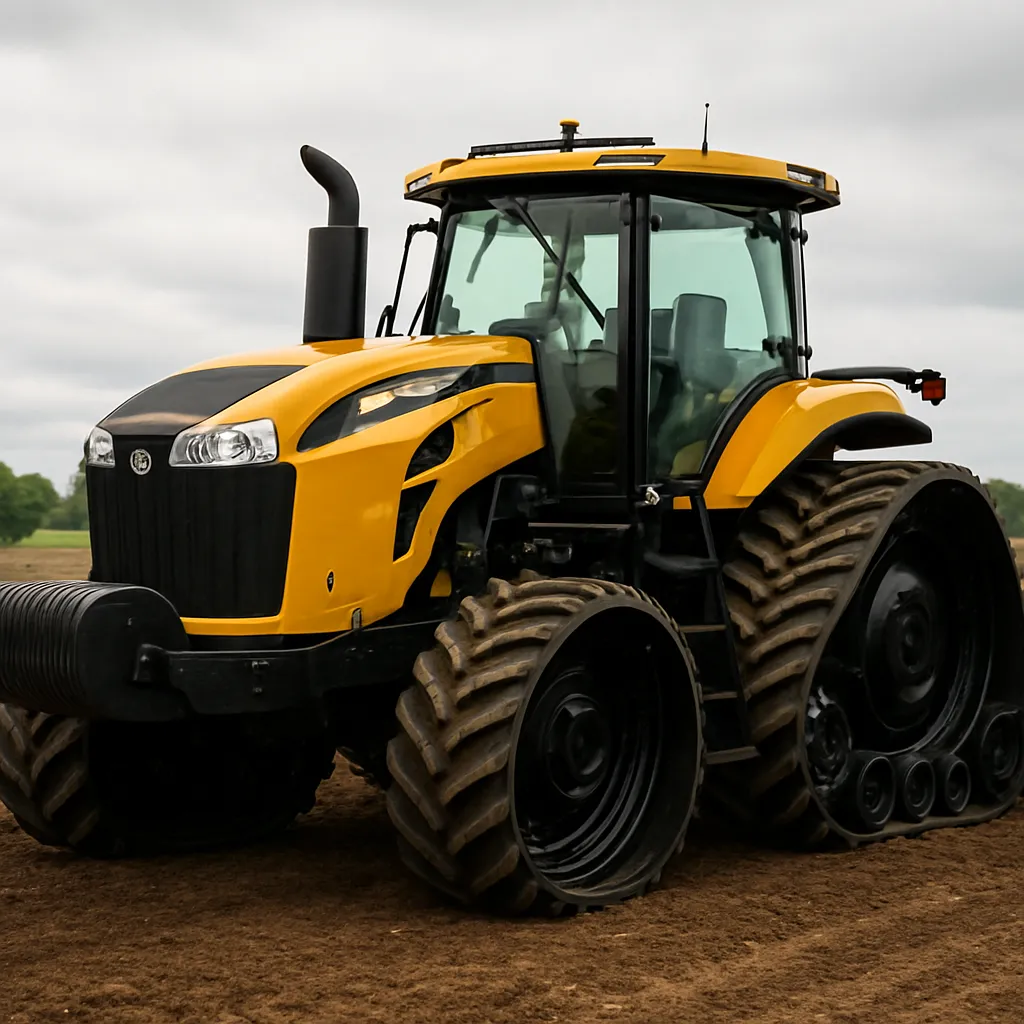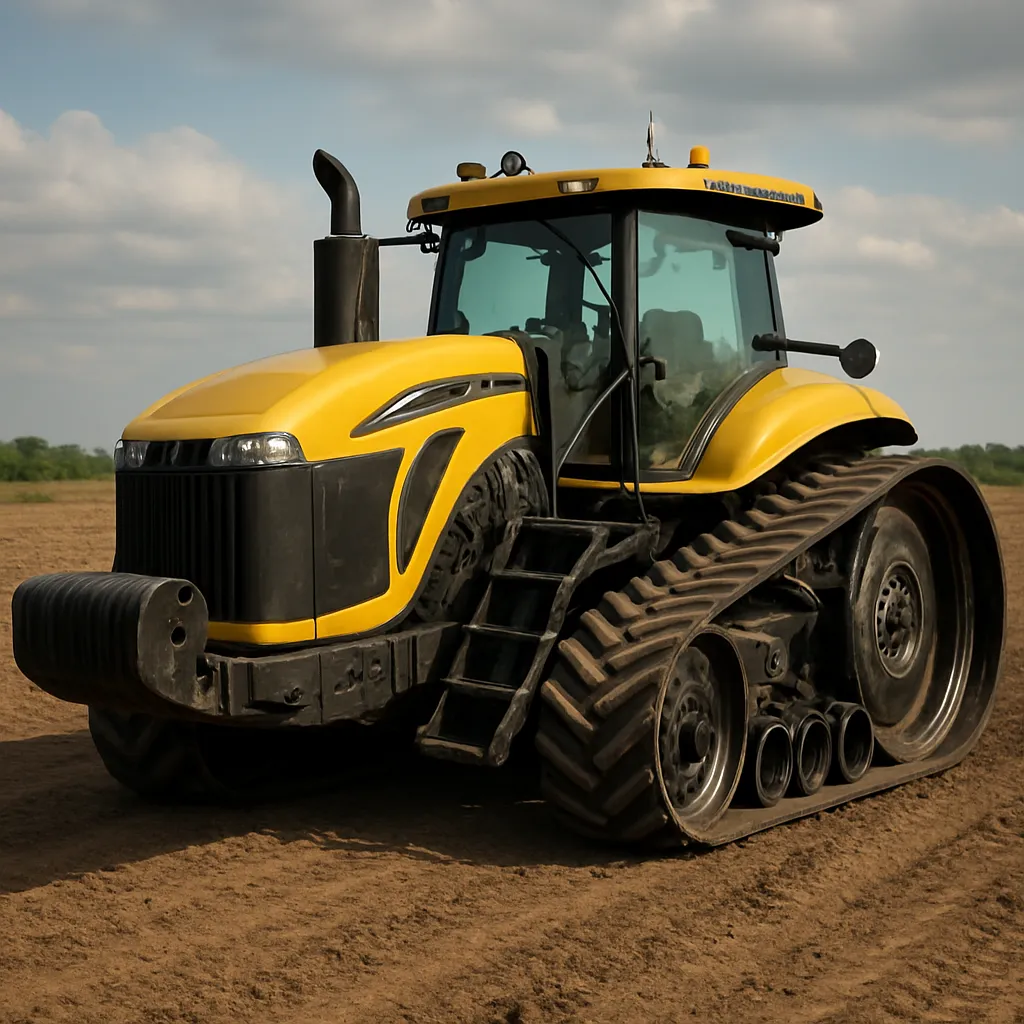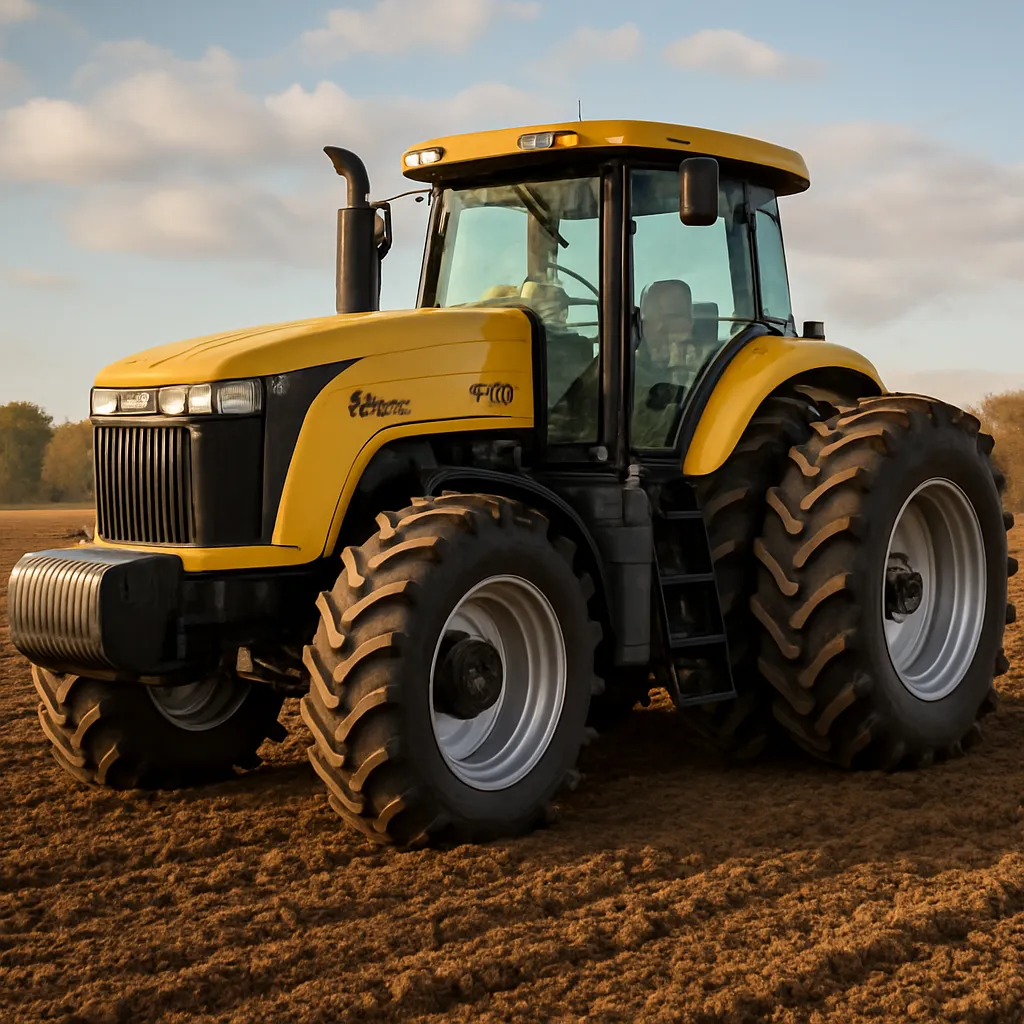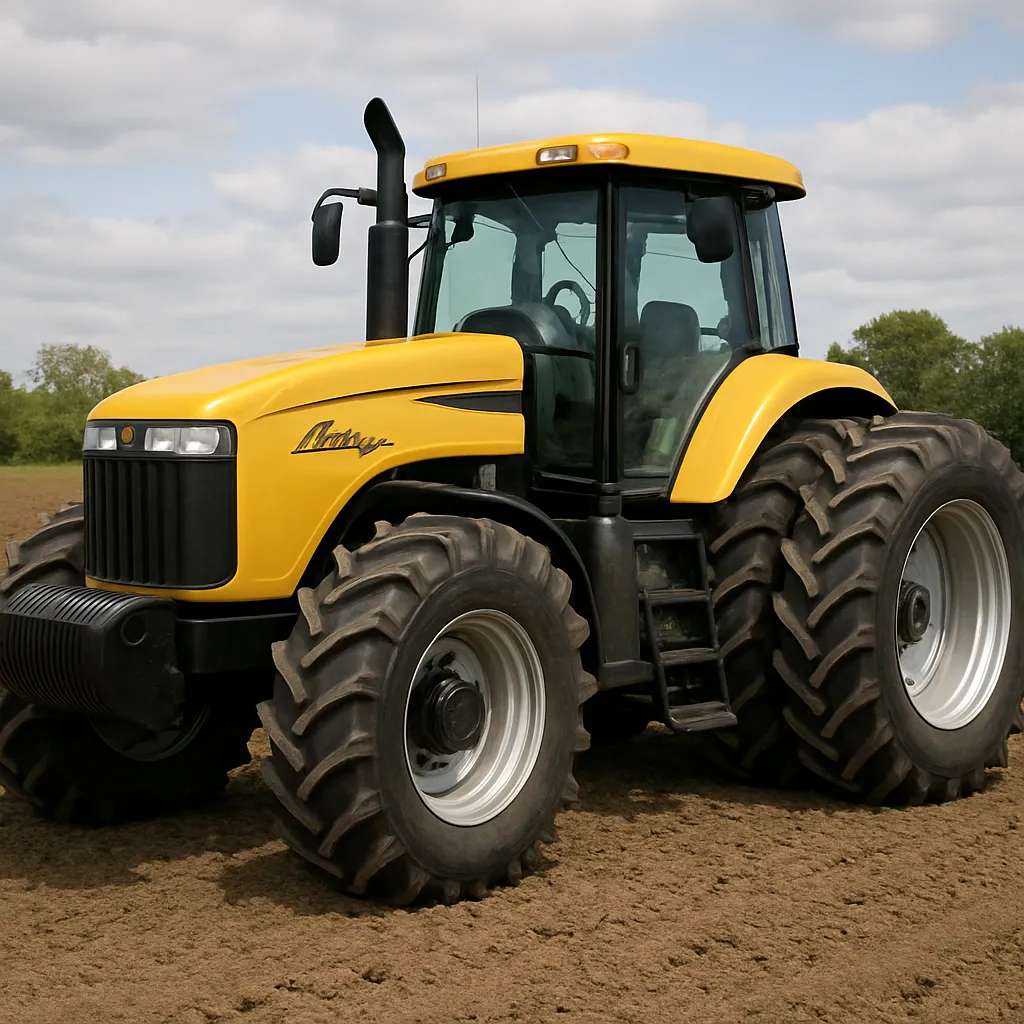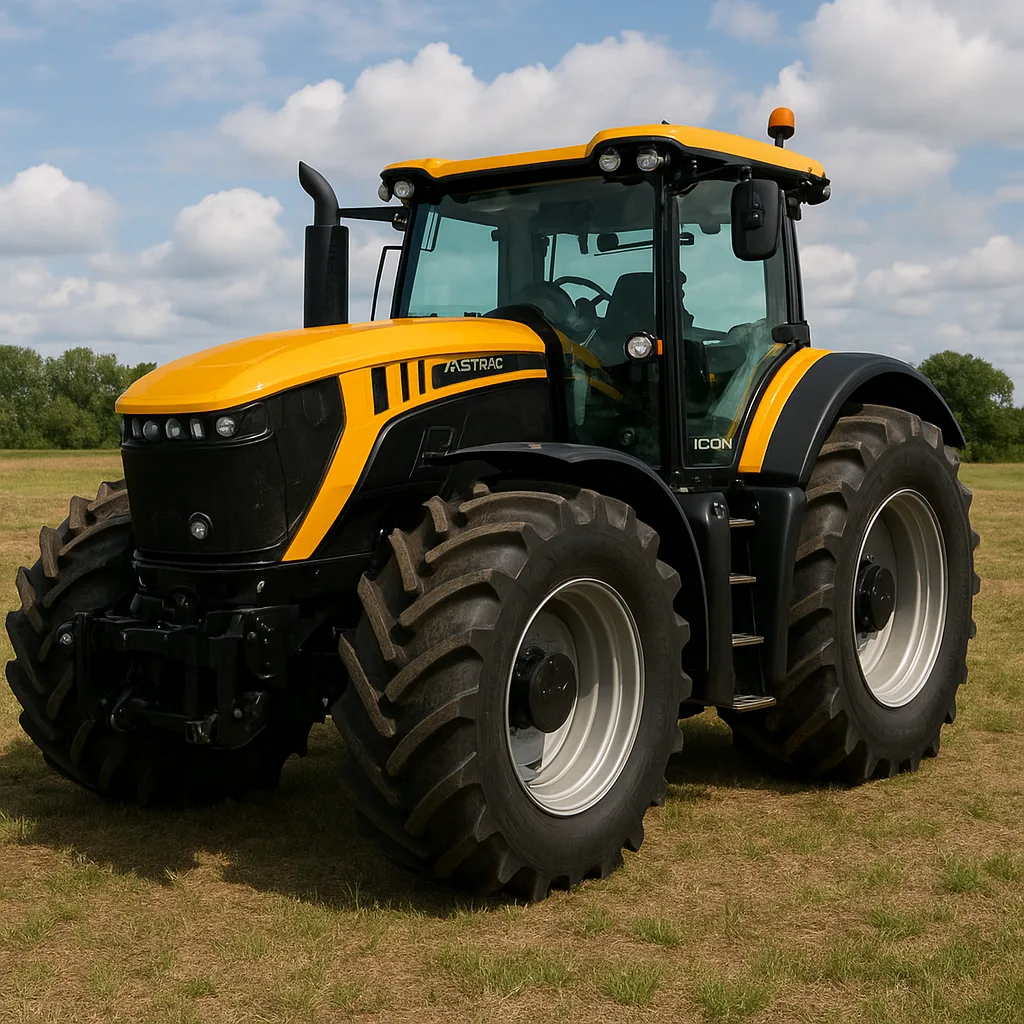
The JCB Fastrac 8290 iCON represents a modern approach to high-speed, versatile agricultural and utility tractors. Combining JCB’s long experience in heavy machinery with advanced electronics and drivetrain solutions, the 8290 iCON is designed to deliver strong field performance and fast, comfortable road transport. This article explores the tractor’s main characteristics, typical applications, technical highlights, operational data, and practical considerations for owners and operators.
Design and engineering philosophy
JCB’s Fastrac range was conceived to bridge the gap between traditional agricultural tractors and fast on-road transport vehicles. The 8290 iCON continues that lineage with a focus on optimizing the balance between power, speed, agility, and operator comfort. Its chassis and suspension systems are engineered for dynamic stability at higher road speeds while keeping the weight distribution suitable for demanding field work.
Chassis and layout
- The 8290 iCON features a welded, high-strength frame designed to handle towing, heavy linkage loads and front-mounted implements without compromising ride quality.
- Low center of gravity and balanced axle loads contribute to predictable handling when transporting heavy implements or trailers at road speeds.
- Front and rear hitch configurations and robust three-point linkage systems make the tractor suitable for a wide range of implements.
Suspension and ride
A defining feature of the Fastrac line is the attention paid to suspension and ride dynamics. The 8290 iCON typically employs a combination of mechanical and hydraulic suspension elements designed to reduce vibrations and maintain traction. This emphasis on ride comfort allows operators to travel longer distances between fields with reduced fatigue and greater productivity.
Engine, performance and key statistics
The JCB Fastrac 8290 iCON is positioned among high-power utility tractors. While exact specifications can vary by market and configuration, typical performance characteristics include a powerful diesel engine, high maximum torque for heavy draft work, and a PTO system configured for demanding implement loads.
- Engine power: Approximately in the high 200s to around 300 horsepower class (roughly 220–225 kW). Manufacturer ratings and regional variants may differ.
- Top road speed: Fastrac tractors are known for higher road speeds than many conventional tractors; typical permitted speeds for models like the 8290 iCON fall in the 40–60 km/h range, with some market-specific options enabling up to 60–70 km/h where legal and configured to do so.
- PTO output: PTO ratings are matched to engine output and driveline efficiency; usable PTO power for implements generally tracks closely with the engine’s rated horsepower, delivering high continuous power for rotary cutters, balers, or sprayers.
- Hydraulic capacity: A generous hydraulic flow and multiple spool valves allow operation of complex implements. Typical flow ratings for tractors in this class often exceed 150–200 L/min depending on pump configuration.
- Weight and ballast: Kerb weights for high-power, fully equipped machines of this type commonly range from 9,000 to 12,000 kg depending on options, ballast and implements.
These figures should be interpreted as indicative; users should consult local JCB spec sheets for precise numbers for a particular serial production run or regional variant of the 8290 iCON.
Transmission and the iCON system
The “iCON” designation refers to JCB’s electronic control approach, integrating drivetrain, transmission and implement controls to optimize performance across road and field tasks. The transmission is a core element that enables the Fastrac’s dual role as a field workhorse and a fast transport vehicle.
Transmission types and features
- Many Fastrac tractors use advanced powershift or continuously variable transmission (CVT/IVT) options; the iCON systems enhance these with adaptive control for smoother operation.
- Automatic mode selection, creep speed ranges, and custom mapping allow operators to tailor the vehicle response for tasks like precision cultivating, seeding, or high-speed transport.
- Integrated electronic controls manage torque distribution, engine speed and gear selection to optimize fuel usage while maintaining the required efficiency and performance.
Operator controls and automation
iCON systems typically offer intuitive touchscreen interfaces and programmable buttons for sequence control of complex operations. Features frequently include:
- Smart cruise and speed control for road travel.
- Implement memory settings for repeatable field passes.
- Adaptive throttle response and automated engine RPM control when engaging hydraulic or PTO loads.
Applications and typical use cases
The versatility of the JCB Fastrac 8290 iCON makes it suitable for a broad spectrum of agricultural and utility tasks. Its strength is the ability to switch rapidly between fieldwork and road transport without sacrificing performance.
Arable farming and tillage
- High-horsepower tillage implements such as ploughs, cultivators and discs require consistent torque and drawbar pull; the 8290 iCON offers the drivetrain robustness needed for deep tilling.
- Large seed drills and air seeders benefit from the strong PTO and hydraulic capacity, enabling high work rates across expansive fields.
Forage, harvesting and baling
- Balers, mowers and forage harvesters place significant demand on PTO and hydraulics; the 8290’s power and flow capacity supports fast throughput.
- Fast road transit between fields reduces downtime during narrow harvest windows, which is a practical advantage for contractors and seasonal work.
Transport and contractor work
- Contractors value the Fastrac’s higher legal road speeds for moving equipment and trailers between job sites.
- Applications such as slurry spreading, bulk transport and multi-farm contracting are supported by robust towing capacity and rapid transit capability.
Specialist and municipal tasks
- Roadside mowing, municipal towage and winter service adaptations are possible thanks to the adaptable front and rear linkage options and strong hydraulic systems.
- Platform and specialist body installations can transform the tractor into a multi-role service vehicle where high-speed road travel is an asset.
Operator comfort, ergonomics and cab technology
A central design priority for the Fastrac series is operator comfort during extended shifts. The 8290 iCON’s cab is typically equipped with features that reduce fatigue and allow precise control of attachments and vehicle systems.
- Comfort: High-spec air suspension seats, climate control, and sound-deadening materials create a more comfortable workspace for long operations.
- Visibility is enhanced through large glazed areas and well-placed mirrors and cameras, important for safe on-road travel and precise implement control in the field.
- Advanced displays provide a consolidated view of navigation, implement control, diagnostics and telematics.
Maintenance, uptime and serviceability
Reliability and ease of maintenance are crucial for expensive, high-hour machines. JCB and dealers emphasize accessible service points and modular components to reduce downtime.
Routine service
- Accessible filters, timed service intervals and on-board diagnostics help operators and technicians perform proactive maintenance.
- Telematics platforms, where fitted, offer remote monitoring of engine hours, fuel consumption and fault codes to schedule interventions before failures occur.
Total cost of ownership
When evaluating tractors like the 8290 iCON, buyers often consider acquisition cost, fuel consumption, maintenance intervals, resale value and productivity. High initial purchase prices can be offset by reduced transit times, higher seasonal throughput and lower operator fatigue leading to longer productive shifts.
Fuel efficiency and environmental considerations
Modern agricultural fleets face tighter emissions regulations and rising fuel costs. The 8290 iCON is engineered to offer efficient fuel use through electronic engine management, optimized transmission mapping and intelligent implement control.
- Manufacturers typically tune engines to meet current emissions standards (e.g., Stage V in Europe), using technologies such as selective catalytic reduction (SCR) and diesel particulate filters where required.
- Fuel consumption varies considerably with task: heavy tillage will consume more fuel per hour than transport or light cultivation. Telematics and precision controls can help reduce overlaps and unnecessary passes, improving overall fuel efficiency.
Safety features and regulatory compliance
Higher road speeds and larger tractors necessitate robust safety systems. The Fastrac’s development emphasizes both active and passive safety features to reduce risks during transport and operation.
- Braking systems are designed for stability during high-speed deceleration; many units include advanced ABS and load-sensing capabilities.
- Integrated lighting, signaling and optional camera systems improve visibility to other road users and aid maneuvering in confined areas.
- Operator presence detection, roll-over protection, and emergency shut-down systems are standard or available depending on market regulations.
Market position, comparisons and practical considerations
The JCB Fastrac 8290 iCON competes in the high-power, high-speed segment of the tractor market. Prospective buyers compare it to other high-horsepower tractors and specialist transport-capable units based on several factors:
- Versatility: Buyers who need a single machine to cover multiple roles—tillage, transport, and contractor duties—may prefer the Fastrac’s dual-focused design.
- Total cost of ownership versus specialized fleets: while a Fastrac does many tasks well, specialized machines can outperform it for niche work (e.g., pure high-power, low-speed heavy tillage or purpose-built forage harvesters).
- Resale and dealer support: JCB’s global dealer network and brand recognition influence long-term ownership decisions and maintenance planning.
Practical tips for operators and fleet managers
- Use the iCON programmable settings to create implement-specific profiles—this reduces human error and increases repeatability for seasonal jobs.
- Monitor tire pressures and ballast to optimize fuel economy and reduce soil compaction—both important for long-term field health.
- Adopt telematics where available to track utilization, schedule preventative maintenance and optimize machine allocation across jobs.
- Train operators on combined road-and-field driving techniques to take full advantage of the Fastrac’s high-speed capabilities while maintaining safety margins.
Conclusion
The JCB Fastrac 8290 iCON is a flexible and powerful option for farms and contractors who need a tractor capable of high-speed road travel without sacrificing heavy-duty field performance. With advanced electronics, adaptable transmission controls, and a focus on operator comfort and safety, the 8290 iCON exemplifies modern tractor design that seeks to maximize farm productivity per machine. For operations that value rapid inter-field travel, strong hydraulic and PTO performance, and integrated systems that reduce operator load, the 8290 iCON is a compelling candidate—provided the purchase aligns with the farm’s scale, work profile and total cost of ownership objectives.