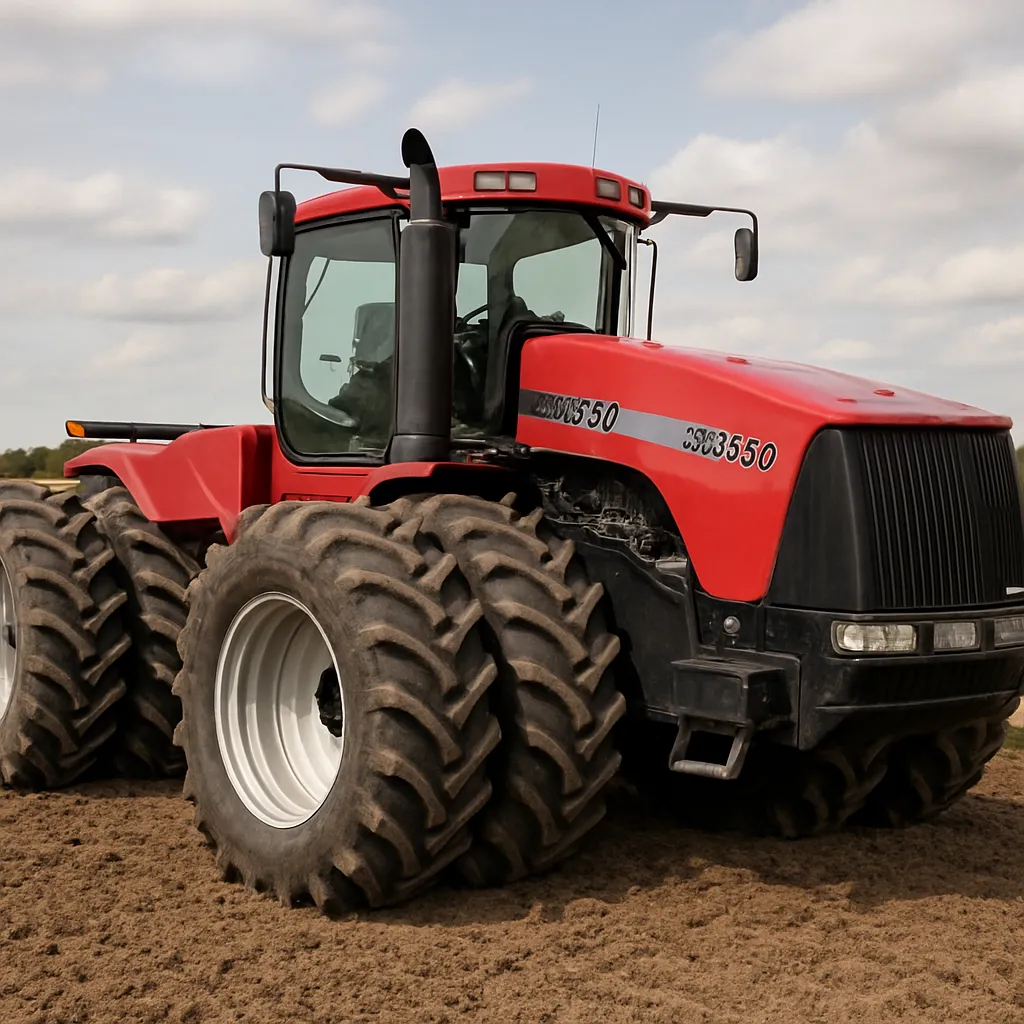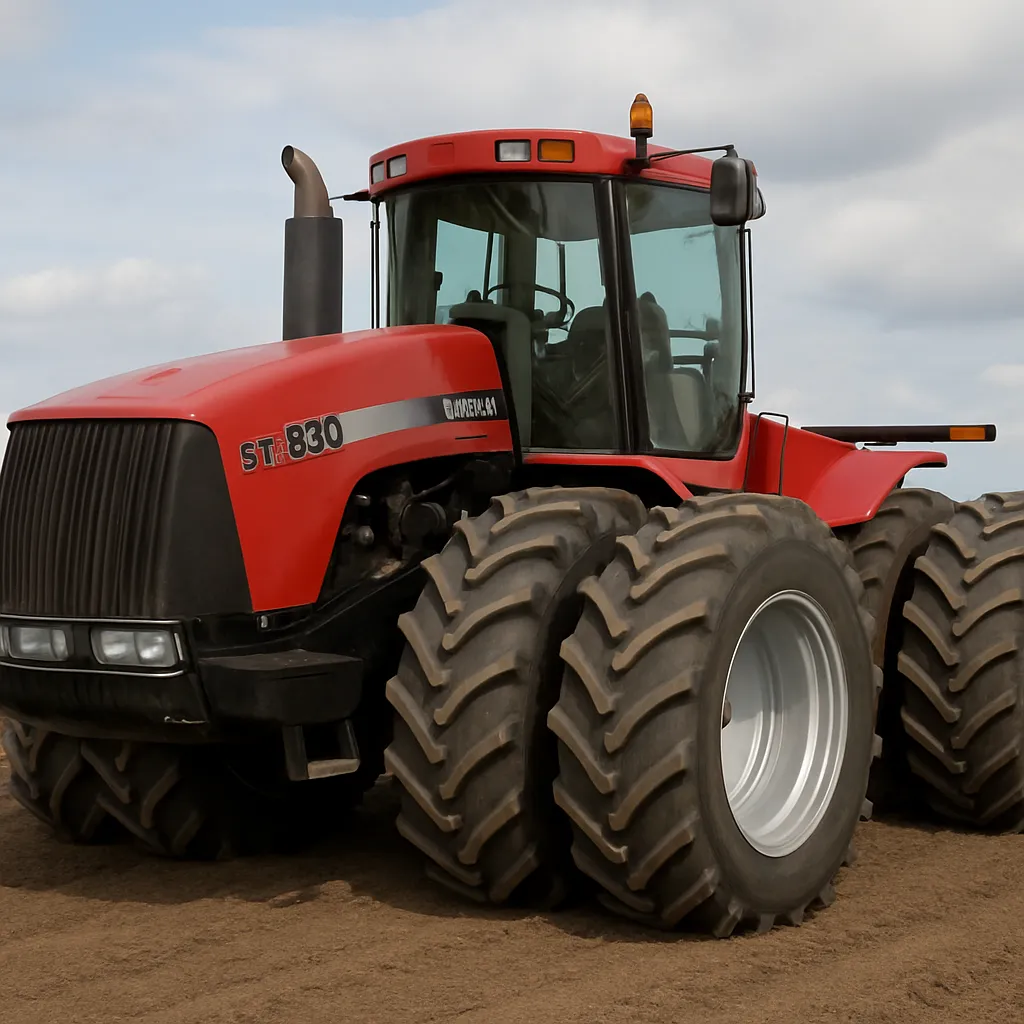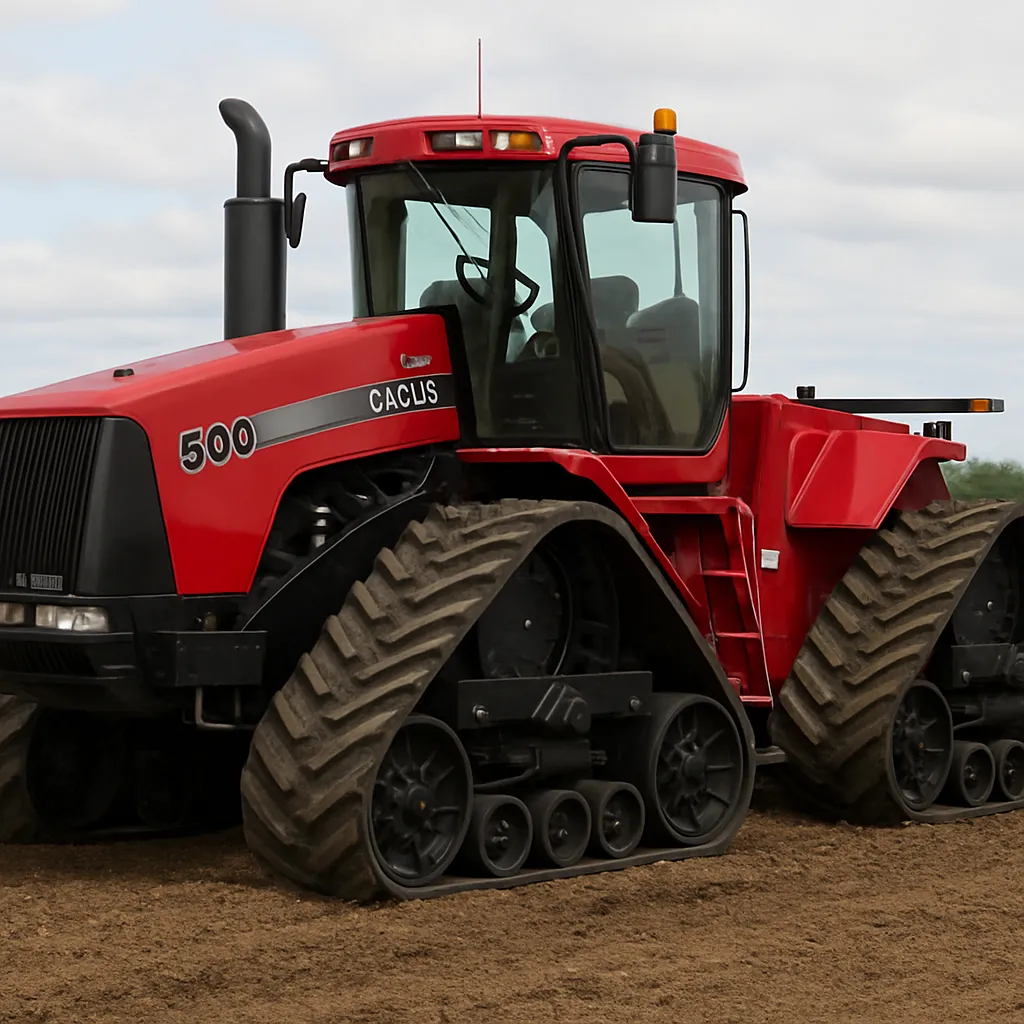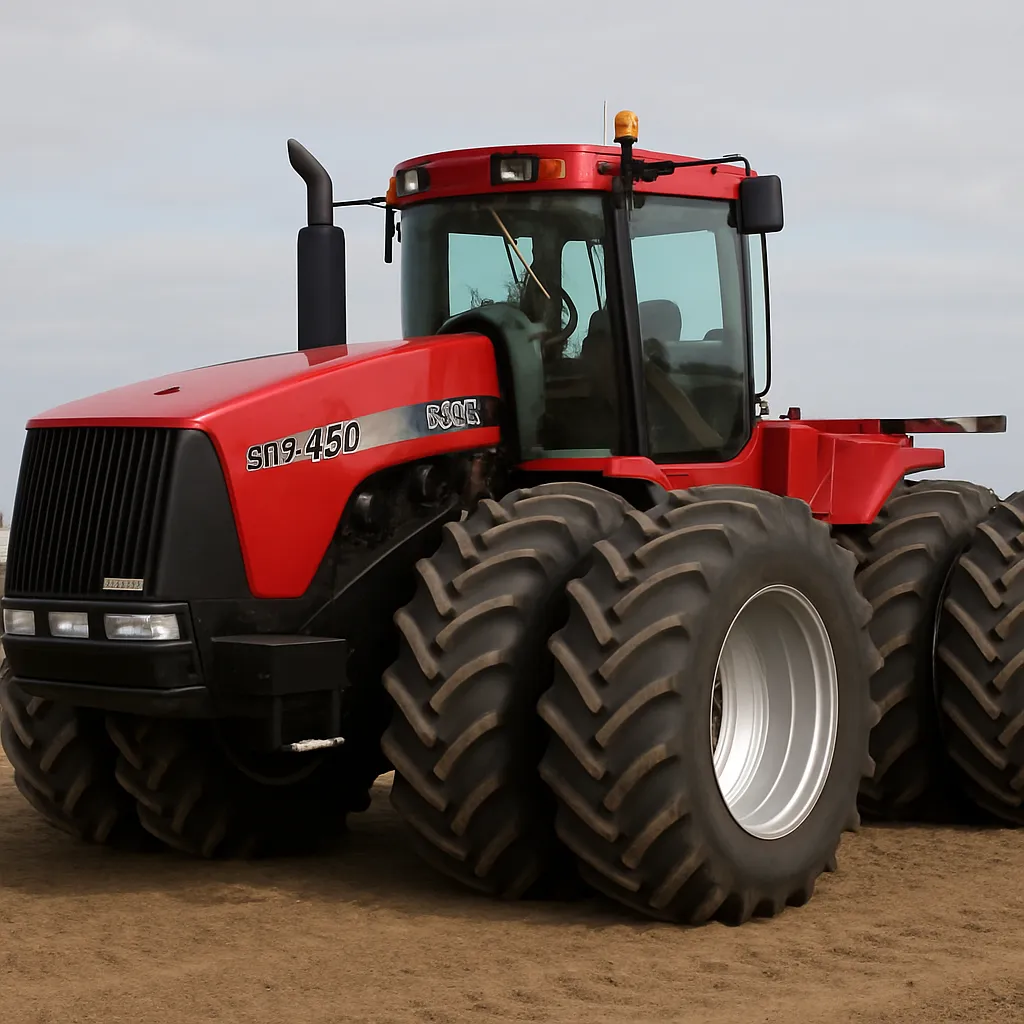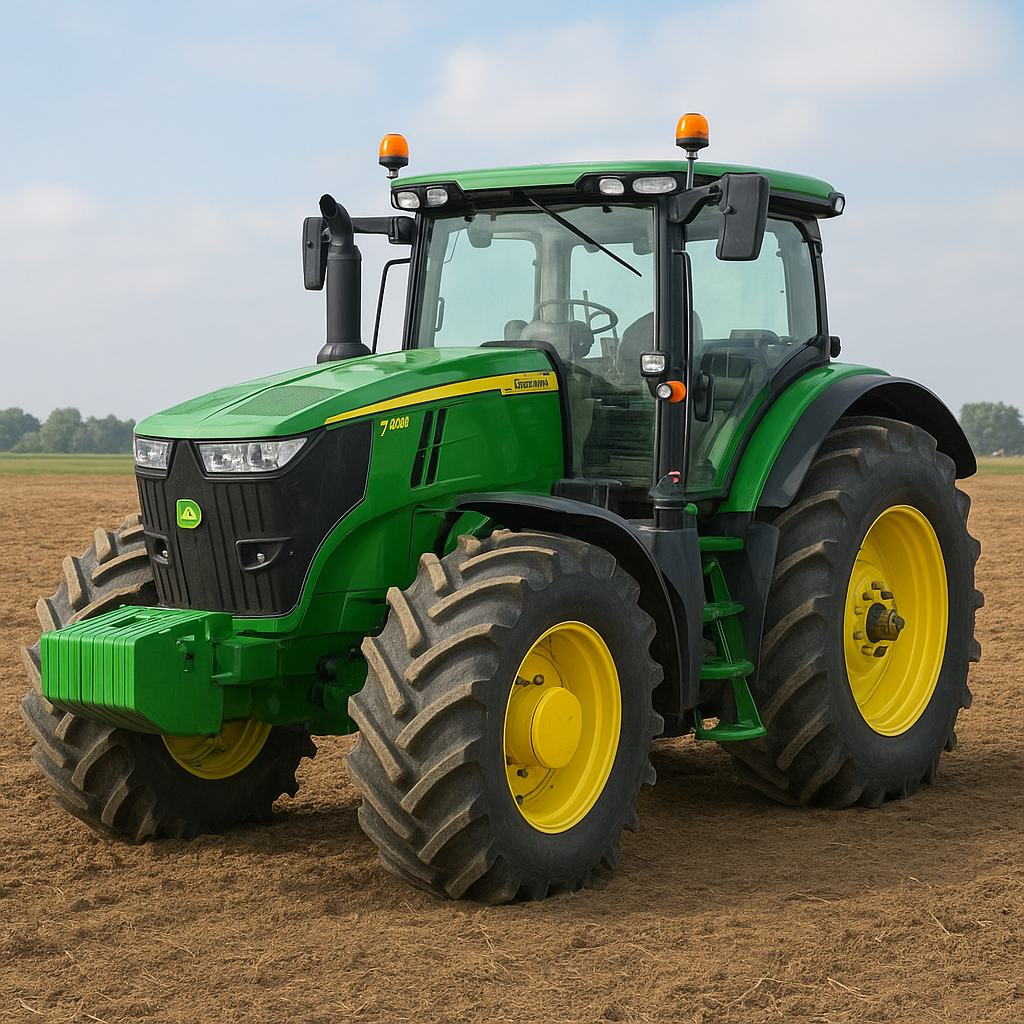
The John Deere 7R 250 is a powerful and versatile agricultural tractor that balances strong mechanical performance with modern electronics and operator comfort. Designed to meet the needs of large-scale mixed farms, contractors and specialized crop operations, the 7R 250 blends proven diesel engine architecture with a choice of transmissions, advanced hydraulics and a cab built for long working hours. In the sections that follow, you will find a detailed overview of the machine’s technical attributes, practical applications, operational economics and safety and maintenance considerations.
Overview and design philosophy
The John Deere 7R series targets farmers and contractors who require a blend of high **power**, maneuverability and advanced technology without stepping into the largest, highest-cost tractor classes. The 7R 250 sits near the top of the 7R family in terms of output and capability. Its design aims to deliver consistent performance in fieldwork such as tillage, seeding, spraying and transport, while also providing the versatility required for heavy loader work and PTO-driven implements. Key design priorities include durability, fuel **efficiency**, operator ergonomics and modularity so that buyers can choose options and configurations tailored to specific tasks.
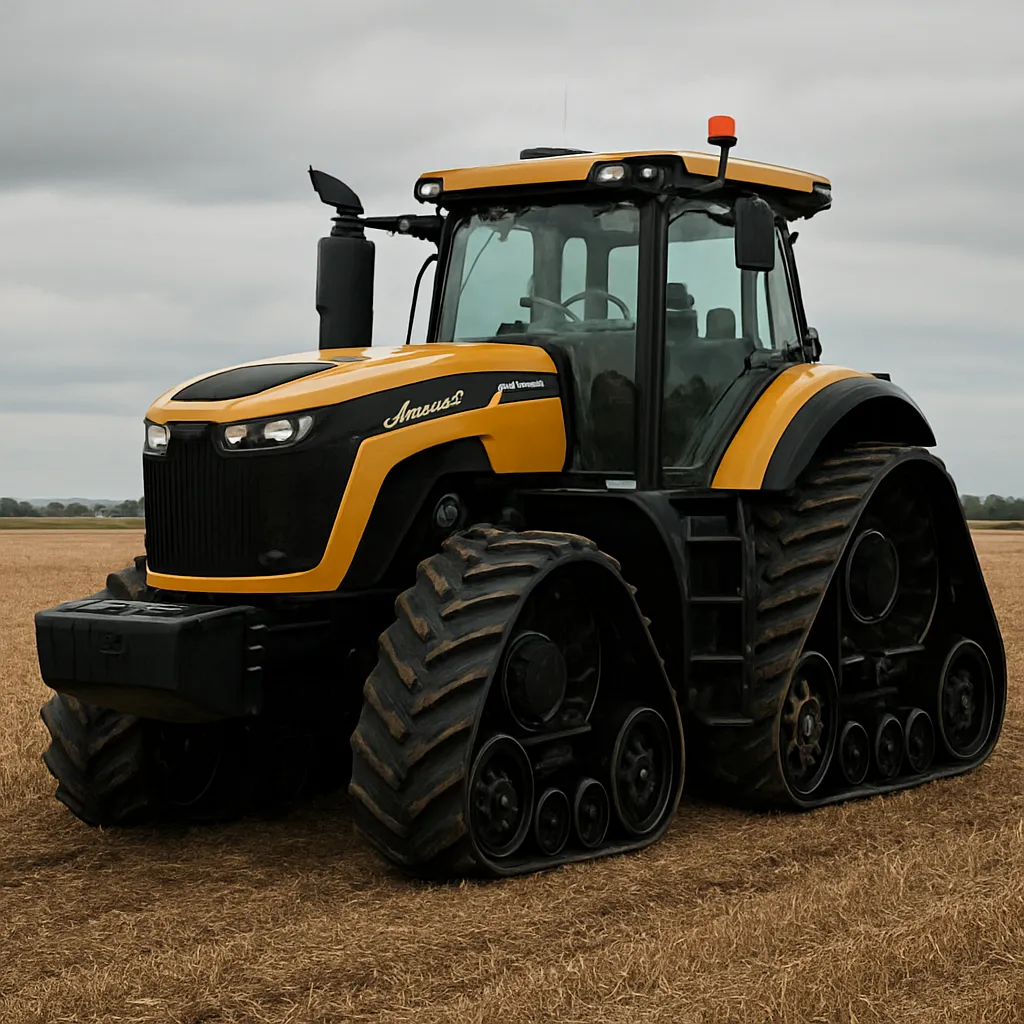
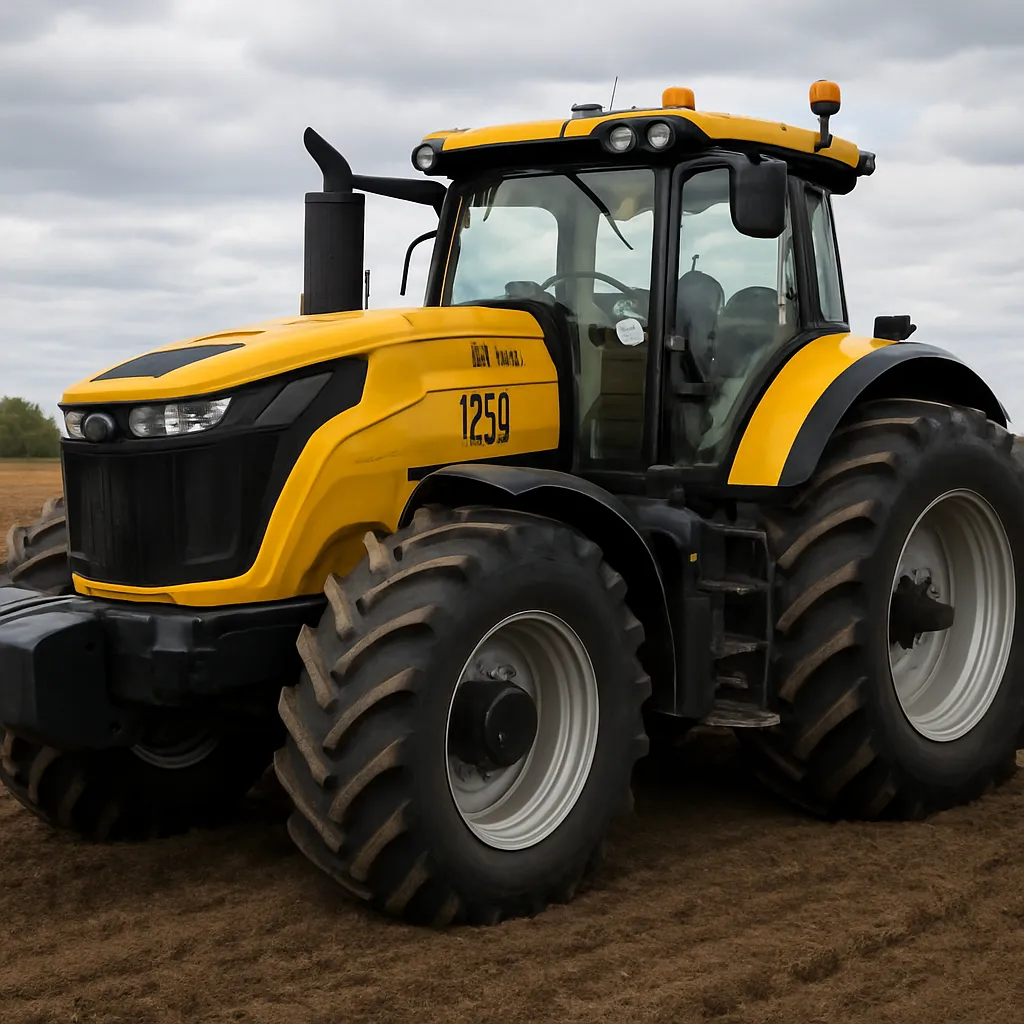
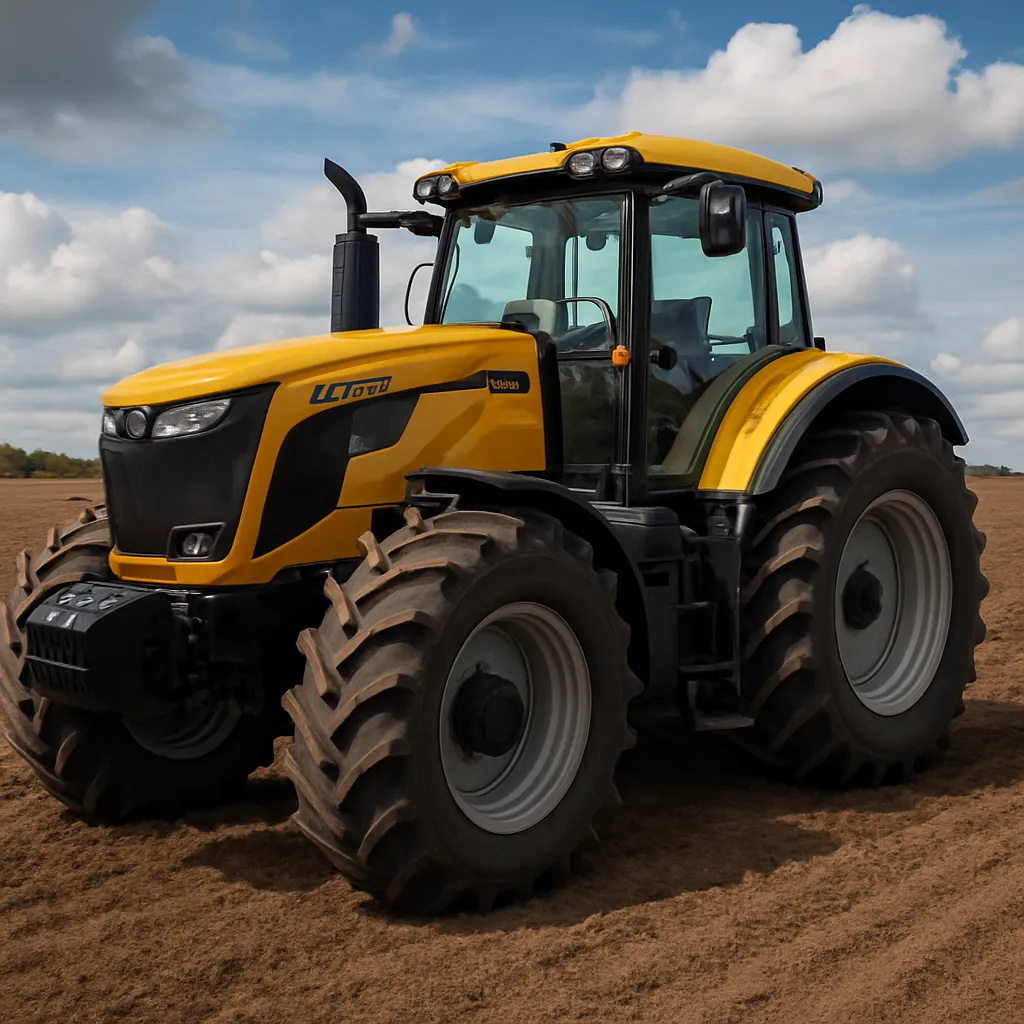
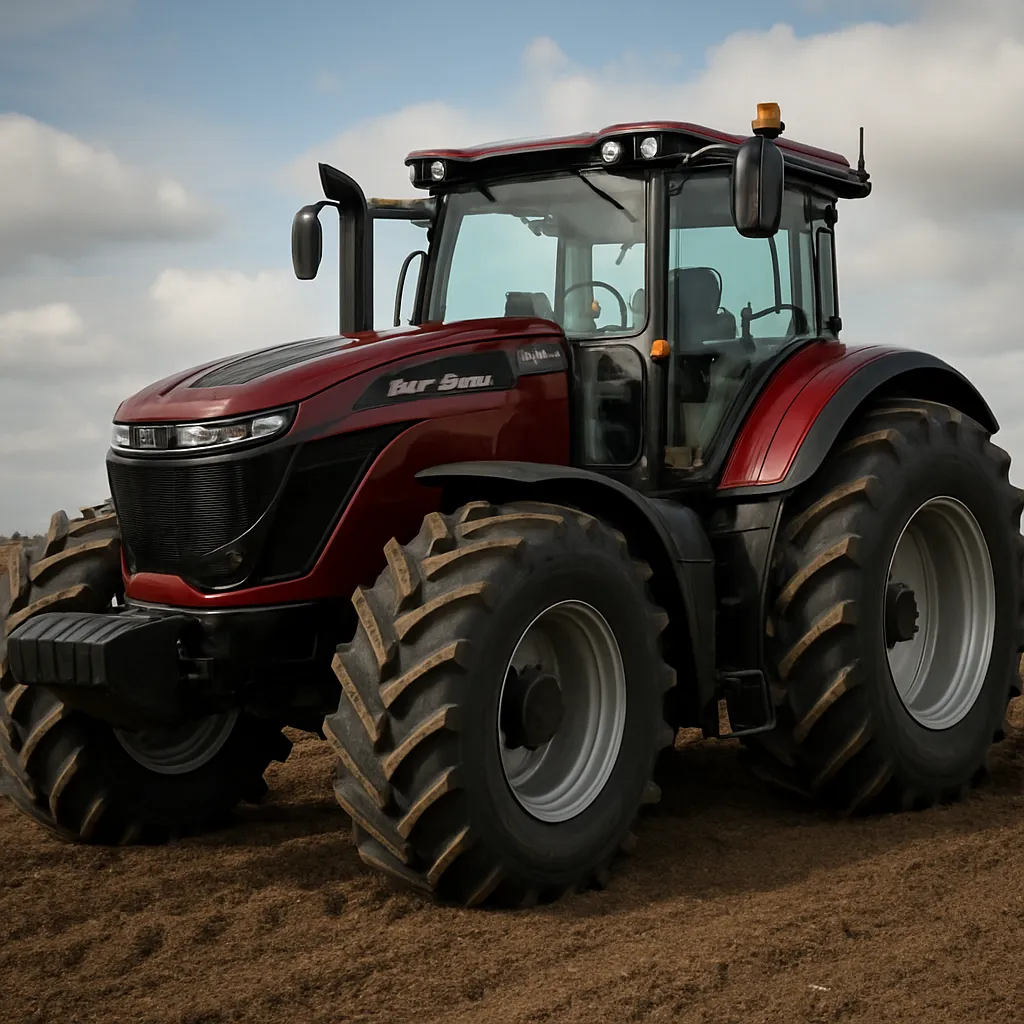
Key visual and structural features
- Robust front frame and three-point hitch attachment points for heavy implements
- Spacious, climate-controlled cab with low-vibration mounting
- High-capacity radiators and cooling systems for continuous high-load operation
- Modular option packages for transmission, hydraulics and precision farming systems
Engine, powertrain and performance
At the heart of the 7R 250 is a turbocharged six-cylinder diesel engine. John Deere typically equips this model with a 6.8‑liter PowerTech family unit designed to deliver strong mid-range torque, which is essential for both pulling loads and operating hydraulic and PTO-driven implements efficiently. The engine management system and emissions aftertreatment are tuned to meet contemporary regulatory standards while maximizing fuel economy.
Engine and torque characteristics
The nominal engine output is marketed as 250 horsepower, making the machine suitable for heavy fieldwork without reaching the largest frame classes. Peak torque is delivered across a broad rpm range, providing responsive pull and stable PTO speed under load. Typical characteristics include:
- Rated power: approximately 250 hp (varies slightly by market and configuration)
- Engine displacement: ~6.8 L inline-6
- Strong low-to-mid rpm torque for improved **traction** and implement control
Transmission options
One of the selling points of the 7R series is the variety of transmissions available. Buyers can generally choose between a stepped powershift and a continuously variable option, depending on work type and preference.
- e23 PowerShift — an electronically controlled 23-speed powershift known for solid performance in both field and road work
- IVT/AutoPowr — John Deere’s continuously variable transmission option that provides seamless speed changes, excellent fuel economy in variable-load conditions and smooth transport operations
The choice of transmission affects fuel consumption, drivability, and the overall user experience. IVT models are especially appreciated for loader work and operations requiring fine speed control.
Hydraulics, hitch and PTO
Hydraulic capacity and hitch strength are essential for the implements the 7R 250 will commonly use. John Deere offers robust hydraulic systems with multiple pump options and flow rates to match demanding tasks.
- Rear 3-point hitch with high lift capacity suitable for heavy-mounted implements — lift capacities typically measured in the several tonnes range for rear linkage
- Hydraulic flow: standard and high-flow options (high-flow packages can significantly increase implement responsiveness and support hydraulic motors on mounted equipment)
- PTO options typically include 540/1000 rpm to accommodate a wide range of PTO-driven implements
Applications and typical use cases
The 7R 250 is engineered for operations that need sustained power and flexibility. Its typical applications include:
- Tillage and primary cultivation — pulling large ploughs, discs and cultivators across broad acreages
- Seeding and planting — powering complex seed drills and planters with precision electronics and hydraulic controls
- Spraying and crop protection — transporting booms and tanks, and working with hydraulic and electrical controls for rate management
- Transport and haulage — moving trailers, wagons and equipment between fields and to storage
- Hay and forage operations — powering mowers, balers and forage harvesters where high PTO torque is required
- Loader and material handling — when fitted with a front loader, the 7R 250 is capable of fast, precise loading cycles
Because of its mix of power and adaptability, the tractor also finds use in specialty cropping, vineyard and orchard support (in modified configurations), and contracting fleets where operators demand reliability across many tasks.
Cab comfort, controls and precision farming
Operator comfort and control sophistication are major selling points. The cab on the 7R 250 is designed for long shifts, featuring ergonomic controls, visibility and systems that reduce operator fatigue.
Cab features
- Comfortable, adjustable seat with suspension and multiple control armrest configurations
- Climate control and low cabin noise levels for improved operator comfort
- Large glazing area for excellent field visibility, plus LED lighting packages for night work
Electronics and precision farming
John Deere’s integrated electronics suite supports precision agriculture workflows. Standard and optional systems enable:
- Autosteer and GPS-guided operations, reducing overlaps and improving application accuracy
- Rate controllers for seed, fertilizer and pesticide applications
- Telematics and JDLink for remote diagnostics, fleet management and operational data logging
These systems increase **productivity** and can reduce input costs by optimizing material distribution and minimizing wasted passes. Many operators report significant time and fuel savings once precision systems and autosteer are fully utilized.
Fuel consumption, operating economics and real-world performance
Fuel economy and operating costs are crucial for large machinery investments. While exact consumption depends on tasks, terrain, and operator behavior, some general observations can be made about the 7R 250:
- Efficient mid-range torque delivery improves fuel usage under load, especially when paired with IVT in variable conditions
- Regular service intervals and modular component layouts reduce downtime and repair complexity
- Telematics and engine management help identify inefficiencies and allow fine-tuning for better fuel economy
Typical numbers and ranges (approximate)
These figures are approximate and will vary by region, implement and duty cycle:
- Fuel tank capacity: often in the range of 400–600 liters, supporting long operating intervals
- Operating (dry) weight: commonly between 8,000 and 9,500 kg depending on configuration and options
- Maximum road speed: up to 40 km/h in many standard configurations (higher speeds may be available in specific markets)
- Hydraulic flow: base to high-flow options, with high-flow packages providing >150 L/min or more for demanding hydraulic implements
Maintenance, reliability and warranty
John Deere places emphasis on long service intervals, accessible maintenance points and dealer support. For fleet operators and contractors, uptime is the most important metric, and the 7R series is built to minimize time out of service.
Maintenance features
- Easy-access daily checks: fluid points, filters and battery locations are grouped for convenient servicing
- Modular components and common service intervals across the 7R family simplify parts stocking and repair procedures
- On-board diagnostics and remote connectivity make troubleshooting faster and often allow proactive service scheduling
Reliability considerations
Reliability in heavy tractors is influenced by operating environment and maintenance rigor. Typical best practices to maximize machine life include:
- Strict adherence to scheduled oil and filter changes
- Using recommended lubricants and fuels for emissions systems longevity
- Periodic hydraulic system inspections and appropriate filter replacements
Safety, emissions and environmental impact
Modern agricultural tractors must balance performance with regulatory compliance. The 7R 250 uses emission control technologies to meet Tier 4 Final / Stage V requirements in many markets, which can include diesel particulate filters and selective catalytic reduction (SCR) systems.
Safety systems
- Rollover protective structures (ROPS) integrated into cab design
- Visibility aids including cameras and LED work lights
- Standard braking and transmission safety interlocks to prevent unintended movement
Environmental footprint
Although large tractors consume significant amounts of diesel, modern engine control and aftertreatment systems markedly reduce particulate and NOx emissions compared with older equipment. Precise implement control and GPS guidance further reduce the environmental footprint by optimizing passes and inputs such as fertilizer and pesticide application.
Market positioning and comparisons
Within John Deere’s lineup, the 7R 250 competes with both its own family members (lower- and higher-powered 7R models) and similarly sized tractors from other manufacturers. It typically appeals to customers who need a high-performing, multi-role tractor but do not require the absolute highest-power flagship machines.
Strengths
- Balanced combination of **power** and versatility
- Wide dealer network and established parts availability in many regions
- Integration with John Deere’s precision agricultural ecosystem
Considerations versus competitors
When comparing the 7R 250 to alternatives from other manufacturers, buyers often evaluate:
- Total cost of ownership including fuel, maintenance and resale value
- Transmission preference — some competitors may offer different CVT or hybrid options
- Available hydraulic flow and hitch ratings for specific implements
Practical tips for buyers and operators
Choosing and operating a 7R 250 effectively includes both purchase planning and day-to-day practices:
- Assess the primary tasks and choose transmission/hydraulic packages accordingly — IVT for loader/variable speed tasks, e23 for straightforward field and transport operations
- Invest in precision farming packages if working on large acreage to quickly realize fuel and input savings
- Maintain a logbook and utilize telematics to monitor fuel use and detect anomalies early
- Proper tire selection and ballast management will optimize traction and reduce soil compaction
Summary
The John Deere 7R 250 is a versatile, high-output tractor designed for demanding agricultural tasks. Its combination of robust engine performance, multiple transmission choices, strong hydraulic capability and modern cab comforts make it suitable for a wide range of operations from heavy tillage to precision planting and transport. For buyers seeking a dependable workhorse that integrates with a broader precision farming ecosystem, the 7R 250 represents a compelling option balancing performance, convenience and technological capability. Key strengths include its mid-range torque characteristics, flexibility of configuration, and the support network that John Deere provides through dealers, parts and telematics.