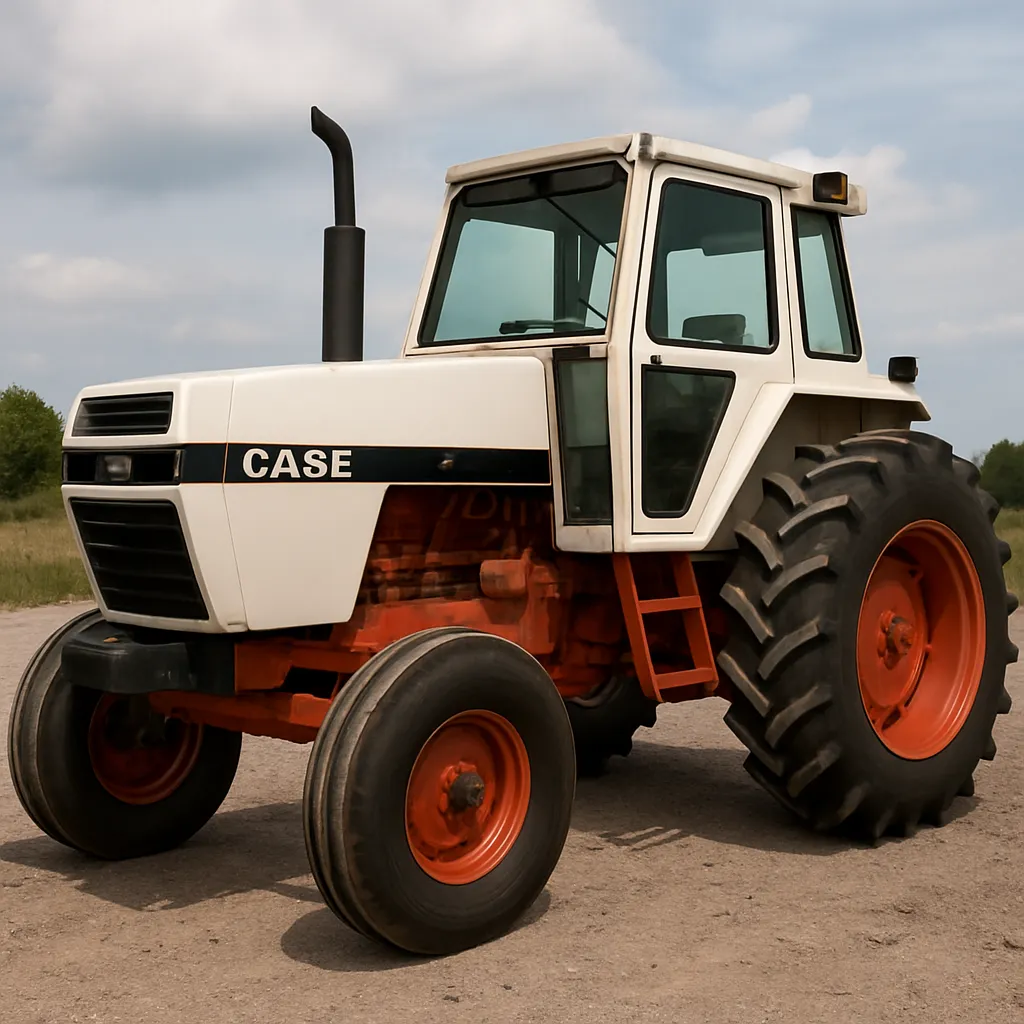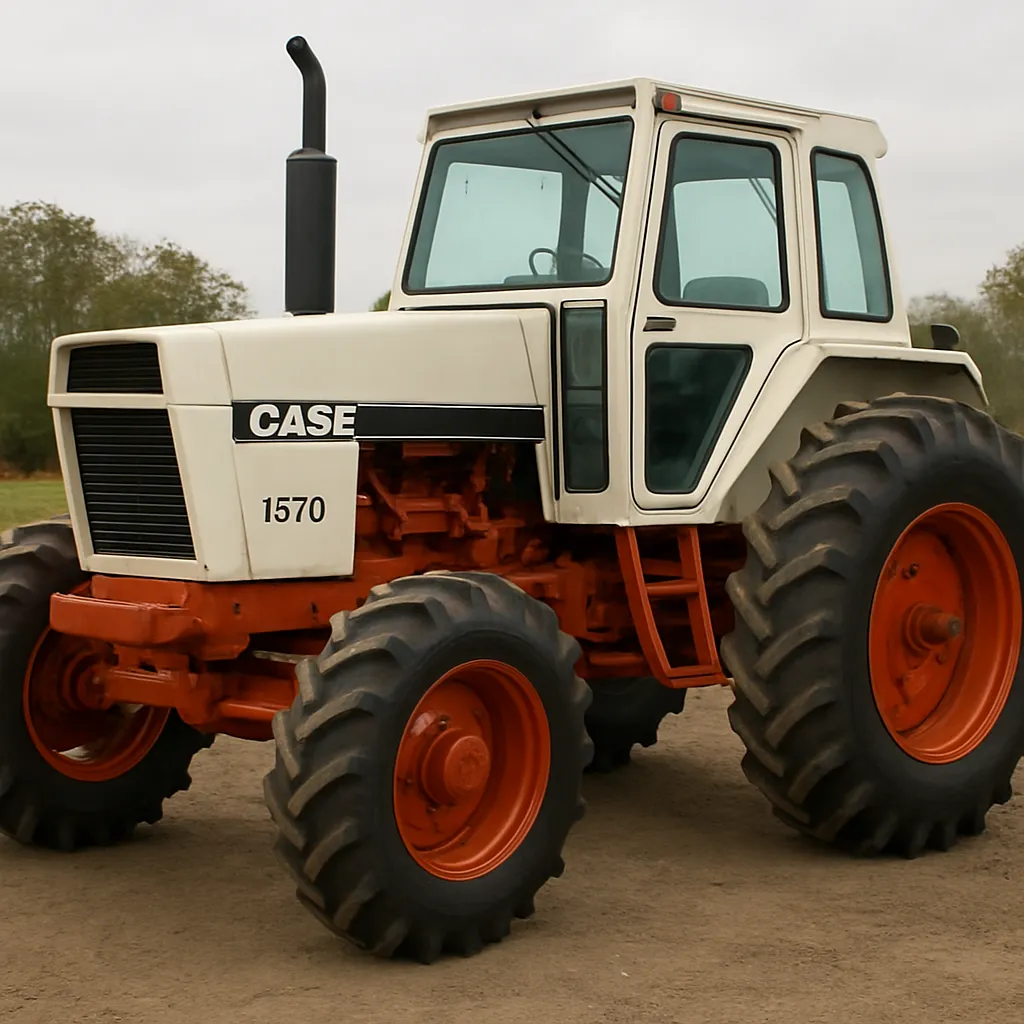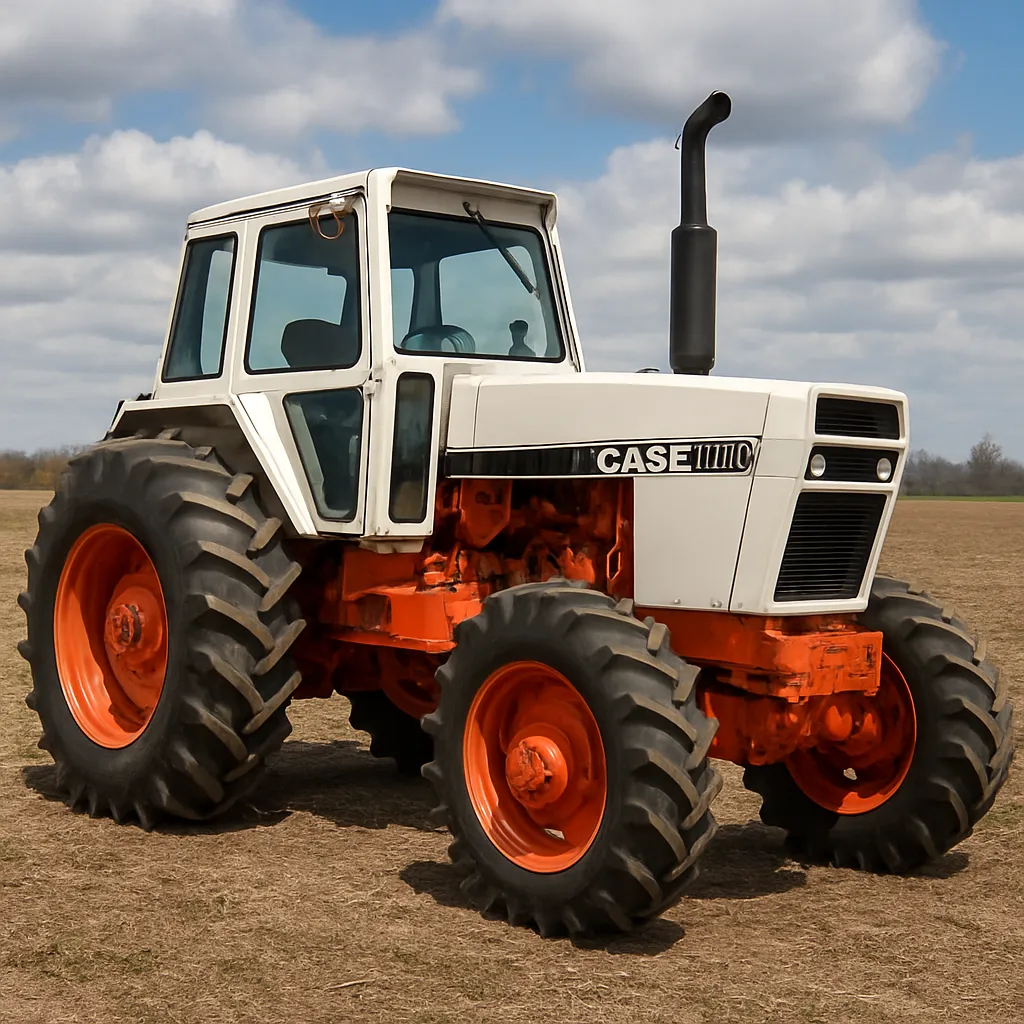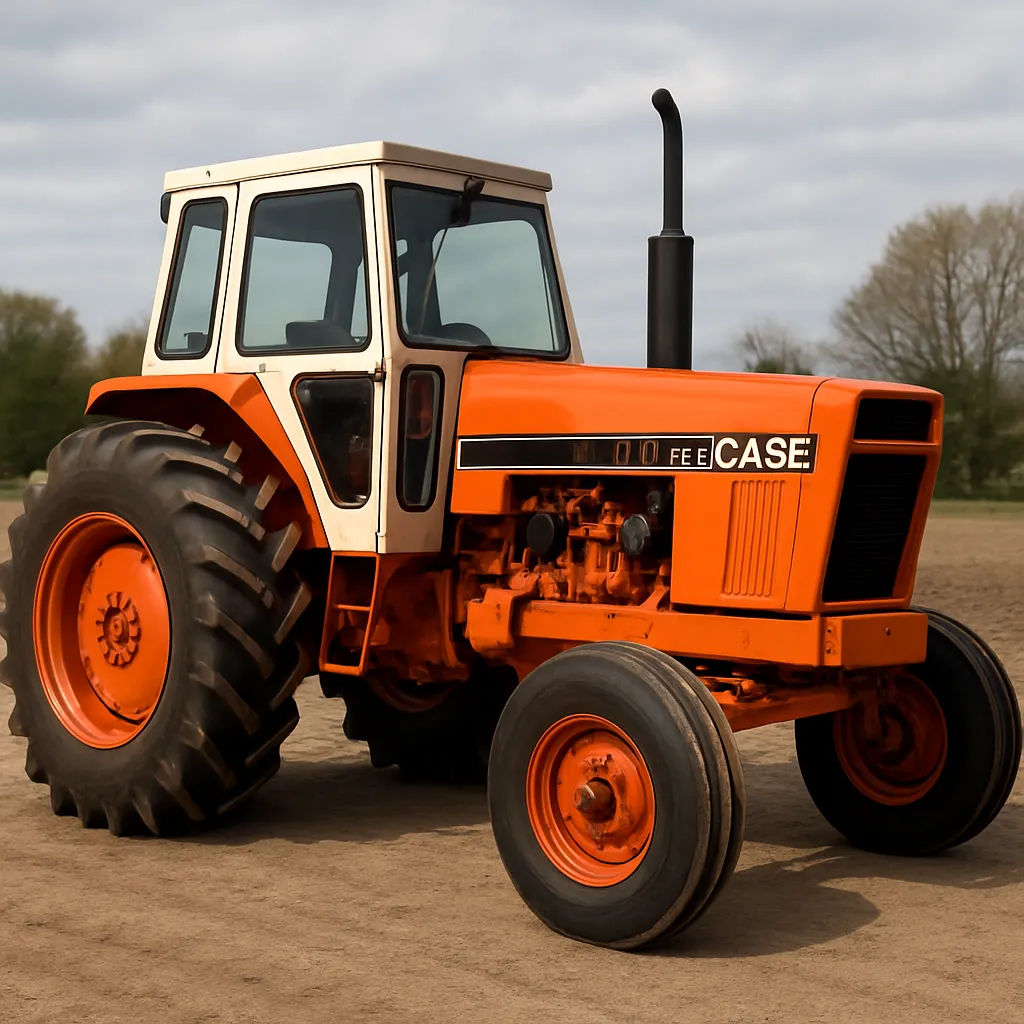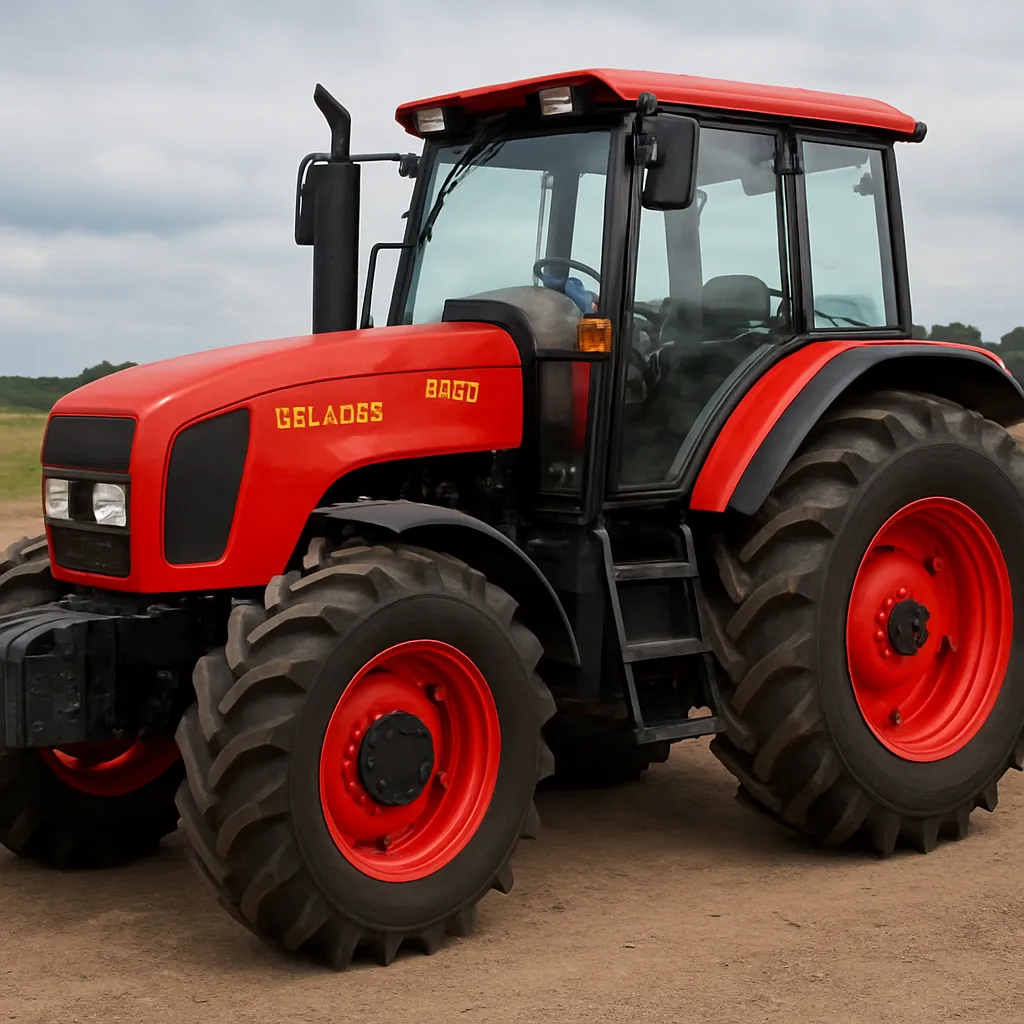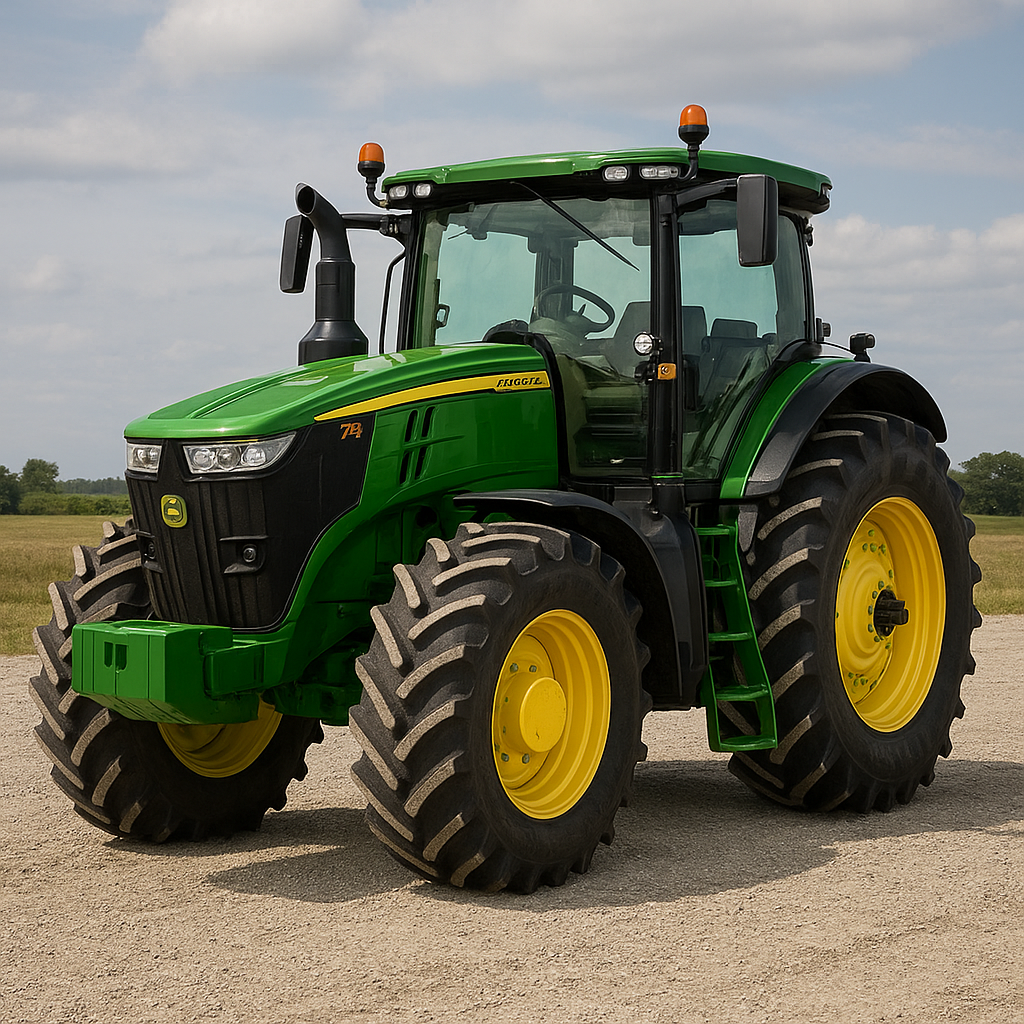
The John Deere 7R 350 represents a class-leading row-crop and high-horsepower utility tractor designed to meet the needs of modern arable farms, contracting operations and mixed enterprises. Combining contemporary engine technology, advanced transmissions, and an ergonomic operator environment, this model is intended to deliver high productivity, versatility and connectivity in a single platform. The following article explores the machine’s design, technical characteristics, applications, operation and economic considerations in detail, including commonly reported specifications and practical observations relevant to buyers and operators.
Design philosophy and intended applications
The 7R series from John Deere was developed to provide a balance of power, agility and comfort for medium-to-large farms. The John Deere 7R 350 sits near the top of the series’ output range and is aimed at operations that require sustained high drawbar and PTO power while retaining the maneuverability needed for headland turns, transport and loader work. Typical applications include:
- Arable fieldwork: ploughing, cultivations, subsoiling and seedbed preparation.
- Seeding and planting: pulling large seed drills and air seeders with precise speed and control.
- PTO-driven implements: large rotary mowers, balers, forage harvesters and sprayers.
- Transport and heavy haulage: trailer and slurry tanker transport at road speeds.
- Loader and livestock farm duties: front-loader silage handling and material handling.
- Contracting: versatile enough for contractors who perform a variety of tasks across many clients.
From a design standpoint, the tractor emphasizes modularity—multiple transmission options, hydraulic flow rates and front axle choices allow customers to tailor the machine to specific tasks. The cab is designed to reduce operator fatigue during long shifts, with advanced controls and excellent visibility to the implement and surrounding area.
Engine, power and drivetrain: what to expect
The powertrain is the core of the 7R 350’s capability. While specific configurations can vary by market and model year, the following summarizes the typical technical character of this model:
- Engine: inline-six turbocharged diesel with intercooled aftercooling, commonly John Deere PowerTech family. Displacement for this class is typically around 6.8 liters (approximate depending on exact submodel).
- Rated horsepower: marketed as a 350 hp model—ISO power rating suitable for heavy draft and PTO loads.
- Power management: features such as Intelligent Power Management (IPM) or torque management allow short-term power boosts under load for transport or field peaks.
- Transmissions: available with John Deere IVT (Infinitely Variable Transmission) and stepped transmissions such as the e23 PowerShift, offering both precision speed control and robust load handling. IVT provides seamless speed changes and optimized fuel economy under variable loads.
- PTO options: rear PTO with 540/540E/1000 rpm selections and optional front PTO for specialized attachments.
Typical factory information for tractors in this segment highlights features like electronic engine management, selective catalytic reduction (SCR) and diesel particulate filters to meet emissions regulations while maintaining fuel efficiency. The combination of a modern engine and sophisticated transmission allows the 7R 350 to balance high productivity with improved fuel economy compared to older designs.
Performance figures and practical output (typical)
- Power rating: approximately 350 hp (ISO) at rated engine speed.
- Maximum torque and torque rise: substantial torque to maintain pull at low RPMs for heavy implements (specific torque values vary by engine tune).
- Top road speed: selectable gearing or IVT settings enable road speeds up to 40–50 km/h depending on market configuration and legal limits.
- Hydraulic capacity: options often include medium-flow (e.g., ~120–160 L/min) and high-flow systems (e.g., ~200+ L/min) for large planters, sprayers and front loaders.
- Fuel capacity and runtime: large tanks to minimize downtime during long field days (tank sizes vary by configuration).
Because exact numbers can differ by year and market, prospective buyers should consult factory literature or a dealer for the precise technical sheet matching their region and chosen specification.
Hydraulics, three-point linkage and implement compatibility
One of the strengths of the 7R 350 is its ability to power and control a wide array of implements through robust hydraulics and linkage systems. Typical features include:
- Hydraulic circuits with multiple remote valves, allowing simultaneous control of seeders, sprayers and rear-mounted implements.
- High-flow hydraulic options to operate large planters, air carts and high-demand implements without adding an auxiliary pump.
- Three-point linkage designed for heavy duty implements with high lift capacity and electronic draft control for consistent depth and seed placement.
- ISOBUS compatibility and implement control, enabling plug-and-play operation with modern implements and precision farming tools.
These systems support efficient implement management—load sensing hydraulics reduce fuel use by delivering oil only as demanded, while electro-hydraulic control allows precise positioning and repeatable settings for field work.
Cab, controls and operator experience
Comfort and control are major selling points for high-horsepower tractors where operators may be in the seat for long shifts. The 7R 350 cab typically offers:
- A quiet, climate-controlled environment with reduced vibration and noise for operator comfort.
- Ergonomic controls including a console with proportional levers, joystick options for loader and implement control, and intuitive touch displays for transmission, hydraulics and implementing settings.
- Visibility: large glass area and narrow hood design to improve sightlines to the mounted implements and front loader.
- Connectivity: telematics such as JDLink, documentation and remote diagnostics, which permit fleet managers to monitor performance, fuel use and maintenance remotely.
Advanced guidance and steering systems (e.g., AutoTrac) integrate directly with the tractor’s controls, enabling hands-off guidance for repeatable passes, reduced overlap and optimized field coverage—important for saving fuel, inputs and time.
Applications in modern farming and contracting
The 7R 350’s combination of horsepower, hydraulics and available options make it a flexible choice for a wide set of tasks:
- Primary tillage: when fitted with a robust hitch and adequate ballast the 7R 350 can pull large ploughs and disk harrows across wide working widths.
- Seeder and planter work: combined with high-flow hydraulics and electric metering systems, it can run large planters at consistent speeds.
- Forage and harvesting support: PTO capacity and torque allow operation of large balers and other harvesting equipment.
- Transport and roadwork: with high road speeds and comfortable cabin it becomes an effective transport machine between fields and yards.
- Specialist tasks: front loader work, fertilizer spreading and sprayer operations when configured with the correct hydraulics and accessories.
Contractors value the model for its power reserve and ability to adapt to many roles: a single 7R 350 can replace several smaller machines by taking on both field and transport tasks efficiently.
Fuel economy, maintenance and lifecycle considerations
Fuel usage depends strongly on the task, implement load and operator habits. Modern engine management and the IVT transmission help optimize engine RPM and minimize unnecessary fuel burn under partial loads. General considerations include:
- Fuel economy: careful use of cruise control/IVT and operating in the optimum torque band reduces specific fuel consumption. Many operators report notable fuel savings compared to older generations of tractors under similar loads.
- Maintenance: scheduled servicing for filters, oil, DPF/SCR systems and hydraulic oil is essential—telemetry and onboard diagnostics simplify preventive maintenance planning.
- Resale and total cost of ownership: the John Deere brand retains strong residual values in many markets, but lifecycle costs also depend on telematics-enabled uptime and dealer support.
- Parts and service network: Deere’s global dealer network provides parts, service and software updates—but service costs for emissions systems should be budgeted.
Operators often balance initial purchase price against long-term uptime and productivity. For many, the productivity gains from less downtime and higher effective field speeds justify the investment.
Safety, regulations and environmental aspects
Regulatory compliance has driven significant changes in diesel engine architecture. The 7R 350 incorporates emissions aftertreatment systems designed to meet regional standards, which typically include:
- Diesel particulate filters (DPF) and oxidation catalysts.
- Selective catalytic reduction (SCR) systems using DEF/AdBlue to reduce NOx emissions.
- Engine management systems that adjust combustion and aftertreatment to meet limits without sacrificing usable power.
From a safety perspective the tractor includes rollover protection, robust braking systems, lighting packages for road use and cameras or mirrors for enhanced visibility. Proper operator training and adherence to local regulations for on-road operations are essential.
Comparisons and positioning within the market
In its weight and power class the 7R 350 competes with models from other major manufacturers that offer similar horsepower and features. Points of differentiation frequently cited by users include:
- Infinitely variable transmission (IVT) as an option: delivers smooth speed control and efficient power transfer for demanding implements.
- Integrated precision ag systems: easy integration with John Deere’s suite of guidance and documentation tools.
- Dealer support and resale value: a strong global parts and service network can be a decisive factor for large fleets and contractors.
Prospective buyers typically compare fuel efficiency, hydraulic flow capability, cab comfort, and available accessories (e.g., front linkage, front PTO, telematics bundles) when choosing among competing models.
Practical tips for operators and fleet managers
To maximize the value and longevity of a 7R 350, operators and managers should consider the following:
- Choose the transmission and hydraulic option that matches the primary tasks—IVT for mixed workloads and precise speed control, high-flow hydraulics for large planters and implements.
- Use manufacturer-recommended oils and service intervals to protect emissions equipment and maintain warranty coverage.
- Leverage telematics for remote monitoring: fuel usage, idling time and maintenance alerts help reduce operating costs.
- Train operators on best practices for load matching, using power management features and implementing proper ballast for traction and tire wear management.
- Plan for seasonal peaks—having a service contract during harvest or planting reduces risk of prolonged downtime.
Notable variants and optional equipment
John Deere typically offers a variety of factory and dealer-fitted options to adapt the 7R 350 to customer needs. Common options include:
- Cab packages with upgraded seats, air-suspended cabins and heated controls for comfort in long shifts.
- Front linkage and PTO for mower-conditioners and snow-clearance equipment.
- Tire and track packages: radial or dual tires, wide flotation tires and tracked undercarriage options for fragile soils or high traction demands.
- Precision farming hardware: RTK GNSS receivers, rate controllers and Section Control packages for input savings and improved coverage.
These options allow the tractor to be configured as a high-clearance sprayer base, heavy tillage tractor, or a top-level seeding and planting machine depending on customer needs.
Concluding perspective
The John Deere 7R 350 is a versatile and powerful tool for modern farming operations requiring a blend of high horsepower, operator comfort and technology integration. Its strengths lie in adaptable configurations, strong dealer support and a suite of features designed for productivity and connectivity. While exact specifications vary with region and year, the model is consistently positioned to serve demanding fieldwork, transport and implement-driven tasks. For farmers and contractors focused on productivity, uptime and precision, the 7R 350 presents a compelling option—particularly when specified with the transmission, hydraulics and precision systems that match the intended workload.