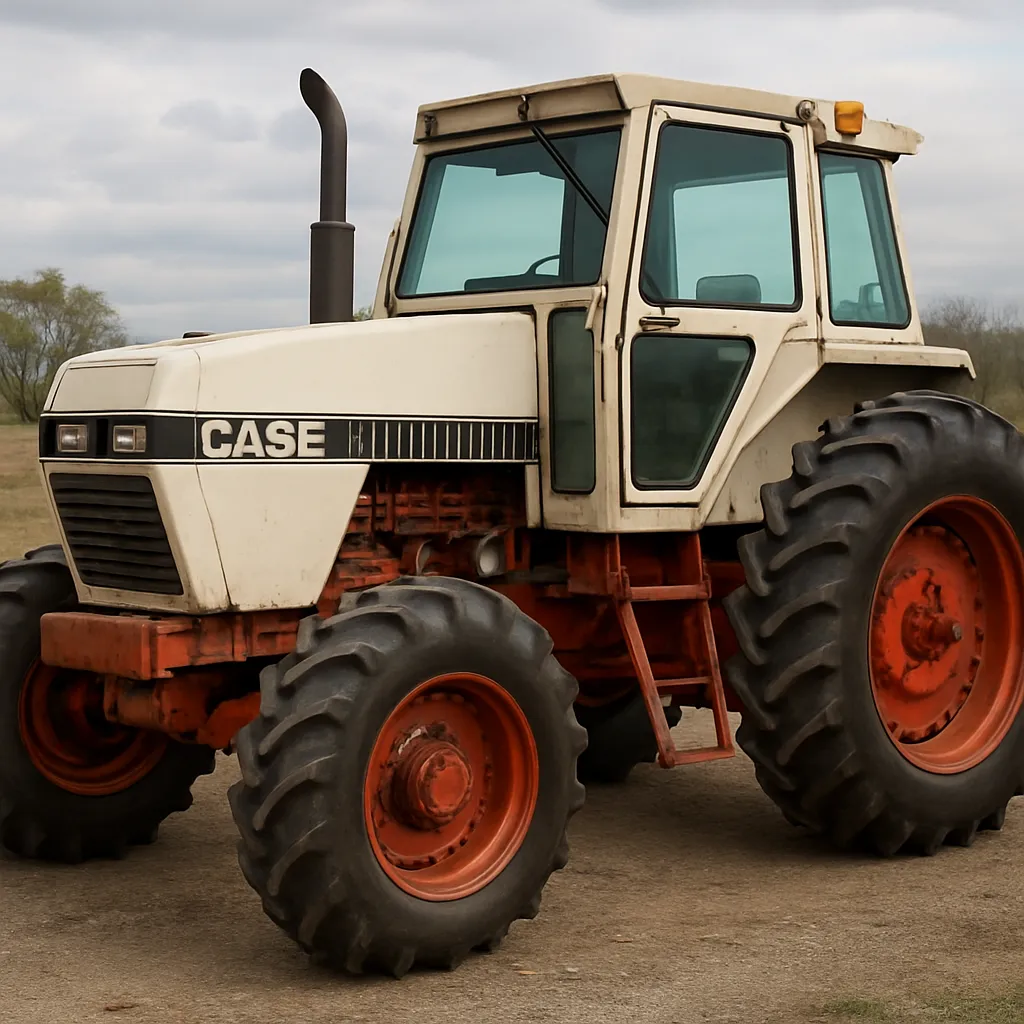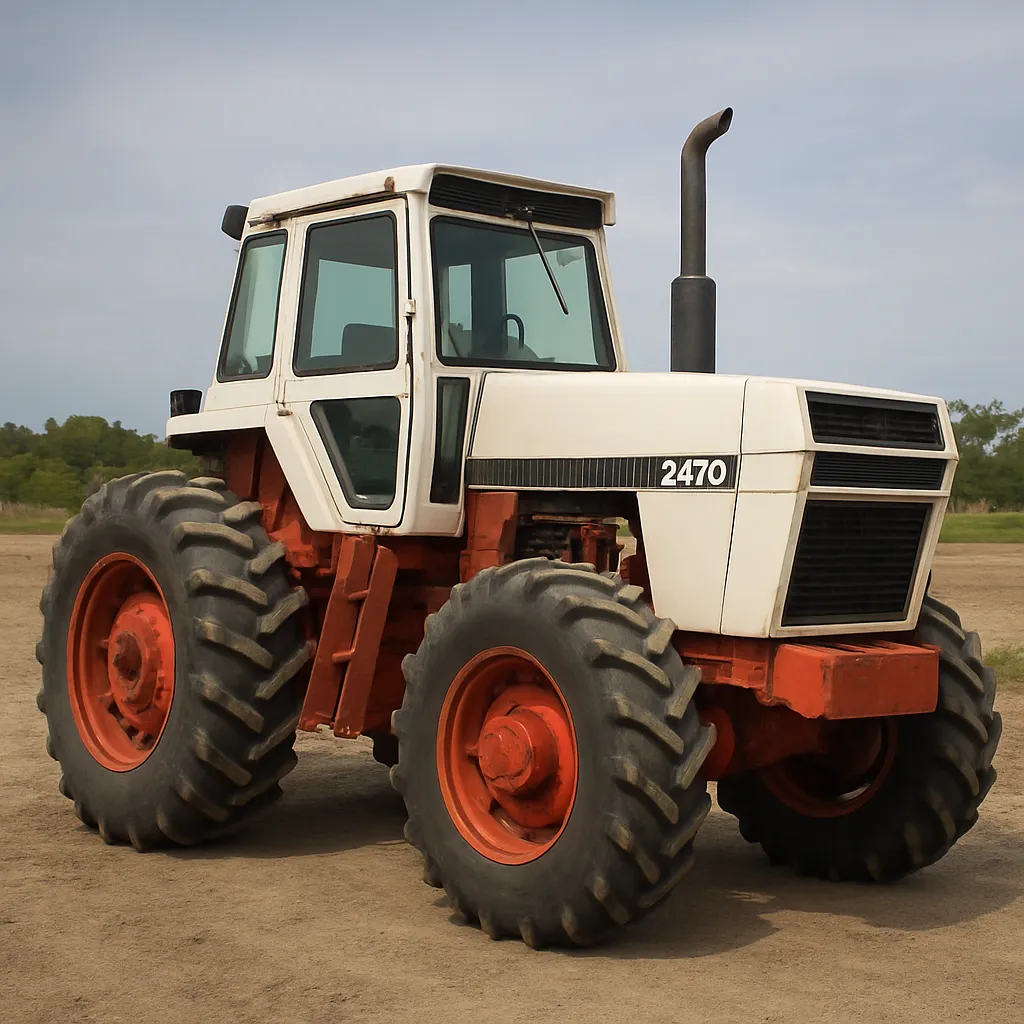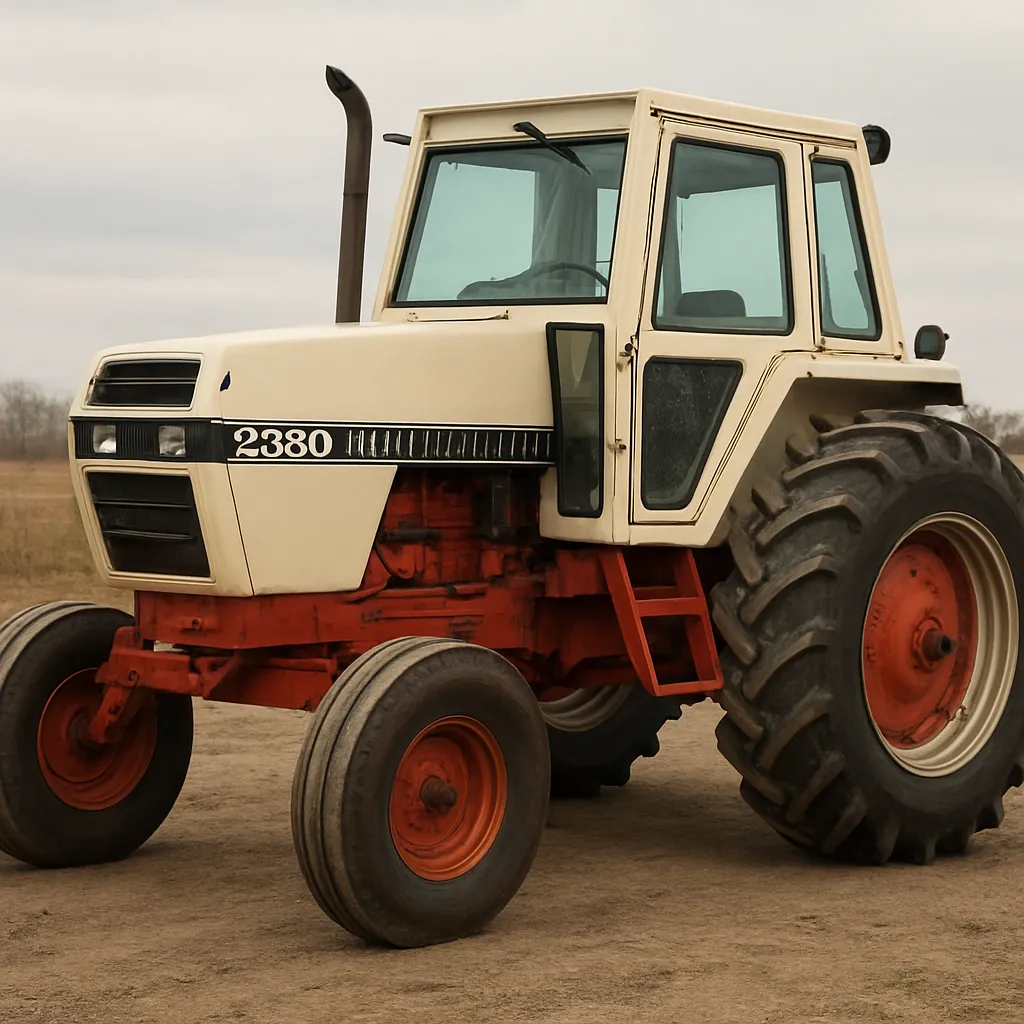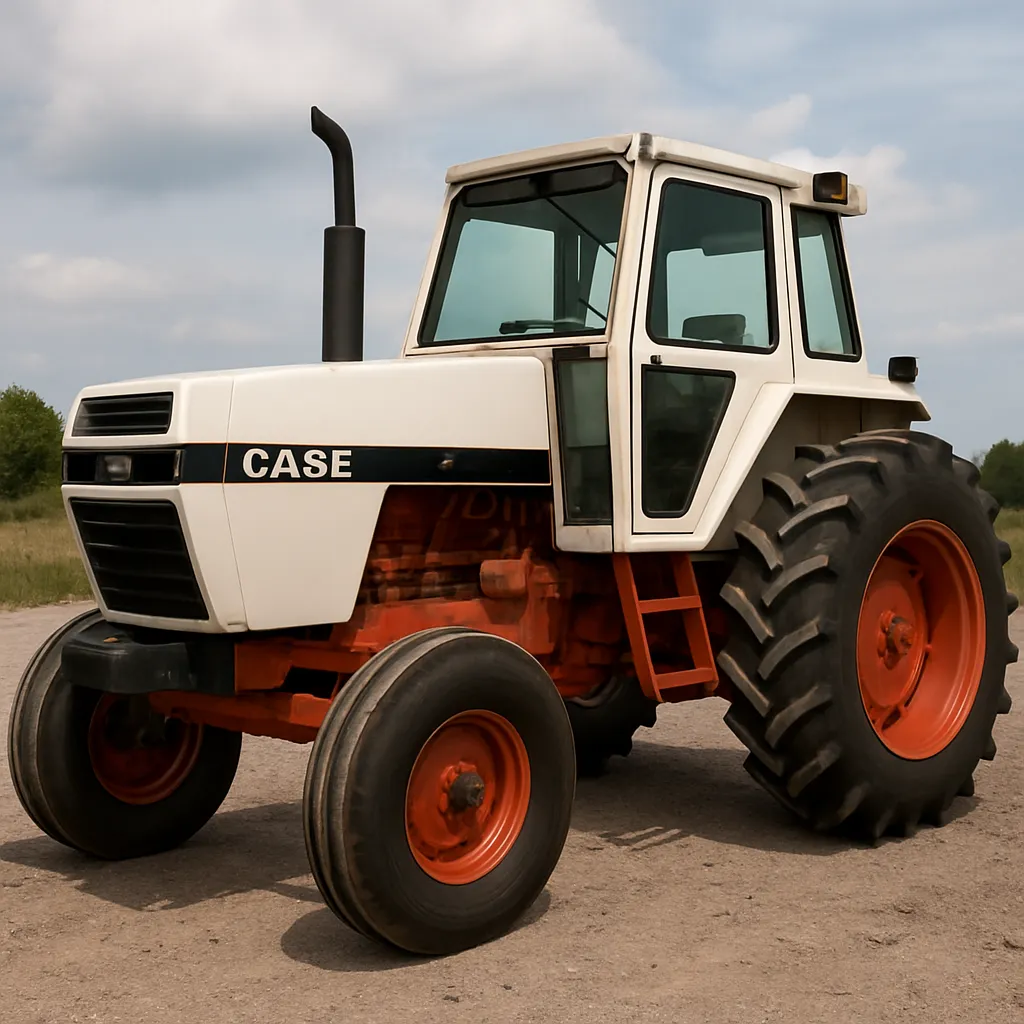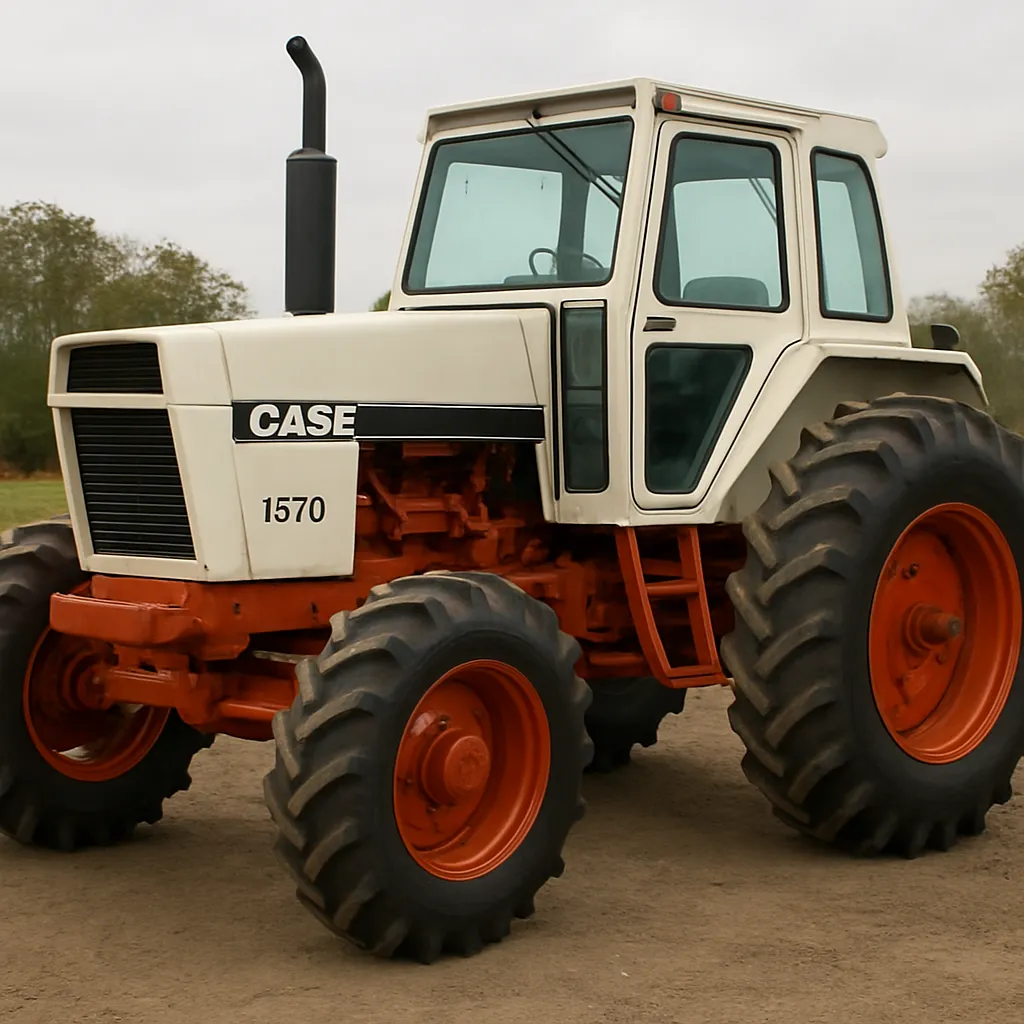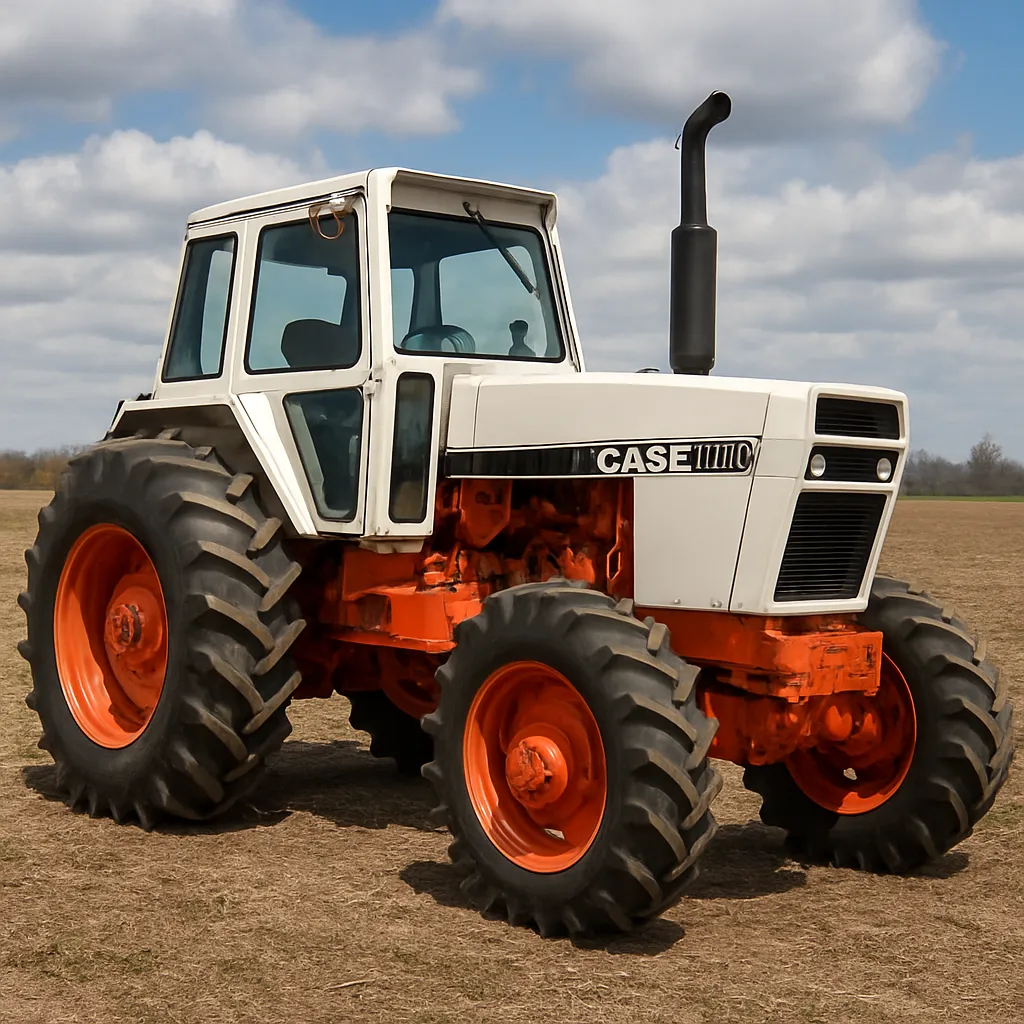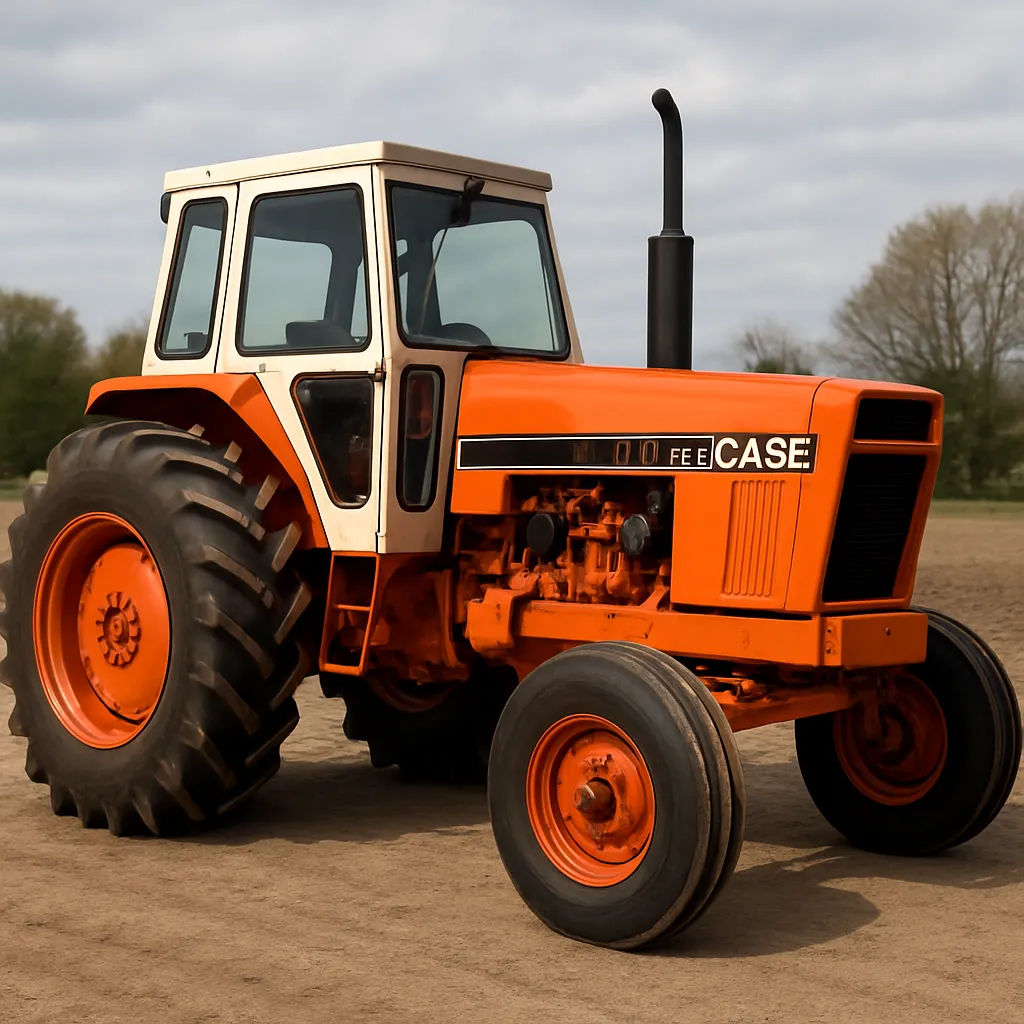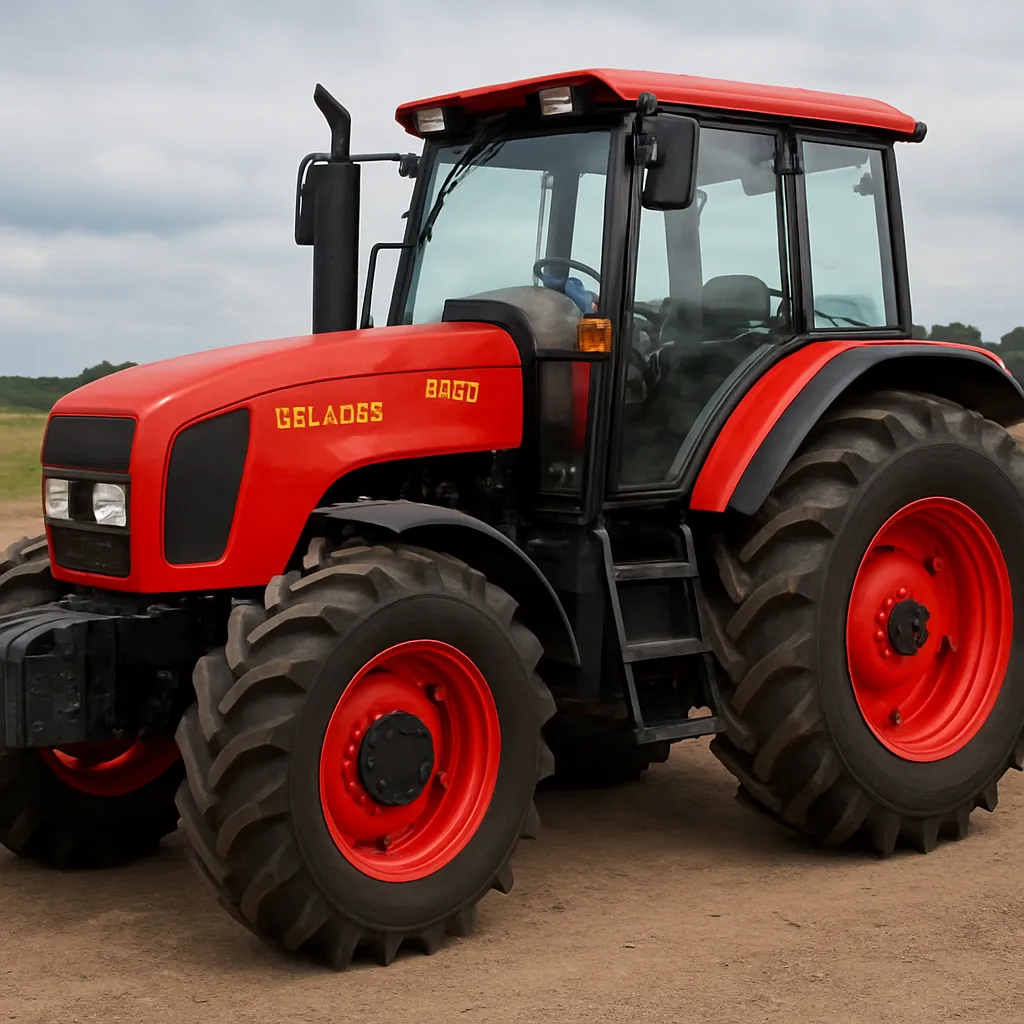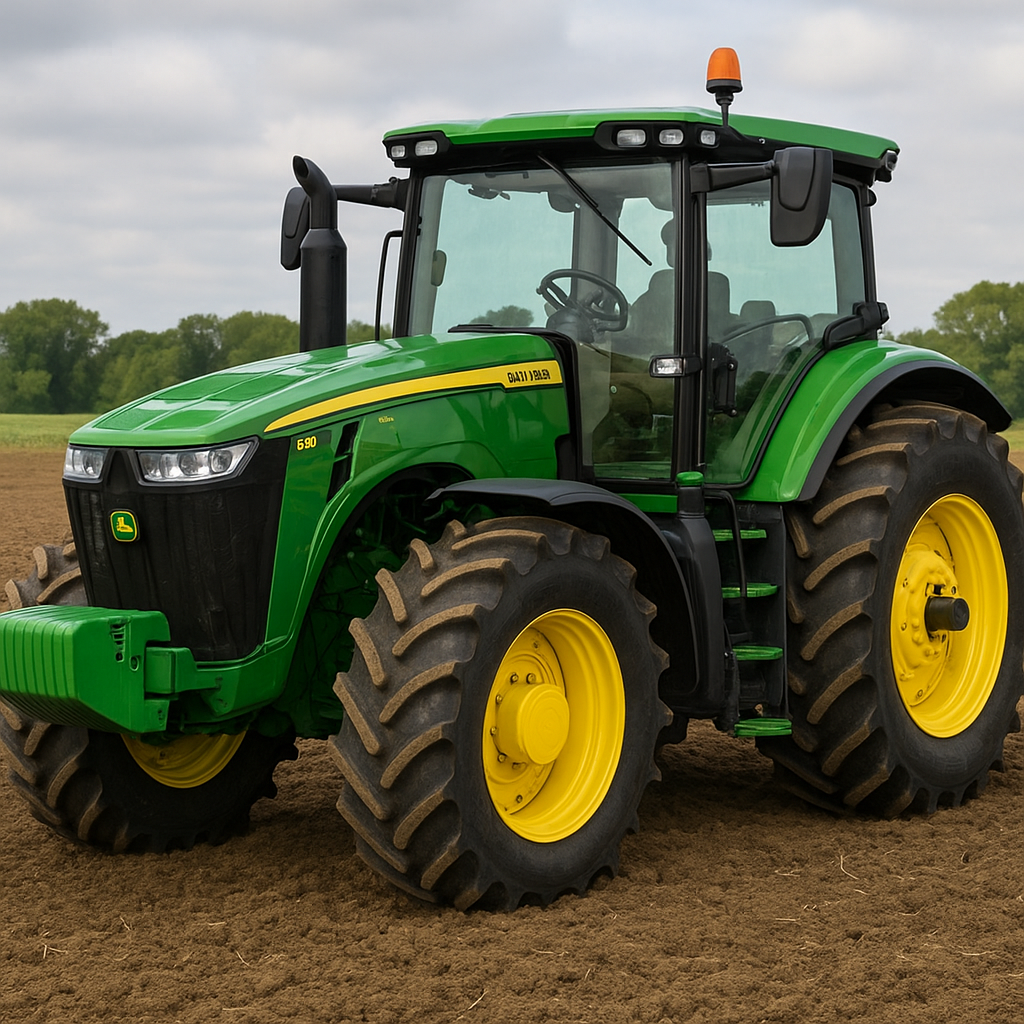
The John Deere 8R 280 is a member of the manufacturer’s premium row-crop and heavy-field tractor family, designed to combine high **power**, advanced **technology**, and operator **comfort** for large-scale farming operations. This article explores the 8R 280’s design, technical characteristics, practical applications, and the features that make it attractive to contractors and farmers who need reliable performance across demanding tasks. Where available, typical specification ranges and operational **statistics** are included, with a note that exact numbers can vary by model year and optional configurations.
Overview and design philosophy
The John Deere 8R series was developed to bridge the gap between high-horsepower row-crop tractors and heavy-field machines, offering a flexible platform suitable for a broad range of tasks. The 8R 280 occupies a mid-to-high position in this lineup, with a factory-rated engine output nominally associated with the model number. John Deere’s intent with the 8R family is to deliver a machine that provides robust pulling capacity, refined electronic systems for precision farming, and chassis and cab designs focused on long hours in the field.
- Chassis and weight distribution: The 8R platform is engineered for balanced weight distribution to maximize traction while minimizing soil compaction. Configurations include wheeled and track (pull-type or 2-track) options, and adjustable ballast and tire choices to match crop and soil conditions.
- Engine and emissions: The engine is a high-torque, multi-cylinder diesel with turbocharging and aftertreatment technology (SCR, DPF, and DOC) to meet modern emission standards. These systems allow consistent performance under load while meeting regulatory requirements for NOx and particulate reduction.
- Cab and operator environment: The cab emphasizes visibility, ergonomics, and noise reduction. Features typically include an adjustable seat, intuitive console layout, climate control, and integrated displays for machine and precision-agriculture systems.
Technical specifications and performance (typical ranges)
Specifications for the 8R 280 differ depending on year, country, and options. The following figures are representative of common configurations and should be treated as approximate values:
- Engine output: Model designation indicates an engine power class around 280 hp (engine-rated). Actual PTO and drawbar power depend on configuration; PTO power commonly ranges from approximately 220–260 hp.
- Engine type: Turbocharged, intercooled inline six-cylinder diesel with electronic fuel management and exhaust aftertreatment for emissions control.
- Maximum torque: Typically in the range of 1,200–1,800 Nm, delivered across a broad rpm band to sustain heavy draft operations.
- Transmission options: Multiple options are usually available, including continuously variable transmissions (CVT/IVT) for smooth speed control, and advanced powershift or e23-style step-shift transmissions for operators preferring defined gears.
- Hydraulics: High-flow hydraulic systems with multiple remote valves. Typical implement hydraulic flow ranges from roughly 120–220 L/min depending on pump configuration.
- PTO and hitch: Rear PTO with standard 540/1000 rpm selections (some models offer economy PTO options), and a heavy-duty three-point hitch with lift capacities suitable for large implements—commonly in the several-ton range at the hitch points.
- Operating weight: Varies significantly with options; typical weights fall between 8,000 and 12,000 kg (17,500–26,500 lb).
- Fuel capacity and range: Large fuel tanks (often several hundred liters) to support long operating days without frequent refueling. Exact capacity depends on factory or dealer-installed tanks.
- Top road speed: Road transport speeds up to 40 km/h (25 mph) or higher in jurisdictions and configurations that allow it.
Applications and practical uses
The 8R 280 is a versatile machine suited to a wide variety of agricultural tasks. Its combination of power, hydraulic capability, and stability makes it popular among large-scale grain producers, contractors, and mixed farms.
- Tillage: Ideal for heavy primary and secondary tillage work, such as plowing, disk harrowing, and deep ripping when paired with wide implements.
- Seeding and planting: Used to pull large planters and seed drills reliably at planting speeds while maintaining precise control of seed placement, especially when equipped with precision guidance systems.
- Spraying and nutrient application: Effective as a pull vehicle for booms and for towing tanks for liquid manure and fertilizer, benefiting from steady power delivery and hydraulic capacity.
- Hay and forage: Suitable for large baling operations, haulage of forage wagons, and mowing/conditioning where PTO and hydraulic interactions are required.
- Hauling and loader work: With appropriate front hitch and loader, the 8R 280 can perform heavy loader work and transport across farm roads, haul trailers, and move material on demand.
- Contracting: Contractors appreciate the 8R’s durability and uptime potential, using them for seasonal high-demand operations across multiple farms.
Advanced technology and precision agriculture
One of the strengths of the 8R series is its integration of modern precision-agriculture tools and telematics, which help operators maximize efficiency and reduce input costs.
- AutoTrac and guidance: GPS-guided steering systems (AutoTrac) improve consistency and reduce overlap in field passes, delivering fuel and input savings and often improving yields.
- Telematics and JDLink: Remote monitoring systems transmit machine hours, fuel usage, fault codes, and location data to fleet managers and dealers, enabling proactive maintenance and logistics planning.
- Variable-rate control: Integration with implements and the John Deere ecosystem allows variable-rate seeding, fertilization, and spraying, optimizing field inputs and increasing profitability.
- Automatic implement controls: Systems that automatically engage or lift implements at headlands and control seed meters, coulter depth, and other functions enhance productivity and reduce operator fatigue.
- Comfort and control: The CommandView/CommandCenter consoles (or later generation equivalents) provide touchscreen interfaces for machine control, agronomic data, and implement management.
Maintenance, serviceability, and lifecycle considerations
John Deere designed the 8R platform with serviceability and lifecycle costs in mind, though upkeep of a modern high-horsepower tractor requires attention to several systems.
- Scheduled service intervals: Regular oil, filter, and fuel-system maintenance is essential. Many operators use factory or dealer service plans tied into telematics to manage intervals precisely.
- Emissions aftertreatment care: SCR (AdBlue/DEF) and particulate systems require periodic topping of consumables and occasional regeneration cycles; understanding these systems is important for uninterrupted operation.
- Hydraulic and transmission checks: High-capacity hydraulic systems and advanced transmissions benefit from periodic fluid and filter replacements to maintain responsiveness and prevent costly failures.
- Uptime strategies: Many large operations maintain a rotation of machines and keep spare parts on hand (filters, belts, sensors) to reduce downtime during peak seasons.
Attachments, compatibility and adaptability
The 8R 280 supports a wide range of implements and attachments, making it a highly adaptable workhorse.
- Hitches and PTOs: Standard rear PTO options and heavy-duty hitch assemblies allow connection to large planters, fertilizer spreaders, and balers.
- Front-end loaders: Many operators fit front hitches and loaders for material handling and farmyard work; front suspension and front hitch options are available to enhance load handling.
- Tracks and undercarriage: For operators in soft or wet soils, track options or wide flotation tires reduce compaction and improve floatation without sacrificing traction.
- Electrical and hydraulic interfaces: Multiple remote valves, ISO-Bus compatibility, and high-power electrical systems allow integration with modern implements that require power and data exchange.
Market context, resale and lifecycle value
The 8R 280 typically competes in markets where customers require a balance of high horsepower and advanced features without moving to the largest tracked tractors. In many regions, John Deere’s strong dealer network and support offerings contribute to higher resale values compared with some competitors.
- Used machine market: Well-maintained 8R units tend to retain value because of demand from medium-to-large farms and contractors. Resale price depends on hours, service history, and installed technology packages.
- Operational efficiency: The combination of precision tools and fuel-management strategies can reduce variable costs per hectare, offsetting higher capital expenditure over time.
- Geographic availability: The 8R is sold globally with configuration variations to meet local regulations and farming practices; dealers often offer custom setup and financing options to match business needs.
Safety, ergonomics and operator support
Safety is integrated into the 8R’s design through improved visibility, machine controls, lighting packages for night work, and rollover protection. Ergonomics reduce fatigue on long shifts:
- Cab layout: Controls are grouped logically, with frequently used functions within easy reach. High-visibility roofs and optional cameras improve sightlines for front-mounted implements.
- Active steering options: Systems like ActiveCommand Steering reduce steering effort and increase precision, especially helpful in repetitive, long-duration tasks.
- Lighting and cameras: Robust LED lighting packages and optional rear/front cameras help maintain safe operations during early or late-season work.
Common questions and practical tips
What should prospective buyers check?
- Confirm the exact transmission and hydraulic package—those options greatly influence daily utility and fuel consumption.
- Check the service history for regular maintenance and any major component replacements (transmission or aftertreatment repairs can be costly).
- Consider guidance and telematics packages—these can provide a rapid return on investment in large fields.
How to optimize fuel efficiency?
- Match engine rpm and implement load: modern engines deliver best efficiency in specific rpm bands; use electronic controls to maintain that band.
- Use precision agriculture tools to minimize repeat passes and overlap.
- Keep tires or tracks properly inflated/adjusted to reduce rolling resistance and soil compaction.
Conclusion
The John Deere 8R 280 is positioned as a powerful, technologically rich tractor for demanding agricultural operations. Its combination of steady **torque**, flexible **transmission** choices, advanced precision-agriculture integration, and operator-focused cab design makes it a strong candidate for large-scale planting, tillage, and contractor tasks. While exact specifications vary with production year and optional packages, the 8R 280’s typical attributes—robust PTO capability, high hydraulic flow, and telematics support—help farms and contracting businesses increase productivity and manage operating costs more effectively. When evaluating an 8R 280, attention to configuration, maintenance history, and the dealer support network will help ensure the machine meets operational needs and delivers value over its service life.