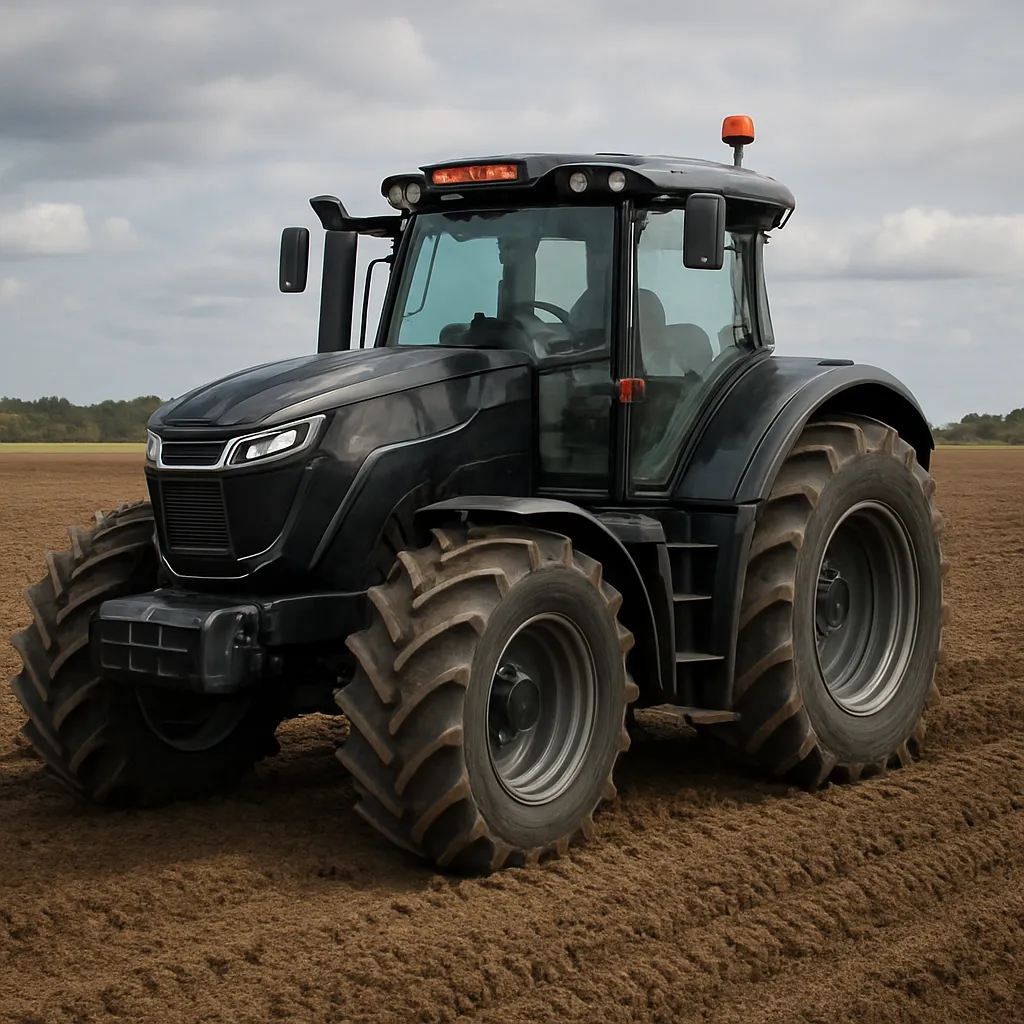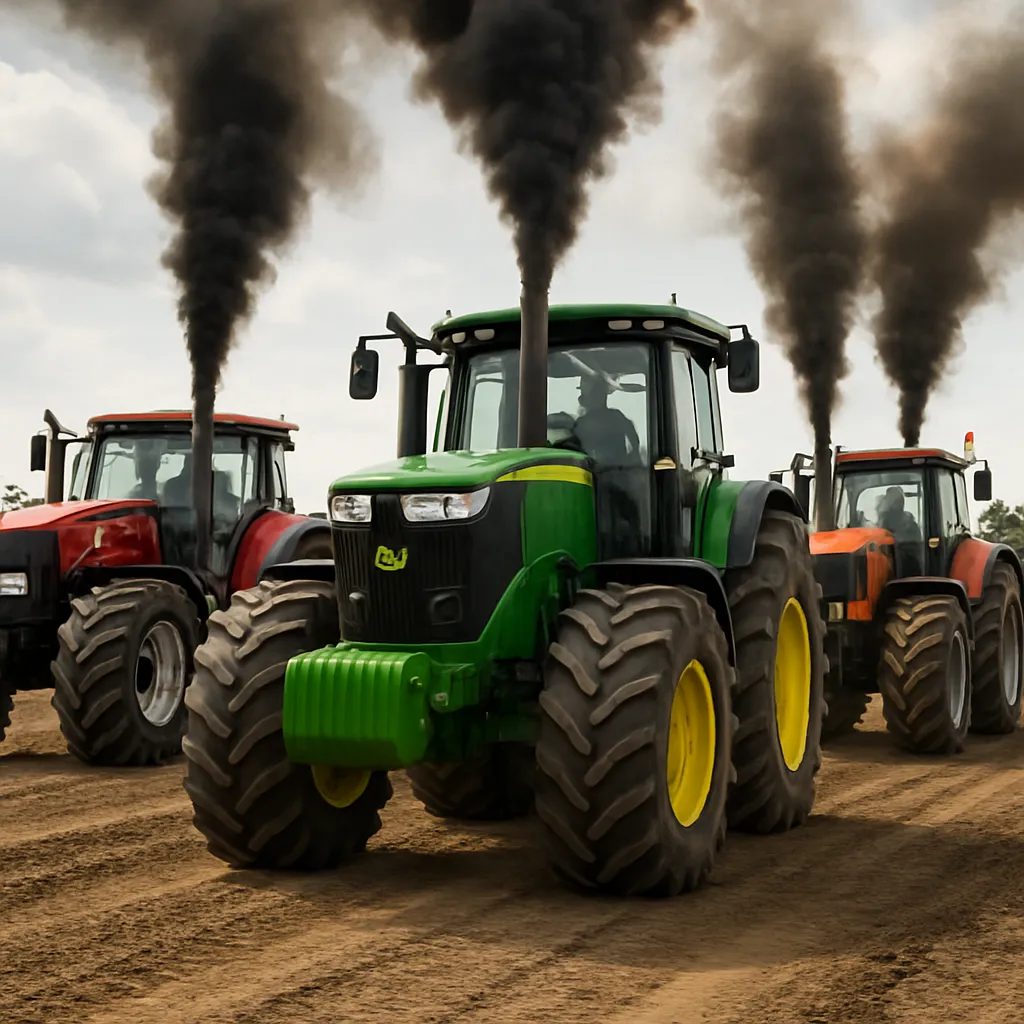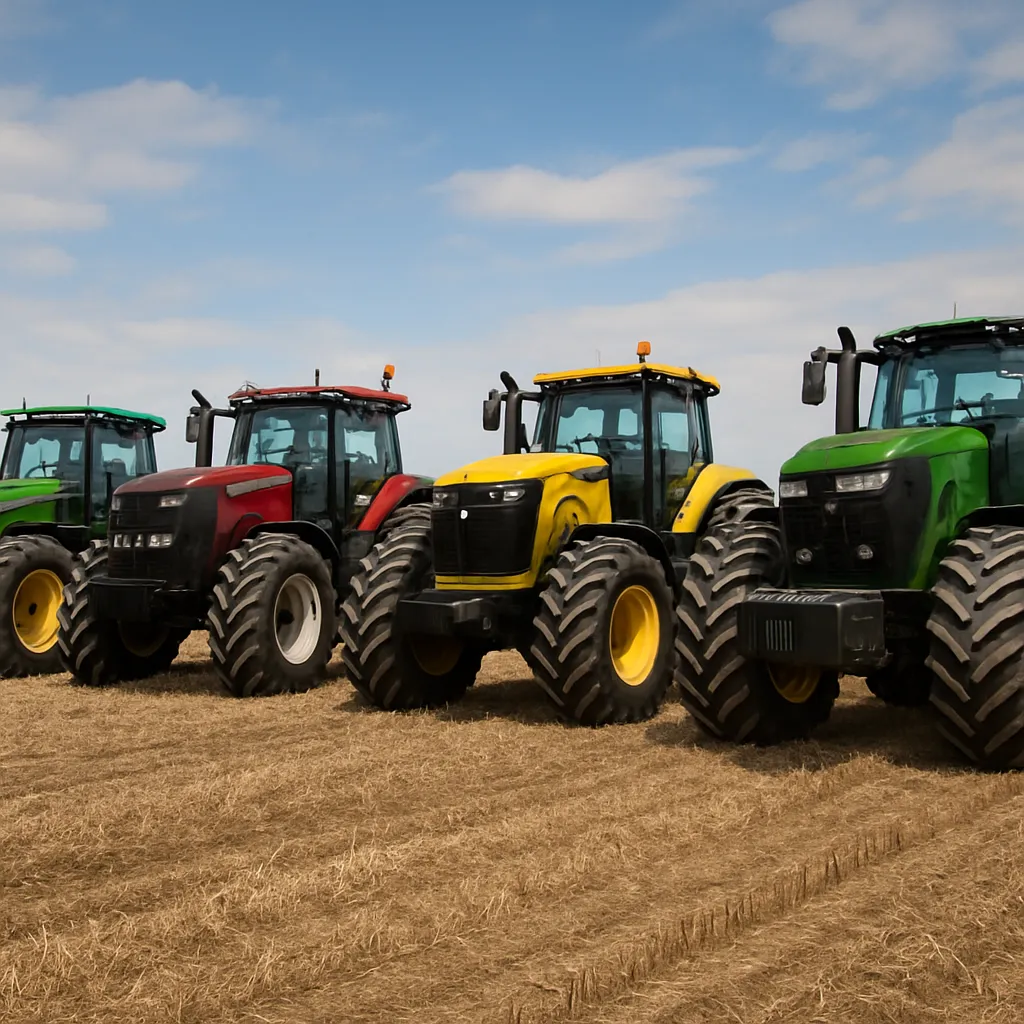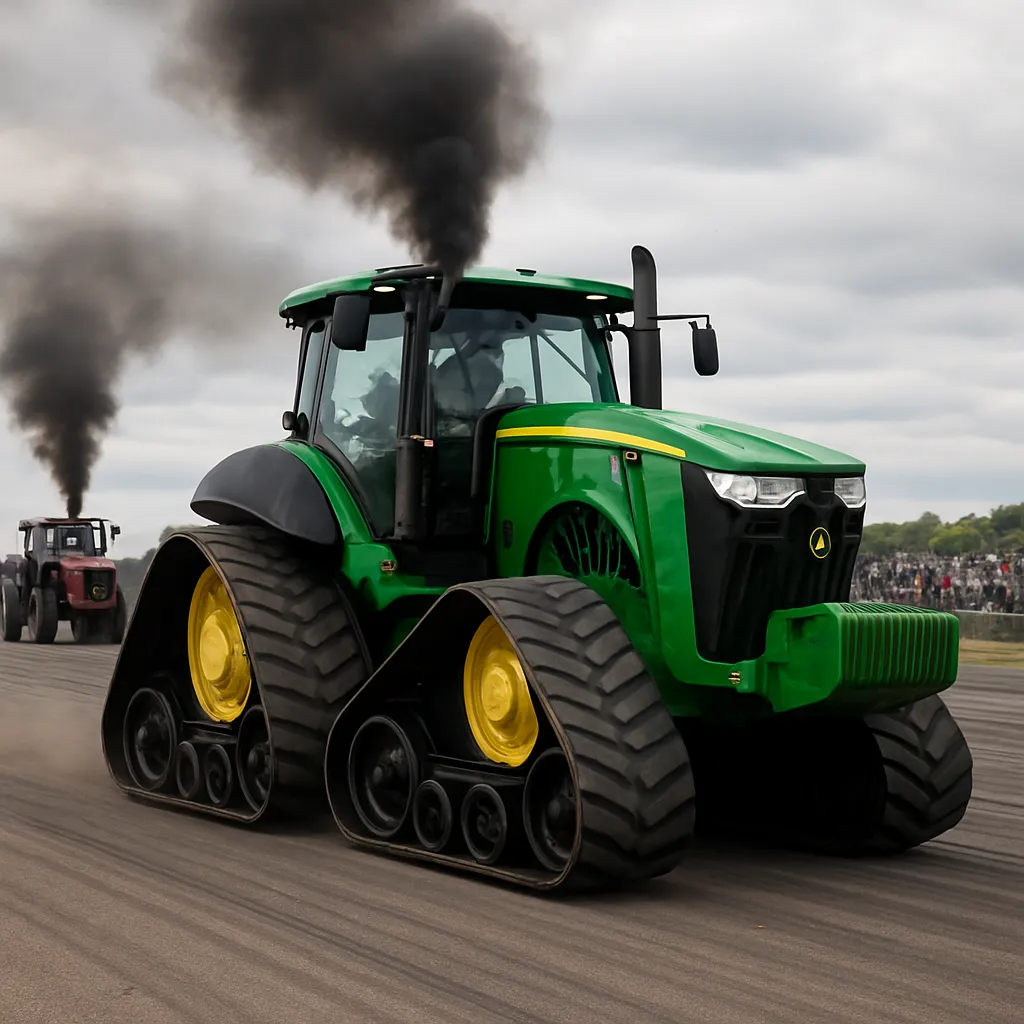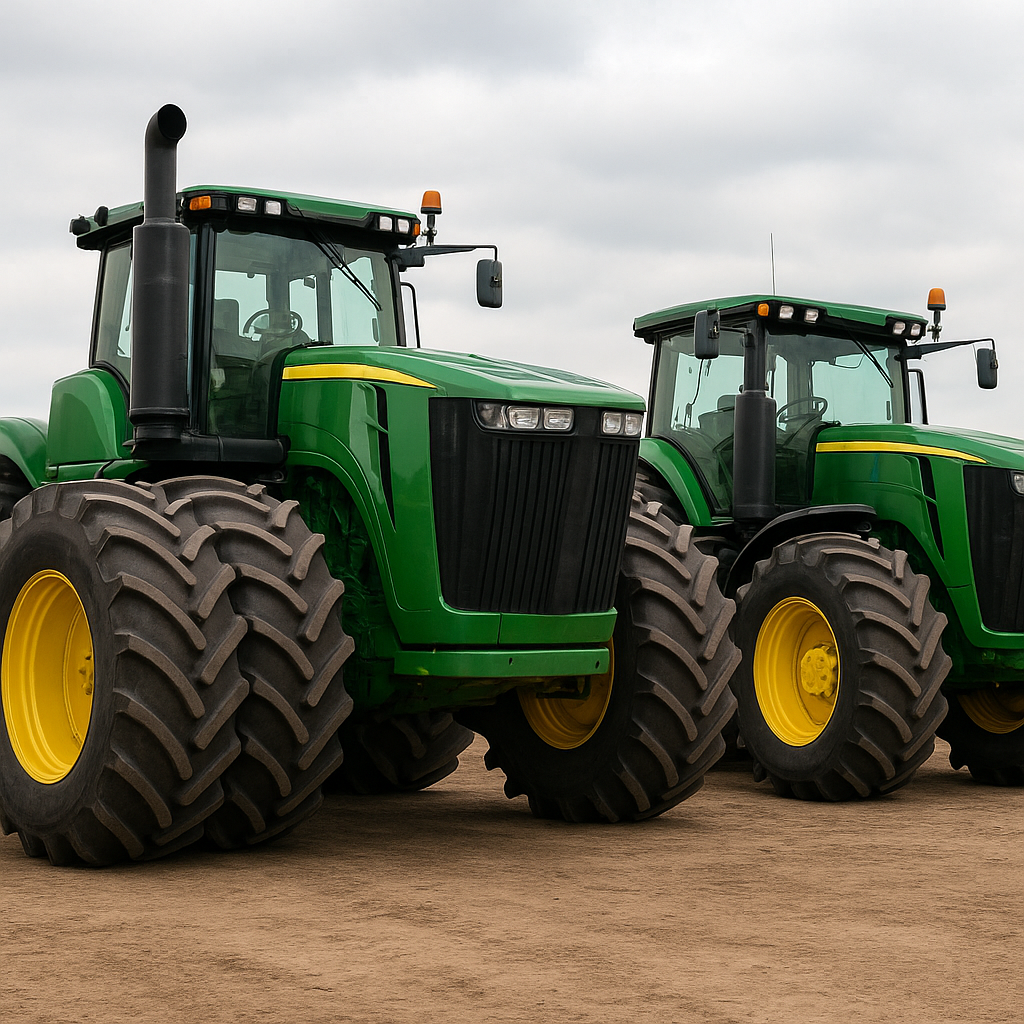
The vast plains of Central Europe have witnessed remarkable engineering achievements in the realm of agricultural machinery. Germany, renowned for its precision manufacturing and technological prowess, has produced some of the biggest and most powerful tractors ever to roam the fields. In this exploration, we delve into the legacy, the mechanical marvels, and the cutting-edge innovations that define these land giants.
Historical Foundations of German Tractor Manufacturing
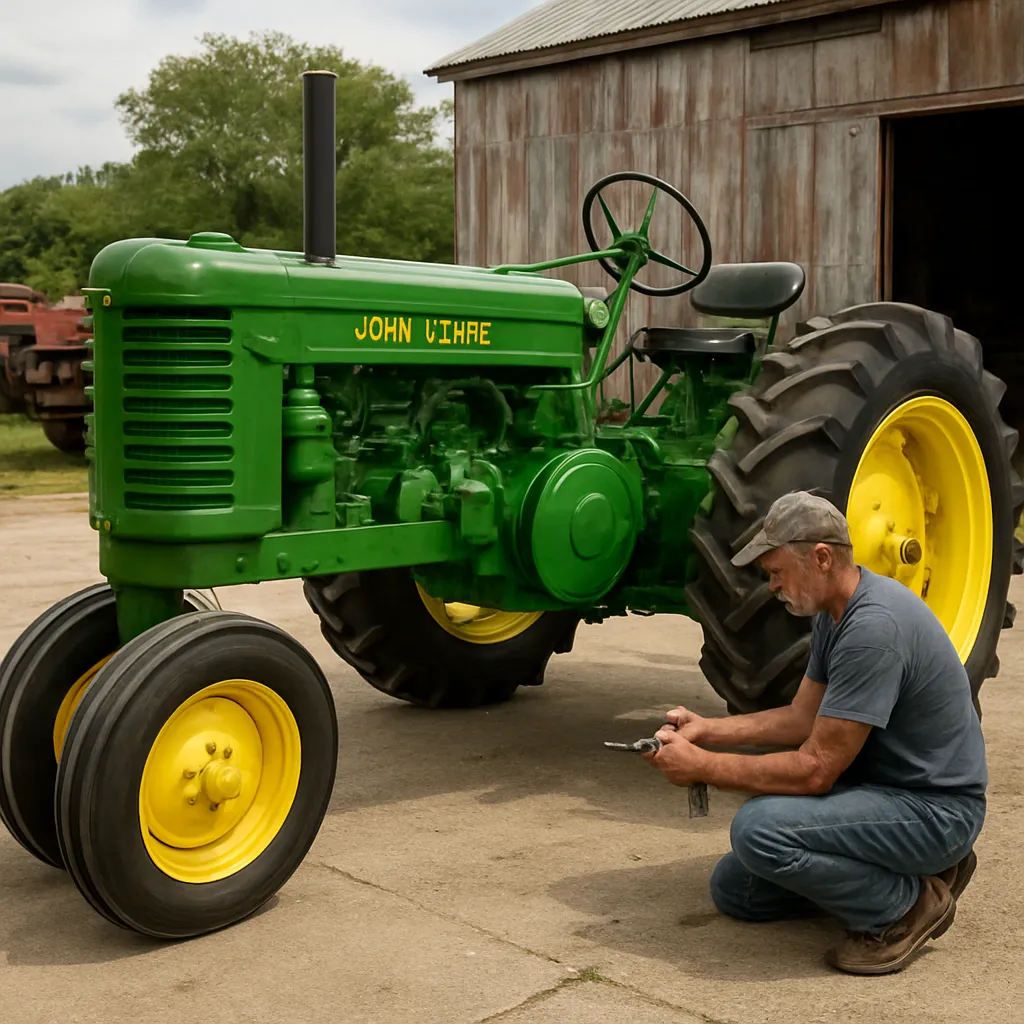
The seeds of modern German tractor development were sown in the early 20th century. Manufacturers like Lanz, Deutz, and Fendt emerged as pioneers, combining robust engine designs with practical farming needs. By the 1950s, Germany had already cemented its reputation as a leading tractor producer, thanks in part to a postwar agricultural boom that demanded more powerful machinery to replace animal labor.
Key milestones:
- 1920s: Introduction of the Lanz Bulldog, featuring a single-cylinder hot-bulb engine that became an instant classic.
- 1950s: Merger of several firms into Deutz-Fahr, consolidating expertise in diesel powerplants.
- 1970s: Launch of the first Fendt Vario models with continuously variable transmission (CVT), raising the bar for efficiency.
Engineering Marvels: Building the Biggest Tractors
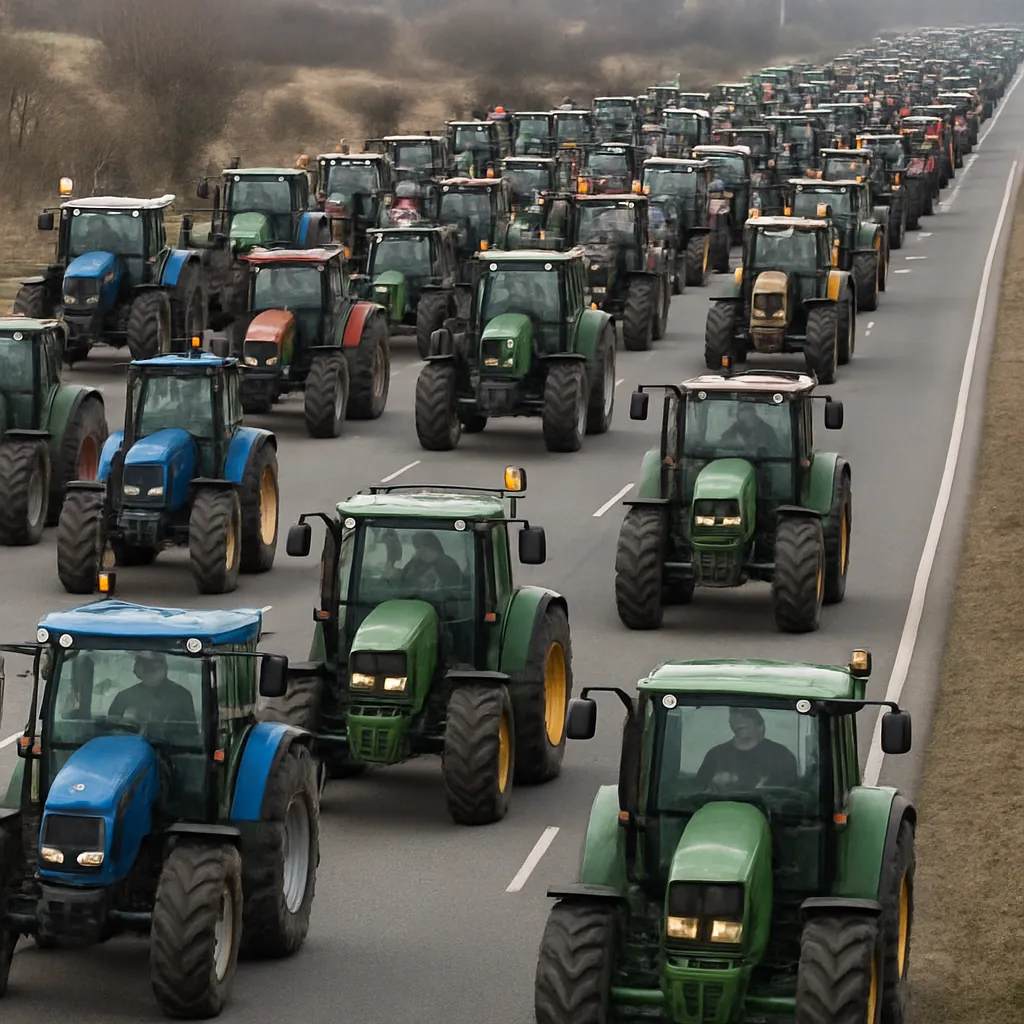
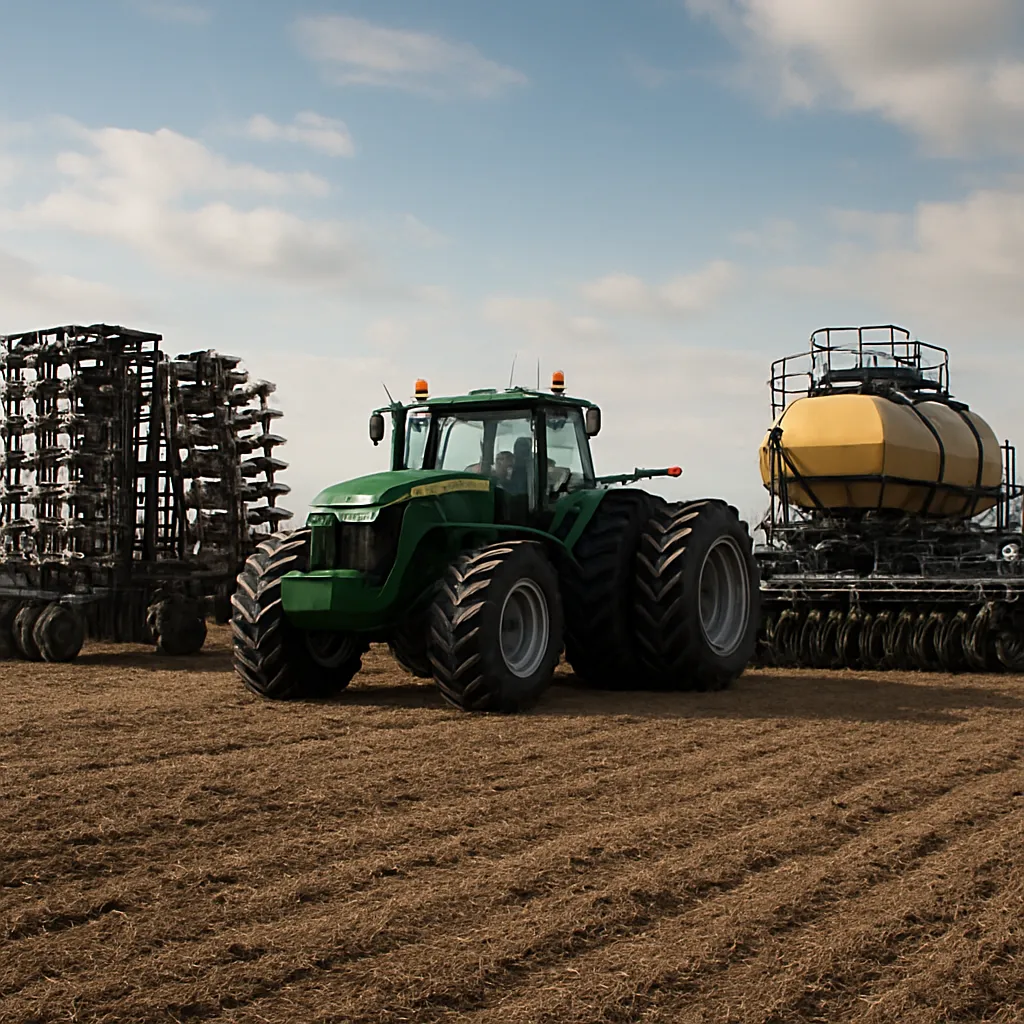
When it comes to sheer size and horsepower, German firms have continuously pushed boundaries. The objective is twofold: increasing pulling capacity for heavy tillage implements and reducing field time through wider working widths.
Chassis, Drivetrain, and Powerplant
- Frame and Suspension: Heavy-duty rectangular steel frames paired with adjustable axles to support weights exceeding 15 tonnes.
- Engine Specifications: Inline six and eight-cylinder engines ranging from 500 to over 1,000 horsepower, often with turbocharging and intercooling for consistent performance under high load.
- Transmission Technology: Advanced CVT systems that ensure seamless speed changes, improving fuel economy and operator comfort.
- Four-Wheel Drive and Differential Locks: For ultimate traction in soft soils and steep gradients.
Innovations in Operator Comfort and Control
German manufacturers place tremendous emphasis on the cabin environment. Features include:
- Ergonomic seating with suspension mounts for reduced operator fatigue.
- Advanced telematics systems for remote monitoring of technology parameters such as fuel consumption, engine hours, and maintenance alerts.
- Climate-controlled cabins with panoramic views and noise insulation.
Notable German Mega-Tractor Models
This section highlights some of the most iconic and record-setting tractors ever built in Germany, each representing a leap forward in agriculture machinery.
Fendt 1167 Vario
Introduced in the late 2010s, the Fendt 1167 Vario reached an output of 986 horsepower, making it the flagship of the Vario series. Key attributes:
- 7.0-liter six-cylinder engine with twin turbochargers.
- VarioDrive system delivering precise power distribution between axles.
- IsoMatch Tellus PRO terminal for seamless implement integration and guidance control.
Claas Xerion 5000/4500 Trion
The Claas Xerion series stands out with its all-wheel steering and modular cabin design. The Xerion 5000 offers approximately 530 hp, while the Trion upgrade boosts efficiency:
- AirCushion suspension for improved stability on slopes.
- Command View 2 cab with 360-degree visibility.
- Continuous variable transmission with Enhanced Productivity (EP) mode.
Deutz-Fahr 9340 TTV
This heavy hauler packs up to 388 horsepower, bridging the gap between mid-range and ultra-large tractors. Highlights include:
- Stage V emissions compliance through SCR and DPF systems.
- Precision Farming Suite for section control and variable-rate application.
- QuadLink front axle suspension for reduced soil compaction.
Environmental Impact and Future Trends
As tractors grow in size and power, concerns about soil health, emissions, and sustainability take center stage. German engineers are responding with:
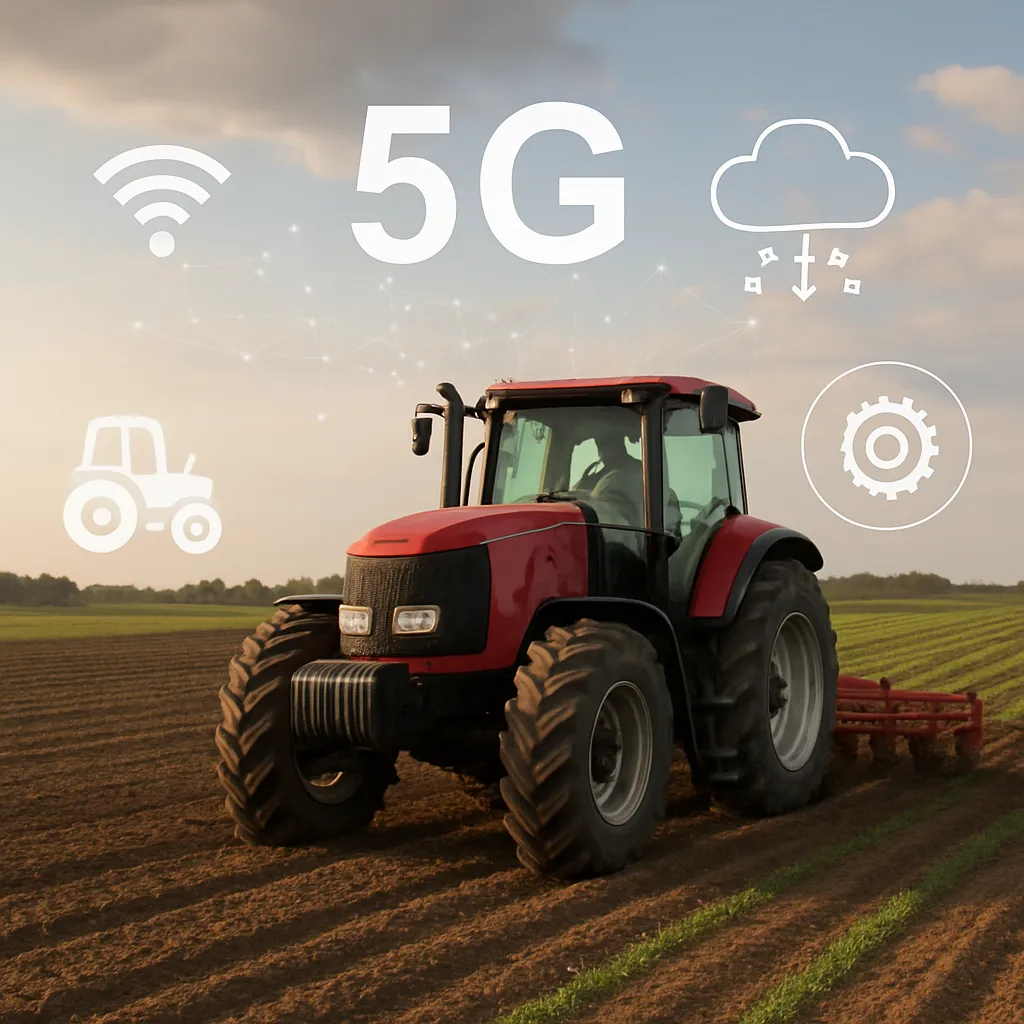
- Precision Agriculture: GPS-guided auto-steering and drone-assisted field mapping reduce overlap and optimize input use.
- Alternative Fuels: Trials with biodiesel blends, HVO, and hydrotreated vegetable oils to cut carbon footprints.
- Electrification: Hybrid drivetrains combining electric motors with diesel engines for peak load support and regenerative braking.
- Smart Farming Platforms: Cloud-based analytics to track tractor performance, forecast maintenance, and plan field operations.
While the era of ever-larger machines is not ending, the focus is shifting toward smarter, more sustainable powerhouses that balance brute force with environmental responsibility. German manufacturers continue to lead this evolution, ensuring that the biggest tractors of tomorrow will be as green as they are powerful.