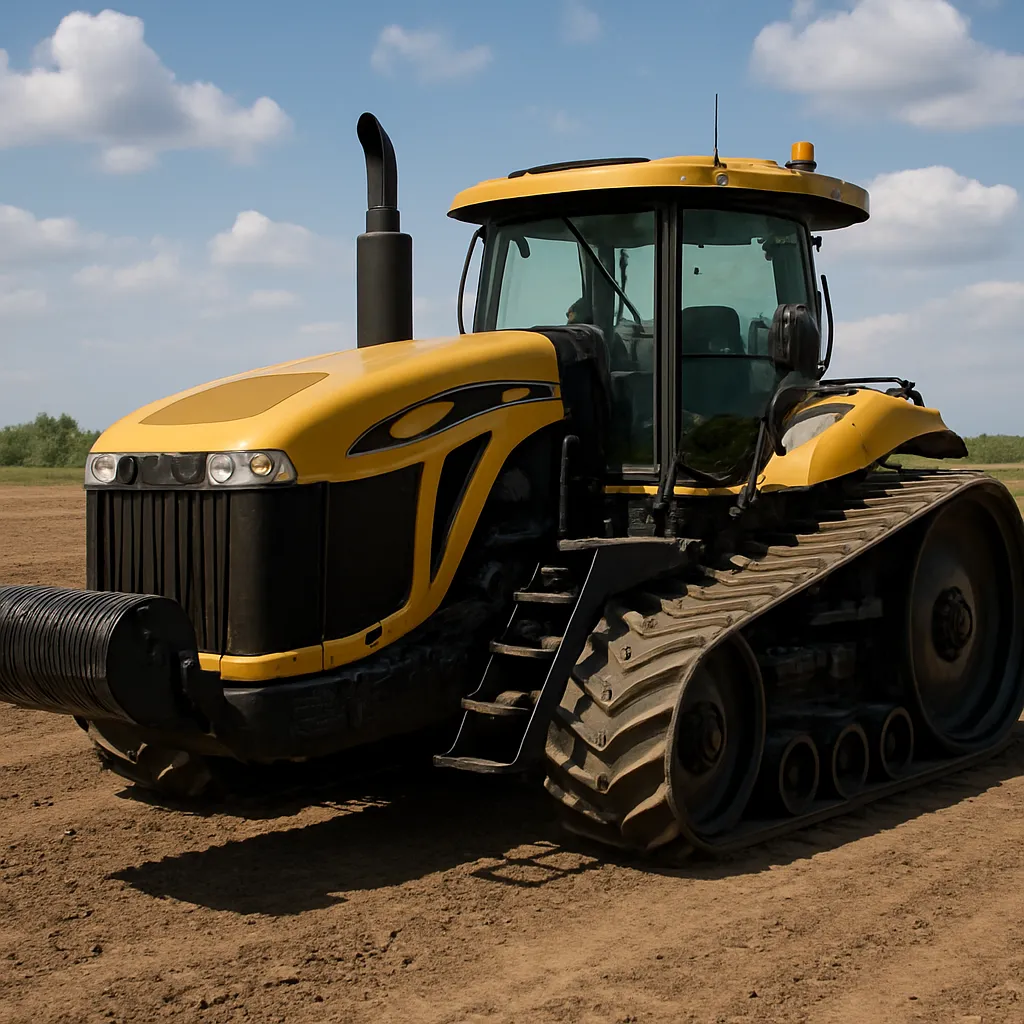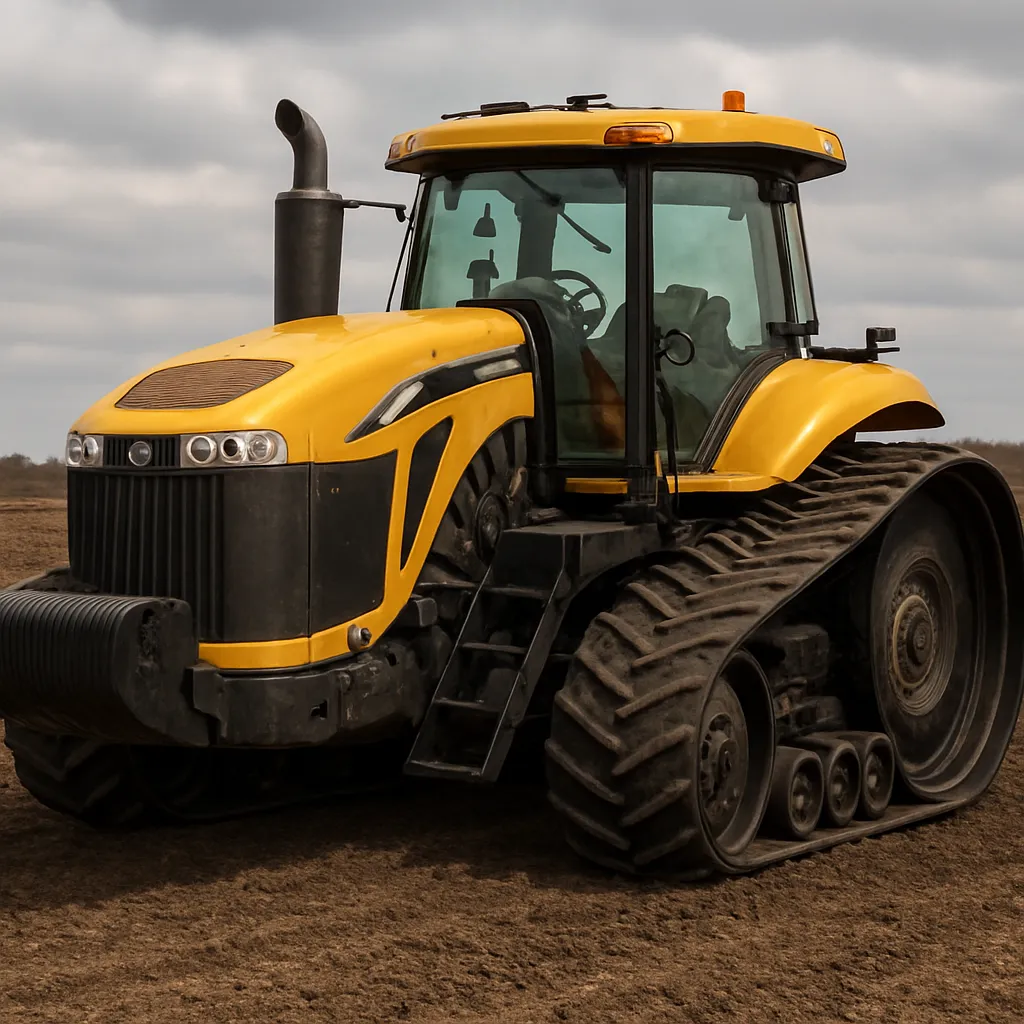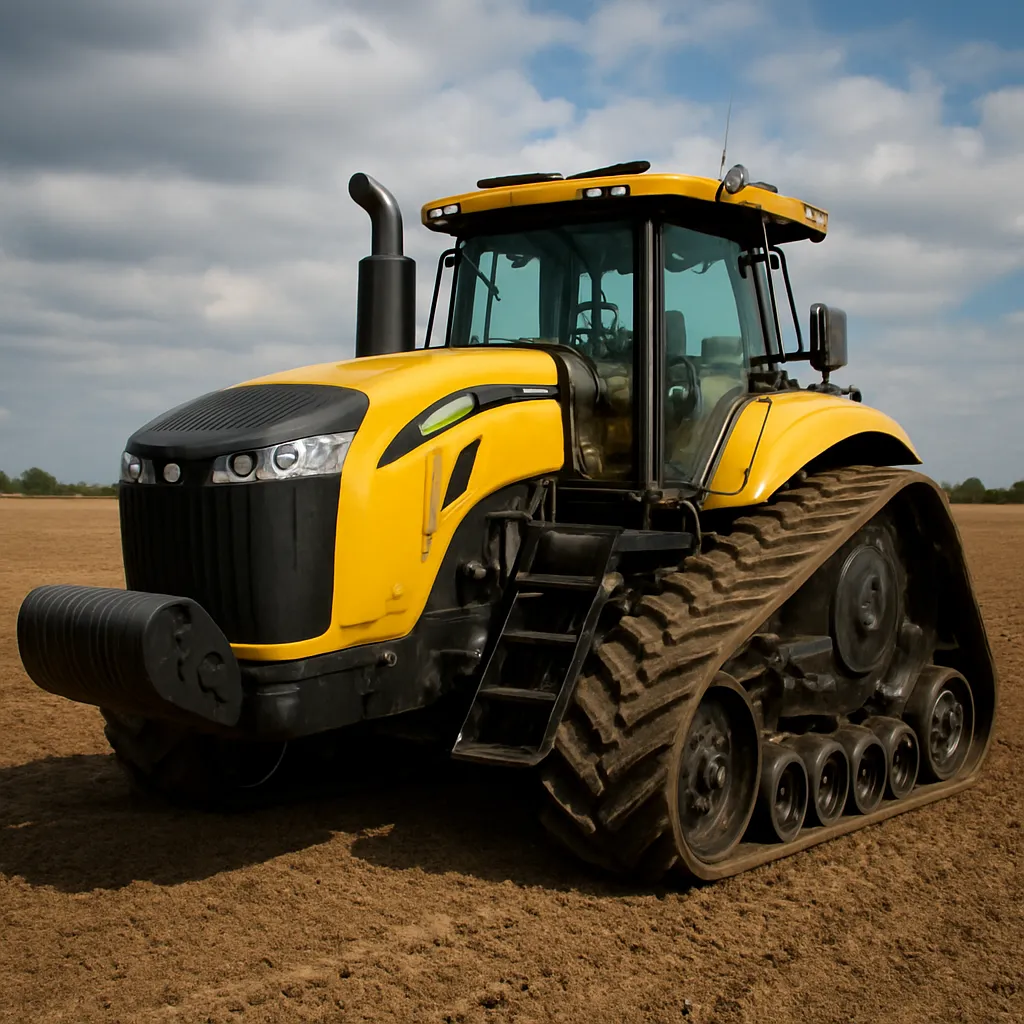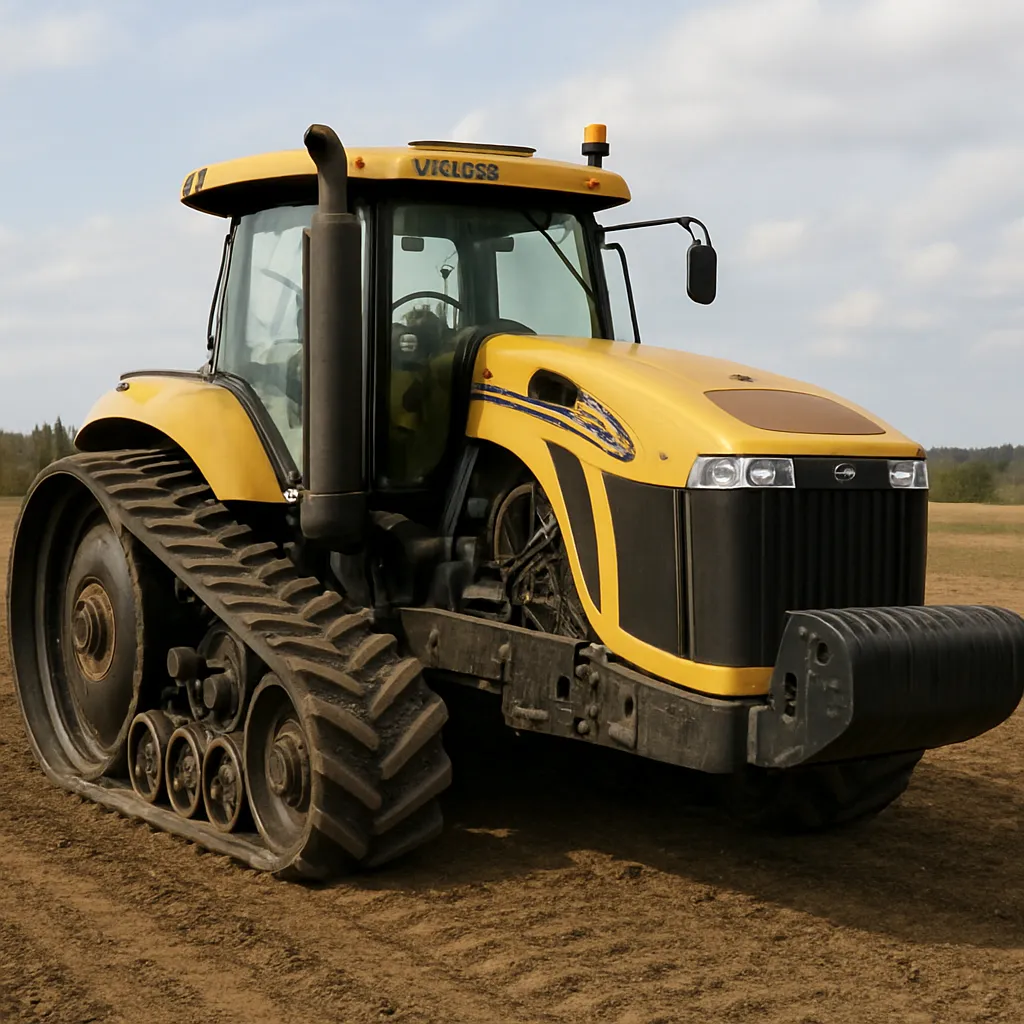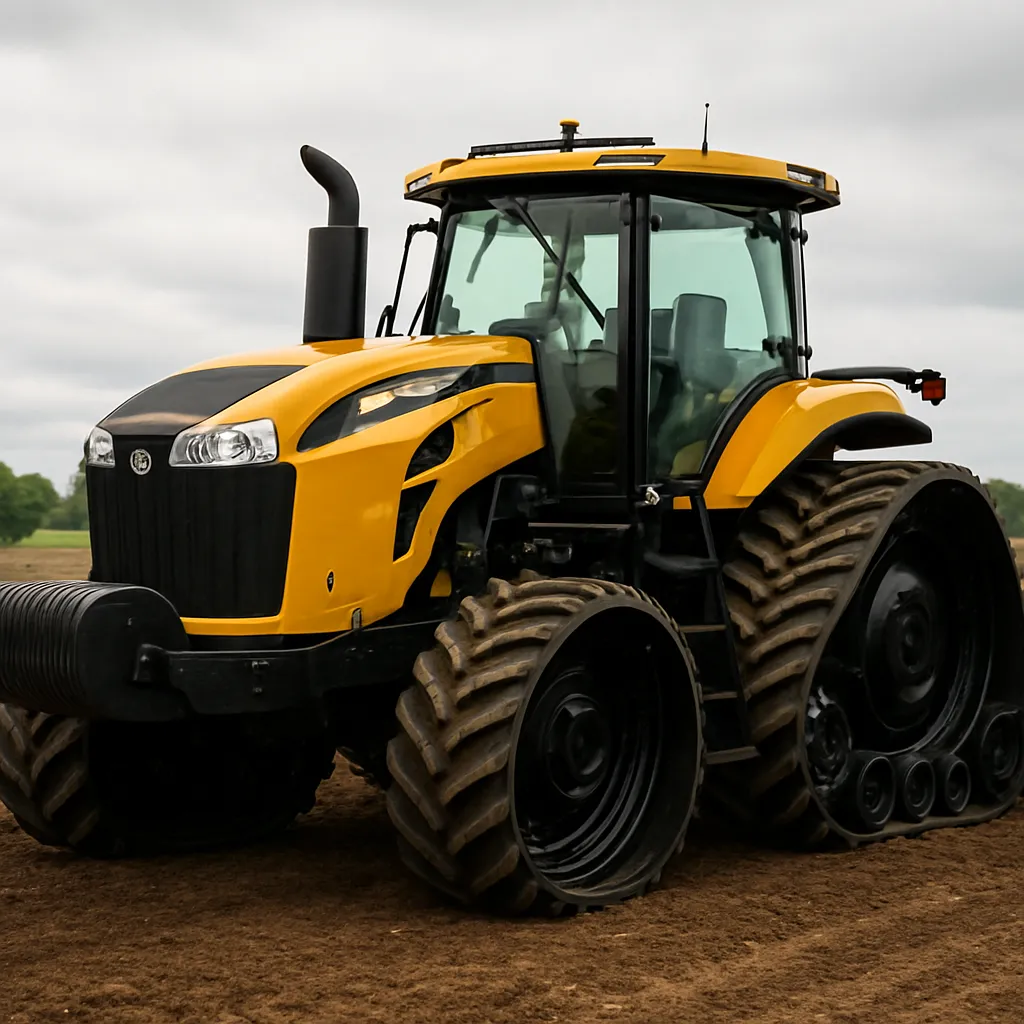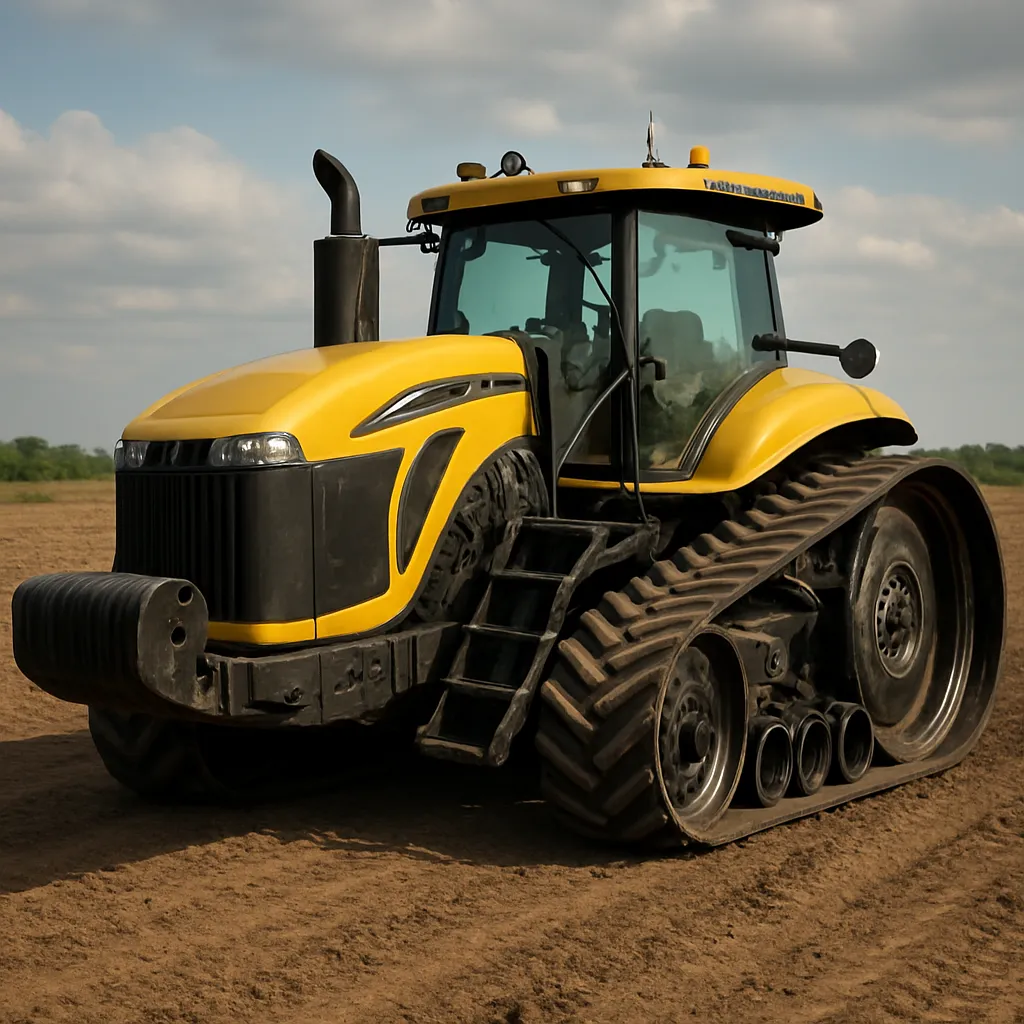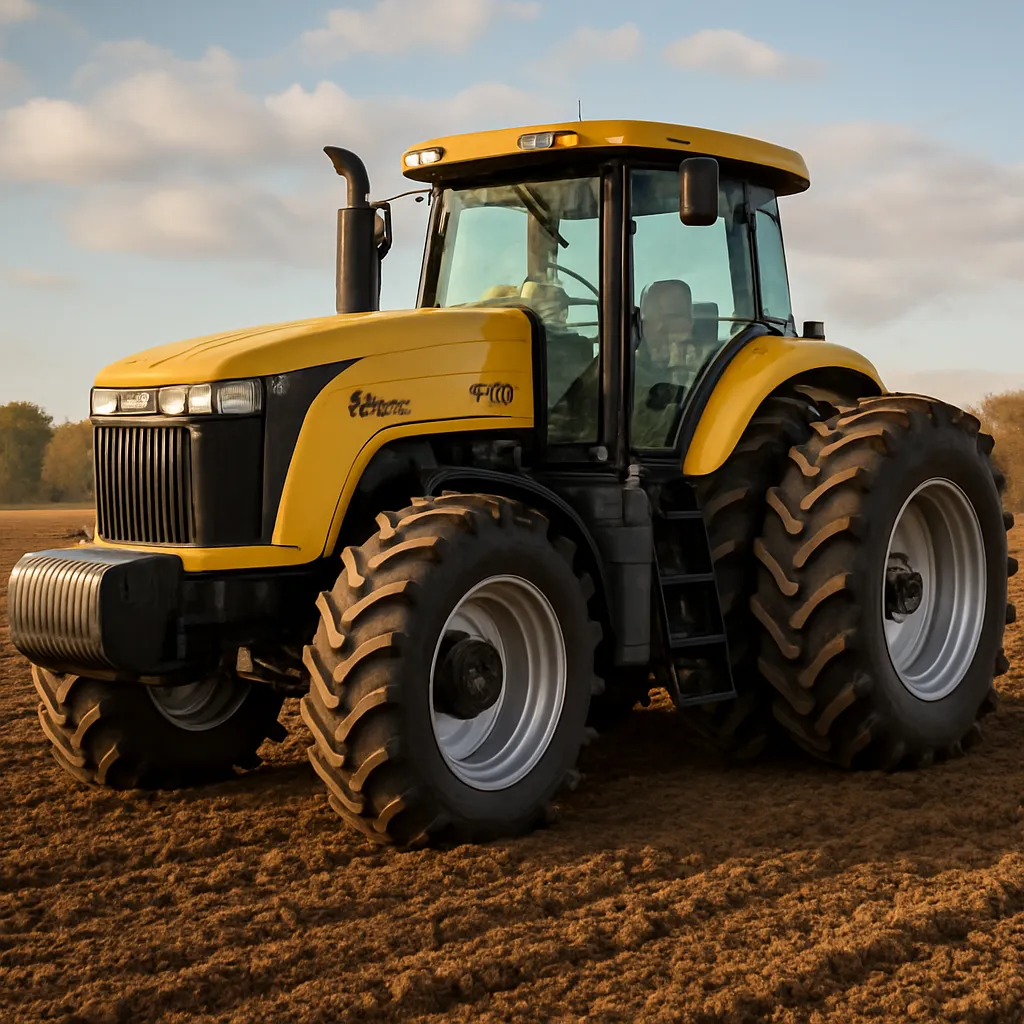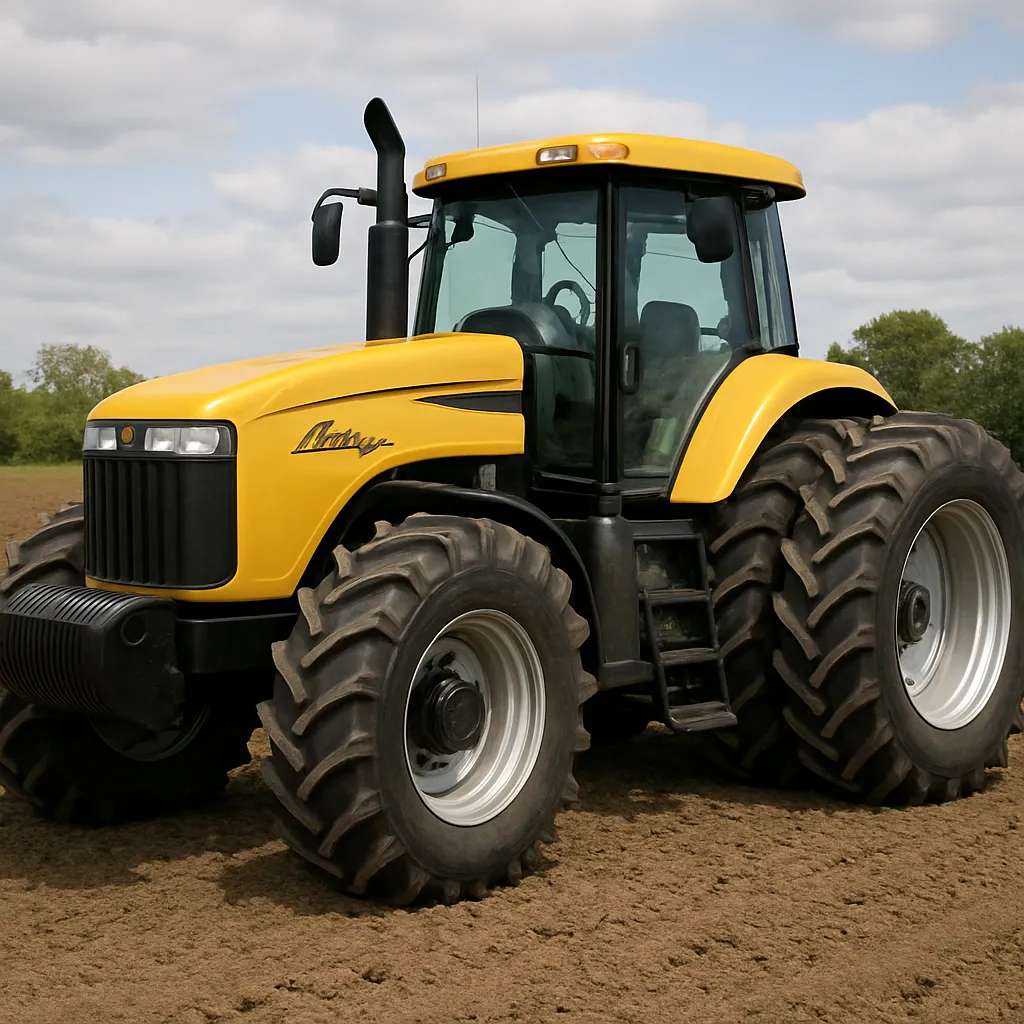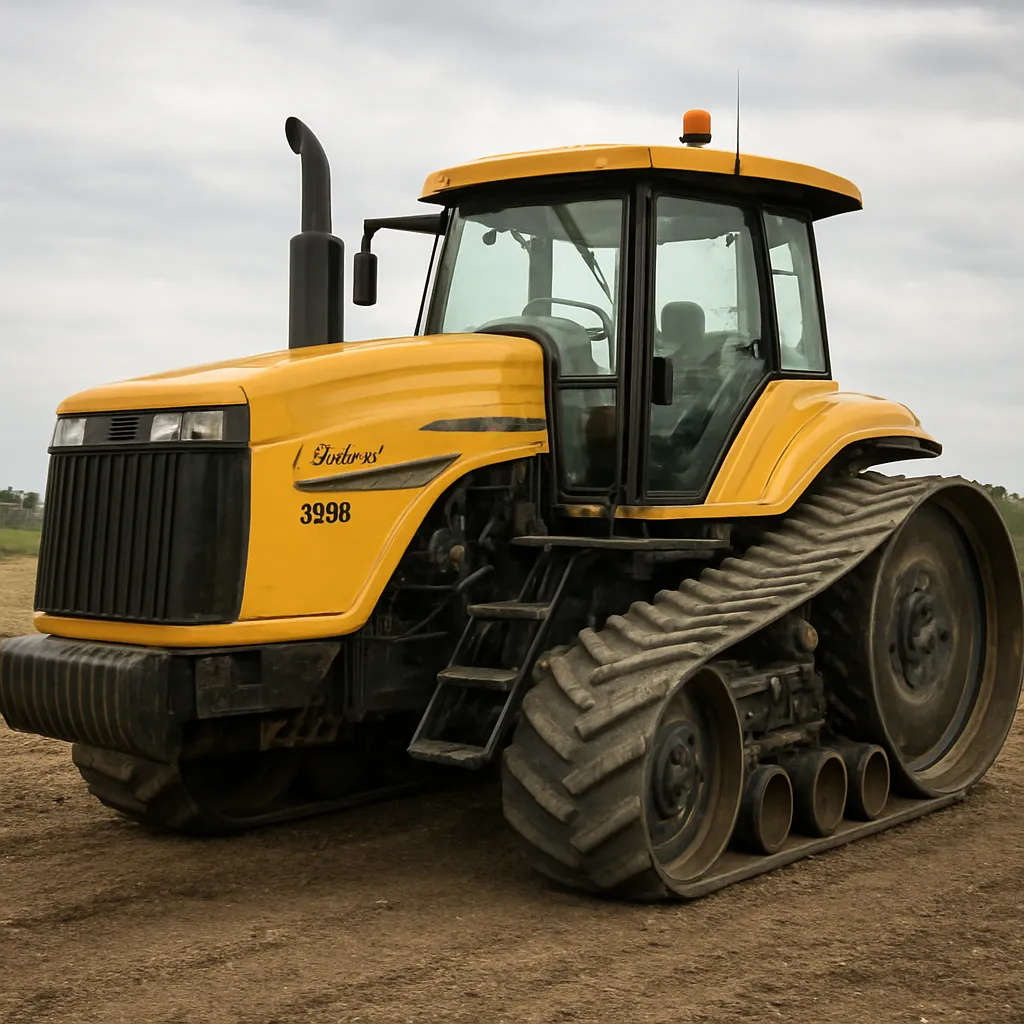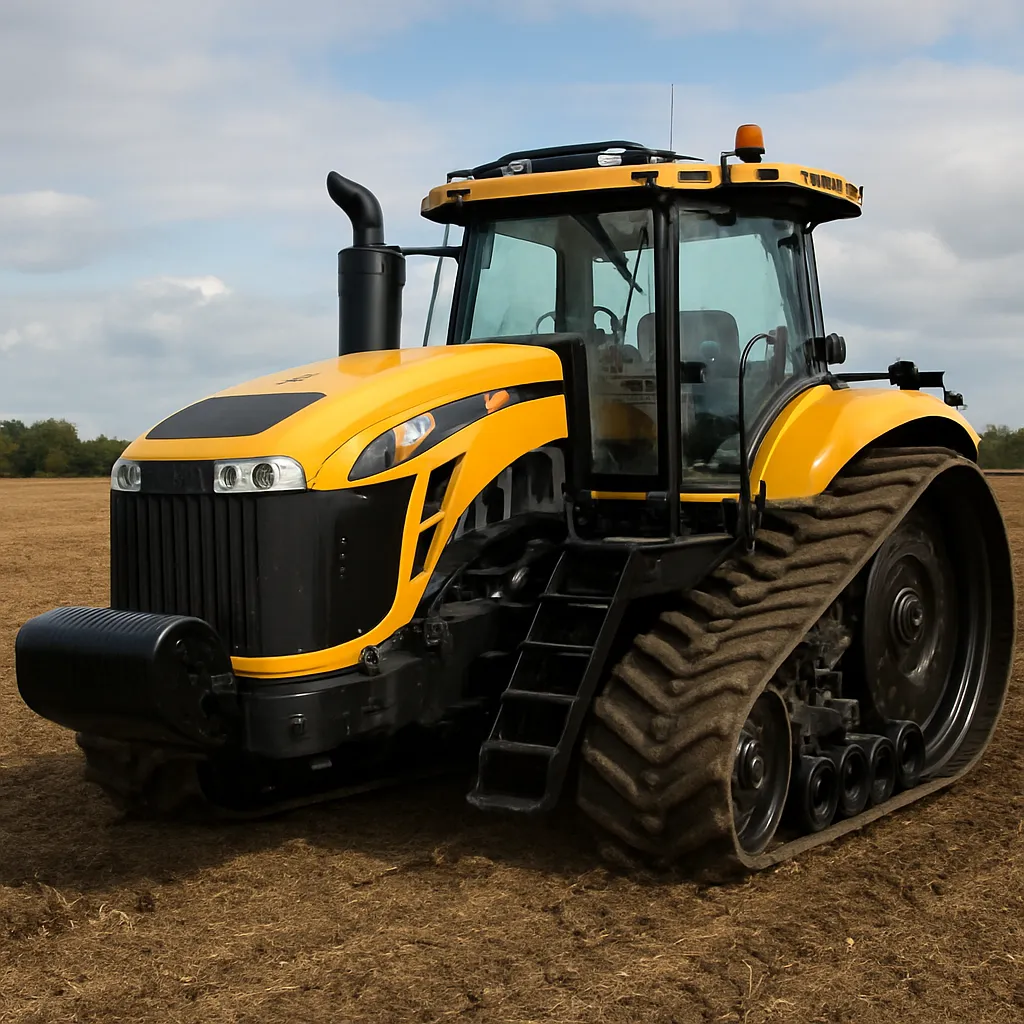
The Challenger MT845C is a heavy-duty, tracked agricultural tractor designed to deliver substantial pulling power and field performance for large-scale farming operations. Combining a robust undercarriage, a high-displacement engine and systems geared toward durability and traction, the MT845C is aimed at producers who need consistent performance in demanding soil conditions. In the following sections I describe its design, typical applications, technical characteristics (approximate values where appropriate), operational advantages and practical ownership considerations.
Design and core features
The Challenger MT845C is built around the philosophy of maximizing traction and reducing ground pressure. Central to that concept is the use of full-length rubber tracks instead of traditional steel wheels. These tracks distribute weight over a larger surface area, producing lower soil compaction and improved floatation in soft or wet conditions. The result is better traction during heavy tillage and seeding operations and less damage to soil structure, which benefits yields over time.
Key design aspects include a heavy-duty frame and undercarriage engineered to carry large implements and resist the stresses of continuous field work. The tractor typically features a powerful diesel engine paired with transmissions designed to transfer torque smoothly to the tracks. The cab is oriented toward long shifts in the field, featuring ergonomic controls and systems to monitor implement and engine performance.
- Tracks: Full-length rubber tracks for improved traction and reduced ground pressure.
- Engine: High-displacement turbocharged diesel designed for continuous heavy load operation.
- Transmission: Robust drivetrain to transfer large amounts of torque to the undercarriage.
- Hydraulics: High-flow systems for demanding implements and multiple auxiliary circuits.
- Cab: Comfort and visibility features geared to long workdays and precision tasks.
Where the MT845C is used
The Challenger MT845C finds its best fit on large farms and contractors who operate across extensive acreages or on fields that require high draft forces. Typical uses include:
- Tillage — Deep and heavy tillage implements such as chisel plows, subsoilers and offset discs where continuous pulling power is required.
- Seeding and planting — Especially when pulling large air seeders or planters across variable soil types, where maintaining a constant speed and minimizing slippage improves seed placement and emergence.
- Heavy fertilizer application — Transporting and pulling large applicators, particularly equipment that demands sustained torque and stability.
- Land leveling and reclamation — Projects requiring low ground pressure to avoid excessive rutting and to provide consistent contact across the implement width.
- Specialty attachments — When fitted with front loaders, large crumbler rollers or strip-till rigs, tracked tractors can be adapted to seasonal or regional tasks.
Because of its track system, the MT845C is particularly advantageous in regions with softer soils, wet springs, or where the work window is narrow and slipping would slow progress. Contractors who move between fields with varied conditions value the tractor’s consistent performance and traction.
Typical technical specifications and performance figures
Exact factory specifications vary by production year and optional equipment, so the figures below are typical values for the MT845C-class Challenger tractors. When precise numbers are required for procurement or engineering analysis, consult the manufacturer’s spec sheet for the particular year and configuration.
Engine and power
- Engine type: Turbocharged diesel, typically a large-displacement inline-six designed for heavy agricultural duty.
- Rated power (approx.): 450–500 hp at the flywheel — many sources list the MT845C in the upper hundreds of horsepower class, with net usable power appropriate for large implements.
- Peak torque: Substantial torque output across a wide rpm band to support low-speed, high-drawbar tasks (typical values vary depending on engine tuning).
Weight and dimensions
- Operating weight (approx.): 14,000–20,000 kg depending on configuration and ballast. Tracked systems and ballast packages increase curb weight relative to wheeled tractors.
- Ground contact area: Significantly larger than comparable wheeled tractors, reducing ground pressure and improving traction.
- Transport width and length: Varies by track width and undercarriage option; transport and road permits may be required in some jurisdictions for wider track setups.
Fuel, hydraulics and capacities
- Fuel tank capacity (approx.): 700–1,000 liters depending on model year and options — enabling long operating intervals between refueling on large farms.
- Hydraulic flow: High-flow hydraulic systems to operate multi-function implements; auxiliary circuits and remote valves configurable for specific toolsets.
- Electrical and power take-off (PTO) options: PTO configurations and auxiliary power supplies are available to match implement needs, though many high-horsepower tasks are hydraulically driven.
Performance metrics
- Field speed: Designed to operate effectively at low forward speeds for heavy draft, while also achieving transport speeds suitable for moving between fields.
- Drawbar pull: High continuous drawbar capacity enabling use of wide and deep tillage tools. Exact pull ratings vary with soil type and track setup.
- Fuel efficiency: Fuel consumption depends on field load and work type; tracked tractors commonly offer better ground-contact efficiency under load, which can improve effective fuel use per hectare in soft or slippery conditions.
Operational advantages and agronomic impacts
The real-world benefits of a tracked machine like the MT845C are both mechanical and agronomic. Below are the principal advantages owners and operators commonly cite.
Reduced soil compaction and improved traction
Compared with equivalent wheeled tractors, the MT845C’s track design reduces soil compaction by distributing the tractor’s mass over a larger area. Lower compaction helps maintain tilth, improves root growth and drainage, and can increase yields over time. The improved traction reduces slippage, which means more of the engine’s power is translated into implement work rather than wasted heat.
Consistency in adverse conditions
Tracks provide better performance in wet springs, recently tilled ground and marginal fields, extending the window of productive fieldwork. For operations where timing (planting dates, for example) is critical, the ability to complete tasks reliably in marginal conditions translates into agronomic and economic benefits.
Reduced implement wear and fuel savings under load
Because less slip is required to maintain forward motion, implements experience steadier loading and reduced shock loads. In many scenarios, that steadier load profile improves fuel efficiency (measured as liters per hectare) and can extend implement life by reducing peak stresses.
Maintenance, longevity and support
Tracked tractors have different maintenance profiles than wheeled machines. While tracks and undercarriage components can be more expensive to replace, modern designs aim to be durable and serviceable in the field.
- Track and undercarriage care: Regular inspection of rubber belts, drive sprockets and idlers is essential. Cleaning debris and maintaining correct track tension extend component life.
- Engine and drivetrain maintenance: Large diesel engines require scheduled oil, fuel and filter service intervals, with attention to cooling systems under heavy loads.
- Support network: Challenger is backed by dealers and parts networks in many agricultural regions, offering warranty support, service contracts and parts availability. Availability varies by country and region, so local dealer relationships are important.
Operators moving from wheeled tractors should learn the nuances of track maintenance, such as how ballast affects track wear, proper transport procedures to avoid excessive track abrasion on hard surfaces, and recommended procedures for winter or muddy storage.
Economics and return on investment
Purchasing a high-horsepower track tractor like the MT845C is a capital-intensive decision, but the economics can be compelling for the right operation. Considerations include:
- Productivity: Faster fieldwork in marginal conditions and reduced slippage can raise effective daily output, enabling completion of time-sensitive tasks.
- Input savings: Lower compaction and improved traction can reduce fuel and implement wear, and may improve crop yields, offsetting higher initial cost.
- Resale and lifecycle: Well-maintained tracked tractors hold value in markets where tracked machines are in demand; however, resale values depend heavily on local demand and condition.
Farmers should perform a whole-farm analysis that accounts for expected operating days per year, fuel and maintenance costs, potential yield benefits and the ability to use larger implements enabled by the tractor’s capacity. Leasing or custom hire are alternative strategies to access tracked capability without full capital outlay.
Operator experience, safety and technology integration
Modern MT845C tractors come equipped with operator-focused features and increasingly integrate precision-farming technologies. Typical elements include:
- Comfort: Air-suspended seats, climate control and low-vibration cabs reduce fatigue for long shifts.
- Visibility and controls: Large windows and well-placed controls enable precise implement management and safe field maneuvering.
- Precision agriculture: Guidance and autosteer systems can be fitted or integrated, allowing growers to take advantage of high-horsepower implements with reduced overlap and increased accuracy. Integration with farm management software facilitates data-driven decisions.
- Safety: Robust roll-over protection and clear sightlines are standard; proper training and adherence to transport guidelines (tracks on public roads, escort vehicles where required) are essential for safe use.
Practical tips for prospective buyers
For those considering purchasing an MT845C or a comparable tracked tractor, here are practical recommendations:
- Match size to need: Ensure the tractor’s horsepower and drawbar capacity match the largest implement you intend to use. Oversizing leads to unnecessary cost; undersizing limits productivity.
- Inspect undercarriage: On used machines, carefully inspect tracks, drive sprockets, rollers and idlers for wear and damage. Track replacement can be a significant expense.
- Verify service history: Full maintenance records indicate better care and predict future reliability.
- Consider transport logistics: Wider tracks may require permits for road movement; plan for transport vehicles if you will move between distant fields.
- Factor in attachments and hydraulics: Confirm hydraulic flow and connector types match your implements or allow for adapters.
- Test in field conditions: A short trial under conditions similar to your fields (wet, soft, heavy residue) reveals real-world performance better than only a road test.
Comparative notes and alternatives
Tracked tractors such as the Challenger MT845C are often compared with large wheeled tractors and articulated 4WD tractors. The main differences to weigh are:
- Wheeled tractors — Typically less expensive upfront, easier and cheaper to maintain undercarriage, but higher ground pressure and lower traction in soft conditions.
- Tracked tractors — Higher initial cost and specific undercarriage maintenance, but superior traction, lower soil compaction and often higher effective productivity in challenging soils.
- Duals and flotation tires — A middle ground that can improve traction and reduce compaction while retaining wheeled maintenance profiles, but may not match the consistent flotation of a full track system.
The choice depends on regional soil conditions, the size of the operation, implement selection and the importance of minimizing compaction versus minimizing capital and maintenance expense.
Final observations
The Challenger MT845C represents a class of tractors tailored to large-scale, heavy-duty agricultural work where traction, consistent pulling power and reduced soil compaction are priorities. While specific numbers vary by year and configuration, the general profile is that of a high-horsepower, track-based machine intended to increase operational reliability under load. For producers who regularly run large seeding, tillage or application systems — and for contractors who must perform under a wide range of soil conditions — the MT845C can be a compelling option. Careful evaluation of field conditions, maintenance commitments and total cost of ownership will help determine whether a tracked tractor is the right fit for a particular farm or enterprise.