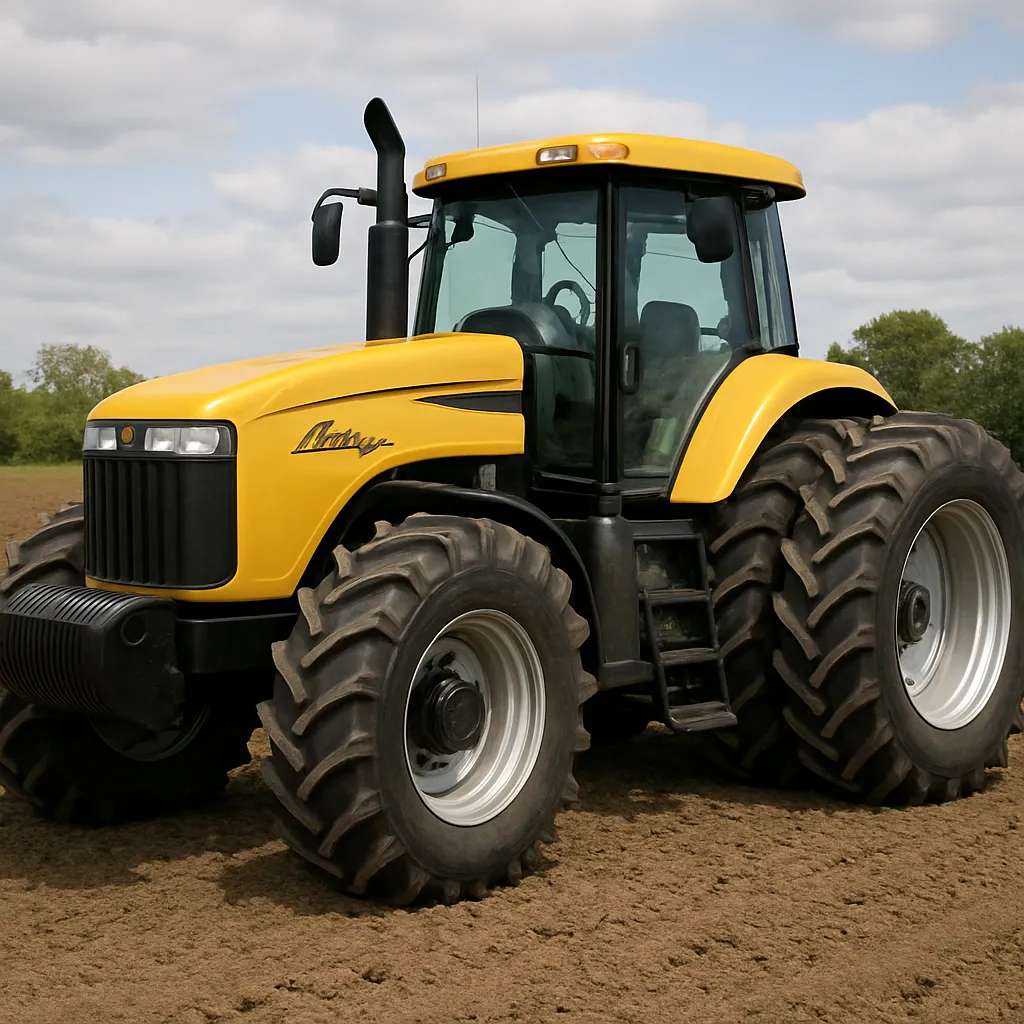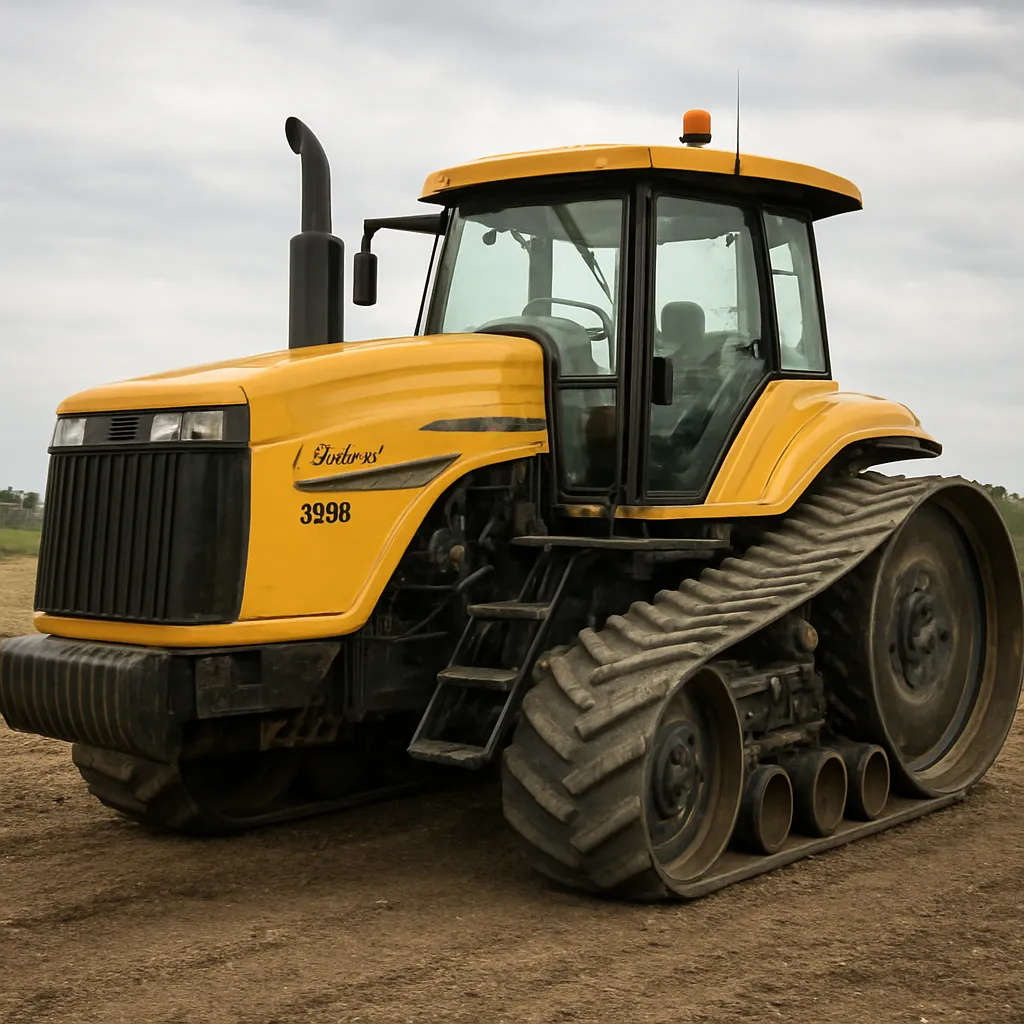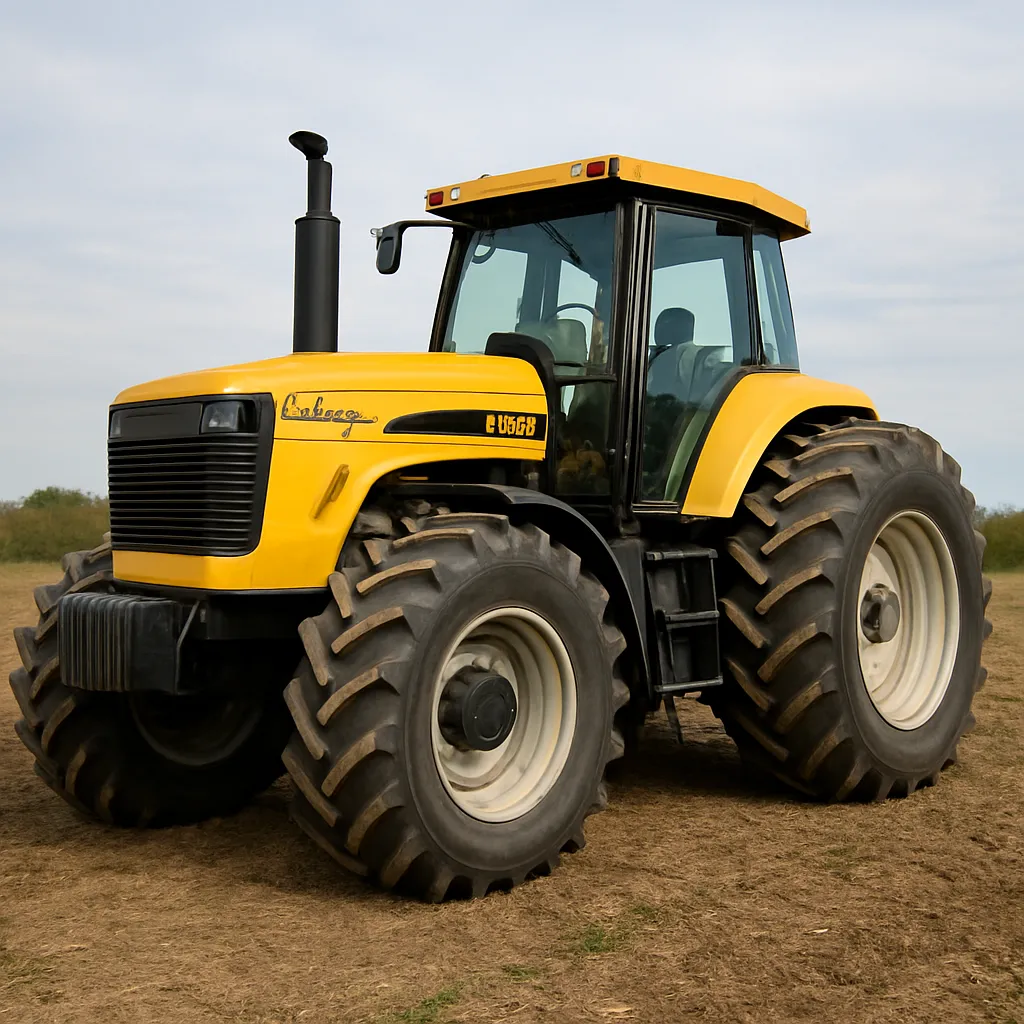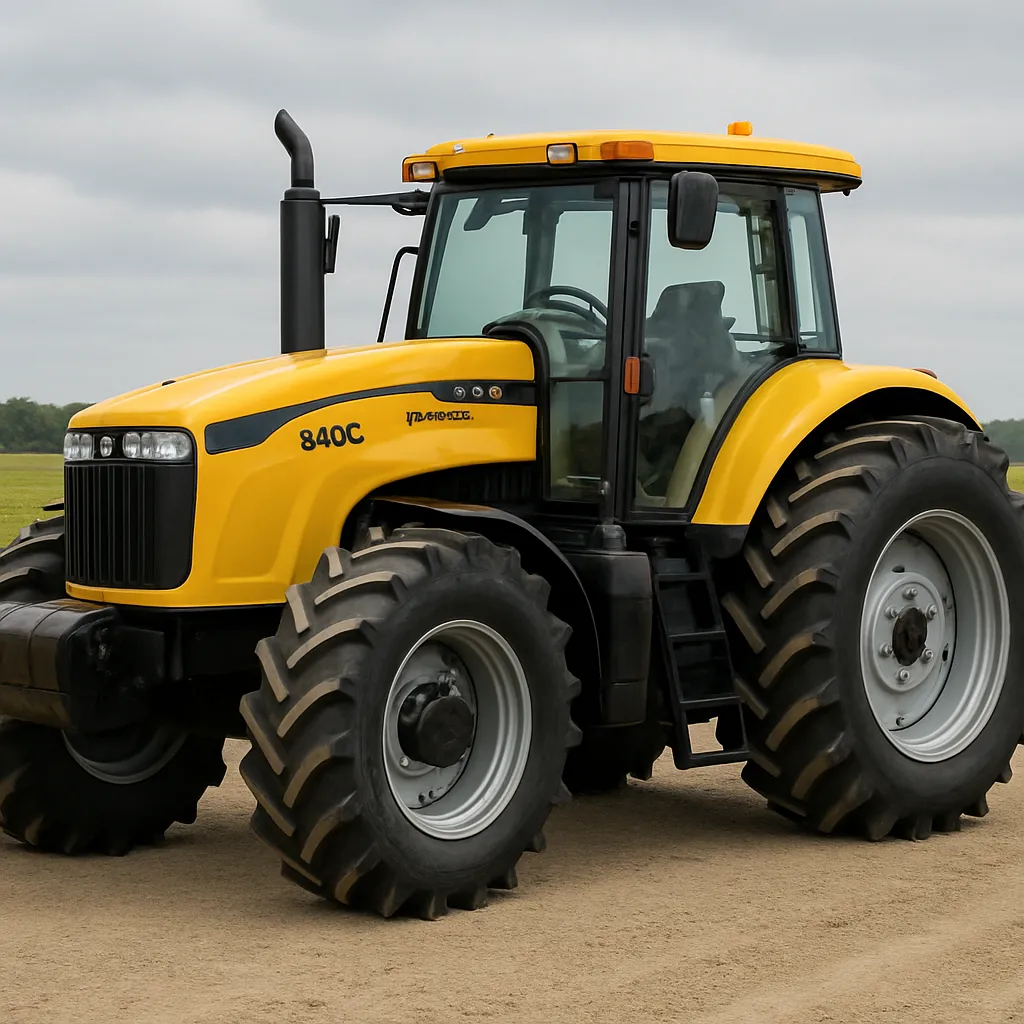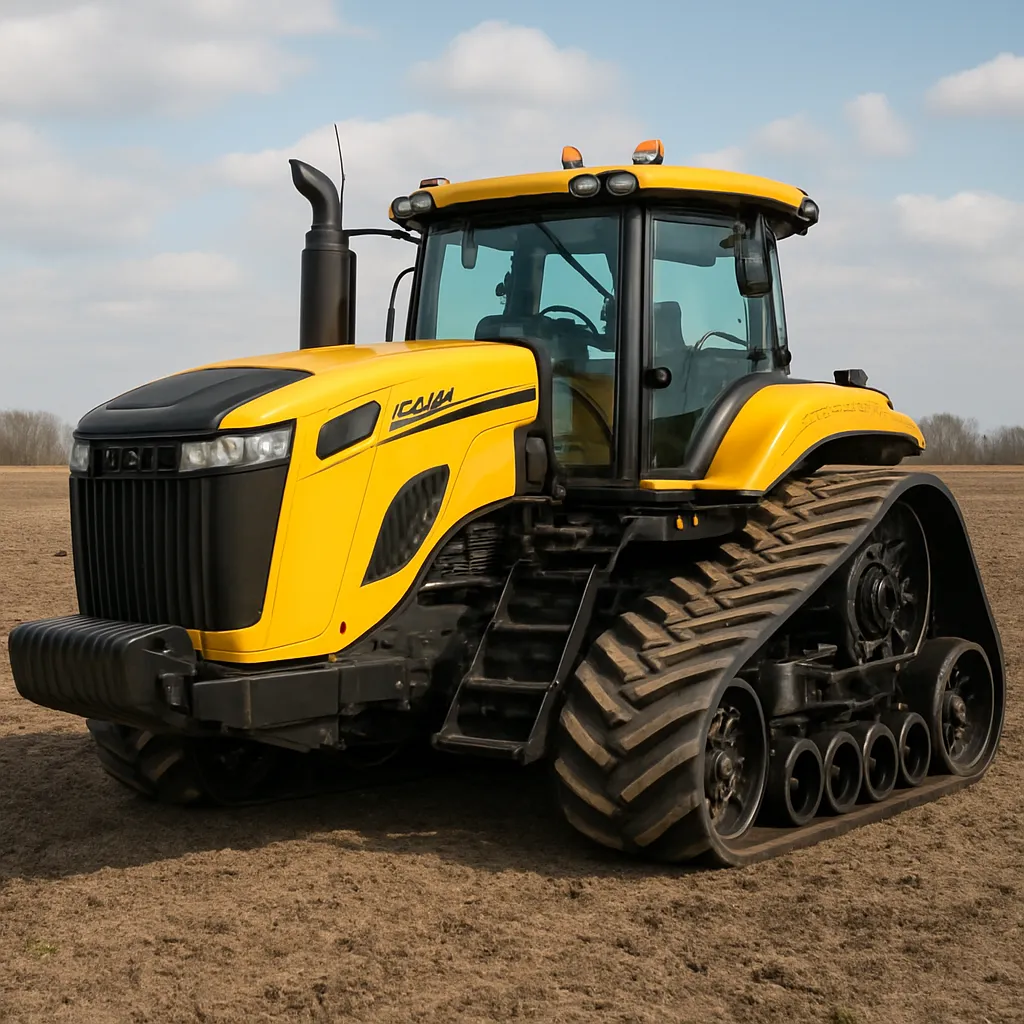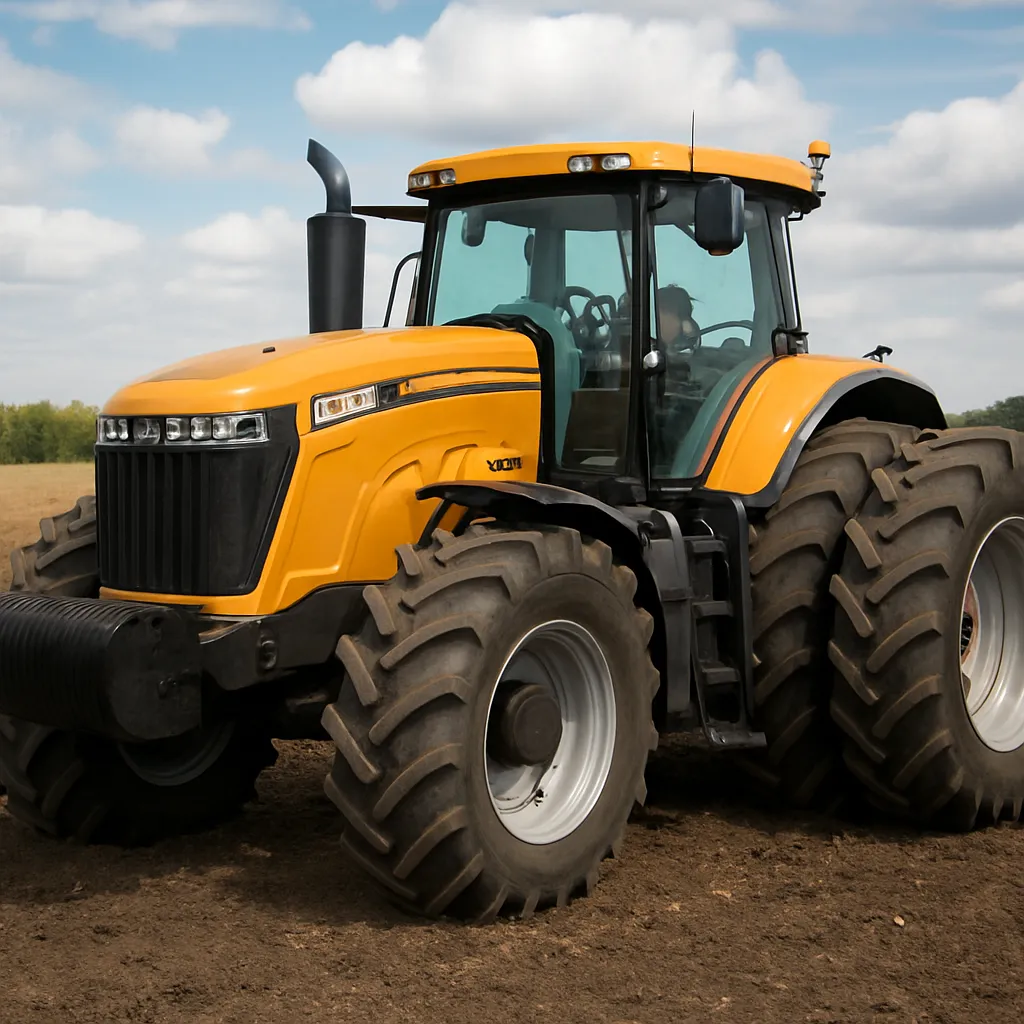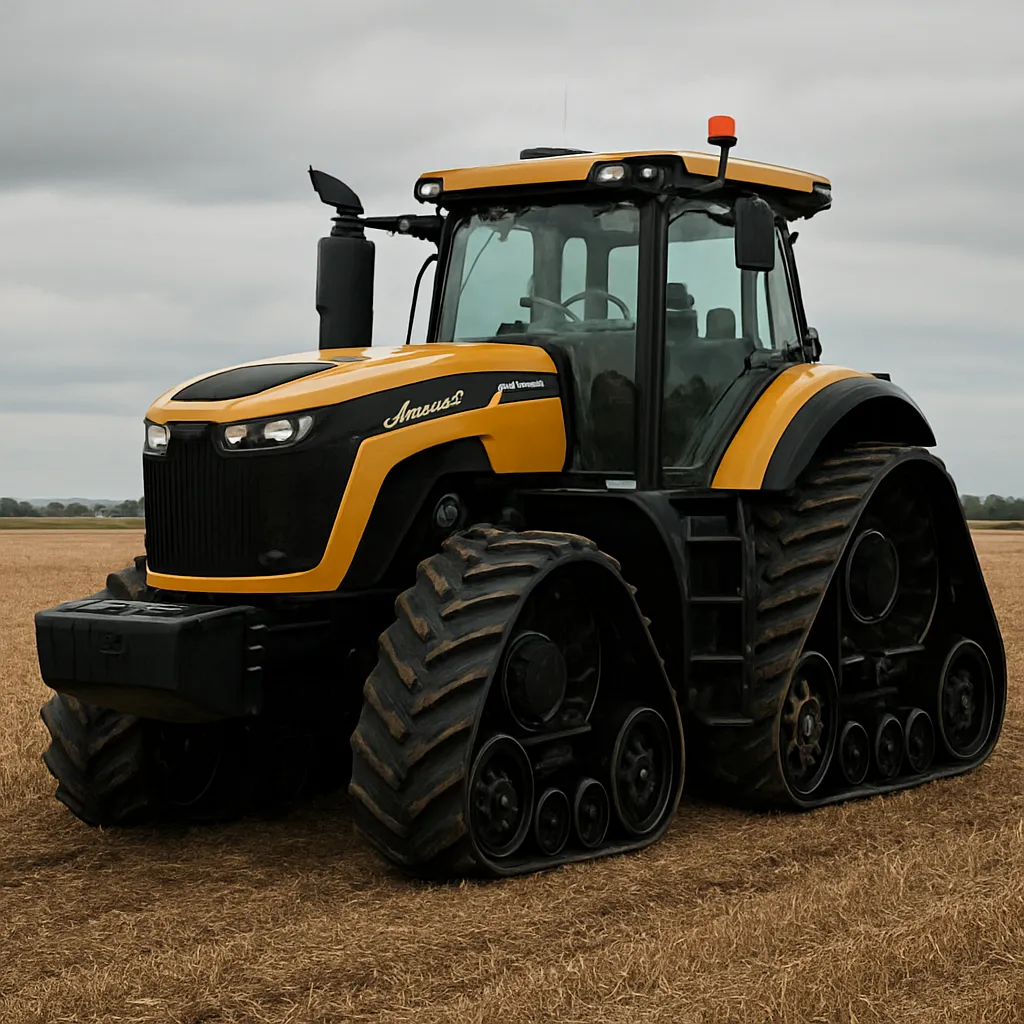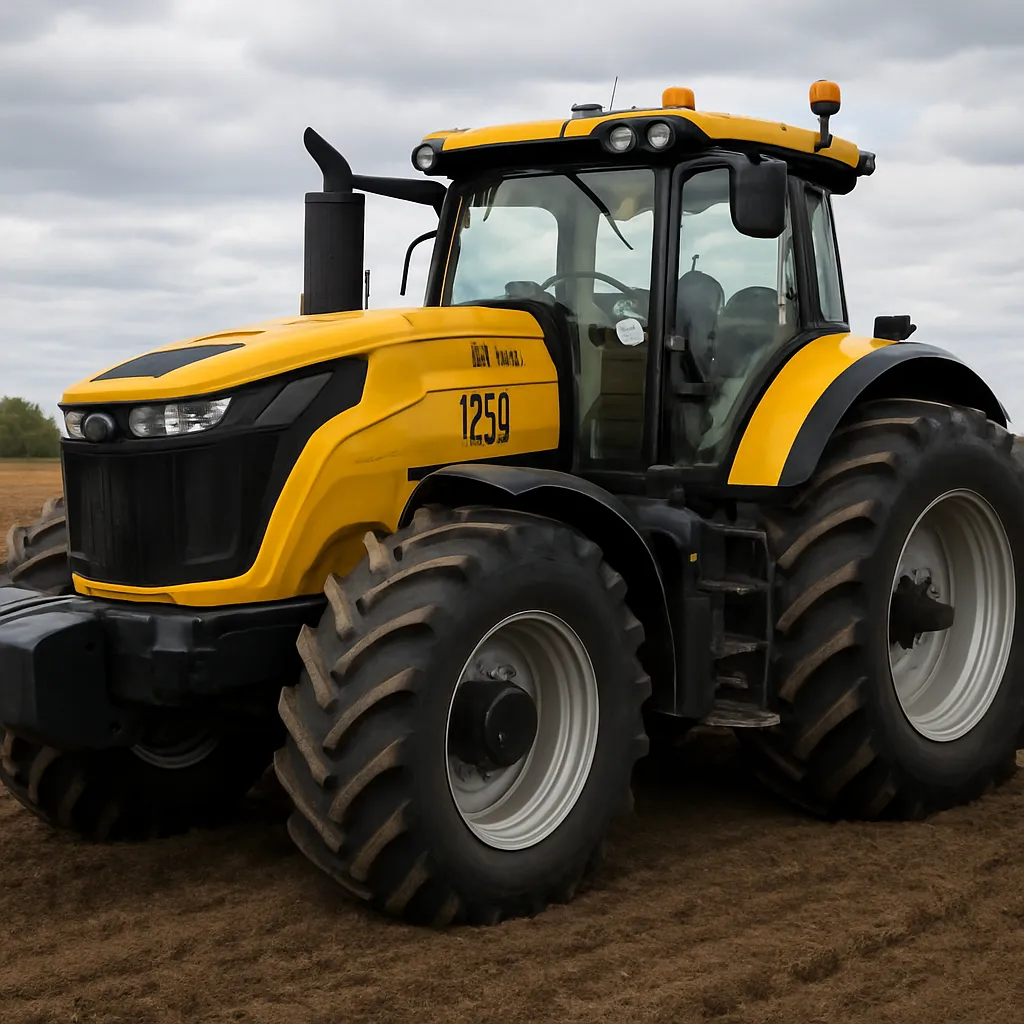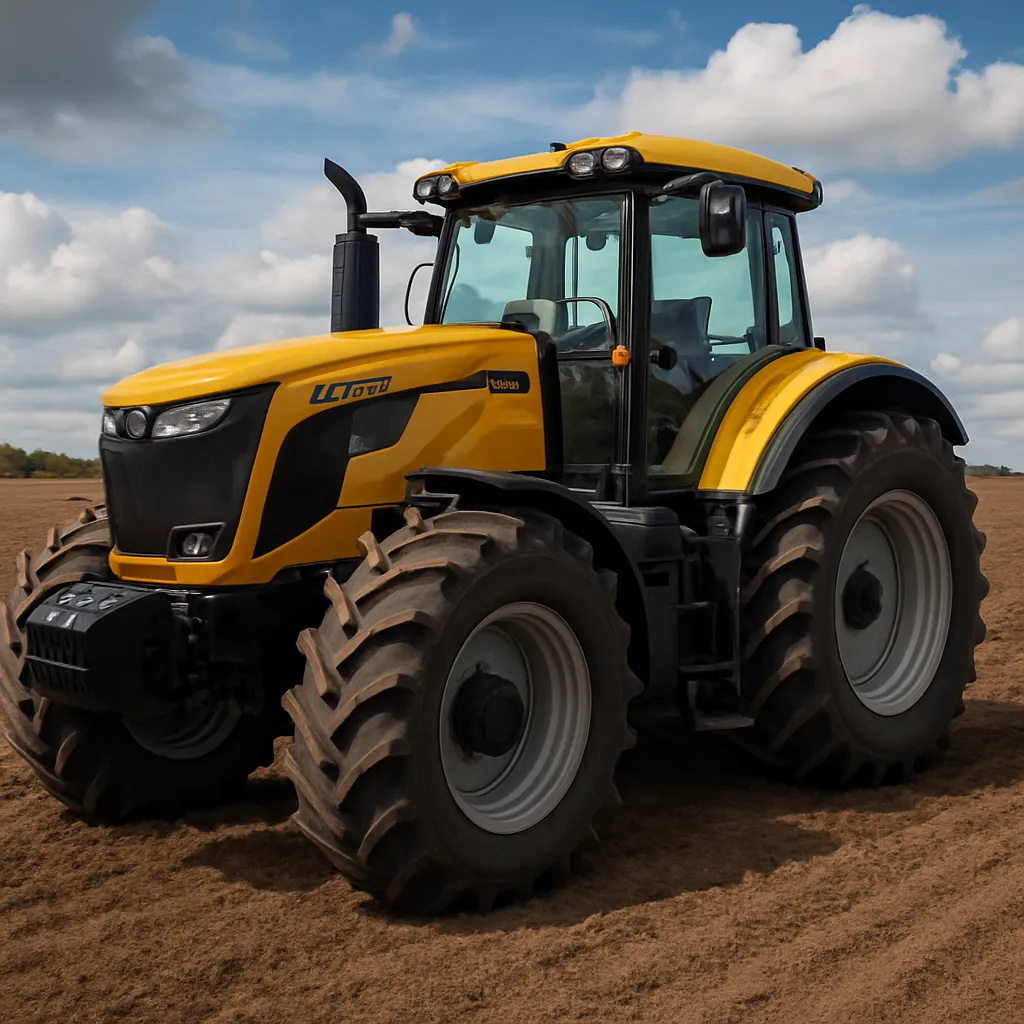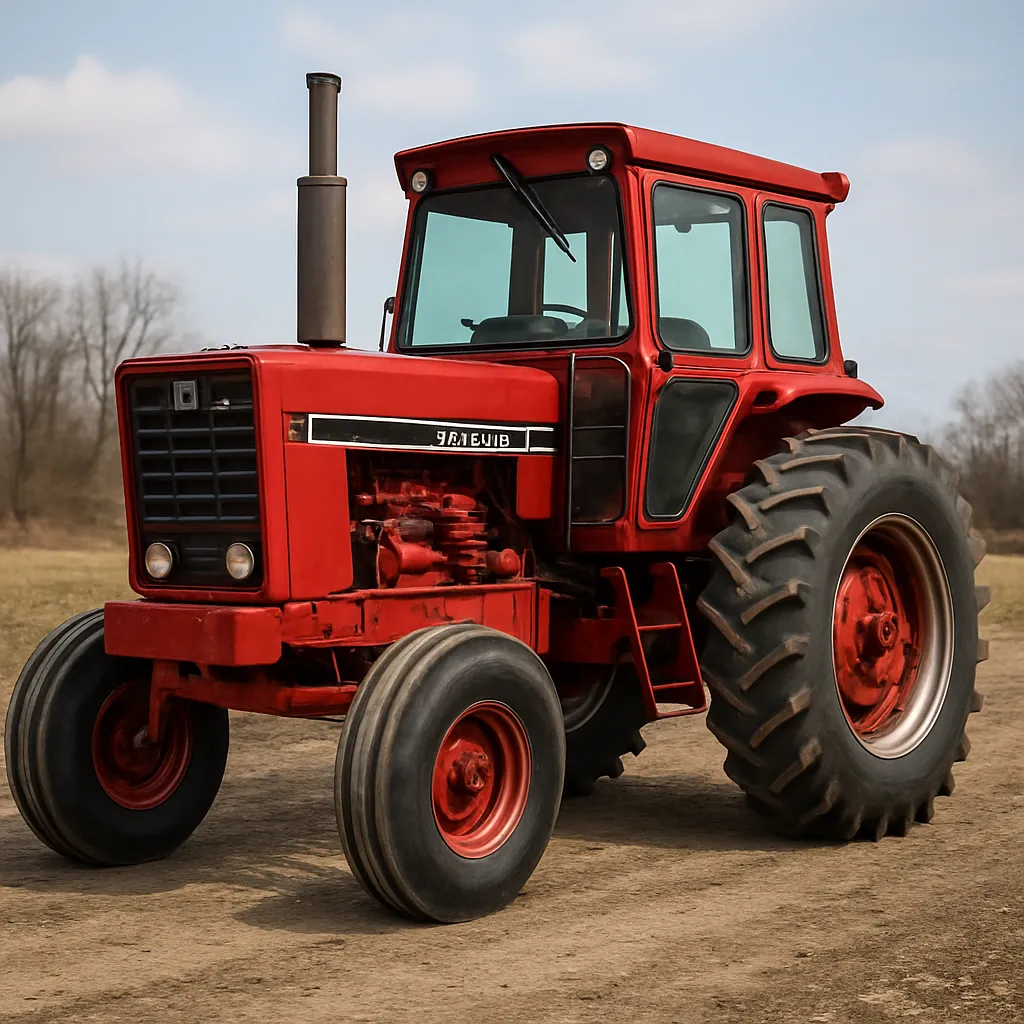
The International Harvester 4568 V8 occupies a particular place in the history of large agricultural tractors: built to handle heavy field work, hauling and power-intensive implements, it blended robust mechanical design with the raw pulling power associated with a V8 diesel layout. In this article I will describe its design and technical features, practical applications, typical field performance, maintenance considerations and its place among collectors and modern users. Wherever possible I provide commonly reported specifications and contextual figures; some numbers can vary by year and configuration.
Design and technical characteristics
The International Harvester 4568 V8 was engineered around a few central goals: deliver sustained power for long hours of heavy-duty fieldwork, provide a reliable mechanical platform that could be serviced in the field, and accommodate a range of implements for ploughing, cultivating, baling and transport. The tractor’s most distinctive element is its V8 engine layout. The V8 configuration allowed for a compact engine bay with a high displacement and smooth power delivery, which made it particularly suitable for heavy draft work.
Engine and powertrain
- International Harvester fitted the 4568 with a V8 diesel engine that emphasized torque at low rpm rather than peak revs. This characteristic is crucial for traction and draft applications where sustained pulling power matters more than high-speed operation.
- Typical figures reported for tractors of this class and era put rated horsepower at the power take-off (PTO) in a general range of 160–200 hp, with drawbar horsepower commonly slightly lower due to transmission and traction losses. Exact ratings for specific 4568 units vary by model year and whether the tractor has factory or dealer-installed options.
- Torque was a key selling point; V8 diesels of this size often produced substantial peak torque in the low-to-mid rpm range, making them efficient at heavy draft and loader work.
- The transmission options for tractors like the 4568 tended to favor robust multi-speed gearboxes (often 8–12 forward gears with several reverse ranges, depending on the specification), and some later variants offered powershift or partial powershift options to improve ground speed control.
- Standard driveline features typically included a heavy-duty rear axle, optional differential locks, and a selectable four-wheel-drive option on some configurations to improve traction in soft or hilly ground.
Hydraulics and PTO
- The 4568 was equipped with a hydraulic system capable of handling large mounted implements and trailed equipment. High-capacity pumps and multiple remotes were frequently available as options.
- Remote valves allowed operation of hydraulic cylinders for planters, loaders, ploughs and other implements, while lift capacity at the three-point hitch was designed to match the tractor’s draft capabilities.
- A robust rear PTO was standard for powering rotary cutters, balers and other PTO-driven implements; many owners valued its steady torque curve and reliability.
Chassis, operator environment and attachments
The chassis and machine layout prioritized serviceability and versatility. Wide front axles for row-crop versions and narrower front ends for specific farming styles were common, and the cab options ranged from open operator stations to fully enclosed cabs with heating and ventilation. For many operators the ergonomic improvements of later cab designs—reduced noise, better visibility, improved seating—made long days much more bearable.
- Attachment points included the standard three-point hitch with category 2 or category 3 compatibility depending on model and year, front loader mount options, and hitch variants for heavy transport and pull-type implements.
- Fuel capacity and cooling packages were sized to support long workdays; larger fuel tanks and heavy-duty radiator cores were common options for large-acreage or hot-climate operations.
Primary applications and field performance
The 4568 V8 was used primarily by medium-to-large farms and contractors for tasks that required sustained power over terrain and long operating blocks. Its strengths were visible where draft, durability and flexibility were demanded.
Row-crop and tillage
- Heavy ploughing: The combination of strong low-end torque and a heavy chassis allowed the 4568 to pull large multi-furrow ploughs or deep inversion tillage equipment at consistent ground speeds.
- Chisel ploughing and heavy secondary tillage: The tractor’s hydraulic lift capacity and drawbar strength made it well-suited to pull bulky, high-draft implements used for seedbed preparation.
- Row-crop configurations: When fitted with adjustable front axles and clearance packages, the 4568 could be adapted for wider row spacings and large-planter work on row-cropped acreage.
Hay and forage, baling and harvest support
- With its strong PTO, the 4568 was frequently used to operate large balers, forage harvesters and rotary mowers. Its steady torque allowed smooth operation of baling systems even when crop flow varied.
- Transport duties: Large wagons and heavy trailers used on many farms benefited from the 4568’s pulling power and stable braking capacity when loaded.
Specialist tasks and contracting
- Contractors often selected tractors like the 4568 for custom ploughing, subsoiling and other services because their mechanical simplicity and parts commonality supported long hours of continuous operation with easier field repair.
- Row crop, field preparation, and heavy hauling for construction-site earth movement were among the non-traditional agricultural tasks where the 4568 found work.
Performance metrics, fuel use and operational costs
Understanding the operational profile of an older V8 tractor like the 4568 requires looking at fuel efficiency, maintenance overhead and the cost of ownership relative to modern machines. While modern electronically-governed engines are typically more fuel-efficient, the mechanical simplicity of older tractors can mean lower repair costs and greater tolerance to poor quality fuel or inconsistent maintenance.
Fuel consumption
- For tractors in the 150–200 hp PTO range, steady-state diesel consumption during PTO-heavy work or high-load draft tasks typically falls in the range of 15–30 liters per hour, depending on load, engine tuning and ground conditions. The 4568’s consumption profile broadly aligns with these figures, with peak consumption during heavy draft or transport pulls and much lower rates during light transport or idling.
- Fuel efficiency is improved by proper maintenance: correct injector timing, clean fuel filters and well-tuned injection systems can markedly reduce specific fuel consumption.
Operating economics
- While older tractors can be less efficient per unit of time, their lower capital cost and ease of mechanical maintenance can make them attractive to farms with modest annual hour usage or those with the skills to do in-house servicing.
- Parts availability varies by model and region. For the 4568, many mechanical components were shared across other International Harvester models of the era, which helps improve parts availability compared to very rare models.
Maintenance, common issues and longevity
One reason tractors like the 4568 remain in use is their mechanical resilience. With a V8 diesel and heavy-duty components, proper maintenance can yield decades of reliable service. The key is preventive maintenance and addressing wear items systematically.
Routine checks and service intervals
- Oil and filter changes: Regular engine oil changes are crucial; heavy-duty diesel engines benefit from frequent monitoring of oil condition due to soot and contamination under prolonged heavy loads.
- Fuel system care: Regular replacement of fuel filters and attention to injector condition will preserve fuel economy and reduce smoke and rough running.
- Cooling system maintenance: Radiator cleaning and coolant checks prevent overheating, a common cause of costly engine repair in older tractors.
- Transmission and final drives: Monitoring gear oil levels and seals helps avoid progressive wear and catastrophic failure under heavy loads.
Typical wear points and restoration considerations
- Hydraulic pumps and seals: Over time leaks and loss of flow can reduce implement responsiveness; rebuild or replacement of pumps is a standard restorative task.
- Clutch and transmission wear: High-service-hour tractors often require clutch overhauls; careful diagnosis can determine whether a simple adjustment or a full clutch replacement is needed.
- Electrical systems: Older wiring, starters and alternators can be failure points; conversion to modern alternators or wiring harness refurbishments can increase reliability.
Historical significance and collectibility
International Harvester built many tractors that became iconic in different eras; the 4568 V8 is appreciated for its role as a heavy-duty workhorse and for representing the engineering philosophy of prioritizing mechanical simplicity and brute force.
Why collectors and enthusiasts value the 4568
- Authentic representation of mid-century heavy-duty agricultural equipment: Collectors who focus on working tractors and rare V8 configurations prize models like the 4568 for their engineering and historical context.
- Parts interchangeability: As mentioned, many components were shared among IH tractors, so restoration and parts sourcing are more feasible than for one-off models.
- Community and support networks: Enthusiast clubs and international tractor associations maintain archives, repair manuals and parts lists that support ongoing restoration and operation.
Market values and availability
Market prices for an International Harvester 4568 V8 depend heavily on condition, hours, service history and whether the tractor is restored to original specifications or modified for practical modern use. Roughly speaking:
- Well-maintained working examples with serviceable engines and good transmissions may be valued modestly compared with modern equivalents because buyers balance purchase price against fuel and emissions disadvantages.
- Fully restored, documented units with original parts and cosmetic refurbishment can attract higher prices among collectors, especially in regions with strong vintage agricultural equipment communities.
Operational tips and modernization options
Operators who choose to keep a 4568 running today often combine traditional maintenance practices with selective modern upgrades to improve safety, reliability and usability without losing the tractor’s character.
- Safety enhancements: Adding rollover protection (if not original), modern lighting and electronic brakes for trailer work can reduce operational risk.
- Electrical upgrades: Replacing old generators with modern alternators and upgrading battery systems improves cold-start performance and accessory support.
- Fuel and emissions: While major emissions retrofits are uncommon on vintage tractors due to cost, keeping fuel systems well maintained reduces smoke and particulate output and keeps engines running more cleanly.
- Telematics and monitoring: Simple hour meters, fuel-flow monitors and analog or digital gauges can help owners optimize operations and schedule preventive maintenance.
Summary and practical recommendations
The International Harvester 4568 V8 stands as a durable example of heavy-duty tractor design focused on torque, mechanical reliability and versatility. Whether used in intensive agricultural work, as part of a contracting fleet, or preserved by a collector, its strengths lie in being a straightforward, serviceable machine capable of tackling demanding tasks.
- For farmers with large cultivation or heavy transport needs, the 4568 remains a capable, cost-effective option when matched appropriately to implements and workload.
- For hobbyists and collectors, the 4568 offers historical value and relatively good parts support compared with rarer models.
- Maintenance focus should be on the engine’s injection system, cooling, transmission and hydraulics to ensure reliable long-term operation.
Overall, the 4568 V8 is notable for its combination of brute force and practical engineering: a tractor designed to get hard, repetitive jobs done with fewer electronic systems and more mechanical simplicity. For those who appreciate durable, serviceable agricultural machinery, it remains a compelling machine to own and operate.