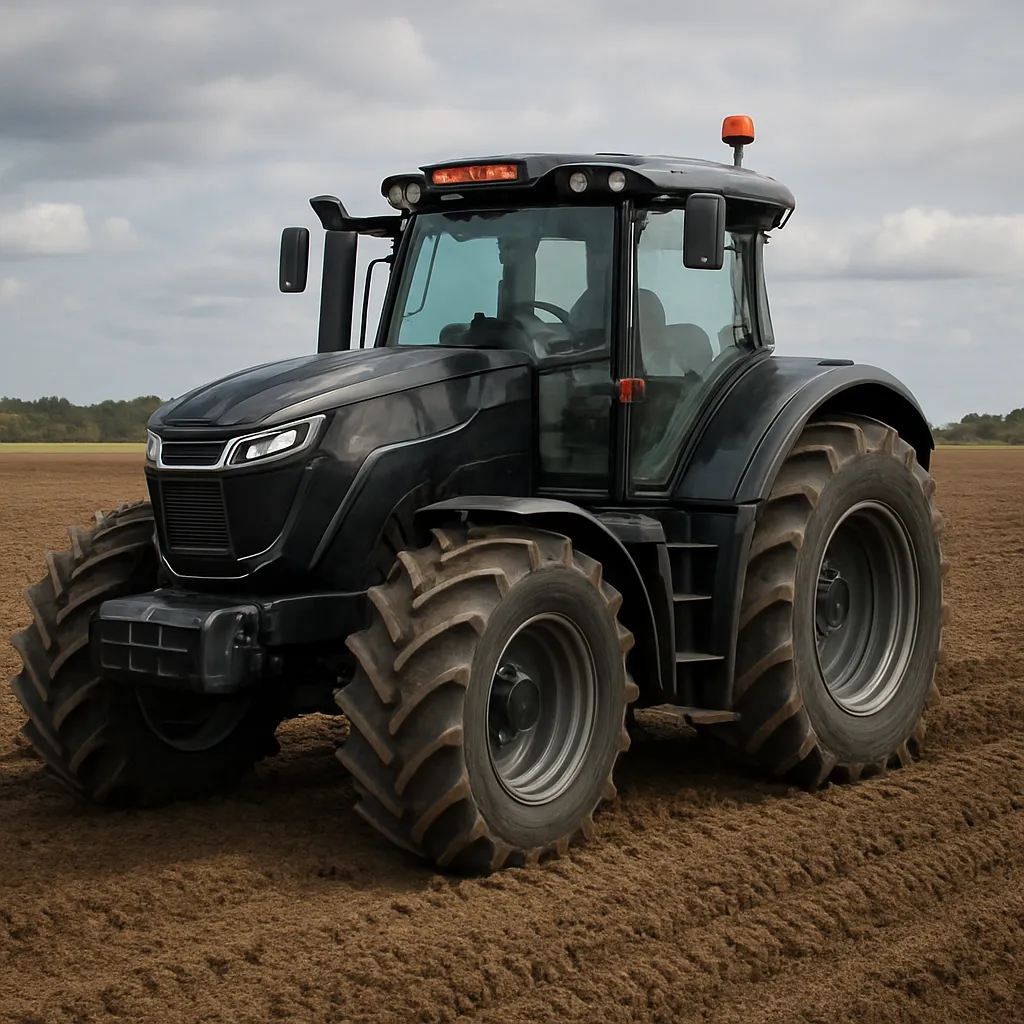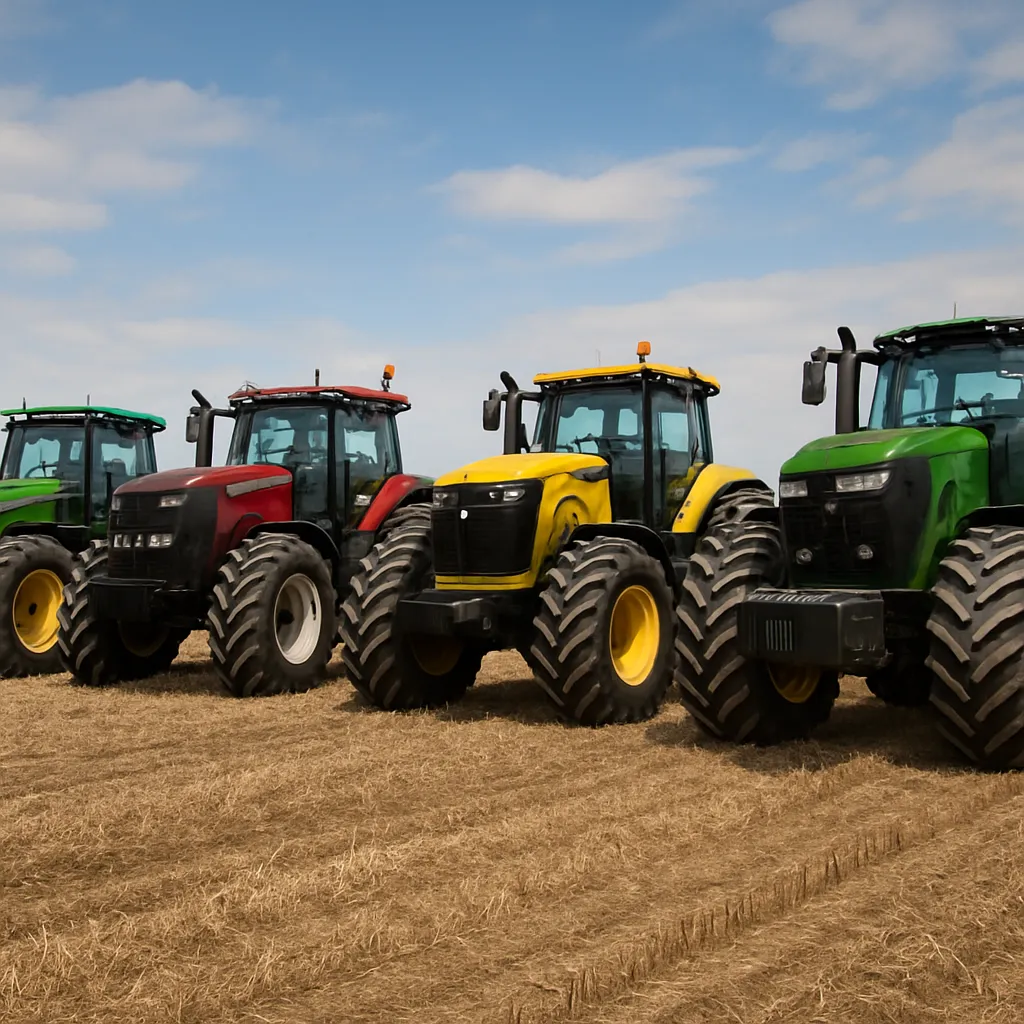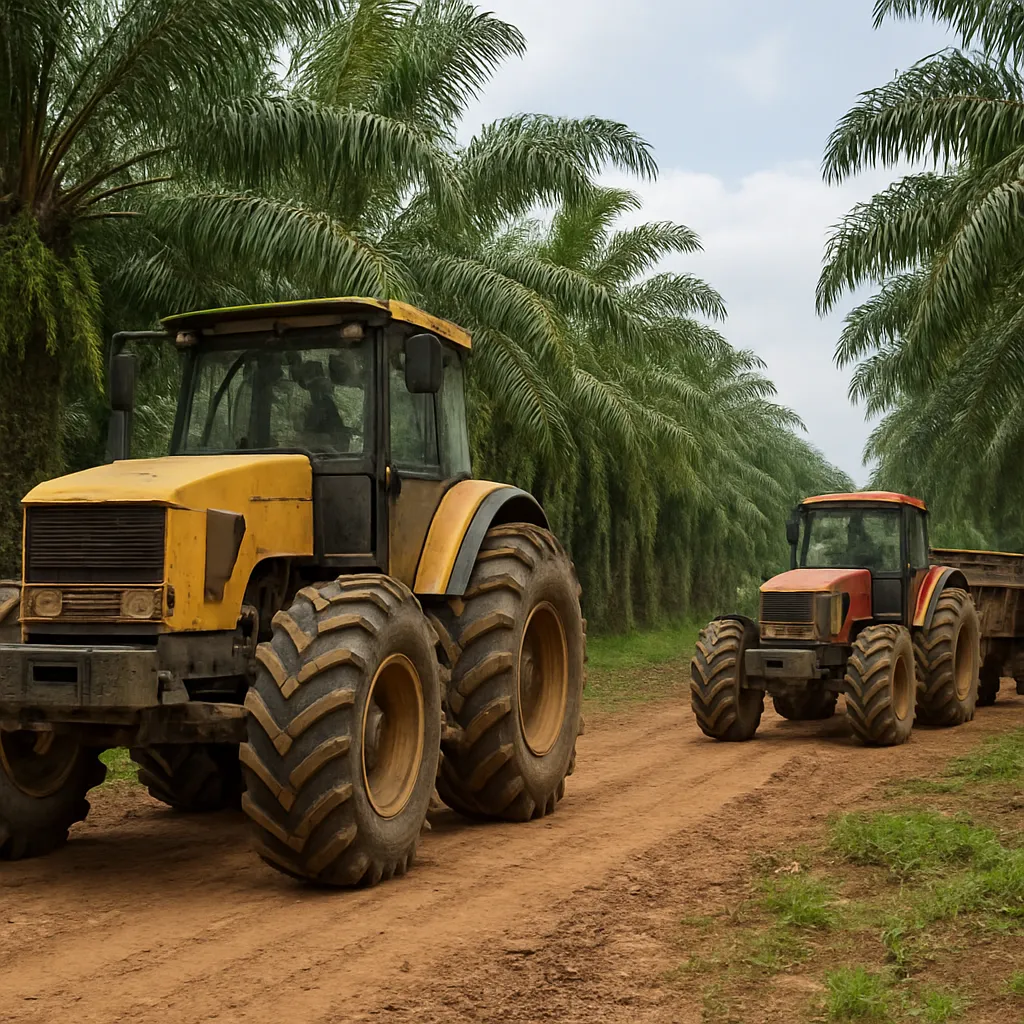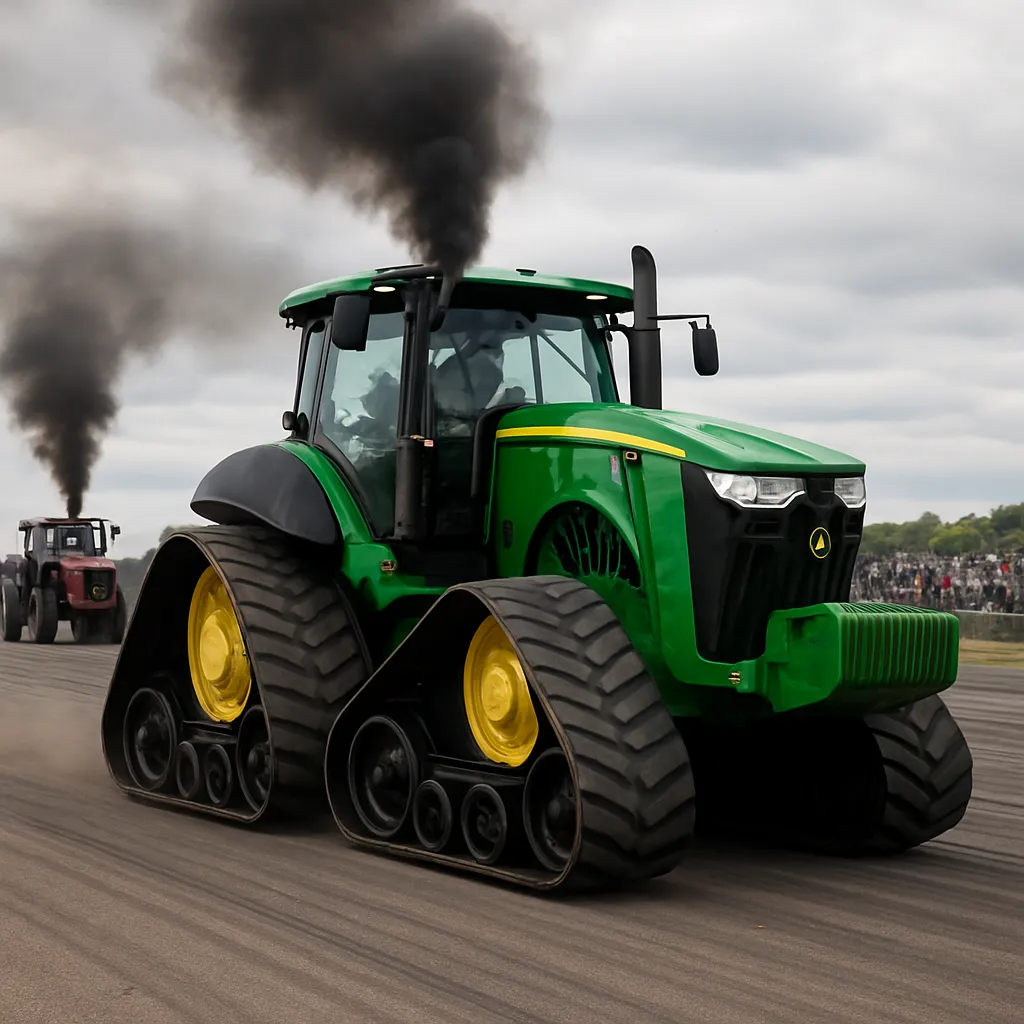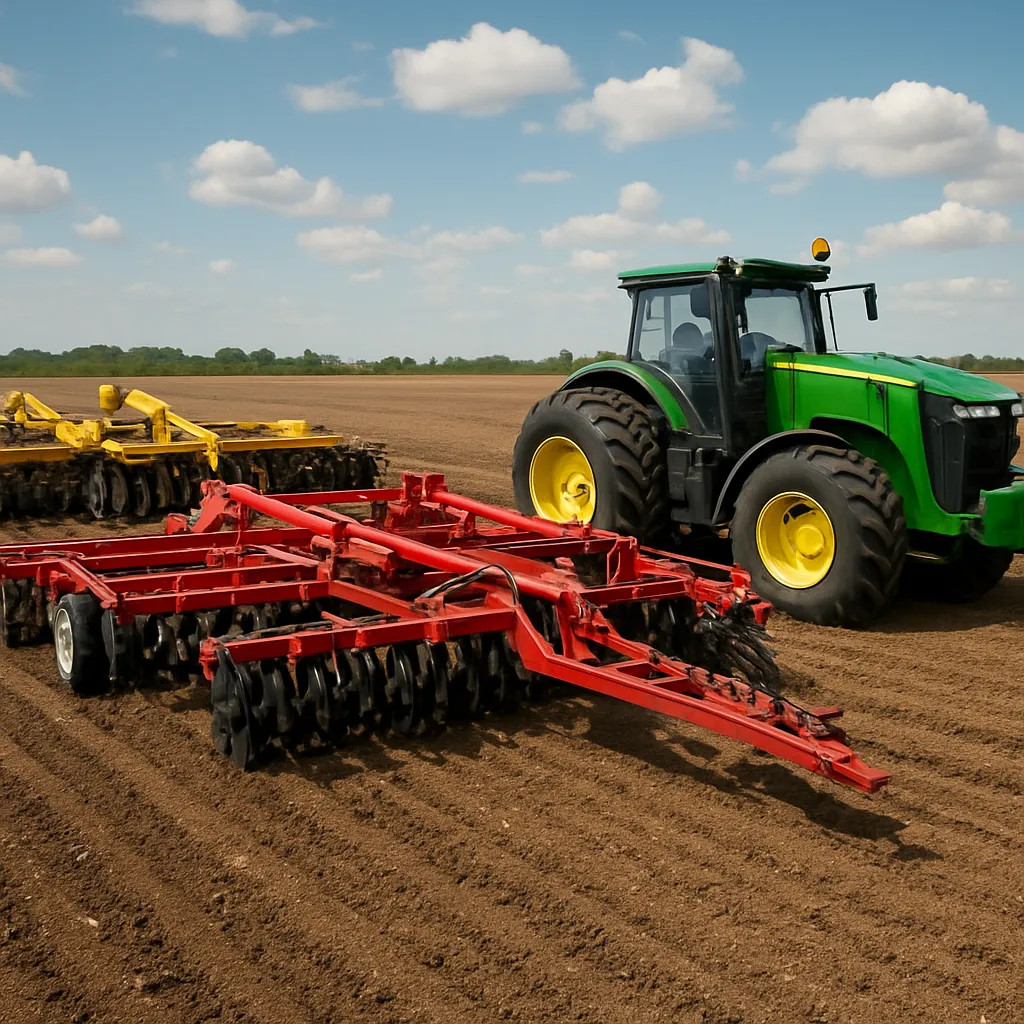
Massive farm machinery has reshaped the landscape of modern agriculture, enabling farmers to cover vast acres with unmatched efficiency and speed. When paired with the most powerful tractors, these implements unlock a new era of productivity, tackling tasks that once required entire teams of workers. From ground-breaking plows to precision planting systems, the evolution of large-scale equipment emphasizes innovation, sustainability, and sheer mechanical might. This article delves into the history, engineering marvels, and future prospects of the biggest implements used with today’s heavy-duty tractors.
Evolution of Large-Scale Implements
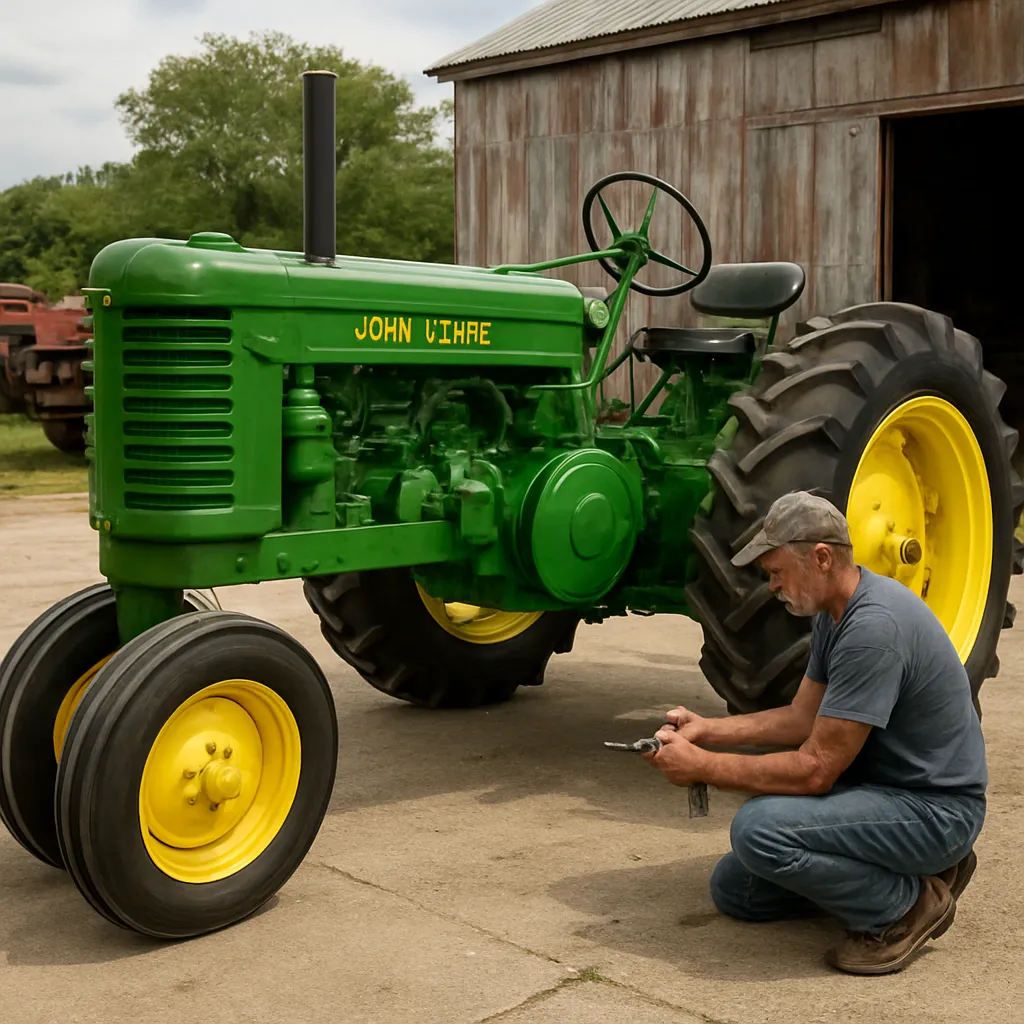
Mechanized farming began a revolution in the early 20th century, but the true leap occurred when tractors outgrew the capabilities of their smaller counterparts. Early farmhands traded horses for horsepower-driven engines, and implements expanded accordingly. The progression can be divided into several milestones:
- Pull-Type Plows: Initially designed to turn heavy soils, pull-type plows demanded significant traction and set the stage for larger frames.
- Cultipackers and Harrows: Used for seedbed preparation, these grew from 6-foot widths to over 50 feet as materials and manufacturing advanced.
- Seeder and Planter Arrays: Multi-row planters revolutionized planting speed, leading to the adoption of hydraulic folding systems for wide transport lanes.
By mid-century, the emphasis shifted to modularity: farmers could connect a variety of tools to a single, ultra-powerful tractor platform. This approach maximized productivity and minimized the need for multiple machines.
Modern Attachment Technologies
Hydraulic Folding and Transport
One of the most striking features of contemporary farm implements is the ability to fold from a working width of 100 feet to a transport width that fits on highways. Hydraulic cylinders, remotely controlled from the tractor cab, manage the transition seamlessly. This innovation allows operators to maintain large implement sizes without compromising on-road safety or compliance.
Intelligent Control Systems
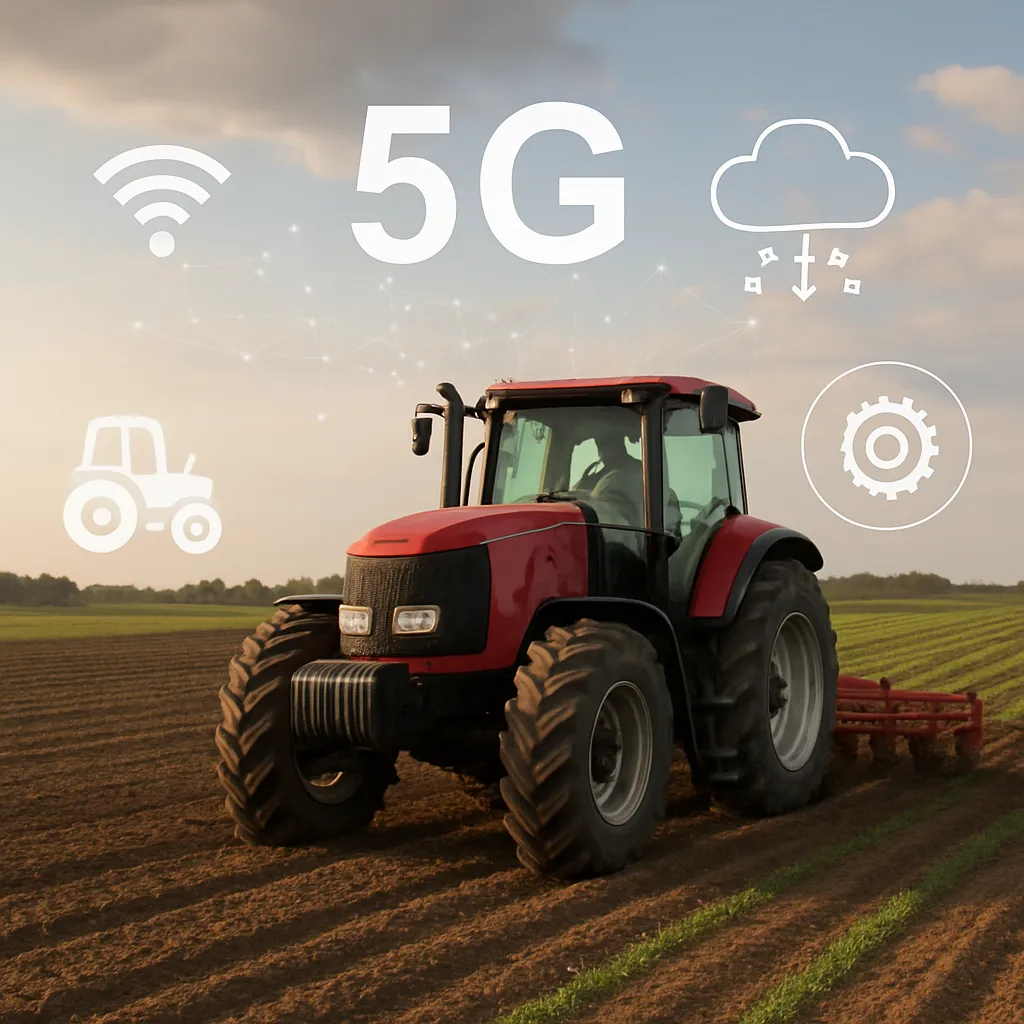
High-tech electronics have penetrated the world of heavy equipment. Implements now communicate directly with the tractor’s CAN bus, adjusting depth, pressure, and angle in real time. GPS-guided systems and variable-rate technology ensure each meter of field receives exactly the right amount of seed, fertilizer, or pesticide, boosting precision and reducing waste.
- Section control for seed placement
- Automatic depth sensing
- Fan speed regulation for air seeders
Soil Management with Heavy Equipment
Maintaining soil health under the weight of massive machinery presents unique challenges. Engineers address issues like compaction by integrating wider tires, adjustable ballast, and track systems. Here’s how top implements tackle soil preservation:
Controlled Traffic Farming (CTF)
CTF confines wheel loads to designated lanes, minimizing the impacted soil area. Large tractors equipped with GPS steering maintain perfect alignment, ensuring that only 15–20% of the field experiences repeated compression.
Deep Rippers and Subsoilers
Designed to fracture compacted layers, cultivator tines or heavy-duty rippers can penetrate over 18 inches deep. This loosens the subsoil, enhances root growth, and improves water infiltration without disturbing the surface layer excessively.
No-Till and Strip-Till Implements
Working in concert with large tractors, no-till tools allow farmers to leave crop residue on the field, reducing erosion and preserving organic matter. Strip-till machines combine soil lifting, residue removal, and fertilizer placement in a single pass, exemplifying the blend of sustainability and productivity.
Key Implements in the Big Tractor Arsenal
Here we highlight some of the largest and most advanced tools on the market, built to match tractors delivering more than 600 horsepower:
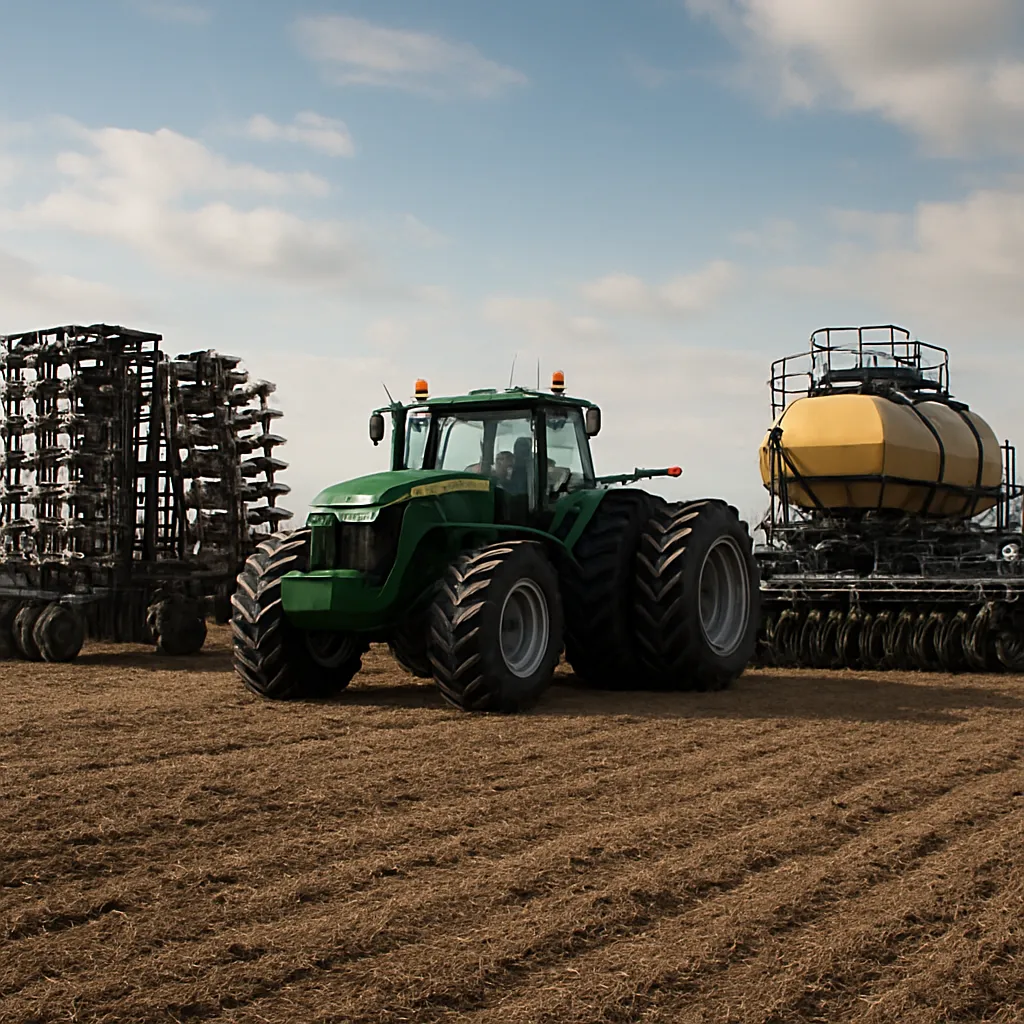
- 6000-Series Disc Harrow: Featuring 56-inch discs and a 60-foot frame, this implement cuts through tough residue and levels beds with minimal draft force.
- 80-Foot Air Seeding Cart: Capable of planting over 200 acres per day, equipped with high-capacity metering systems and real-time diagnostics.
- Trailed Subsoiler Ripper: Weighing over 40,000 pounds, its adjustable shanks reach depths up to 20 inches to break hardpan layers.
- 4-Row Planter with Smart Clutches: Precisely meters seed every second, paired with electric drive motors for each row unit to ensure uniform distribution.
Engineering Challenges and Solutions
Scaling up implements introduces several obstacles:
- Frame Strength: Heavy steel alloys and finite element analysis optimize rigidity while controlling weight.
- Hydraulics Heat: High-flow pumps and oil coolers preserve performance under continuous load.
- Tire Loads: Dual wheels or tracks distribute weight, reducing ground pressure to safe levels.
Innovative solutions include modular components for easier maintenance, quick-change knives on chisel plows, and automatic lubrication systems to extend service intervals.
Economic and Environmental Impact
Deploying large implements with big tractors affects both farm budgets and ecosystems. The right combination can:
- Lower overall fuel consumption by reducing the number of passes.
- Decrease labor costs through increased mechanization.
- Enhance sustainability by preserving soil structure and optimizing input use.
However, operators must balance scale with field size, soil type, and crop rotations. Over-sized equipment on smaller farms may lead to inefficiencies, while underpowered tractors cannot fully utilize advanced attachments.
Future Innovations in Heavy-Duty Implements
Looking ahead, manufacturers are experimenting with automation and electrification. Battery-powered tractors may partner with lightweight, electrically driven implements, reducing greenhouse gas emissions. Meanwhile, AI-driven sensors could predict soil conditions and automatically swap attachments on-the-go, ushering in an era of fully autonomous field operations.
The ongoing quest for greater efficiency and minimal environmental footprint ensures that the world of large-scale farming remains at the cutting edge of technology. As tractors grow, so too does the ambition to feed a growing global population with smarter, more powerful machinery.