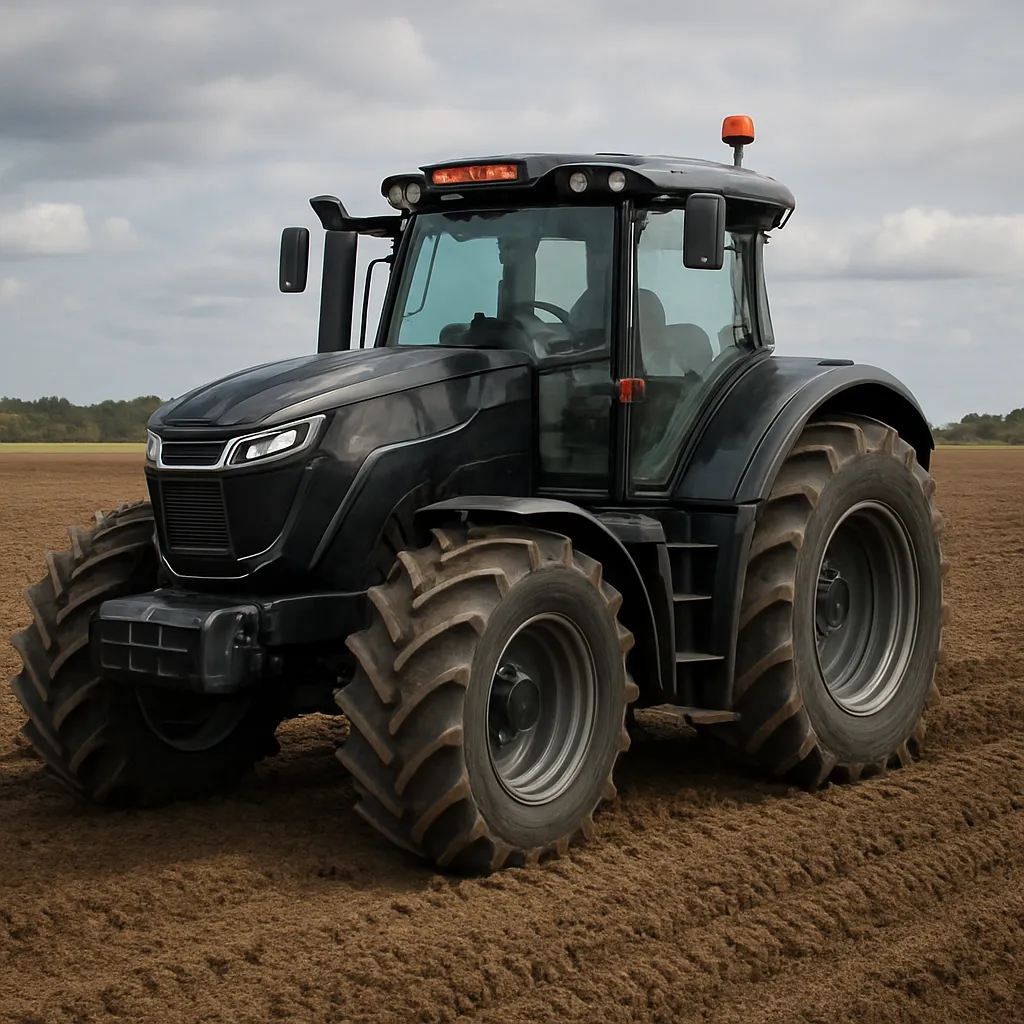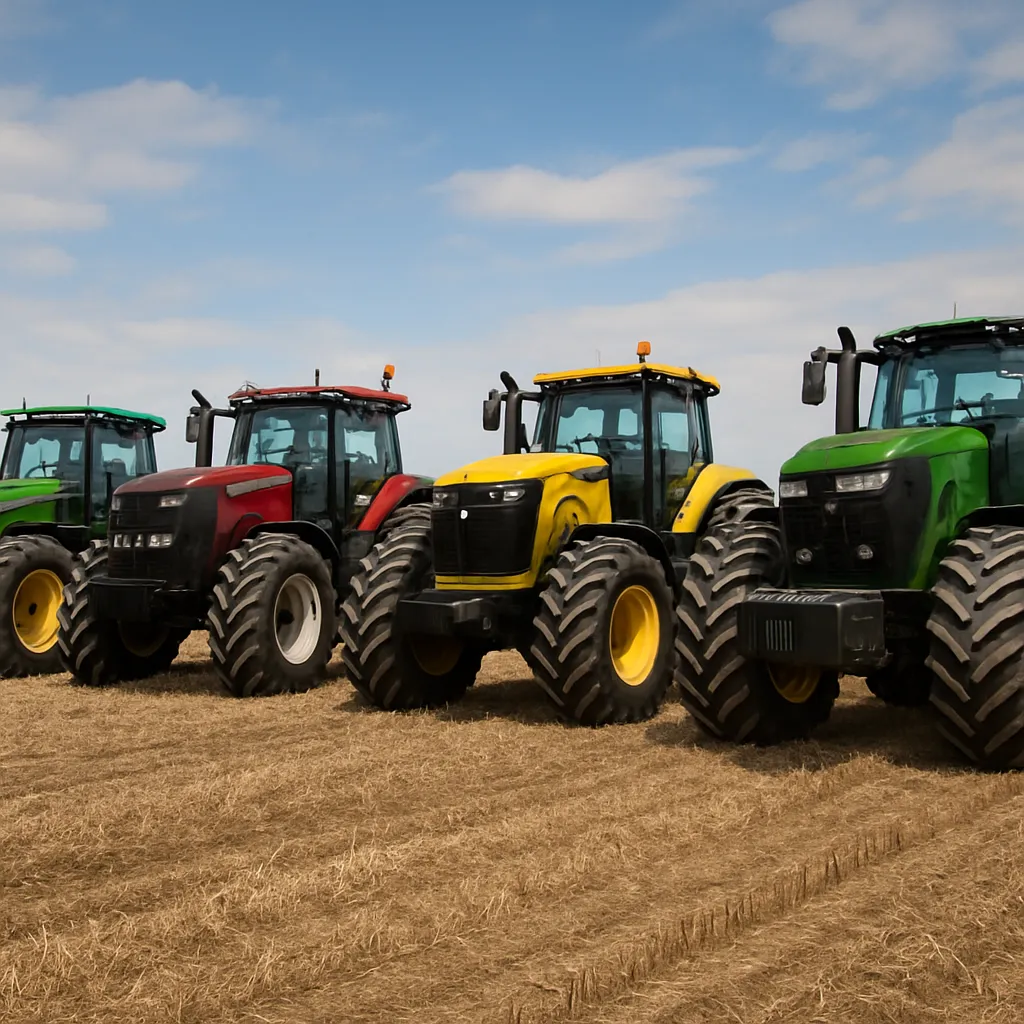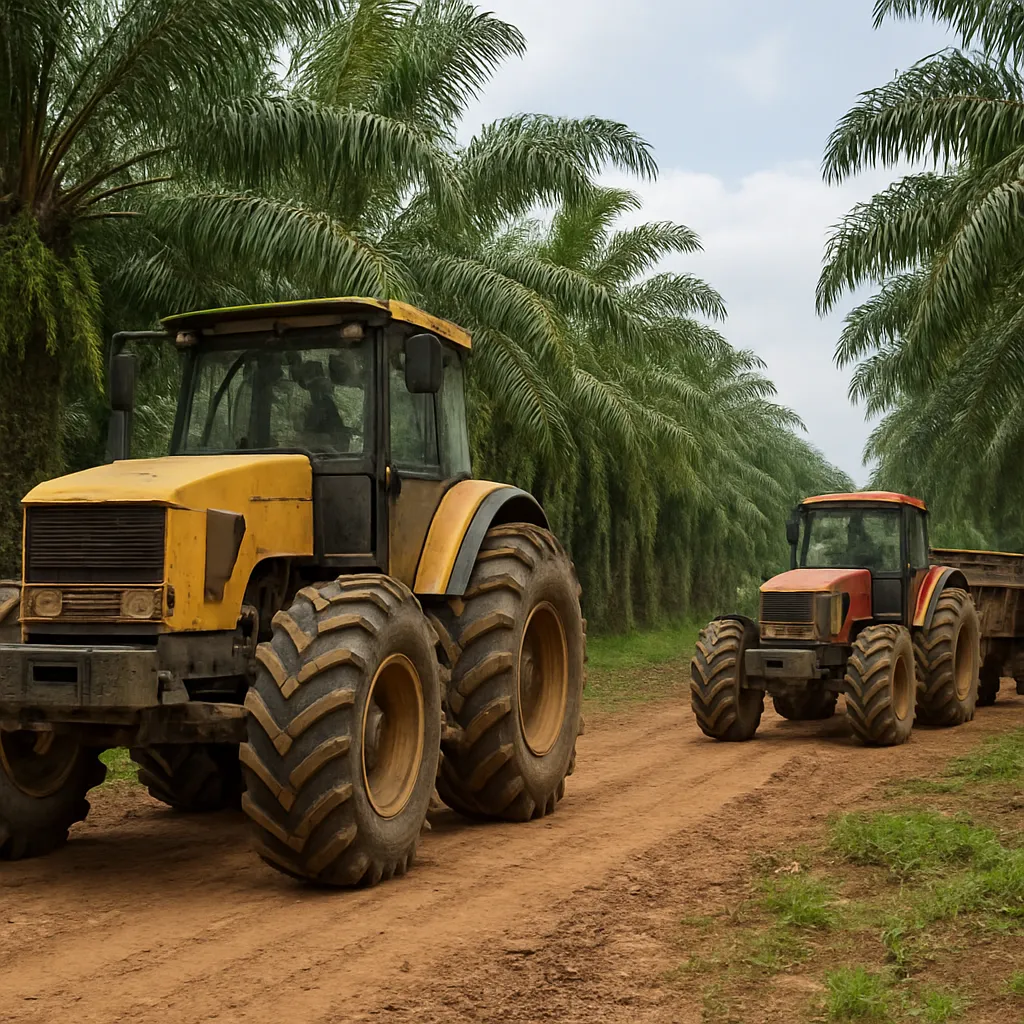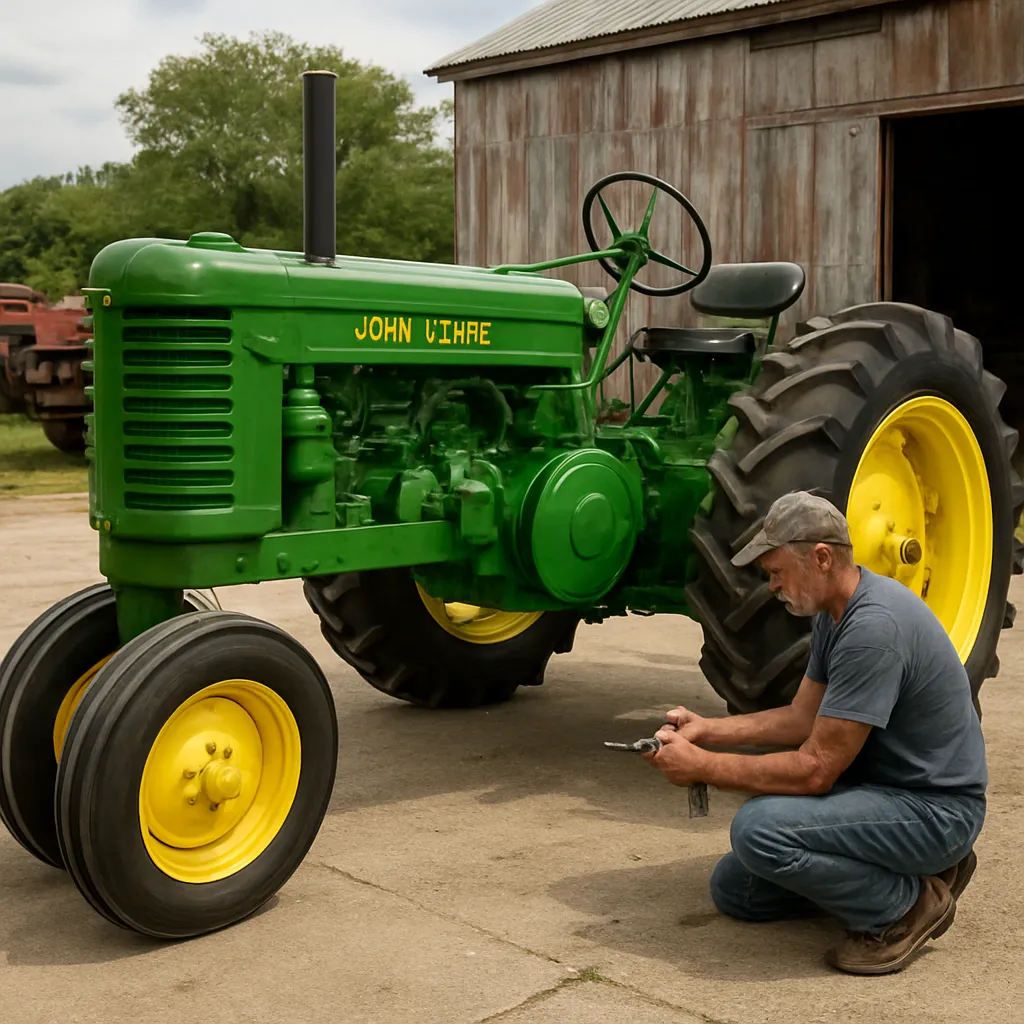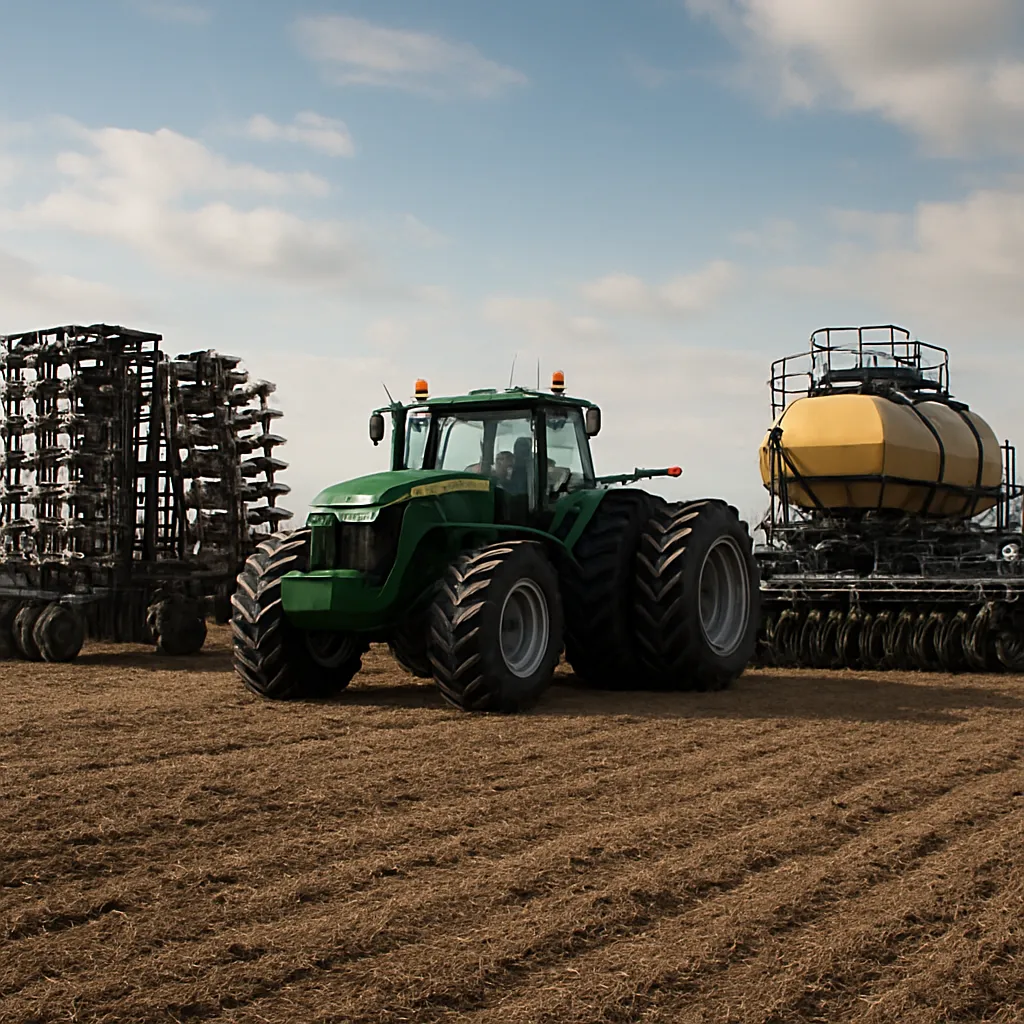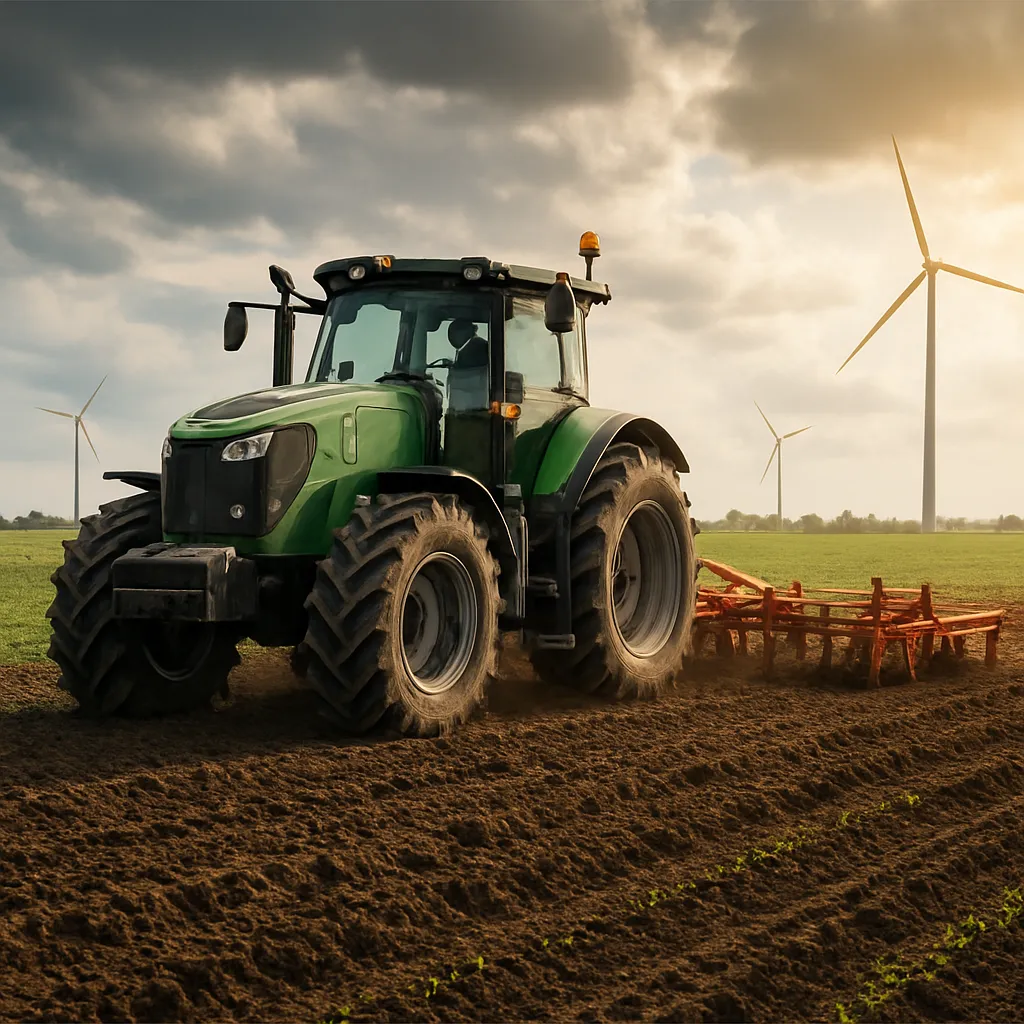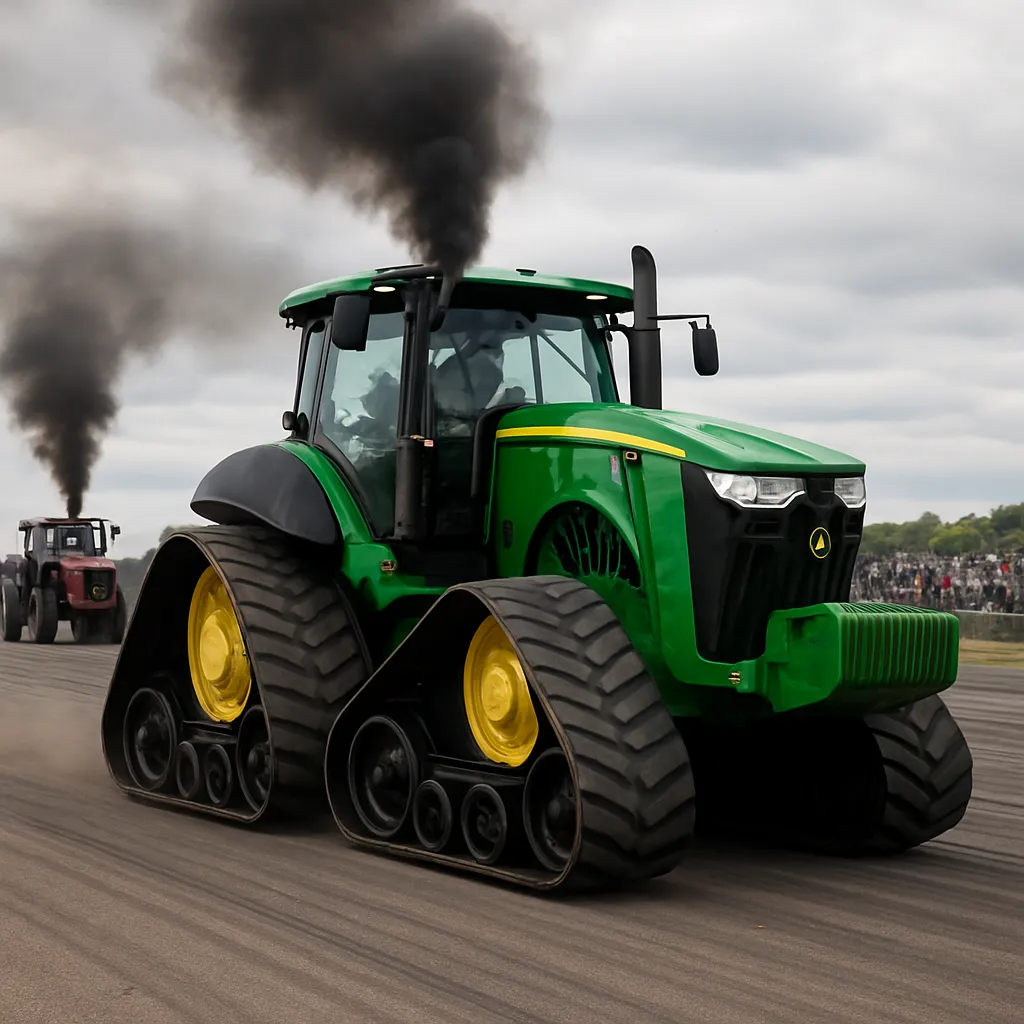
The quest to push agricultural machinery beyond conventional limits has given rise to the world’s most astonishing experiments with giant tractors. Enthusiasts and engineers unite to merge raw power with cutting-edge design, striving to set new record speeds while preserving the functionality essential for modern farming. From custom-built chassis to ground-pounding engines, these behemoths showcase a blend of brute force and refined technology, illustrating how the humble tractor has become a stage for mechanical marvels and adrenaline-fueled pursuits.
Power and Engineering Marvels
At the heart of any speed-focused tractor lies a purpose-built powerplant. Conventional agricultural models emphasize torque and fuel efficiency, but record-attempt vehicles demand extreme horsepower and rapid gearbox ratios. Engineers often repurpose engines from high-performance racing contexts, integrating turbocharged diesel blocks capable of delivering over 2,000 horsepower. Paired with reinforced transmissions and custom cooling circuits, these units can sustain peak output for short bursts necessary to challenge speed records.
Engine Modifications
- Intercooler upgrades to keep intake air temperatures low
- High-flow exhaust systems for reduced backpressure
- Custom ECU mapping balancing fuel delivery and boost pressure
- Plasma-coated pistons and ceramic bearings for thermal resilience
Such modifications transform agricultural powertrains into high-strung machines, revving beyond standard redline thresholds. Innovative lubrication methods, like dry-sump systems borrowed from sports cars, ensure stable oil pressure even under extreme lateral forces encountered at high speeds.
Chassis and Suspension
Retrofitting a heavy tractor chassis for velocity involves a delicate balance. Teams install reinforced ladder frames with integrated roll cages to maintain structural rigidity. Coil-over suspension or adjustable air springs replace factory leaf springs, granting precise ride height tuning. The result is a platform that can handle both the launch phase—where rapid acceleration applies immense strain—and the flat-out sprint across prepared tracks or salt flats.
Record-Breaking Speed Attempts
From Bonneville Salt Flats to remote dry lakes, speed aficionados have attempted to rewrite the limits of tractor velocity. The current benchmark stands just shy of 130 mph—an astonishing figure for a vehicle traditionally designed for sub-30 mph fieldwork. Several factors contribute to such achievements:
- Optimized Aerodynamics: Streamlined fairings reduce drag, aided by wind-tunnel testing.
- Weight Reduction: Fiberglass panels and carbon-fiber components cut mass without sacrificing durability.
- Traction Control: Electronic systems modulate power distribution to prevent wheel spin on loose surfaces.
- Alignment Precision: Laser-guided setup ensures all wheels track in perfect alignment, minimizing scrubbing losses.
One notable contender, nicknamed the “Rocket Harvester,” achieved its personal best after doubling down on differential locking techniques. By activating front and rear locks selectively, drivers managed to maintain optimum traction throughout the acceleration curve, racking up record runs in under 10 seconds from 0 to 100 mph.
Noteworthy Attempts
- The Silver Stallion Project – A metamorphosed row-crop tractor hitting 115 mph on salt.
- Green Giant Velocity – A hybrid-powered beast blending electric torque with diesel grunt.
- Thunder Tiller – An experimental tractor using nitrous oxide injection for short bursts over 120 mph.
Design Innovations and Safety
High-speed operation introduces risks vastly different from standard agricultural use. Therefore, safety measures are paramount. Modern record vehicles incorporate:
- Full FIA-certified roll cages
- Multi-point racing harnesses and fire suppression systems
- On-board data logging with real-time telemetry
- Shock-absorbing seats to mitigate jolt from surface irregularities
Advanced materials play a key role. Many teams employ innovation-driven composites for body panels, reducing weight while maintaining crash resilience. Additionally, retractable aerodynamic elements—such as deployable rear spoilers—enhance high-speed stability, preventing lift under extreme velocity. Electrical systems receive redundant power packs, ensuring critical functions remain operable even if the primary alternator fails.
Driver Protection
Driver suits meeting FIA 8856-2000 specifications, along with HANS devices, minimize injury during high-G deceleration. Helmets equipped with integrated communication units link drivers directly to pit crews, offering real-time updates on engine vitals, tire health, and track conditions. Collectively, these measures transform the tractor cockpit into a protective cocoon, merging racing heritage with agricultural grit.
Future Trends in Giant Tractor Performance
As environmental concerns gain traction, the next generation of record hunters is exploring hybrid drivetrains and alternative fuels. Electrified torque delivery offers instantaneous power—ideal for initial launches—while conventional diesel cores sustain top-end runs. Experimental hydrogen combustion engines also surface, promising zero-carbon exhaust and sustained high-output capability.
Emerging Technologies
- Solid-state battery packs for rapid charge and discharge cycles
- Regenerative braking systems capturing energy on deceleration
- Adaptive tire compounds that alter hardness based on temperature
- Augmented reality HUDs projecting performance metrics directly on the windshield
Developments in autonomous control could further refine tractor speed records. By removing human reaction delays, electronic throttle and steering systems can optimize acceleration curves with millisecond precision. Paired with machine-learning algorithms analyzing surface conditions in real time, these tractors could achieve unparalleled stability and push performance boundaries beyond imagination.
From engineering ingenuity to adrenaline-pumping trials, the pursuit of the fastest giant tractor showcases the intersection of agricultural necessity and mechanical spectacle. Each attempt not only raises the bar for speed but also inspires broader advancements in heavy-duty machinery design, promising a future where the limits of torque, velocity, and endurance continue to expand.