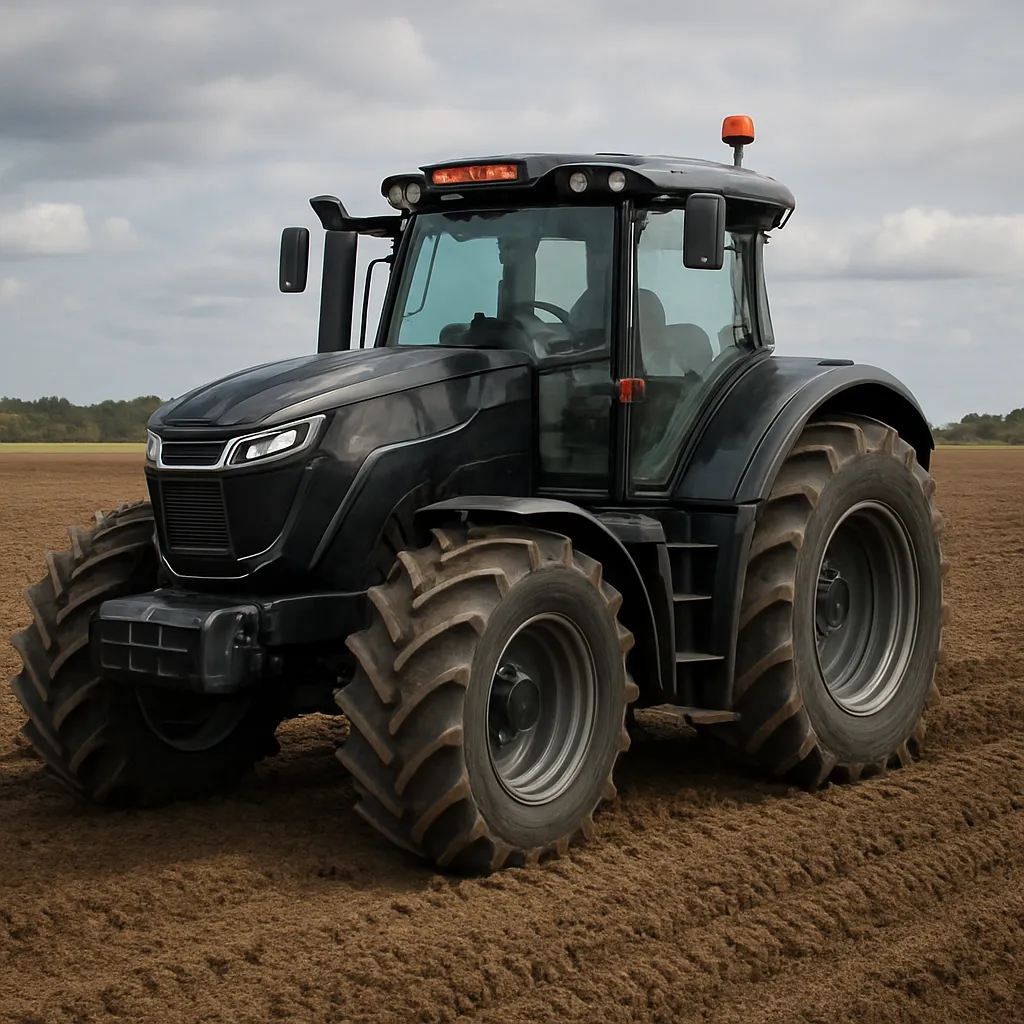
Exploring the realm of heavy agricultural machinery reveals a landscape where power meets precision. As farmers demand ever-larger machines to boost productivity, manufacturers race to develop the next generation of mega-tractors. This article navigates key advances in the domain of biggest tractors, focusing on cutting-edge safety systems, ergonomic design, environmental responsibility, and the rise of autonomous technologies.
Innovative Safety Technologies in Heavy Tractors
Ensuring operator well-being remains paramount when dealing with equipment that can weigh over 20 tons and generate thousands of horsepower. Modern heavy tractors incorporate a suite of protection measures designed to prevent accidents and minimize injury.
- Rollover Protection Structures (ROPS): Reinforced cabs capable of withstanding crushing forces in case of a rollover.
- Advanced seatbelt sensors that lock harnesses and alert operators when unfastened.
- Automated emergency braking systems tailored to slow or stop large-scale machines in seconds.
- 360-degree camera systems for eliminating blind spots around massive tire footprints.
- Obstacle detection using radar and LiDAR to provide real-time warnings of nearby workers or objects.
By integrating these features, manufacturers aim to deliver a tractor environment where every movement is monitored, and risks are mitigated before they materialize.
Advances in Ergonomic and Structural Design
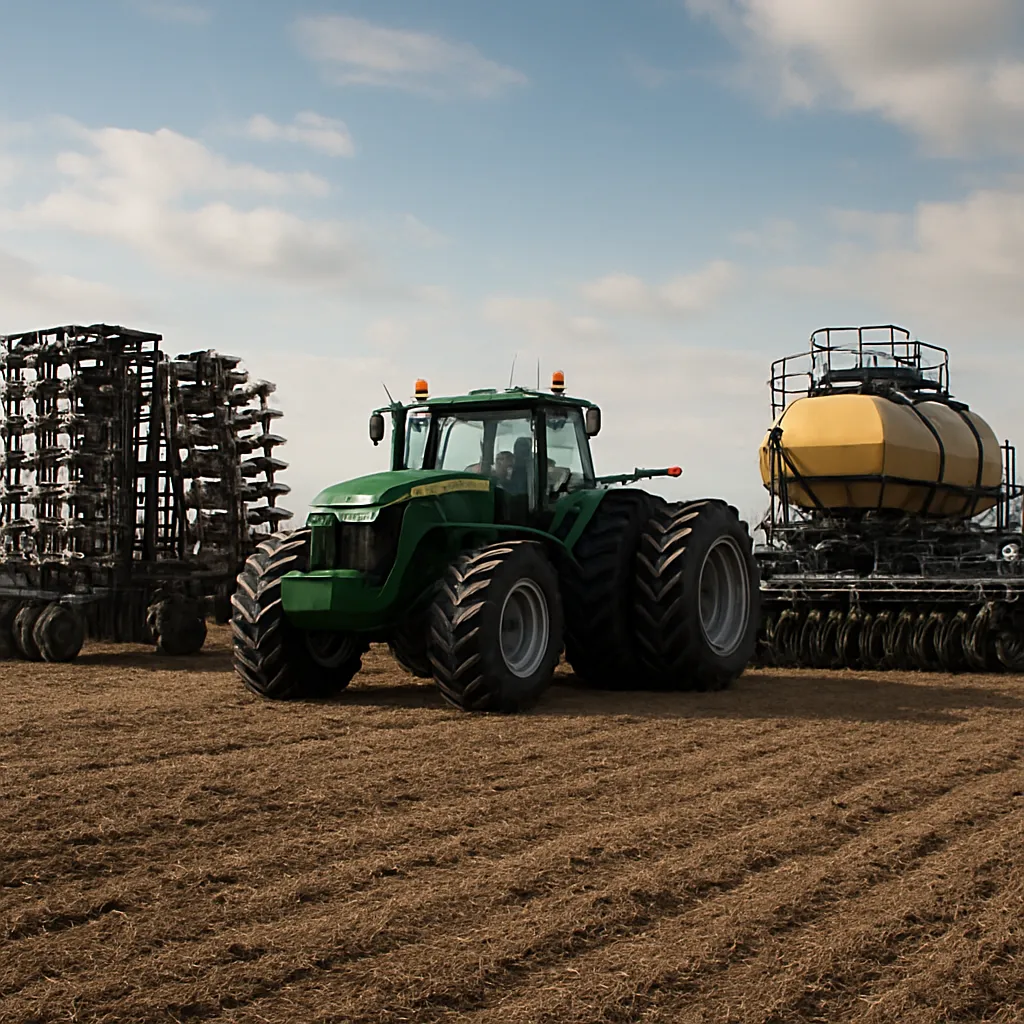
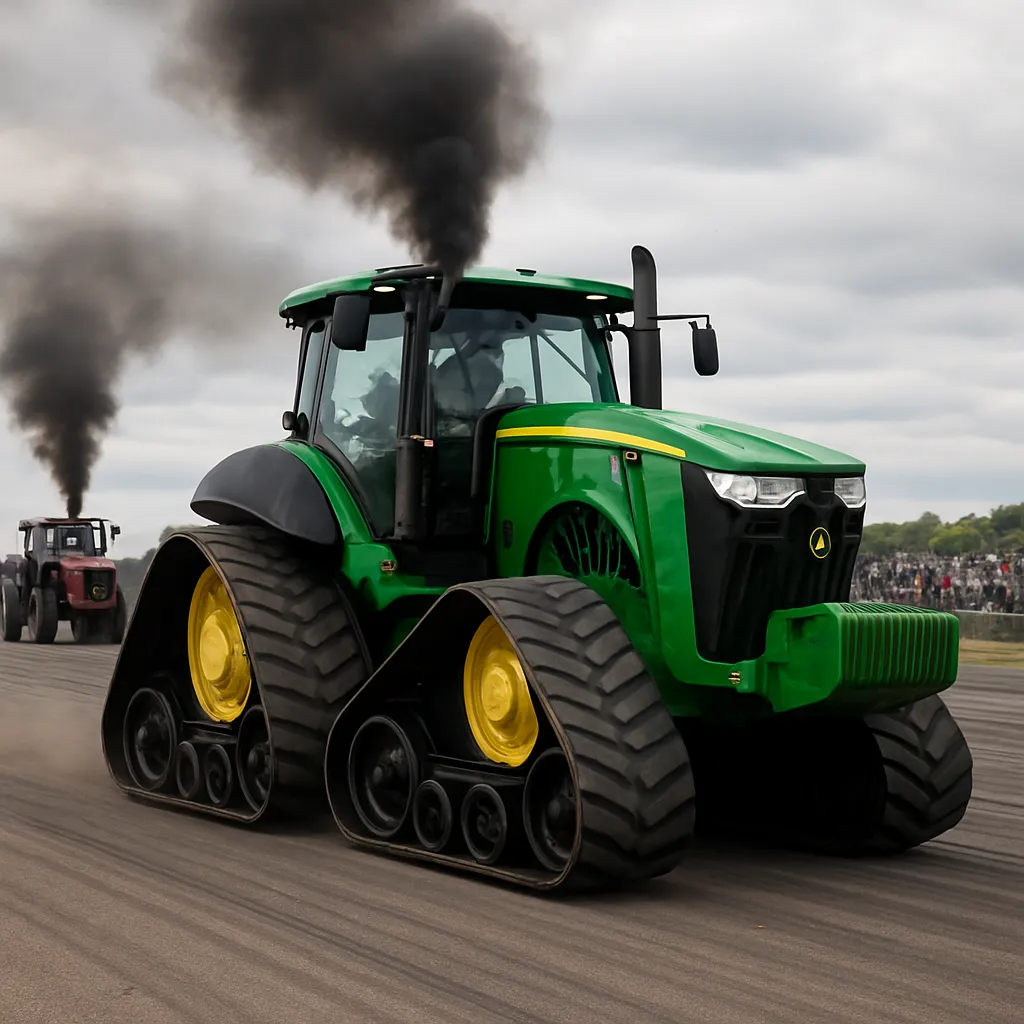
Operators spend countless hours behind the wheel of the world’s largest tractors, such as the Big Bud 747 or John Deere 9RX series. Ergonomic improvements enhance comfort while reducing fatigue, thereby boosting overall performance.
- Fully adjustable seating with pneumatic suspension and built-in massage functions to counteract long-day fatigue.
- Climate-controlled cabs offering precise temperature, humidity, and air-filtration management.
- Intuitive touchscreen dashboards consolidating engine data, GPS guidance, and diagnostic alerts into a single interface.
- Modular chassis structures that optimize weight distribution and ensure durability across varied terrain.
- High-strength steel and composite materials used in frame construction, reducing overall machine weight while boosting tensile strength.
These design elements work in unison to create a cabin that feels more like a high-end vehicle than a piece of agricultural equipment, directly impacting operator satisfaction and resilience.
Sustainability and Powertrain Evolution
Agriculture faces increasing pressure to reduce carbon footprints. Today’s largest tractors are no exception, as companies strive to introduce eco-friendly powertrains without sacrificing the brute force required for deep tillage and heavy hauling.
- Hybrid diesel-electric systems delivering instant torque while cutting fuel consumption by up to 30%.
- Full battery-electric prototypes capable of zero-emission operation during light-duty tasks.
- Hydrogen fuel cell modules in development, promising quick refueling and extended range for large-scale operations.
- Regenerative braking technology that captures kinetic energy during deceleration, feeding it back into onboard batteries.
- Advanced emission control units ensuring compliance with the strictest global standards (Tier 5 / Stage V).
Transitioning from purely mechanical drivetrains to sustainable alternatives is vital for meeting both regulatory demands and the agricultural sector’s own environmental goals.
The Role of Autonomous Systems and Connectivity
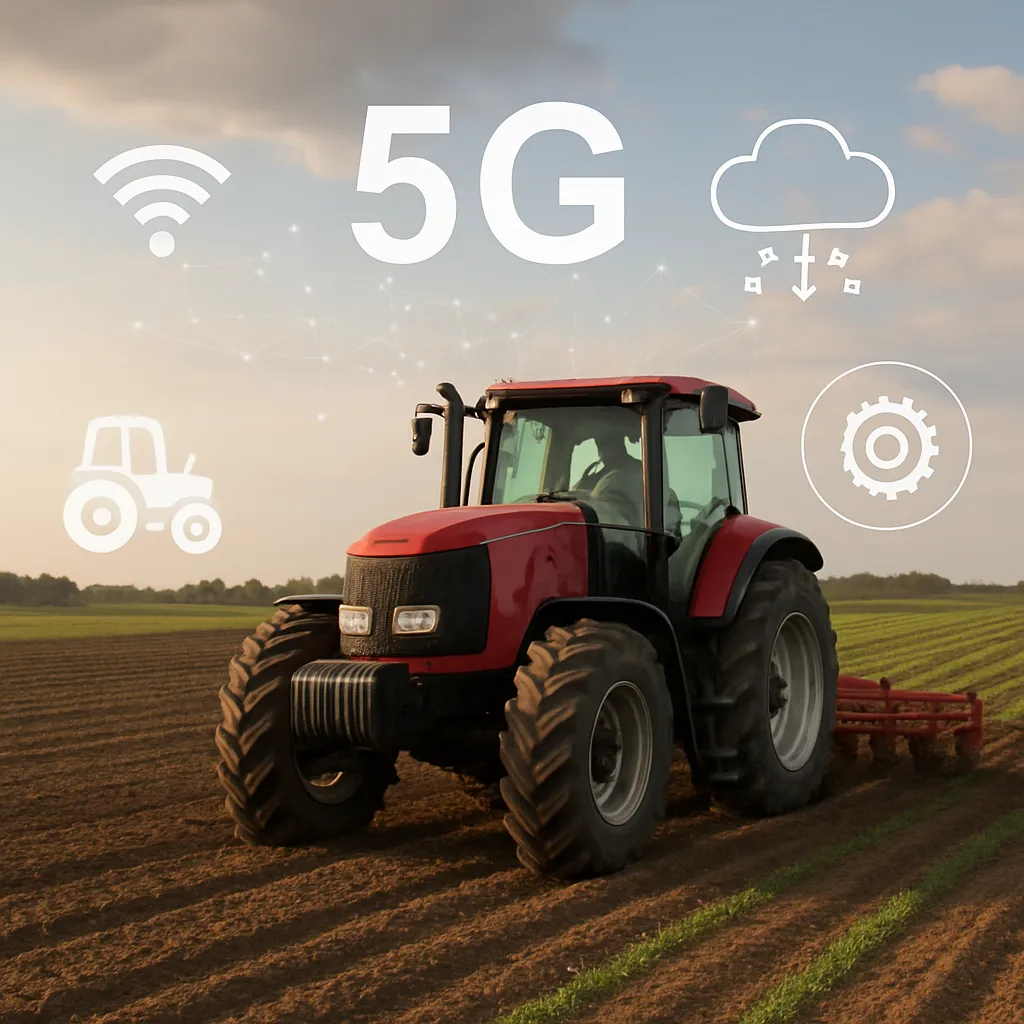
Connectivity and autonomy represent the next frontier for mega-tractors. Farms of the future will feature fleets of driverless machines working in concert, guided by AI and real-time data analytics.
- GNSS-guided steering solutions capable of precision down to a few centimeters, eliminating human error.
- Vehicle-to-farm (V2F) and Vehicle-to-Vehicle (V2V) communication networks coordinating multiple tractors simultaneously.
- Cloud-based telematics platforms collecting performance, maintenance, and usage data for predictive upkeep.
- Adaptive algorithms that learn soil conditions and automatically adjust tillage depth, speed, and traction settings.
- Remote operation centers allowing a single technician to oversee dozens of machines from hundreds of miles away.
Such integration of advanced electronics, software, and communication frameworks promises unparalleled efficiency gains while reducing labor costs and human exposure to potentially hazardous environments.
Challenges and Future Prospects
Despite tremendous progress, several obstacles remain before these cutting-edge tractors become ubiquitous in the fields:
- Cost Barriers: High development and manufacturing expenses can push purchase prices beyond the reach of small- to medium-sized farms.
- Infrastructure Needs: Charging stations, hydrogen refueling points, and robust internet connectivity are not yet widespread in rural areas.
- Regulatory Hurdles: Autonomous operation on public roads and strict safety certifications require ongoing dialogue between manufacturers and legislators.
- Skill Gaps: Farmers and technicians need specialized training to operate, maintain, and troubleshoot complex electronic systems.
Overcoming these challenges will necessitate collaboration across industries, research institutions, and policy-makers, but the payoff is a more efficient, sustainable, and safe agricultural future.
Embracing the Next Generation of Heavy Tractors
The convergence of robust safety protocols, ergonomic advancements, eco-friendly powertrains, and autonomous connectivity heralds a new era for large-scale farming equipment. As global food demands rise and labor becomes scarcer, the heaviest tractors on the market will need to deliver unprecedented levels of reliability, innovation, and productivity. Manufacturers that successfully meld these elements stand to reshape agriculture, enabling farmers to cultivate more land with less environmental impact—ultimately contributing to a resilient and sustainable food system for generations to come.