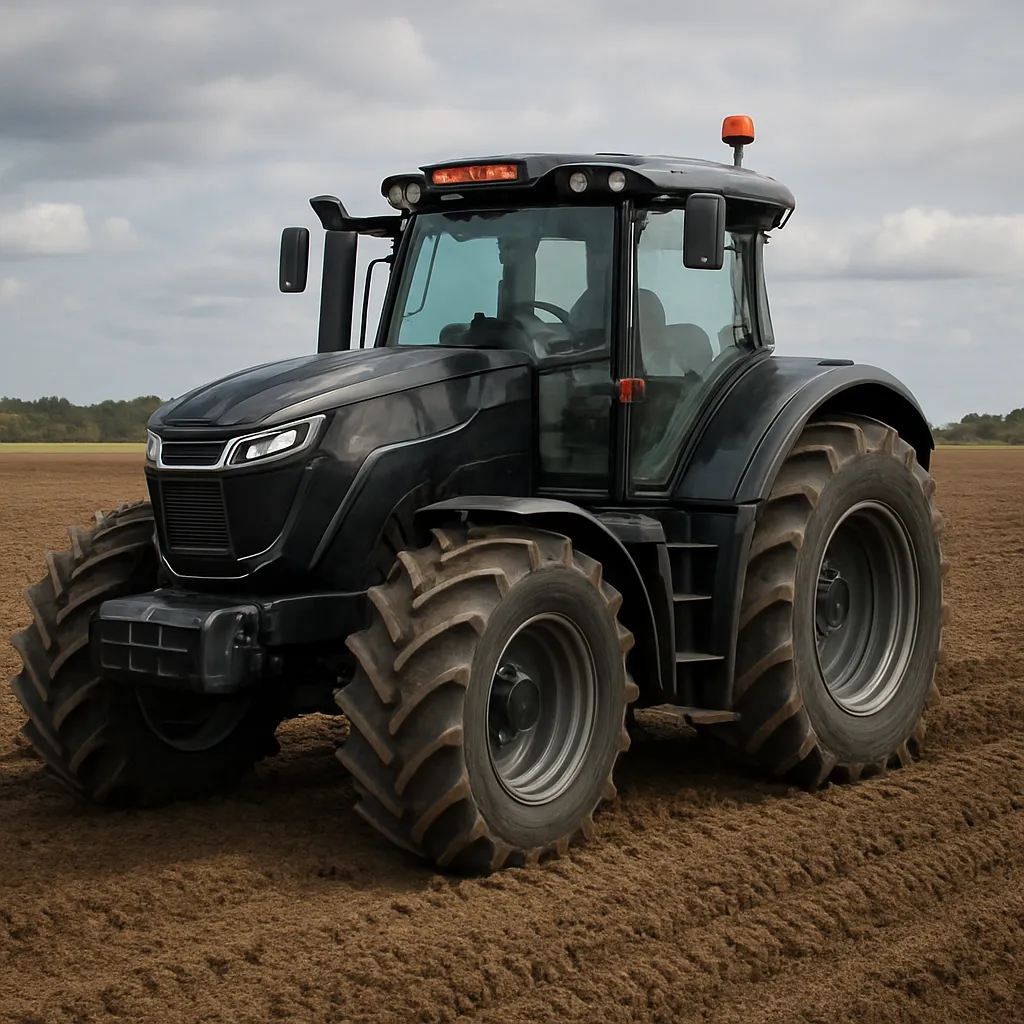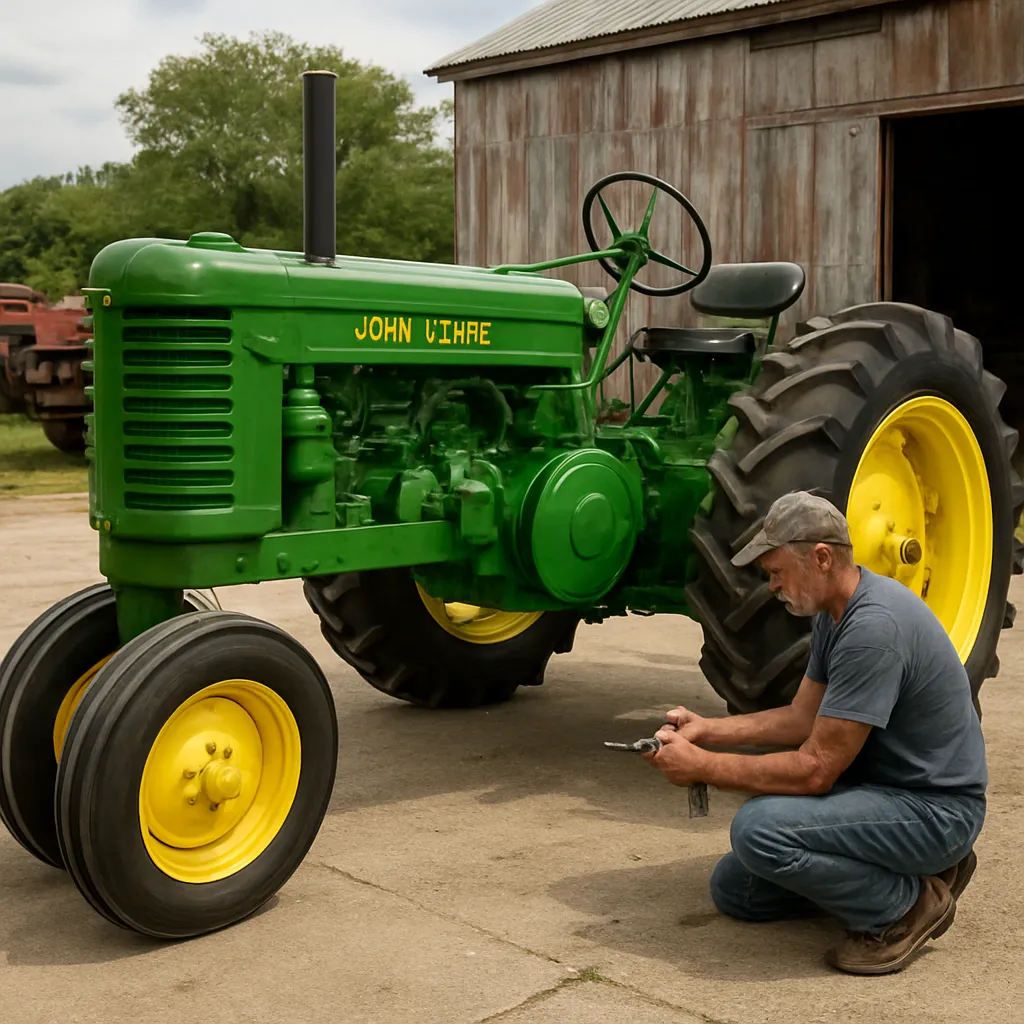
From rolling fields to roaring engines, the world of agricultural machinery has long captured the imagination of many. In this article, we explore the fascinating realm of some of the biggest tractors ever built and the passionate journey of restoration pursued by dedicated enthusiasts. These towering machines represent feats of engineering, symbols of rural history, and testaments to human dedication in preserving cultural heritage.
The Allure of Massive Farm Machines
Tractors that dominate the horizon carry more than just weight; they transport decades of innovation. When a machine tips the scales at over 100,000 pounds and delivers in excess of 1,000 horsepower, it commands respect. Farmers originally demanded such powerhouses to cultivate larger tracts of land and to manage heavier implements. Today, collectors and museum curators alike marvel at these behemoths, recognizing their historical importance and unyielding presence in modern agriculture.
Defining “Biggest” in the Tractor World
- Physical dimensions: height, width, and length
- Engine output measured in horsepower and torque
- Gross weight, often exceeding similar industrial vehicles
- Unique features such as articulated steering or multi-tread tracks
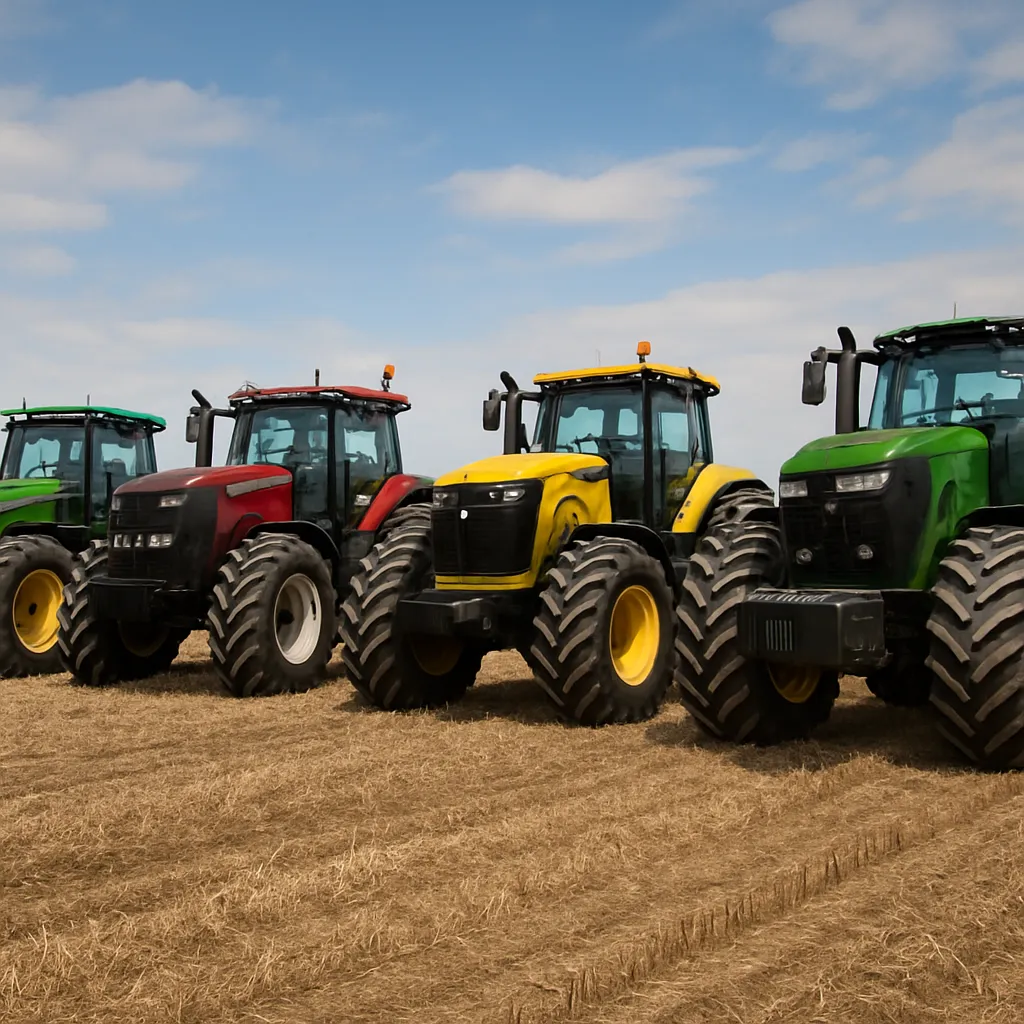
While terms like “farm tractor” might evoke images of compact utility vehicles, the giants we focus on redefine expectations. Models from brands such as International Harvester, Case IH, and John Deere compete for the title of most massive machine, each designed to offer unparalleled field coverage and plow capacity.
Iconic Tractor Restorations
Undertaking a tractor restoration is a monumental task. Whether rescuing a rusted antique or refurbishing a retired modern colossus, restorers invest countless hours in disassembly, surface treatment, and painstaking assembly. These projects often extend beyond mechanical work, including metal fabrication, paint matching, and sourcing rare decals that reflect the original appearance.
Case Study: The 9170 Magnum Revival
A Midwestern collector acquired a dilapidated Case IH 9170 Magnum, famed for its dual wheels and 627 horsepower diesel engine. After a five-year journey, the machine emerged with a flawless red coat, a turret of gleaming exhaust stacks, and an interior brimming with modern comforts. This revival highlighted the owner’s exceptional craftsmanship and unwavering passion.
Challenges in Acquiring Original Parts
- Obsolete components no longer in production
- High cost and long lead times for custom machining
- Balancing authenticity with upgraded safety features
Despite these hurdles, the community of tractor enthusiasts remains determined. Online forums and swap meets serve as vital resources, enabling the exchange of knowledge and rare parts across continents.
Engineering Triumphs and Technical Specifications
Behind every juggernaut tractor lies a suite of advanced systems designed to optimize performance and longevity. The engineering teams responsible for these machines comb through prototypes, computer simulations, and real-world tests to refine engine mapping, transmission gearing, and hydraulic flow.
Key Innovations in Modern Behemoths
- Continuously variable transmission (CVT) for seamless torque delivery
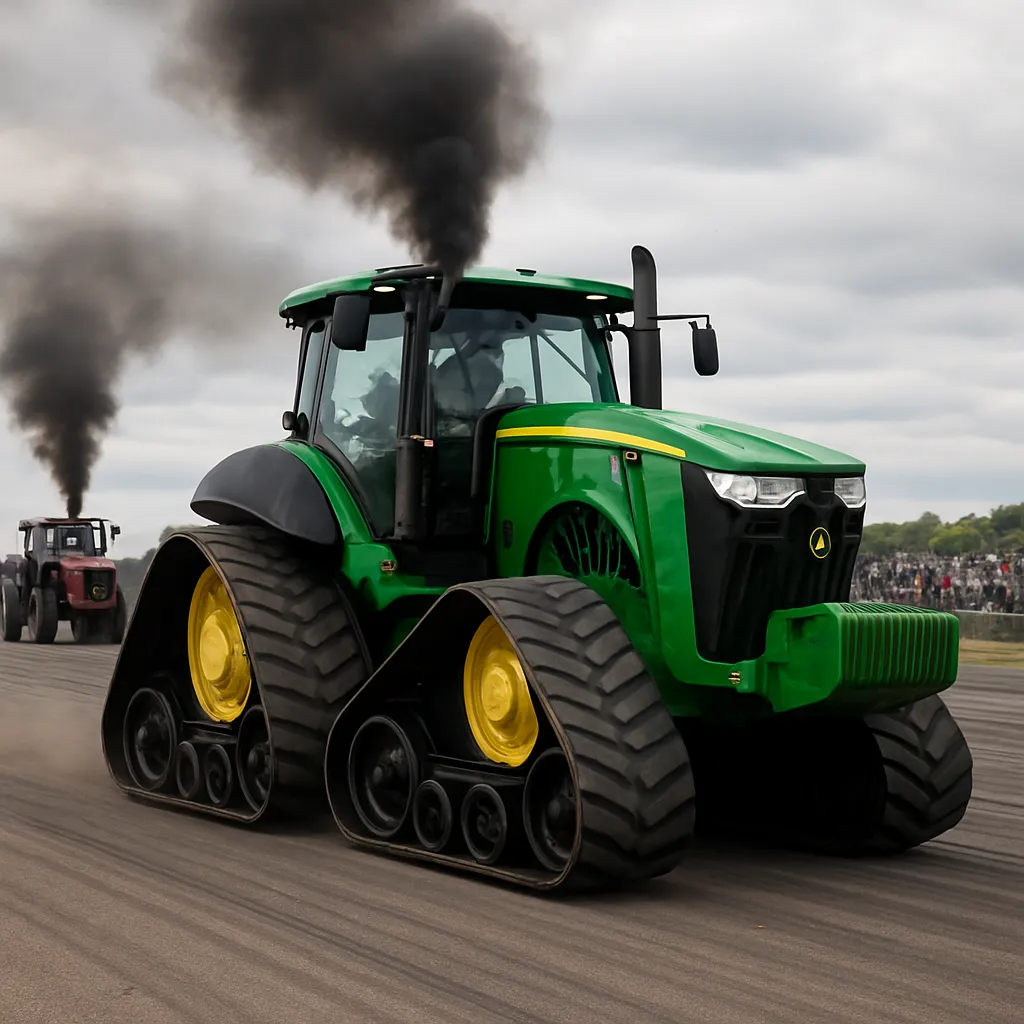
- Four-track systems for reduced ground pressure and improved traction
- Auto-guidance GPS technology for centimeter-level field accuracy
- Turbocharged and intercooled engines to maximize fuel efficiency
These advancements ensure that a 400,000-pound tractor can operate for thousands of hours with minimal downtime. In comparison to earlier models plagued by mechanical failures, today’s giants deliver unprecedented reliability and control.
Historic vs. Modern Specifications
Comparing a 1950s-era tractor producing 50 horsepower to a contemporary machine boasting more than 800 horsepower illustrates remarkable progress. Yet, it is the ongoing dialogue between past and present designs that fuels many innovation initiatives in the agricultural sector.
Community and Enthusiast Culture
Restoring and celebrating these massive tractors is as much a social endeavor as it is a technical one. Across rural towns and global expos, gatherings bring together individuals bonded by mutual admiration for these iron giants. From swap meets to demonstration fields, the camaraderie runs deep.
Events Dedicated to Large-Scale Restorations
- National Tractor Pull Championships
- Heritage Farm Machinery Shows
- Online restoration contests with category awards
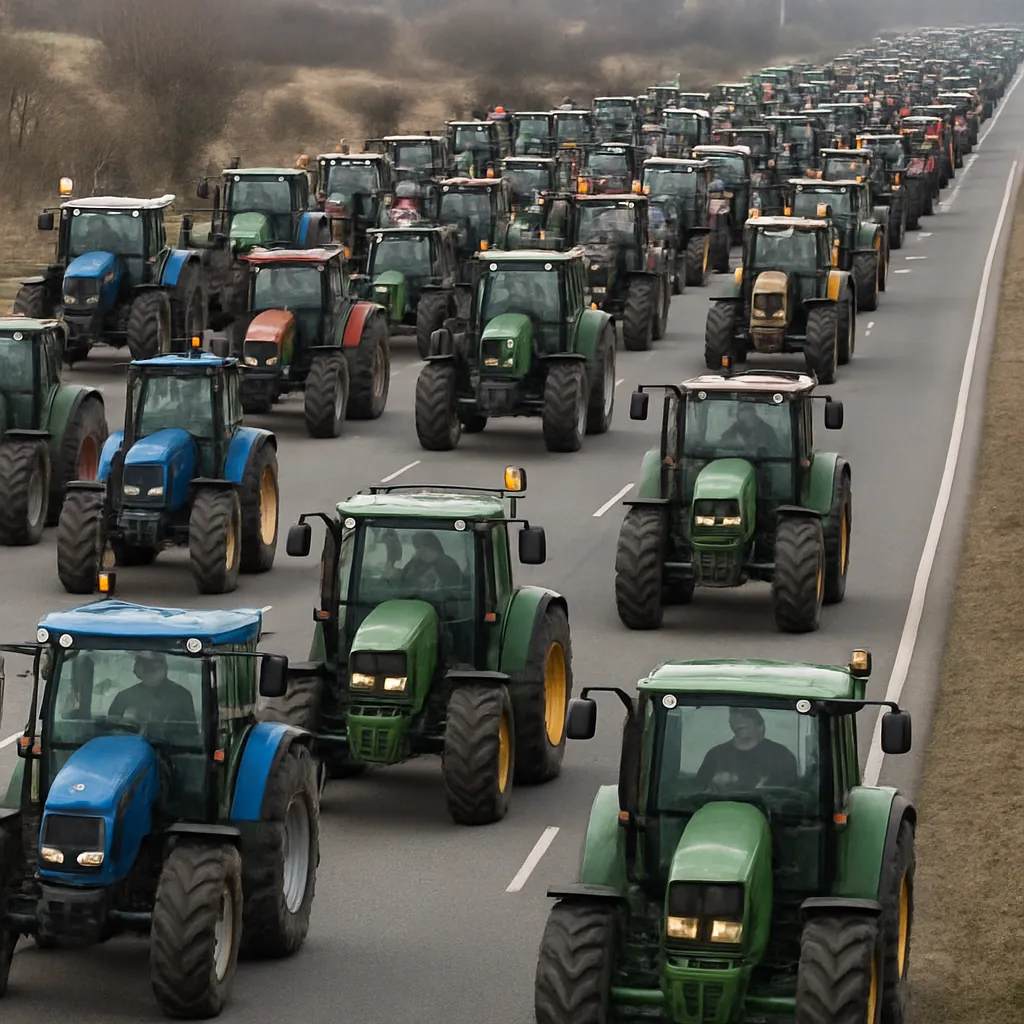
- Tractor convoys showcasing restored behemoths
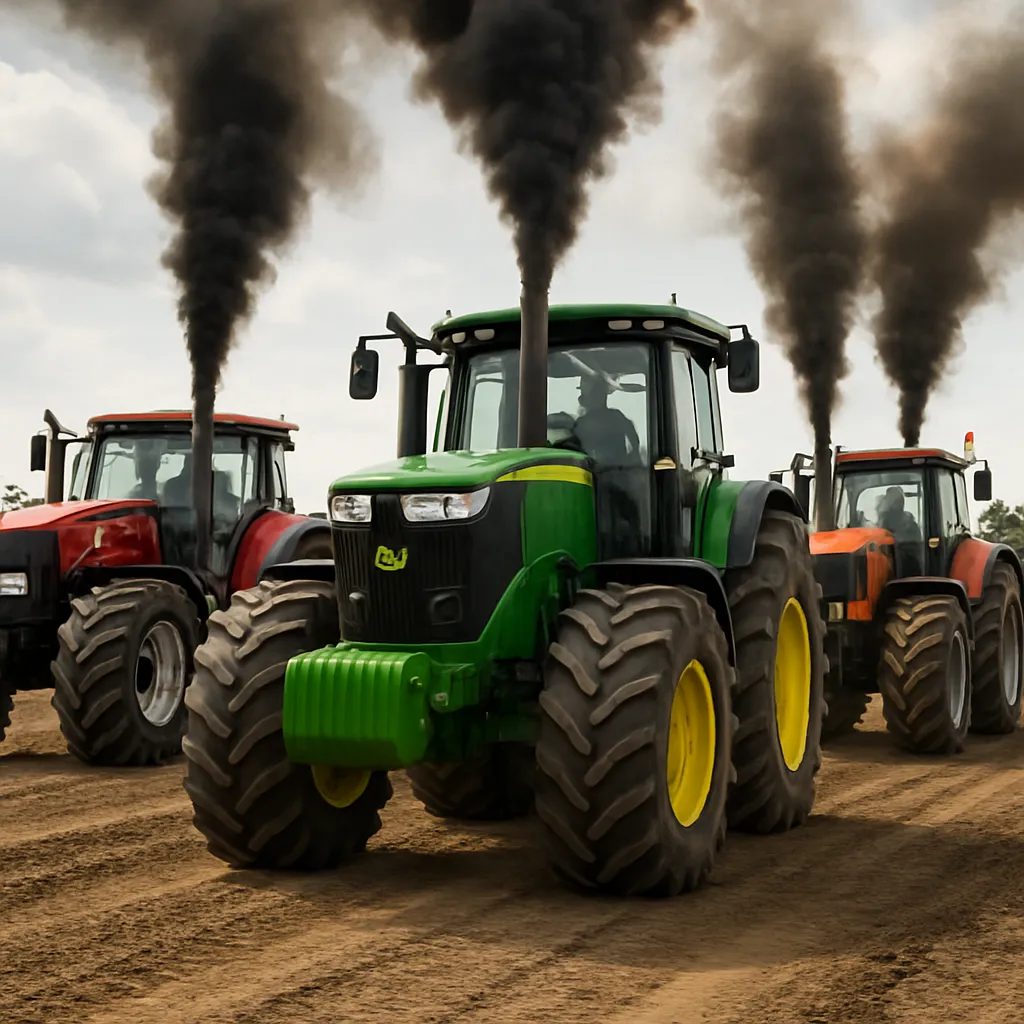
These events spotlight not just the machines but also the stories of craftsmanship and resilience behind them. Visitors can climb the steps of a towering cab, feel the weight of a massive tire, and hear the thunderous roar as engines fire up for parade laps.
Knowledge Sharing and Mentorship
Mentors with decades of experience often guide newcomers through every restoration phase. Their insights on selecting the right engine rebuild kit or identifying authentic paint codes become priceless learning moments. Such mentorship ensures the preservation of both machinery and collective know-how.
Future of Tractor Preservation
As agriculture evolves, so too does the need to safeguard the legacy of these mechanical marvels. Institutions and private collectors are collaborating on digital archives, 3D scanning of parts, and virtual reality exhibitions to document every detail. This forward-looking approach complements the hands-on restoration efforts, creating a multifaceted record for future generations.
Digital Documentation and 3D Printing
- High-resolution scans of critical components
- 3D-printed reproductions of rare or damaged parts
- Interactive virtual tours in museums and online platforms
By merging traditional restoration with cutting-edge technology, the community ensures that even if a physical tractor ceases to exist, its design and operational knowledge endures. This blend of past and future reflects the same spirit of innovation that powered the original machines.
Encouraging the Next Generation
Educational programs in vocational schools now include modules on tractor mechanics and restoration. Young participants learn about hydraulics, engine tuning, and safety protocols, fostering a new generation of dedication towards agricultural heritage. Their enthusiasm promises that the tale of these biggest tractors will continue to be written in fields and workshops for years to come.