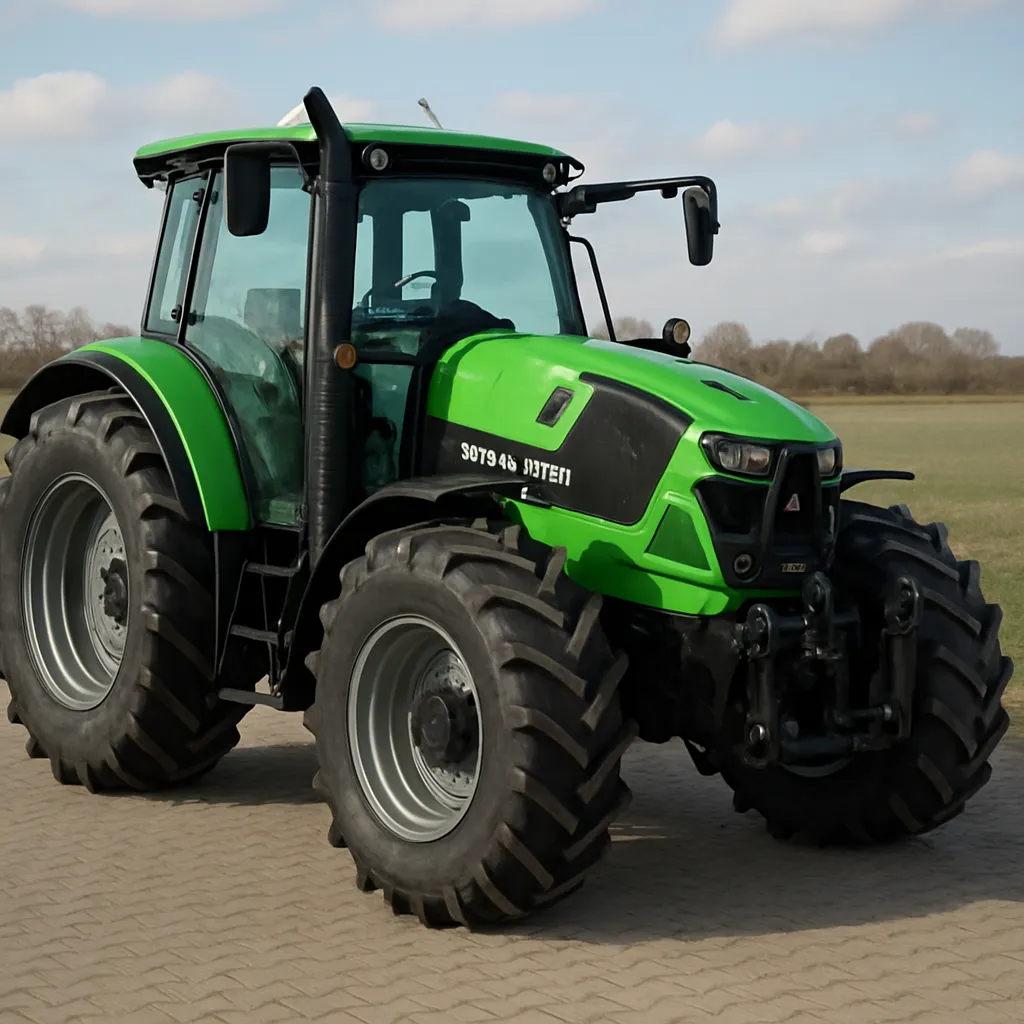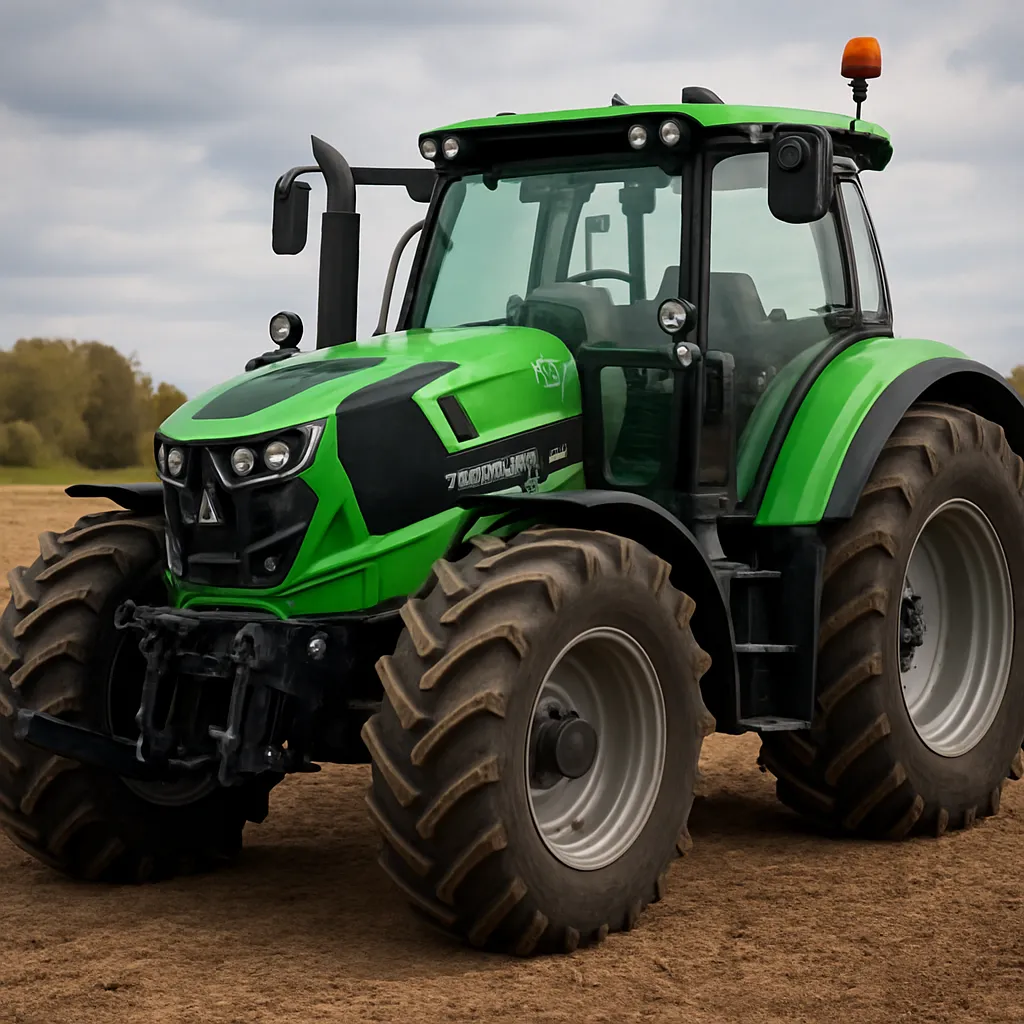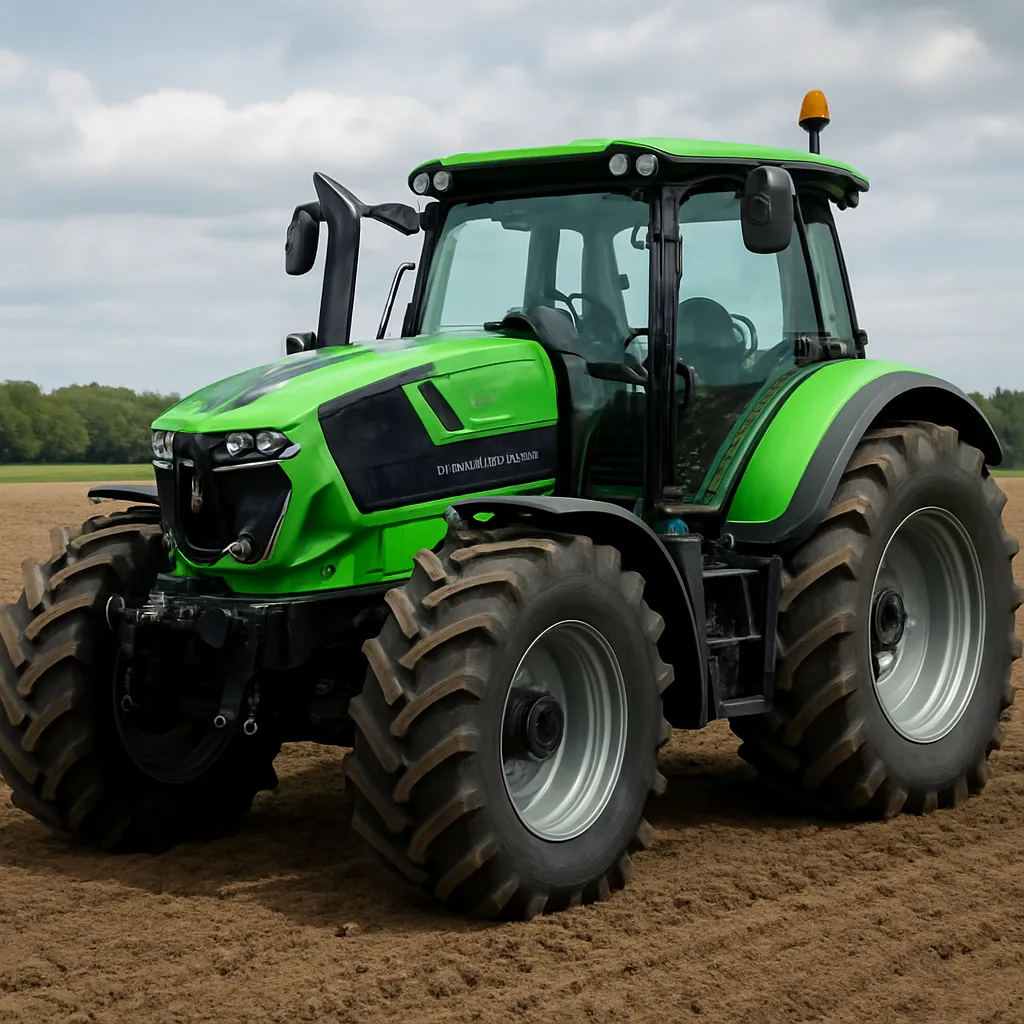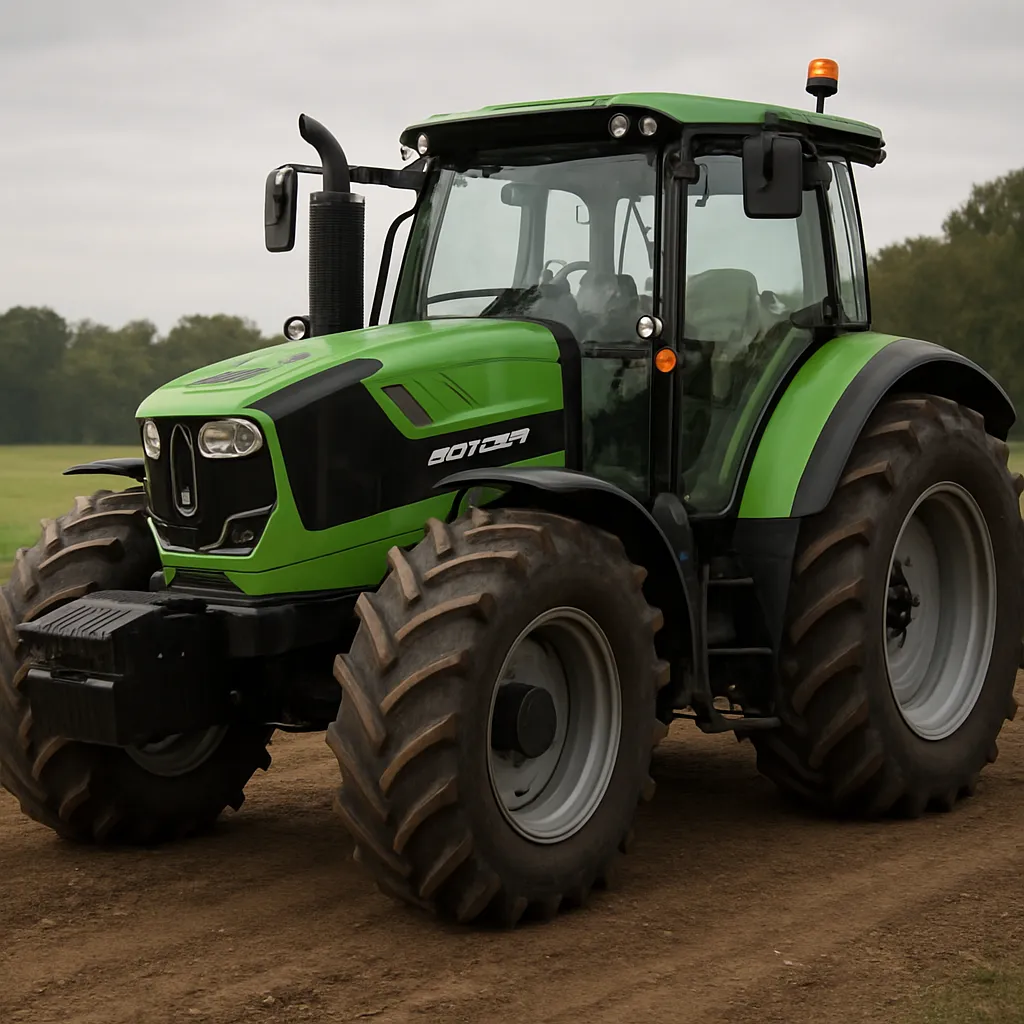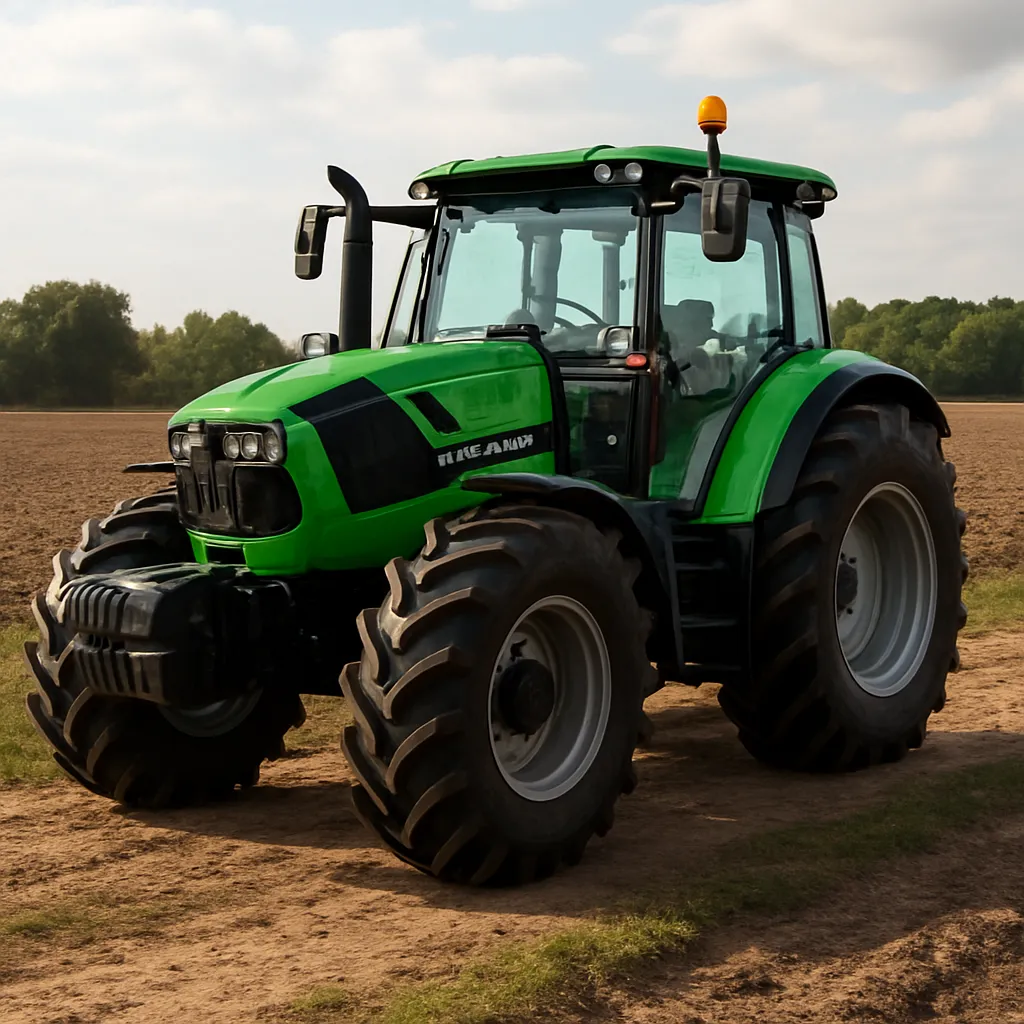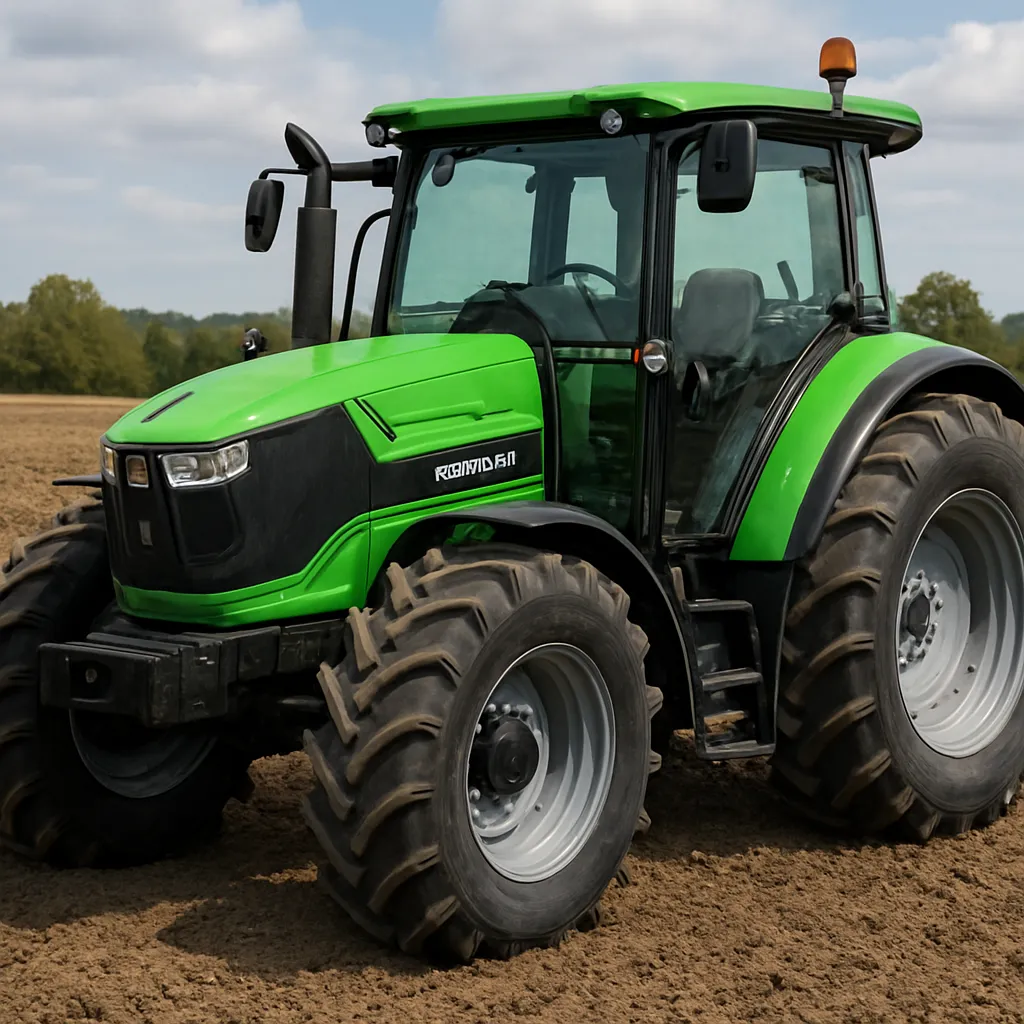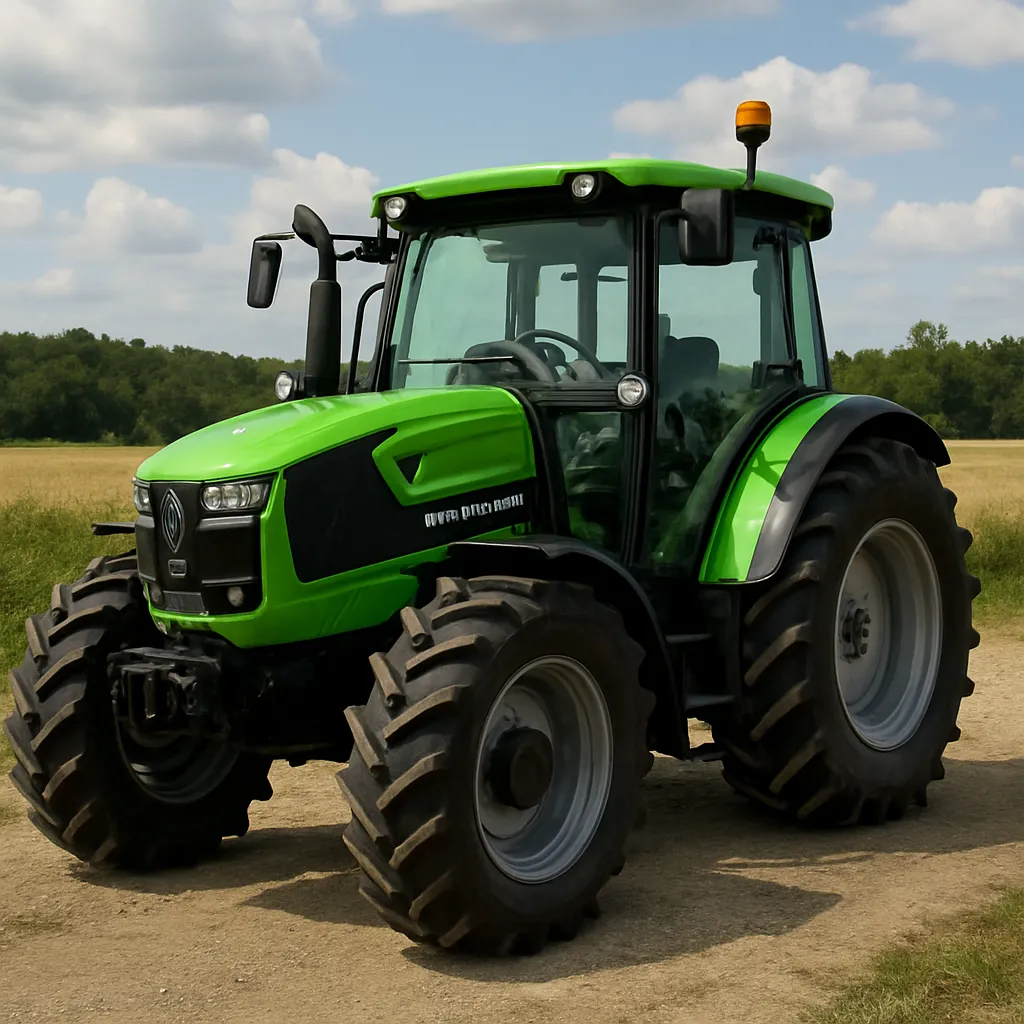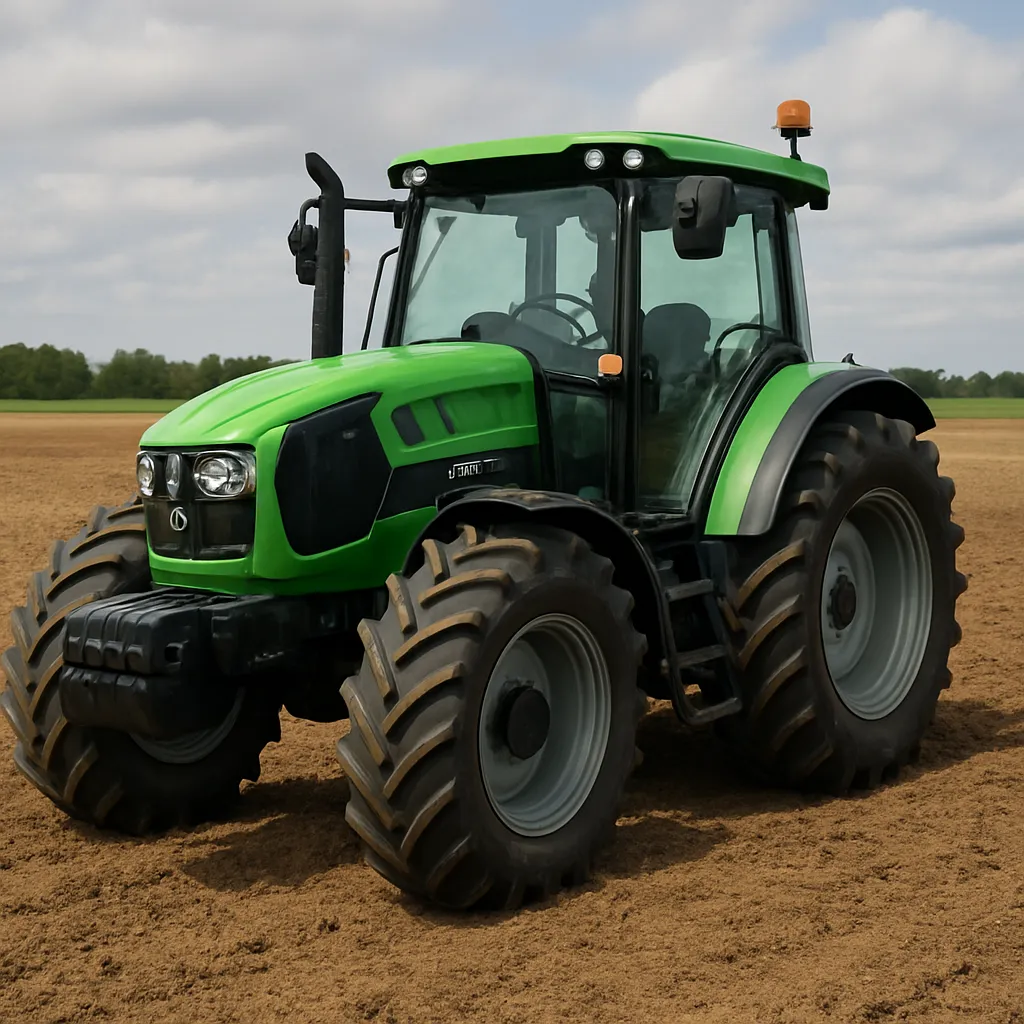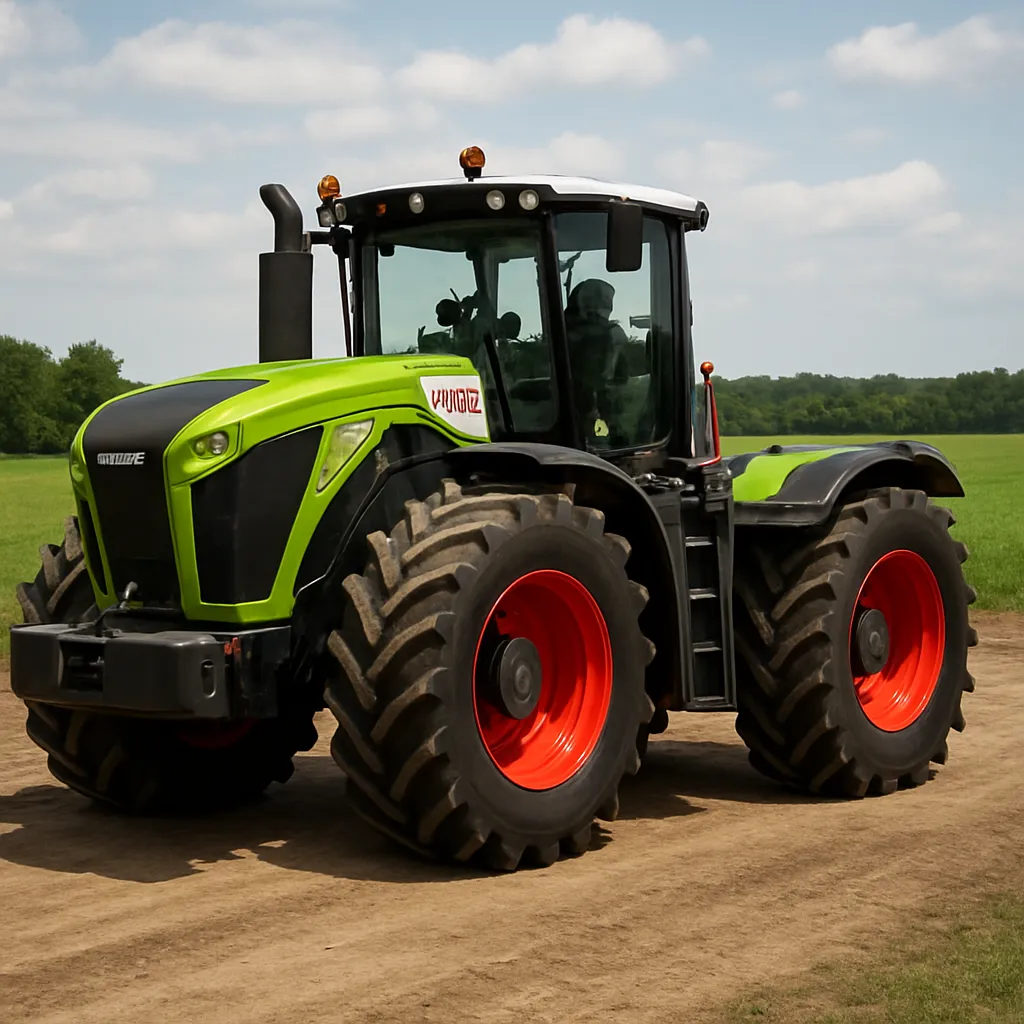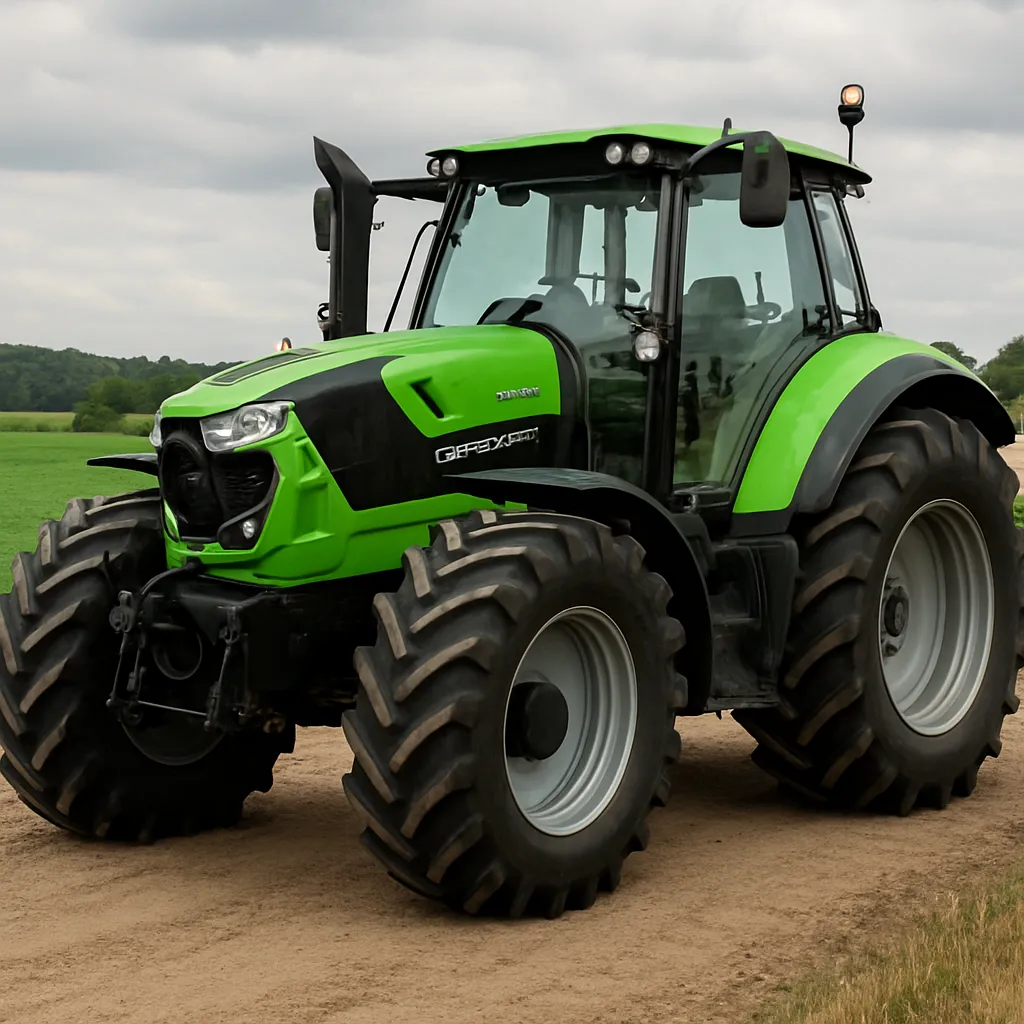
The Deutz-Fahr 6190 TTV represents a blend of modern engineering and practical design aimed at medium-to-large scale farming operations. Combining a robust powerplant with a smooth stepless transmission, advanced hydraulics and a comfortable operator environment, this tractor is built to handle a wide range of agricultural tasks. The following article explores the machine’s technical features, real-world applications, operational strengths, maintenance considerations and market context, offering both descriptive information and commonly cited technical figures where available.
Overview and key characteristics
The Deutz-Fahr 6190 TTV belongs to Deutz-Fahr’s 6 Series family and is engineered for farmers who need a balance of agility and pulling power without moving into the largest, most heavy-duty tractor classes. Central to its identity is the TTV continuous variable transmission which delivers smooth speed transitions and efficient power transfer. The tractor is typically specified with a turbocharged Deutz diesel engine (commonly the 6.1-litre family of engines), advanced electronic management systems and a comprehensive hydraulic and linkage package for implements.
Primary technical highlights
- Engine: Inline six-cylinder, turbocharged and charge-air cooled, displacement commonly reported around 6.1 litres (typical for this model family).
- Rated power: approximately 185–195 hp at rated rpm depending on market variant and tuning (advertised power class often described as 190 hp).
- Transmission: stepless TTV (continuously variable) providing smooth acceleration and infinitely variable ground speed control without conventional gear shifts.
- PTO: multi-speed options such as 540/540E/1000 rpm available depending on configuration; designed for demanding PTO-driven implements.
- Hydraulics: multiple pump options with combined flow capacity typically ranging from around 100 to 160 litres per minute depending on specification; rear linkage lift capacity in the region of 7,000–8,000 kg (model/configuration dependent).
- Top speed: road speed variants commonly rated up to 40 or 50 km/h depending on gearbox and local regulations.
- Fuel capacity: commonly in the range of 300–400 litres depending on tank option.
These figures are representative of typical configurations for the 6190 TTV; exact numbers can vary by year, market and optional packages. Where possible, operators should verify specifics from the manufacturer’s documentation for the exact serial number or model year.
Applications and field performance
The 6190 TTV is designed to be a true all-round performer on mixed and arable farms. Its balance of power, hydraulics and linkage capability makes it suitable for a wide array of agricultural tasks. Below are the primary areas of application where this tractor excels:
Arable farming and tillage
- Primary and secondary tillage using ploughs, disc harrows and cultivators benefit from the 6190’s steady pulling power and depth-control features.
- With a strong rear lift capacity and ample hydraulic flow, the tractor can handle heavy mounted and trailed implements efficiently.
- Stepless transmission allows for precise ground speed control when matching tractor speed to implement demands—useful for seeding and fertilizer application.
Hay and forage operations
- PTO-driven mowers, tedders, rakes and balers work well with the 6190 thanks to robust PTO capacity and torque delivery.
- High hydraulic output ensures quick and responsive operation of pick-up and bale handling systems.
Material handling and loader work
- When equipped with a front loader, the tractor’s chassis and engine characteristics provide the necessary stability and lift to move heavy loads—silage, feed and palletized goods.
- Options such as front linkage and front PTO expand versatility for front-mounted implements.
Transport and road work
- With road speed upgrades the 6190 can reach typical tractor transport speeds, allowing efficient transit between fields and farms.
- Comfort features and reduced noise levels make longer drives less fatiguing for operators.
Real-world performance reviews often emphasize the tractor’s consistent power delivery, the fuel efficiency benefits yielded by modern engine management and transmission synergy, and the practical versatility that lets a single machine cover multiple tasks across the cropping calendar.
Cab comfort, controls and technology
Modern agricultural operations demand not just power but also operator comfort and intuitive controls. The Deutz-Fahr 6190 TTV places emphasis on ergonomics and integrated electronics to make long workdays less demanding and more productive.
Operator environment
- Cab: spacious, with high visibility glazing, climate control and insulated structure for reduced noise and vibration.
- Seating: choices typically include mechanical or air-suspended seats; operators can expect comfortable seating and adjustable controls.
- Controls: a logical layout with easy-to-reach multifunction armrest, joystick options for loader and hydraulic control, and ergonomically positioned levers and switches.
Electronics and precision farming
- ISOBUS compatibility and optional guidance systems allow the tractor to interface directly with modern implements and precision agriculture tools.
- Onboard displays provide real-time information on engine performance, fuel consumption, PTO speed and hydraulic pressures. Larger touchscreen terminals were made available as options on newer packages.
- Telematics: optional fleet management and data-transfer services enable remote monitoring of machine health, location and basic performance metrics—valuable for large operations and contractors.
These technology options support productivity by decreasing overlap in field operations, optimizing fuel usage, and simplifying implement control. The combination of comfort features and digital aids improves both operator efficiency and overall operational consistency.
Hydraulics, PTO and implement integration
A tractor’s ability to utilize implements effectively depends heavily on hydraulics and PTO systems. The 6190 TTV offers a flexible array of options to suit varied implement needs.
Hydraulic system and linkage
- Multiple hydraulic pump options allow customers to prioritize high flow for hydraulically demanding implements or more modest flows for tractor/implement combinations that don’t require extreme volumes.
- Electro-hydraulic remote valves with proportional control facilitate precise implement control and sequencing.
- Rear linkage lift capacity is designed to accommodate large mounted implements; front linkage is available as an option for further implement versatility.
PTO and driveline
- Choice of PTO speeds (540/540E/1000) provides compatibility with a wide variety of PTO-driven implements including large balers, mixers and mowers.
- Robust driveline and clutch management ensure smooth engagement and protection from shocks or sudden overloads.
Well-matched hydraulics and PTO offerings make the 6190 TTV suitable for intensive front- and rear-mounted implement usage and allow contractors and farmers to depend on it for a broad seasonal workload.
Fuel efficiency, emissions and maintenance
Modern tractors like the 6190 TTV are engineered to meet evolving emissions standards while balancing fuel efficiency and serviceability. Deutz-Fahr integrates emission control systems that comply with regional regulations and optimizes engine maps for better economy under varying loads.
Fuel and emissions
- Engine calibration focuses on delivering usable torque under field conditions, reducing the need to over-rev and thereby lowering fuel consumption over time.
- Emission control hardware (such as SCR and particulate filtration, depending on configuration and market requirements) is integrated with engine management to meet legal standards without significant manual intervention.
Maintenance considerations
- Routine service intervals are designed to balance uptime and component longevity; many components are accessible for quick checks and servicing.
- OEM support, parts availability and dealer service networks vary by country; purchasing through an established dealer network improves access to recommended maintenance and genuine parts.
- Telematics and onboard diagnostics available on later-spec models can assist with predictive maintenance and reduce unexpected downtime.
Operators report that attention to scheduled maintenance and use of manufacturer-recommended consumables preserves machine value and reliability. Preventive care for transmission and hydraulic systems is particularly important for tractors working under heavy daily cycles.
Economic considerations and market position
When evaluating the 6190 TTV from an economic perspective, buyers typically assess purchase price versus lifecycle costs, fuel consumption, implement compatibility and resale values. The tractor is positioned to compete in the medium-high power bracket, offering many features found in larger machines but in a package that is often more economical for farms that do not require the highest horsepower classes.
Ownership costs
- Initial acquisition cost is influenced by specification—options such as front axle suspension, heavier hydraulic packages, advanced guidance systems and larger cab configurations increase price.
- Fuel economy and efficient power delivery can reduce operational expenditures over time, particularly when matched to tasks for which the tractor is well suited.
- Depreciation is affected by market demand, hours used and maintenance history. Tractors with documented service records and telematics logs often achieve higher resale values.
Competitive landscape
- Direct competitors often include mid-range models from major manufacturers such as John Deere, New Holland, Case IH and Fendt that offer similar horsepower and feature sets.
- Deutz-Fahr’s emphasis on operator comfort, transmission technology and progressive styling aims to distinguish the model in buyer comparisons.
For many farms, the 6190 TTV offers a pragmatic balance between capability and cost. Contracting operations may appreciate the machine’s broad applicability and transport speeds, while larger mixed farms can use it as a versatile primary tractor for most seasonal work.
Practical tips for operators
To get the most from a 6190 TTV, consider the following operational recommendations:
- Match implement size to the tractor’s rear linkage lift capacity and hydraulic flow; oversized combinations increase wear and reduce efficiency.
- Use the TTV transmission’s speed control features to maintain optimal engine rpm for fuel-efficient operation (many tasks benefit from steady rpm rather than frequent throttle changes).
- Keep up with scheduled maintenance, especially transmission and hydraulic service intervals. Clean air and fuel filters preserve engine life and reduce downtime.
- Leverage ISOBUS and guidance options for precise field operations—this reduces overlap, saves fuel and improves application accuracy.
- When using a front loader, pay attention to ballast and counterweight requirements to maintain steering stability and braking performance.
Summary and final observations
The Deutz-Fahr 6190 TTV is designed to be a capable, adaptable tractor for operators who require a blend of strong engine performance, smooth transmission behavior and an operator-focused cab environment. With an approximate rated power around 190 hp, a 6.1-litre engine family, versatile hydraulic options, robust PTO offerings and modern electronic integration (including optional ISOBUS and telematics), it is suitable for arable, forage, loader and transport roles. Key selling points include efficiency, drivability, hydraulic capability and overall reliability in demanding conditions.
As with any major farm investment, prospective buyers should request detailed specification sheets, confirm exact figures for the specific model year and configuration, and evaluate local dealer support. Properly specified and maintained, the 6190 TTV can serve as a productive centerpiece in a modern farm fleet, delivering both performance and operator comfort across a full season of diverse agricultural tasks.