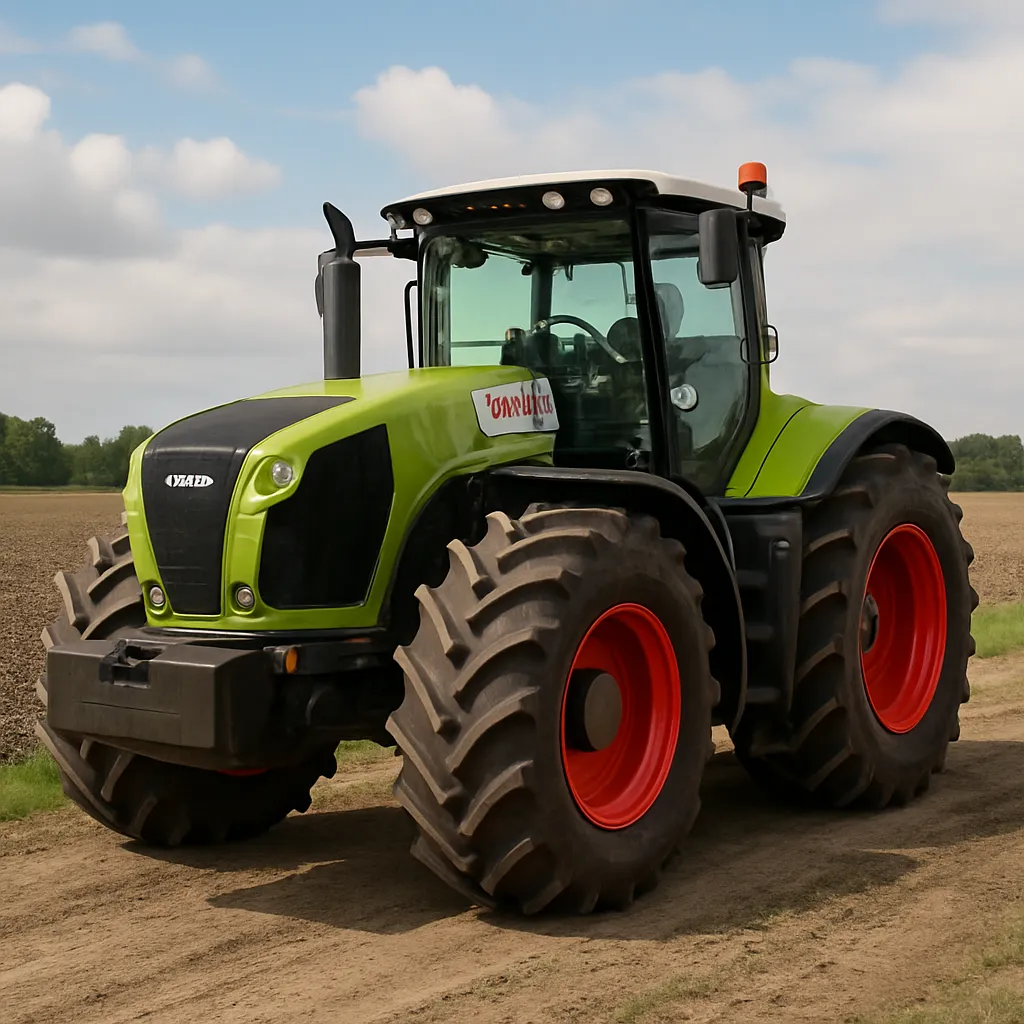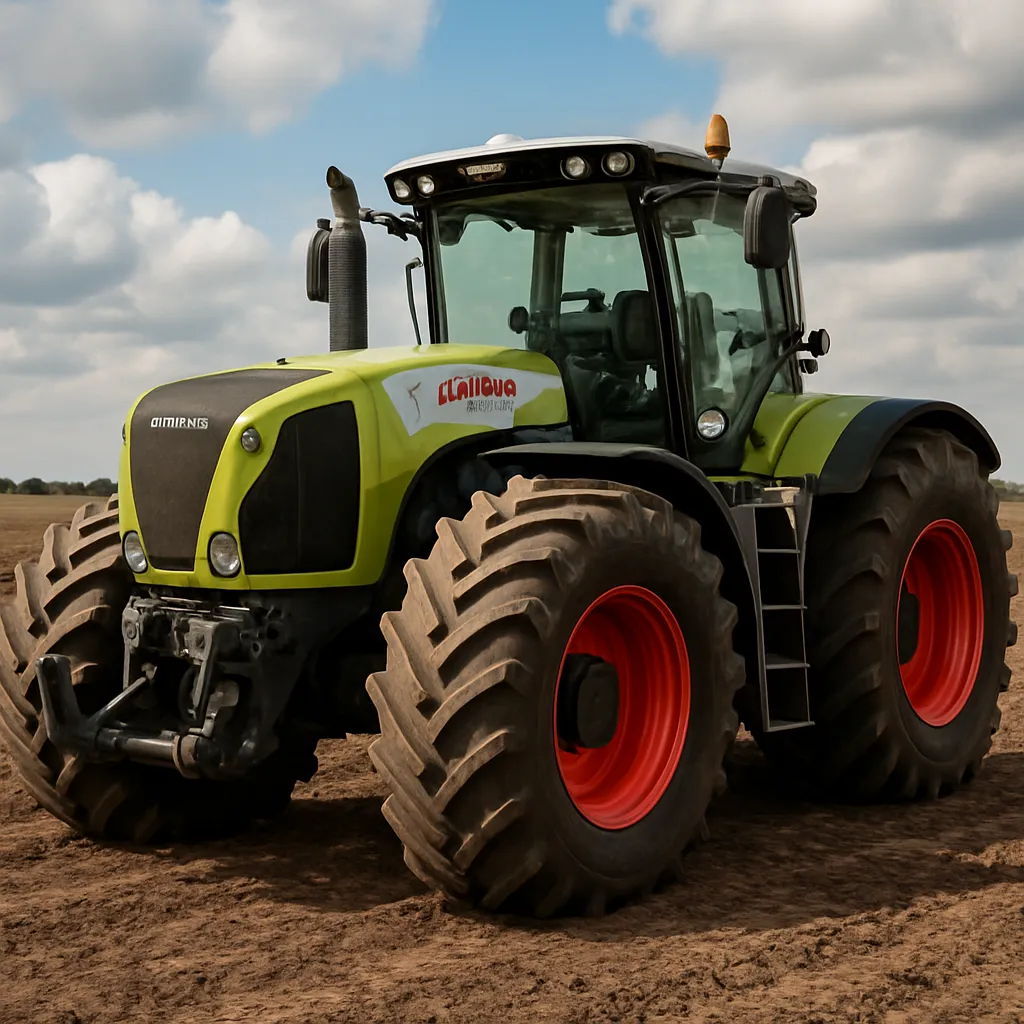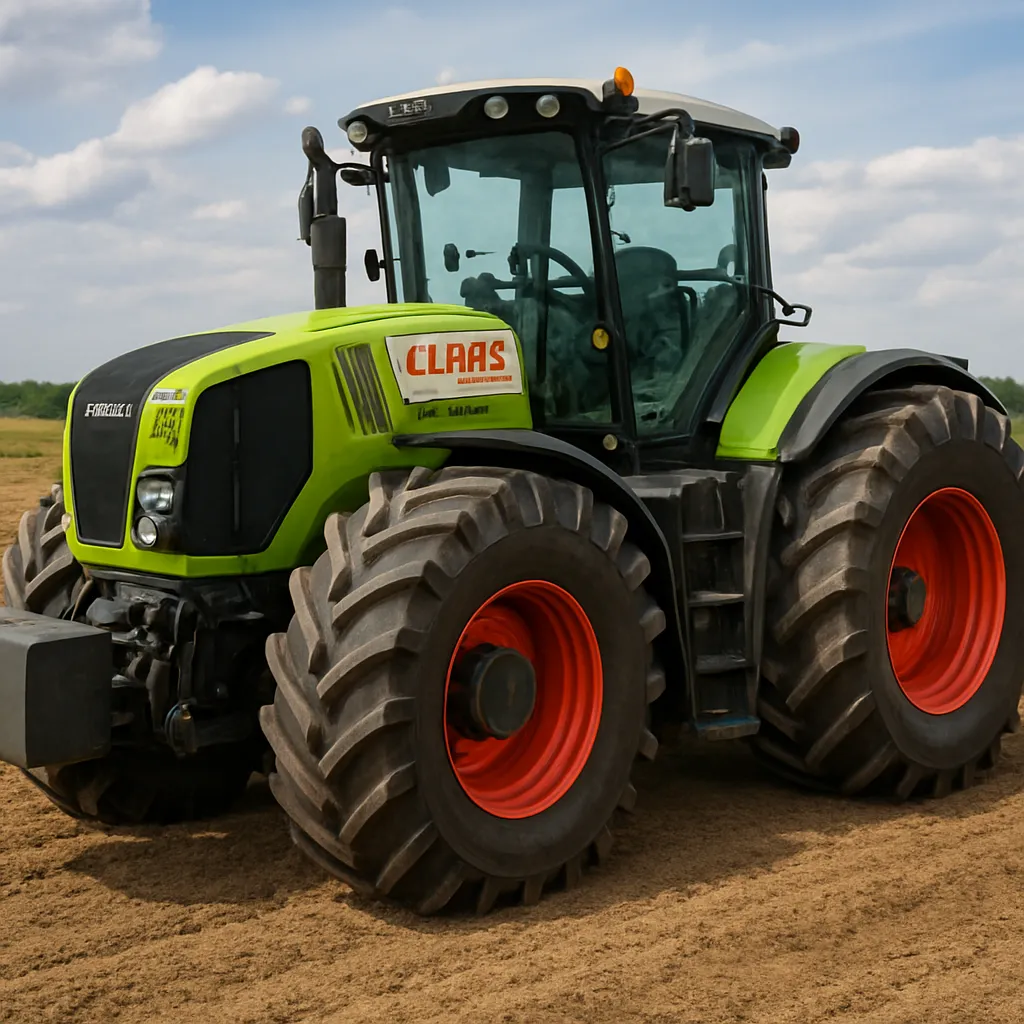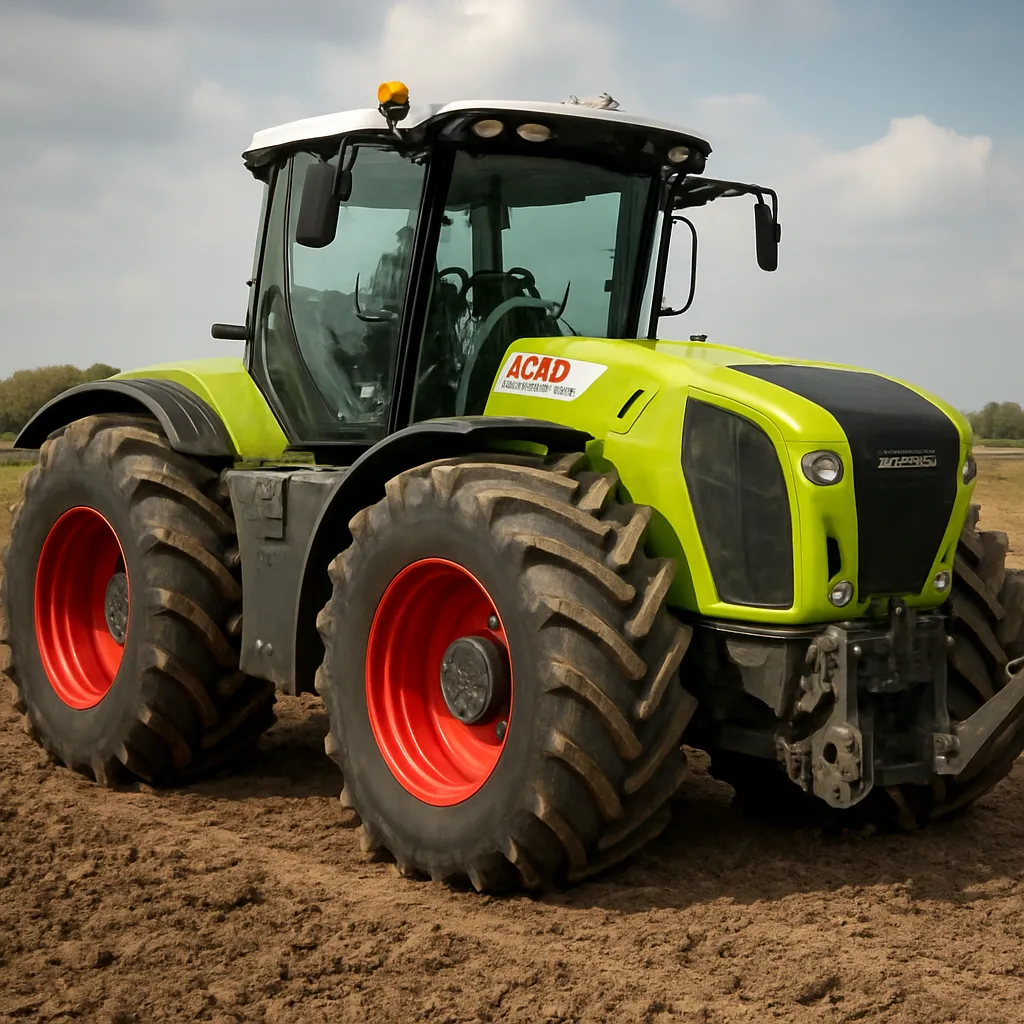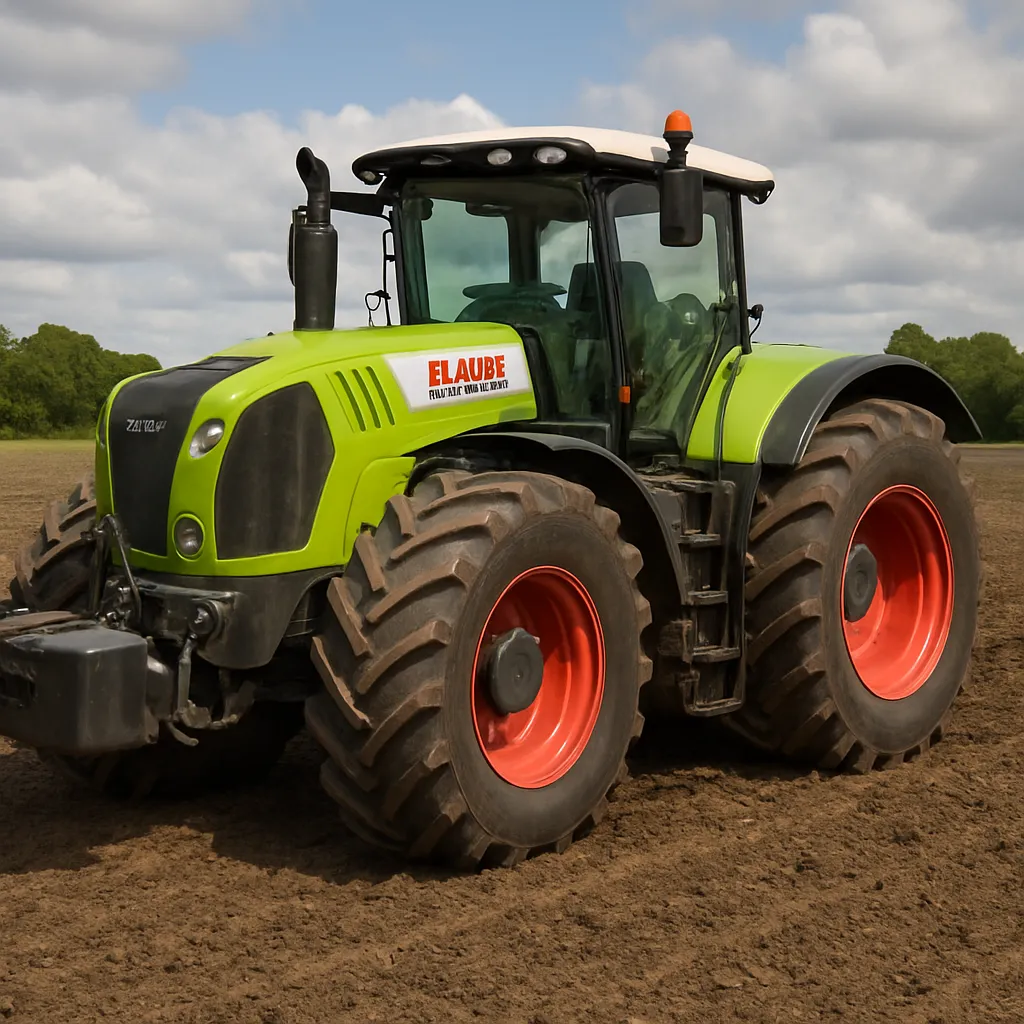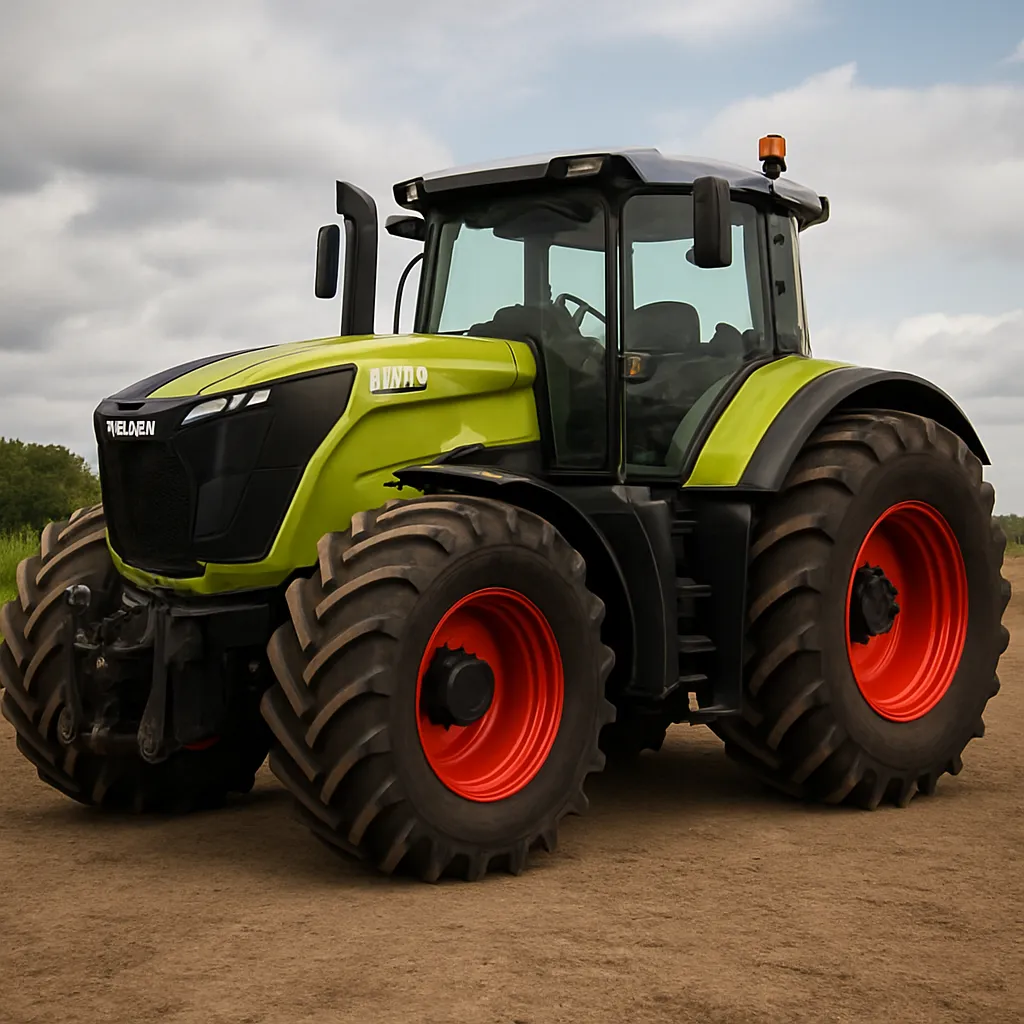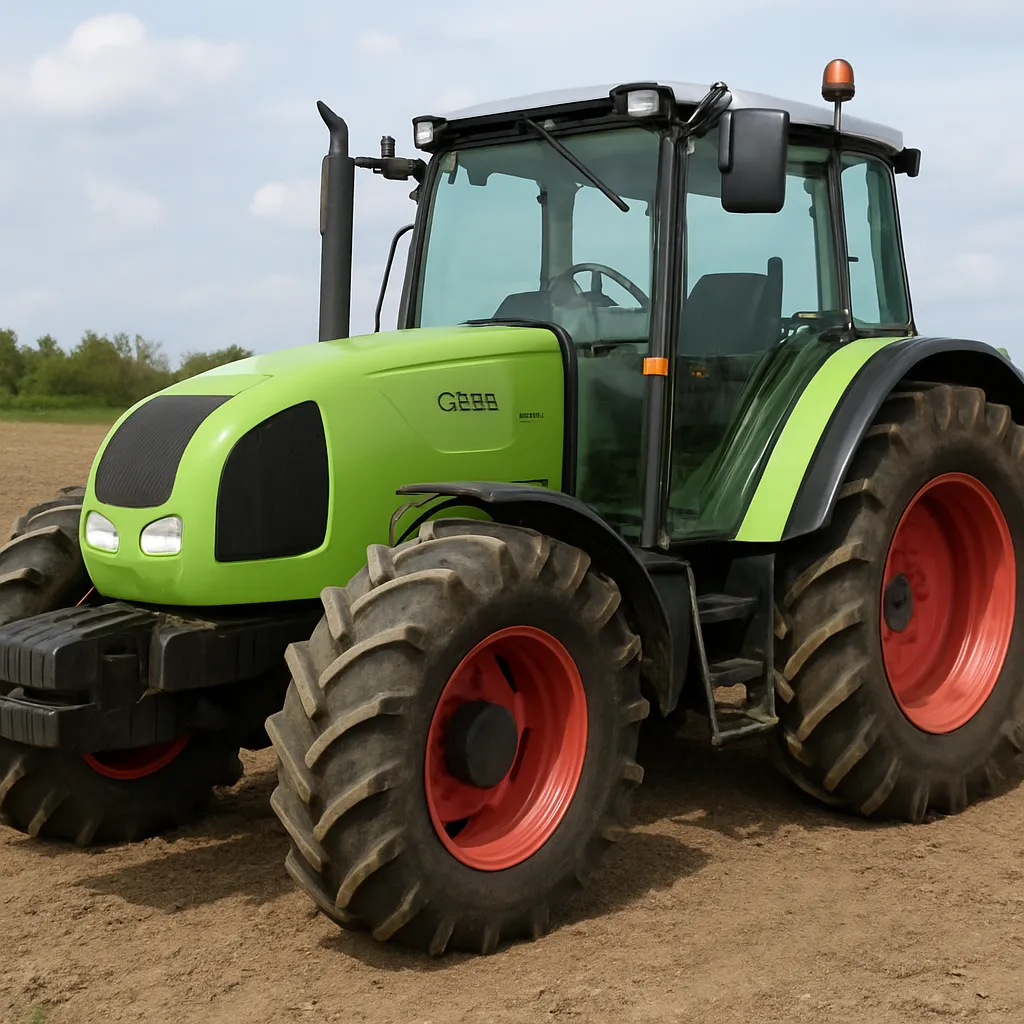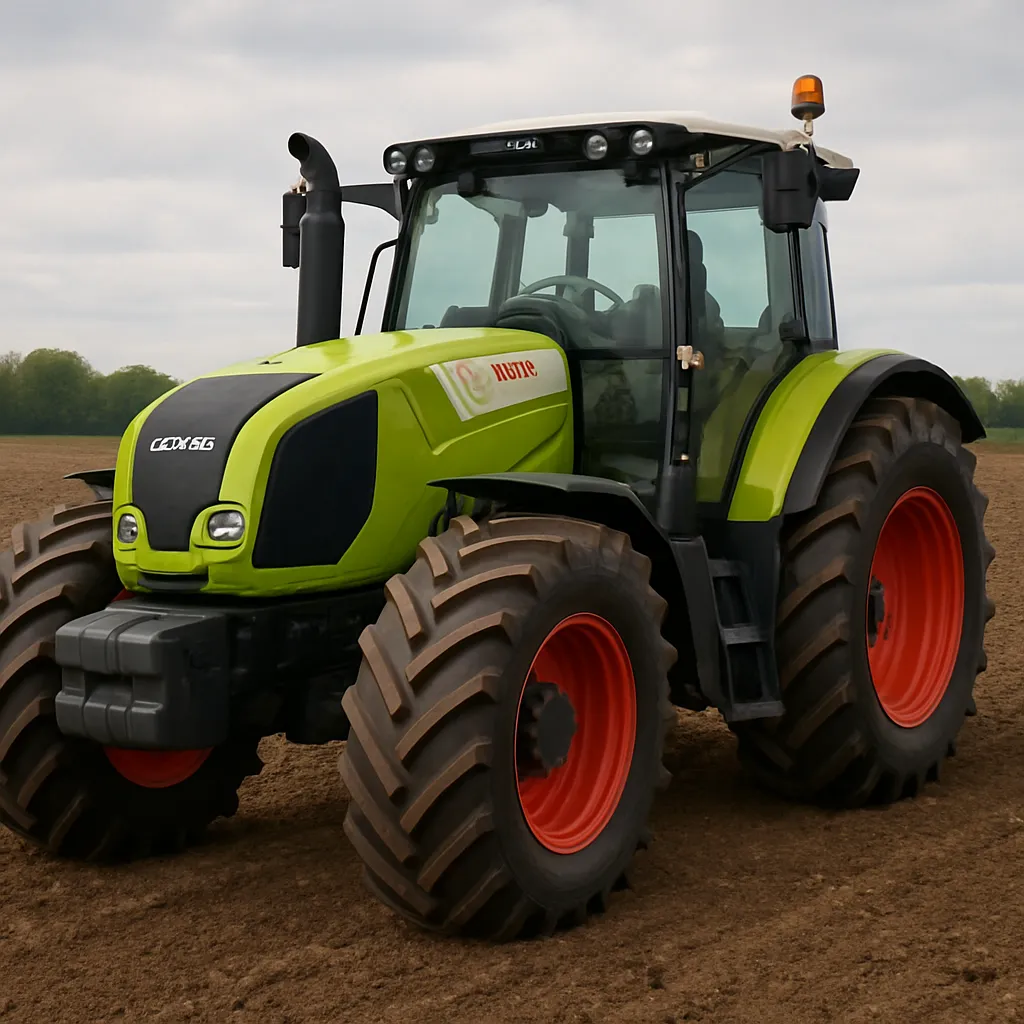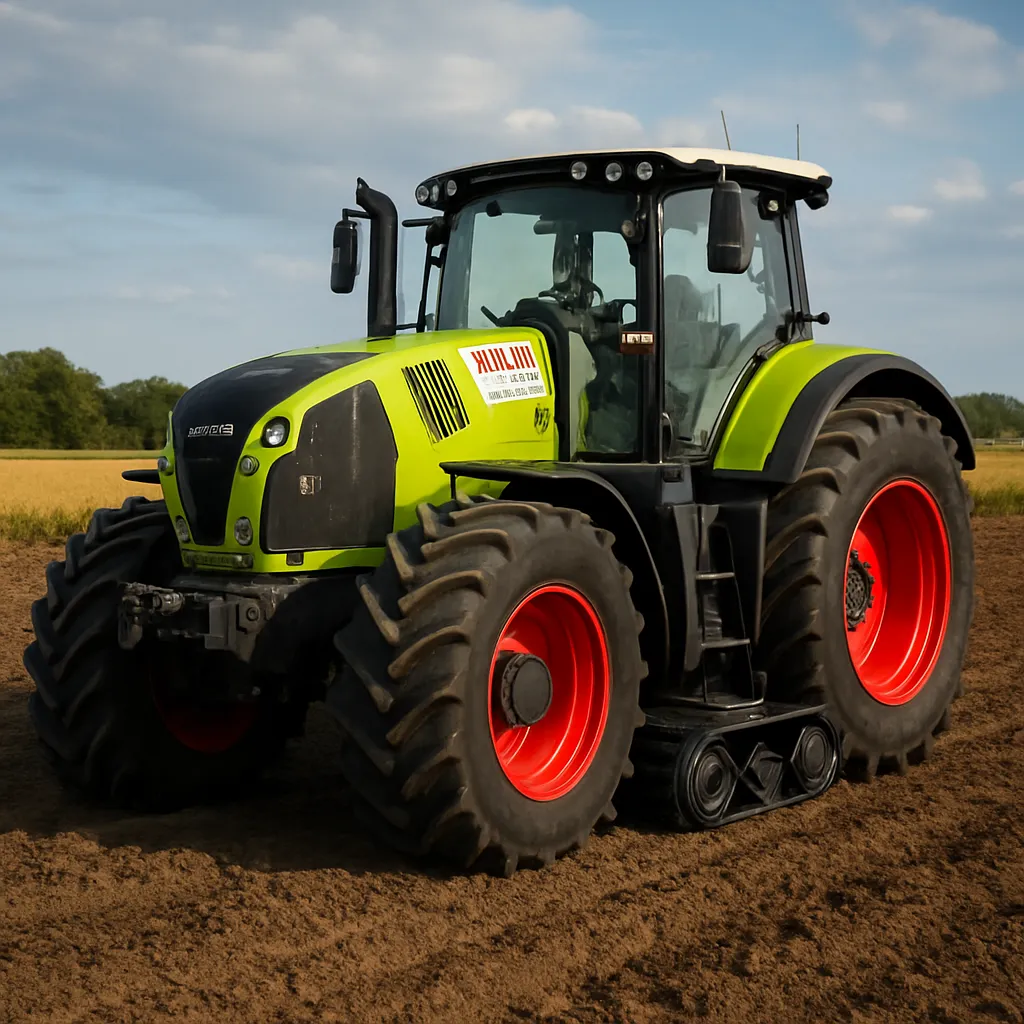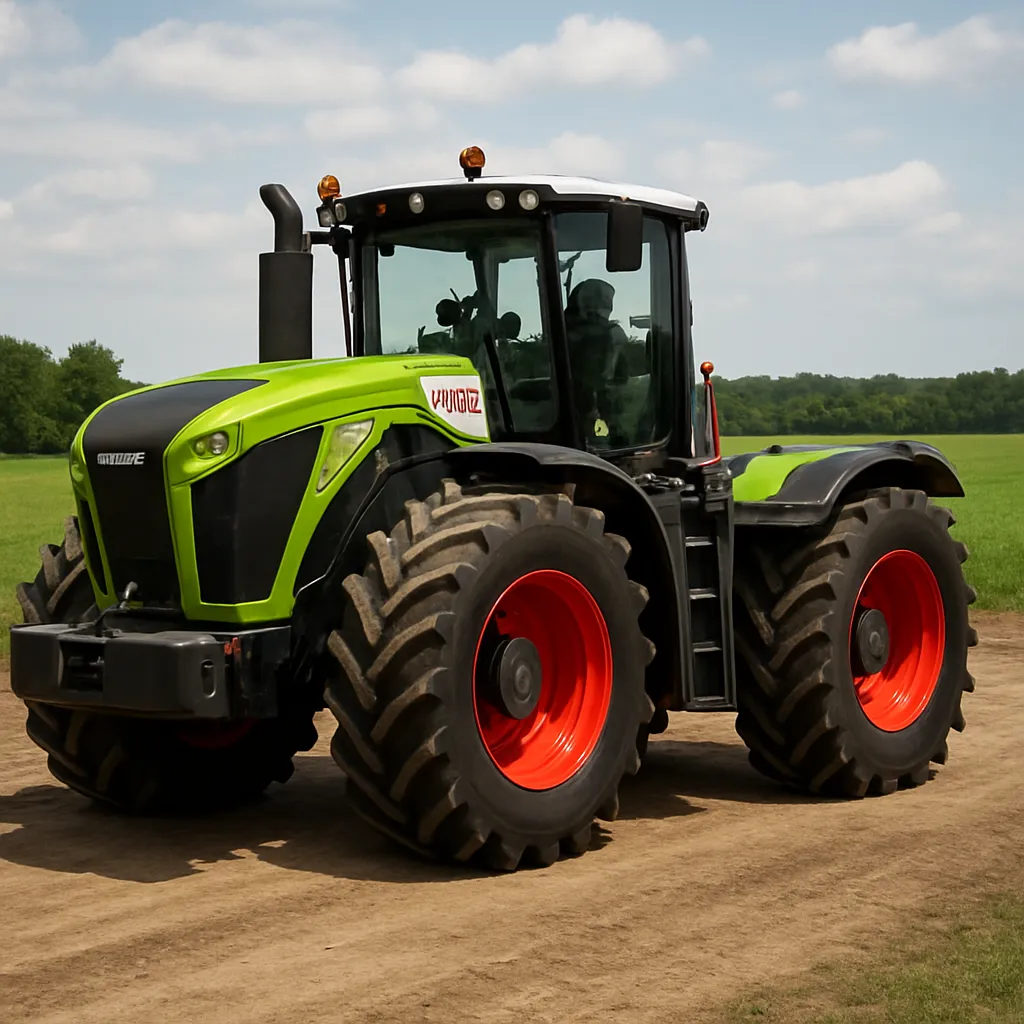
The Claas Xerion 5000 Saddle Trac is a distinctive, high-capacity agricultural tractor designed for large-scale farming and demanding contracting tasks. Combining unconventional styling with practical engineering, the Xerion 5000 stands out for its robust capabilities, innovative operator environment and wide range of implement compatibility. This article explores the machine’s design, main technical features, typical applications, operational performance and economic considerations, as well as maintenance, safety and environmental aspects. Throughout, several key concepts and specifications are highlighted to help readers understand why this model is valued by arable farms and contractors working at scale.
Design philosophy and standout technical features
Claas developed the Xerion series to answer the needs of large-acreage operations and contractors requiring high drawbar power, stability and flexibility. The Xerion 5000 Saddle Trac follows that philosophy by offering heavy-duty construction married with operator-focused innovations. The overall design emphasizes all-around visibility, easy implement connection, and long, sustained performance in heavy draft and transport tasks.
Chassis, steering and drivetrain
- The Xerion platform uses a rigid, heavy-duty chassis optimized for stability when pulling large implements. This gives the machine a high drawbar pull and a steady footprint even under extreme loads.
- Steering systems typically include four-wheel or crab-steering modes and an articulated steering joint on some configurations, improving maneuverability in the field. This allows tight turning radii relative to the tractor’s size and reduces crop damage when working between rows.
- The drivetrain is engineered to deliver sustained torque to all wheels. Models in the Xerion family are commonly equipped with large-displacement diesel engines paired with heavy-duty transmissions that offer smooth power delivery for both PTO- and traction-driven implements.
Operator environment — the SaddleTrac advantage
A defining element of the Xerion 5000 Saddle Trac is the cab concept. The cab is positioned to provide excellent visibility to both front and rear implements, and many Xerion cabs feature the ability to rotate or offer a rearward-facing workstation. This design improves safety and efficiency when operating large rear-mounted implements (for example, sugar beet lifts, large seed drills or heavy slurry equipment). The cab layout focuses on ergonomics: clear sightlines, intuitive controls, and seating comfort for long shifts.
Hydraulics, PTO and implement integration
- High-capacity hydraulic systems enable operation of multiple hydraulic consumers simultaneously, ensuring compatibility with large modern implements such as active seeding units, ploughs with hydraulic sections and powered rear-mounted machines.
- Power take-off (PTO) options and robust three-point linkage systems give the Xerion the flexibility to work with a broad toolset, from rotary mowers and balers to slurry injectors and heavy cultivators.
- Electrical and control interfaces are designed for seamless integration of ISOBUS-capable implements, enabling precision farming tasks and implement automation.
Typical applications and practical uses
The Xerion 5000 Saddle Trac is aimed at operations where size, traction and continuous power are necessary. It is especially well-suited for farms and contracting businesses running large implements across many hectares or needing powerful transport capabilities. The machine shines where traditional row-crop tractors might struggle, due to either implement mass or the need for sustained heavy draft.
Primary agricultural roles
- Tillage and primary cultivations: The Xerion is ideal for deep loosening, heavy ploughing and wide cultivator work. Its high traction and stability allow it to pull wide implements at working speeds that maximize daily coverage.
- Sowing and seeding operations: With powerful hydraulics and stable draft control, the Xerion can tow very wide seed drills and precision planters, helping reduce field passes and increase overall seeding efficiency.
- Crop care and chemical application: Large boom sprayers and precision applicators benefit from the Xerion’s capacity to tow heavy tanks while maintaining consistent speed and boom stability.
- Harvest support and transport: The model handles heavy trailer loads for grain carting and feed transport. Its comfortable cab and good visibility make long transport shifts less fatiguing.
Contracting, municipal and industrial uses
- Contractors rely on the Xerion for large-acreage jobs such as land reclamation, large-scale ploughing or deep subsoiling where equipment weight and size are substantial.
- Municipal and industrial applications include snow clearing with large front-mounted snow blowers, road verge mowing and haulage where durability and hydraulic capacity are required.
- Energy-sector tasks, including biomass transport and biogas substrate handling, benefit from the tractor’s ability to tow and power heavy mixers and spreaders.
Performance, fuel economy and technical statistics
Performance characteristics for the Xerion 5000 Saddle Trac depend on the specific configuration, year of manufacture and installed options. Below are representative figures and considerations that reflect typical real-world use. Note that exact numbers vary between model years and regional specifications.
Representative technical figures
- Engine power: Large engines in this class typically deliver high continuous power suited for draft work. Power ratings for machines in the Xerion family often fall in the upper hundreds of horsepower range in nominal ratings, optimized for torque delivery at low engine speeds.
- Torque: High torque output at low RPM is a priority to sustain traction and pull heavy implements without the need for constant high-revving operation.
- Fuel tank capacity: Tanks are sized to permit long operating windows between refuels; typical capacities allow many hours of continuous fieldwork depending on load and PTO usage.
- Hydraulic flow and pressure: High-flow pumps supply multiple hydraulic circuits, enabling complex implement functions and simultaneous use of several consumers.
- Operating weight: This model is heavy to provide traction and stability. Weights vary with equipment and ballast choices but are significantly higher than conventional row-crop tractors.
- Maximum speed: Road transport speeds are adequate for efficient field-to-field moves and long transport runs, with top speeds set to meet local regulations.
Fuel consumption is task-dependent. Under light transport the Xerion may run efficiently; under deep tillage and heavy draft the hourly fuel burn increases substantially. Typical heavy-duty operation fuel use is commonly measured in tens of liters per hour, influenced by engine load, terrain and implement resistance. Many operators monitor fuel per hectare as a more meaningful metric than hourly consumption.
Real-world performance considerations
The real advantage of the Xerion lies not only in raw numbers but in how those numbers translate into daily productivity: the ability to pull wider implements at working speeds increases hectares covered per hour and per day, reducing overall operational costs in large-scale systems. The combination of hydraulic capacity, traction and operator comfort reduces downtime and enhances consistent work quality across long shifts.
Economics, maintenance and total cost of ownership
Purchasing and running a Xerion 5000 Saddle Trac represents a significant investment but can bring strong returns in the right context. Key economic factors include purchase price (or lease/hire rates for contractors), fuel and consumables, implement compatibility, labour efficiency and resale value.
Cost-efficiency drivers
- Higher hourly output: By operating wide implements at full working speeds, the machine can reduce the number of passes required, saving fuel, labour and scheduling time.
- Versatility: The ability to handle many different large implements reduces the need for multiple specialized tractors on large farms.
- Operator productivity: Comfortable cabs, service intervals and simple implement coupling reduce downtime and fatigue, increasing effective productive hours per day.
Maintenance and serviceability
Routine maintenance is critical to preserve the reliability of a high-capacity machine. Key areas include engine servicing, hydraulic system checks, tyre and ballast management, transmission service and electronic diagnostics. Claas and its dealer networks typically provide scheduled service plans and diagnostic tools to help large operators minimize unplanned downtime.
- Planned service intervals keep fuel efficiency and performance stable and protect resale value.
- Accessible service points and modular component layouts reduce service time for common tasks like filter changes and fluid top-ups.
- Telematics and on-board diagnostics available in many configurations support proactive maintenance and remote monitoring of machine health.
Safety, environmental considerations and future outlook
Safety and environmental impact are central to modern agricultural machinery design. The Xerion series incorporates features to mitigate operator risk and to reduce the environmental footprint of large-scale operations.
Safety features
- Enhanced visibility from the cab and optional camera systems improve safe implement hookup and reduce the risk of collisions during transport and fieldwork.
- Robust braking systems and electronic stability aids ensure safer on-road transport when carrying heavy loads.
- Ergonomic controls and clear cab layouts reduce operator error and fatigue-related incidents.
Environmental impact
Large tractors inevitably consume more fuel than smaller machines, but environmental efficiency can be improved by reducing the number of field passes and optimizing implements to limit soil compaction and energy waste. The Xerion’s capacity to work wide implements can lead to fewer total passes per hectare, lowering cumulative fuel consumption and greenhouse gas emissions per hectare in appropriate applications. Modern engine controls and after-treatment systems help comply with emissions standards in different markets.
Future developments and technology integration
The ongoing trends in agricultural mechanization suggest even greater integration of automation, precision agriculture and remote management systems. The Xerion architecture lends itself to retrofit and enhancement: ISOBUS-enabled implements, RTK-guided steering, telematics-based fleet management and increasing automation of repetitive tasks are natural evolutions. These advancements can further improve efficiencies and reduce operator burden on large farms and contracting fleets.
Summary and practical recommendations
The Claas Xerion 5000 Saddle Trac is built for scale: large farms, contractors and operations requiring sustained heavy traction, high hydraulic capacity and a comfortable, versatile operating platform. Its design choices—sturdy chassis, powerful drivetrain, prominent cab ergonomics and implement integration—are aimed at maximizing productivity on big acreages. When considering a Xerion 5000 or similar model, operators should evaluate:
- Matching implement size and weight to the tractor’s capacity to ensure cost-effective operations.
- Assessing field size and average daily hectare targets to justify the higher acquisition and operating costs.
- Planning for fuel and maintenance budgets adjusted to heavy-duty use.
- Leveraging precision farming tools and telematics to capture the full productivity benefits.
In the right setting, the Xerion 5000 Saddle Trac offers a compelling combination of power, stability and versatility that can significantly increase operational throughput, reduce total passes and improve the economics of large-scale agricultural and contracting work. Its unique cab and implement handling characteristics also make it an attractive choice where visibility and operator efficiency are priorities.