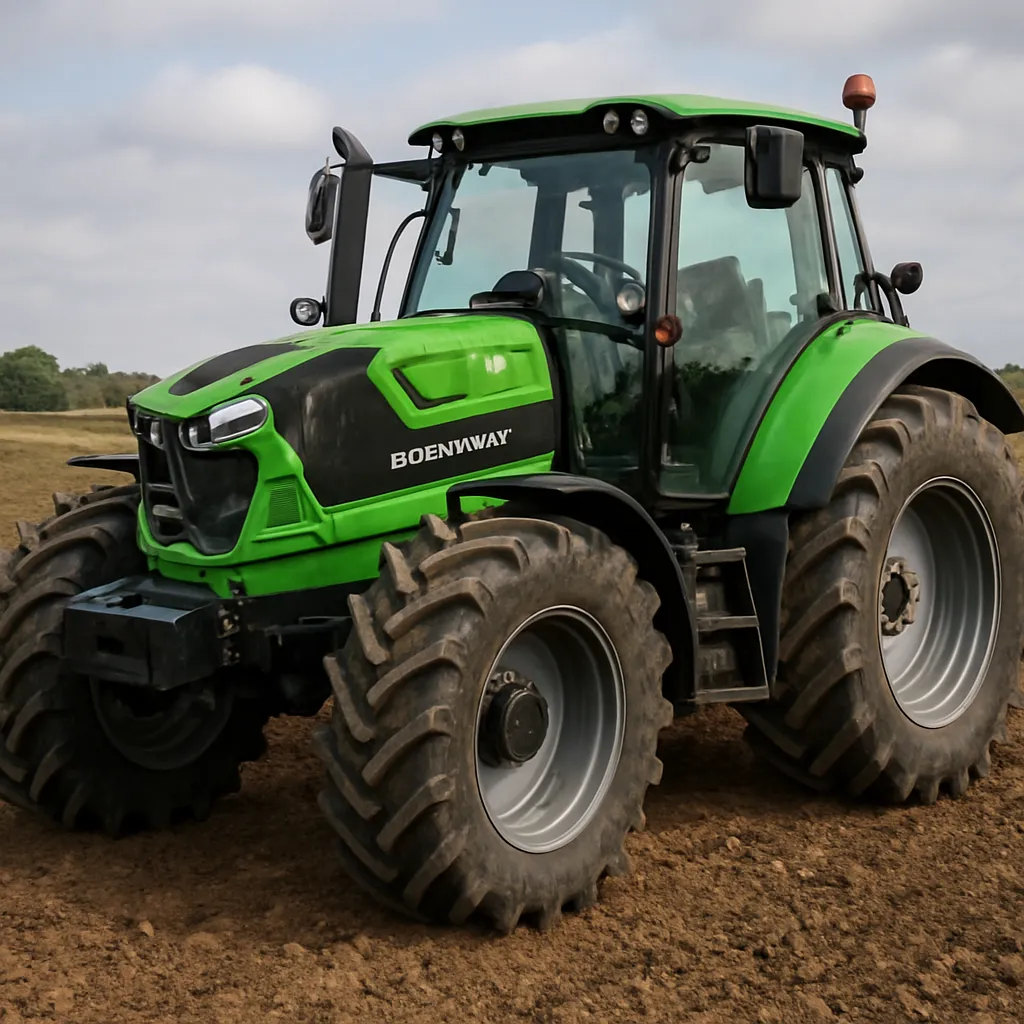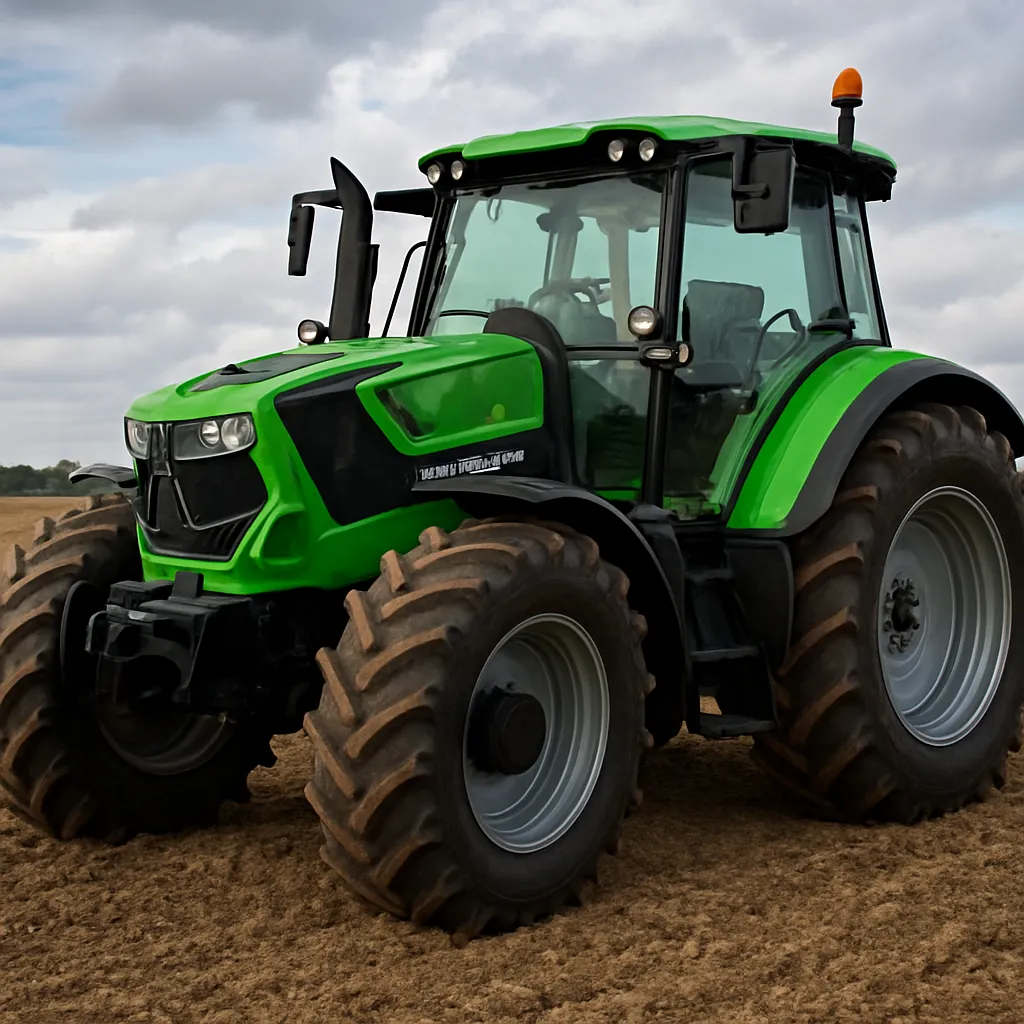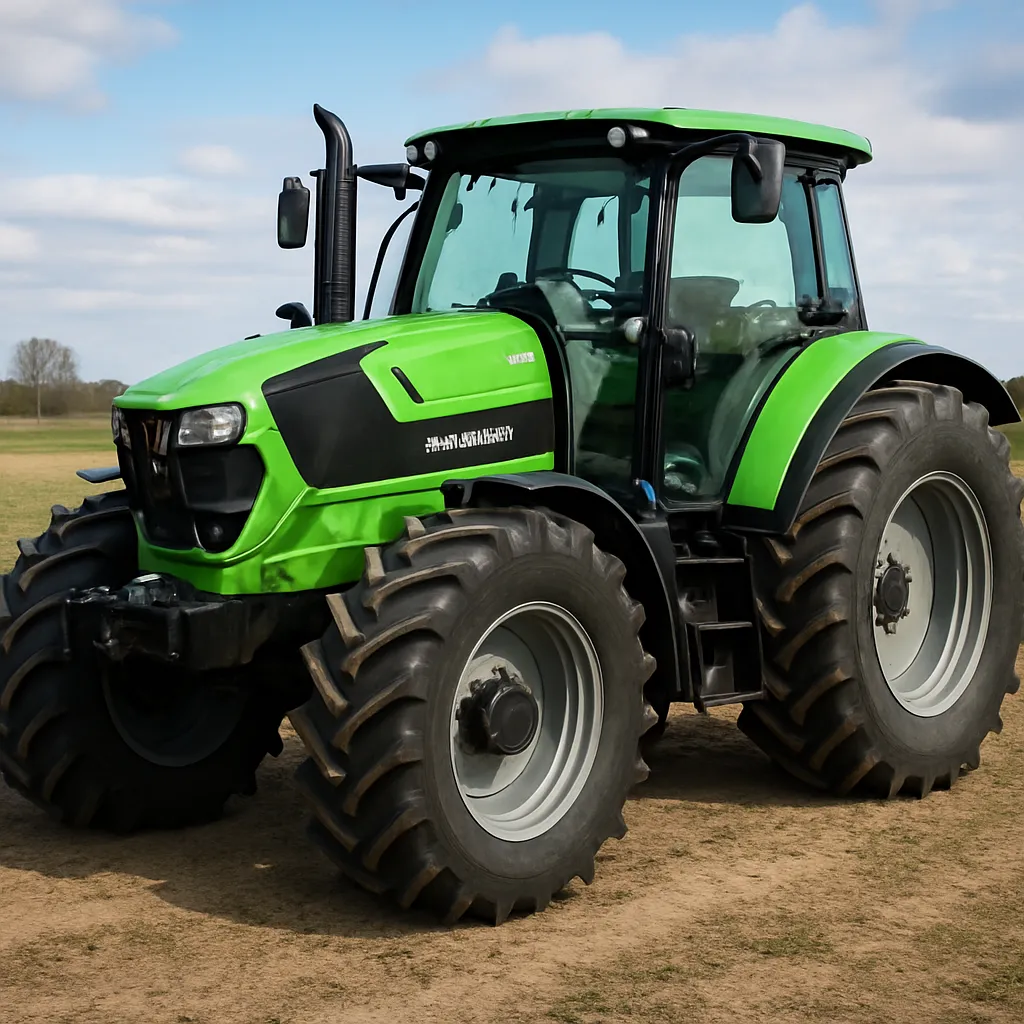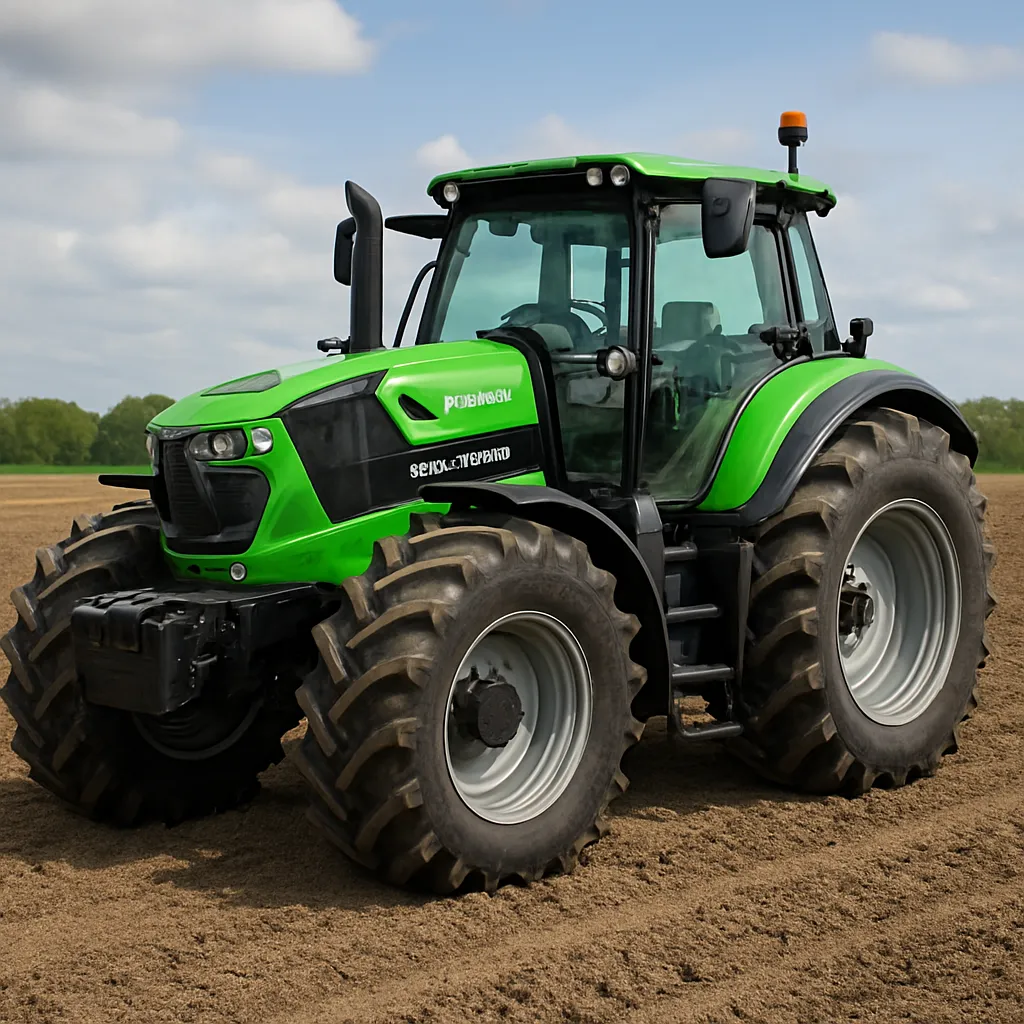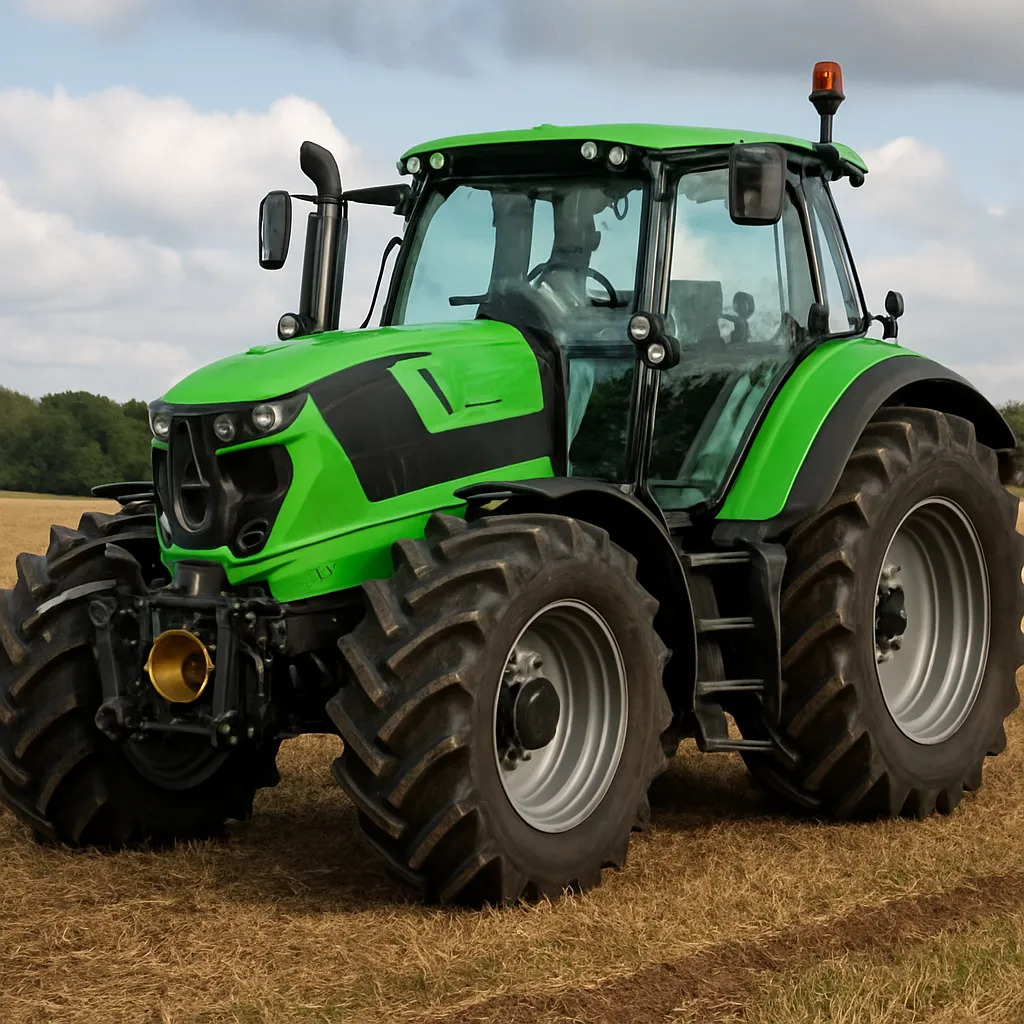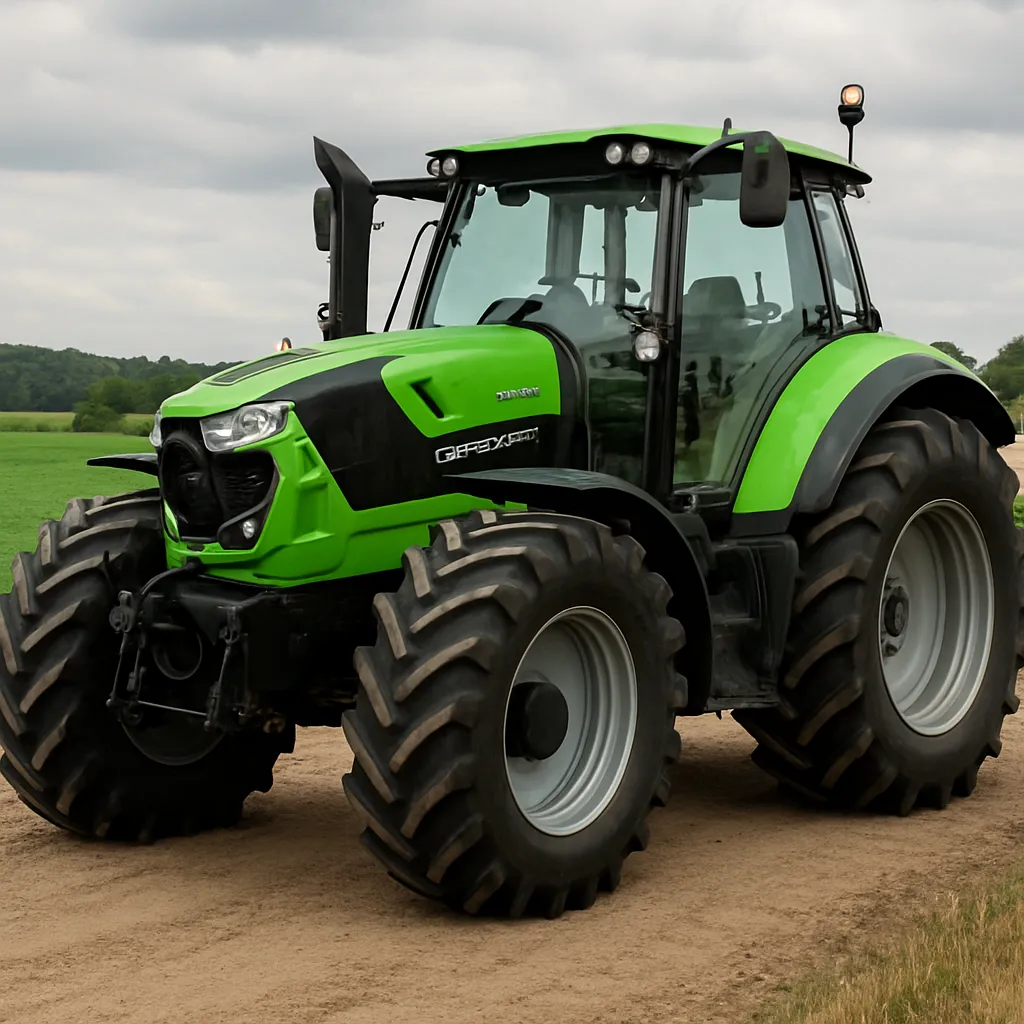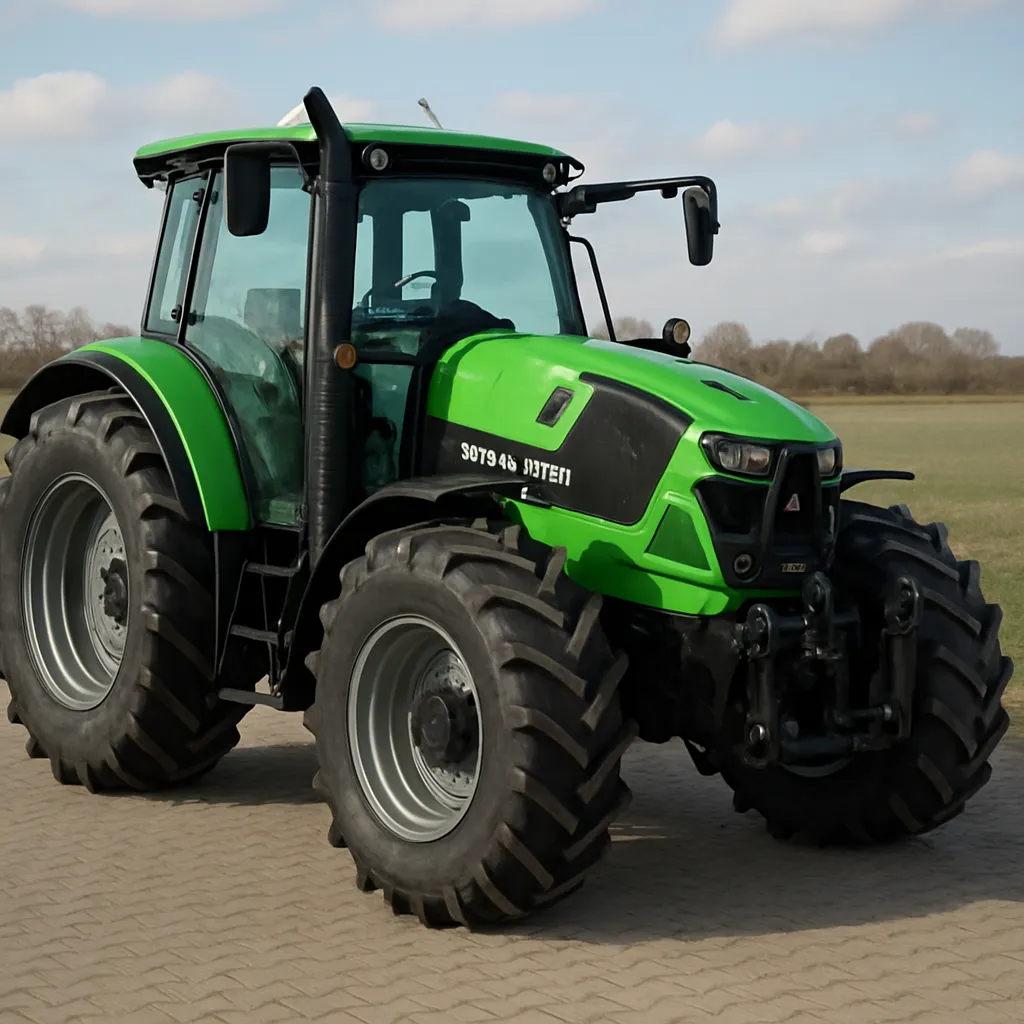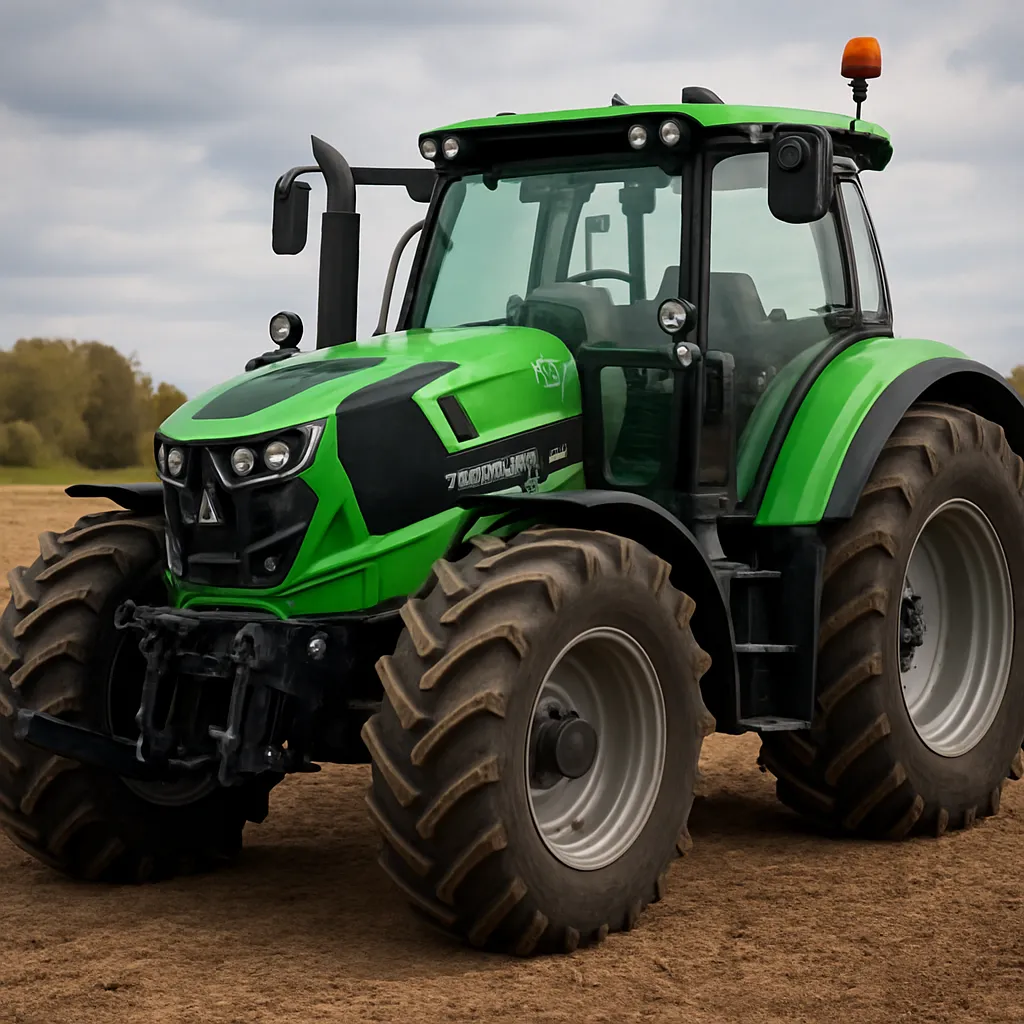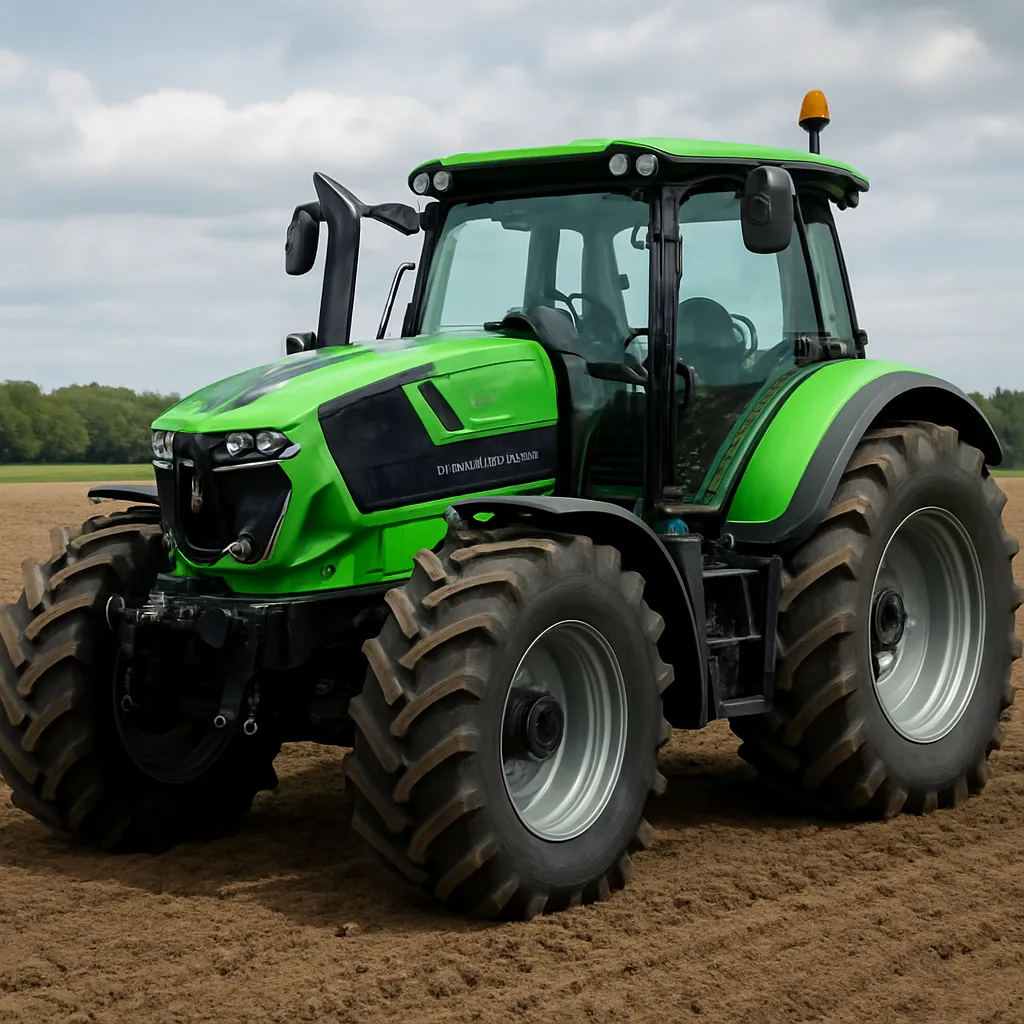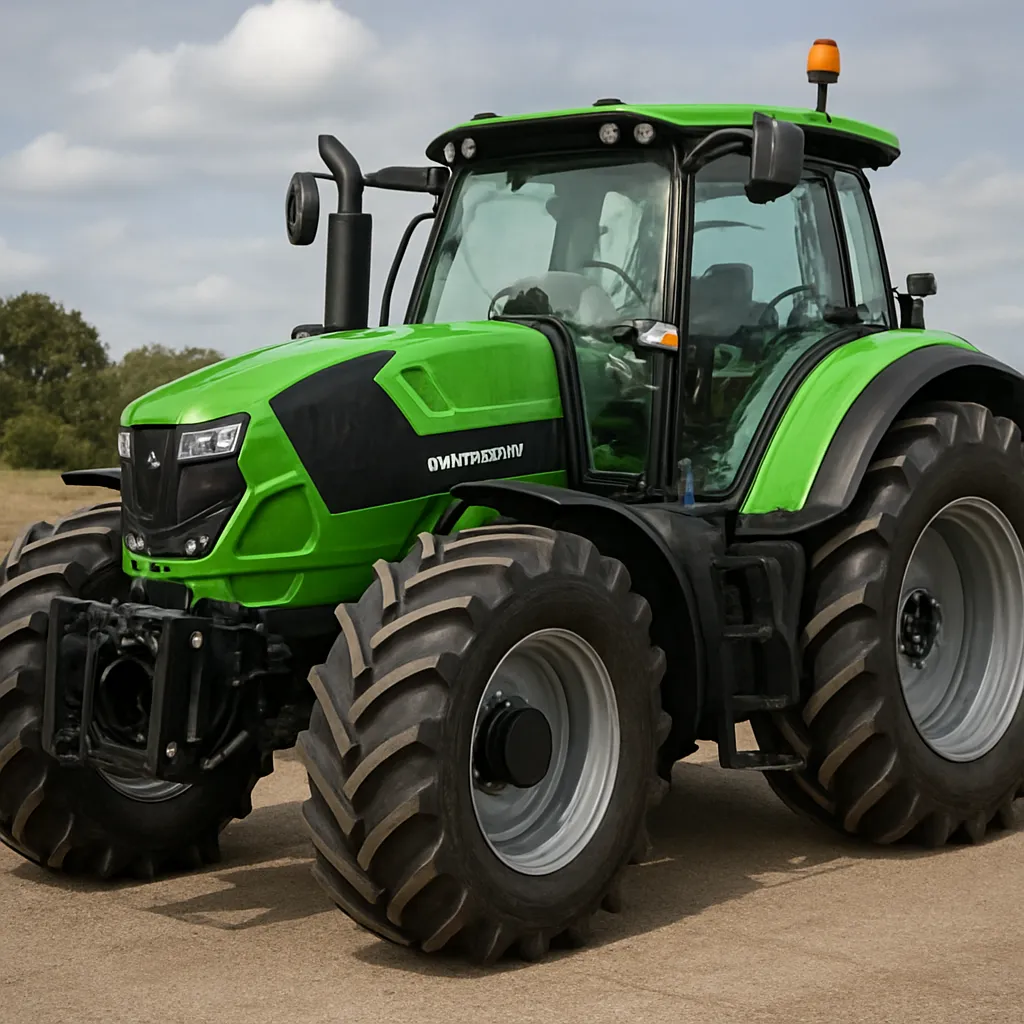
The Deutz-Fahr 7250 Agrotron is a versatile and powerful agricultural tractor designed to meet the demands of modern farming. Combining advanced engine technology, a smooth stepless transmission, and a comfortable cab environment, the 7250 is aimed at contractors, arable farms, and mixed operations requiring a balance of horsepower, agility, and efficiency. This article examines the machine’s design, typical applications, performance figures, operator comforts, and economic considerations to give a comprehensive view of where the 7250 fits within today’s agricultural landscape.
Design and engineering philosophy
The Deutz-Fahr 7250 Agrotron reflects a design philosophy that emphasizes modularity, efficiency, and usability. The tractor is part of the 7 Series, which is known for integrating advanced engine management systems with robust driveline components to deliver reliable traction and low fuel consumption under varied loads. At the heart of the tractor is a turbocharged, charge-cooled diesel engine developed to meet contemporary emissions standards while preserving torque and throttle response for heavy fieldwork.
Powertrain and transmission
- The 7250 is typically fitted with a continuously variable transmission (TTV), which allows for seamless acceleration and precise ground-speed control—particularly valuable during tasks like seeding, spraying, and transport.
- TTV systems provide a large number of effective gear ratios without the shift shocks of stepped transmissions, improving traction and fuel efficiency.
- Engine management systems optimize fuel injection and turbo boost to achieve a combination of high torque at low revs and reduced specific fuel consumption under load.
Chassis, axle, and drivetrain
The chassis and axle layout are engineered to support heavy implements and maintain stability across varied terrains. Heavy-duty front and rear axles, optional four-wheel drive modes, and electronically controlled differentials ensure reliable tractive performance. Many configurations include advanced braking and stability systems that facilitate safe operation when carrying loads or transporting implements on public roads.
Applications and typical use cases
The Deutz-Fahr 7250 Agrotron is a true multi-role tractor designed to perform a wide spectrum of agricultural tasks. Its blend of power, hydraulic capacity, and driver comfort makes it suitable for year-round farm operations.
Arable farming
- Tillage: The 7250 is frequently used for heavy tillage work such as ploughing, subsoiling, and discing. Its ability to produce consistent torque at low rpm helps maintain implement speed and minimize fuel use.
- Seeding and planting: Precise forward speeds enabled by the TTV transmission improve seed placement and seeding uniformity, especially when combined with guidance systems.
- Crop protection: With sufficient hydraulic and electrical capacity to support booms and sprayer electronics, the tractor is often a prime unit for fertilizer and pesticide application.
Livestock and mixed farms
- Loader work and material handling: The robust front loader options and excellent visibility from the cab make the 7250 an effective tool for feeding, bedding, and manure handling.
- Transport and bale handling: With typically high lifting capacity on the rear linkage and optional heavy-duty front linkages, the tractor handles large round and square bales with ease.
Contracting and specialist operations
Contractors appreciate the 7250 for its balance of power and comfort. It can tow large implements and travel at high road speeds without compromising fuel efficiency. Optional features such as ISOBUS compatibility, advanced hydraulic setups, and precision-ag interfaces make it suitable for specialist tasks where reliability and integration with farm electronics are critical.
Technical specifications and performance figures (typical)
Specifications can vary by model year and market-specific configurations, but the following figures provide an overview of typical performance characteristics associated with the 7250 Agrotron. Numbers below should be considered representative rather than definitive for every machine.
- Engine: Turbocharged diesel, commonly a 6-cylinder Deutz unit with charge air cooling; displacement typically in the 6.0–7.0 liter class depending on generation.
- Horsepower: Rated power commonly around 220–260 hp, with transient power boost available under PTO or transport demands.
- Torque: High peak torque at low rpm supporting heavy draft loads; peak figures often in the 900–1,250 Nm range depending on calibration.
- PTO: Multiple PTO speed options (e.g., 540 / 540E / 1,000 / 1,000E) to match different implements and conserve fuel at lower rotational speeds.
- Hydraulics: Closed-center load-sensing hydraulic systems with flow rates commonly available in ranges like 120–210 l/min depending on pump options; multiple spool valves and proportional controls usually standard.
- Lifting capacity: Rear linkage capacity frequently quoted in the vicinity of 8,000–10,000 kg, enabling the use of large mounted and trailed implements.
- Transmission: Continuously variable TTV with several driving modes (e.g., manual, cruise, field, and transport) and electronic control of gear ratios.
- Fuel tank: Large-capacity tanks for long operating intervals between refueling—commonly 350–500 liters depending on configuration.
- Maximum road speed: Often up to 40–50 km/h in road mode, with economy settings to reduce engine rpm at higher speeds.
- Weight: Operating weight varies widely with equipment but typically falls between 8,000 and 10,500 kg.
Operator comfort, controls, and technology
Modern farm work places heavy demands on operator concentration and endurance. The 7250 addresses this with a spacious cab, ergonomic controls, and a range of optional technology packages designed to increase productivity while reducing fatigue.
Cab design and ergonomics
- High-visibility designs with large glazed areas and optimized roof windows for loader work.
- Adjustable air-suspended seats, climate control, and reduced noise levels to improve long shifts in the field.
- Intuitive consoles and multi-function joysticks that consolidate hydraulic, transmission, and implement controls within easy reach.
Precision farming and connectivity
Precision agriculture features are often available on the 7250, including GPS guidance compatibility, ISOBUS terminal integration, telematics, and data logging for field performance and fuel usage tracking. These systems support tasks such as variable-rate application, auto-steering, and remote diagnostics—areas where modern tractors can generate tangible cost savings.
Maintenance, durability, and lifecycle costs
Durability and predictable maintenance intervals are critical to minimizing downtime. The 7250 incorporates several design choices aimed at simplifying service while extending component life.
- Accessible service points for routine tasks such as oil changes, filter replacement, and coolant checks.
- Solid construction of driveline and hydraulic components to handle sustained high-load operations.
- Commonality of parts across the 7 Series that reduces parts inventory and simplifies servicing for fleets operating multiple Deutz-Fahr tractors.
Lifecycle costs depend on usage profile, local fuel prices, and maintenance regimes. Operators who adopt scheduled preventive maintenance, monitor fluid condition, and use recommended lubricants typically see the best returns on investment.
Variants, options, and customization
Deutz-Fahr typically offers a range of configurations for the 7250 that allow buyers to tailor the tractor to their needs. Options may include:
- Different cab packages (standard, comfort, premium) with varying levels of soundproofing and luxury.
- Hydraulic packages with different pump sizes and auxiliary circuits for high-demand implements.
- Front and rear linkage options with varying lifting capacities and electronic control packages.
- Telematics and precision-guidance bundles to facilitate modern farm management practices.
- Specialized tires and wheel spacings for row-crop, broad-acre, or transport-focused operations.
Market position and comparative strengths
Within the competitive landscape of high-performance tractors, the Deutz-Fahr 7250 Agrotron positions itself as a machine that blends European engineering with a strong focus on operator comfort and systems integration. Its competitive advantages often cited by users include:
- Efficient engine performance with modern emissions control and fuel economy.
- Seamless transmission behavior under both field and transport conditions.
- High hydraulic capacity and flexible PTO options for a wide range of implements.
- Comfortable cab and intuitive controls that reduce operator fatigue.
- Good resale value in many regions due to brand recognition and parts availability.
Environmental and regulatory considerations
Modern iterations of the 7250 comply with stringent emissions regulations through a combination of exhaust gas aftertreatment, engine calibration, and fuel management strategies. Operators should be aware that:
- Emission control systems (such as SCR or particulate filters) require occasional maintenance and the availability of appropriate consumables (e.g., AdBlue for SCR systems).
- Optimizing engine load and operating rpm can reduce fuel consumption and lower emissions per hectare of work.
- Integration with precision agriculture tools can further reduce the environmental footprint by enabling more accurate application of inputs.
Summary and final observations
The Deutz-Fahr 7250 Agrotron is a capable and adaptable tractor that fits into a broad spectrum of agricultural operations—ranging from heavy arable tasks to mixed-farm and contracting work. Its combination of robust mechanical design, a responsive transmission, and modern operator conveniences make it a strong choice for those seeking a tractor with both power and versatility. Key attributes such as horsepower, hydraulics, and high rear linkage lifting capacity ensure that it can undertake demanding tasks, while features like the TTV transmission and precision interfaces contribute to improved efficiency and reduced operator fatigue.
When considering a 7250, potential buyers should evaluate the available options and local service network to ensure the chosen configuration matches their operational needs. With proper maintenance and utilization of modern precision tools, the 7250 can offer excellent productivity and contribute to sustainable, cost-effective farming.