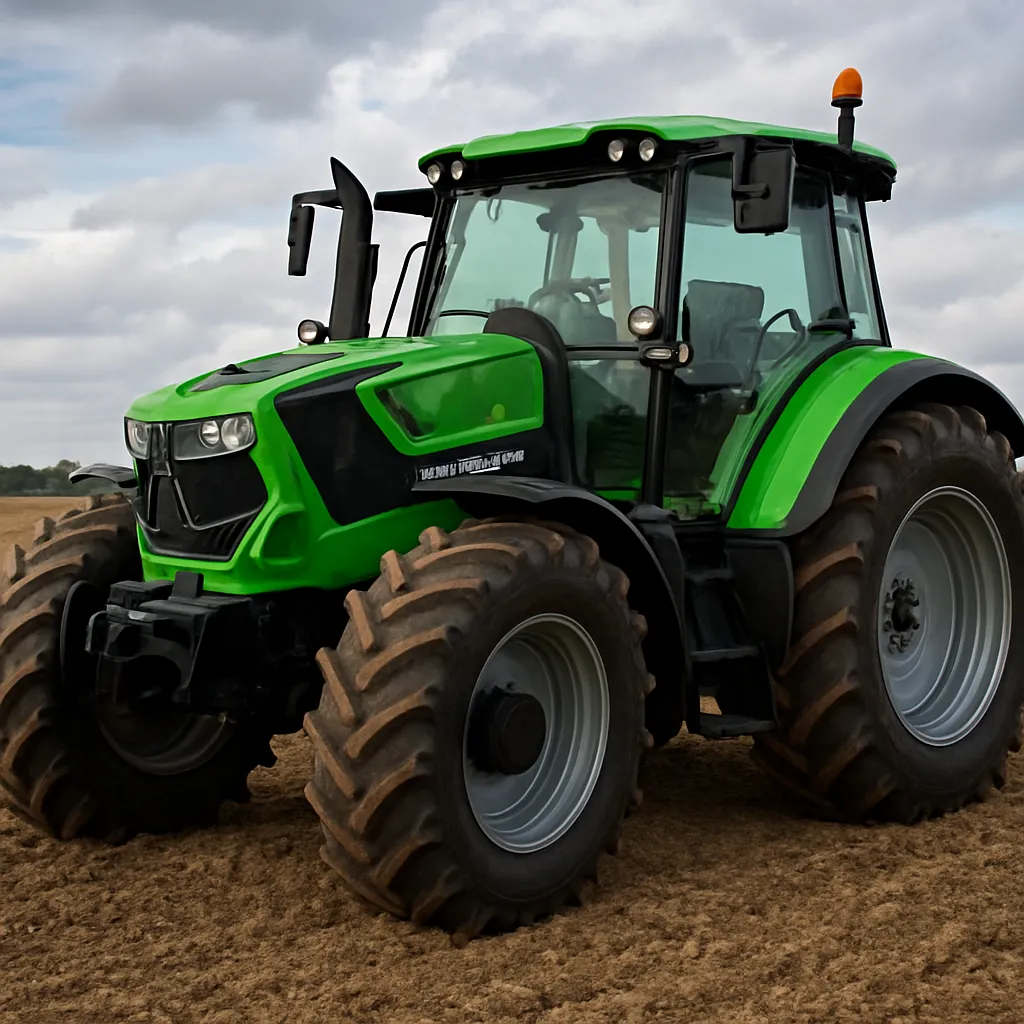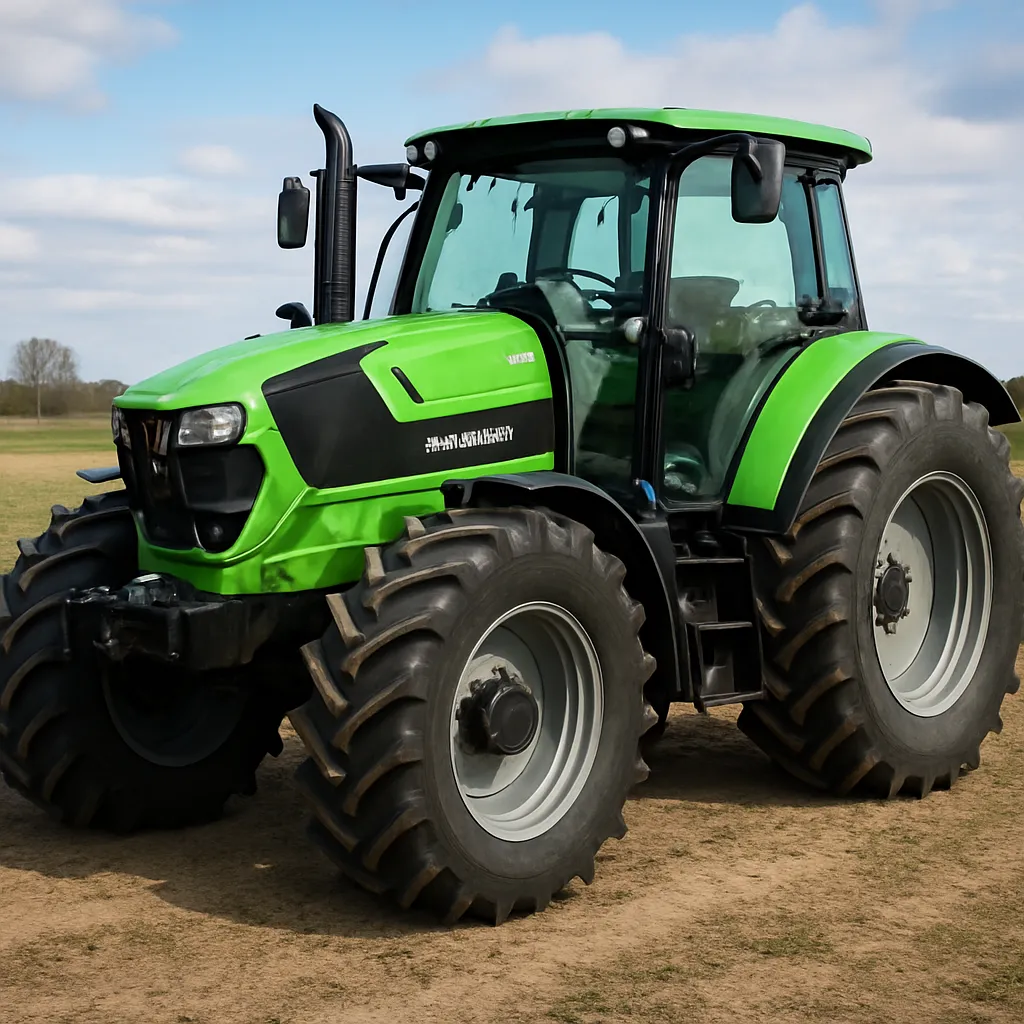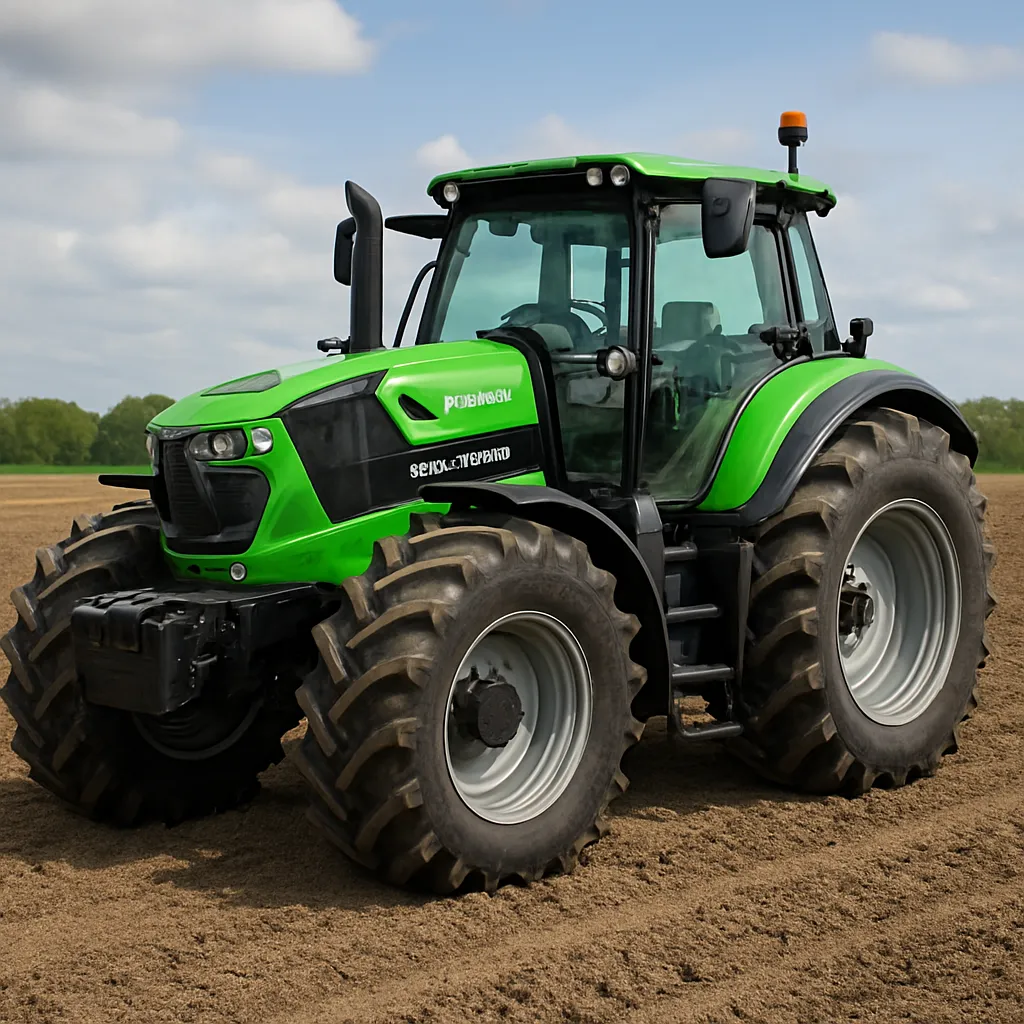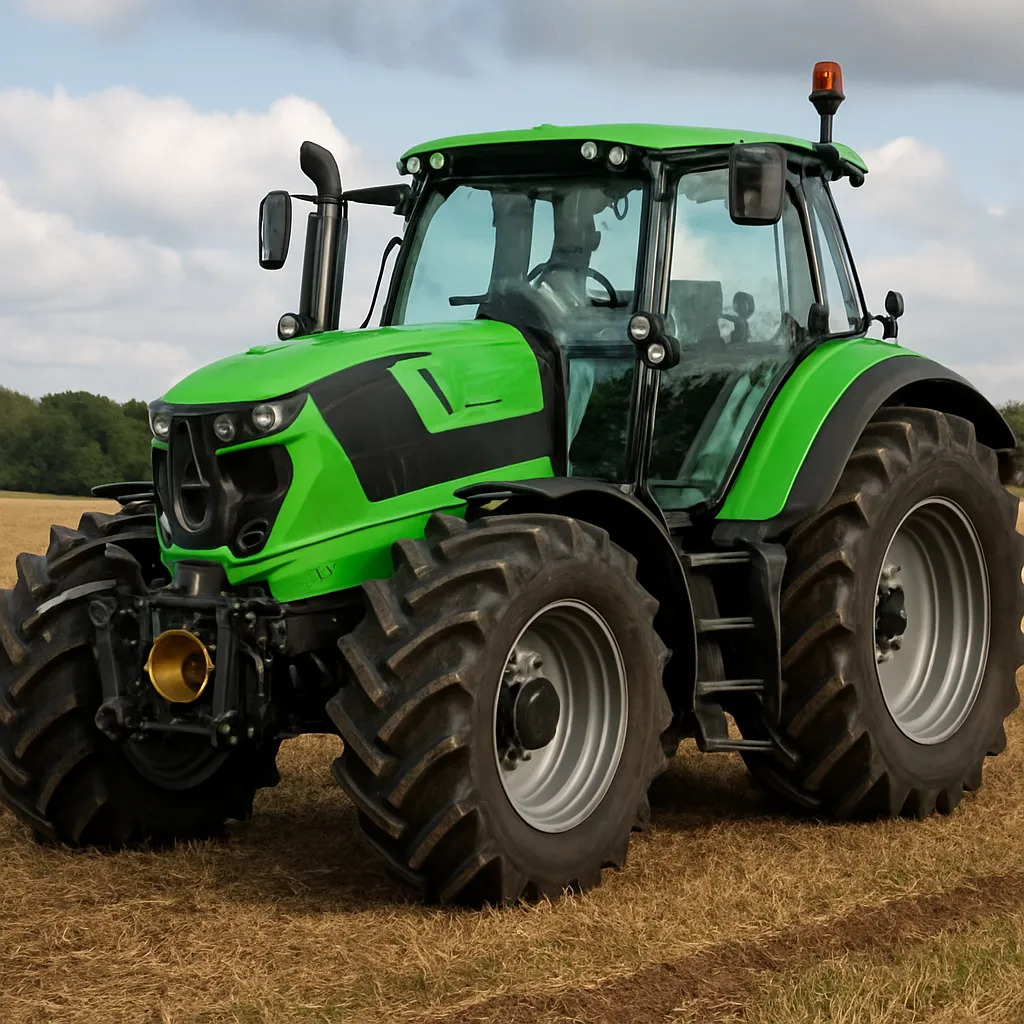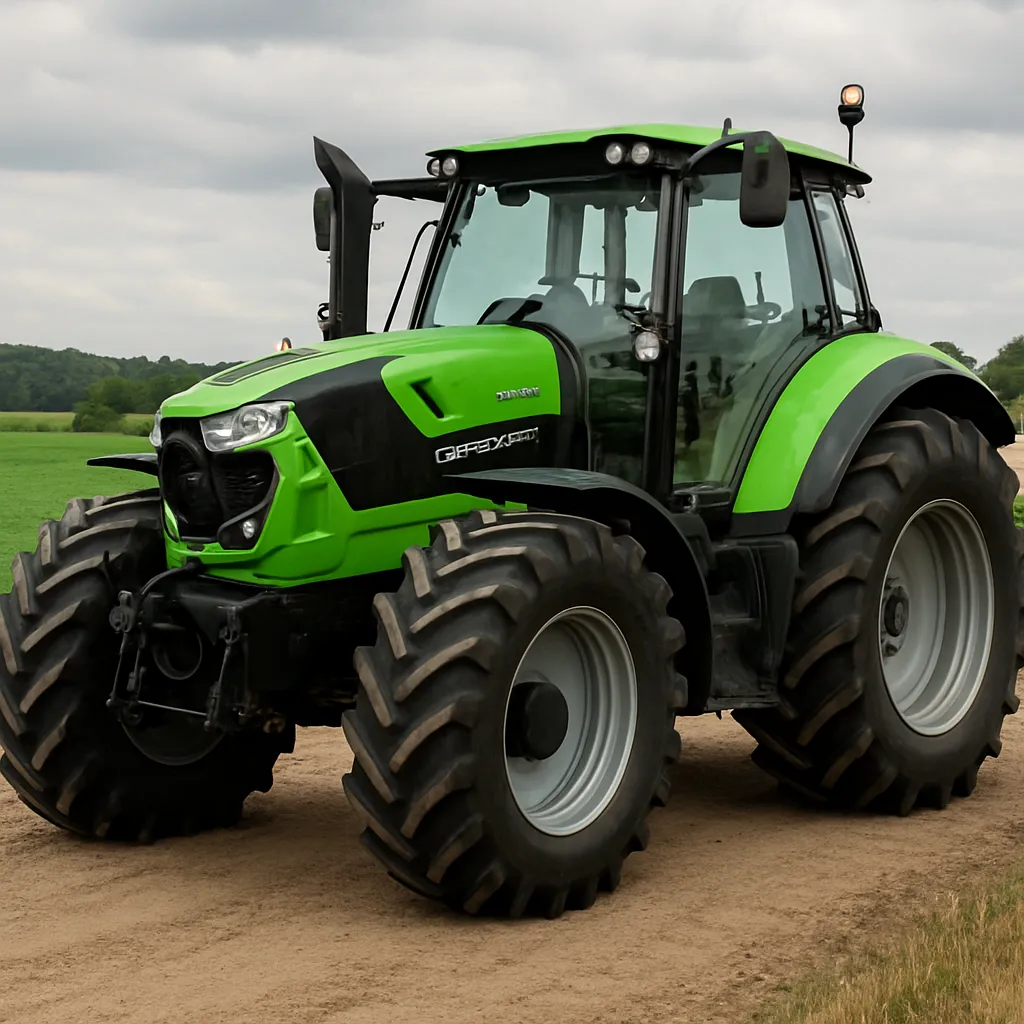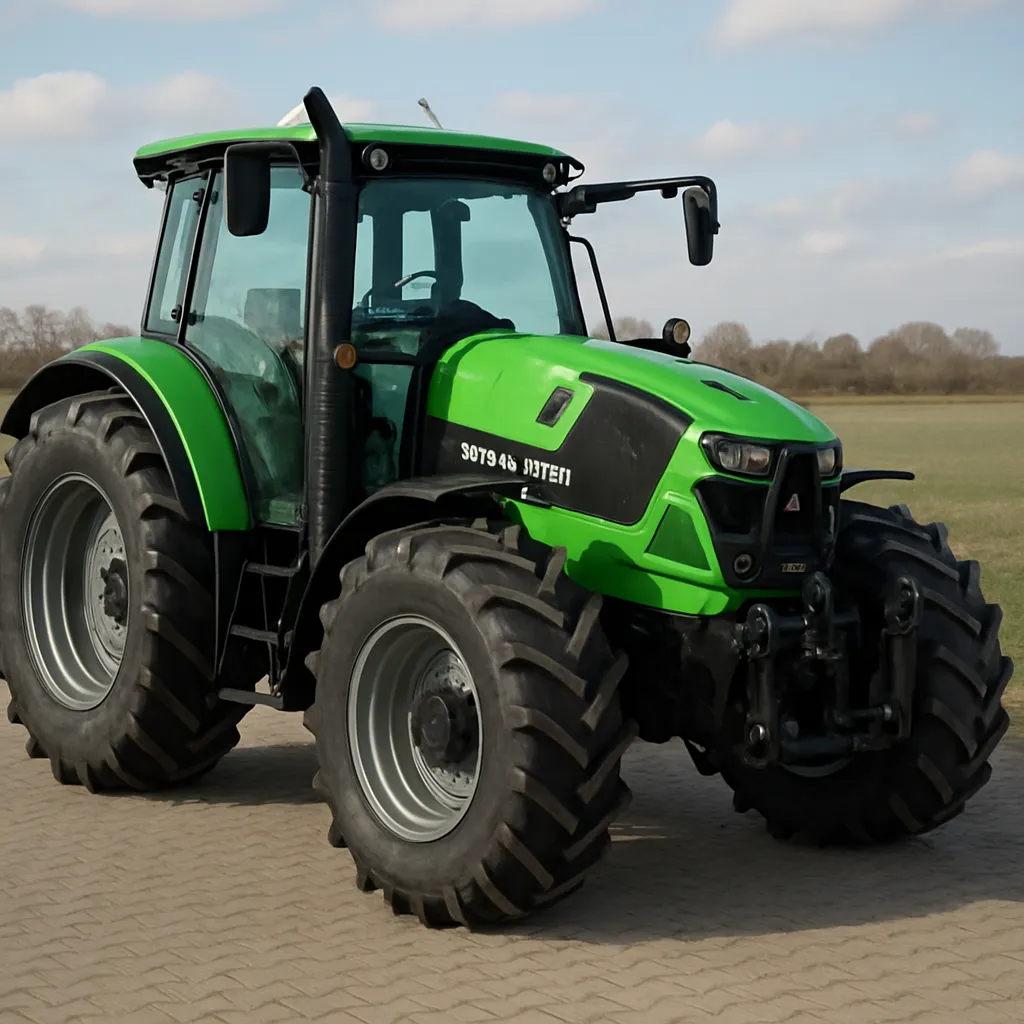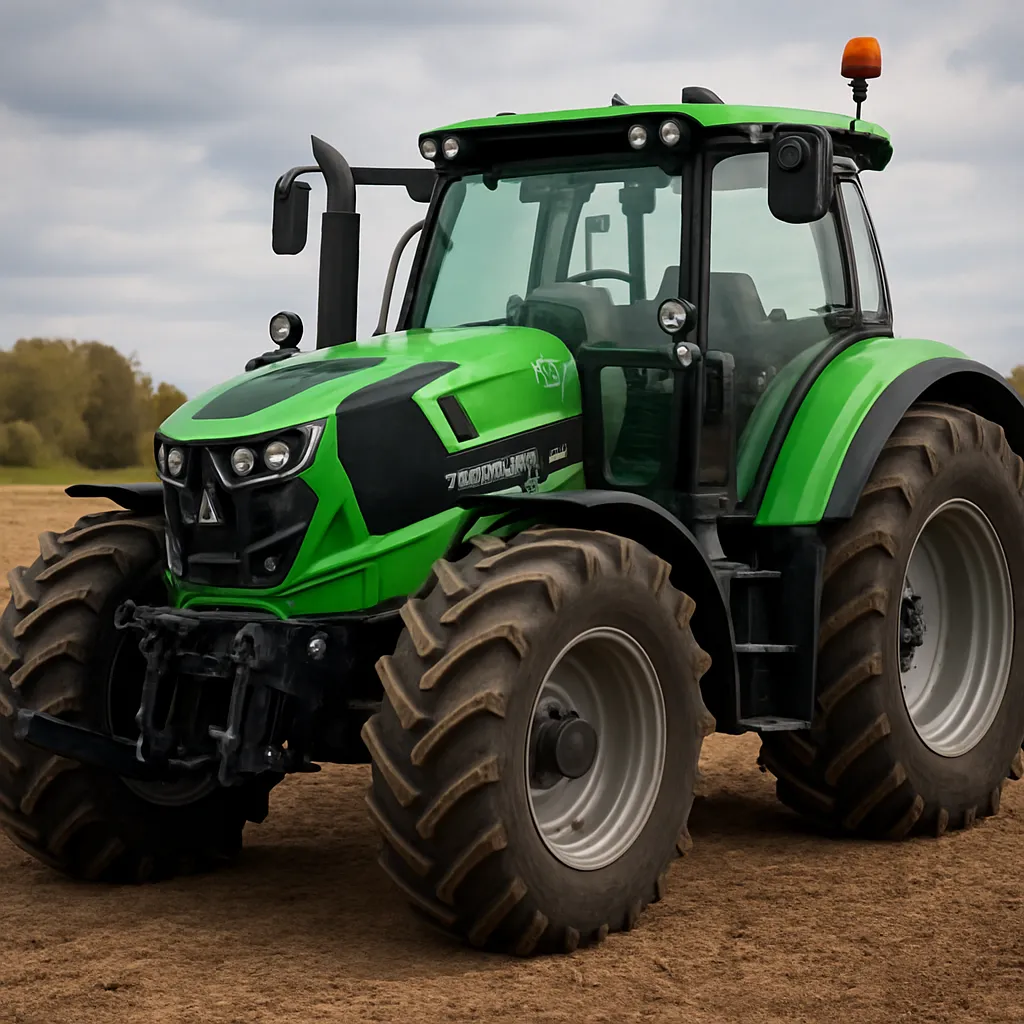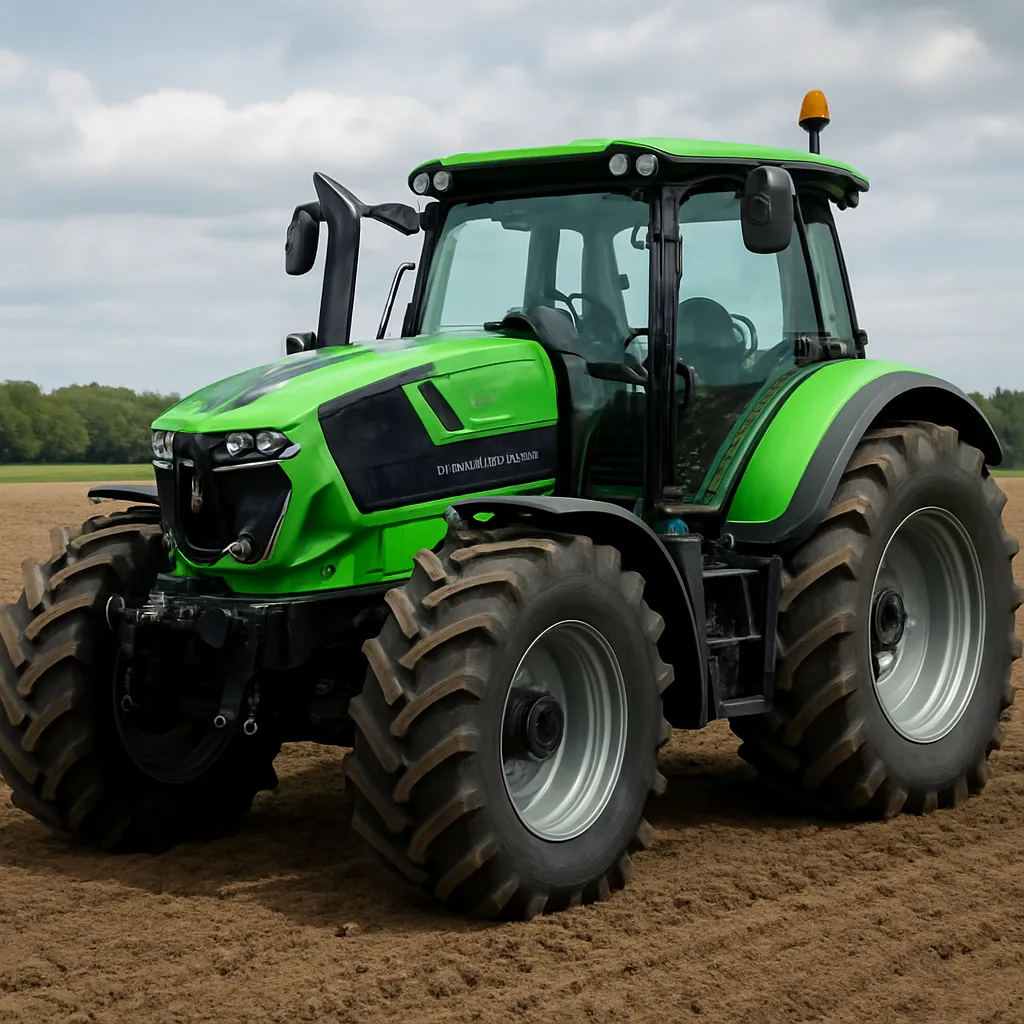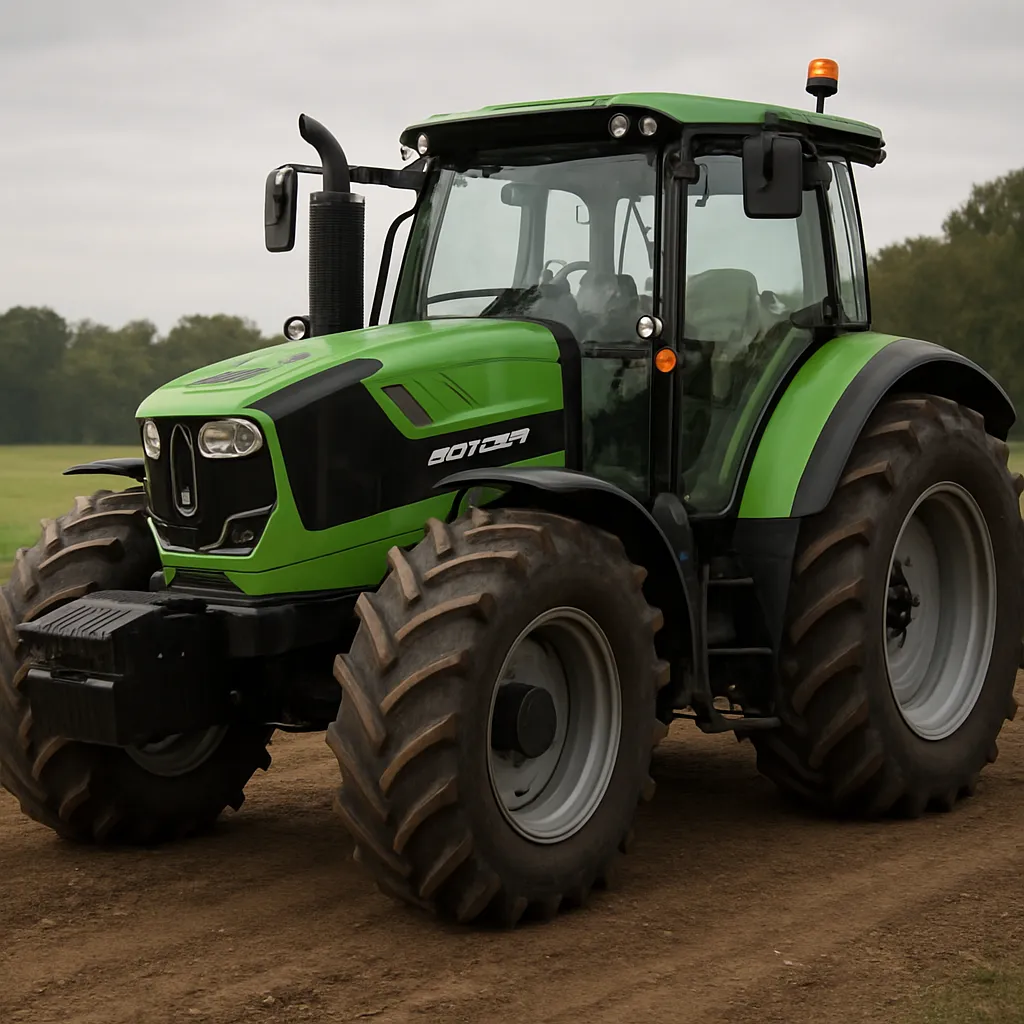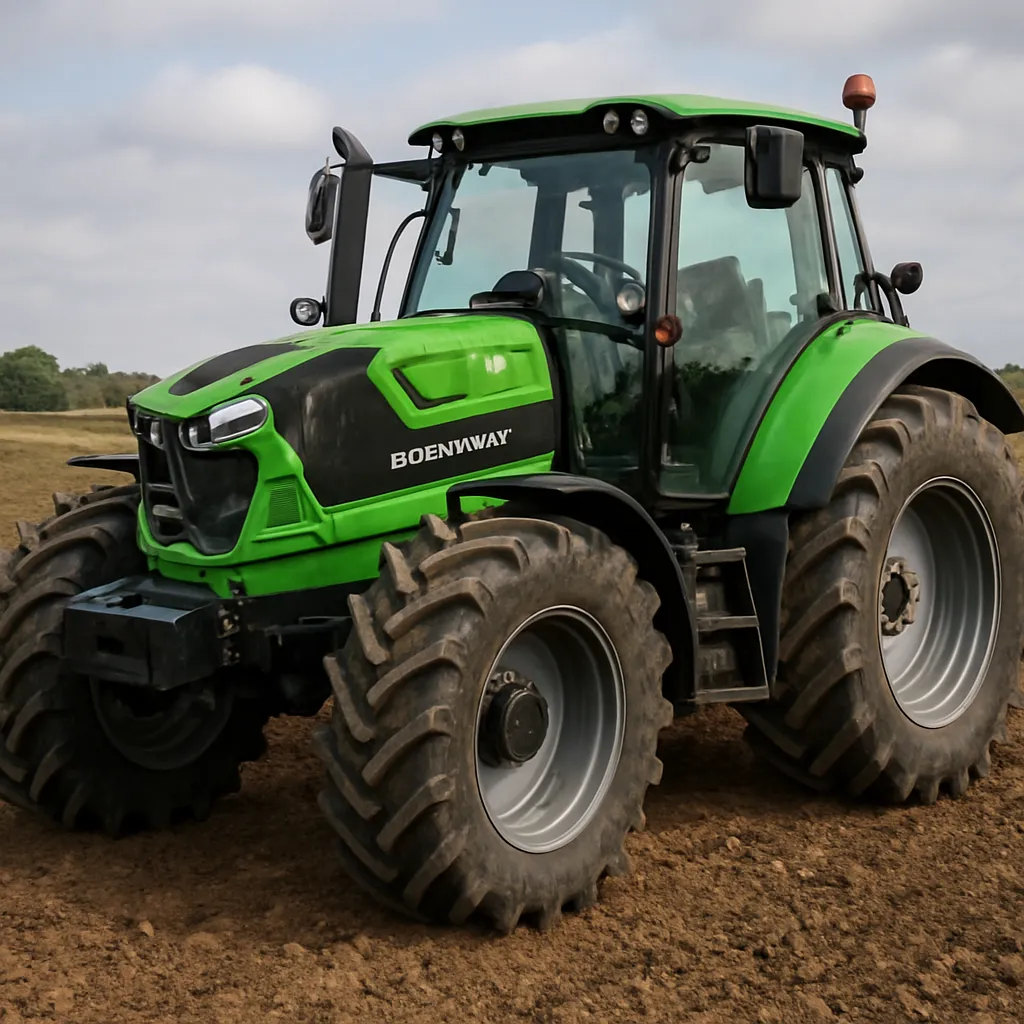
The Deutz-Fahr 7230 Agrotron is a versatile, mid-to-high-power agricultural tractor that has been used across a wide range of farming tasks since its introduction. Combining robust mechanical design with modern operator comfort and electronic control systems, the 7230 Agrotron is aimed at contractors and large-scale farmers who need a machine capable of heavy fieldwork, transport, and implements operation. This article explores the machine’s typical technical characteristics, practical applications, strengths and limitations, and useful operational and maintenance considerations.
Overview and key characteristics
The Deutz-Fahr 7230 Agrotron belongs to the Agrotron family, a line known for blending traditional German engineering with contemporary farming technology. Depending on year and market, the 7230 has been offered in variants with mechanical or continuously variable transmissions, different emissions-stage engines, and multiple configuration options for hydraulics, PTO, and cab equipment.
At its core, the 7230 is designed around a purpose-built diesel engine with a focus on delivering durable, steady power in field conditions. Typical factory specifications (which vary by model year and regional emission standards) place the 7230 in the mid-horsepower class. It is commonly specified with a rated power in the range of approximately 200–250 horsepower, although marketed figures differ by country and by whether measured at the flywheel or at PTO. The engine usually features turbocharging and intercooling to balance fuel economy and performance under load.
Other core attributes include a beefy driveline, options for advanced hydrostatic or power-shift transmissions, strong lifting capacity on the three-point linkage, and generous hydraulic flow for modern implements. Cab design emphasizes operator comfort, with good visibility, ergonomic controls and sound insulation intended for long hours of operation.
Technical specifications (typical figures and variants)
Because the 7230 Agrotron has been produced in different configurations and updated as emissions standards evolved, exact numbers vary. The following list presents representative or frequently published values for many 7230 variants; for precise specification you should consult the manufacturer’s documentation for the exact model year and variant.
- Engine: 6-cylinder turbocharged diesel (common Deutz family engines); displacement commonly around 6.1–7.0 liters, depending on variant and emissions tuning.
- Power: typical rated engine power roughly 200–250 hp (some sources denote 230 hp as a nominal figure for the 7230 nameplate); peak power and torque vary with engine map and boost.
- Torque: generous mid-range torque for draft work and PTO-driven implements; torque reserve and torque rise designed to maintain speed under heavy load.
- Transmission: offered in multiple forms—fully mechanical power-shift, electro-hydraulic ranges, and in some lineups continuously variable (CVT/TTV) versions for smoother operation and fuel efficiency.
- PTO (Power Take-Off): standard 540 / 1000 rpm configurations, and some variants with ground-speed PTO options; clutch engagement may be electro-hydraulic.
- Hydraulics: open-centre or load-sensing circuits depending on spec; implement pump flow often in the range of 80–150 L/min with optional dual pumps for higher-demand implements; multiple remote valves available.
- Three-point hitch: Category II/III linkage with lift capacities commonly between 6,000 and 10,000 kg at hitch points (model and equipment dependent).
- Axles and steering: heavy-duty front axle with optional suspension, front linkage and front PTO available on many configurations; four-wheel brake and differential lock systems standard.
- Fuel capacity: typically in the order of 200–500 liters depending on tank size and optional tanks.
- Weight: operating weight typically ranges from ~7,000 to 9,500 kg depending on configuration, ballast, and front equipment.
- Cab: ROPS-certified, climate control (AC and heater), ergonomic seat and controls, often ISOBUS-ready electronic interfaces and optional telemetry packages.
These figures are indicative—specific production runs, market variants and emission-stage upgrades (e.g., Stage IIIA, Stage IV / Tier 4 final) influence injection systems, exhaust after-treatment, and therefore some performance and fuel consumption characteristics.
Primary applications and fields of use
The Deutz-Fahr 7230 Agrotron is aimed at medium-to-large scale agricultural operations and contractor work. Its combination of power, hydraulic capacity and PTO options allow it to perform a wide variety of tasks. Primary use-cases include:
- Soil cultivation: ploughing, deep ripping and heavy tillage where steady drawbar power and torque are essential. The tractor’s high draft capability and torque reserve help maintain consistent working speeds even in difficult soils.
- Seeding and planting: pulling wide seed drills and precision planters, using the tractor’s hydraulic outputs for row-unit control and metering systems.
- Spraying and fertiliser application: when fitted with field sprayers or spreaders, the stable chassis and available hydraulic and electrical interfaces make the 7230 suitable for precise chemical and nutrient application.
- Baling and forage handling: operating large balers and forage harvest attachments, with PTO power and hydraulic controls for pickup units and bale handling equipment.
- Loader and material handling: tractor-mounted front loaders for loading, stacking and transport tasks around the farm or yard—where front linkage and optional front PTO broaden functionality.
- Transport and heavy towing: road and field transport with trailers and heavy implements, benefiting from power and stability at moderate road speeds and optional suspension systems for operator comfort.
- Specialist contracting: snow clearing, stump grinding, or municipal tasks when outfitted with appropriate attachments—contractors value the reliability and multi-role capability.
Because of its size and power, the 7230 is not generally targeted at small holdings or hobby farms; it is best suited to operations where high daily usage and heavy implements are common.
Design highlights and operator experience
The Agrotron line places significant emphasis on operator comfort and control ergonomics. The 7230 typically features a well-appointed cab with a flat floor, comfortable air-suspended seat options, and an instrument layout oriented toward the right-hand console for convenient implement control. Noise, vibration and harshness (NVH) treatment and climate control are intended to reduce fatigue during long shifts.
Electronics and user interfaces on later 7230 models include ISOBUS compatibility, electronic linkage control, automatic engine speed control linked to PTO and hydraulic functions, and optional telematics packages for fleet monitoring. The driver can benefit from features such as cruise control, headland management routines, and memory functions for transmission and linkage settings.
Transmission choices influence the working feel: mechanical power-shift units provide robust, manual-feel control with preset gears and ranges, while CVT/TTV variants offer seamless speed changes, often improving fuel economy and reducing operator workload in tasks that require frequent speed changes, such as loader work or transport with variable terrain.
Fuel efficiency, emissions and environmental considerations
Later production models were adapted to meet progressively tighter emissions standards (e.g., EU Stage IIIA → Stage IV/Tier 4 final), which introduced exhaust after-treatment systems such as selective catalytic reduction (SCR) and diesel particulate filters (DPF) on some variants. These systems affect service schedules, downtime management and, in some cases, fuel consumption characteristics.
In general, modern Agrotron engines aim for a balance of power and economy: operating at optimum engine rpm for a given task, using the transmission and PTO management functions, can significantly reduce specific fuel consumption. Comfort and transmission options that keep the engine in the most efficient torque band for longer (for example, CVT designs) often contribute to improved field fuel economy.
Maintenance, reliability and lifecycle costs
Maintaining a 7230 Agrotron cost-effectively requires attention to scheduled services—oil and filter changes, cooled exhaust system maintenance (if equipped with DPF/SCR), fuel system upkeep, and hydraulic system checks. Routine inspections of the driveline, telemetry fault-codes, and hydraulic leaks will preserve uptime.
- Warranty and dealer network: Deutz-Fahr generally supports their tractors via a dealer network offering parts and service. The availability and responsiveness of the network are important for contractors relying on minimal downtime.
- Common maintenance items: engine oil and filter service, diesel particulate filter (DPF) regeneration cycles on emission-controlled models, transmission oil checks, hydraulic fluid and filter replacement, brake and clutch inspections.
- Durability notes: the tractor’s heavy-duty chassis and driveline contribute to long service life under proper maintenance; however, heavy use with poor maintenance shortens component life, as with any agricultural equipment.
Lifecycle costs for bigger tractors like the 7230 hinge more on utilization patterns than on sticker price—fuel use, maintenance intervals, replacement parts availability, and resale value are major factors. Good telematics and preventive maintenance reduce unexpected repair costs and lost productive hours.
Strengths, limitations and comparison points
Strengths of the 7230 Agrotron typically cited by users and reviewers include:
- Versatility: good for a wide range of implements and tasks, making it suitable for mixed operations and contracting.
- Comfort: well-equipped cab and ergonomics reduce operator fatigue during extended shifts.
- Power and torque: ample for heavy tillage and PTO-driven equipment when properly specified.
- Hydraulic capacity and linkage strength: capable of operating high-demand implements.
- Robust build and German engineering heritage that emphasize longevity.
Limitations commonly noted include:
- Higher initial investment and running costs compared to smaller utility tractors—more suited to larger farms or contractors.
- Complexity and service needs for emission-controlled engines (e.g., DPF/SCR) compared with older, simpler designs.
- Weight and soil compaction considerations—on lighter soils, operators must manage ballast and tyre choices to minimise compaction.
Compared with competing brands in the same horsepower band, the 7230’s advantage is often in the combination of operator comfort and a flexible array of transmission and hydraulic options. Potential buyers typically compare it against equivalent models from other European manufacturers based on total cost of ownership, dealer support, resale value and personal preference for user interfaces.
Operational tips and best practices
To get the best results from a Deutz-Fahr 7230 Agrotron, consider the following practical tips:
- Match implements and tyre choices to the intended tasks to optimise traction while minimising soil compaction.
- Use engine and transmission management features—such as automatic engine speed control linked to PTO—to maintain efficiency and reduce wear.
- Keep a close eye on service intervals for the fuel system and exhaust after-treatment components if fitted; timely DPF maintenance prevents performance loss and downtime.
- Leverage telematics (if available) to plan preventive maintenance and monitor fuel consumption trends across operations.
- Ensure operators are familiar with transmission modes and hydraulic settings—proper use of differential locks, cruise functions and headland management increases productivity and reduces component stress.
Market presence and resale considerations
The Deutz-Fahr brand has a strong presence in Europe and in many international markets, and the Agrotron family is well recognized. Resale values for a 7230 will be influenced by hours, maintenance history, equipment level (e.g., front hitch/PTO, loader, GPS/ISOBUS), and local demand for tractors in its horsepower band. Contracting use typically accelerates depreciation due to higher annual hours, but good maintenance records and a well-equipped cab and electronics package help preserve resale value.
Conclusion
The Deutz-Fahr 7230 Agrotron is a capable and adaptable tractor that fits the needs of medium-to-large farms and contractors. Its blend of power, hydraulic capability, ergonomic cab features and multiple transmission choices make it suitable for a broad spectrum of agricultural jobs—from heavy tillage to precision seeding and transport. While specific technical specifications depend on the year and variant, typical attributes include a 6-cylinder turbo diesel engine, a rated power band often near the mid-200 horsepower range, robust hydraulic systems and modern operator aids like ISOBUS and headland management.
Prospective buyers should verify the exact specification for the production year they consider, especially with regard to emissions equipment and transmission type, and balance initial purchase price against operating costs, service support and the intended intensity of use. With proper maintenance, the 7230 Agrotron can be a reliable workhorse delivering high productivity across diverse agricultural tasks.
Note: Technical figures presented above are representative and may vary by model year, emission standard and factory configuration. For precise specifications consult official Deutz-Fahr documentation or an authorised dealer.