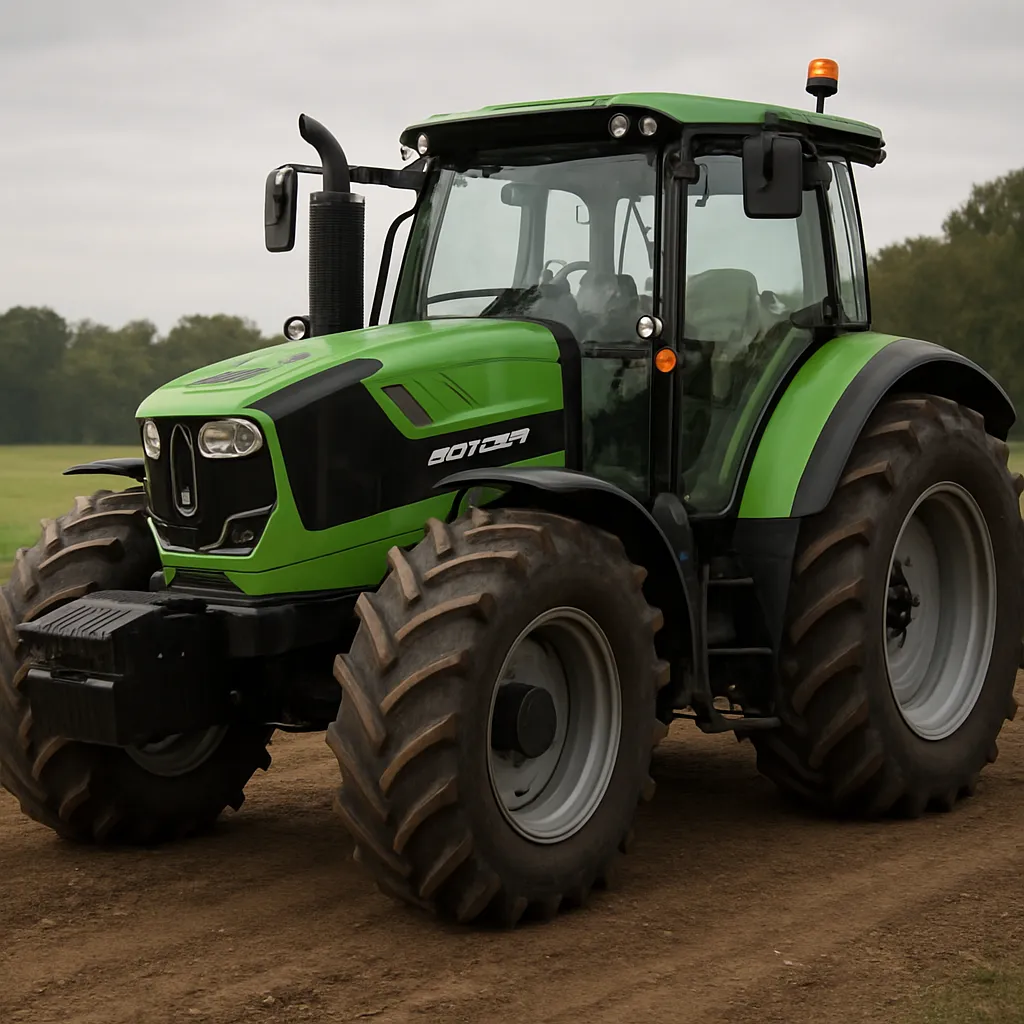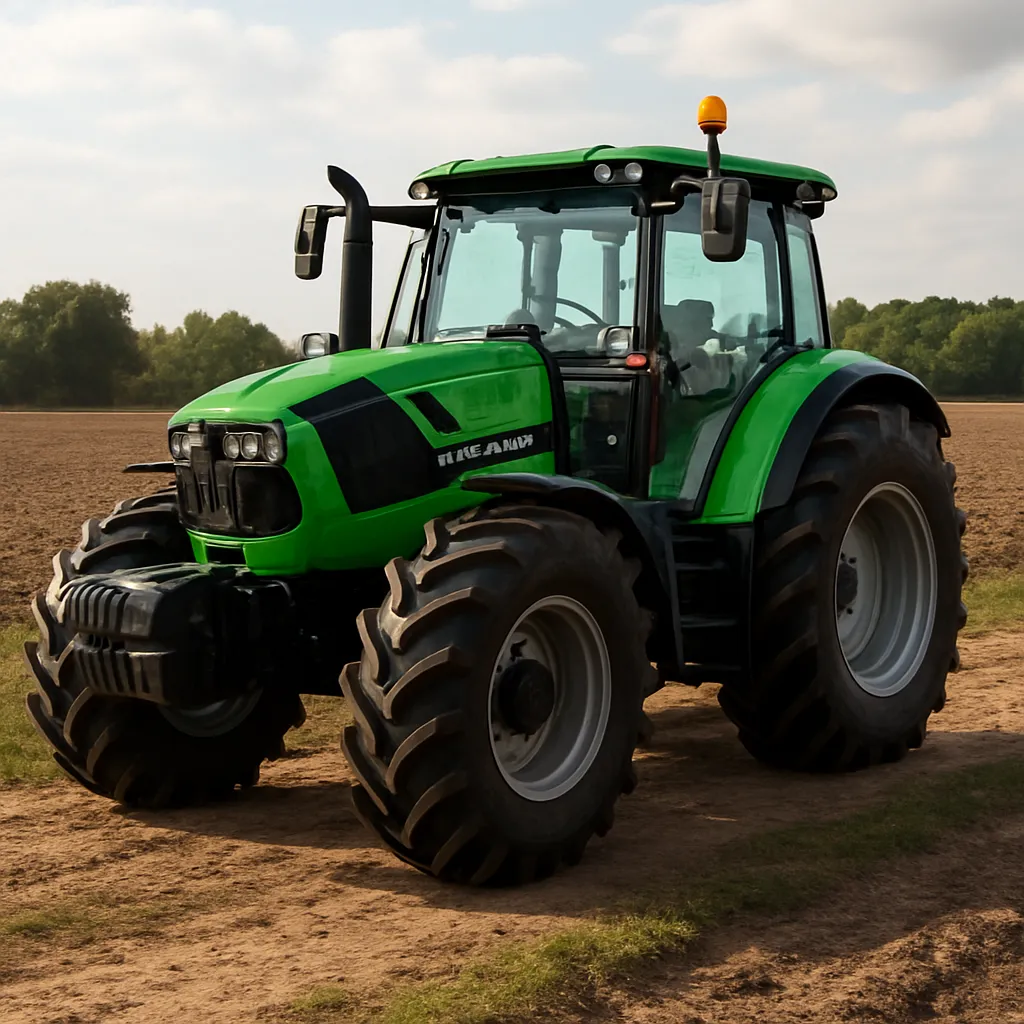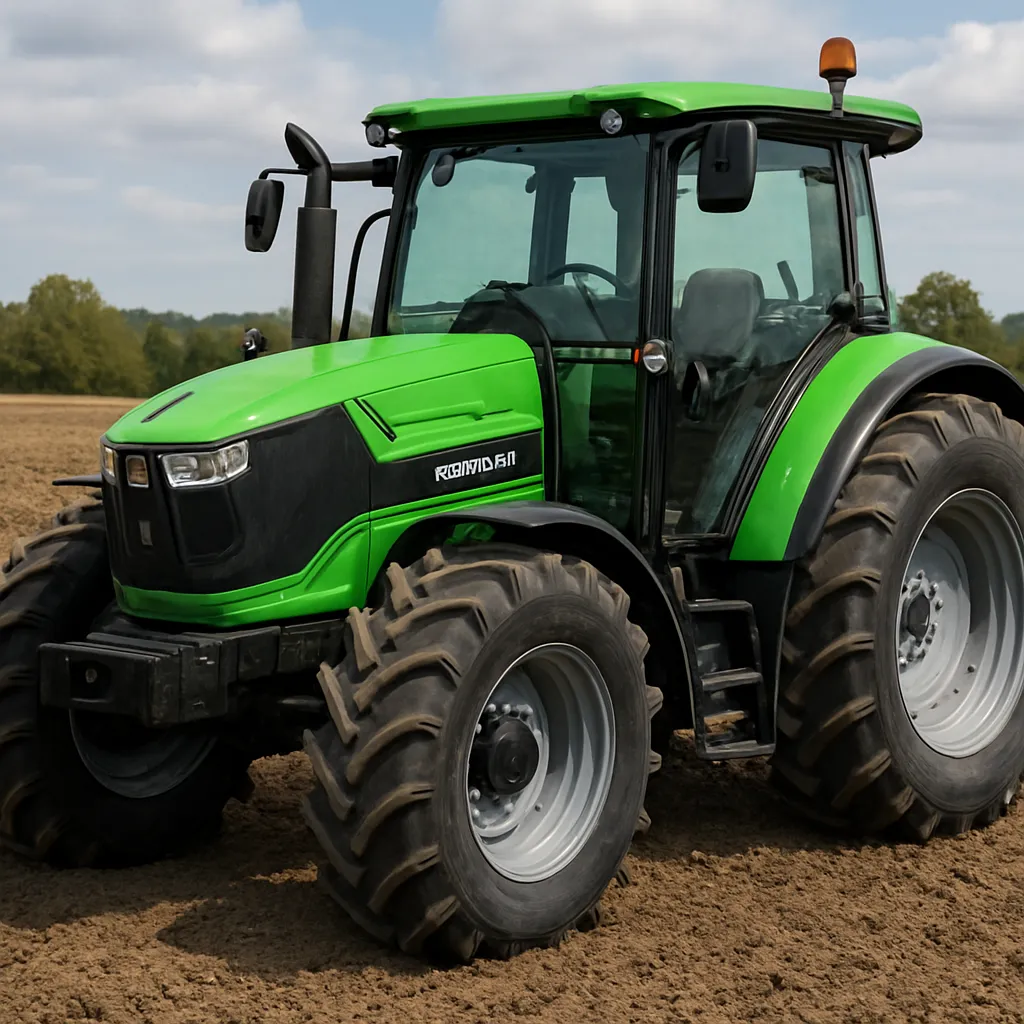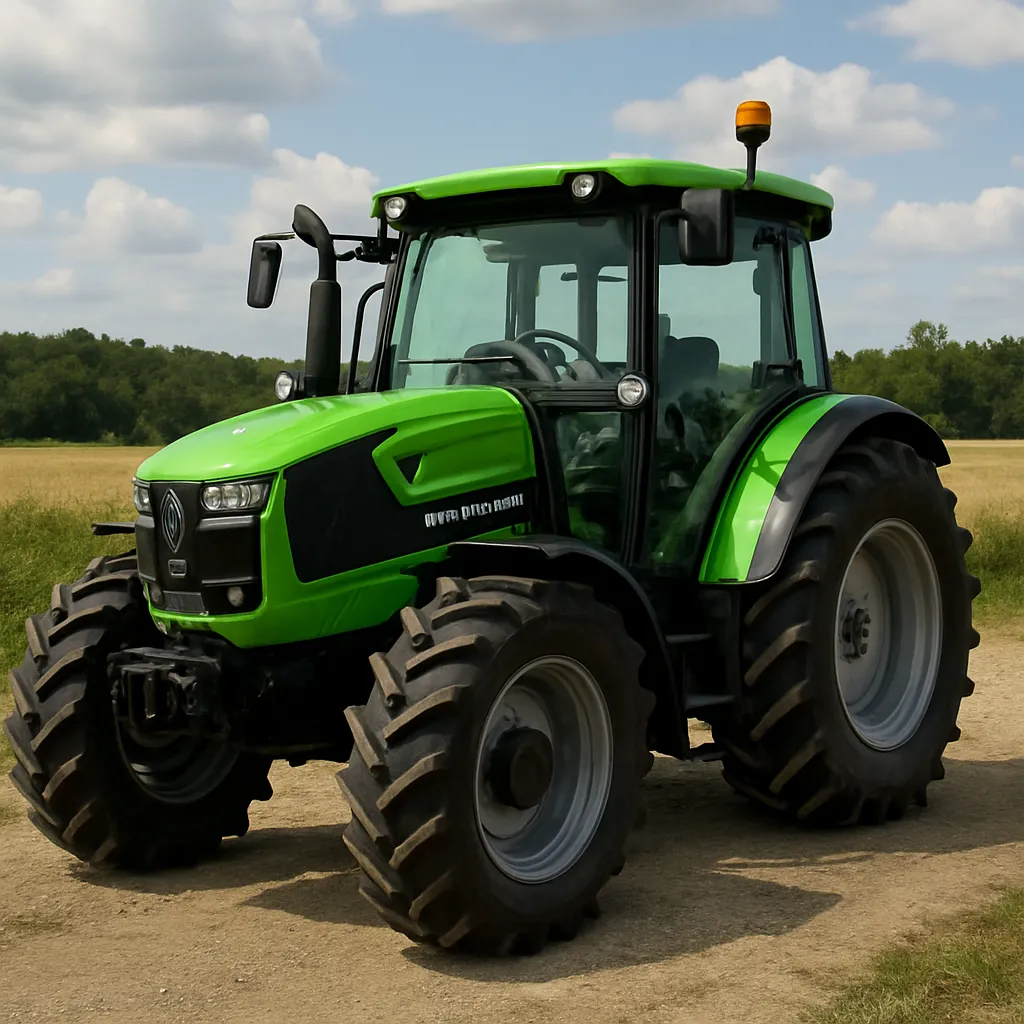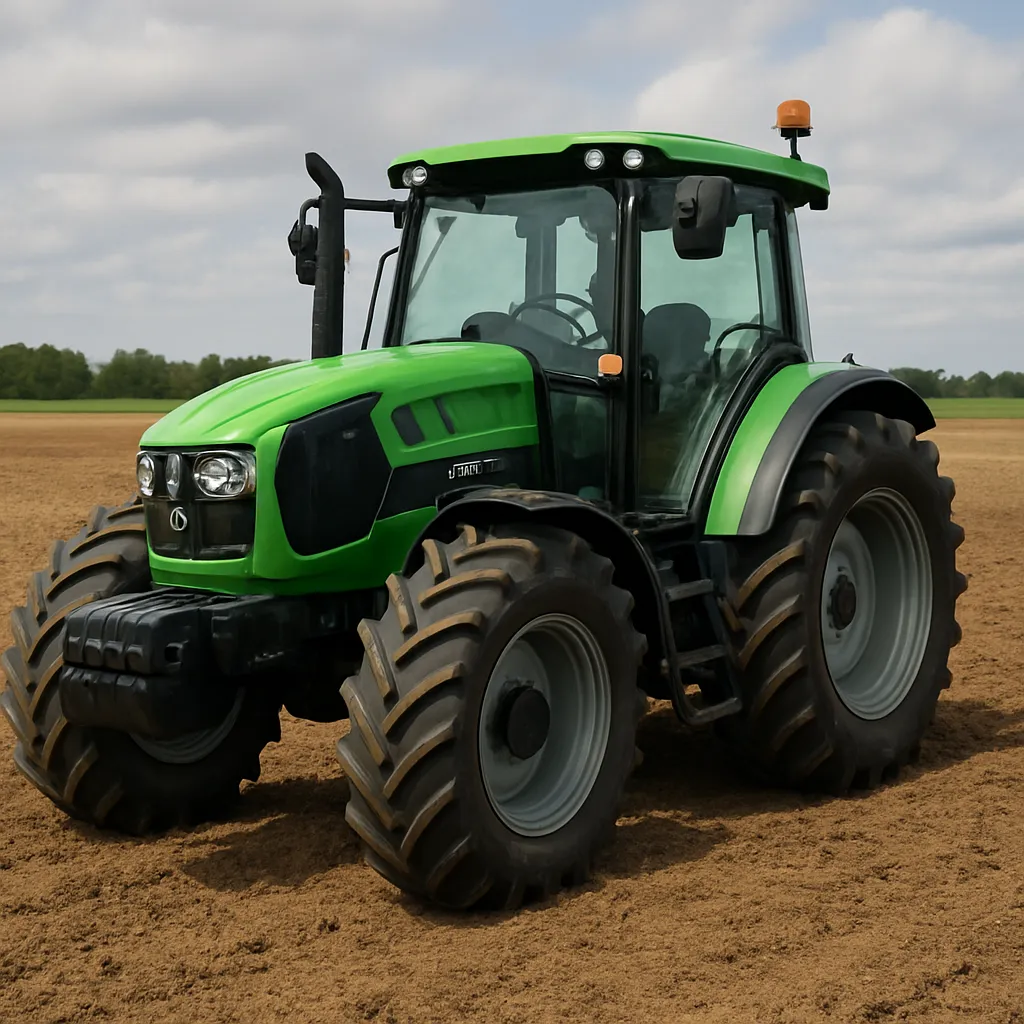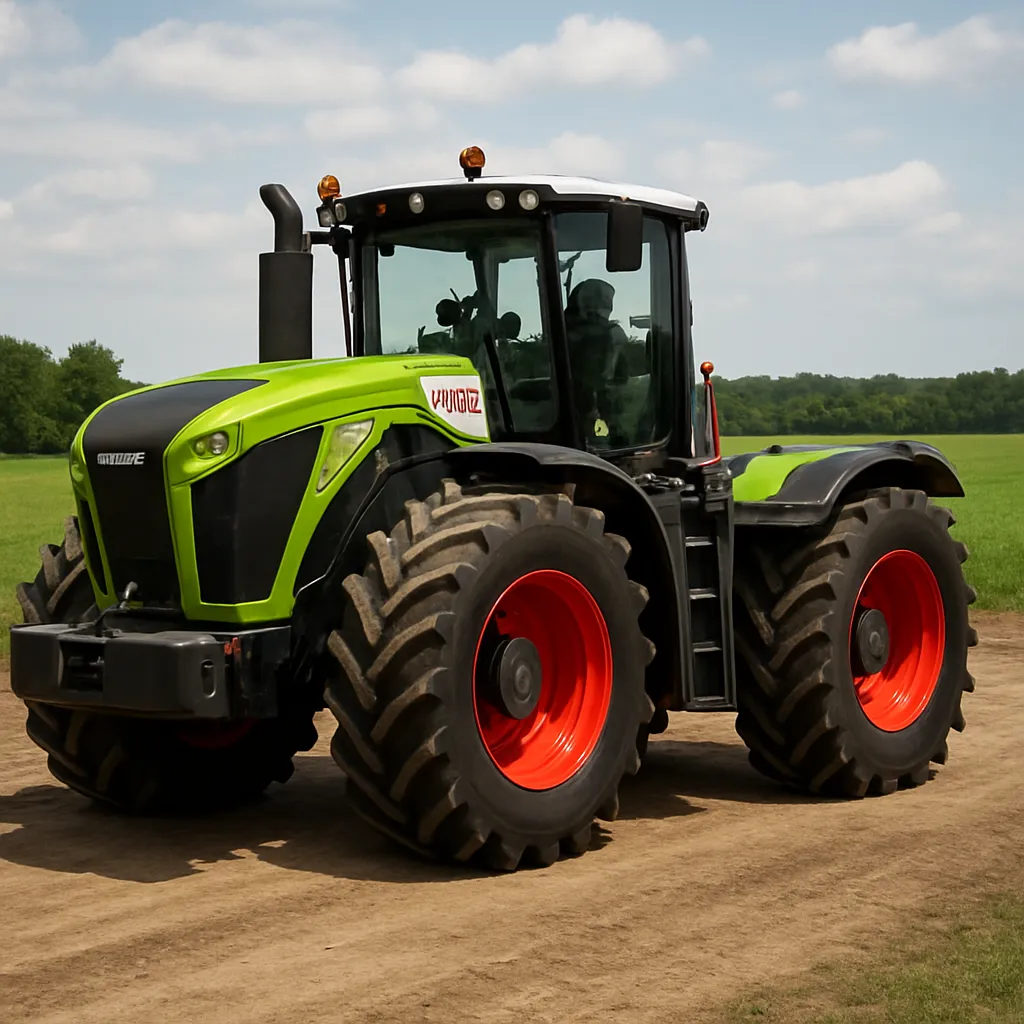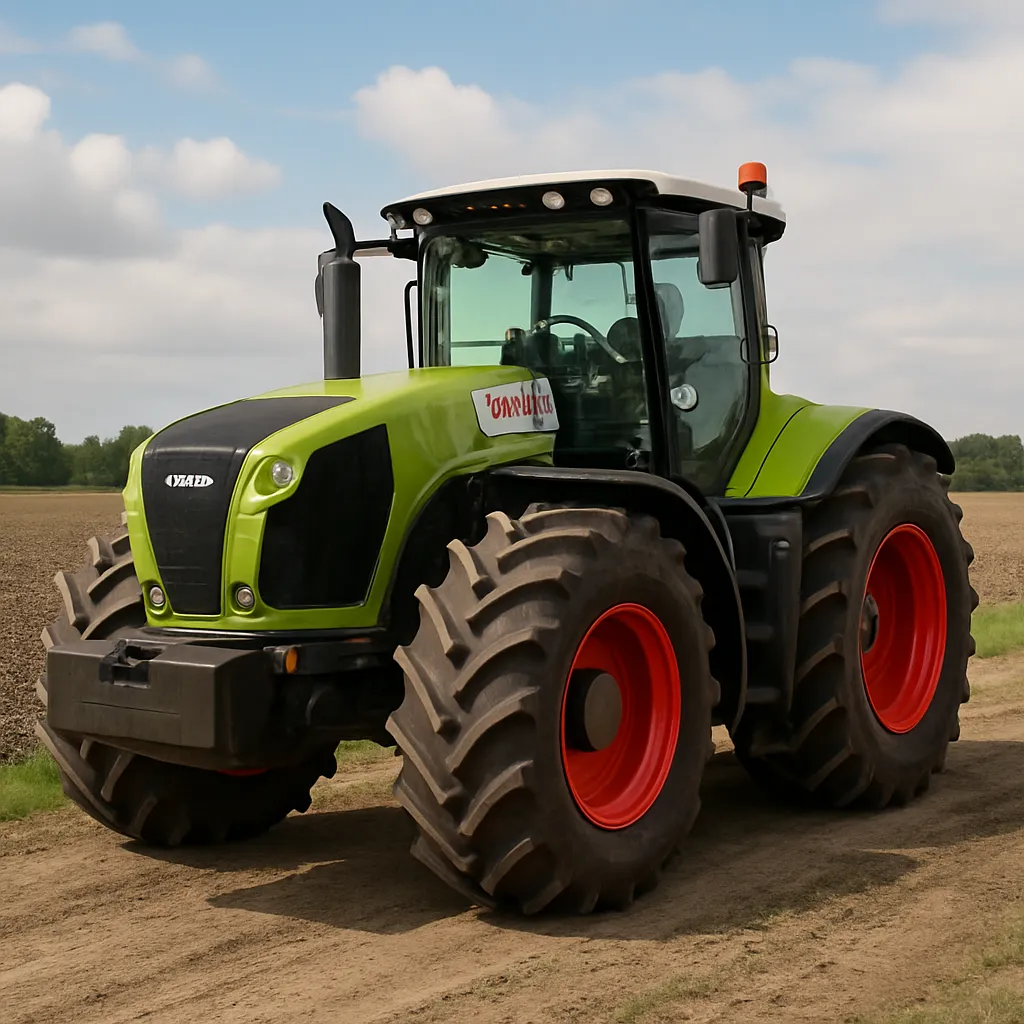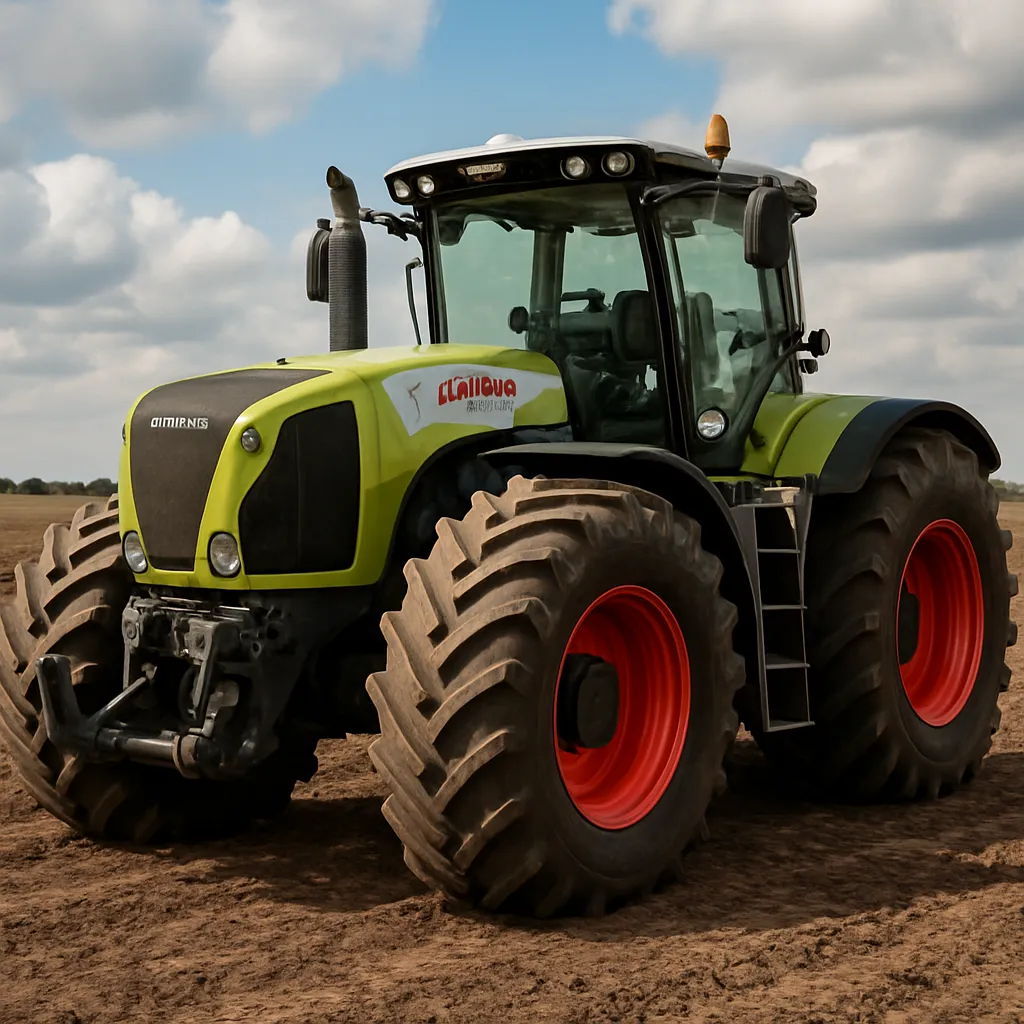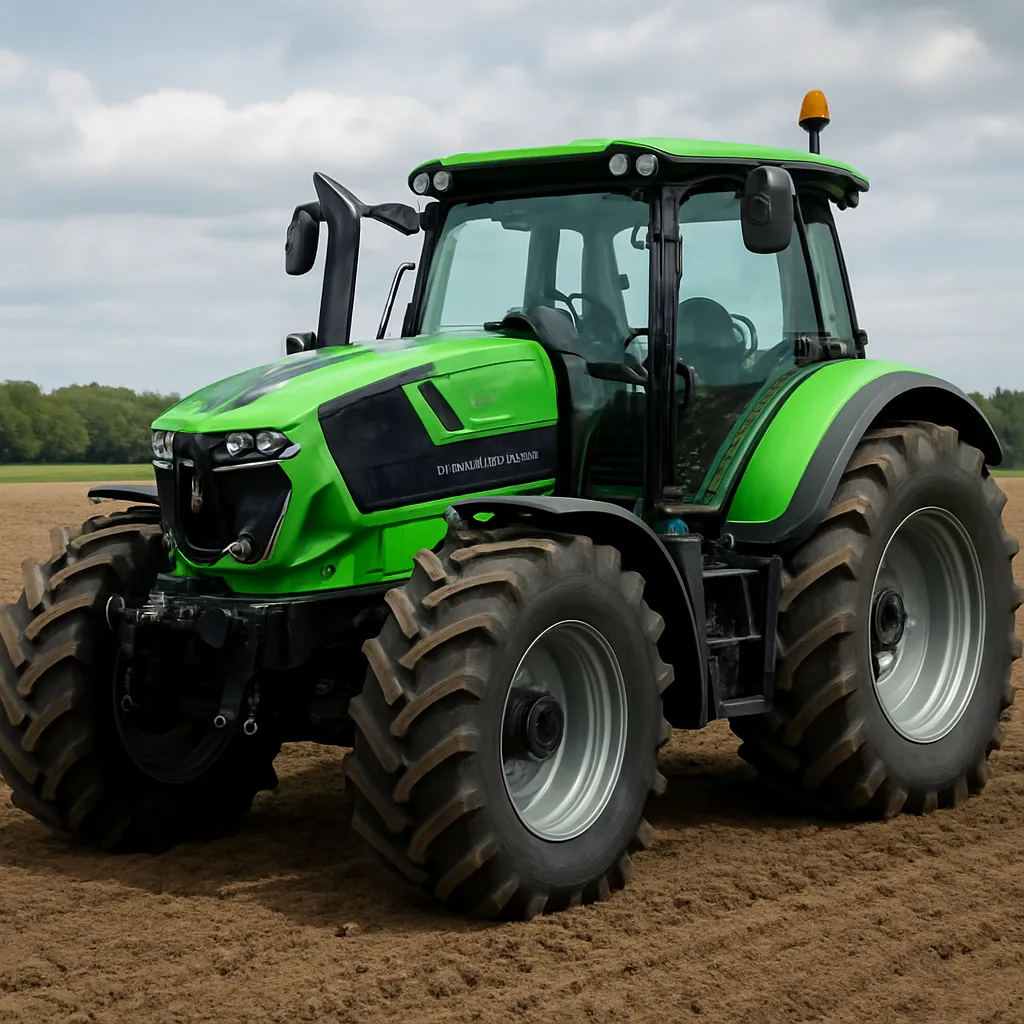
The Deutz-Fahr 6135 Agrotron is a versatile mid-range agricultural tractor known for balancing **power**, **efficiency**, and operator comfort. Designed to serve mixed farms, contractors, and specialized operations, this model combines the engineering heritage of Deutz-Fahr with features intended to maximize productivity across a broad set of tasks. Below you will find a detailed overview of its design, typical technical specifications, common applications, operational considerations, maintenance facts, and how it compares to other tractors in its class.
Overview and design philosophy
The 6135 Agrotron sits within Deutz-Fahr’s 6-series range and has been marketed as a machine that blends modern automotive-like ergonomics with robust agricultural functionality. The tractor’s design emphasizes a comfortable **cab**, intuitive controls, and a compact footprint that still delivers solid field performance. Deutz-Fahr engineers focused on making the 6135 adaptable: it can be fitted with a variety of power take-off (PTO) setups, hydraulic packages, and transmission choices so owners can tailor the machine to their specific operation.
Key elements of the design philosophy include:
- Operator comfort: spacious cab, good visibility, heated seats and ergonomic layout.
- Serviceability: accessible maintenance points to reduce downtime.
- Modularity: options for transmissions, hydraulics, and PTO to match tasks.
- Fuel efficiency and emissions compliance: engines tuned for modern standards while seeking to minimize operating costs.
Typical technical specifications and statistics
Specifications for the 6135 Agrotron can vary by year, market, and optional equipment. The values below represent common configurations and widely reported figures for this model family. Always consult the specific tractor’s data plate or dealer documentation for exact numbers.
Engine and power
The 6135 Agrotron is commonly associated with a rated engine power of about 135 hp (~100 kW). Engines in this power band are usually inline four-cylinder turbodiesels engineered by Deutz or SDF Group suppliers, offering a balance of torque and fuel economy suitable for both fieldwork and transport. Typical engine characteristics include:
- Rated power: approximately 130–140 hp.
- Engine type: 4-cylinder turbocharged diesel (common in this class).
- Torque curve optimized for low-rev pulling power and PTO-driven implements.
- Emissions package: features meeting Euro stage/ Tier standards relevant to the year of manufacture.
Transmission and drive
The 6135 Agrotron has been offered with different transmission options to suit farming preferences and productivity goals. Available transmissions often include:
- Manual or semi-powershift gearbox variants for proven efficiency.
- Fully synchronized ranges allowing smooth shuttle operations in headland turns.
- Road speeds commonly up to 40–50 km/h depending on gearing and regional limits.
Hydraulics, PTO and lifting capacity
Hydraulic systems on this class of tractor are designed to support modern implements. Typical specs include:
- Hydraulic flow: commonly in the range of about 60–110 L/min depending on pump configuration and optional load-sensing systems.
- Rear linkage (lifting) capacity: often between 4,000 and 6,000 kg at the lift arms—adequate for heavy implements such as large seed drills, ploughs and mounted harvest attachments.
- PTO options: standard 540 rpm, and often 540E or 1000 rpm choices for implements requiring different speeds.
Weight, dimensions and fuel capacity
For operational planning, the following ranges are representative for a 6135-class tractor:
- Operating weight: typically around 4,000–5,000 kg depending on configuration, ballast and options.
- Wheelbase and overall dimensions: compact enough for headland maneuvering yet stable in the field.
- Fuel capacity: commonly in the 150–220 liter range to support long working days without frequent refuelling.
Fields of application and practical uses
The Deutz-Fahr 6135 Agrotron is aimed at operators needing a dependable mid-power tractor capable of handling diverse tasks. Typical applications include:
Arable farming
In cereal, oilseed and pulse production, the 6135 serves as a workhorse for:
- Tillage: pulling cultivators, discs and reversible ploughs (especially in 2–4 furrow configurations).
- Seeding and planting: powering seed drills, planters and fertilizer applicators with consistent PTO and hydraulic support.
- Crop protection and spraying: carrying booms or towing sprayer units, with hydraulic and electrical interfaces for modern sprayer controls.
Livestock and mixed farms
On livestock farms, flexibility is key. The 6135 is used for:
- Bedding and feed mixing: running feed mixers and handling silage wagons.
- Manure handling: towing spreaders, slurry tankers or operating mounted spreader pumps via PTO.
- Material handling: with front loaders for bale stacking, pallet movement, and general yard work.
Specialist contracting and municipal work
Contractors and municipal services benefit from the 6135’s mix of power and maneuverability. Typical contractor uses include:
- Small-scale earthmoving: towing trailers, rollers and seeders over varied terrains.
- Roadside and verge maintenance: powering flail mowers and other implements.
- Winter services: where fitted, many tractors in this class can mount snow blowers or ploughs and provide reliable winter patrols.
Operator environment and ergonomics
One of the selling points of Deutz-Fahr tractors is the emphasis on operator comfort. The 6135 Agrotron typically offers:
- A well-insulated cab designed to reduce noise and vibration for longer comfortable shifts.
- Good outward visibility with large glazed areas and optimized mirror positioning—important for loader work and when reversing with implements.
- Ergonomic control layout: easy-to-reach levers, multifunction joysticks for loader and hydraulic control, and optional electronic controls for advanced implement management.
- Climate control (air conditioning and heating) to maintain comfort in varied climates.
Maintenance, running costs and reliability
Running costs and maintenance profiles are key considerations for buyers. The 6135 Agrotron benefits from several factors that influence operating economy and longevity:
Service intervals and ease of access
Routine service intervals depend on use and local conditions, but Deutz-Fahr tractors typically feature accessible service points for oil, filters, and cooling system checks. Daily checks of fluid levels, filters and general condition are recommended to avoid downtime during peak seasons.
Fuel consumption and efficiency
Fuel consumption will vary with task intensity, implement type, and operator behavior. In mixed use, average consumption figures for a tractor in the 120–140 hp class often fall within a moderate range that supports long operating days without excessive refuelling. The engine and transmission options are tuned to offer a balance between fuel economy and tractive performance.
Reliability and resale value
Deutz-Fahr has built a reputation for durable equipment, and the 6135 often benefits from that brand recognition. Factors affecting reliability and residual value include maintenance history, hours of operation, and regional dealer support. Good record-keeping and adherence to service schedules preserve value and performance over the machine’s lifetime.
Performance in the field and user feedback
Feedback from operators of tractors in the 6135 class commonly highlights a few recurring themes:
- Strong mid-range torque useful for draft work and heavy PTO loads.
- Comfortable cab making full-day operations less fatiguing.
- Transmission choices that suit both headland-intensive work and road transport.
- Good hydraulic capacity when equipped with optional pumps and load-sensing systems.
Independent field reports and operator reviews often emphasize practical outcomes, such as consistent seed placement under a planter, reliable depth control for tillage, and effective load handling when working with mounted front loaders. Like any tractor, performance is optimized when matched with the correct implements and when maintained properly.
Comparisons and market position
In the market, the 6135 Agrotron competes against other mid-range tractors from major manufacturers offering similar horsepower bands and functionality. Buyers typically compare:
- Fuel and operating costs per hour.
- Available dealer and service network for prompt parts and support.
- Cab comfort and optional technology packages (GPS, ISOBUS compatibility, telematics).
- Resale values and total cost of ownership over 5–10 years.
Deutz-Fahr often positions the 6135 as a value proposition for operators who want a modern cab, solid hydraulics and a good balance between field performance and road travel. Optional electronic and precision farming packages make it possible to equip the tractor for advanced agronomic practices such as variable-rate applications and automated guidance systems.
Optional equipment and modernization
Many 6135 units are sold with optional equipment that enhances productivity:
- GPS guidance and auto-steer systems: reduce overlap, save fuel and inputs, and improve precision seeding and spraying.
- ISOBUS-compatible terminals: simplify implement control and data exchange across different manufacturers’ implements.
- Enhanced hydraulic packages: additional valves, higher-flow pumps and programmable spool valves for demanding implements.
- Front loaders and integrated counterweights: for efficient material handling and balanced lifting performance.
Buying considerations and total cost of ownership
When evaluating a 6135 Agrotron purchase, consider the following:
- Match the tractor’s PTO and hydraulic capacity to the implements you plan to use most often.
- Factor in fuel economy and service intervals to estimate running costs per year.
- Check local dealer support, availability of parts, and warranty coverage—these materially influence downtime risk.
- Consider resale trends in your region; tractors with precision farming packages and well-documented service histories generally retain value better.
Environmental and regulatory context
Engines in the 6135 class have been updated over time to meet evolving emissions standards. Buyers should be aware of local emissions regulations (such as EU Stage or EPA/Tier levels) and whether additional after-treatment systems (DOC, DPF, SCR) are present on a given tractor. These systems help reduce particulate and NOx emissions, but they may also influence maintenance intervals and operating procedures.
Conclusion
The Deutz-Fahr 6135 Agrotron represents a practical, comfortable, and adaptable mid-range tractor suited to a wide array of agricultural tasks. Its strengths lie in a balanced combination of **power**, **operator comfort**, and flexible configurations that allow it to be tailored to arable, livestock, and contracting work. While exact specifications vary by year and options, typical figures such as around 130–140 hp, robust hydraulic capacity, and a lifting capacity suitable for heavy implements make the 6135 a competitive choice in its class. Proper matching to implements, regular maintenance, and attention to the available technology packages can optimize its utility and total cost of ownership for many farming operations.