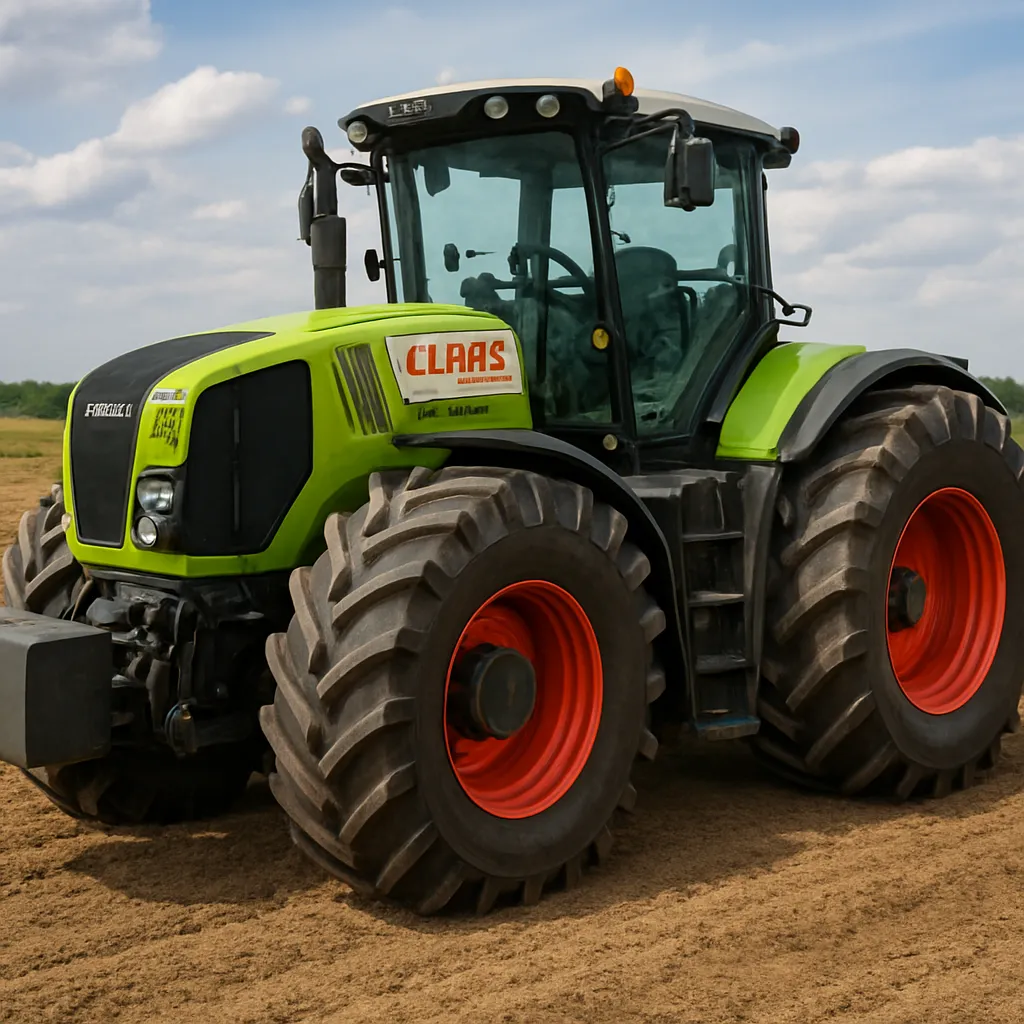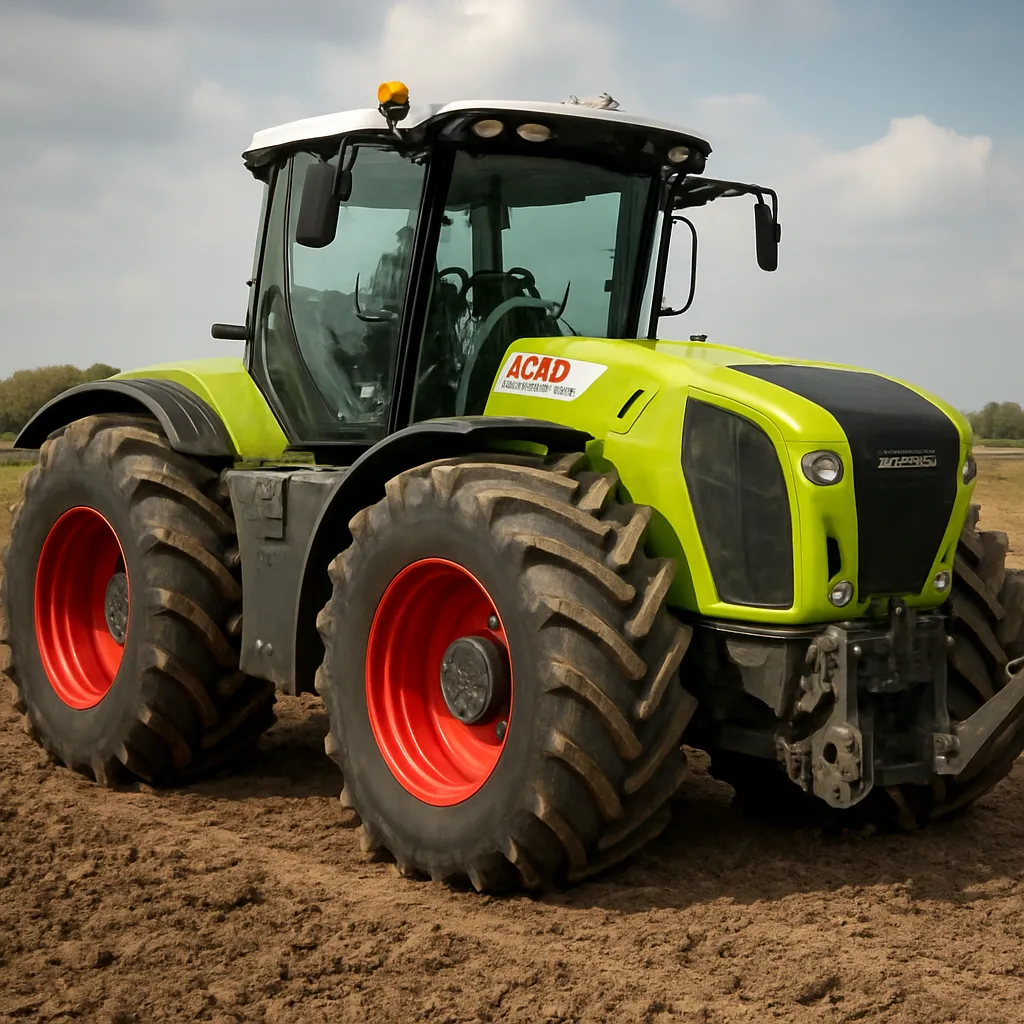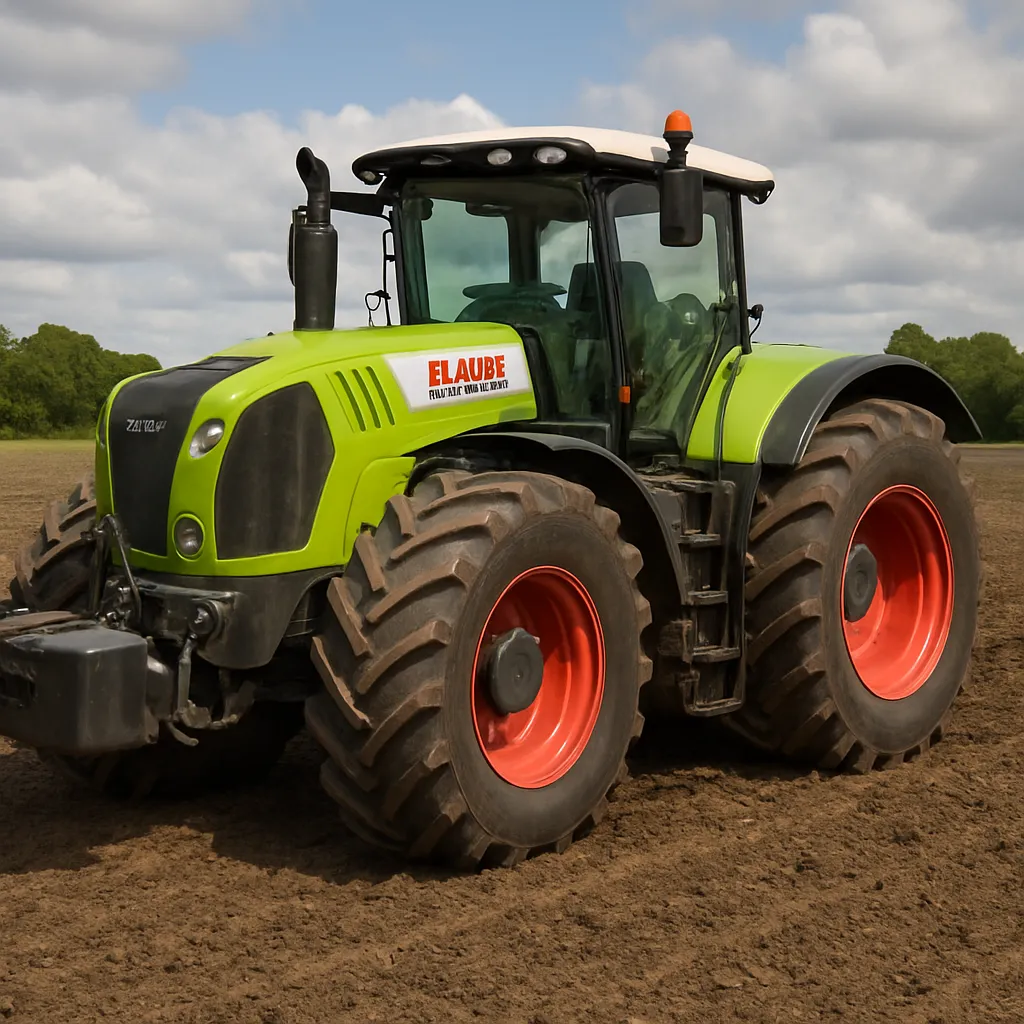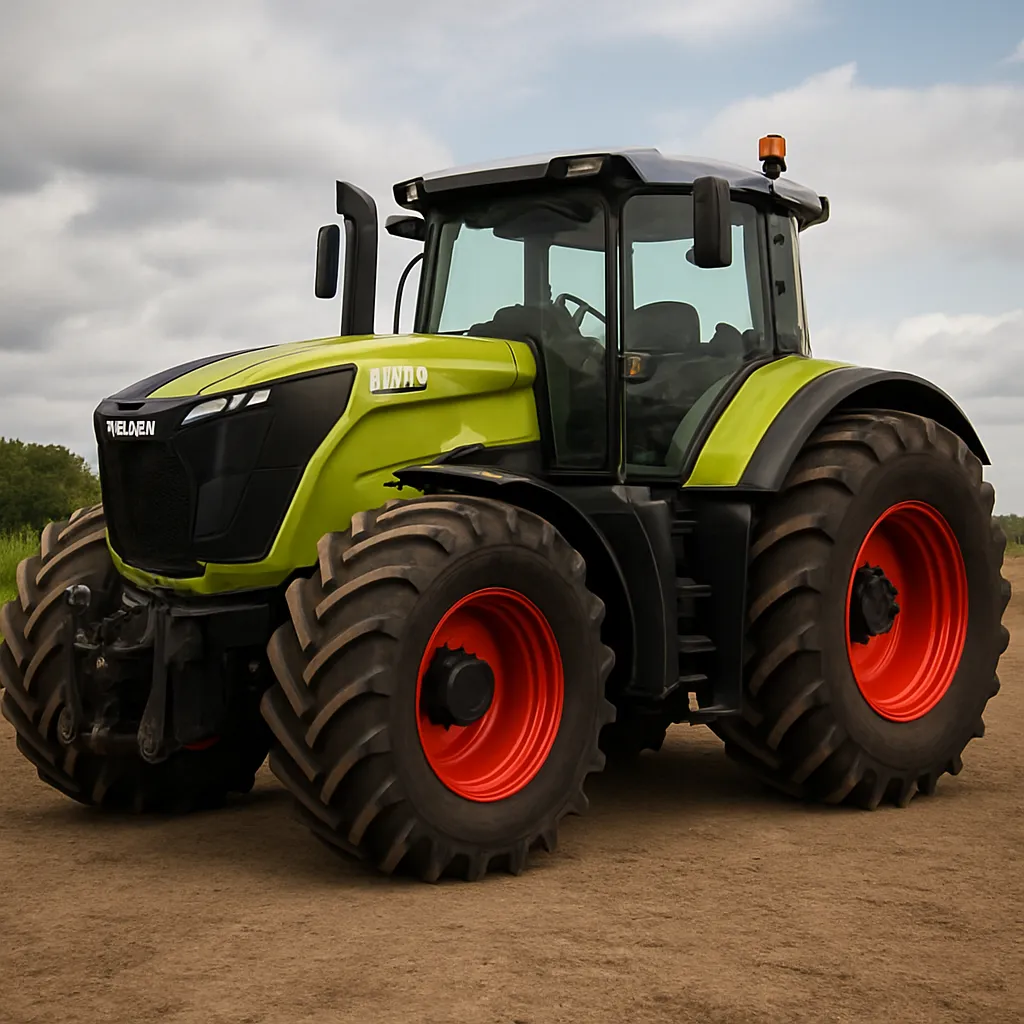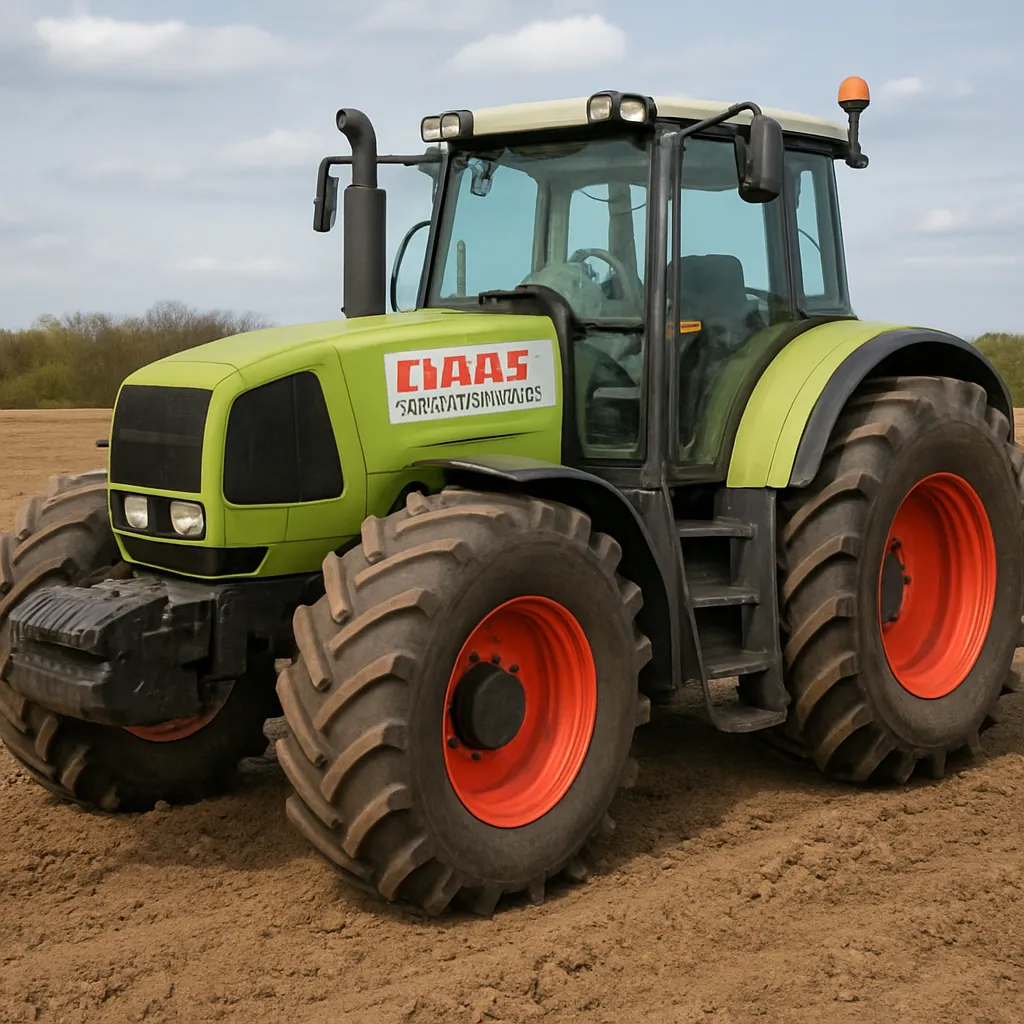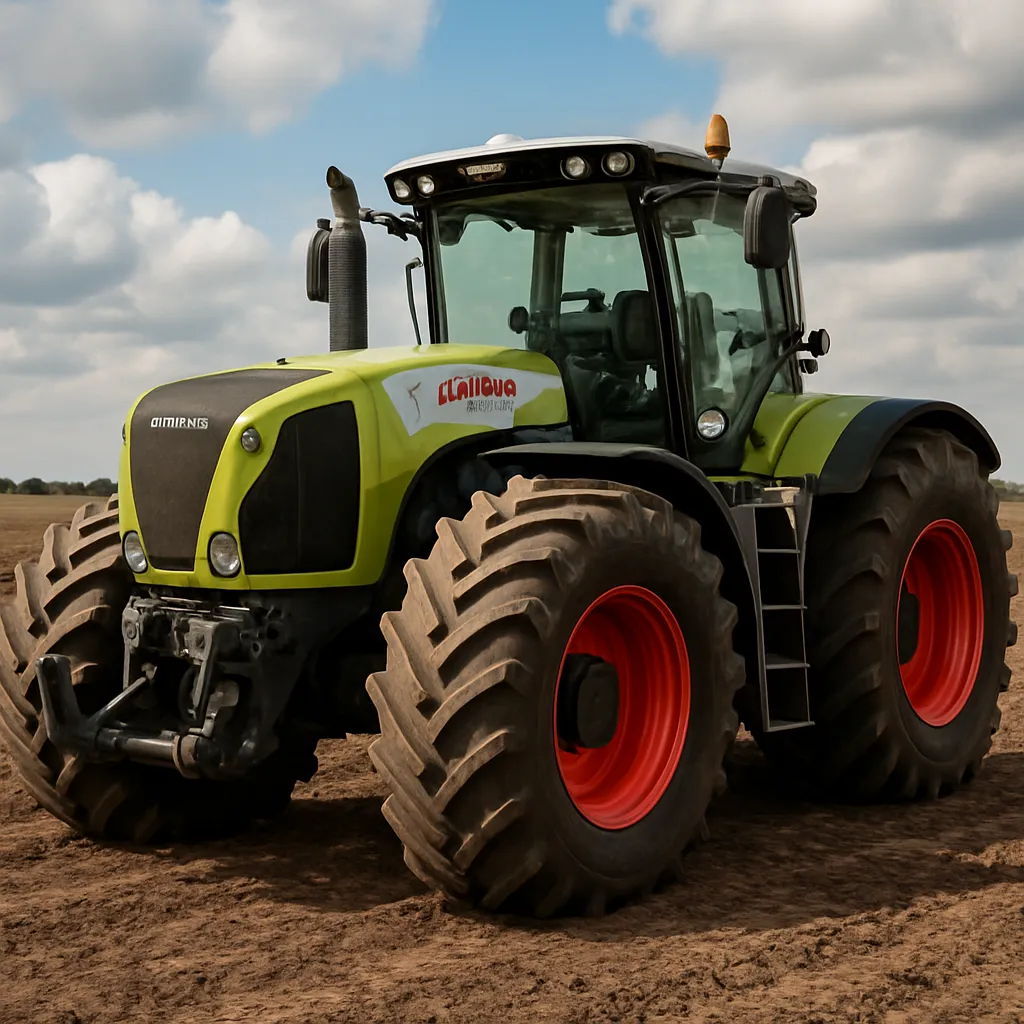
The Claas Xerion 3800 Trac VC is a high‑capacity, multi‑purpose agricultural tractor designed for large farms, contractors and operators who need a blend of raw power, versatility and long‑range comfort. Combining a robust drivetrain, advanced hydraulics and cab features tailored for long shifts, the Xerion 3800 occupies a place among the largest conventional tractors on the market. The following article explores its design, typical specifications, real‑world uses and operational considerations, as well as some practical tips for buyers and operators.
Design and technical characteristics
The Claas Xerion 3800 Trac VC is built around a heavy‑duty chassis and a central cab position that optimizes weight distribution and visibility. Its engineering emphasizes traction, stability and the ability to handle large mounted or trailed implements with minimal compromise on field performance or road travel. Key design elements include a powerful engine package, a stepless transmission, strong hydraulics and an adaptable steering system.
Engine and drivetrain
- Engine power: The model designation 3800 corresponds to a tractor in the roughly 360–400 horsepower class. Typical ratings for the Xerion 3800 family place nominal power in the vicinity of around 380 hp, depending on market tuning and emissions package.
- Torque and drivability: Large displacement diesel engines delivering high torque at low rpm are standard, emphasizing pull‑through performance for deep tillage or heavy transport. The engine is optimized for sustained loads rather than short bursts of power.
- Transmission: The Xerion 3800 generally uses a stepless, continuously variable type driveline that allows smooth speed changes and efficient power delivery. This enables precise speed control for tasks such as slurry application, seeding or when using hydraulic‑driven implements.
- Axles and steering: Full four‑wheel drive and multiple steering modes (including two‑wheel, four‑wheel and crab steering) are typically available. These systems improve maneuverability on headlands, support high speeds on road transport and reduce tyre steering scrub during tight turns.
Hydraulics, PTO and linkage
- Hydraulic capacity: High‑flow hydraulic systems capable of supporting multiple remote valves and high‑flow implements are a hallmark. Flow rates in this class typically approach or exceed 200 l/min on demand, providing responsiveness for large planters, sprayers and mounted variable‑rate equipment.
- PTO options: Rear PTO is standard for connection to a wide range of implements; depending on configuration, front PTOs and additional PTO speeds or options for heavy front attachments may be available.
- Linkage capability: Strong front and rear linkage systems with high lift capacities enable the tractor to handle heavy mounted implements. Lift capacities on tractors in this class are commonly in the multiple‑tonne range (for example, around 10,000 kg or more depending on configuration), allowing safe operation with large seed drills, ploughs or rear‑mounted tanks.
Chassis, tyres and tracks
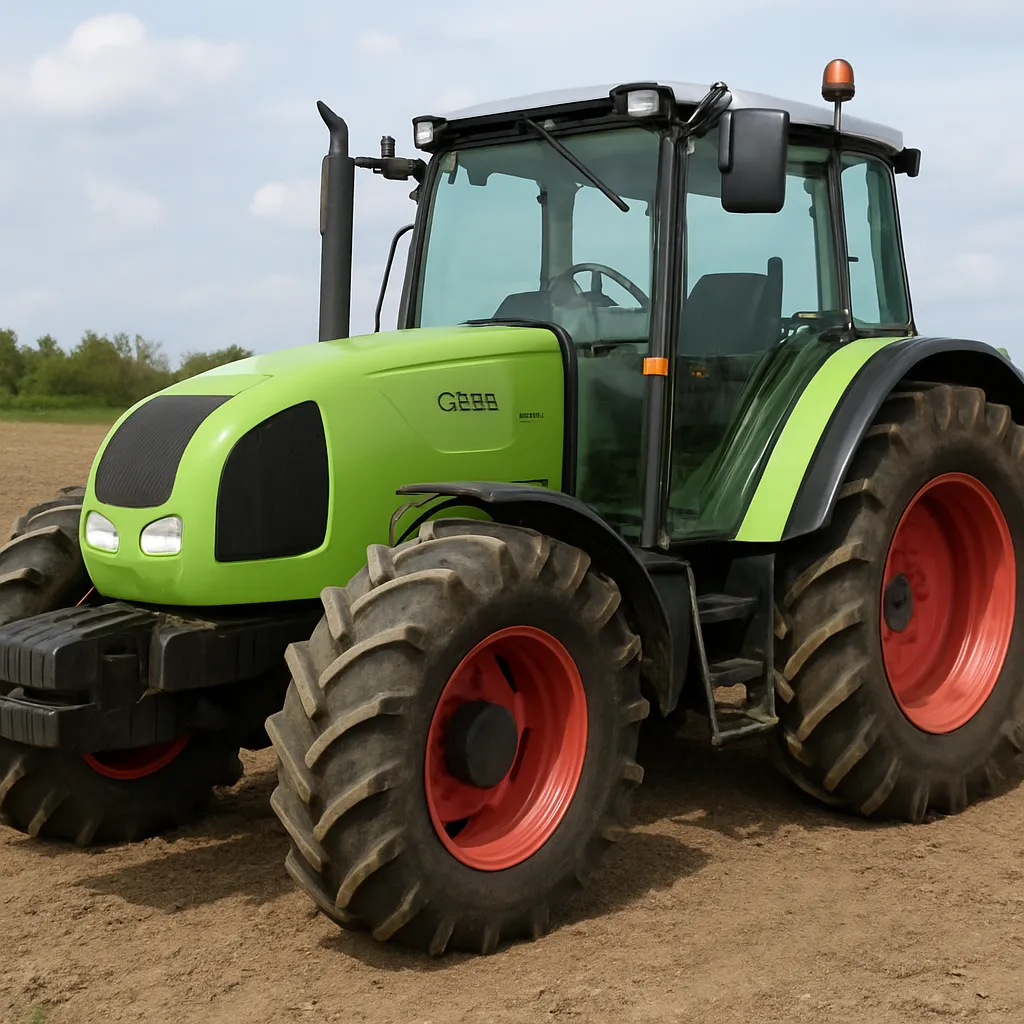
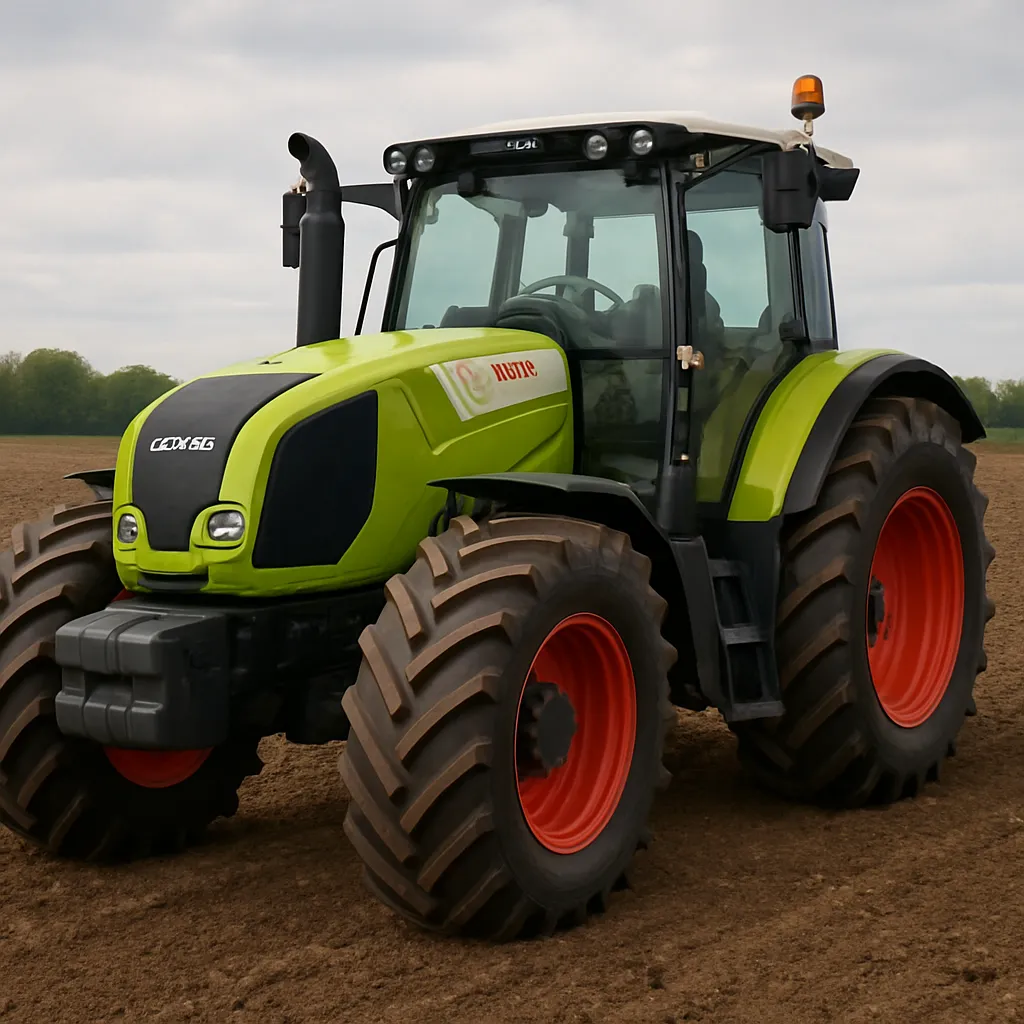
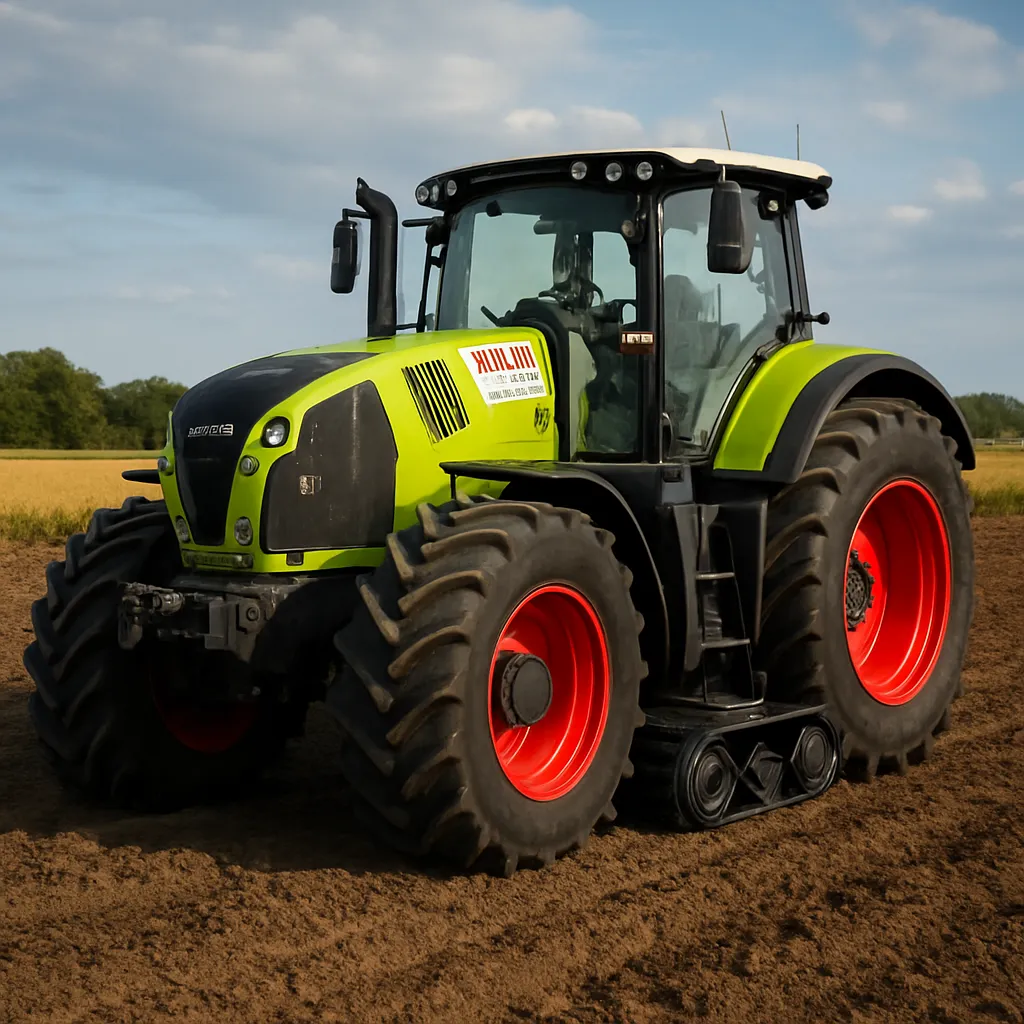
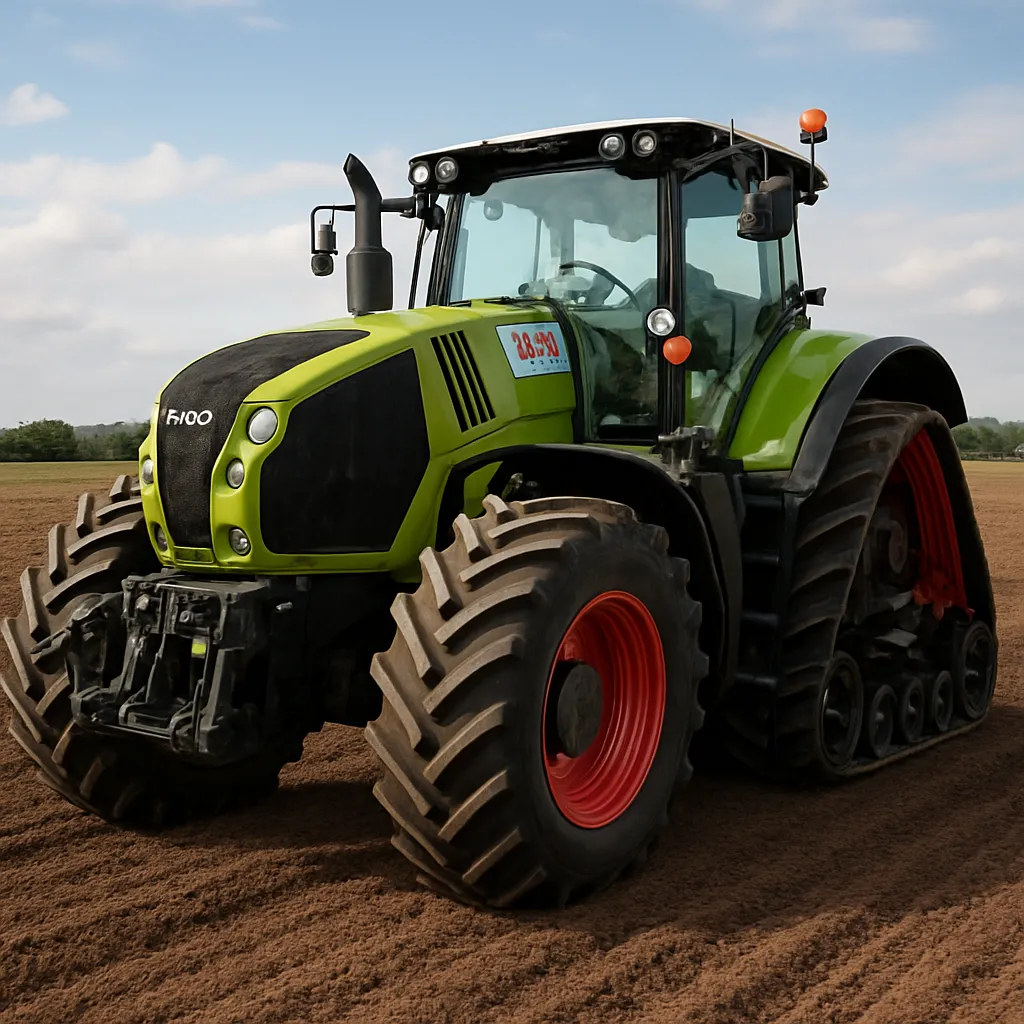
The Xerion 3800 can be equipped with a variety of tyre configurations or even track systems to suit soil protection or traction requirements. Wide tyres or dual wheel setups help reduce ground pressure, while track options improve traction and flotation further for extremely wet conditions or heavy draft work. The heavy chassis is designed for high drawbar pull and low‑speed torque delivery, making it suitable for large‑scale primary tillage.
Applications and field performance
The Xerion 3800 Trac VC is targeted at farms and contractors who require a tractor able to perform a wide range of heavy tasks across the calendar year. Its size and capabilities make it particularly useful for operations where a single powerful tractor must replace multiple smaller machines or where very large implements are in regular use.
Primary field work
- Tillage: Deep ploughing, heavy cultivations and primary tillage with large multi‑furrow ploughs are typical tasks. The tractor’s torque and traction allow it to pull wide implements efficiently.
- Seeding and drilling: Large seed drills and coulter systems benefit from the steady forward speeds and high hydraulic capacity for precision seed placement and metering systems.
- Spraying and fertilization: When coupled with large trailed sprayers or fertilizer applicators, the Xerion supports wide working widths and fast transit between fields.
Transport and haulage
A benefit of high‑power tractors is the ability to transport heavy trailers and tankers at higher road speeds while maintaining control and safety. The Xerion 3800 often serves as a prime mover for fuel, grain, silage transport or for contractors moving equipment between sites. Road comfort, braking systems and high‑speed gear ratios contribute to efficient transport duties.
Specialist uses
- Forestry and biomass: With proper tyres or tracks and protective kits, the tractor can handle biomass trailers, wood chip transport and other forestry tasks.
- Snow clearing and municipal works: In areas with heavy winter service demands, the Xerion’s hydraulic power and front linkage options allow it to be fitted with large snow blades and blowers.
- Contracting and hire fleets: Contractors who must cover multiple tasks benefit from the tractor’s multi‑role capability, especially where field size and workload justify a high‑power machine.
Comfort, controls and operator environment
Long shifts and repetitive operations place a premium on operator comfort and ergonomics. Claas has engineered the Xerion 3800 cab and controls to reduce fatigue, improve visibility and enhance productivity during extended working periods.
Cab design and visibility
- Central cab mounting: Many Xerion models feature a centrally located cab that improves balance and gives the operator excellent sightlines to both front and rear implements. This design aids hookup, monitoring and safe road transport.
- Comfort features: Air‑suspended seats, climate control, noise insulation and vibration damping are typically included, making hours in the field less fatiguing.
- Lighting and camera systems: Powerful LED working lights and optional camera systems help monitor wide implements and increase safety during night operations or poor visibility.
Controls, electronics and connectivity
Modern Claas tractors integrate advanced electronics to simplify operations and improve precision.
- ISOBUS compatibility: The Xerion platform generally supports ISOBUS, allowing direct communication with compatible implements for section control, variable rate control and data logging.
- Precision farming readiness: Guidance systems (RTK, satellite correction) and telematics options enable precise steering, reduced overlaps and integration with farm management software.
- Ergonomics: Multifunction joysticks and logically arranged controls reduce the number of movements required by the operator, making implement control more intuitive.
Operational economics and maintenance
Investing in a high‑power tractor like the Xerion 3800 requires consideration of fuel efficiency, uptime, servicing intervals and residual value. While capital cost is significant, strategic use and proper maintenance can make such a machine economical for large‑scale operations.
Fuel efficiency and uptime
- Fuel consumption: Heavy‑duty tractors consume substantial fuel under load. Fuel efficiency depends on duty cycle, field conditions and implement size. Operators typically optimize economy by using the stepless transmission and engine management systems to run at efficient rpm ranges.
- Serviceability: Accessible service points, long service intervals for some components and dealer networks for parts and diagnostics help maintain uptime. Claas provides integrated diagnostics to speed troubleshooting.
- Lifecycle and resale: Well‑maintained large tractors generally retain value in markets where demand for high‑power tractors exists. Service history and outfitting (e.g., precision equipment, tyre/track configuration) influence resale value.
Costs and return on investment
Key factors affecting ROI include:
- Farm scale: The larger the hectareage or the greater the contractor workload, the quicker a high‑power tractor can pay back through increased efficiency and fewer machine hours across multiple smaller tractors.
- Utilization: Maximizing annual hours by using the tractor for transport, cultivation, planting and seasonal tasks spreads fixed costs across more productive hours.
- Customization: Equipping the tractor with the right tyres, tracks and hydraulics for the primary tasks improves fuel use and reduces wear on components.
Safety, environmental and regulatory aspects
Large tractors must meet stringent safety and emissions standards. Manufacturers like Claas design these machines to comply with regional regulations while offering features that help operators reduce environmental impact.
- Emissions compliance: Engines meet current Tier/Stage emissions limits applicable in their sales regions through exhaust aftertreatment systems and electronic engine management.
- Operator safety: Robust rollover protection, effective lighting, and visibility enhancements reduce accident risk. Electronic stability and brake systems improve control during road travel.
- Soil protection: Wide tyres, dual wheels and track options reduce ground pressure and soil compaction risks. Proper tyre selection and ballast management are crucial to preserve soil structure, especially under heavy implements.
Practical considerations for operators and buyers
Choosing a Xerion 3800 or similar high‑power tractor means matching machine capability to operational needs. Below are practical suggestions that help maximize value and longevity.
Matching machine to tasks
- Assess workload: Consider the widest implement you regularly use and whether the tractor’s power and hydraulic flow are sufficient for consistent field speeds.
- Tyre/tracks selection: Choose flotation tyres or tracks for soft soils and heavy draft operations to reduce compaction and improve traction.
- Implements and electronics: Standardize on ISOBUS‑compatible implements and precision guidance systems to reduce operator input and lower overlaps.
Maintenance tips
- Scheduled servicing: Follow manufacturer intervals for oil, filters and driveline checks; proactive maintenance prevents downtime.
- Hydraulic care: Keep hydraulic fluid clean and monitor for contamination—large hydraulic systems rely on fluid quality for reliable performance.
- Software updates: Keep engine and implement electronics up to date to benefit from refinements in efficiency and diagnostics.
Summary and outlook
The Claas Xerion 3800 Trac VC represents a class of tractor designed for large operations where high power, versatility and operator comfort are essential. Its strengths are most apparent in heavy tillage, large‑area seeding and spraying, and in contracting work where moving heavy loads safely between sites is frequent. Modern electronics, ISOBUS compatibility and precision farming readiness make it suitable for operations focused on productivity and data‑driven decisions.
For prospective buyers the decision to invest should be driven by operational scale, utilization rates and the availability of service and parts. When deployed correctly, tractors like the Xerion 3800 can reduce the need for multiple machines, lower labour hours per hectare and increase the efficiency of large‑scale agricultural enterprises.
Highlighted capabilities
- High torque and continuous power delivery for heavy draft tasks.
- Stepless transmission for precise speed control and fuel efficiency.
- Advanced hydraulics and ISOBUS support modern implements and precision farming.
- Multiple steering modes for improved maneuverability and reduced soil damage.
- Comfortable, well‑equipped cab for long workdays and high operator productivity.
Note: Specific technical figures (power ratings, hydraulic flows, lifting capacities and weights) vary by model year, regional configuration and optional equipment. Buyers should consult local Claas dealers or technical documentation for the precise specifications applicable to the Xerion 3800 Trac VC offered in their market.