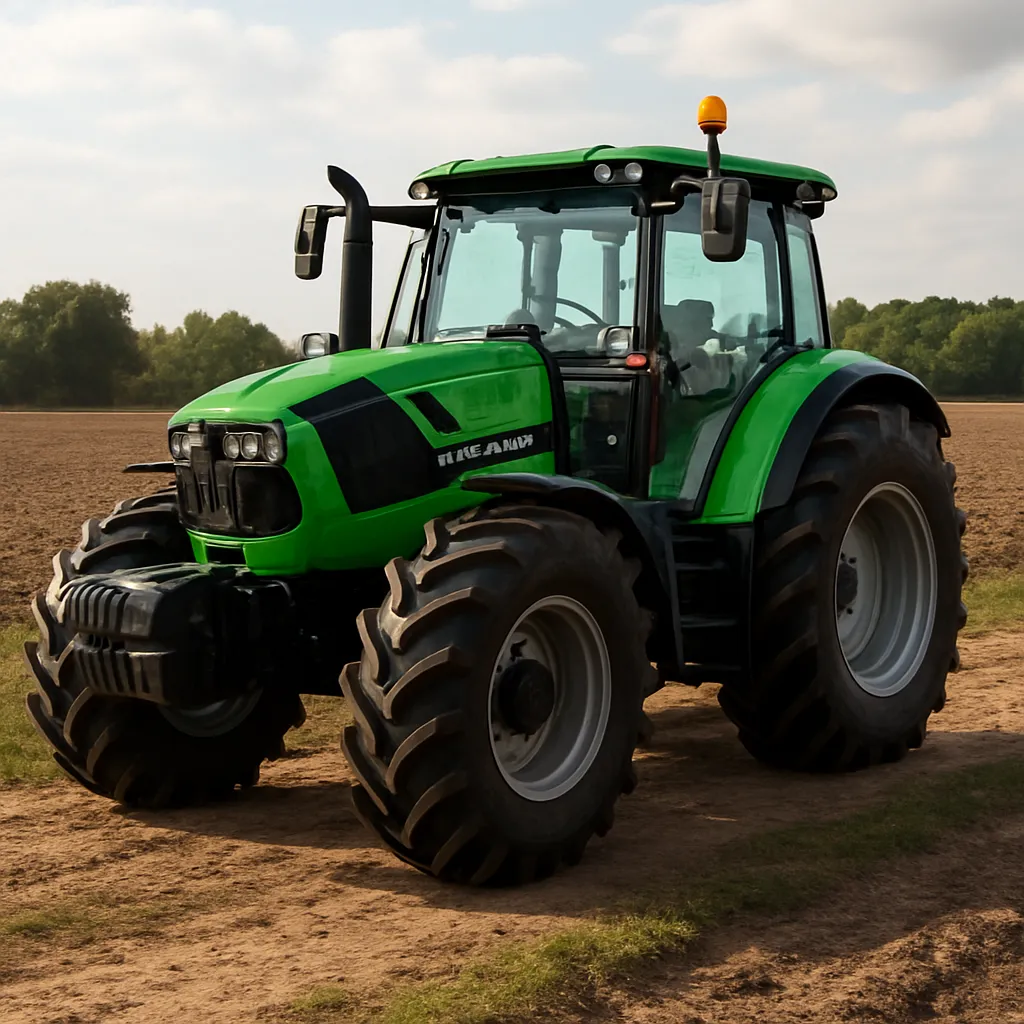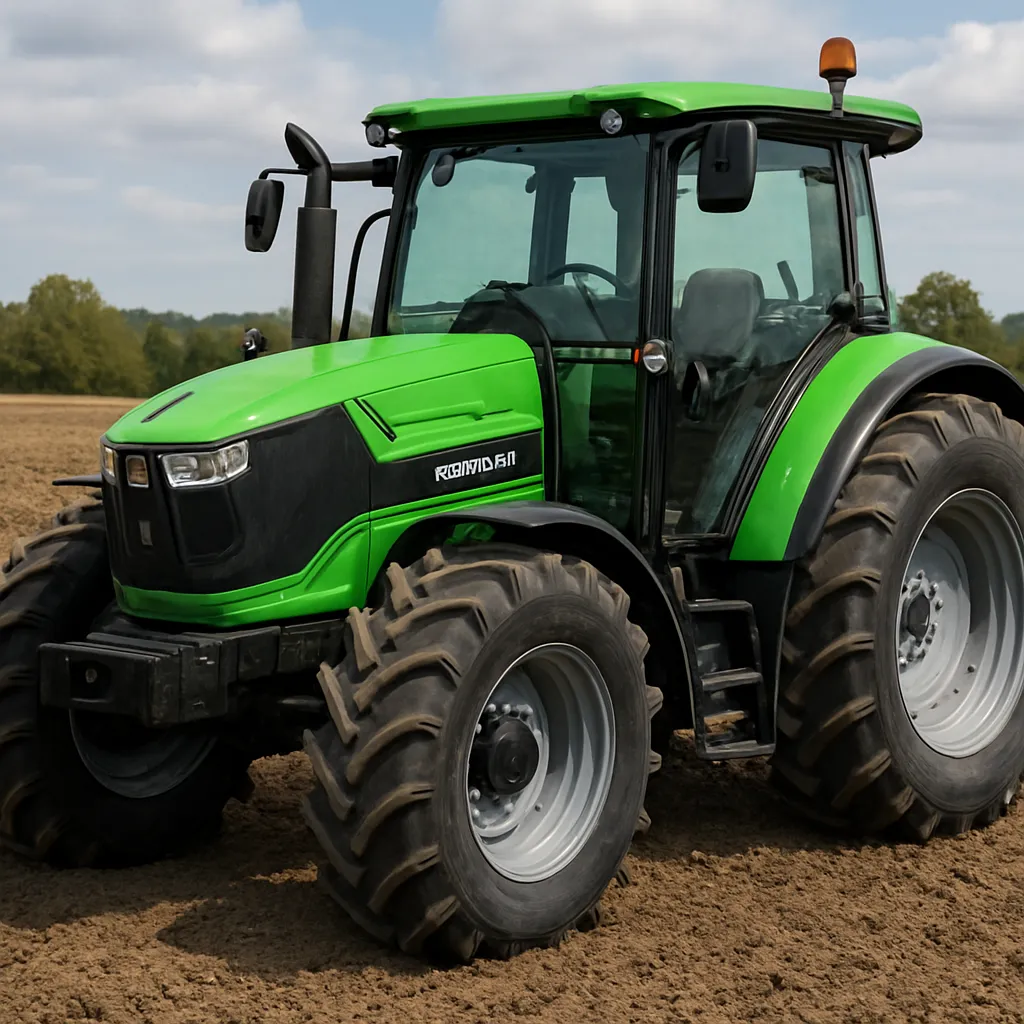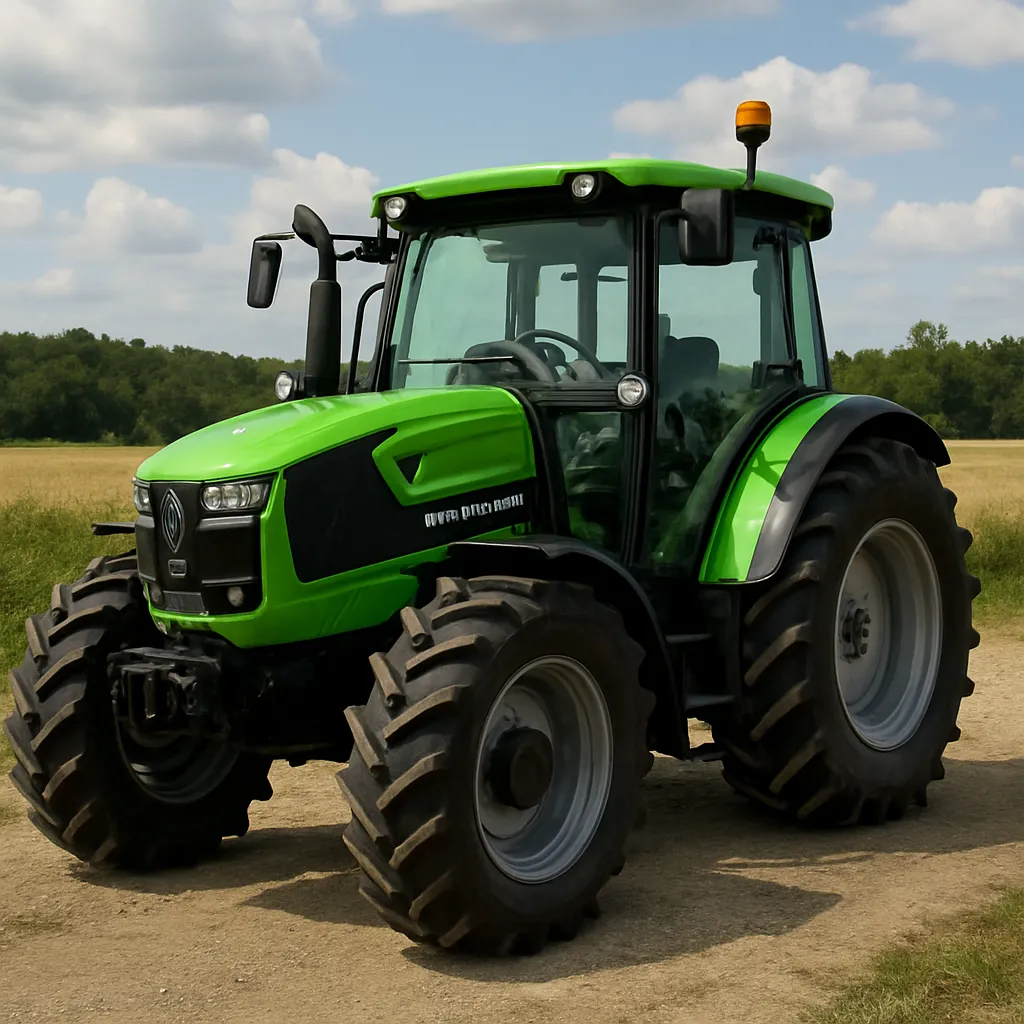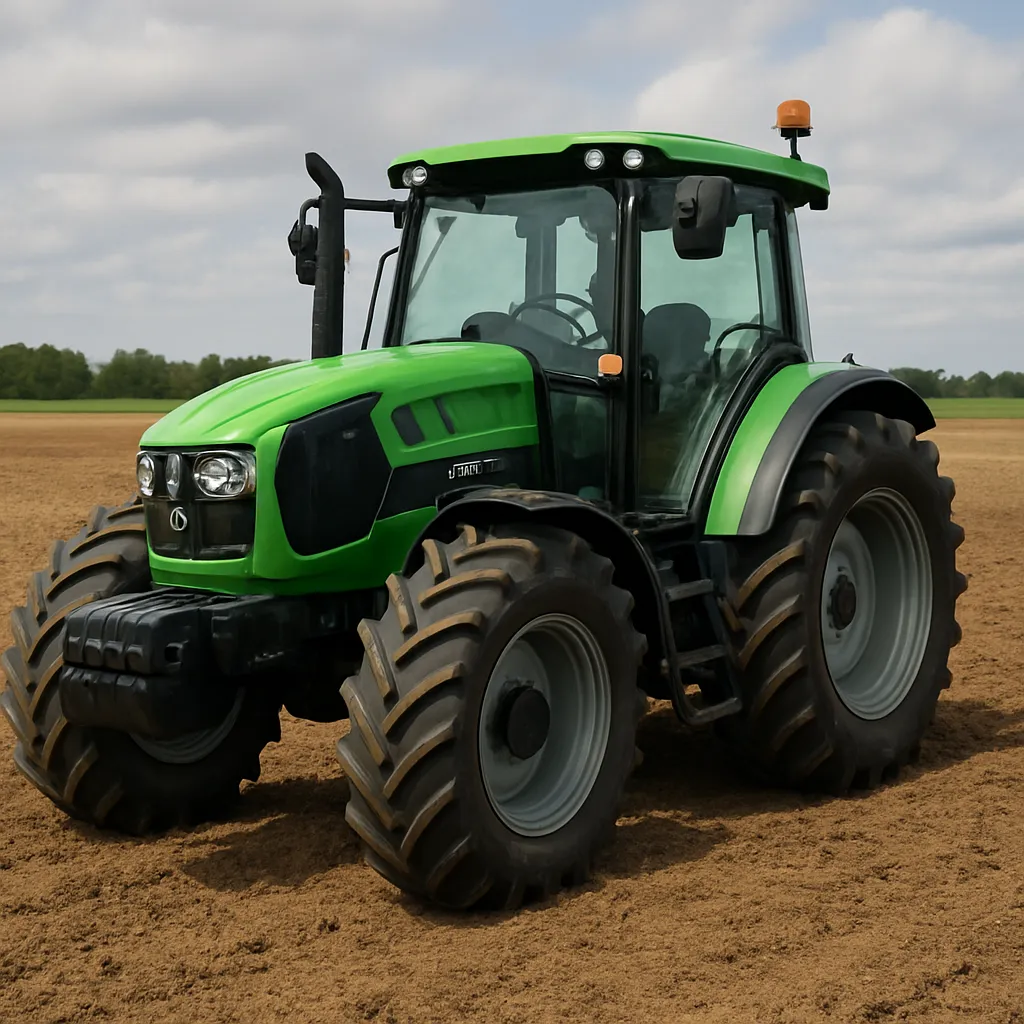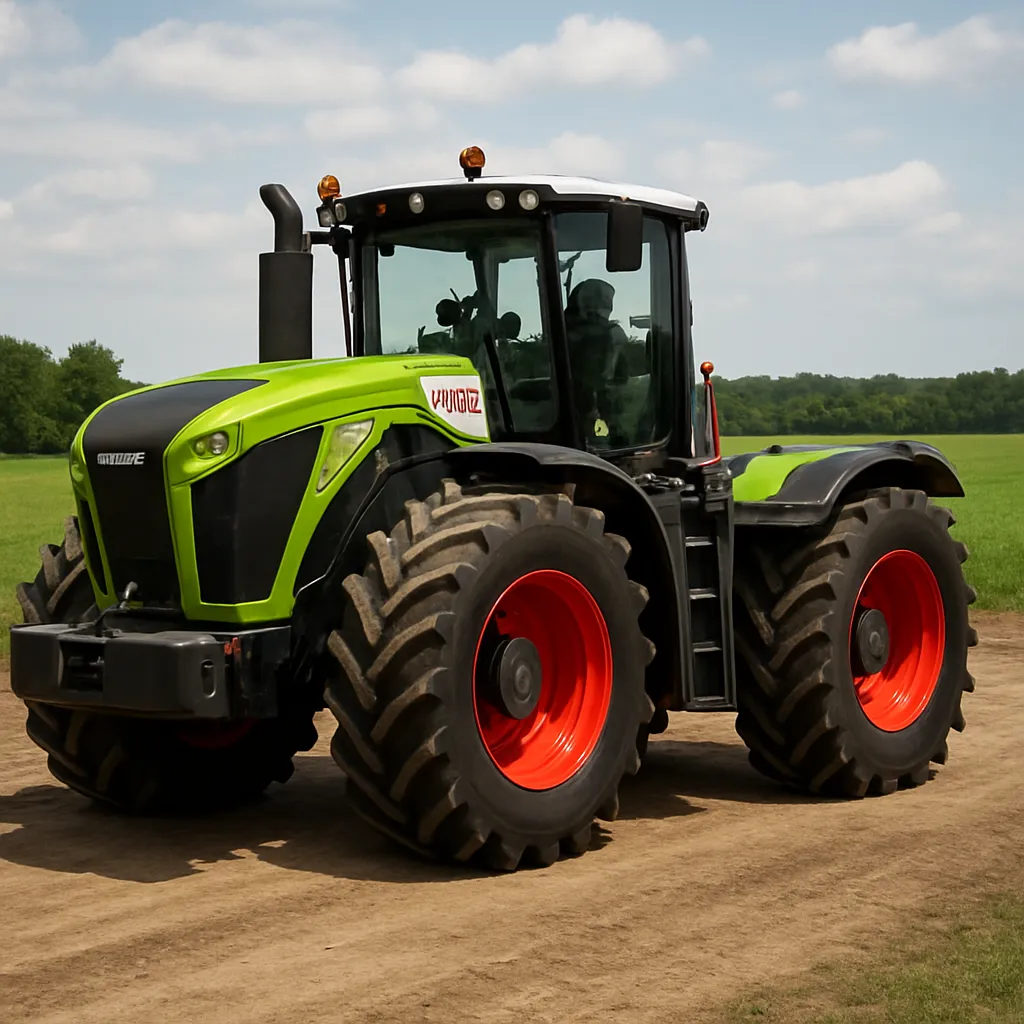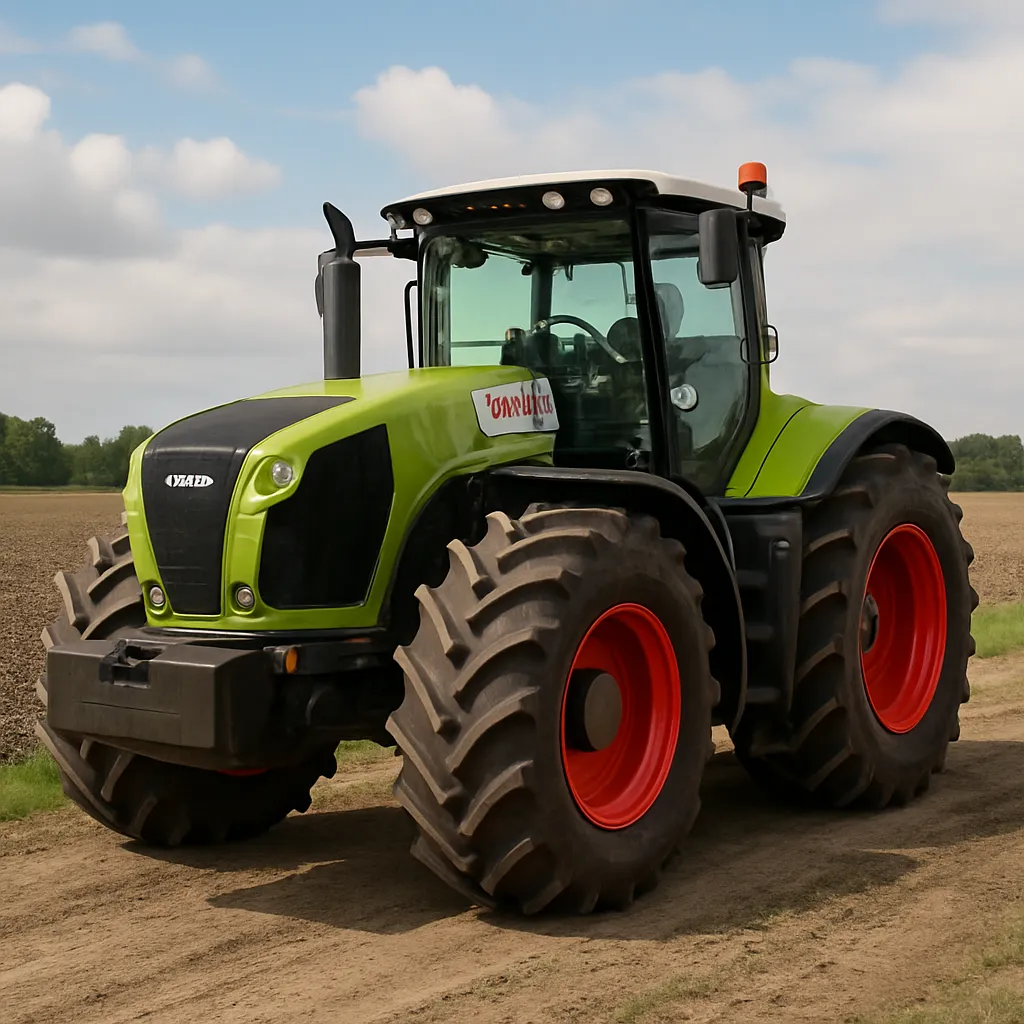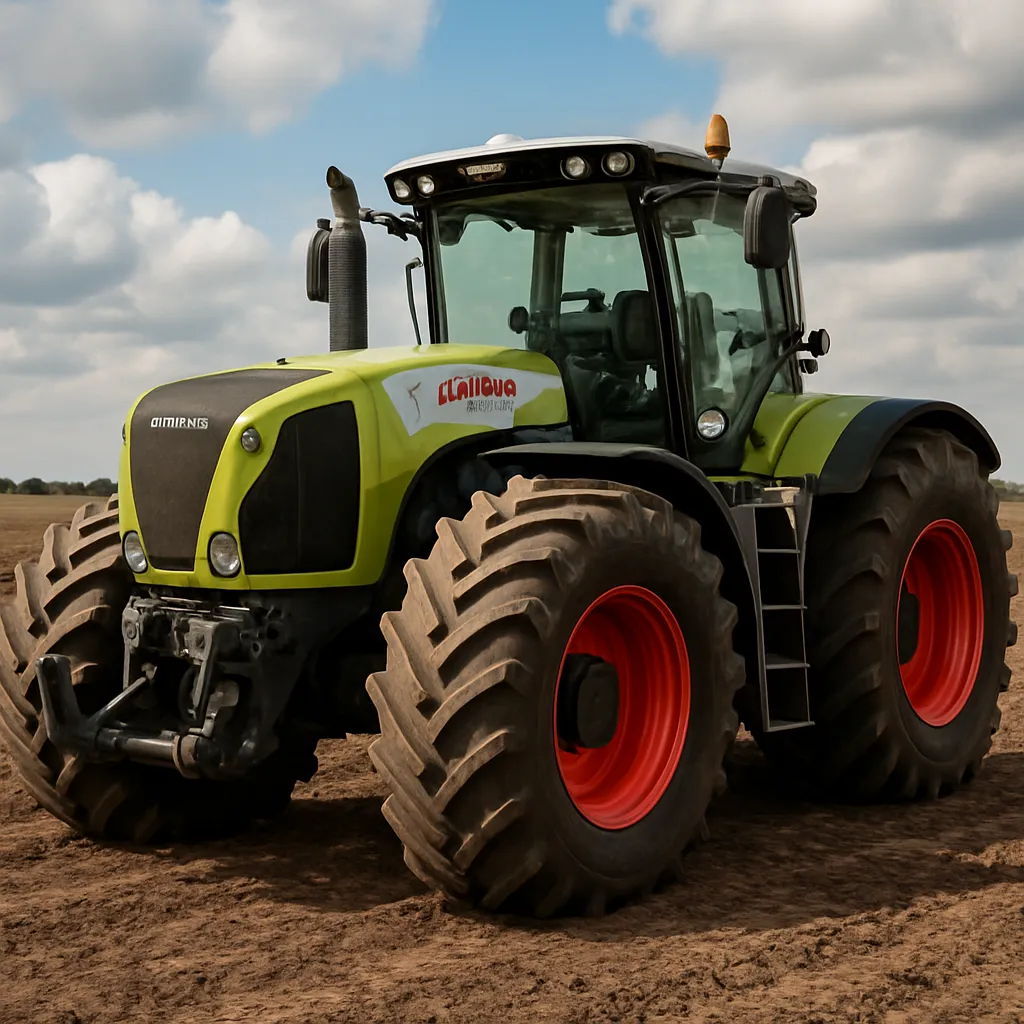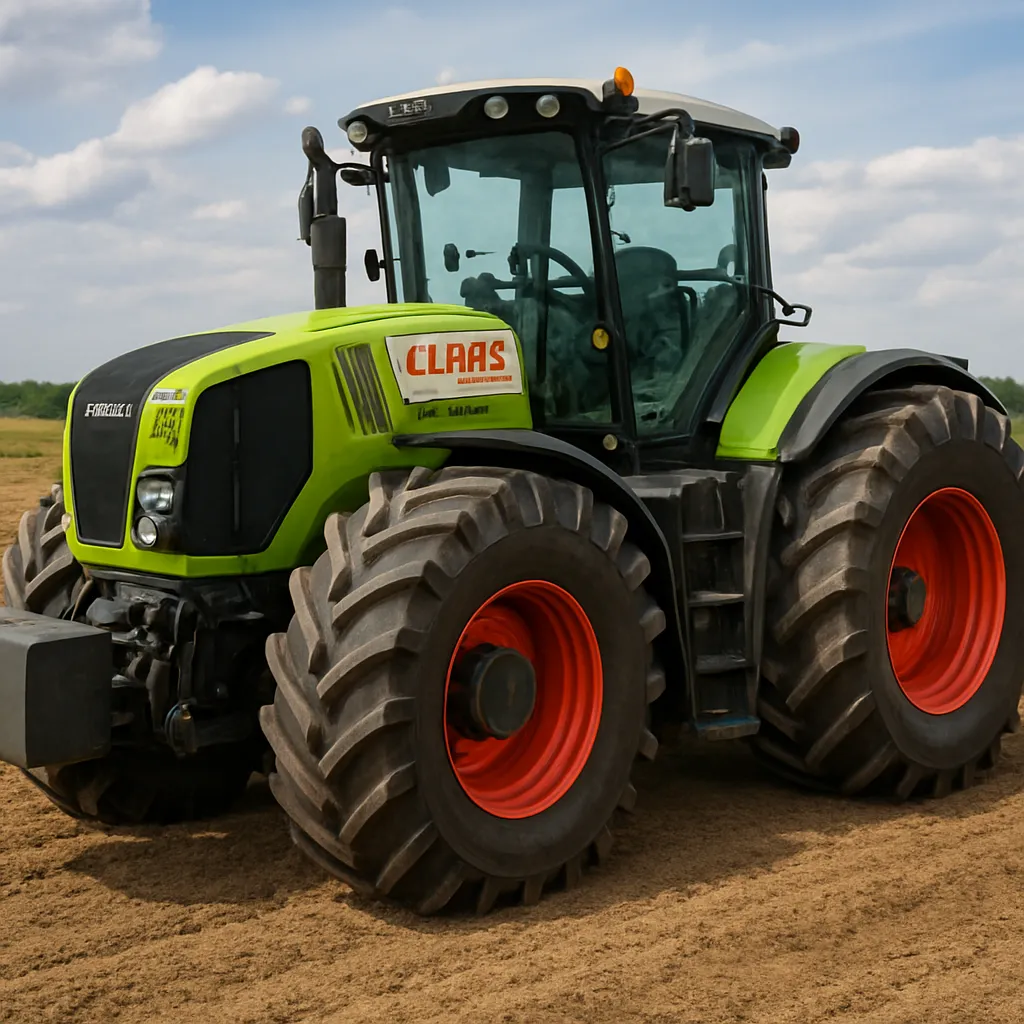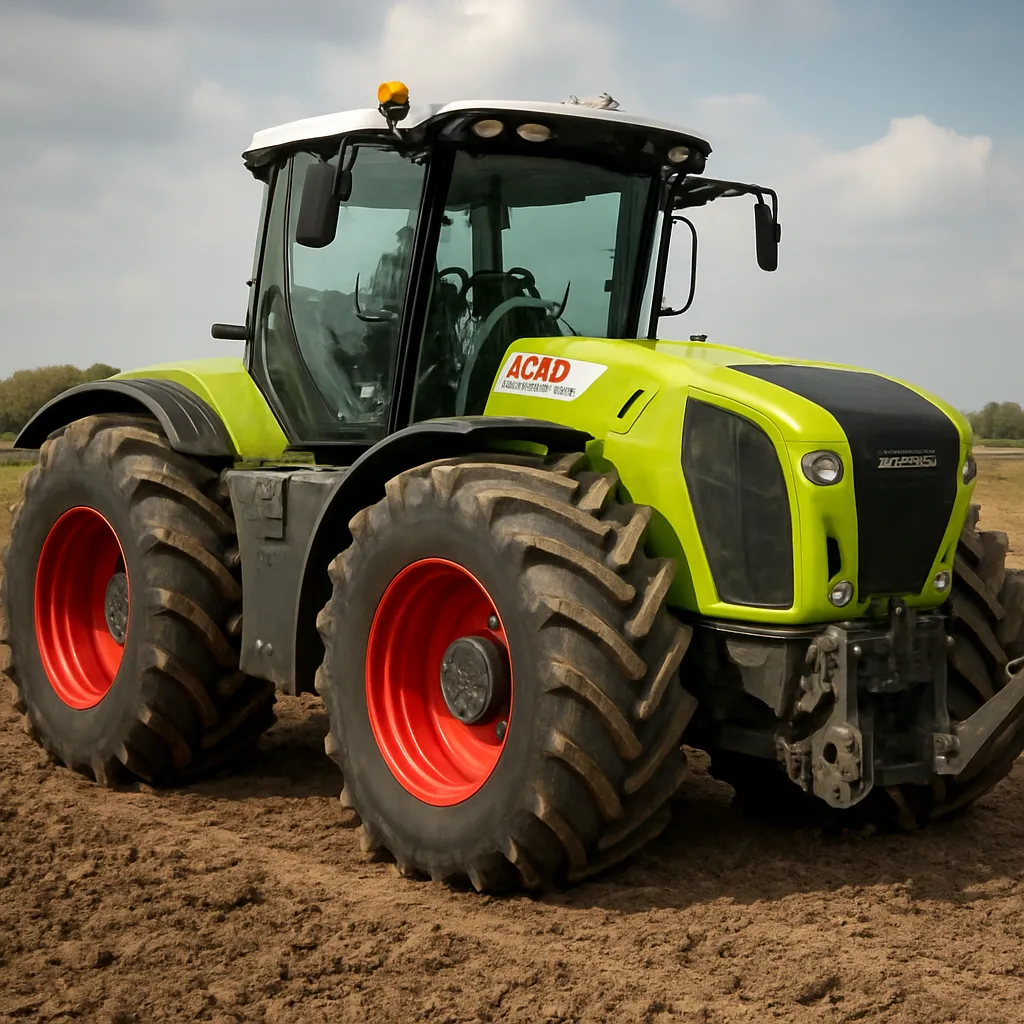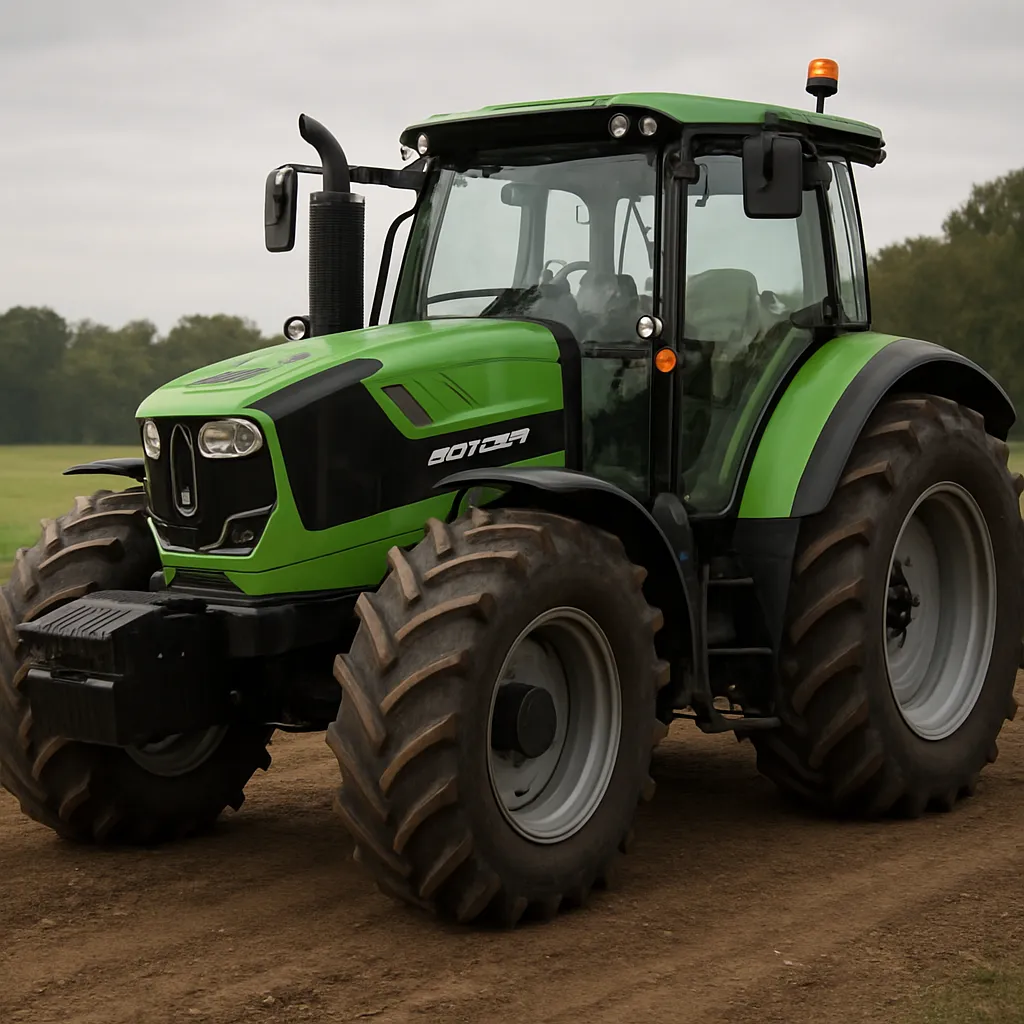
The Deutz-Fahr 6120 HD is a versatile mid-range agricultural tractor designed for a wide range of farm tasks, from arable work to livestock operations and municipal duties. Combining robust mechanical components with operator comfort and modern control systems, the 6120 HD aims to deliver reliable performance and good fuel economy in a compact yet powerful package. The following article explores its technical characteristics, typical applications, operational economy, and other practical information that farmers, contractors, and fleet managers will find useful.
Technical specifications and design philosophy
The Deutz-Fahr 6120 HD is built around a balance of power, durability and operator ergonomics. While specific factory options and regional configurations vary, the model is commonly presented as a 120 hp-class tractor with engineering aimed at medium-to-large holdings and mixed-use operations.
Engine and drivetrain
- The 6120 HD is typically equipped with a 4-cylinder Deutz diesel engine with a displacement in the range of approximately 3.6–4.1 L, tuned for reliable torque delivery across working rpm ranges.
- Rated power is around 120 hp (ISO) with short-term boost available in some drive modes or optional configurations.
- Maximum torque figures commonly fall in the region of 450–520 Nm depending on tuning and emissions package; torque availability at low rpm improves performance with heavy implements.
- Transmission options are designed to match a variety of tasks: mechanical synchromesh or semi-powershift variants and, in some markets, more advanced continuously variable (CVT/TTV) or advanced powershift gearboxes. Common working set-ups include versatile ranges (e.g., 12×12, 24×12, 30×30) with creeper options for specialist tasks.
Hydraulics, PTO and linkages
- Hydraulic systems on the 6120 HD are tuned for mid-sized implements: typical pump flows are in the 90–120 L/min range, supporting multiple control valves and responsive loader operation.
- The rear linkage lifting capacity is frequently marketed as a heavy-duty feature — often around 6,100 kg (hence the HD designation in some descriptions) — providing confidence when handling large mounted or semi-mounted implements.
- PTO options usually include the standard 540 rpm and 1,000 rpm outputs, and in many markets electro-hydraulic engagement and economy (540E) modes are available to match implement requirements and reduce fuel use.
Chassis, weight and dimensions
- Kerb or operating weight typically ranges between approximately 4,000–4,800 kg depending on configuration, cab options and ballast.
- Wheelbases and overall compactness are balanced to offer good stability in fieldwork while maintaining maneuverability for loader applications and transport on narrow lanes.
- Front axle options often include mechanical or full suspension choices to improve ride quality and traction control systems to optimize soil grip and tyre wear.
Cab, controls and operator comfort
Deutz-Fahr places emphasis on operator comfort and intuitive controls in the 6120 HD, making long working days less fatiguing and improving productivity with clearer control layouts.
Cab features
- Spacious ROPS-enclosed cab with large glazed surfaces for 360-degree visibility, minimizing blind spots when using front loaders or tow-behind implements.
- Comfort options include air conditioning, adjustable suspension seats, tilt/telescopic steering column and optimized ergonomic placement of levers and switches.
- Noise insulation and vibration damping are engineered to reduce operator fatigue; combined with climate control this supports extended shifts.
Instrumentation and electronics
- Clear instrument clusters (analogue or digital) provide information on speed, engine rpm, fuel levels and other diagnostic prompts.
- On many 6120 HD tractors, optional telematics and fleet-management packages are available. These allow remote tracking of hours, fuel use and basic diagnostics, facilitating better fleet scheduling.
- Hydraulic and PTO controls are commonly available as fingertip switches or electro-hydraulic joysticks for smoother implement handling; some models offer ISOBUS-ready interfaces for plug-and-play implement control.
Typical applications and practical use cases
The Deutz-Fahr 6120 HD is marketed as a versatile machine suited to a broad spectrum of agricultural and municipal work. Its balance of power, hydraulic capacity and lift strength make it a genuine multi-role tractor.
Arable and field work
- Tillage: The 6120 HD’s torque curve and linkage capacity permit use with medium-sized ploughs, cultivators and disc harrows. With the correct tyre and ballast choice the tractor provides a good balance of traction and fuel efficiency for seedbed preparation.
- Sowing and planting: With steady forward speeds and accurate PTO control for seed drills and planters, the tractor supports timely and uniform seeding operations.
- Spraying and fertiliser application: Ample hydraulic flow supports pumps and booms, while stable chassis geometry enhances accuracy and operator confidence during precision application.
Forage, hay and livestock
- Baler and mower operations benefit from the tractor’s PTO options and hydraulic responsiveness. The front linkage and loader packages make silage clamp and bale handling efficient.
- Feeding and yard tasks: Maneuverability and loader performance are important in livestock operations; a 6120 HD fitted with a loader is commonly used for feed handling, bedding and mucking out.
Transport and municipal duties
- With suitable gearing and optional suspension, the tractor can tow trailers for road transport between fields. Good braking and stability packages support safe, legal road speeds.
- Municipal roles – such as snow clearing, mowing verges and light construction site work – are feasible when fitted with appropriate front implements and cabs with visibility packages.
Operational economy, fuel use and productivity
One of the selling points of the 6120 HD is its attempt to offer strong field productivity without excessive fuel penalties. The combination of modern diesel engines, efficient transmissions and result-oriented hydraulics helps control operating costs.
Fuel consumption and efficiency
- Typical field fuel consumption for mid-range tasks often falls between 8–15 L/hour, depending on load, terrain and working speed; lighter transport or light PTO tasks consume less, heavier tillage at full load will be at the upper end of the range.
- Engine management systems and optional economy modes (e.g., 540E PTO) aid in reducing fuel usage by allowing lower engine speeds under constant power demand.
Maintenance intervals and serviceability
- Routine maintenance follows manufacturer schedules: regular oil and filter changes, air filter inspection, and periodic hydraulic and transmission checks. Service intervals are designed for typical farm hours but can be extended with premium fluids and filters.
- Accessible service points and modular components make daily checks and basic repairs simpler, minimizing downtime during critical seasons.
- Resale and longevity: With proper maintenance, mid-range Deutz-Fahr tractors retain good resale values; parts availability through dealer networks supports longevity of ownership.
Safety, emissions and environmental considerations
Modern agricultural tractors balance power with emissions compliance and operator safety. The 6120 HD conforms to emission norms valid in many markets and incorporates safety features suitable for professional use.
- Engines meet regional emission standards (options and packages vary by market), often employing exhaust after-treatment to reduce particulates and NOx.
- Safety features include robust ROPS/cab structures, optional front and rear work lights for night operations, and hydraulic lockouts to prevent accidental implement movement.
- Design choices aimed at efficiency (e.g., engine mapping and PTO economy modes) contribute to lower CO2 emissions per hectare compared with older generation tractors.
Comparisons, strengths and limitations
Positioned in a competitive mid-range segment, the Deutz-Fahr 6120 HD competes with models from other major manufacturers. Understanding its strengths and limitations can help buyers decide if it matches farm needs.
Strengths
- Versatility — suitable for mixed farms handling both arable and livestock tasks.
- Lift capacity and hydraulic flow — supports larger implements and faster cycle times.
- Operator comfort — good cab ergonomics and optional features reduce fatigue and improve productivity.
- Serviceability — conventional design with accessible service points reduces downtime.
Limitations
- Compared with smaller narrow-track or orchard-specialist tractors, the 6120 HD is not optimized for tight-row or specialized permanent-crop operations.
- Advanced precision farming and automation features may be optional rather than standard; buyers seeking fully integrated precision suites should verify factory options or dealer-installed packages.
Buying considerations, optional packages and resale outlook
When considering a 6120 HD, buyers should assess the farm’s work profile, required options and long-term ownership costs. Several optional packages can significantly tailor the tractor to specific roles.
- Loader packages: If your operation requires frequent front-loading, select a factory-fitted loader option for guaranteed geometry and warranty coverage.
- Transmission: Choose a gearbox that matches the primary tasks — powershift or CVT/TTV transmissions improve comfort and productivity for mixed or transport-heavy roles.
- Hydraulics and remote valves: Extra spools and higher-flow pumps are wise investments for farms running hydraulic-driven planters, bale handlers or specialized sprayers.
- Telematics and precision farming: Fleet management can reduce operating costs and improve planning; ISOBUS and GPS-ready options increase compatibility with modern implements.
Real-world statistics and usage impressions
Publicly available statistical data on a specific tractor model varies by market and is often tied to dealer sales numbers or independent reviews. Commonly reported field impressions of the 6120 HD include:
- Consistent performance in implements matching its class, with operators praising the lifting power and hydraulic responsiveness for heavy mounted gear.
- Good balance of fuel economy versus output during typical mid-sized farm operations, especially when using fuel-saving PTO modes.
- High marks for cab comfort and visibility, which translate to fewer operator errors during complex tasks like loader work or headland turns.
Representative numerical summary (typical values; confirm exact specs for regional variants):
- Engine: 4-cylinder Deutz diesel, approx. 3.6–4.1 L
- Power: ~120 hp (ISO)
- Maximum torque: ~450–520 Nm (model-dependent)
- Hydraulic flow: ~90–120 L/min
- Rear lift capacity: ~6,100 kg (HD configuration)
- PTO: 540/540E/1,000 rpm
- Operating weight: ~4,000–4,800 kg
- Typical fuel consumption: ~8–15 L/hour depending on task
Conclusions and practical recommendations
The Deutz-Fahr 6120 HD is a solid choice for farms seeking a dependable, mid-range tractor that covers a wide variety of tasks without the complexity or cost of larger high‑horsepower units. Its combination of lift capacity, hydraulic performance and operator comfort make it particularly well-suited to mixed farms and contractors performing a blend of arable, hay and livestock work. Buyers should prioritize the correct transmission and hydraulic options for their most frequent tasks, and consider telematics/ISOBUS packages if precision farming and fleet oversight are important.
For a purchase decision, request a detailed spec sheet from the dealer that lists the exact engine tune, transmission type, hydraulic pump flow, lift capacity and available factory options for your region. Conduct a test drive with the implements you use most often to confirm handling, visibility and fuel consumption under real working conditions. With appropriate configuration and maintenance, the 6120 HD can be a productive and cost-effective cornerstone of a modern farm fleet.