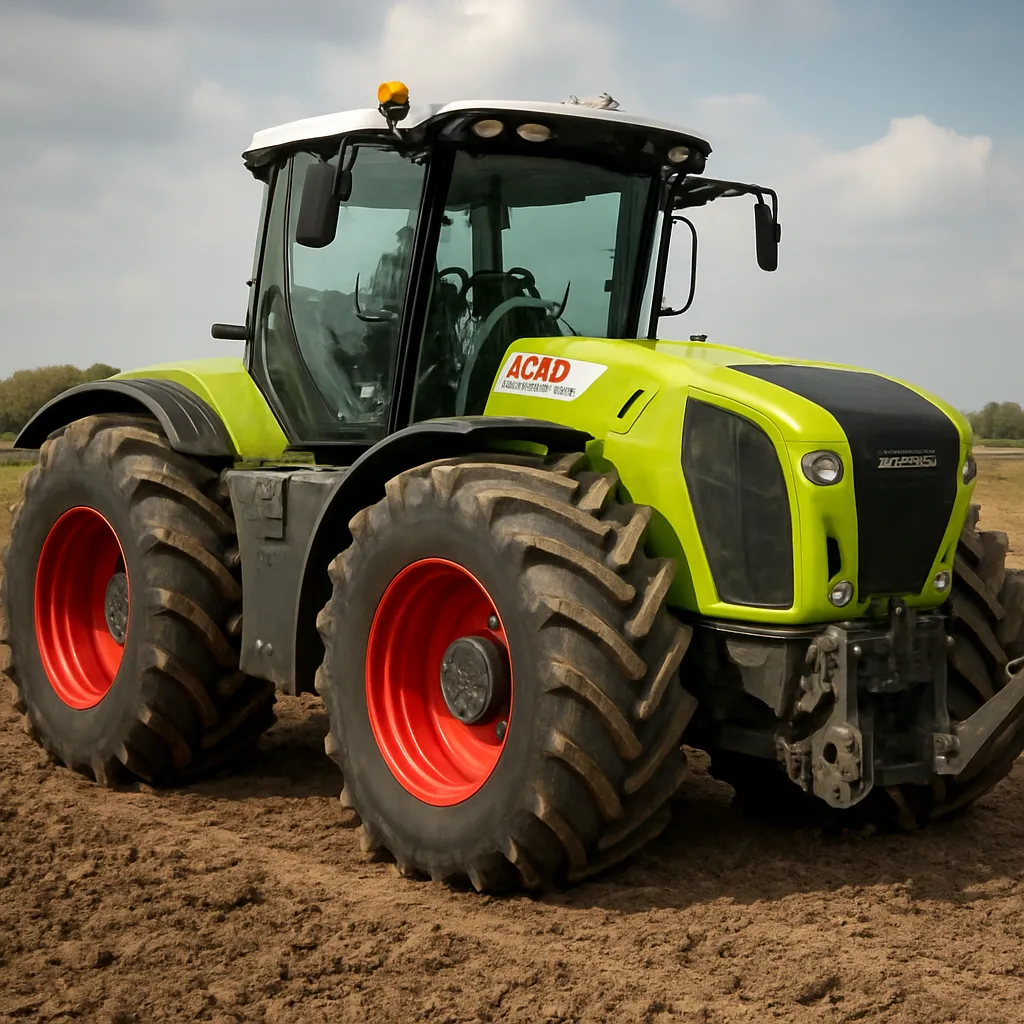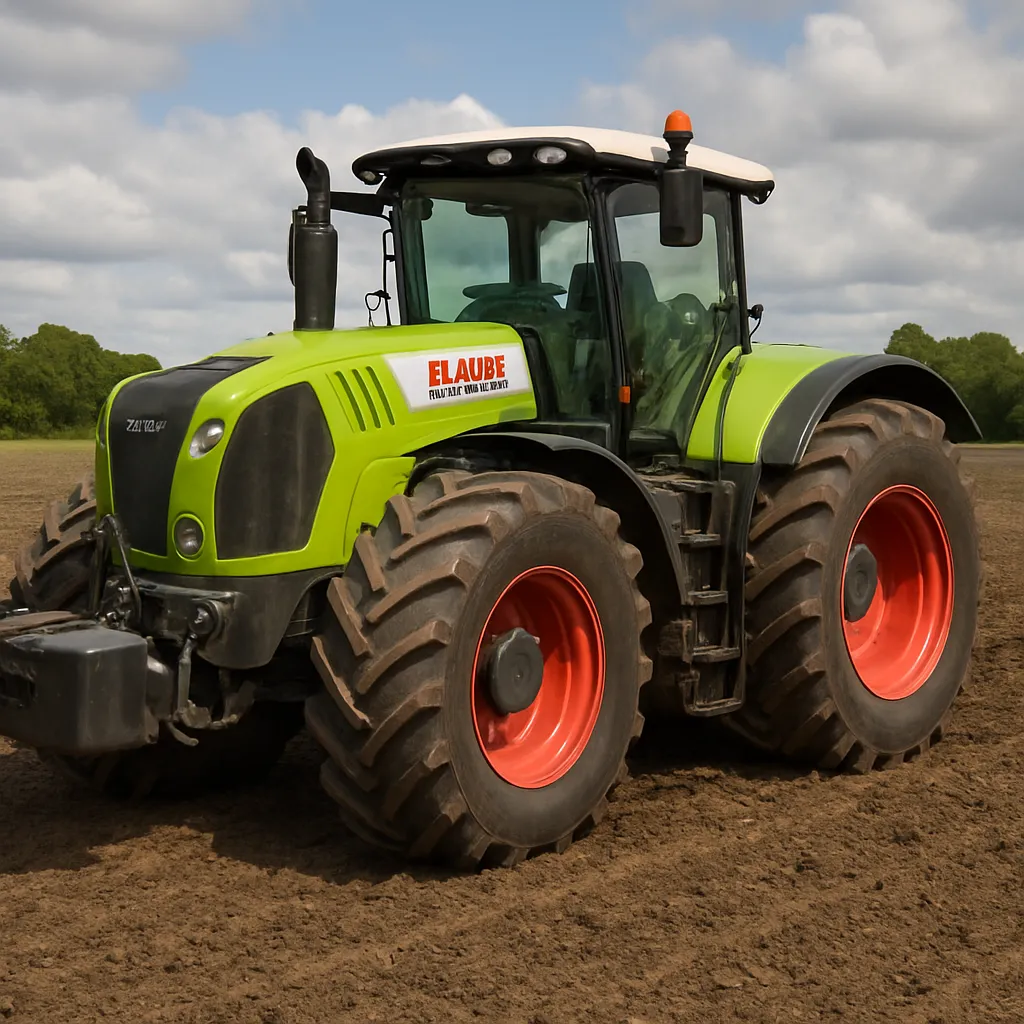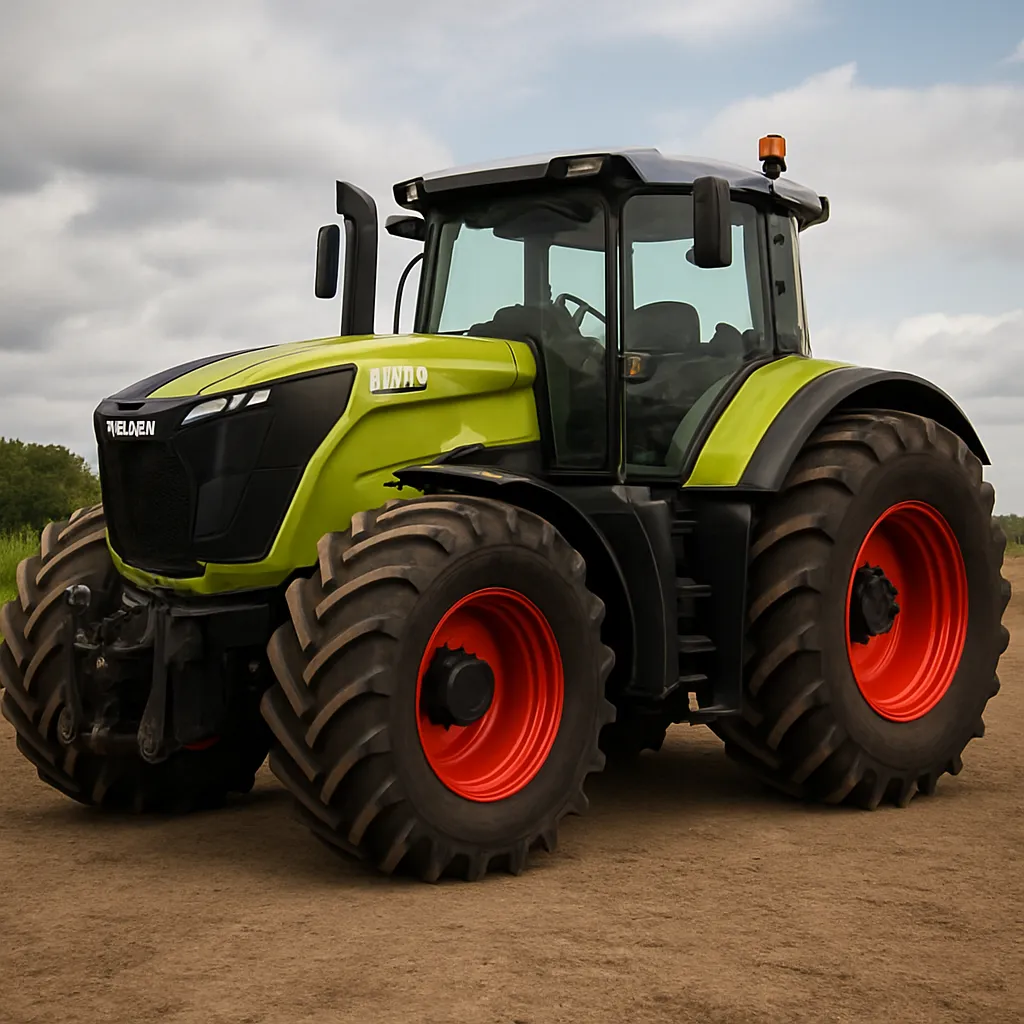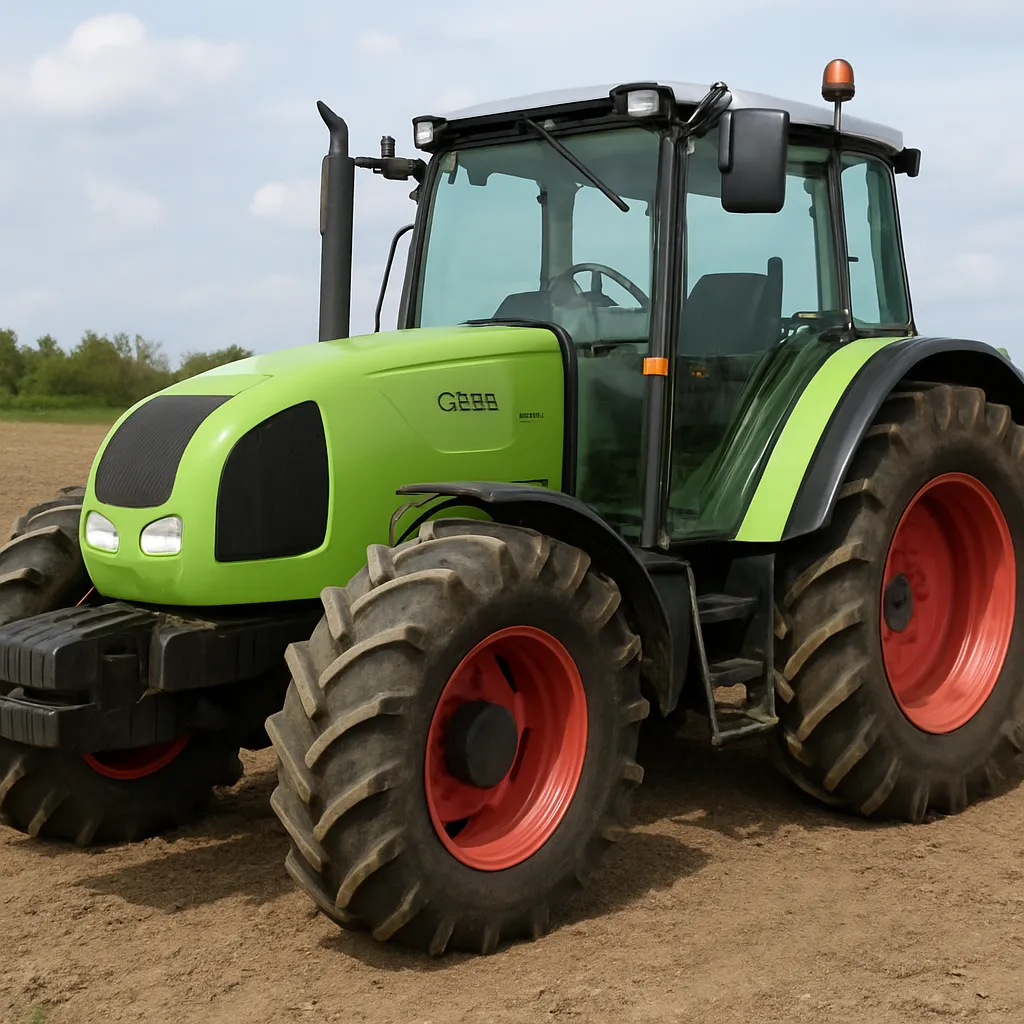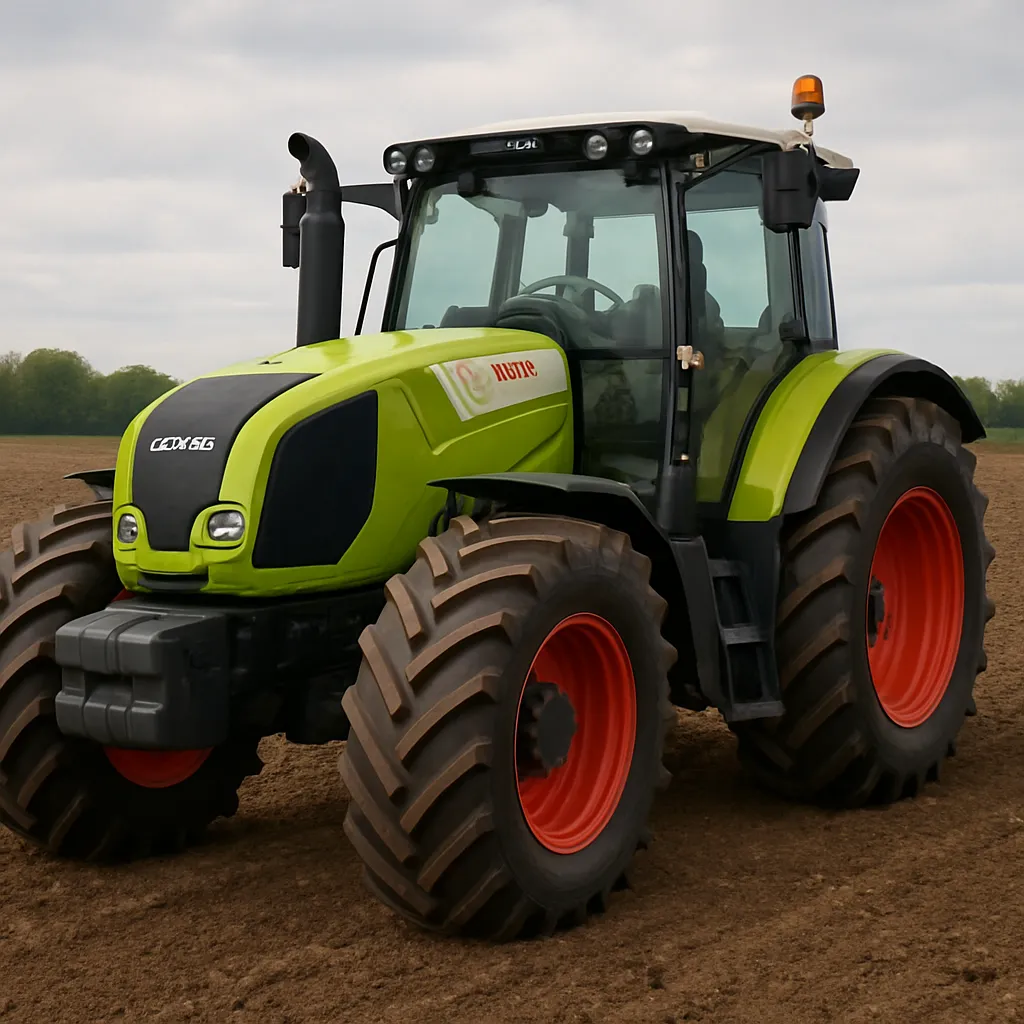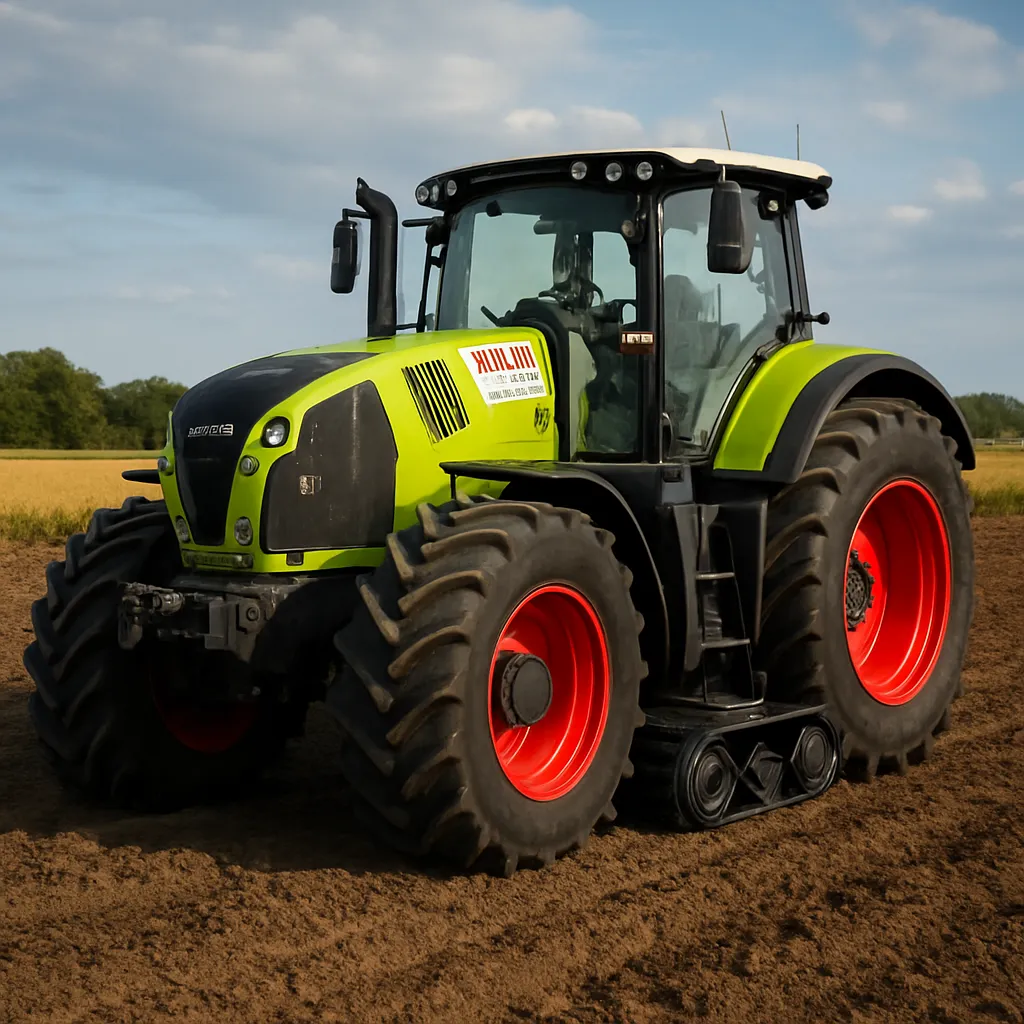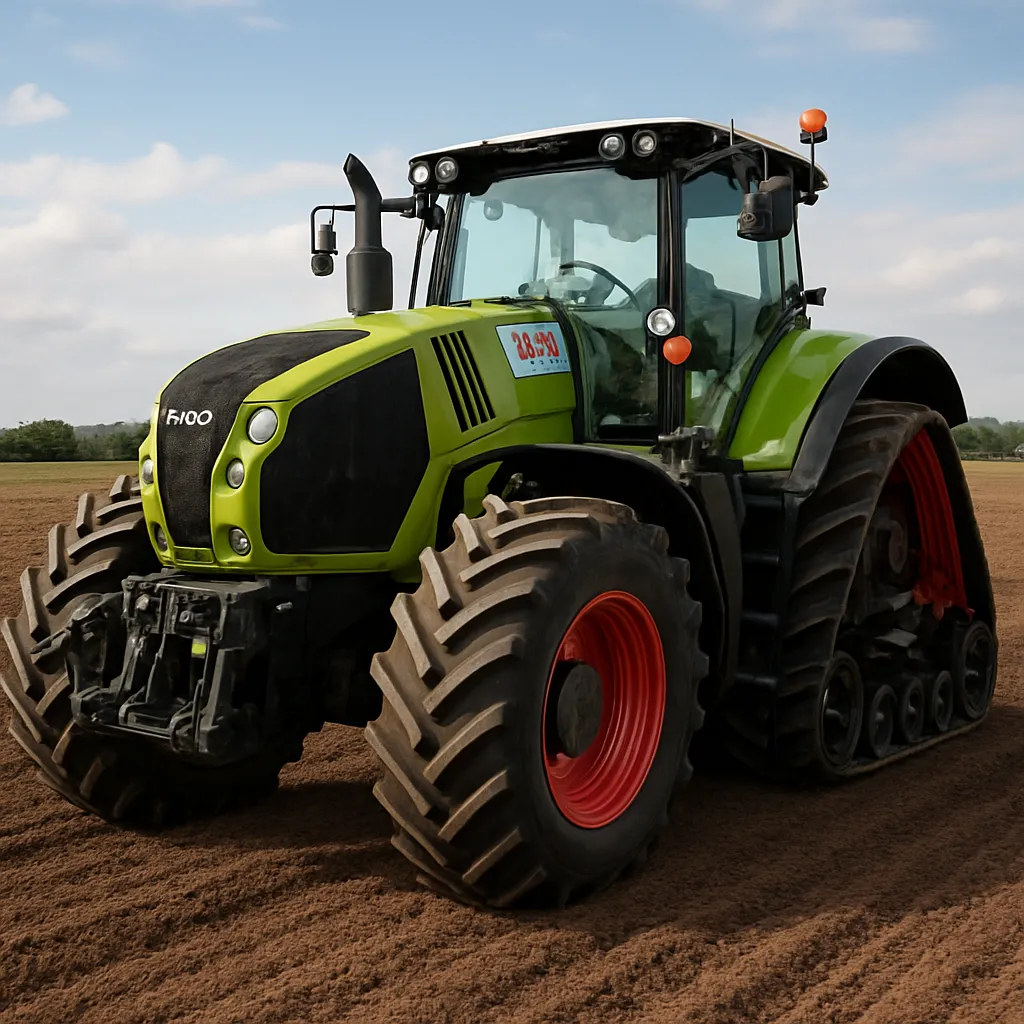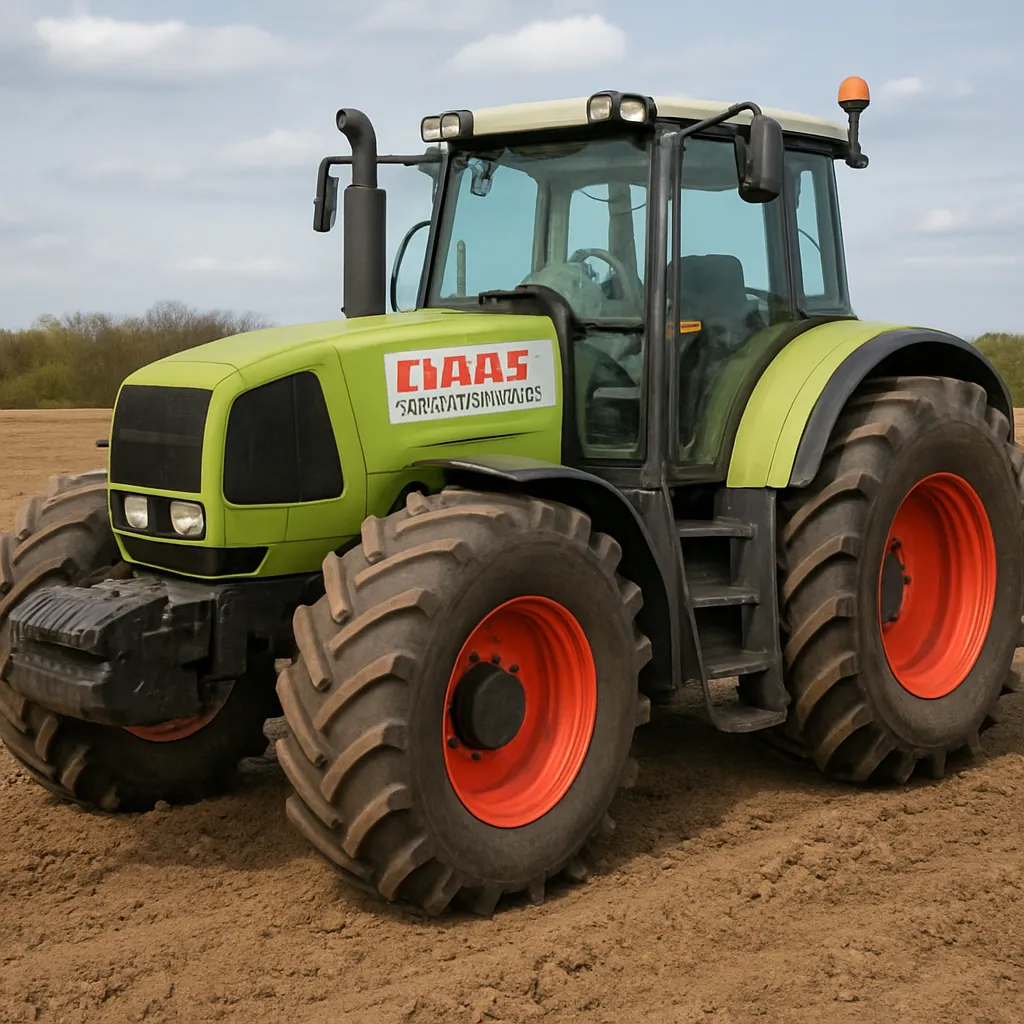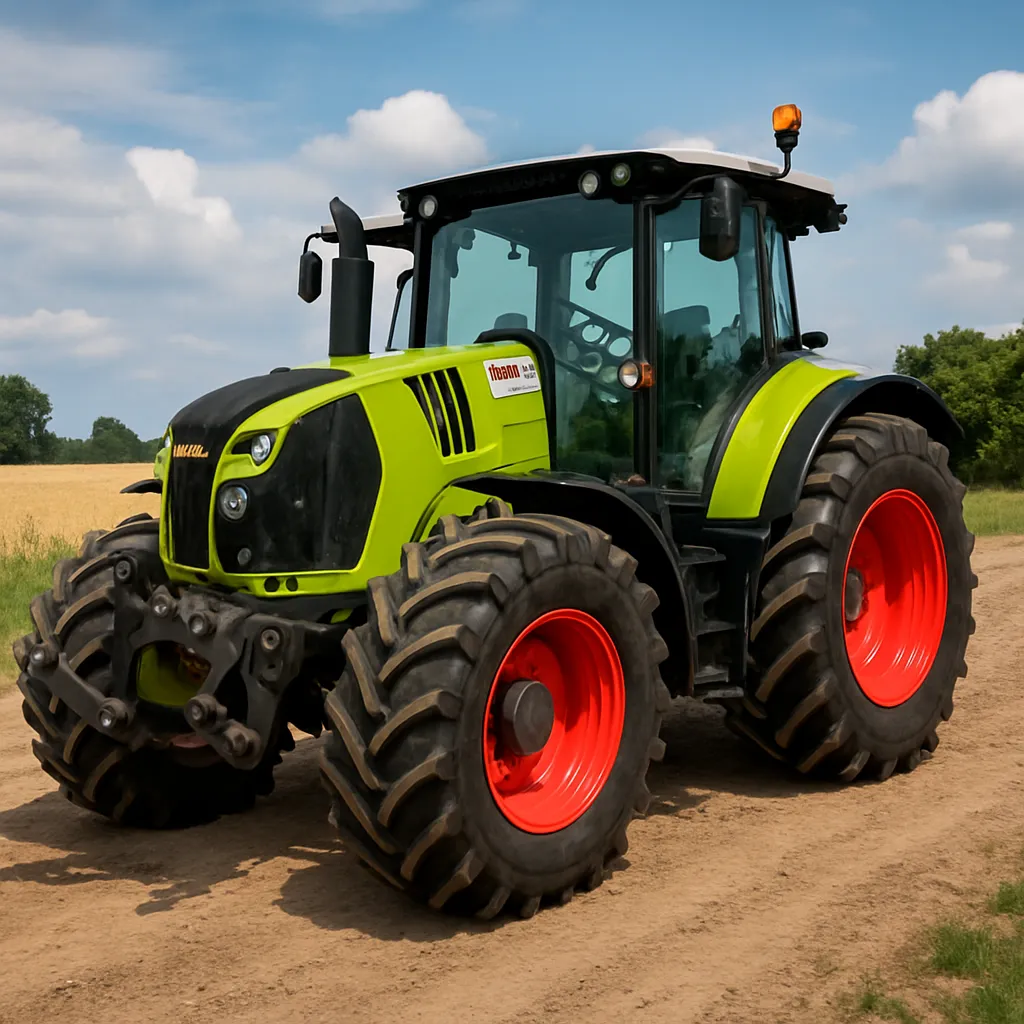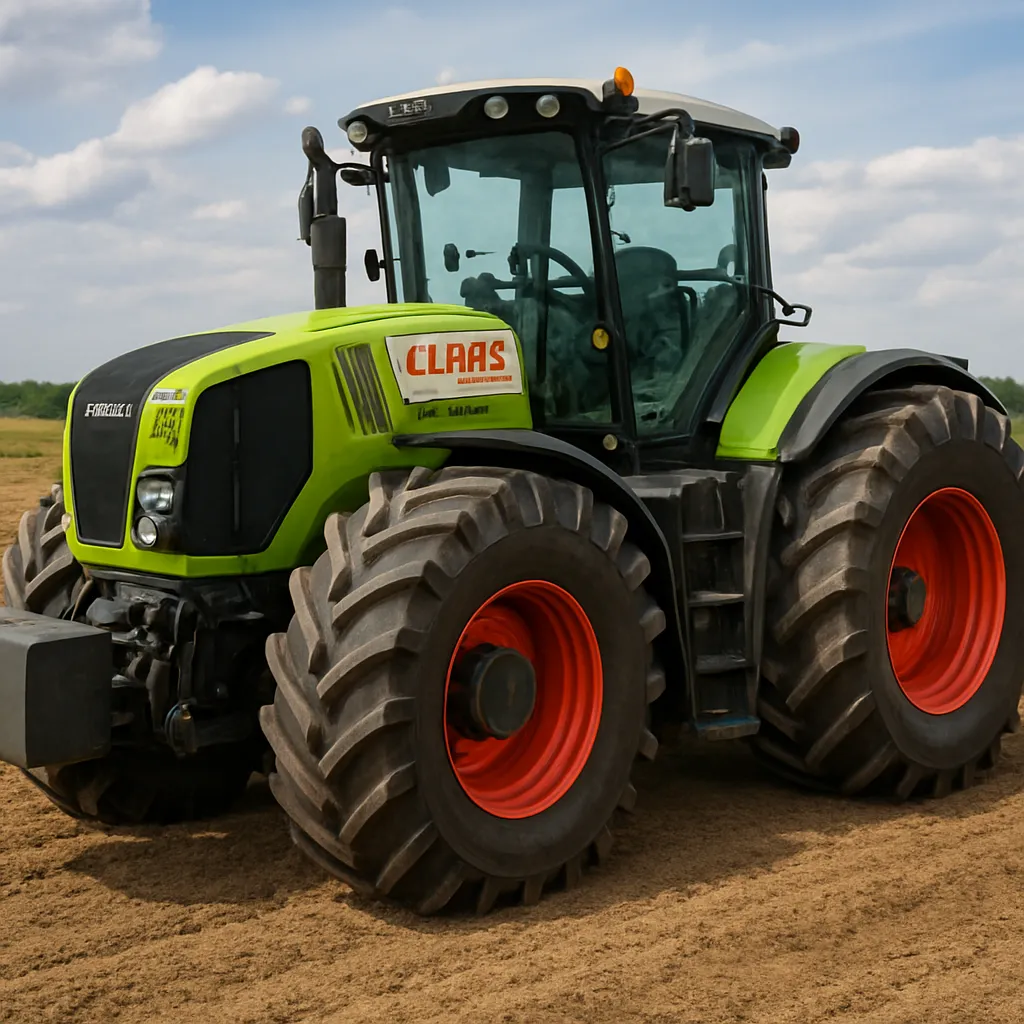
The Claas Xerion 3400 is a purpose-built, high-capacity agricultural tractor designed for large-scale farming, heavy transport, and specialized front- and rear-mounted implements. Combining robust mechanical systems with operator-focused ergonomics, the Xerion series aims to deliver steady performance in tasks where power, traction, and versatility are essential. This article explores the Xerion 3400’s design, typical applications, technical highlights, and practical considerations for operators and fleet managers.
Design and technical characteristics
The Xerion family is recognized for its distinctive architecture and functionality, and the 3400 is no exception. Key elements of the design prioritize stability, even power delivery, and the ability to work with very large implements. Claas engineered the Xerion 3400 to serve as a platform for heavy draft work, road transport, and multifunctional tasks on modern farms.
Engine and powertrain
- The Xerion 3400’s name indicates its place within the model line: it is configured for high-output operations. Typical power output for this class is in the region of 340 horsepower (hp) at rated engine speed, although configurations and model years can produce slightly different peak outputs.
- Engines used in the Xerion range are robust, turbocharged diesel units tuned for high torque delivery across a wide rpm band to support both heavy draft and PTO-driven applications. This emphasis on torque helps when pulling large seeders, cultivators or when hauling heavy loads.
- The transmission and driveline architecture are designed to handle continuous heavy loads: Claas offers heavy-duty gearboxes or continuously variable solutions across its range to optimize fuel usage and ease of operation. The Xerion’s drivetrain emphasizes reliability and the ability to transfer power to all wheels under high load.
Chassis, axles and steering
The Xerion’s chassis is built to support wide implements and maintain stability and balance. Common features include heavy-duty portal axles (or equivalent high-clearance axles in some variants), large-diameter tires, and reinforced frames. One of the Xerion’s most useful features for maneuvering very large equipment is its multi-mode steering system. Steering modes typically include:
- conventional front-axle steering,
- all-wheel steering for a reduced turning radius,
- crab (diagonal) steering for lateral movement without changing body angle — useful for row crops or when tracking large implements,
- coordinated or combined modes for improved stability at transport speeds.
This flexibility improves field efficiency and reduces soil compaction by enabling more precise pass-to-pass alignment.
Hydraulics, PTO and hitch
- High-flow hydraulic systems are a hallmark of tractors in this class: the Xerion typically offers significant hydraulic flow capacity to operate large seed drills, hydraulic motors, or complex implement systems. The hydraulic system is often configurable with multiple remote valves and high-flow options.
- PTO options include standard speeds required by large implements (540/1000 rpm) and robust coupling systems to transfer high torque reliably.
- The three-point hitch and drawbar arrangements are designed for high lift capacity to handle heavy rear-mounted implements; this makes the Xerion suitable for deep cultivations and large-mounted planters.
Cab and ergonomics
The Xerion range is notable for cabins that prioritize operator comfort during long hours. Cab features typically include excellent all-around visibility, climate control, adjustable seating, and intuitive control layouts. Many operators appreciate the cabin’s noise insulation and ergonomically placed joysticks and touchscreen displays for implement control and telemetry.
Primary applications and use cases
The Claas Xerion 3400 is not a general-purpose small-farm tractor — it is a high-capacity machine intended for demanding tasks. Primary applications include:
- Tillage and primary cultivation — pulling large ploughs, disc harrows and cultivators over wide working widths at consistent speeds.
- Seeding and planting operations — powering very large seed drills and planters with high hydraulic and PTO demand.
- Fertilizer and lime spreading — hauling and powering large spreaders and tankers; the stable platform makes volumetric spreading precise even at higher forward speeds.
- Slurry and manure application — driving high-capacity tankers and pumps where torque and hydraulic flow are essential.
- Transport and logistics — moving heavy loads between fields and yards, including road transport when configured appropriately (many units are rated for transport speeds up to typical tractor limits, e.g., 40 km/h, depending on spec and local regulations).
- Snow clearing and municipal roles — mounting massive snow blowers or blades, especially where durability and power are paramount.
- Forestry and specialty work — configured with protective features and special attachments, the Xerion can serve in demanding non-agricultural roles.
On large farms and contract operations, the Xerion 3400 is often a centerpiece tractor for high-productivity windows — it reduces the need for multiple passes by enabling wider implements at acceptable field speeds.
Performance, fuel economy and operational metrics
Performance metrics depend heavily on configuration, soil conditions, and the specific implement. Nevertheless, some general performance characteristics and practical considerations apply across most Xerion 3400 setups.
Work rate and efficiency
- With appropriate implements, a single Xerion 3400 can cover significantly more hectares per hour than smaller tractors, primarily through the use of wide implements and stable high-speed pulling capability.
- Fuel consumption will vary; when performing heavy draft work fuel use is naturally higher, while transport or light tasks can be more fuel-efficient. Claas and independent tests indicate that operating cost per hectare often decreases in larger operations when a high-capacity tractor like the Xerion reduces total working passes and cycle times.
Common approximate specifications
Note: exact numbers vary by year, market, and configuration. The following are typical for a machine in the Xerion 3000 series and meant as representative figures rather than definitive specs for every Xerion 3400 unit.
- Nominal power: approximately 320–360 hp (commonly cited as ~340 hp)
- Maximum torque: in a high-horsepower engine of this size torque peaks are often in the range of 1,200–1,600 Nm
- Maximum road speed: often up to 40 km/h in appropriate transmission configurations
- Hydraulic flow: high-flow systems commonly provide 150–220 L/min or more with optional pumps
- Fuel tank capacity: typically several hundred liters (often 400–800 L depending on configuration)
- Operating weight: heavy-duty tractors in this class generally weigh multiple tonnes (empty weights commonly range from ~10,000 kg and up depending on ballast and fittings)
- PTO: standard 540/1000 rpm options; robust shaft and coupling to handle high torque
- Lift capacity: rear hitch capacities commonly exceed several tonnes, enabling large mounted implements
Reliability and maintenance considerations
Reliability in heavy tractors derives from component design and maintenance discipline. For a Xerion 3400, operators should note:
- Regular oil and filter changes per Claas recommendations to protect the high-capacity engine under heavy load.
- Monitoring hydraulic fluid condition and filtration: high-flow systems under stress benefit from strict maintenance intervals.
- Tire and axle inspections: because large diameter wheels and heavy loads are the norm, keeping tires at the correct pressure and inspecting for wear prevents downtime.
- Software and electronics: modern tractors are increasingly software-driven; keeping control software updated and diagnosing error codes early reduces in-field failures.
Options, configurations and modern technologies
Claas offers a range of options for maximizing the Xerion 3400’s utility. Customization allows buyers to match the tractor to a broad set of tasks and regional needs.
- Telematics and fleet management: integration with Claas telematic solutions enables remote monitoring of fuel use, operating hours, position and basic diagnostics — valuable for contracted fleets and large operations.
- Precision farming compatibility: the Xerion can be equipped with GPS guidance, section control, variable-rate application interfaces, and data logging for better input efficiency.
- Comfort and control options: upgraded seating, panoramic or rotating cabins for implement observation, multi-function joysticks and touch consoles are commonly available to enhance long-shift ergonomics.
- Specialized tires and ballast systems: for minimization of soil compaction and maximized traction across varying soil conditions.
- Safety packages: cameras, lighting packages, and rollover protection designs tailored to high-visibility and high-usage contexts.
Operational economics and fleet considerations
Purchasing and operating a Xerion 3400 is a strategic decision. Upfront costs are high relative to mid-range tractors, but the economic justification comes from increased throughput, consolidated operations and reduced labor and machine-count requirements for very large farms or contractors.
- Capital costs vs. productivity: a Xerion reduces elapsed time for wide-bodied tillage and seeding tasks, allowing operators to optimize windows between weather events — a key advantage for large-scale cereals, oilseeds, and other broadacre crops.
- Resale and depreciation: tractors in the high-power segment tend to retain value if well-maintained, because demand exists among contractors and large farms; telematics and service history help preserve resale value.
- Specialist operator training: modern high-horsepower machines are complex. Investing in operator training improves safety, fuel efficiency, and reduces wear-related failures.
Comparisons, competitors and market positioning
The Xerion 3400 competes in the high-power tractor segment with offerings from other major manufacturers who provide comparable high-horsepower, multi-role machines. Claas positions the Xerion series as particularly strong in versatility and operator comfort, with distinctive features such as advanced steering modes and a robust platform for very wide implements.
When comparing to other brands, evaluate:
- Power-to-weight ratio and torque curves — how the tractor performs under draft load.
- Hydraulic capacity and PTO robustness — especially for hydraulic-driven seeding or slurry equipment.
- Transmission type and efficiency — CVT-style transmissions can improve fuel efficiency in varied loads, whereas heavy-duty gearboxes may deliver durability for constant heavy draft.
- Service network and parts availability in your region — critical for uptime in busy seasons.
Practical tips for buyers and operators
- Match implement width and weight to the tractor’s rated hitch and hydraulic capacity to avoid overloading the drivetrain.
- Use telematics and onboard diagnostics to plan preventive maintenance and reduce unplanned downtime during peak seasons.
- Consider tire options and dual wheels versus singles to balance traction needs and soil compaction concerns.
- Plan for transport permits and road-use configurations if the tractor will frequently move large implements over public roads; some regions require specific lighting, marking, and speed-limiting setups.
- Keep operator manuals and service intervals adhered to — heavy machines deliver the best lifecycle cost when maintained proactively.
Summary and final observations
The Claas Xerion 3400 is engineered as a high-capacity, flexible platform for large agricultural enterprises and contractors. Its primary strengths are in sustained pulling power, multi-mode steering and a cab environment tailored for long shifts. While exact specifications vary with model year and options, the Xerion 3400 typically sits in the high-horsepower bracket (around 340 horsepower), offering significant torque, strong hydraulics, and high lifting capacity—features that enable it to handle the most demanding implements and tasks.
For operations where hectare throughput, implement size, and reliability during tight seasonal windows matter, the Xerion 3400 can be a decisive tool. Buyers should weigh acquisition and operating costs against productivity gains, and ensure an appropriate service and parts plan is in place to maximize uptime.