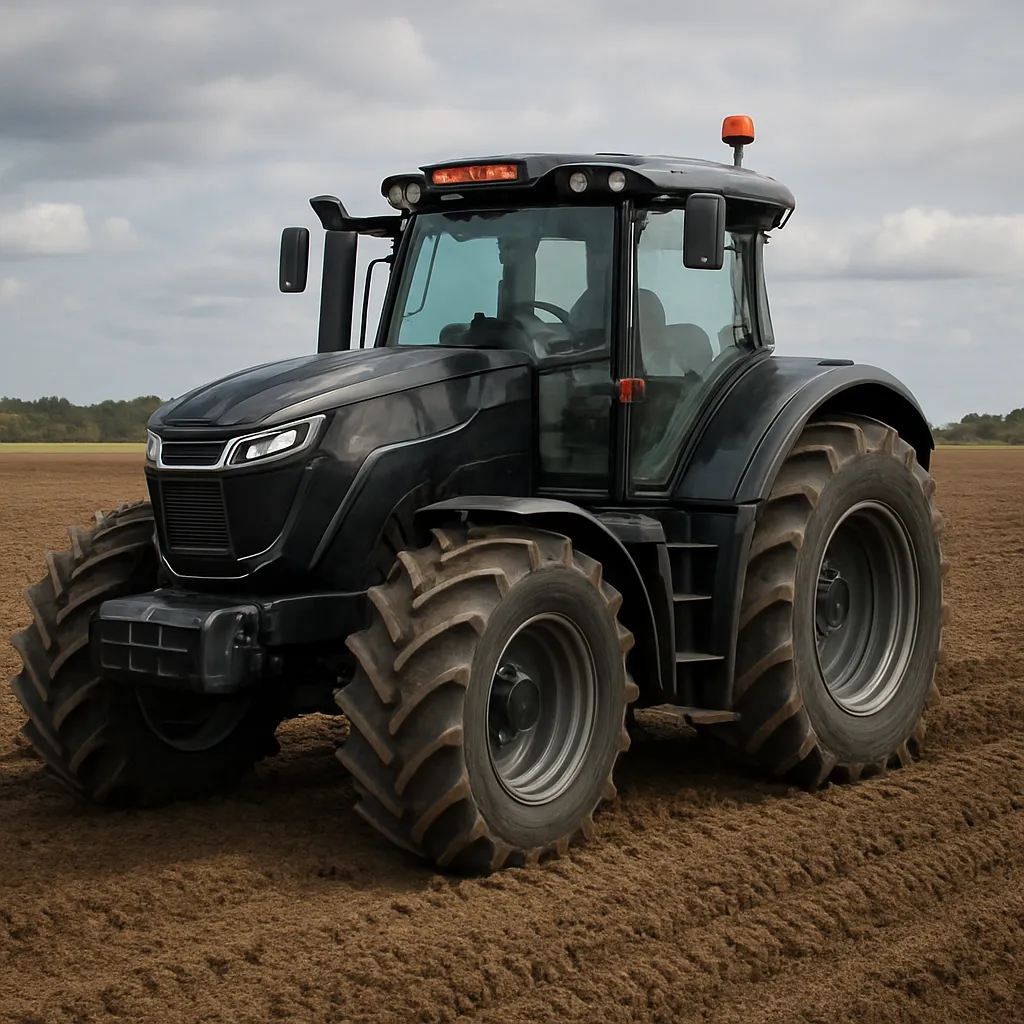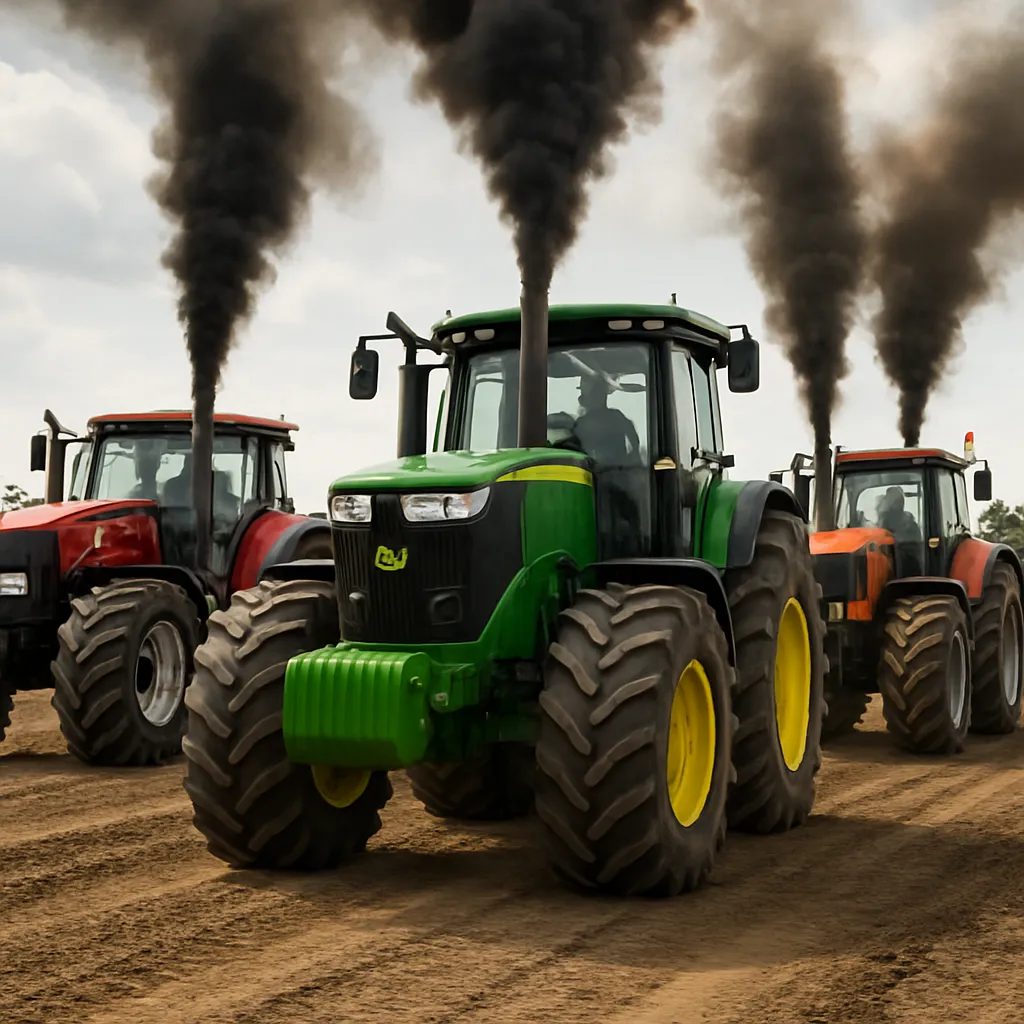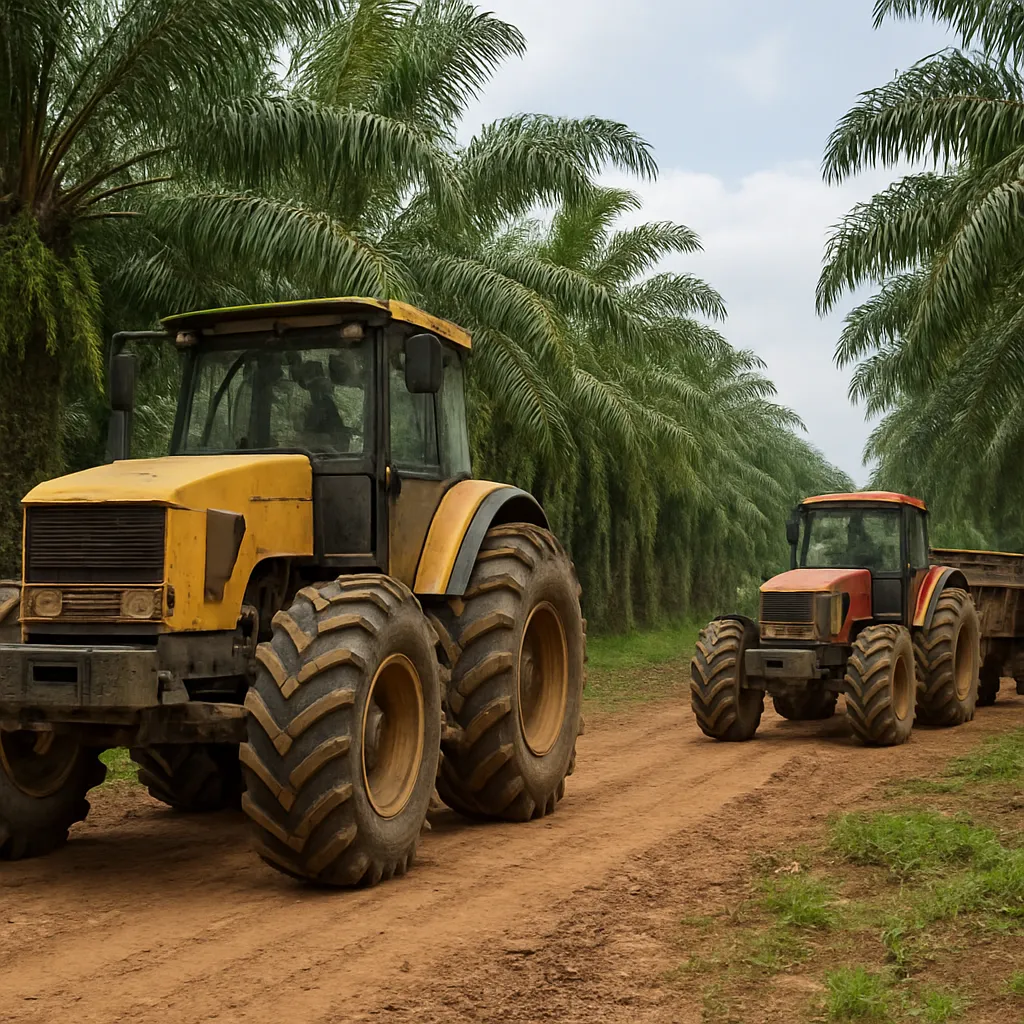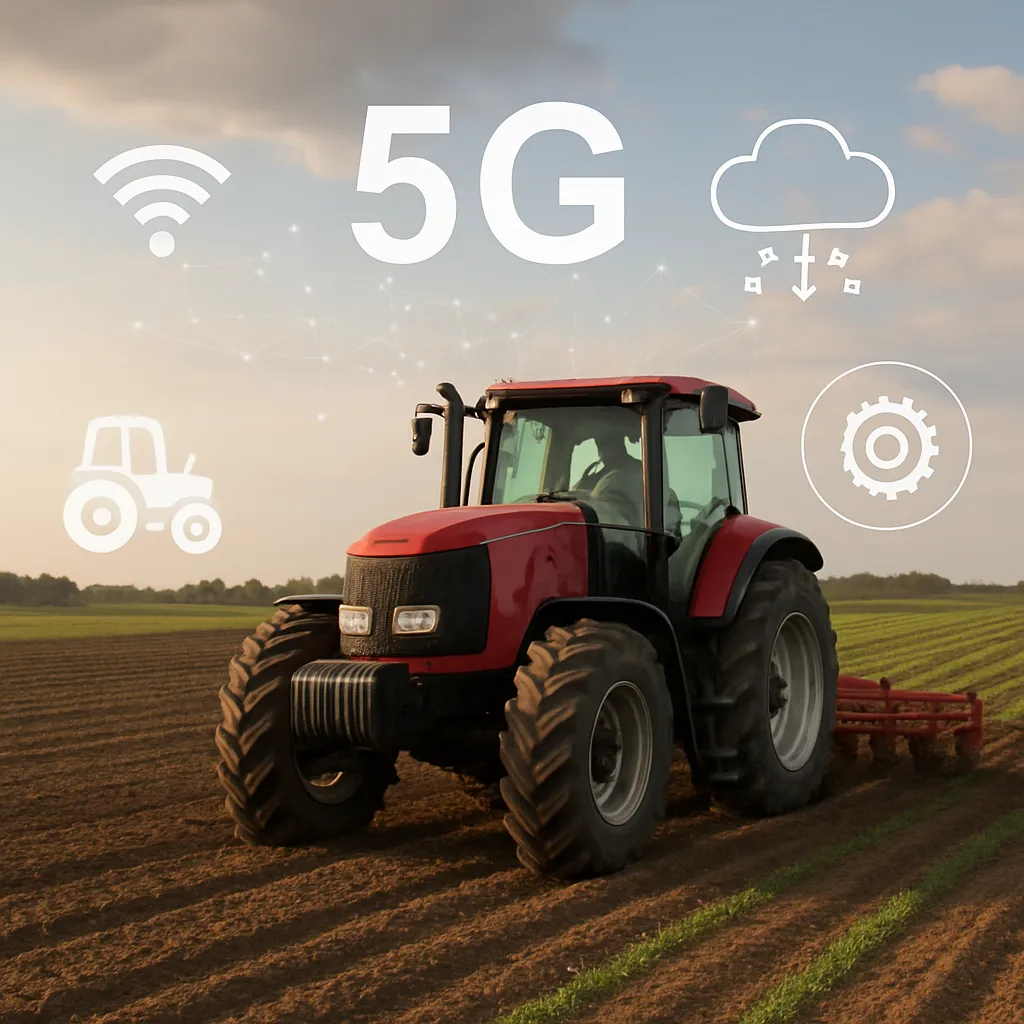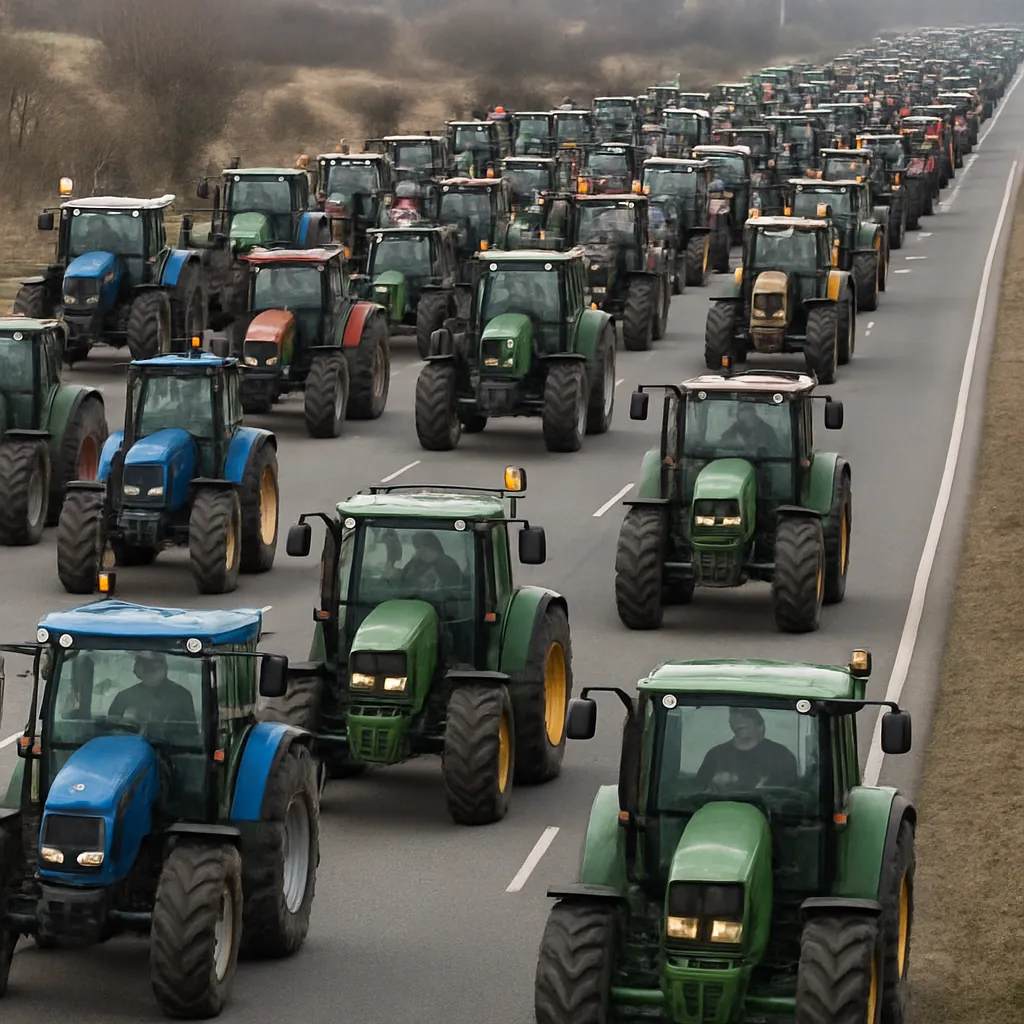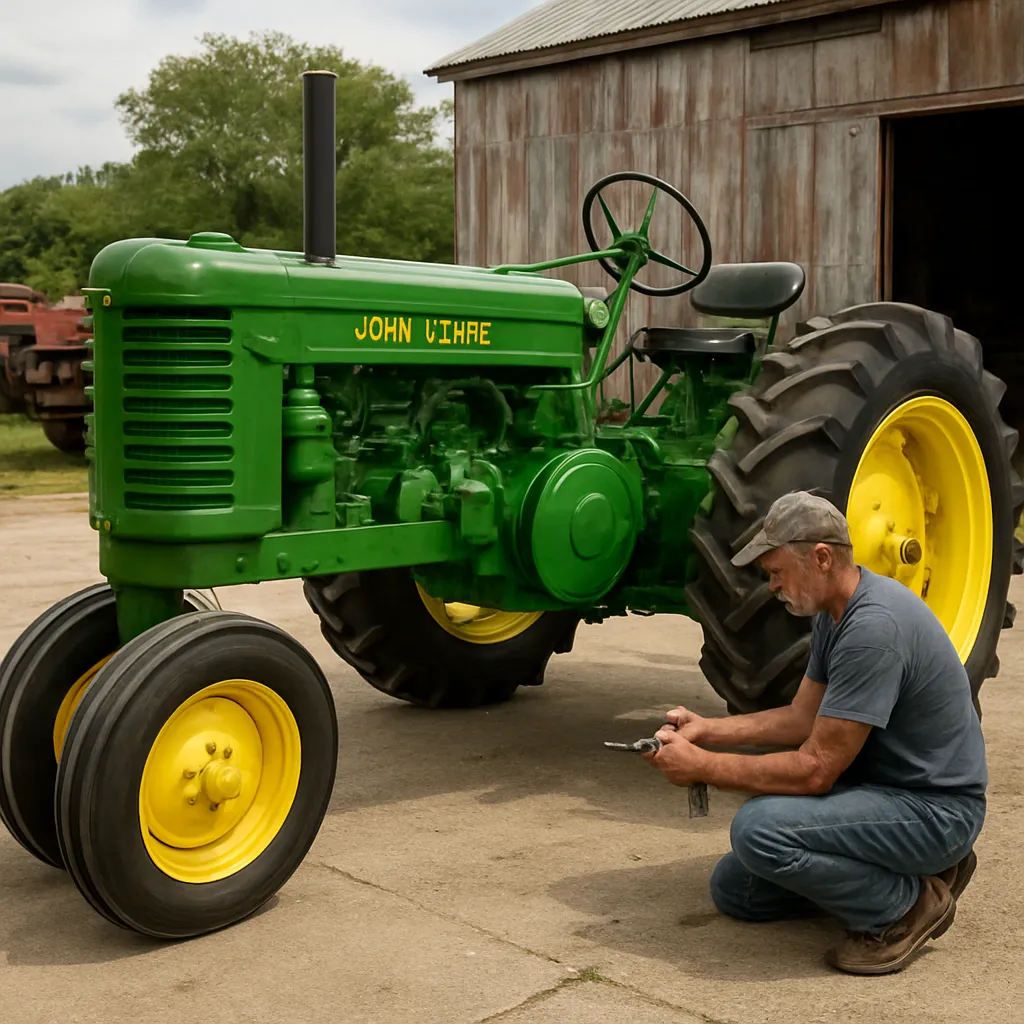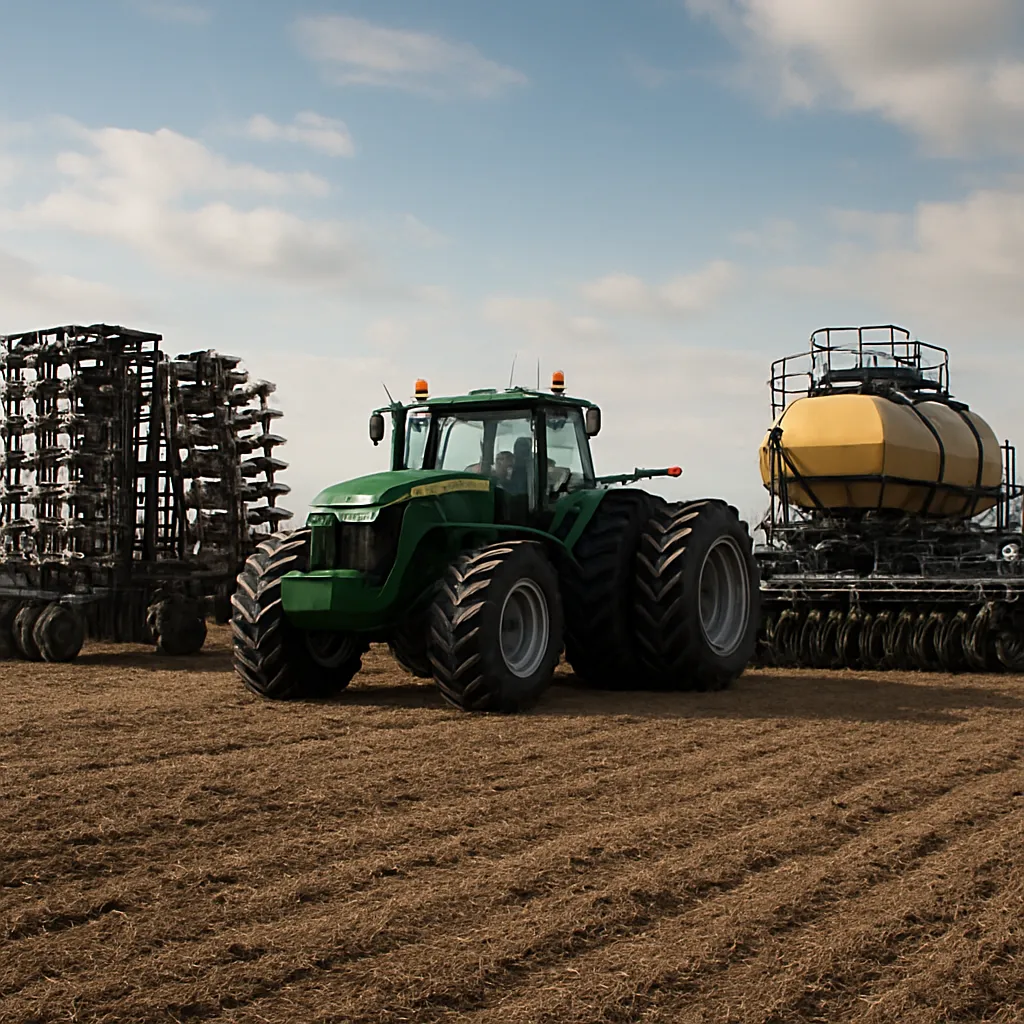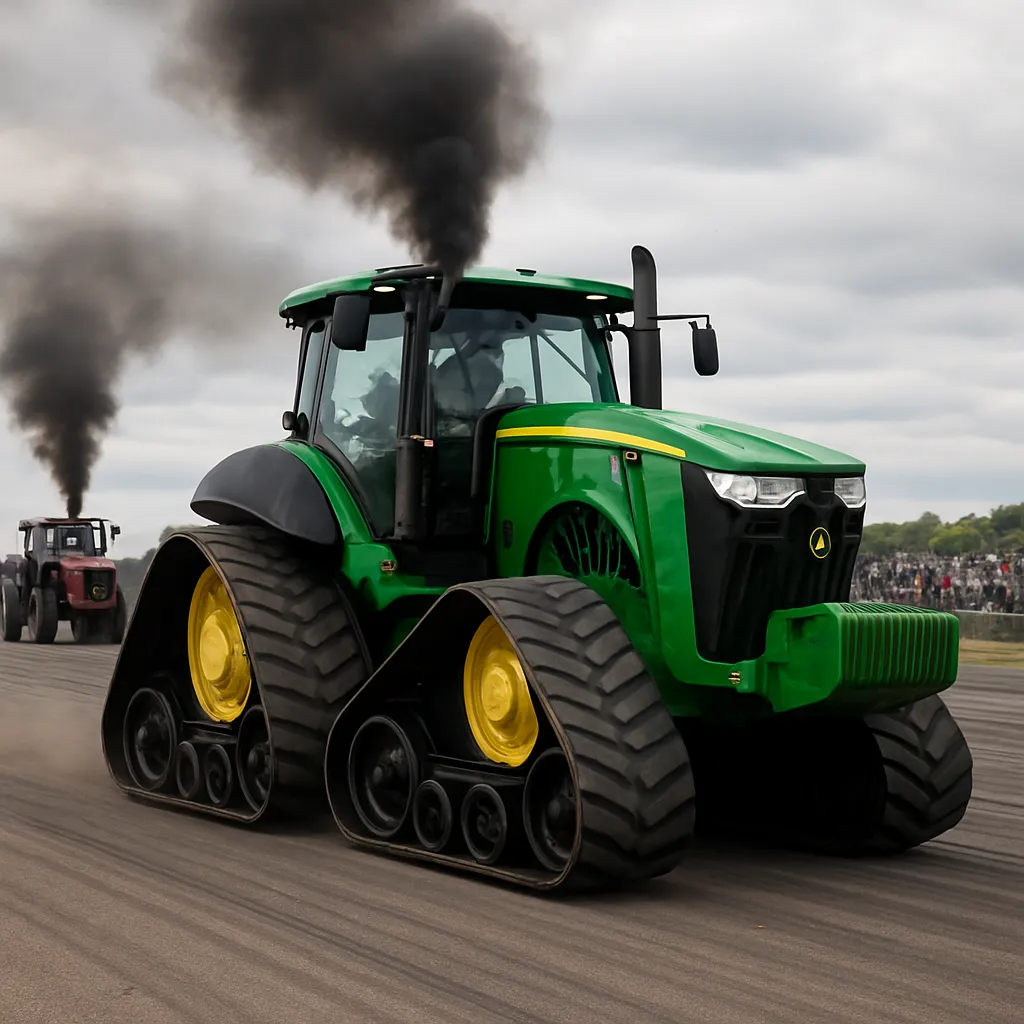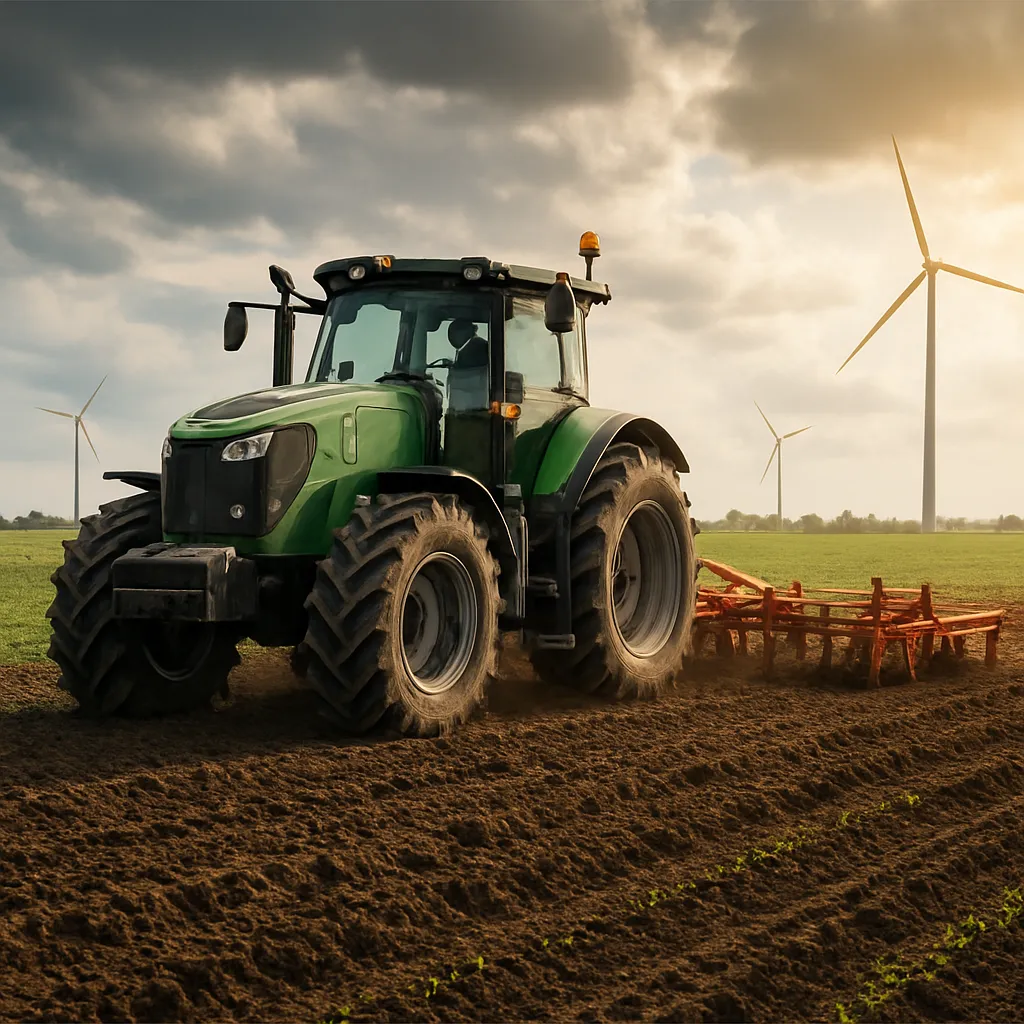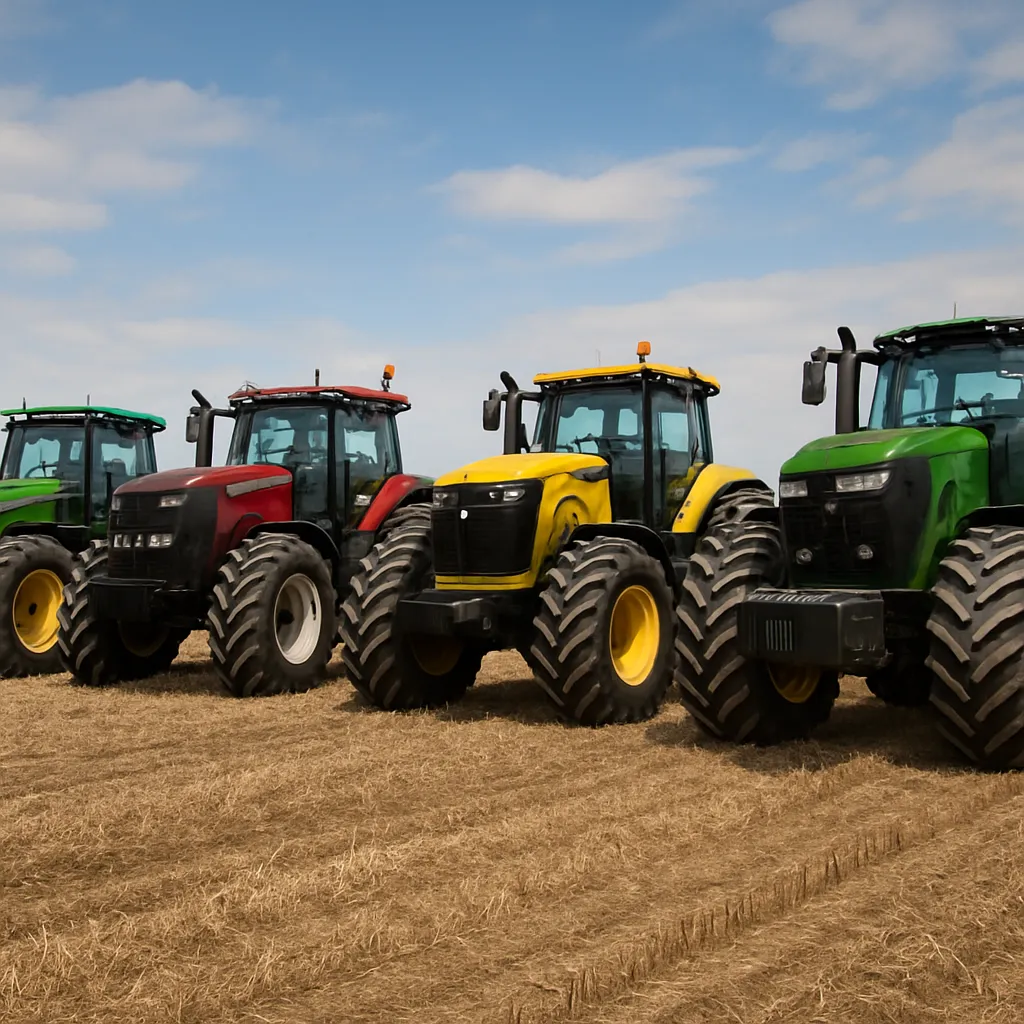
Across rolling fields and sprawling **farmlands**, the world’s most **massive** tractors have become modern icons of **innovation** and **power**. These engineered giants not only symbolize the pinnacle of **agricultural** machinery but also captivate photographers, enthusiasts, and onlookers alike. Their towering frames and thunderous engines transform ordinary rural landscapes into stages for awe-inspiring imagery. From dawn-lit pastures to twilight horizons, these behemoths pose against nature’s canvas, creating striking visual stories that resonate worldwide.
Evolution of Super-Sized Tractors
The journey toward today’s record-breaking tractors began over a century ago, when simple steam engines were first repurposed for plowing. As demand for food rose with growing populations, manufacturers pursued ever-larger machines. The shift from **steam** power to internal-combustion engines marked a turning point, providing increased reliability and fuel efficiency. By mid-20th century, the first purpose-built row-crop tractors emerged, boasting robust frames and multi-cylinder motors.
Key milestones in tractor development:
- Early Steam Traction Engines (Late 1800s): Massive, cumbersome, yet revolutionary for mechanized plowing.
- Row-Crop Revolution (1930s–1950s): Introduction of adjustable wheel spacing and lighter frames.
- Diesel Domination (1960s–1980s): Higher torque, lower maintenance, and global adoption.
- Articulated Giants (1990s–2000s): Four-wheel drive articulating chassis that could handle extreme loads.
- High-Tech Era (2010s–Present): GPS guidance, autonomous features, and emissions control systems.
Each era contributed both to the tractor’s sheer size and its **functional** precision. Modern giants can weigh over 30 tons, pull equipment spanning more than 20 meters, and generate over 600 horsepower, all while minimizing soil compaction through advanced **engineering**.
Iconic Models Captured Around the Globe
Some tractors have earned legendary status thanks to their scale and **distinctive** designs. These machines often become must-see attractions at agricultural shows and exhibition fields, where photographers eagerly document every bolt and tread pattern. The following models consistently rank among the most photographed:
- Big Bud 16V-747: Holding the title of the largest farm tractor ever built, this 1,100-horsepower titan from 1977 is a piece of farming **history** immortalized by countless camera shutters.
- Case IH Quadtrac 620: Known for its four independent tracks, it glides over soft soil with minimal compaction, often spotlighted in panoramic landscape shots.
- John Deere 9620R: Sporting a 620-horsepower engine, its vivid green-and-yellow livery and sleek lines make it a photography favorite.
- Fendt 1100 Vario MT: Combines cutting-edge transmission technology with a modern cab design, proving that **functionality** and aesthetics can coexist.
- Challenger MT900E Series: Its distinctive black chassis and red accents are instantly recognizable, often featured in dynamic action photography.
Photographers chase these machines across continents—from the golden plains of the American Midwest to the vast barley fields of Europe—seeking the perfect interplay of light, scale, and environment.
Impact of Photography on Tractor Culture
The rise of social media platforms and specialized forums has transformed tractor photography into a vibrant subculture. Hashtags like #MegaTractor and #FarmBeast accumulate thousands of posts. Through images and videos, enthusiasts share field tests, sunset silhouettes, and close-up shots of engines teeming with pistons and pistons.
Photography has also fostered a sense of community:
- Online galleries where collectors compare custom paint schemes.
- Virtual meetups featuring discussion panels on lighting techniques.
- Photography competitions judged on composition, lighting, and technical accuracy.
Manufacturers have taken notice, commissioning professional photo shoots to highlight new features and enhancements. These high-resolution images often appear in global marketing campaigns and agricultural publications, further cementing the tractor’s status as a **cultural** icon. Additionally, photographers are experimenting with drone-mounted cameras to capture sweeping overhead views, revealing the immense scale and geometric beauty of planted fields contrasted against these mechanical giants.
Challenges in Photographing Giant Tractors
Despite their grandeur, capturing the perfect shot of a mega tractor comes with obstacles. The machines’ massive size can make it difficult to frame them properly without specialized lenses or vantage points. Dust and debris stirred up during operation can obscure details, while harsh midday sunlight may cast unflattering shadows across the bodywork.
- Perspective Distortion: Overcoming barrel or fisheye distortion when shooting up close.
- Lighting Balance: Using reflectors, diffusers, or external flashes to highlight metallic surfaces.
- Safety Considerations: Maintaining a safe distance from moving machinery and adhering to farm safety protocols.
- Weather Conditions: Timing shoots to coincide with favorable weather, such as golden hour or overcast skies.
Veteran photographers often scout locations days in advance, mapping out positions and angles. Some even use remote-controlled camera rigs placed on equipment to capture wheel rotation and tread patterns from unique perspectives.
Future Trends in Mega Tractor Design
As global food production needs escalate, engineers are pushing boundaries in **efficiency** and **sustainability**. Upcoming tractor prototypes emphasize electrification, autonomous operation, and modular attachments that can be swapped in minutes. These advancements promise to reshape the visual landscape of agricultural photography.
Emerging trends include:
- Hybrid and Electric Powertrains: Reducing carbon footprints and enabling near-silent operation at dawn.
- Swappable Implement Systems: Quick-change couplings for plows, seeders, and sprayers, enabling photographers to capture rapid transition shots.
- Augmented Reality Interfaces: Overlaid data visualizations that blend telemetry with real-time imagery for immersive video content.
- High-Altitude Drone Integration: Coordinated flights between drone swarms and tractors to document tasks from multiple aerial angles.
These innovations will not only transform how tractors function but also redefine their visual storytelling potential. As machines become more intelligent and adaptable, they’ll inspire a new generation of photographers to seek out angles and contexts never before imagined.