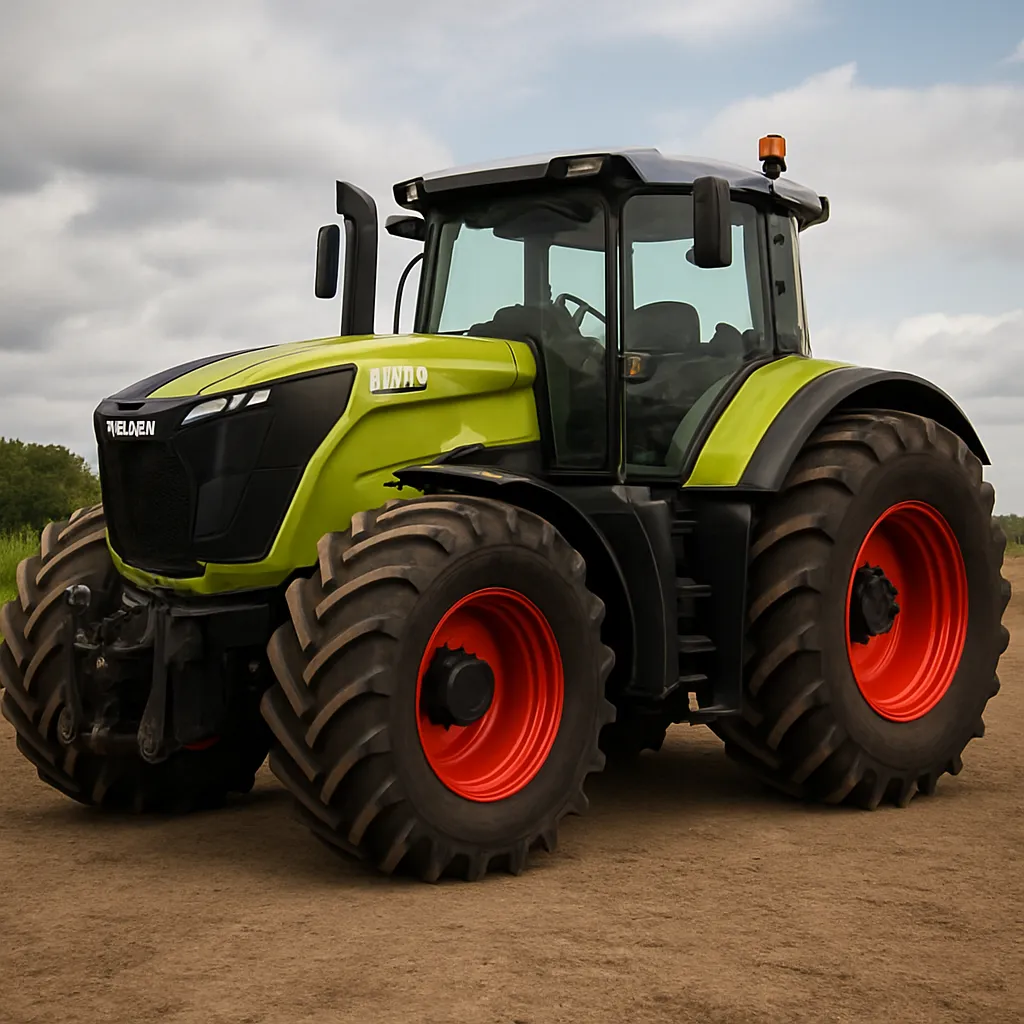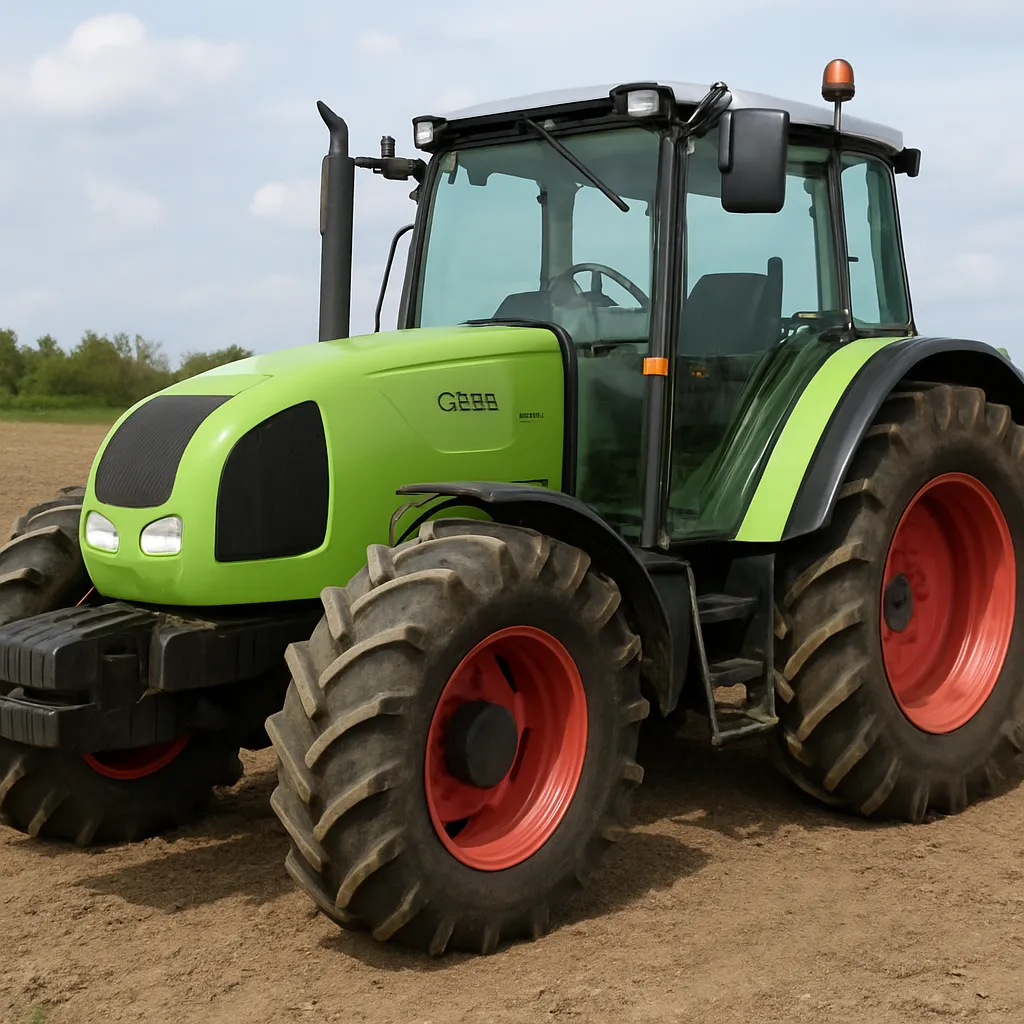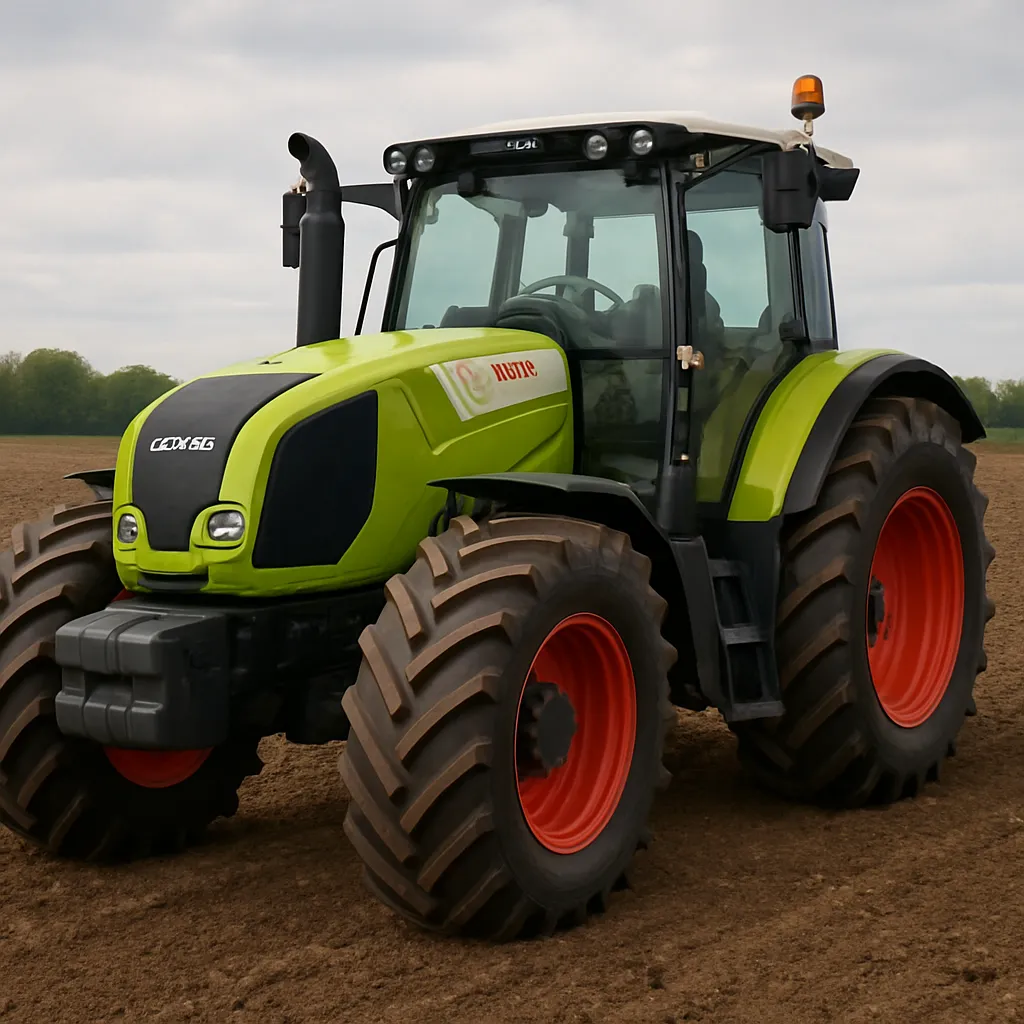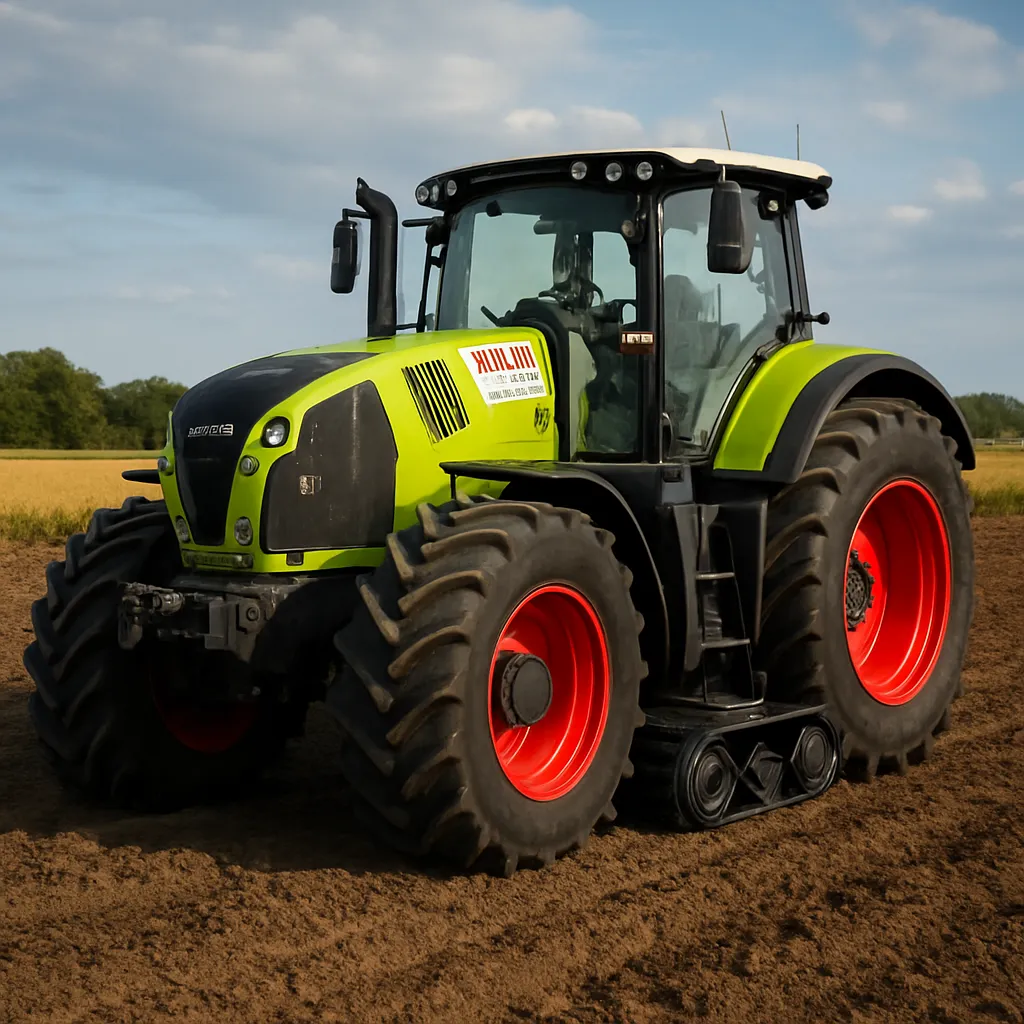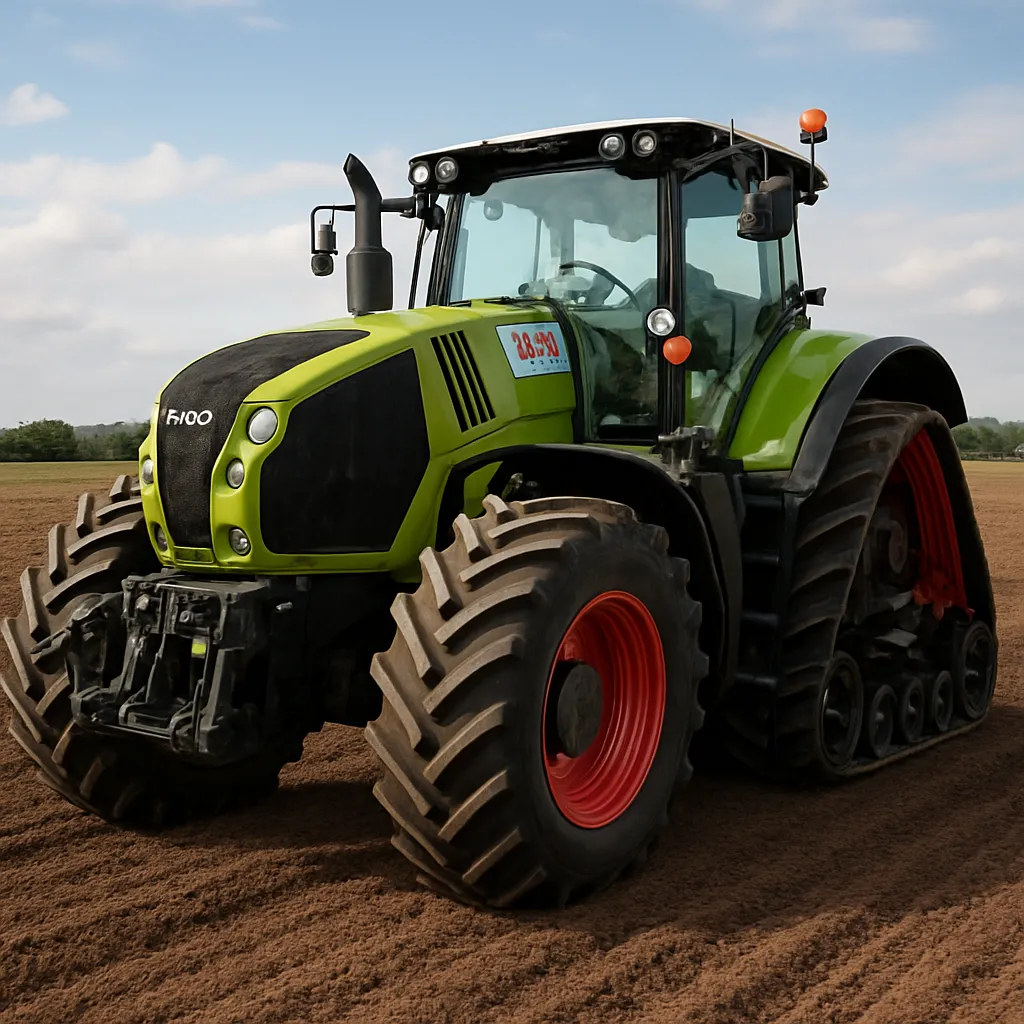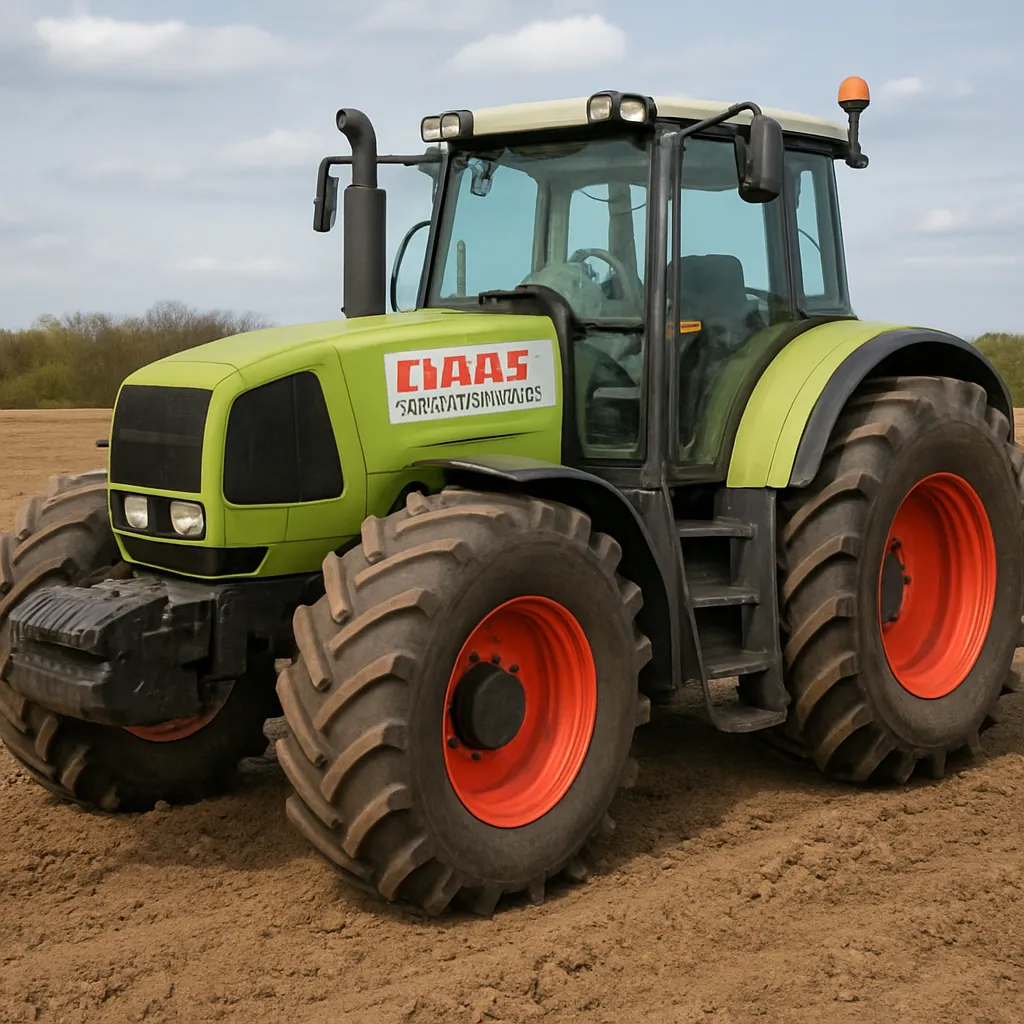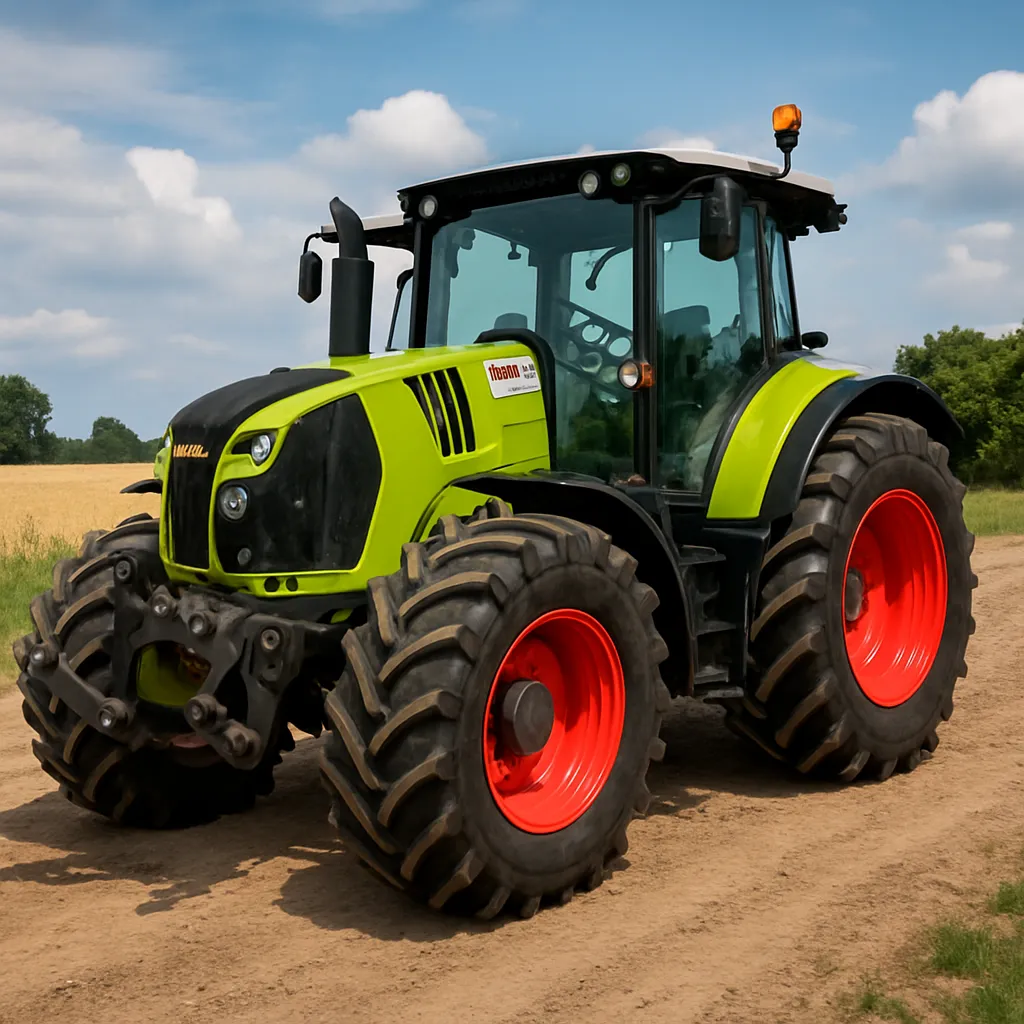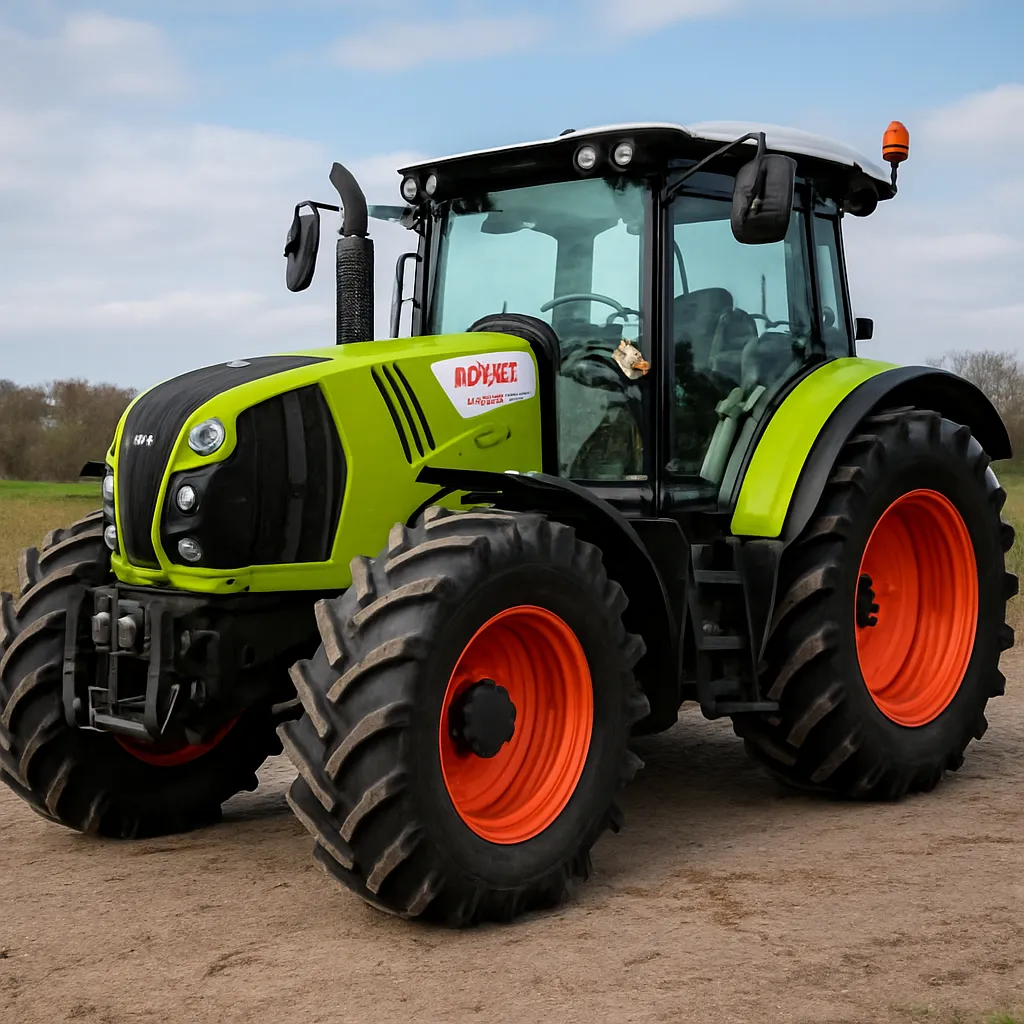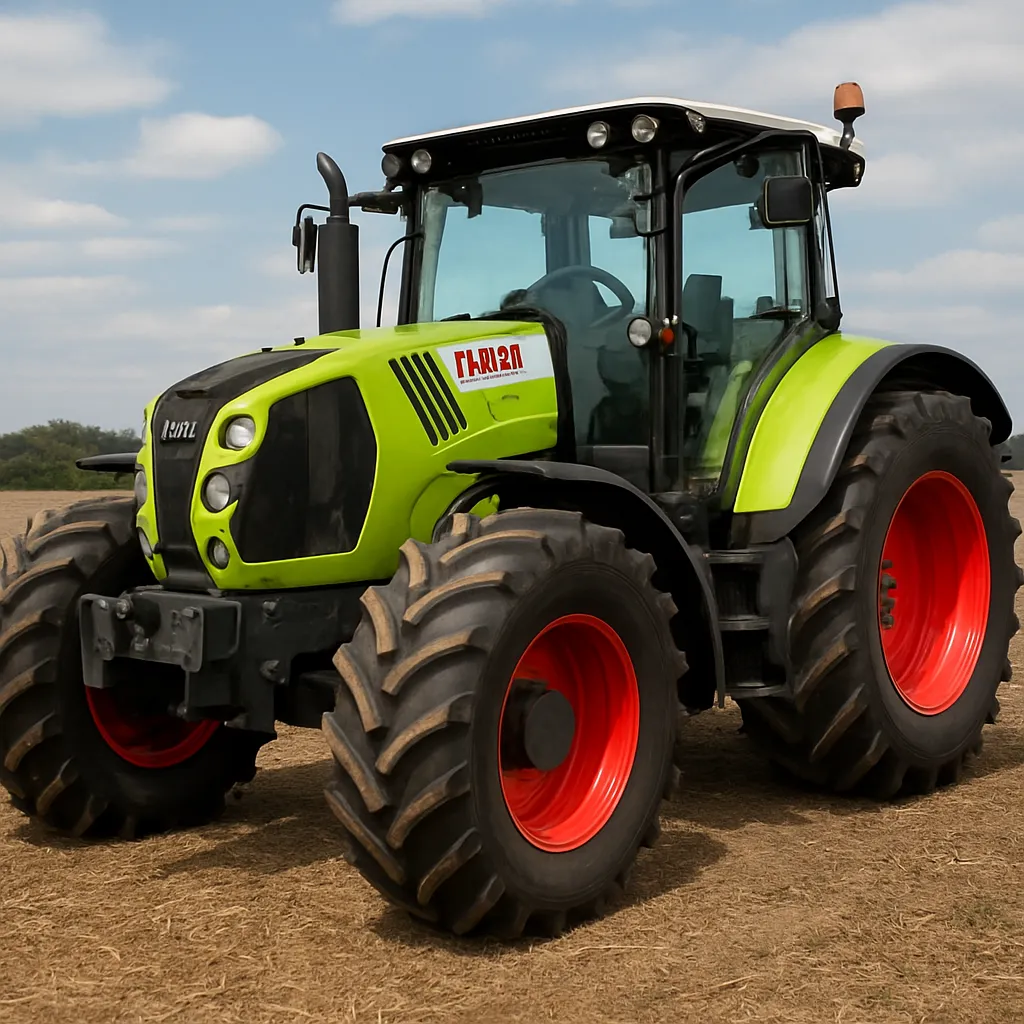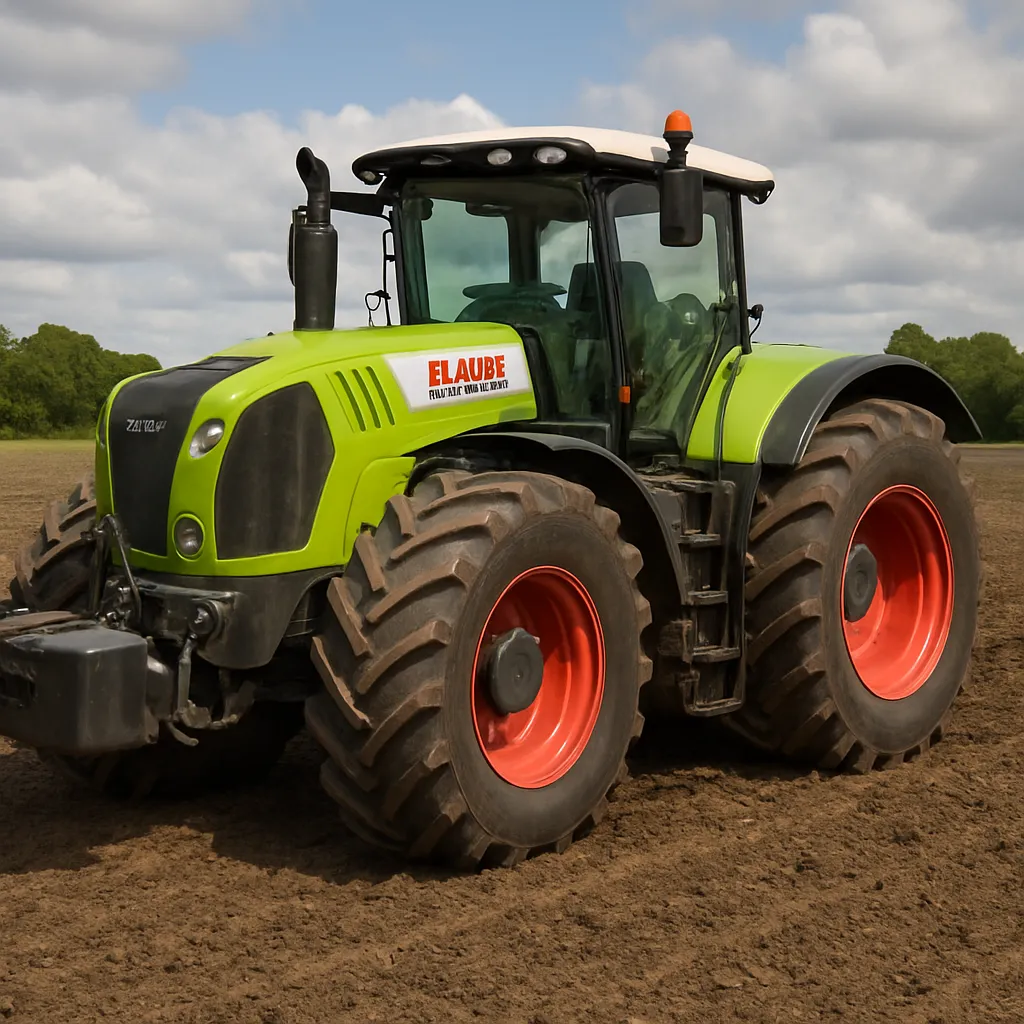
The Claas Xerion 2500 represents a class of high-capacity, multifunctional agricultural tractors designed to meet the demands of modern large-scale farming, transport tasks, and specialized field operations. Built to combine robust mechanical engineering with versatility and operator comfort, the Xerion 2500 is frequently chosen by farmers and contractors who need a reliable, powerful machine that adapts to a wide range of implements and working conditions. This article explores the Xerion 2500’s design philosophy, typical applications, technical characteristics, operational performance, and practical considerations for ownership.
Overview and design philosophy
The Claas Xerion family is known for its distinctive appearance and flexible platform. The Xerion 2500 is a mid-range member of that family, optimized for tasks where high tractive effort, stability, and versatility are essential. Key aspects of the design reflect Claas’s approach to making a single machine serve many roles while prioritizing ease of use, durability, and all-day operator comfort.
Core design attributes
- Power delivery tuned for sustained field work rather than short bursts — the machine is optimized for consistent torque at medium engine speeds.
- All-wheel traction and chassis stability that allow reliable performance in soft soils, slopes, and heavy draft applications.
- Modular connection points and hydraulic systems designed to accommodate a wide variety of implements such as ploughs, seeders, sprayers, and towed or mounted equipment.
- Operator-centric cab layout with excellent visibility and controls intended to reduce fatigue during long shifts.
The Xerion’s aesthetic is functional: a high, forward-positioned cab and compact engine enclosure improve visibility to both front and rear implements. The layout also supports easy access for routine service and inspection.
Applications and versatility
One of the Xerion 2500’s greatest strengths is its adaptability. This single tractor model can be deployed in many roles across the farm and beyond. Below are the most common applications and reasons operators select the Xerion 2500 for these tasks.
Primary fieldwork
- Heavy tillage: The tractor’s weight distribution and torque make it suitable for deep ploughing and cultivating large fields with wide implements.
- Seeding and drilling: Adequate hydraulic flow and stable traction support precise seeding at faster forward speeds, helping improve field throughput.
- Crop care: When fitted with sprayers or air-seeders, the Xerion 2500 keeps pace over wide swaths and rough ground, maintaining consistent output.
Transport and on-farm logistics
- High-speed transport of implements and trailers on road segments between fields — the transmission choices allow practical travel speeds while preserving fuel economy.
- Heavy material handling: With robust drawbar and hitch capacities, the Xerion 2500 can tow large grain carts, fertilizer tanks, and other heavy loads.
Specialized uses
- Front-mounted implements and synchronized tool setups for municipal or contractor work, including snow clearing and roadside maintenance.
- Loader or crane conversions for farmyard work — the stable chassis and hydraulic capacity permit secondary roles beyond classic fieldwork.
- Operation with tracked undercarriages or flotation tires for very soft or marshy ground, reducing soil compaction while maintaining traction.
Because the Xerion 2500 is built around modular interfaces and robust hydraulic and electrical systems, it is a popular choice for contractors who need a machine that can be reconfigured quickly between jobs.
Technical specifications and numbers
Technical specifications can vary by year, market, and optional equipment. The list below provides representative figures and common ranges for the Claas Xerion 2500 class; individual units may differ depending on factory options and aftermarket modifications.
Representative engine and powertrain
- Engine output: approximately 230–270 horsepower (roughly 170–200 kW) depending on tuning and model year.
- Engine type: turbocharged diesel with robust low-end torque delivery for draft work.
- Transmission: continuously variable or stepped powershift options are common in the Xerion range, offering smooth acceleration and efficient power use across speeds.
- Top transport speed: commonly configured for 40–50 km/h with appropriate transmission and tyre choices.
Hydraulics and PTO
- Hydraulic flow: often in the range of 150–300 liters per minute through multiple circuits, depending on pump options and auxiliary hydraulics.
- PTO options: 540 / 1000 rpm possibilities with robust drive shafts and rear three-point hitch capacity for heavy mounted implements.
Dimensions and mass
- Operating weight: typically between 8,000 and 12,000 kg depending on configuration, ballast, and attachments.
- Ballasting and tyre options: wide tires, twin wheels, and tracked undercarriages are available to change ground pressure and improve traction.
Safety and electronics
- Onboard electronics: CAN bus networks, implement control interfaces, and optional GPS guidance or auto-steer systems for precision farming.
- Safety features: ROPS/structure-compliant cab, advanced lighting packages, and braking systems suitable for on-road travel.
These numbers reflect typical configurations; buyers should consult specific factory documentation or dealer-supplied specification sheets for exact values of any given Xerion 2500 machine.
Performance, efficiency, and operational economics
Operational performance for a tractor such as the Xerion 2500 depends on three correlated factors: powertrain efficiency, implement matching, and operator technique. Used appropriately, the machine can deliver high daily area outputs while maintaining acceptable fuel consumption for its size class.
Fuel consumption and efficiency
Fuel use varies heavily with task and ground conditions. Typical fieldwork fuel consumption for a mid-range tractor in this class can range from roughly 12 to 25 liters per hour under common loads — lower for light transport and idle work, higher for intense draft operations. Efficient use of the machine involves:
- Matching implement width and working depth to soil and crop conditions to avoid unnecessary load.
- Employing transmission and engine control strategies that keep the engine in the most efficient RPM band.
- Using GPS-assisted guidance to reduce overlaps and improve effective hectares per hour.
Work rate
Work rates depend on implement width and forward speed. For example, with a wide cultivator or seeder, a Xerion-class tractor may comfortably cover dozens of hectares per hour under optimal conditions. Contractors often choose Xerion variants when they need to maximize throughput while hauling or operating large mounted implements.
Cost of ownership
- Capital cost: mid-to-high for the Xerion 2500 relative to smaller field tractors, offset by the ability to replace multiple machines or to perform diverse roles.
- Depreciation and resale: strong where the tractor is well-maintained; Claas machines have a solid brand presence and aftermarket support in many regions.
- Maintenance: routine servicing is essential to sustain productivity; parts for major systems (engine, hydraulics, transmission) should be budgeted for over the life cycle.
Operator environment and ergonomics
Claas has historically invested in cab design and operator interfaces to reduce fatigue and make complex tasks easier. The Xerion 2500 continues that trend with several notable features.
Cab design and visibility
- High-mounted cab for excellent sightlines to both the front implement and rear attachments.
- Large glazing areas and careful placement of pillars to minimize blind spots.
- Comfort seating, climate control, and sound damping to keep operators productive over long shifts.
Controls and automation
- Ergonomic joystick and console layouts for controlling hydraulics, transmission, and implement electronics.
- Optional guidance systems that allow for precise headland turns, auto-steering, and section control when operating sprayers or seeders.
- Telematics and remote monitoring capabilities in modern configurations, enabling fleet managers to track utilization and plan service interventions.
Maintenance, serviceability, and practical ownership tips
Owning a large tractor like the Xerion 2500 requires a plan for maintenance, spare parts, and proper operator training. The following points summarize best practices for long-term ownership and value preservation.
Routine maintenance priorities
- Engine and transmission oil service: regular intervals as recommended by Claas or the engine manufacturer, with close attention to load history and operating hours.
- Hydraulic system inspection: filters, hoses, and seals checked frequently to prevent leaks and ensure consistent implement performance.
- Tire and undercarriage checks: monitor tread, pressure, and any signs of uneven wear; adjust ballasting to maintain proper traction and minimize soil compaction.
Service networks and parts availability
Claas has an established dealer network in many agricultural markets. Owners should register with local dealers for warranty, scheduled maintenance, and access to diagnostic tools. For older units, aftermarket parts and refurbished components may be available through specialist suppliers.
Operator training and safety
- Proper training reduces accidents and equipment misuse; new operators should be familiar with electronic controls and load limits.
- Safe transport practices: securing implements, using appropriate lighting, and conforming to local regulations for on-road travel.
Market position, resale, and comparative advantages
In the market, the Xerion 2500 is positioned as a versatile, high-capacity tractor suited to medium-to-large farms and contractor operations. Its comparative strengths include modularity, traction, and the ability to perform multiple roles without the need for a large fleet of specialist tractors.
Resale considerations
- Maintenance history significantly affects resale value; machines with complete service documentation command higher prices.
- Well-chosen options — such as GPS guidance, comfort packages, and heavy-duty hitch assemblies — tend to retain value because they expand the tractor’s usable roles.
Comparisons with similar tractors
Compared with single-purpose large tractors, the Xerion 2500 stands out for adaptability and the ease with which it can shift between heavy draft work and transport roles. While some competitors may offer marginally higher peak horsepower, the Xerion’s focus on torque, stability, and implement compatibility often yields superior real-world productivity for mixed tasks.
Environmental considerations and future trends
Modern agriculture increasingly emphasizes carbon footprint, soil health, and efficient resource use. The Xerion 2500 can play a role in sustainable practices when deployed thoughtfully.
Soil compaction and tyre/tracking choices
- Wide flotation tires, duals, or tracked options reduce ground pressure and protect soil structure when used correctly.
- Proper ballast and implement matching help reduce unnecessary compaction and fuel use.
Emissions and fuel alternatives
Diesel remains the primary fuel for tractors in this size class, but manufacturers and operators are exploring options such as biofuels, synthetic fuels, and hybrid systems. The integration of low-emission engine technologies and exhaust aftertreatment systems reduces local air pollution and improves compliance with emissions regulations.
Summary
The Claas Xerion 2500 is a versatile, powerful tractor that meets the needs of commercial agriculture and contracting through a combination of robust engineering, flexible implement compatibility, and operator-focused design. Its strengths include stable traction, modular hydraulics, and an ergonomic cab, which together enable efficient performance across a wide range of field and transport tasks. While precise specifications vary by year and configuration, the Xerion 2500 class typically provides strong torque, substantial hydraulic capacity, and a structure that supports heavy implements. For operators who need a single machine to cover many roles — from heavy tillage to large-scale seeding and transport — the Xerion 2500 remains a practical and productive choice.
Key attributes highlighted: Claas Xerion 2500, tractor, power, torque, hydraulics, cab, all-wheel traction, versatility, fuel efficiency, maintenance.