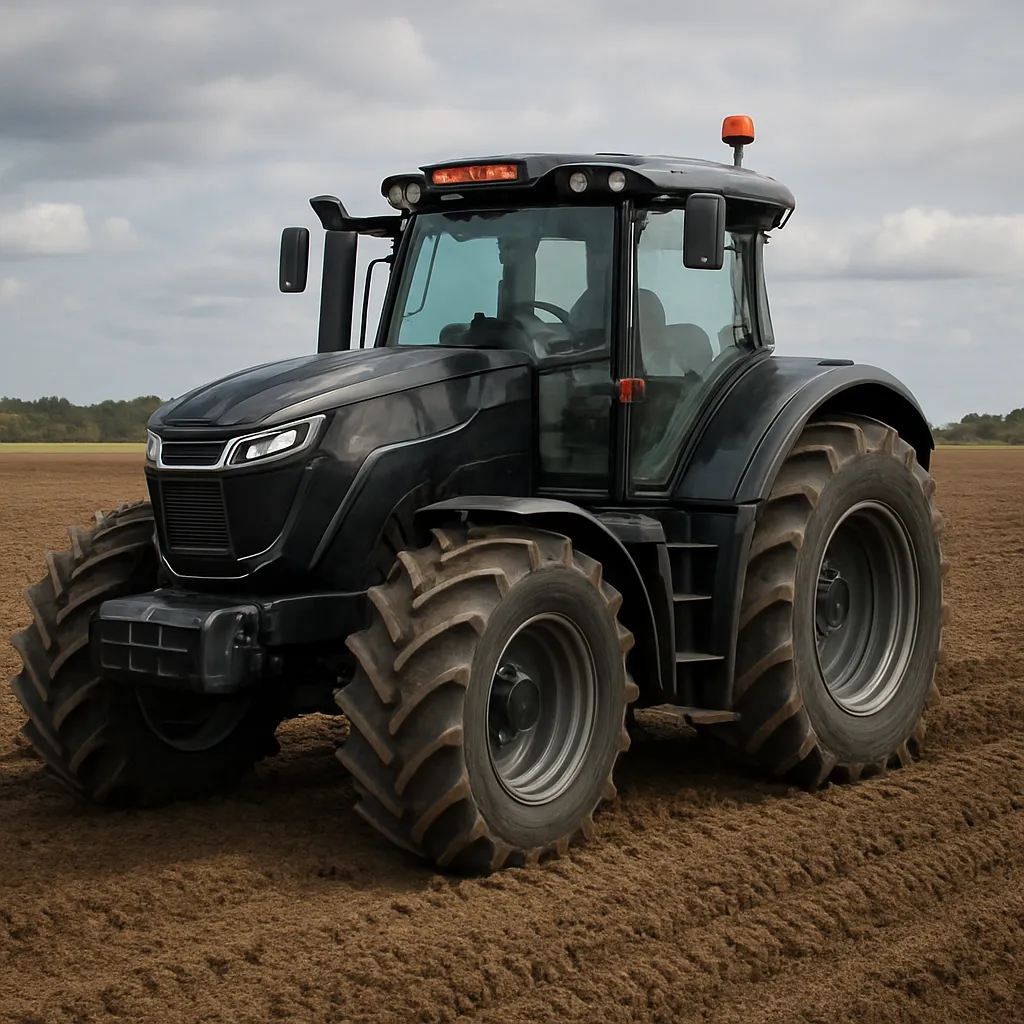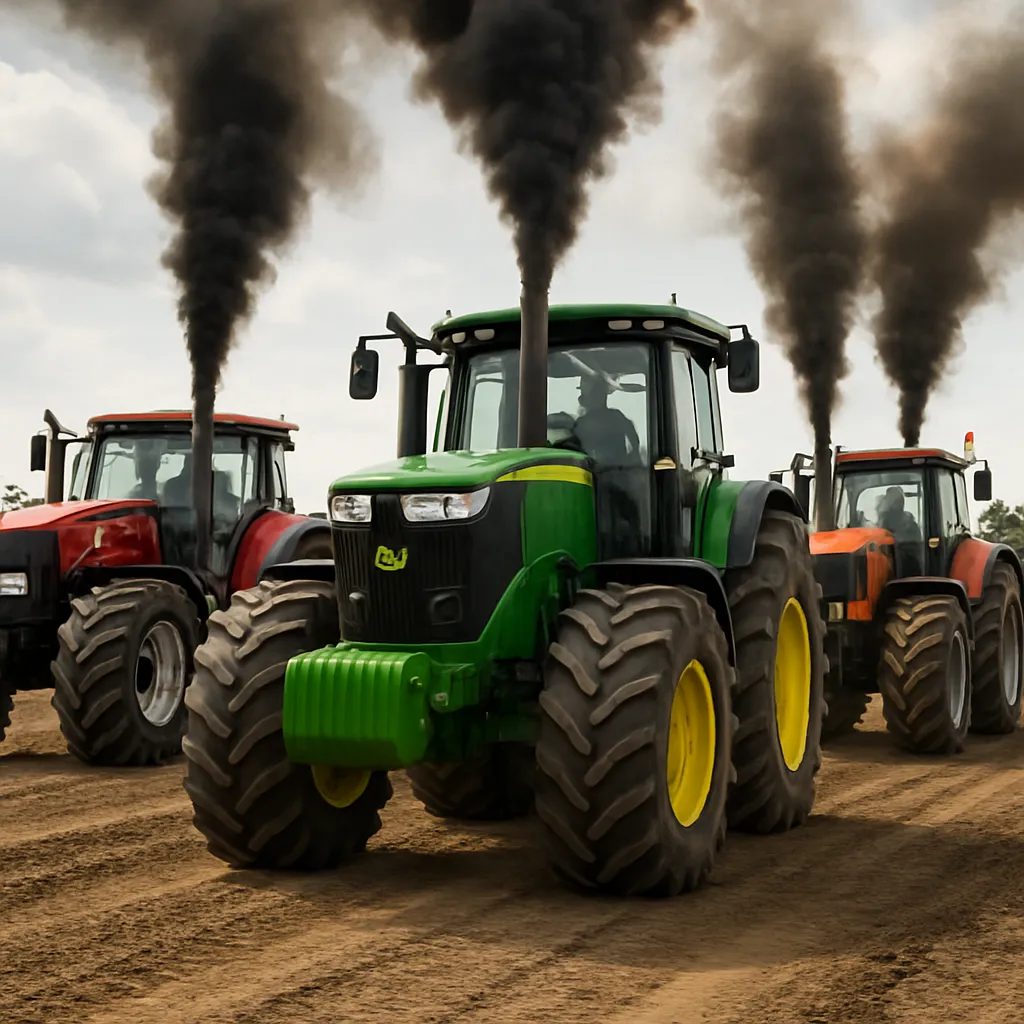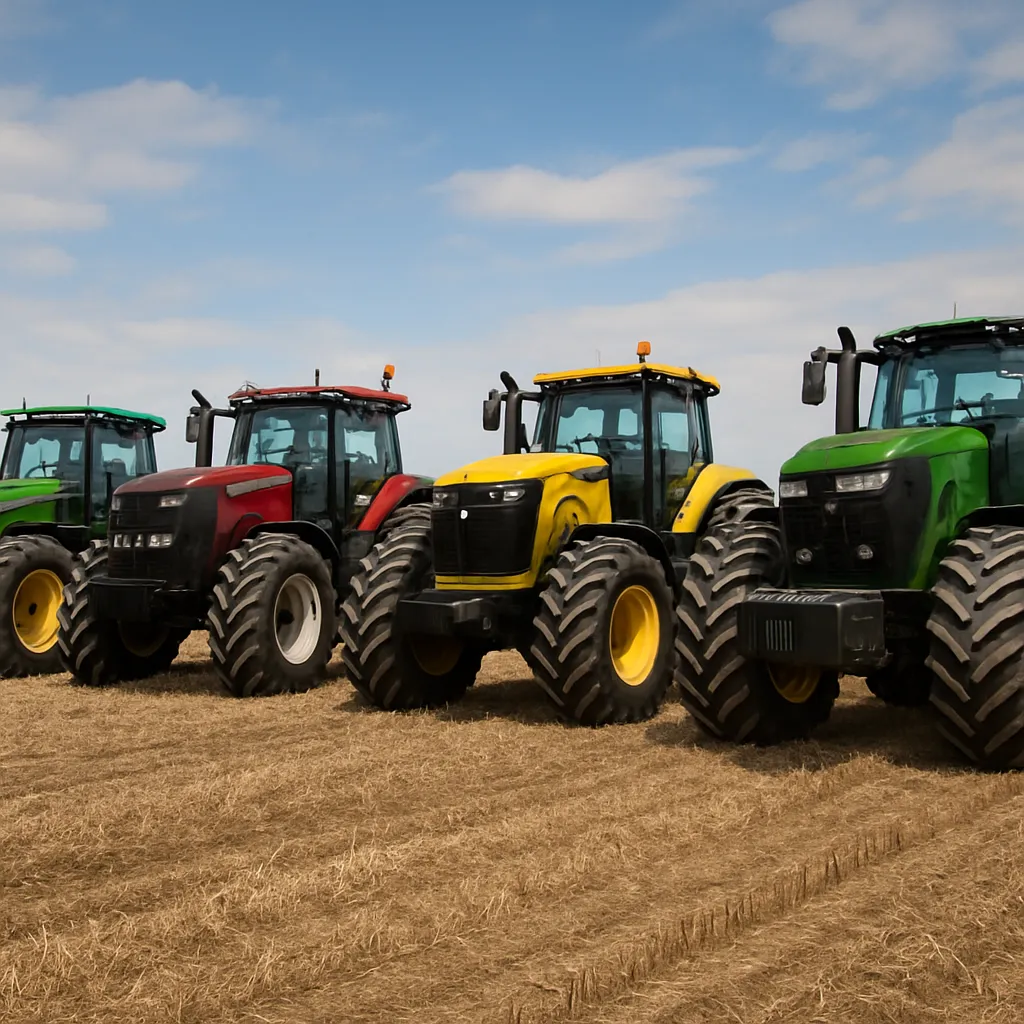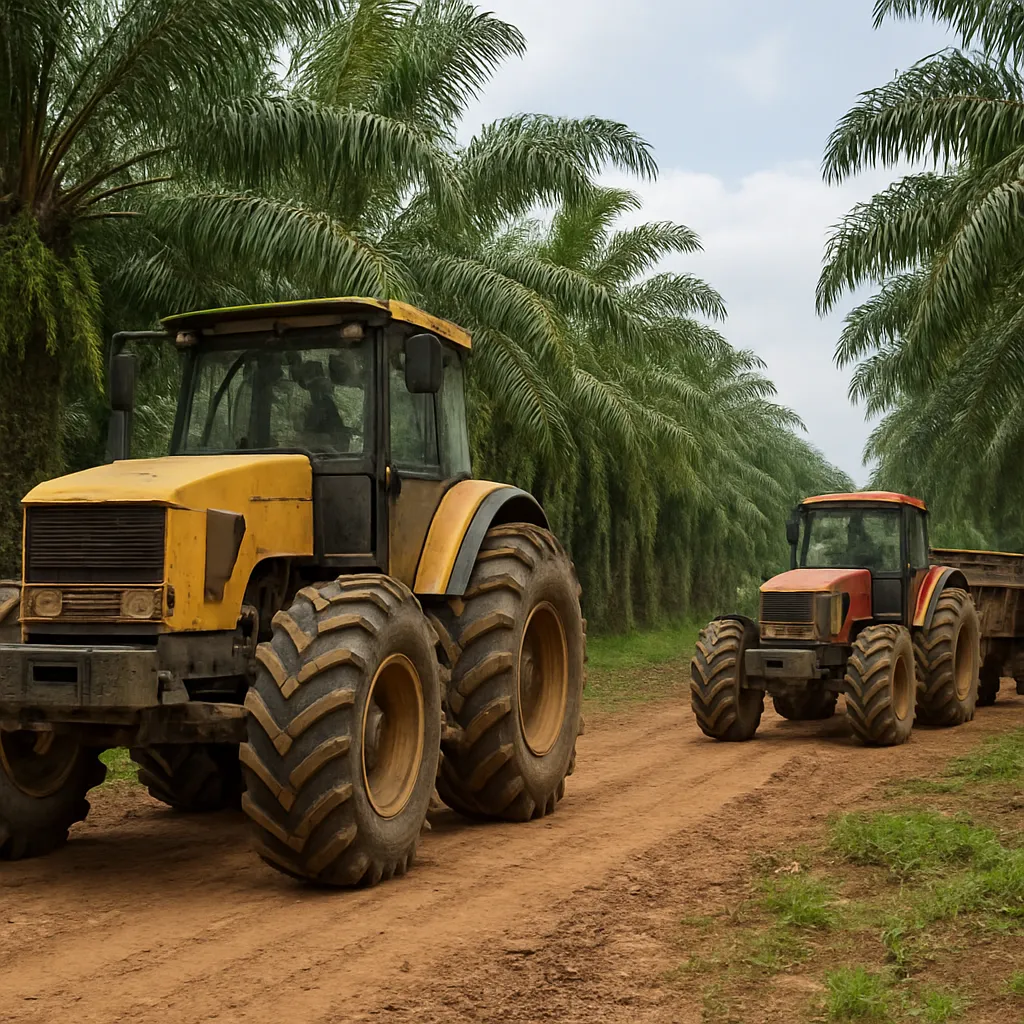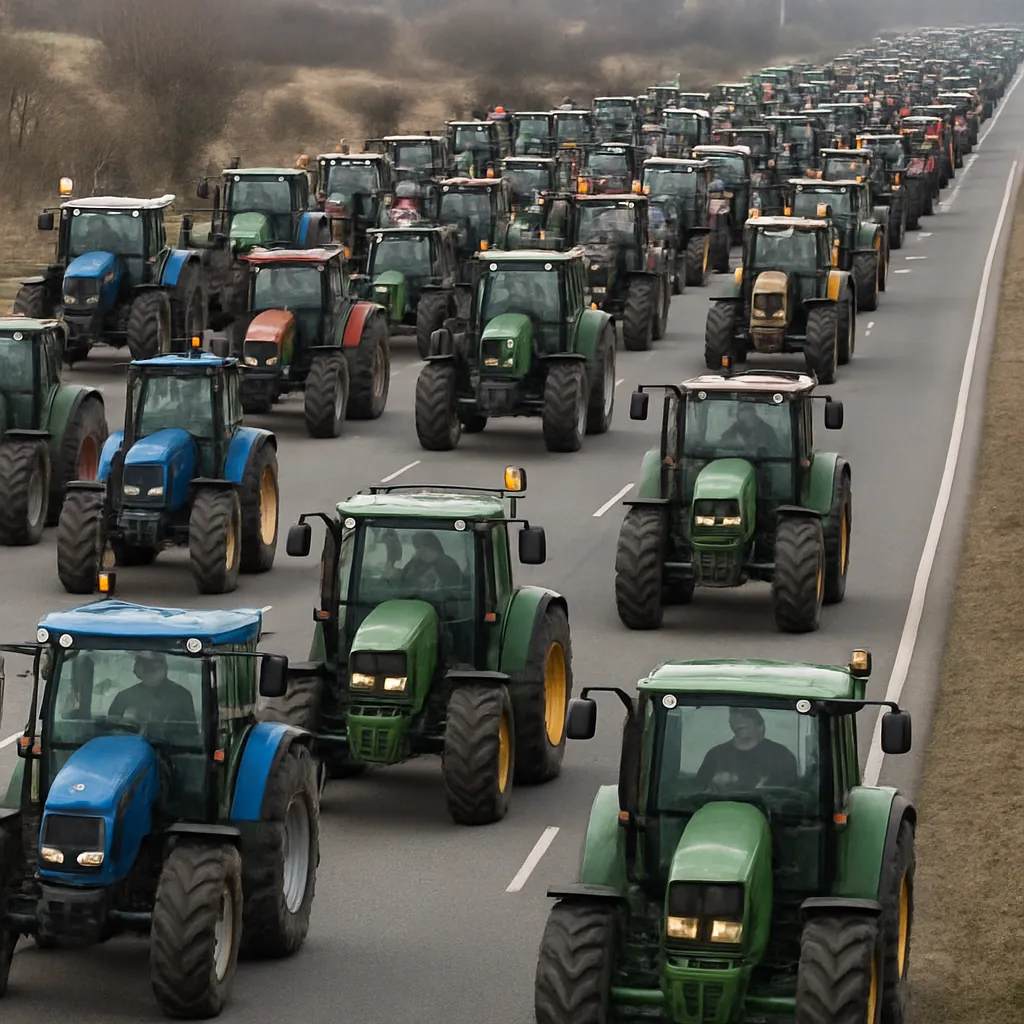
Massive tractors rolling down highways have become a symbol of modern farming prowess and a testament to human ingenuity. These colossal machines, often referred to as steel giants, combine immense horsepower with cutting-edge technology to transform the landscape of agriculture. When assembled into convoys, they draw crowds of enthusiasts and onlookers, celebrating an ongoing agricultural revolution that marries tradition with innovation.
History of the Largest Tractors
Early tractors were modest in size, designed to replace horses for plowing small fields. As the demand for more productive farming grew, manufacturers responded with increasingly powerful models. By the mid-20th century, America saw the rise of machines exceeding 100 horsepower, a dramatic shift from the 20 to 40 horsepower range typical just decades earlier. These milestones laid the groundwork for the modern farm machinery we recognize today.
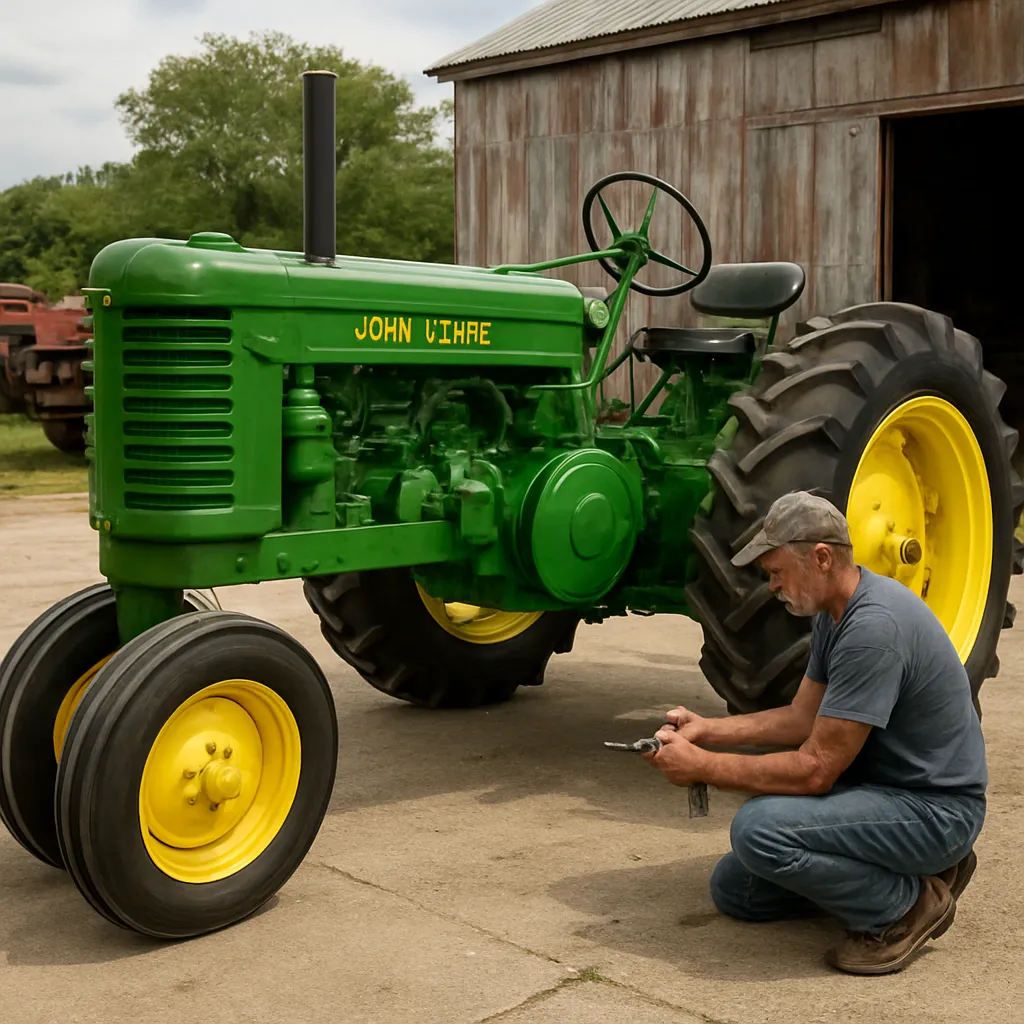
Several companies contributed to the trend. John Deere’s two-cylinder engines became iconic in the 1950s, while Case IH pushed boundaries with its Magnum series in the 1980s. Over time, European firms like Fendt and New Holland joined the race, each vying for supremacy in power, comfort, and efficiency. The competition sparked a series of innovations, including hydrostatic transmissions, integrated GPS guidance, and cab suspension.
The concept of organizing tractors into mass parades emerged in the late 1990s, initially as small gatherings of enthusiasts. These early events celebrated local harvest festivals or farm heritage days. When a group in the United Kingdom assembled over 500 tractors in 2003, the idea of a world record convoy was born. Since then, regions worldwide have attempted to shatter that record, pushing the boundaries of what’s possible.
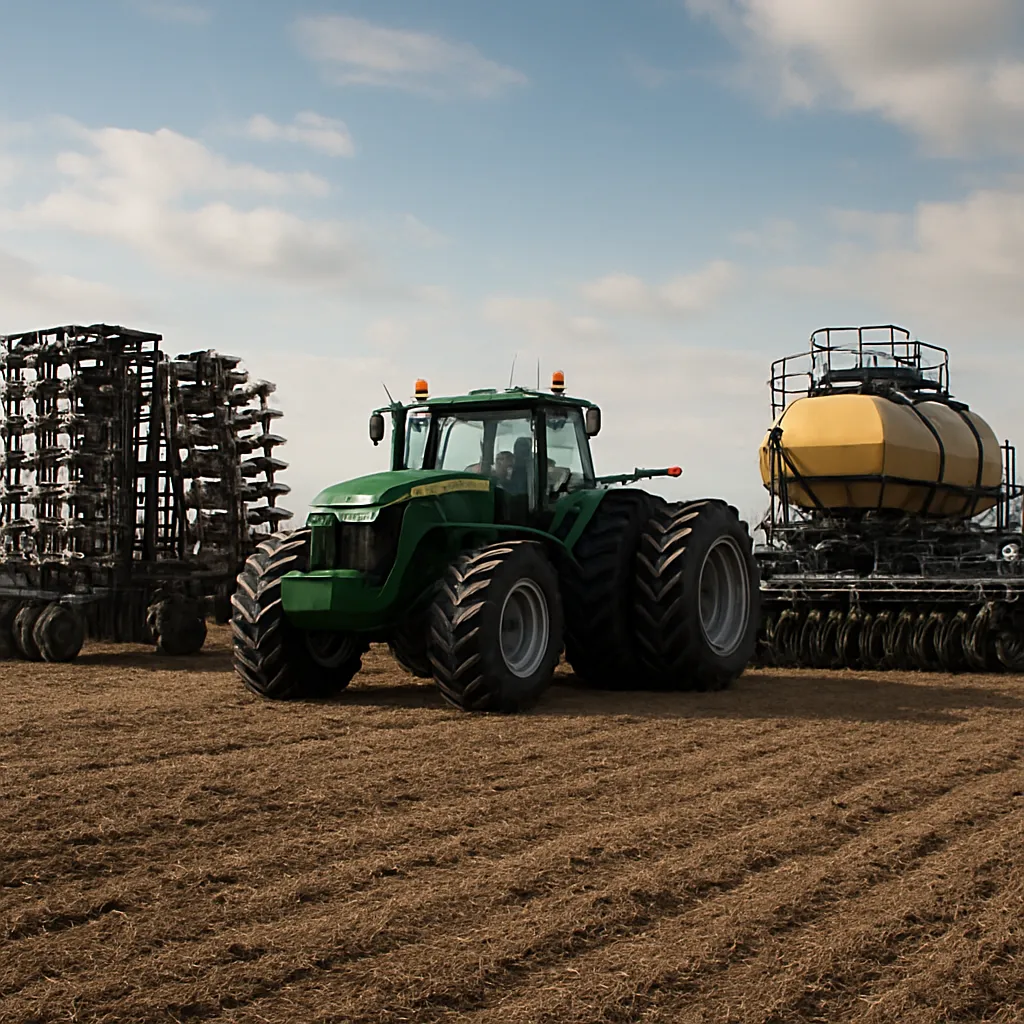
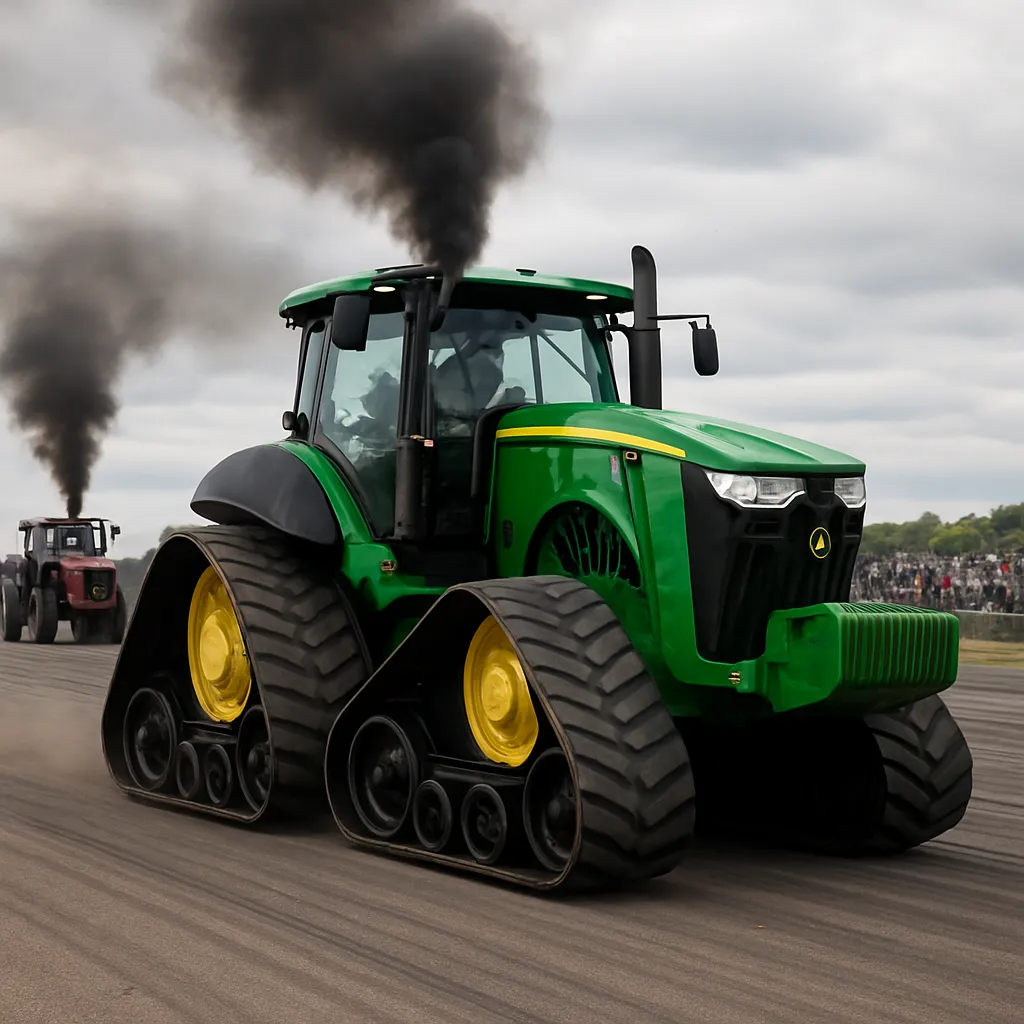
Tractor size and weight soared as manufacturers began offering flagship models. The Fendt 1100 Vario series tipped the scales at nearly 22 metric tons, while John Deere’s 9R series surpassed 600 horsepower. Such engineering marvels made headlines, but they also sparked debates about soil compaction and the environmental cost of super-sized farm equipment. Nonetheless, the allure of ever-larger tractors only intensified.
Record-Breaking Convoys Across the Globe
The first major record attempt occurred in France in 2006. A convoy of 678 tractors snaked through the countryside, organized by a local farmers’ union. This demonstration highlighted rural solidarity and drew international media attention. Observers marveled at the sight of so many behemoths moving in unison, each one representing the livelihood of a family farm.
In 2012, Australia raised the bar with 1,101 tractors forming the world’s longest convoy. The event was part of a charity drive, raising funds for drought relief. Participants traveled over 30 kilometers, showcasing both the logistical challenge and community commitment. The effort required careful coordination with police, local authorities, and transport agencies to ensure safe passage along highways and country roads.
India hosted one of the most vibrant tractor rallies in 2018. With over 1,300 tractors participating, the event served as a massive protest for fair crop prices. Every model imaginable—from small utility tractors to 700-horsepower giants—joined the procession. The spectacle underscored the political clout of farmers and highlighted ongoing struggles over subsidies and market access.
Belgium set another record in 2021, mobilizing 1,500 tractors for an agricultural festival. The convoy stretched for nearly 20 kilometers, weaving through medieval towns and modern highways alike. Local authorities dubbed it a “moving museum” of historic and modern tractors. Enthusiasts lined the route to admire restored antique models and the latest precision agriculture machines.
Perhaps the most audacious attempt occurred in the United States in 2022. Organized by a coalition of farming organizations, the convoy featured 2,000 tractors. Drivers represented every major brand, from Case IH to Kubota. The event spanned three days and included exhibitions, trade fairs, and forums on sustainable farming. Although the final record count awaited Guinness World Records’ verification, the sheer scale captivated millions via live streams and social media.
Technological Innovations Fueling the Trend
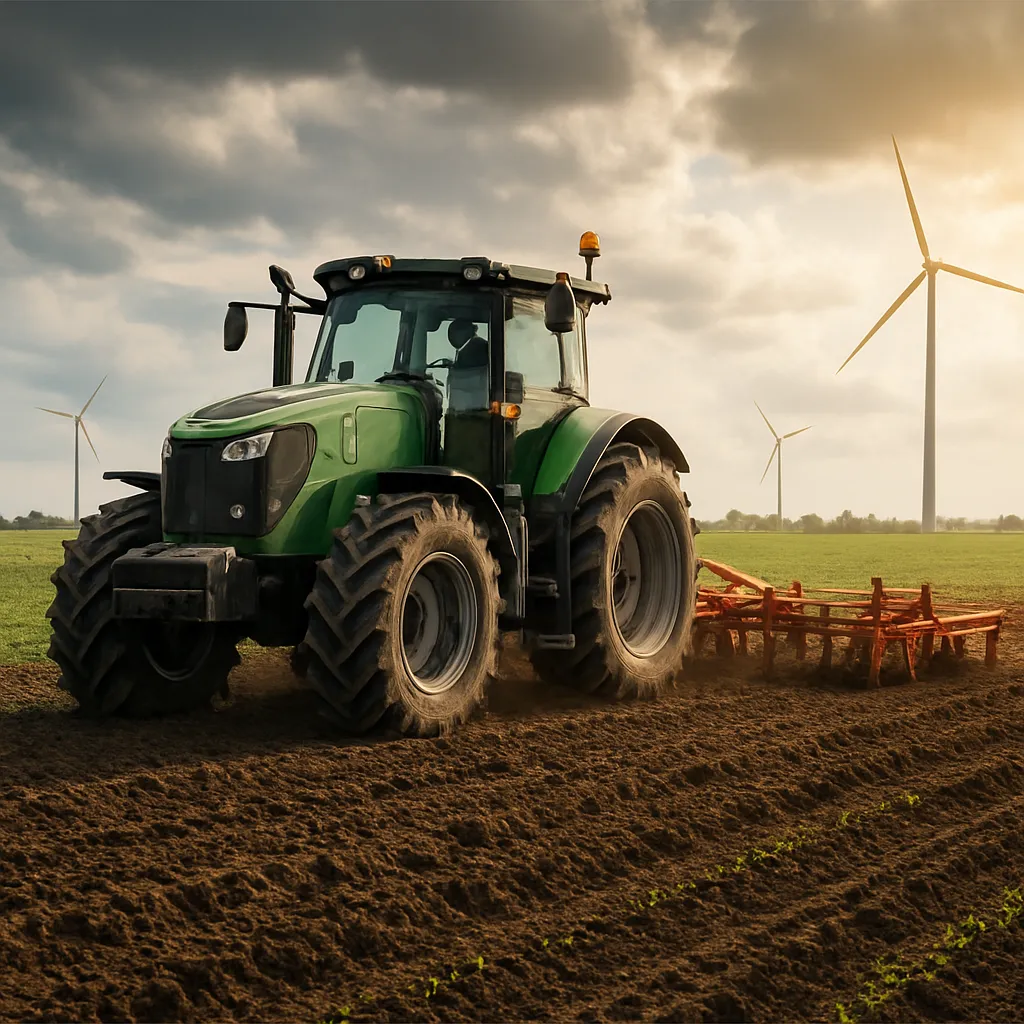
The tractors leading these convoys are not mere brute-force machines. They incorporate advanced technologies to optimize fuel consumption, reduce emissions, and enhance operator comfort. Precision agriculture tools, like auto-steering systems and real-time yield mapping, have become standard features on high-end models. This integration of data analytics into everyday farming underscores how tradition meets cutting-edge innovation.
Enhanced transmissions allow for seamless speed changes under heavy loads, while electronically controlled differentials ensure optimal traction in varied field conditions. Manufacturers also invest heavily in cab ergonomics, offering climate control, air suspension seats, and noise-dampening materials. These improvements reduce operator fatigue during long shifts behind the wheel, making large-scale convoys feasible without risking driver safety.
Another area of rapid development is groundbreaking engine technology. Tier 4 emissions regulations in Europe and North America pressured producers to adopt selective catalytic reduction (SCR) and diesel particulate filters (DPF). The result is cleaner exhaust without sacrificing performance. Hybrid and fully electric concepts are on the horizon, though they remain niche due to battery weight and cost concerns.
Modern tractors also feature telematics solutions that track location, performance metrics, and maintenance requirements. Fleet managers coordinate multiple machines during harvest, ensuring each unit operates at peak efficiency. When preparing for a massive convoy, this networked approach proves invaluable, as organizers can monitor thousands of vehicles in real time, assign staging areas, and anticipate technical issues before they occur.
Finally, safety enhancements play a crucial role. Rollover protection structures (ROPS), advanced lighting packages, and collision avoidance systems are becoming more common. When 2,000 tractors traverse public roads, the margin for error shrinks. By embracing safety standards, farmers and event planners demonstrate responsible stewardship of both machines and human lives.
Community Impact and Cultural Significance
Tractor convoys symbolize more than just mechanical prowess; they embody rural community spirit and resilience. These events unite farmers across generations, providing a platform to share experiences, display restored antiques, and discuss future challenges. Family-owned operations mingle with large agribusinesses, highlighting the diversity of modern agriculture.
Local economies benefit as well. Host towns welcome thousands of visitors, filling hotels, restaurants, and shops. Exhibition booths offer everything from seeds to software, generating substantial commerce. Agricultural colleges and research institutions often attend, recruiting students and showcasing cutting-edge studies. The infusion of knowledge, commerce, and social interaction reinforces the sector’s vitality.
Culturally, tractors carry deep significance. Antique models evoke nostalgia for simpler times, while the latest machines promise productivity gains that ensure food security for a growing population. These dual narratives—heritage and progress—converge during convoys, illustrating how farming adapts without losing its roots. Each engine roar resonates with stories of perseverance.
Charity has become an integral component. Many record attempts support causes such as disaster relief, youth education, or sustainable agriculture initiatives. By aligning massive public displays with philanthropic goals, organizers transform mechanical spectacles into vehicles for positive change. This synergy amplifies their impact well beyond the fields.
Looking ahead, tractor convoys will likely continue to grow in scale and significance. As machines become more powerful and connected, the logistical challenges will evolve. Yet the core purpose remains the same: celebrating an agricultural heritage that feeds the world and forging a shared identity among those who toil on the land. Each mile of convoy represents a milestone in farming history and a promise of innovation to come.