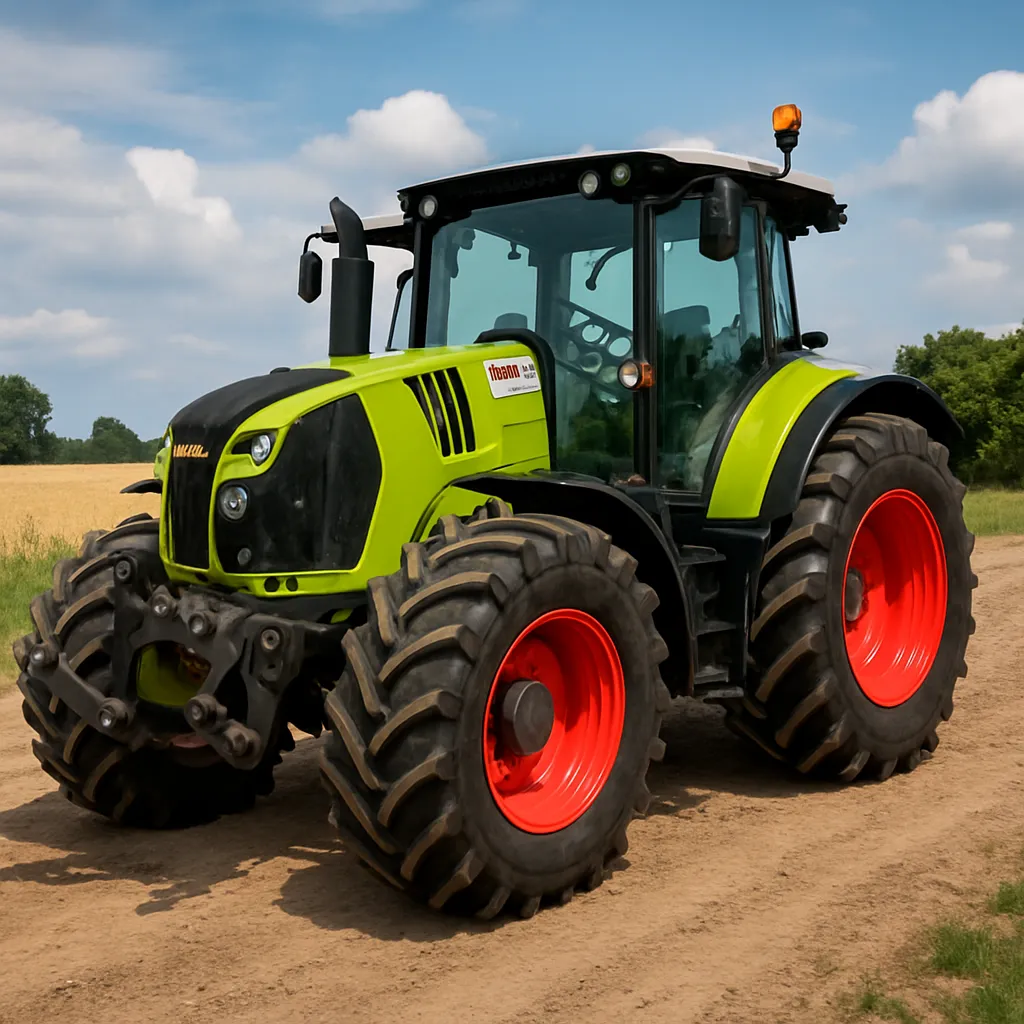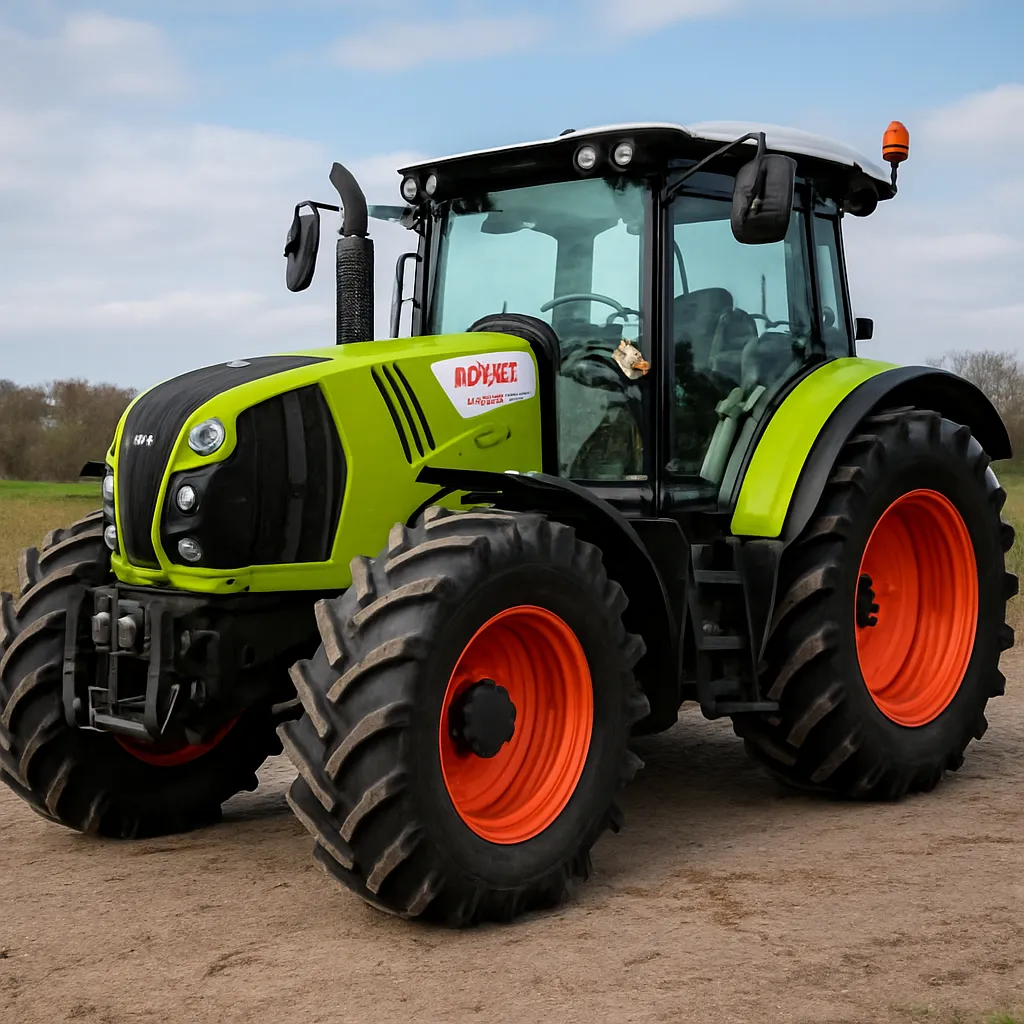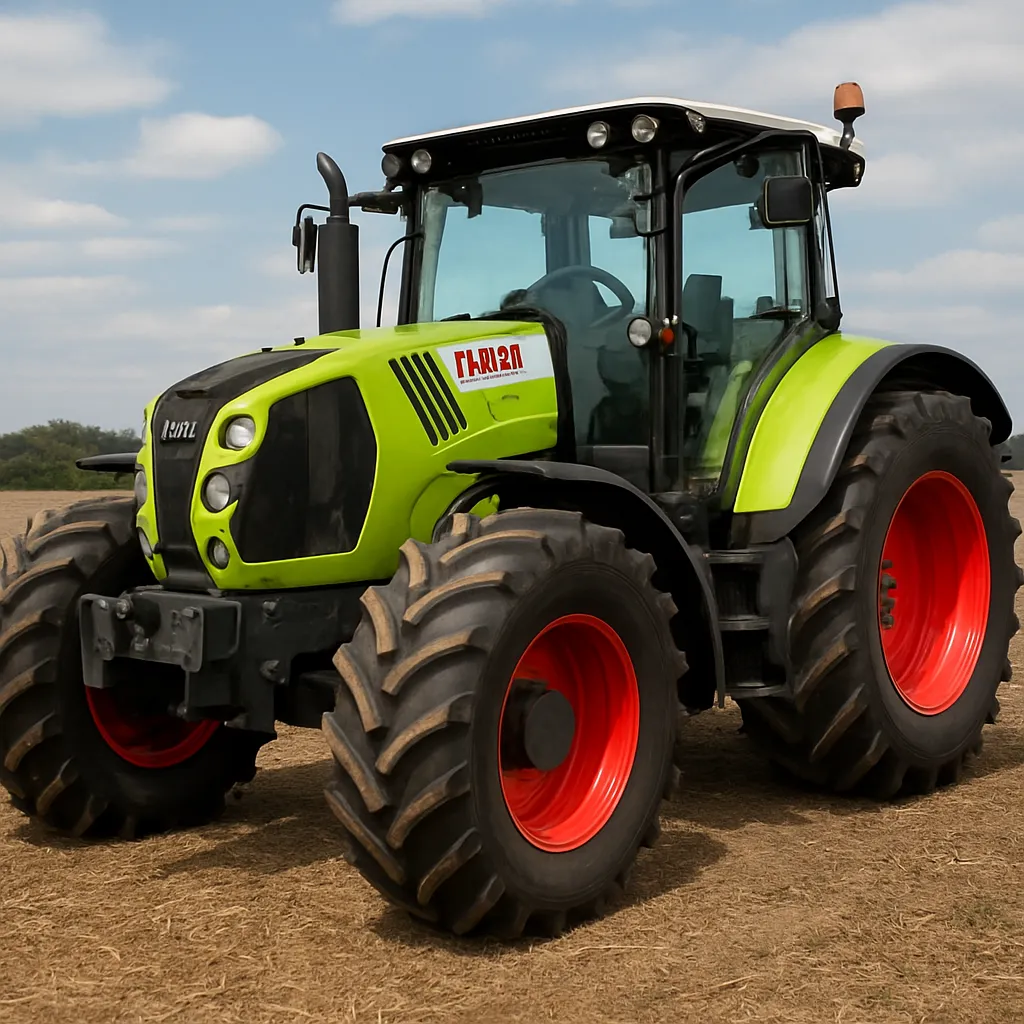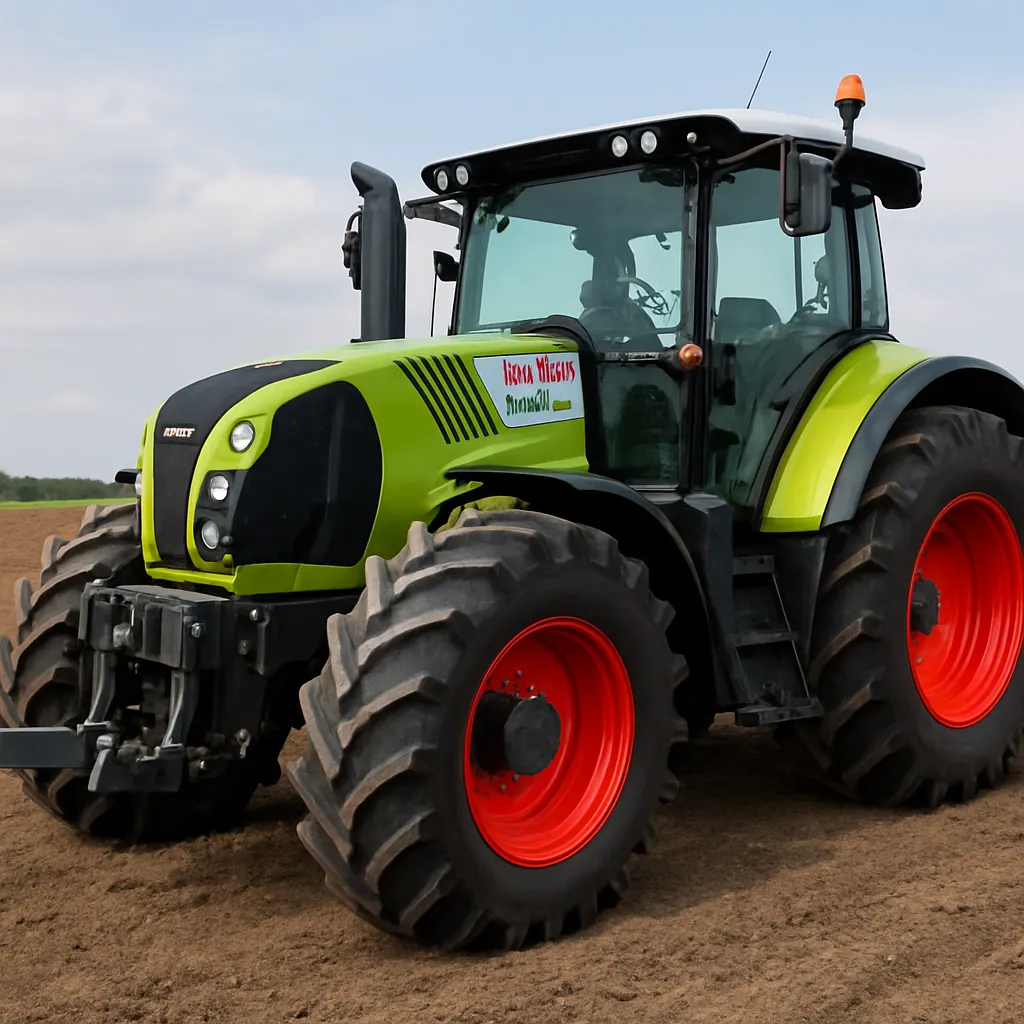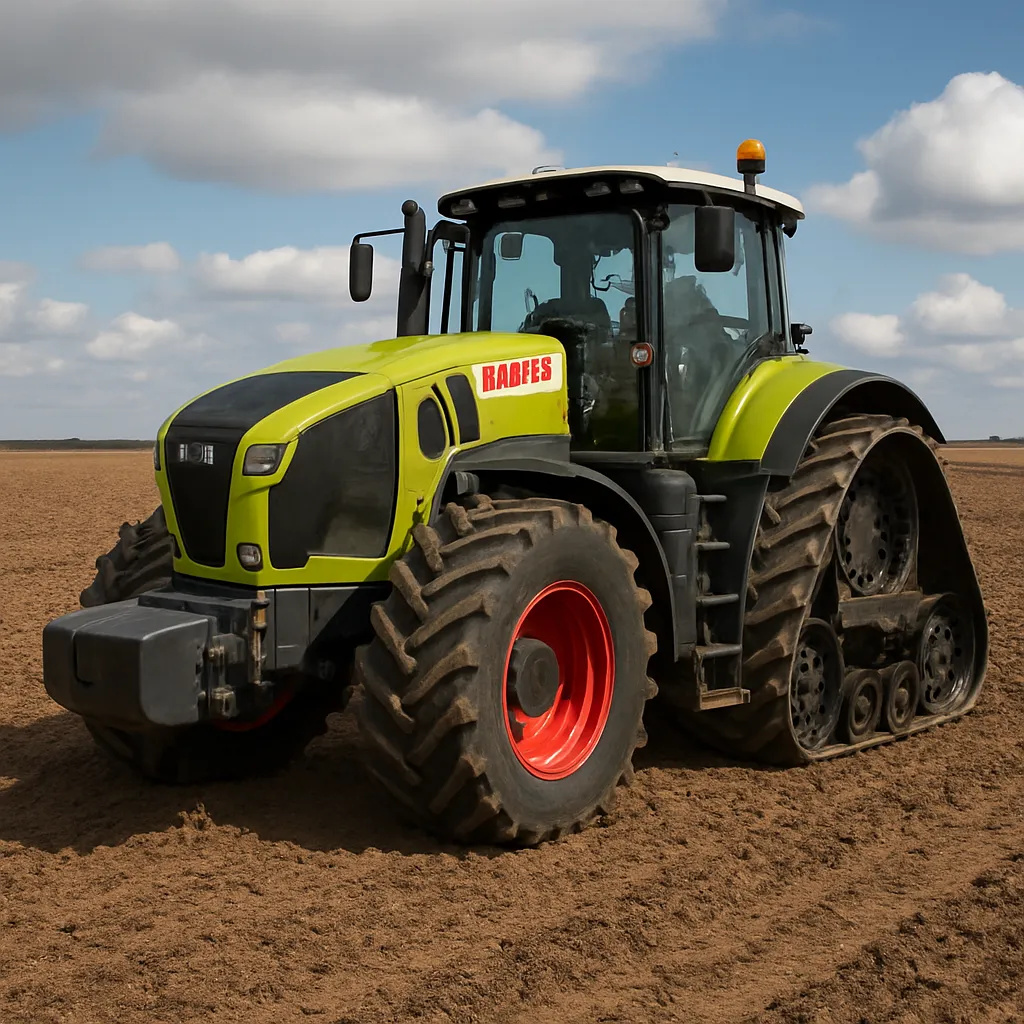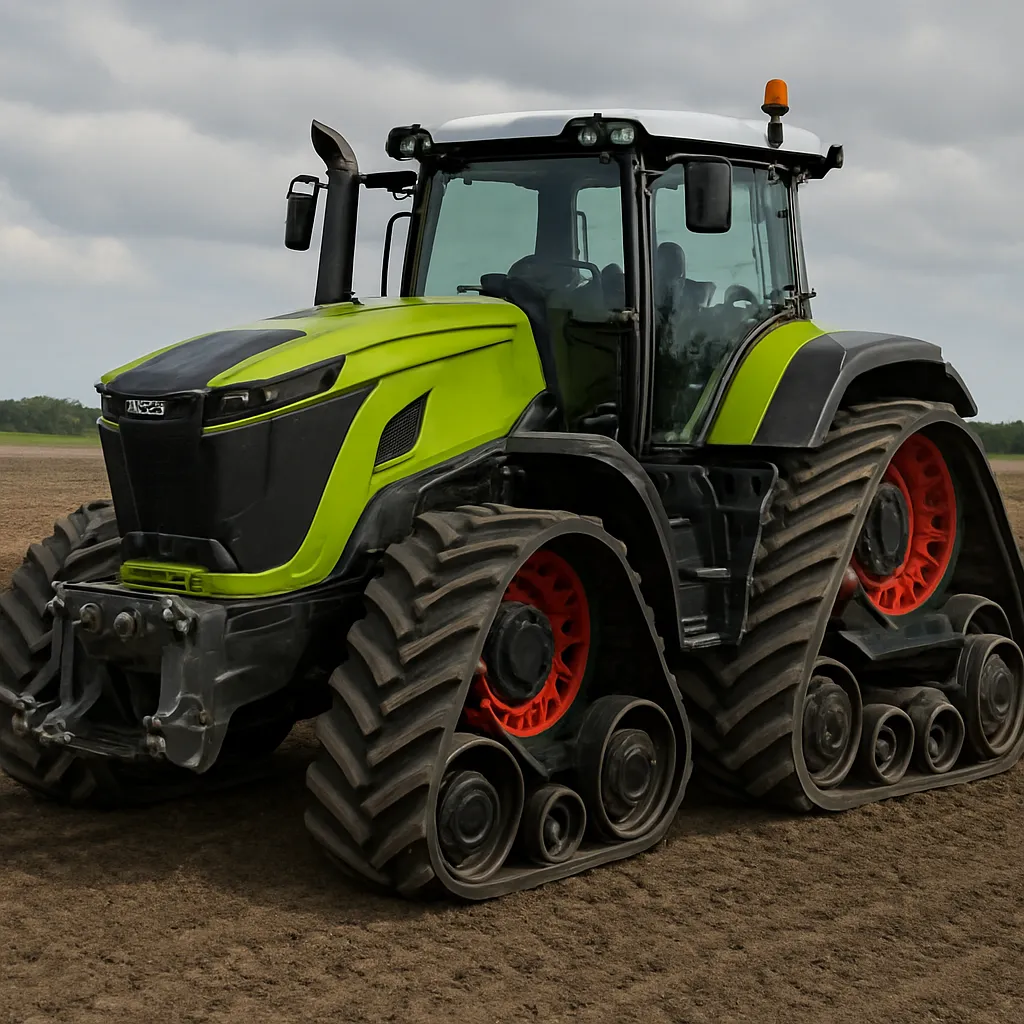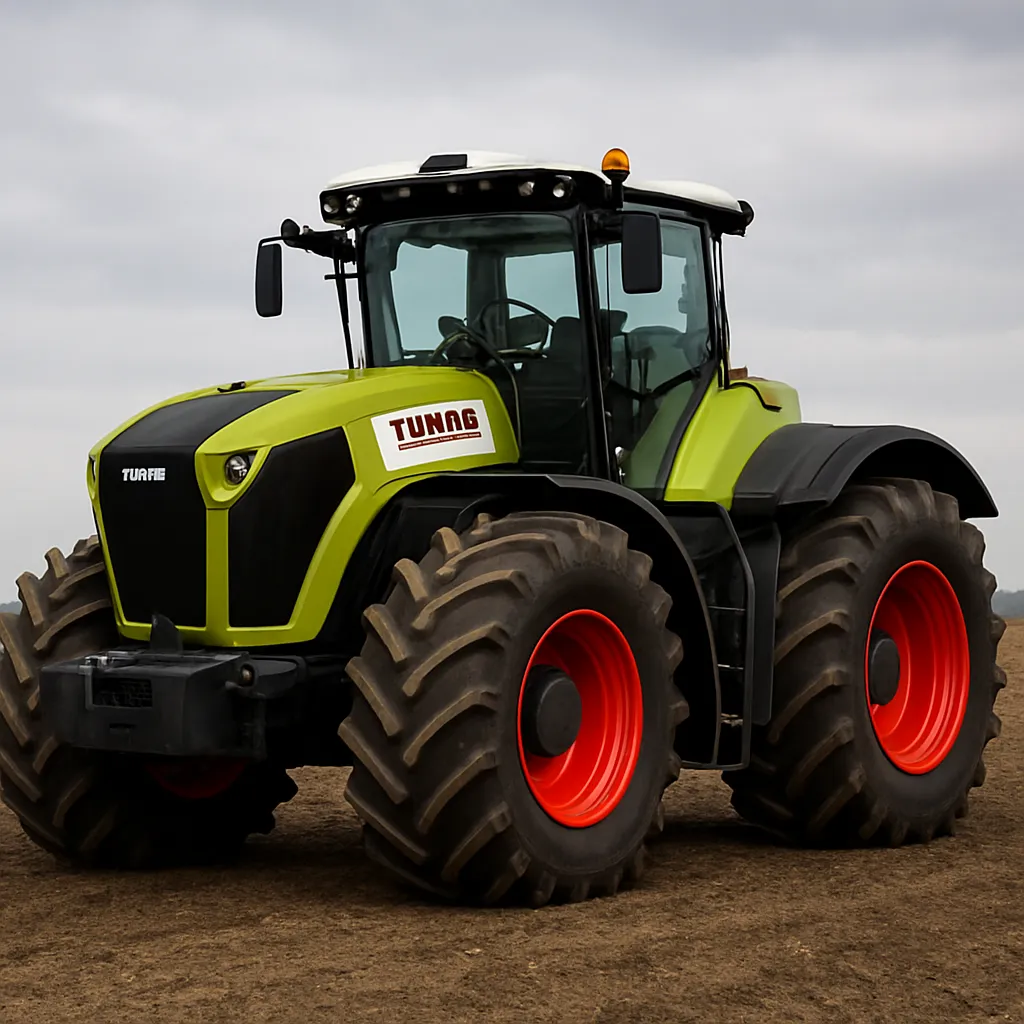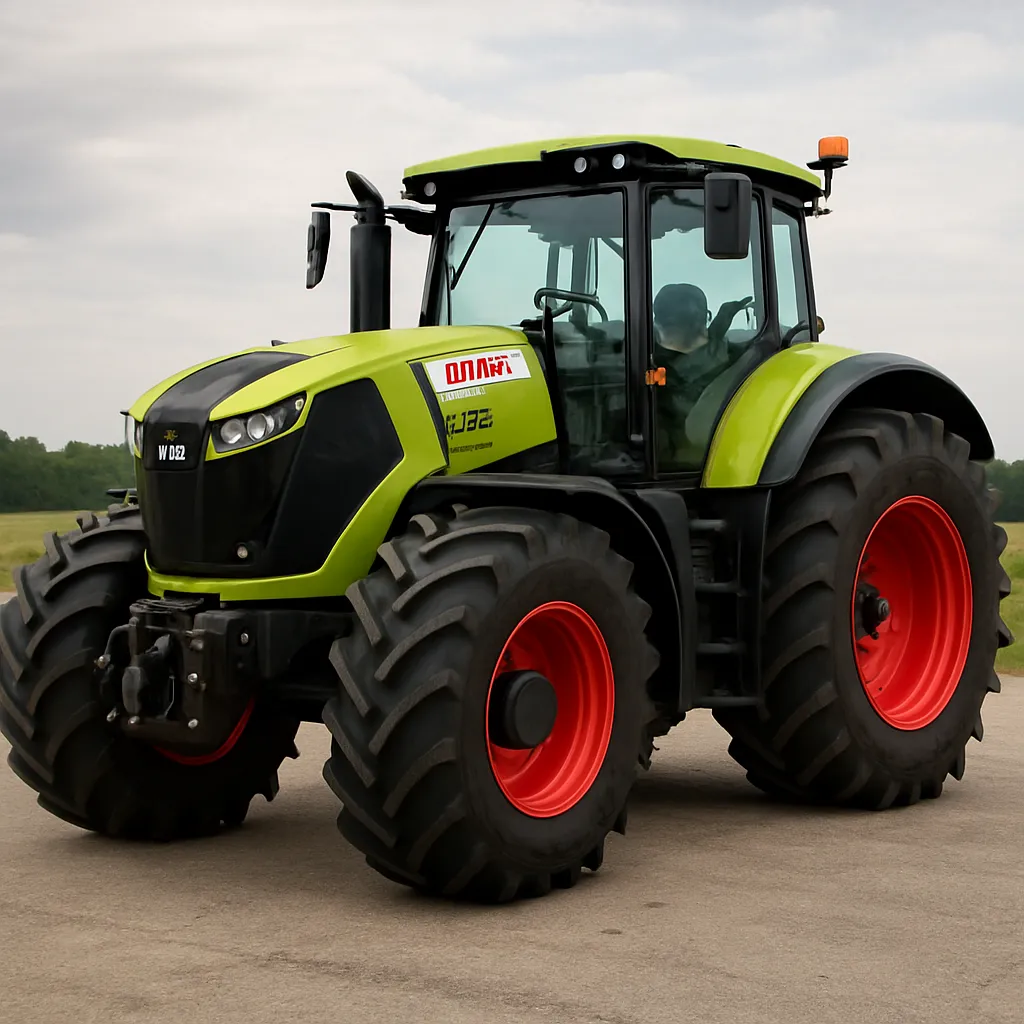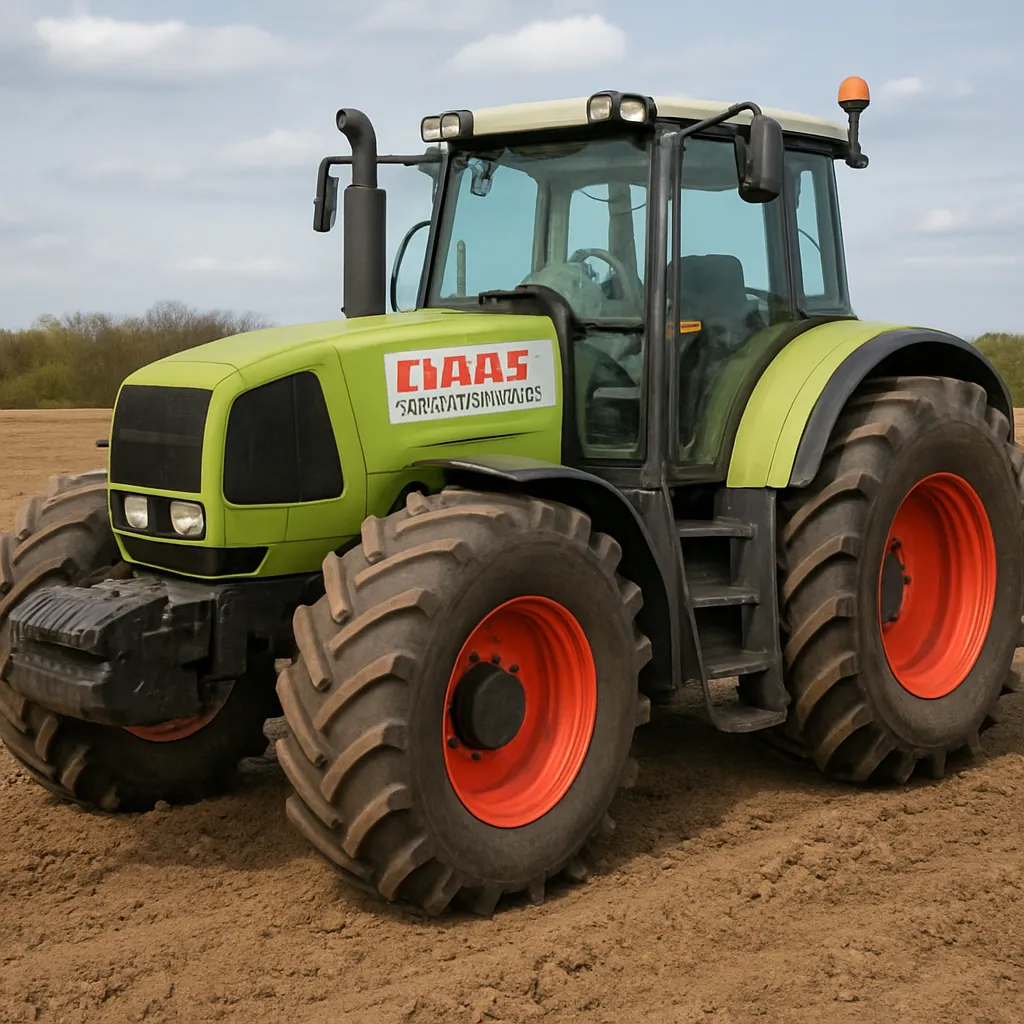
The Claas Atles 936 RZ is a powerful and versatile agricultural tractor designed to handle demanding fieldwork and heavy-duty applications. Combining robust mechanical systems with operator comfort and modern control options, this model aims to meet the needs of large-scale farms, contractors, and mixed-use operations. In the following sections I outline the tractor’s general character, its likely technical traits and performance envelope, typical uses, ergonomic and safety features, maintenance considerations, market position and practical buying tips. Where exact numbers vary by configuration and year, I give reliable ranges and notes to help you evaluate the machine objectively.
Overview and background
Claas is a long-established European manufacturer known primarily for combine harvesters, forage harvesters, balers and a broad line of tractors. The Atles 936 RZ fits into Claas’ lineup as a high-capacity, heavy-traction tractor intended for tasks that require continuous power, high tractive effort and stable hydraulics. Its engineering emphasizes a balance of mechanical durability and operator-focused features so it can operate for long hours in the field, on roads with implements, or as a power source for large mounted or trailed equipment.
In general, tractors in this class are chosen by users who need a machine capable of towing large implements (ploughs, cultivators), drilling and seeding machinery, heavy transport tasks on farms and contracting work such as subsoiling or deep ripping. The Atles 936 RZ is suitable for these roles thanks to a combination of high torque, heavy-duty transmission and strong hydraulic systems.
Technical characteristics and performance
The exact specification of any given Atles 936 RZ can differ by production year, market (emission stage requirements), and optional packages. Below are the core systems and the typical performance envelope you can expect for a tractor of this size and designation.
Engine and power delivery
The engine is the heart of the tractor, and on the Atles 936 RZ emphasis is placed on robust, long-life diesel units that deliver steady power and ample torque at low engine speeds. Typical features include turbocharging, intercooling and common-rail fuel injection to balance power with fuel efficiency and emissions compliance.
- Power (horsepower): tractors in this class typically offer peak power in the general range of 300–400 hp depending on configuration. Exact peak power will depend on the emission stage and ECU mapping.
- Torque: high at low rpm to ensure pulling power for heavy implements and to maintain forward momentum in tough soil conditions.
- Engine displacement and cylinder count vary by manufacturer but are sized to deliver sustained power under load with proven durability.
Transmission and driveline
The Atles 936 RZ is designed with a heavy-duty transmission system to match the engine’s output. Options commonly include power-shift or continuously variable transmission (CVT) variants tailored to provide smooth, efficient speed control under load. Key traits include:
- Transmission designed for frequent direction changes and heavy tractive load.
- Multiple forward and reverse ranges for field, transport and headland operation.
- Four-wheel-drive system and robust axles that provide high traction and stability.
Hydraulics and PTO
A strong hydraulic system and a versatile PTO are crucial for modern implements. The Atles 936 RZ typically offers:
- Hydraulics: high-flow, closed-centre systems with multiple spool valves and electronic control options for precise implement control.
- PTO options at 540/1000 rpm, with the possibility of proportional control and electro-hydraulic engagement.
- Large hydraulic oil capacities and cooling systems to support continuous, heavy-duty implement operation.
Chassis, weight and tires
To convert engine power into traction, the tractor requires a heavy, well-balanced chassis and appropriate tires. Typical elements are:
- Gross vehicle weight and ballast capabilities tailored for heavy draft applications.
- Wide selection of tire options for field traction, flotation or dual-wheel configurations.
- Robust three-point hitch rated to lift and control large mounted implements.
Estimated performance statistics (typical ranges)
Because model year and options alter exact numbers, below are reasonable estimates and ranges for a tractor of this class. Consider these as ballpark figures useful for comparison:
- Peak power: approximately 300–400 hp (varies by configuration)
- Maximum torque: typical heavy-duty class torque often exceeds 1,200–1,800 Nm at low rpm
- Fuel tank capacity: commonly in the range of 300–600 liters
- Hydraulic flow: 120–220 L/min depending on pump configuration and options
- PTO options: 540/1000 rpm with optional economy modes
- Weight (operational): 9,000–14,000 kg depending on ballast and equipment
- Top transport speed: often 40–50 km/h with appropriate gearing
Applications and practical uses
The Atles 936 RZ is intended for operations where high tractive effort, heavy hydraulics and long-run reliability are required. Common application categories include:
Field cultivation and primary tillage
For deep ripping, heavy ploughing and primary cultivations the tractor’s high torque and traction help move large plough bodies and soil-engaging implements. In such roles the machine is often fitted with duals or flotation tires and carefully-ballasted to maximize drawbar pull and reduce slippage.
Seeding, drilling and soil preparation
Large seed drills and air seeders require consistent forward speed and clean hydraulic flow to operate seed meters, coulters and fan drives. The Atles 936 RZ can serve as a reliable power unit for large seeding fronts, especially when equipped with modern ISOBUS-compatible controls and hydraulic steering assists for precise row alignment.
Haulage and transport
When used for heavy transport — such as moving grain trailers, bulk manure spreaders or silage wagons — a high-capacity tractor reduces cycle times and improves road stability. The transmission options and braking systems in tractors of this tier support frequent road travel.
Forage and baling operations
Large harvesting and baling implements demand sustained hydraulic power and PTO availability. The tractor is capable of driving large mowers, tedders, rakes, and large balers or forage wagons for contractor-style workloads.
Contracting, municipal and specialty work
Contractors use such tractors for a wide array of tasks: heavy earthmoving with subsoilers, specialized soil remediation, road maintenance or pulling heavy equipment at construction-adjacent agricultural jobs. With the right attachments the tractor can also operate in forestry or be adapted for winter road maintenance when fitted with ploughs and salt spreaders.
Operator environment, ergonomics and technology
Modern tractors place strong emphasis on operator comfort and intuitive controls. The Atles 936 RZ typically offers a cab and control suite designed to minimize fatigue during long shifts and to provide clear access to machine settings and monitoring.
- Cab comfort: well-insulated cabins, climate control (AC and heating), low vibration mounts and ergonomic seats with air suspension.
- Visibility: wide panoramic glazing and optional camera systems for rear and side implement views.
- Controls: joystick or multi-function lever options for implement and transmission control, with user-friendly displays for monitoring engine, hydraulics and telematics.
- Telematics and precision farming: many tractors in this segment are available with GPS guidance options, ISOBUS compatibility and fleet management telematics for remote diagnostics and productivity tracking.
Durability, maintenance and operating costs
Longevity and predictable operating costs are decisive for buyers of heavy tractors. The Atles 936 RZ emphasizes serviceability and durable components to keep downtime low.
Maintenance intervals and servicing
Key maintenance tasks include oil and filter changes, hydraulic fluid and filter service, fuel system maintenance, and cooling system checks. Heavy-use tractors often follow six-week to quarterly service intervals for routine inspections, while major services occur annually or at manufacturer-specified hour thresholds (e.g., 500, 1,000 and 2,000 hours depending on the engine).
Fuel consumption and efficiency
Fuel consumption depends heavily on task intensity, load, terrain and operator behavior. Typical field fuel burn for high-horsepower tractors under medium-to-heavy load might range anywhere from 10–30 liters per hour in practical use; very heavy draft or transport under full load pushes consumption to the upper end. Implementing efficient transmission usage, cruise control, and matching engine rpm to load can reduce fuel bills.
Parts, service and total cost of ownership
Availability of spare parts, dealer network reach and ease of access to service influence total cost of ownership. Buyers should confirm local dealer support for both parts and diagnostic tools. For contracting operations, downtime costs can exceed normal maintenance costs rapidly, so service contracts or planned-maintenance agreements are often economically sensible.
Market positioning and competition
Tractors like the Atles 936 RZ compete in a market segment where reliability, power and dealer support drive purchasing decisions. Key competitors are large tractors from other major manufacturers offering similar power bands and options for heavy equipment usage.
Factors that typically determine market preference include:
- After-sales network and parts logistics
- Operator comfort and technology integration (GPS, telematics)
- Fuel efficiency and lifecycle costs
- Resale value and brand perception
Buying and operating advice
Whether purchasing new or used, a careful assessment will reduce risk and ensure suitability for the intended workload.
For new purchases
- Specify the intended primary tasks (tillage, seeding, transport, baling) and choose options—hydraulic flow, PTO configuration, tires—accordingly.
- Consider telematics and precision-farming integrations if you plan GPS-guided tasks or fleet management.
- Negotiate service terms and delivery lead times; ask about warranty and recommended maintenance packages.
For used purchases
- Check service records for regular maintenance at recommended intervals.
- Inspect for wear in axles, transmission, hitch and any visible hydraulic leaks.
- Confirm that electronic systems and displays are functioning and that the engine runs smoothly under load.
- Verify whether heavy repairs (engine overhaul, transmission rebuild) have been performed and obtain estimates for potential upcoming service needs.
Operator training and safety
Proper operator training improves fuel economy and reduces wear on the machine. Emphasize safe transport practices, correct hitching of implements, and use of PTO and hydraulic interlocks. Safety systems like ROPS, good lighting for road travel and cameras or mirrors for implement visibility further reduce accident risk.
Summary and final notes
The Claas Atles 936 RZ is positioned as a heavy-duty, versatile tractor capable of meeting the demands of large farms, contractors and specialized applications. Its strengths lie in capable power delivery, robust hydraulics, and a focus on operator comfort and technology integration. When considering this model, examiners should pay particular attention to the specific configuration and optional equipment, confirm local dealer support, and align the tractor’s capabilities to the farm’s workload to maximize return on investment.
Key advantages include strong draft capacity, adaptable hydraulic systems, and operator amenities that reduce fatigue. Potential buyers should evaluate fuel economy trade-offs, service accessibility and the expected duty cycle to choose the optimal specification.
For exact performance figures, production-year details and certified specifications for the Claas Atles 936 RZ, consult official Claas technical documentation or an authorized dealer. These sources will provide definitive horsepower curves, emission-stage data, precise hydraulic flow ratings and full measurements tailored to the exact configuration you are evaluating.