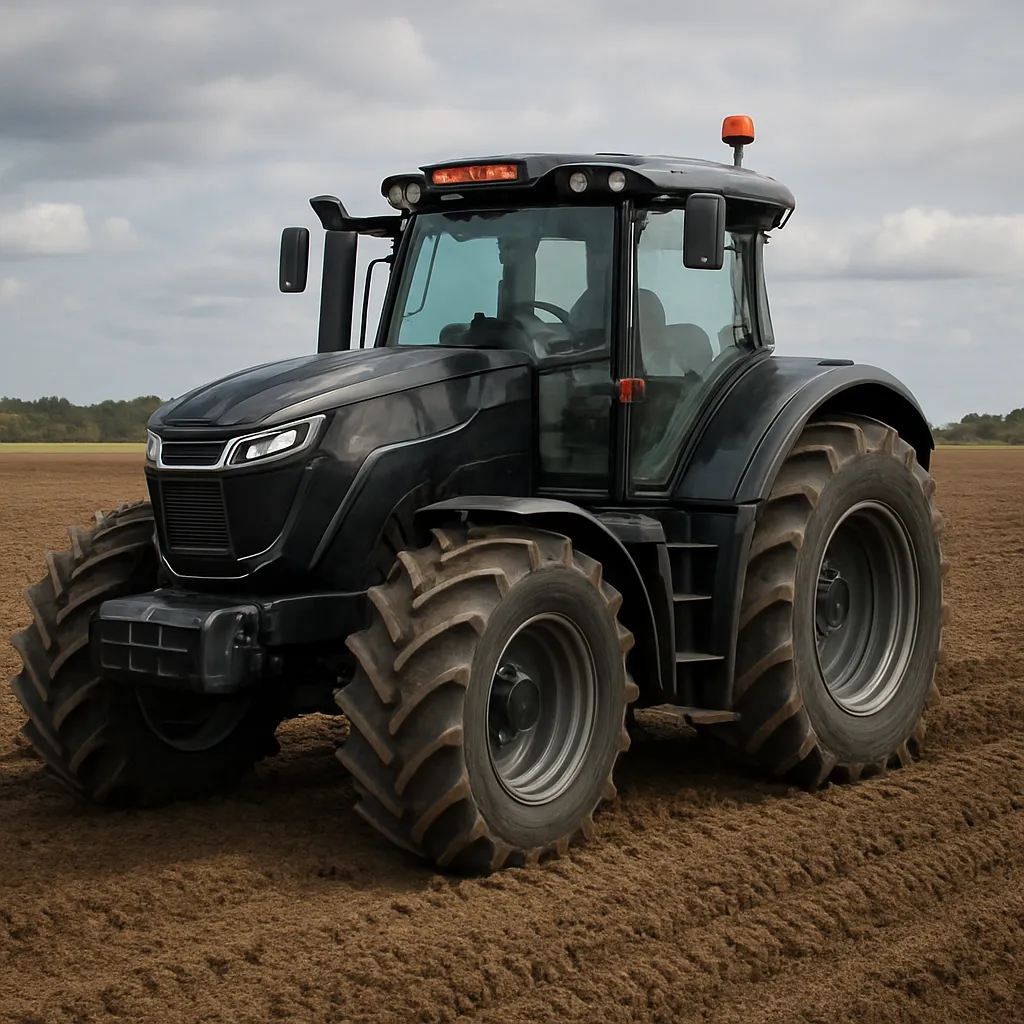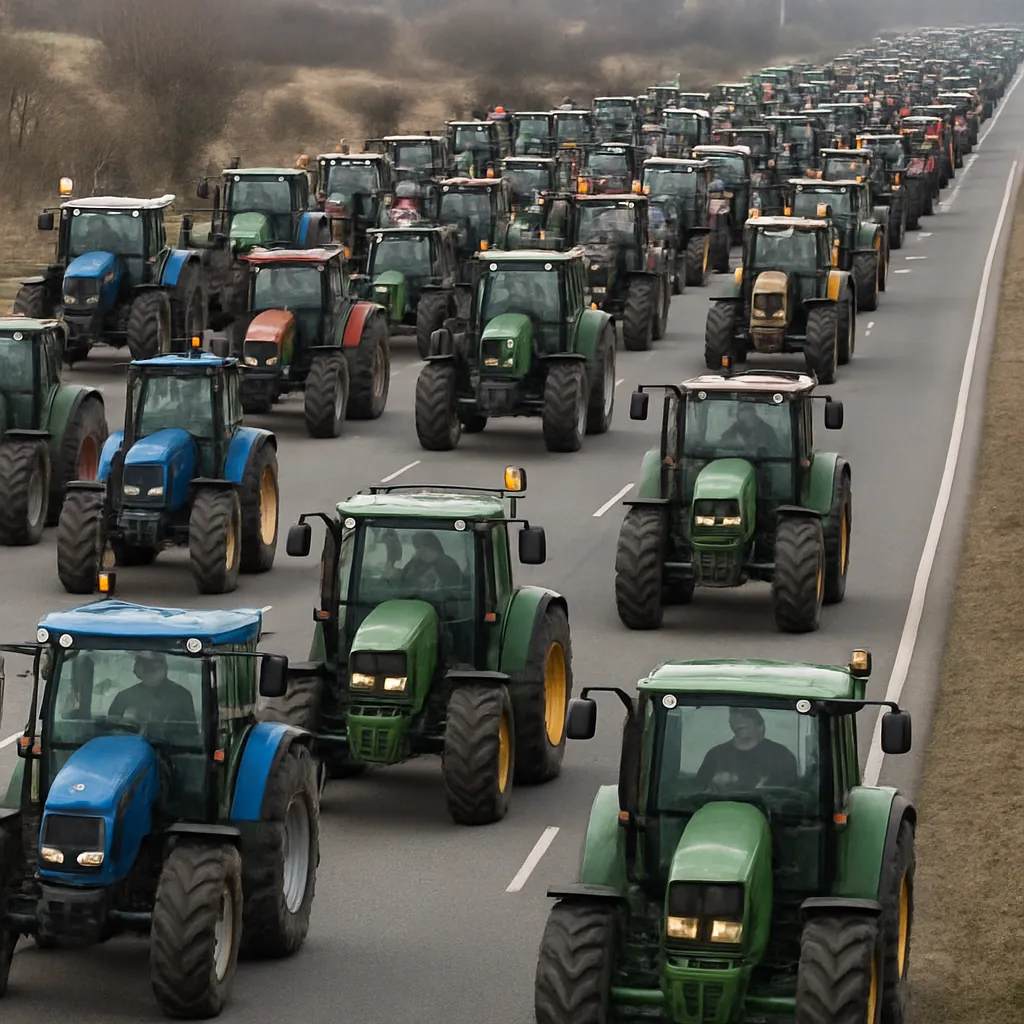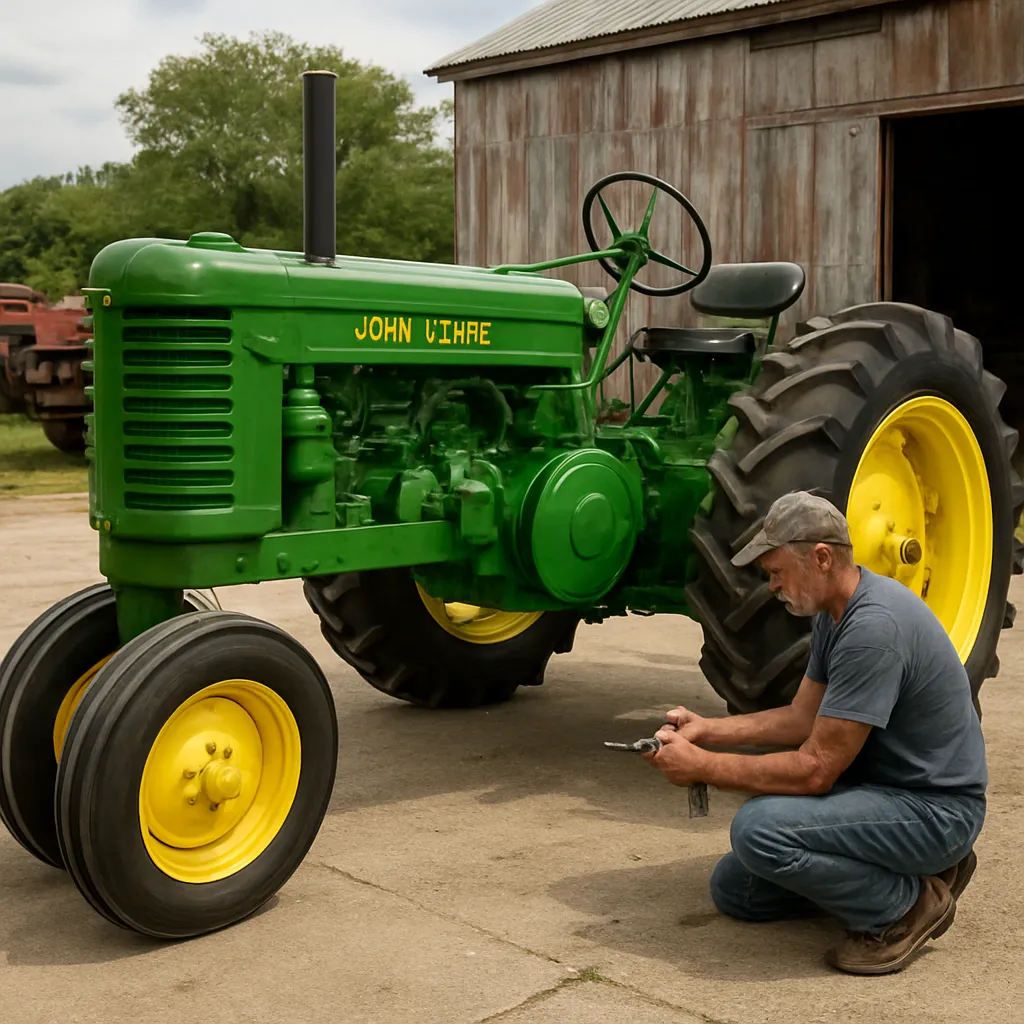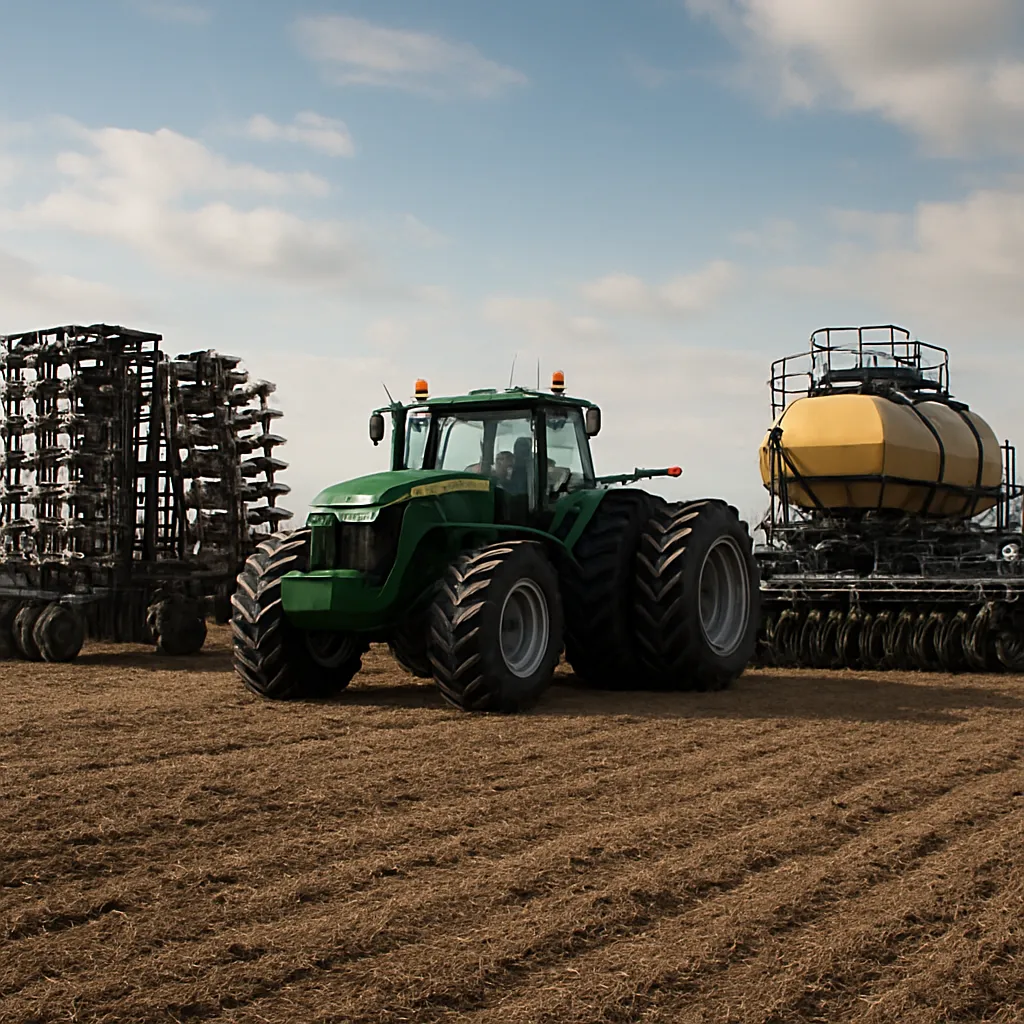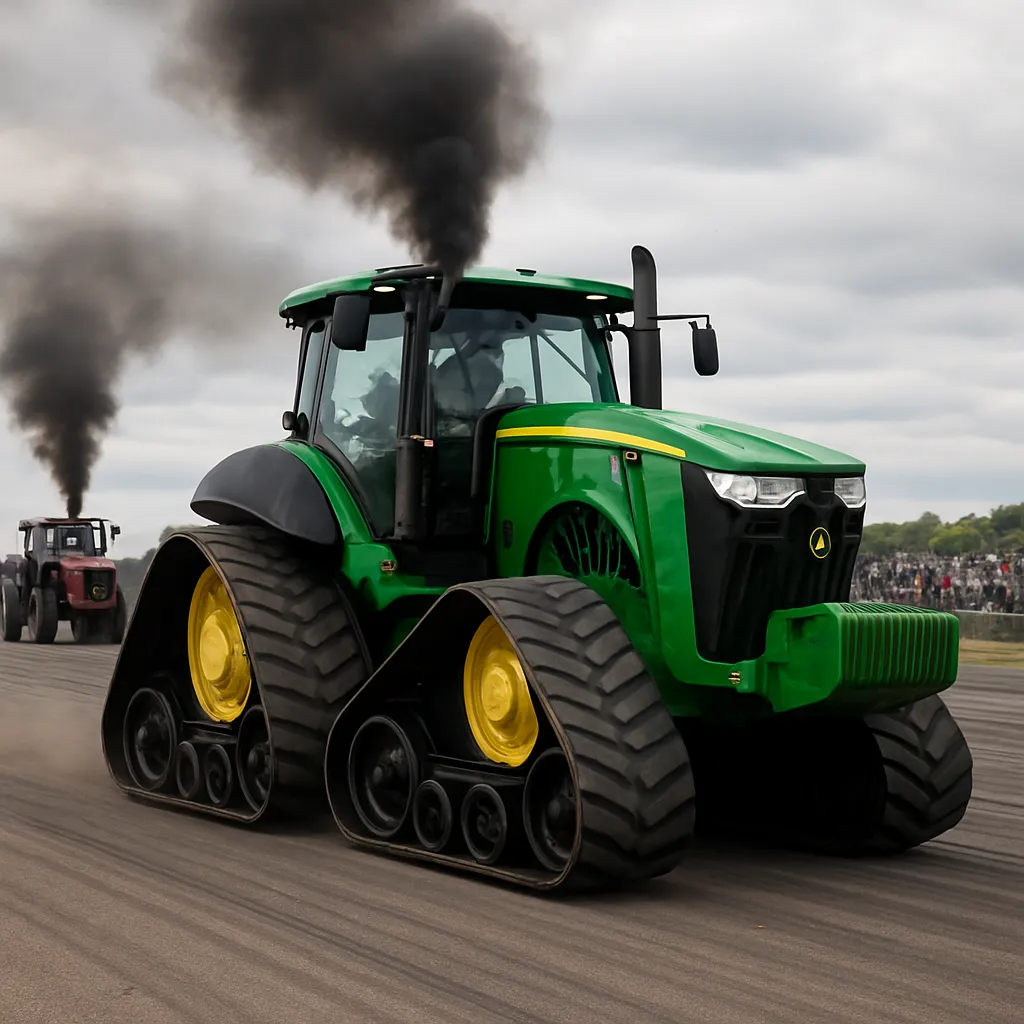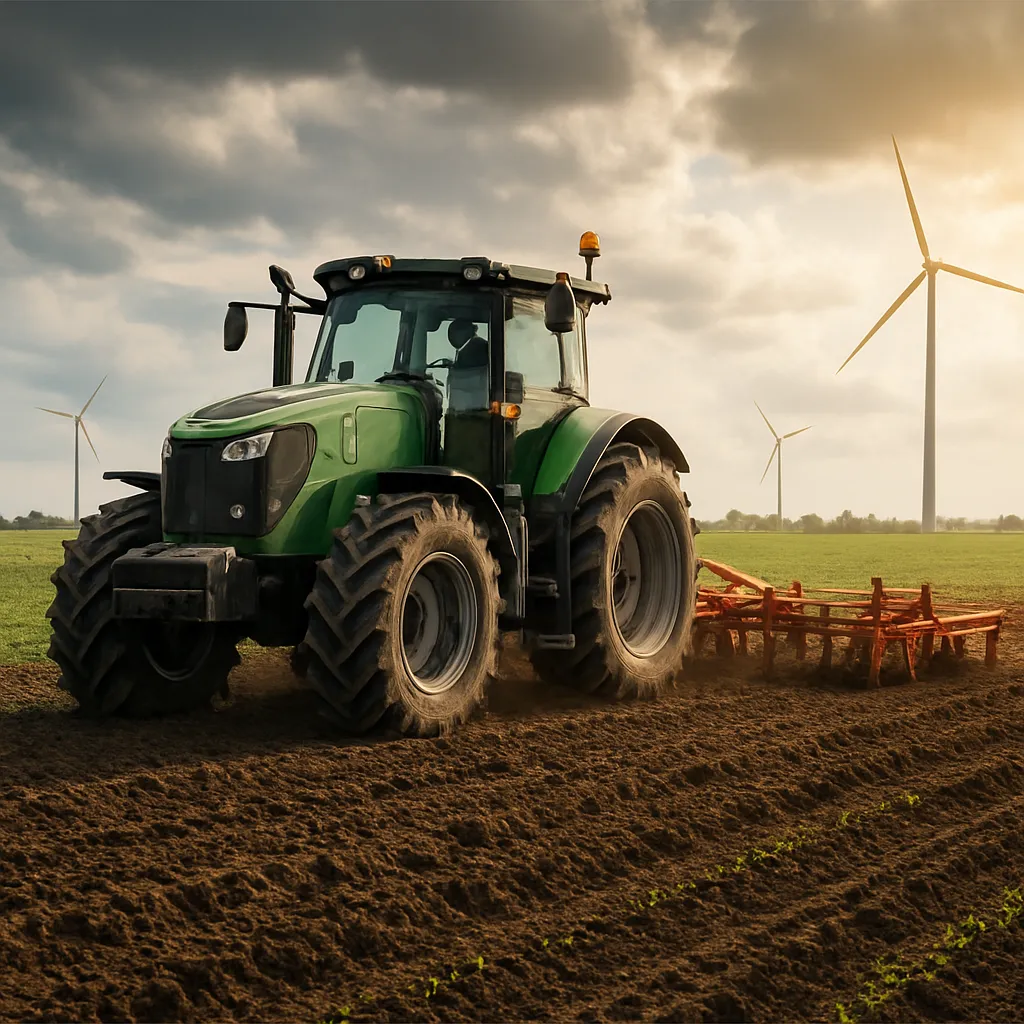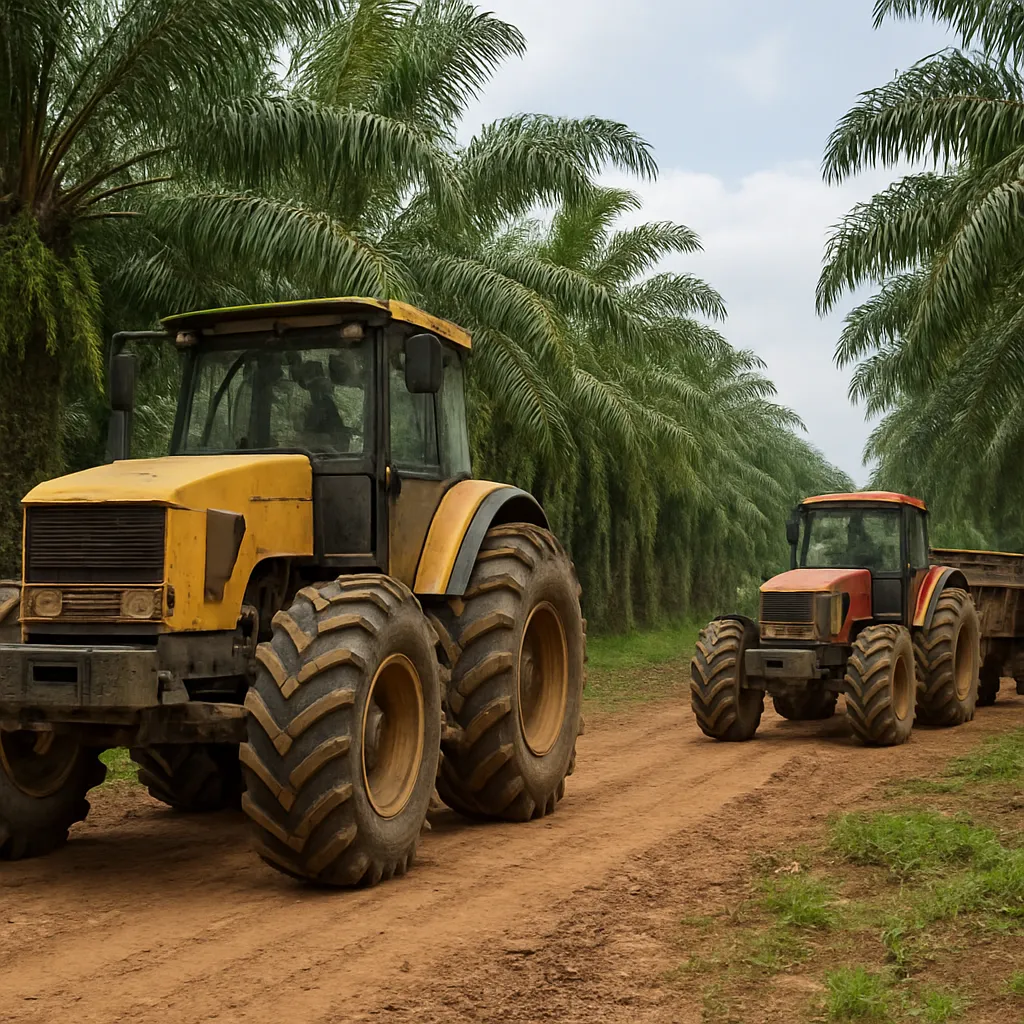
The expansive landscapes of oil palm plantations demand machinery that can handle heavy loads, challenging terrain, and long operational hours without compromise. Across Southeast Asia, Africa, and Latin America, plantation managers rely on the most powerful and robust machines to maximize efficiency and productivity. This article explores the realm of the biggest tractors specifically tailored for oil palm cultivation, analyzing their evolution, key features, and the vital role they play in modern agribusiness.
Equipment Evolution and Design Innovations
Since the introduction of mechanized farming, manufacturers have continuously refined designs to suit diverse agricultural needs. In oil palm plantations, machines must navigate muddy tracks, withstand high humidity, and haul massive harvesting platforms. Early tractors offered limited traction and insufficient protection against harsh environments. Over the decades, however, engineers introduced innovations that revolutionized field performance, including:
- High-torque drivetrains for steady pulling power.
- Advanced suspension systems to improve operator comfort on uneven ground.
- Rugged chassis components resistant to corrosion and wear.
- Enclosed, climate-controlled cabins for extended work shifts.
These developments were not merely incremental. The integration of computer-controlled hydraulics and electronic fuel injection drastically improved efficiency and precision. Today’s models offer real-time diagnostics, allowing technicians to fine-tune engine parameters and detect potential issues before they lead to costly downtimes. Furthermore, ergonomic seating, adjustable controls, and panoramic visibility reduce operator fatigue, increasing overall operational productivity.
Top Contenders: Largest Models in 2024
Plantations with expansive plots and steep inclines require tractors with exceptional horsepower and torque. Below is a selection of the most formidable machines leading the industry this year:
- Model A5000XLT: Equipped with a 12.4-liter engine producing 500 hp, this machine delivers unmatched pulling capacity on slopes up to 30°.
- GT-Max 480: Featuring an advanced all-wheel-drive system, it achieves consistent traction in muddy conditions, boosting harvest operability during peak seasons.
- HydraFarm 460: Its smart-hydraulic platform control optimizes load distribution when transporting fresh fruit bunches, minimizing slippage on wet surfaces.
- EcoPower 450: Integrates a hybrid assist module that reduces fuel consumption by up to 15%, aligning with sustainable production goals.
Each of these heavyweights exemplifies breakthroughs in material science and mechanical design. Reinforced transmissions allow for extended service intervals, while sealed drive components fend off water ingress—a critical factor in tropical climates.
Operational Advantages in Plantation Work
Utilizing the largest tractors brings several strategic benefits:
- Enhanced operational range: Larger fuel tanks and efficient engines enable crews to cover more hectares without refueling stops.
- Reduced cycle times: High-capacity hydraulic pumps accelerate attachment changes, speeding up tasks such as plowing, planting, and harvesting.
- Multi-function compatibility: Universal three-point hitches and power take-off (PTO) shafts support a wide array of implements, from fertilizer spreaders to specialized fruit loaders.
- Improved safety: Rollover protection systems (ROPS) and reinforced cabs shield operators during unexpected ground slips or rollbacks.
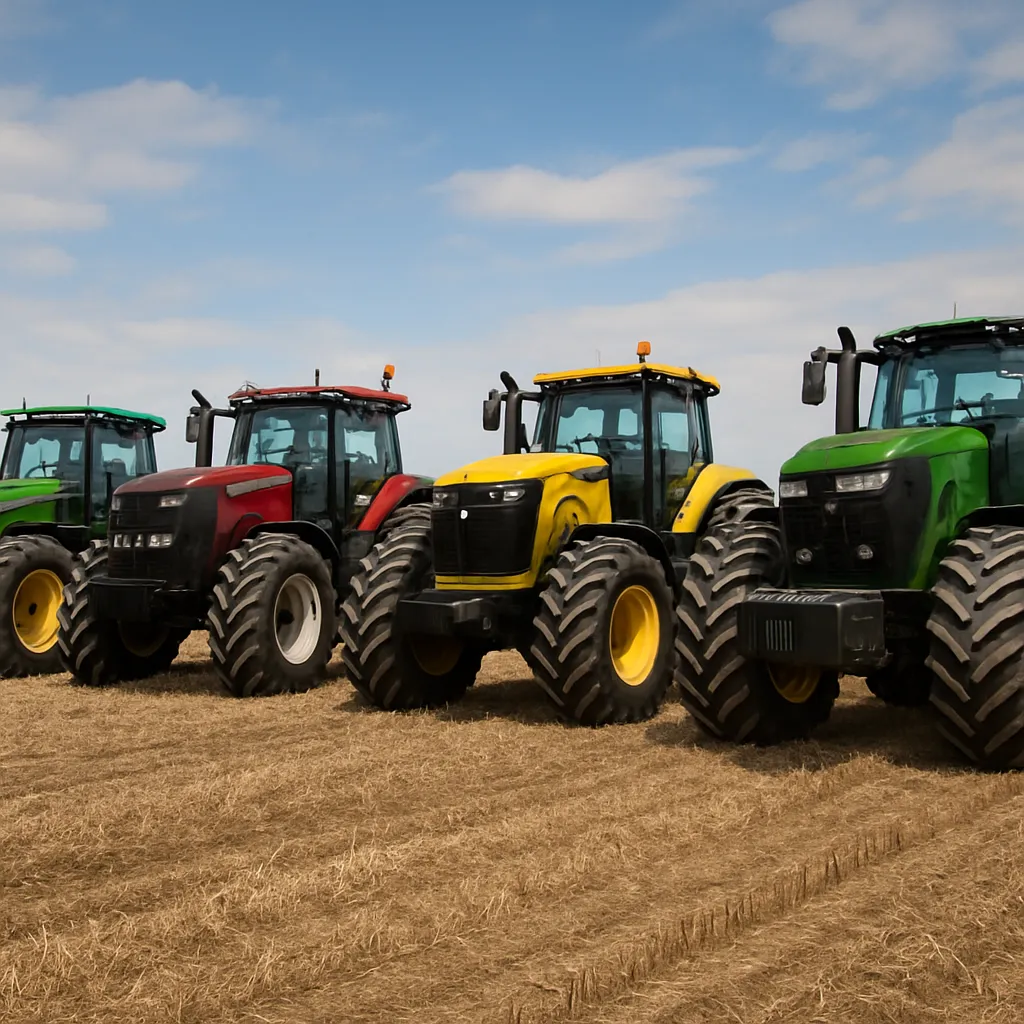
By investing in these high-capacity units, plantation managers can centralize maintenance protocols and parts inventories. A unified fleet streamlines training programs, enabling operators to switch between models with minimal downtime and standardized control layouts.
Environmental and Sustainability Considerations
As global markets push for greener production, palm oil giants are under pressure to adopt eco-friendly practices. Modern tractor designs address this by:
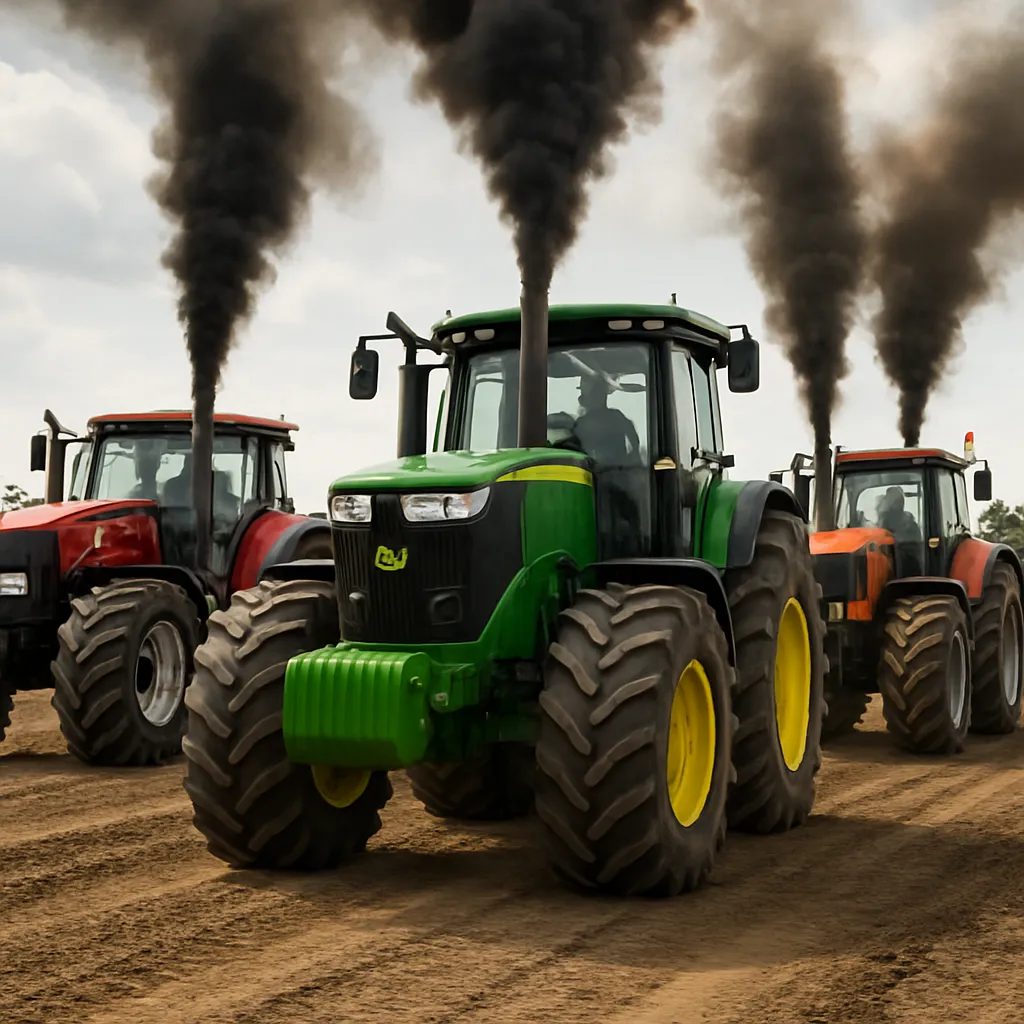
- Complying with Tier III and Tier IV emission standards.
- Incorporating particulate filters and exhaust gas recirculation (EGR) systems.
- Offering biofuel compatibility, reducing reliance on fossil diesel.
- Implementing idle-stop technology to cut emissions during breaks.
These measures directly impact the carbon footprint of the entire plantation. By reducing greenhouse gas emissions, agribusinesses not only satisfy regulatory requirements but also enhance their appeal to conscientious consumers and international buyers. Some operators have even retrofitted older units with electric-drive modules, enabling short-distance shuttle operations on battery power alone.
Challenges and Maintenance Best Practices
Operating the biggest tractors comes with its own set of hurdles:
- High maintenance costs: Specialized components, such as heavy-duty transmissions and advanced electronics, require periodic calibration by certified technicians.
- Logistical complexity: Transporting oversized machines between sites demands dedicated trailers and permits, increasing project planning efforts.
- Fuel management: Although fuel-efficient, large-capacity engines can still incur significant daily consumption when running at full load.
To mitigate these challenges, many plantations implement the following best practices:
- Routine inspections focused on hydraulic hoses, drive seals, and air filtration systems.
- Centralized parts warehousing to minimize lead times for crucial replacement items.
- Training modules for in-house mechanics, ensuring rapid response to field breakdowns.
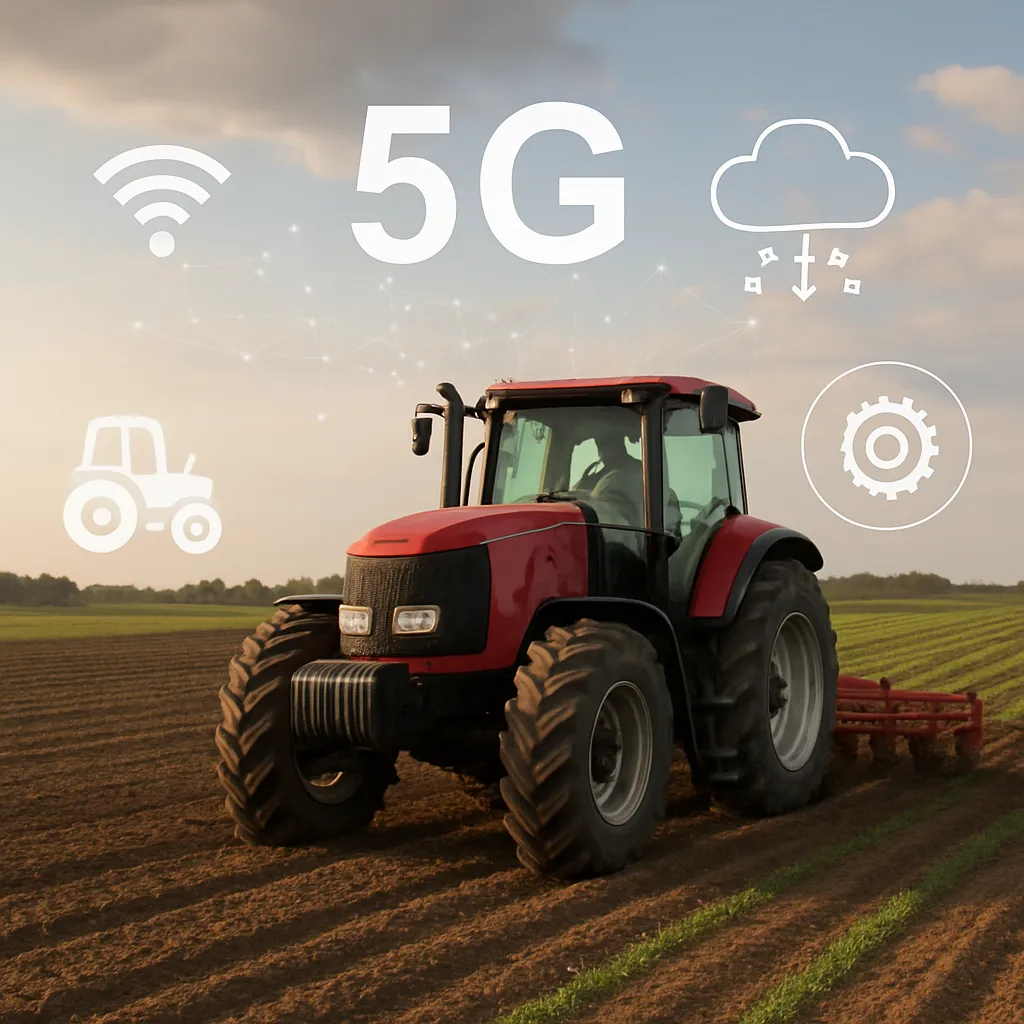
- Usage of telematics platforms to monitor operating hours, engine health, and fuel usage remotely.
Adhering to preventive maintenance schedules extends component life and enhances tractor resale value. In remote regions, modular repair kits empower local teams to address minor issues without waiting for external assistance.
Future Trends and Emerging Technologies
The trajectory of large tractor development continues to ascend, driven by breakthroughs in technology and shifting market demands. Key areas of innovation include:
- Autonomous navigation systems leveraging GPS and LiDAR for precision field mapping and obstacle avoidance.
- Artificial intelligence algorithms that optimize load balancing and predict mechanical failures before they occur.
- Integration of Internet of Things (IoT) sensors to track soil moisture, compaction levels, and nutrient distribution concurrently with field operations.
- Advanced materials, such as carbon-fiber composites, to reduce chassis weight while preserving structural integrity.
Developers are also experimenting with hybrid and fully electric drivetrains to significantly lower operational emissions. Although challenges remain—particularly in battery energy density and charging infrastructure—several pilot programs have already demonstrated promising results on smaller estates. As these innovations mature, large-scale oil palm plantations will gain unprecedented control over resource allocation, driving up yields and ensuring a more sustainable supply chain from field to mill.
Key Takeaways for Plantation Managers
Opting for the largest, most advanced tractor models can transform plantation efficiency by delivering superior traction, load-handling, and operator comfort. While initial investments and maintenance demands are substantial, the long-term gains in crop yield and operational savings often justify the expenditure. Embracing emerging technologies—ranging from autonomous guidance to real-time data analytics—positions estates at the forefront of modern agriculture, securing both economic viability and environmental stewardship.
Essential Features Checklist
- Engine power: Minimum 400–500 hp for large-scale operations.
- All-wheel-drive capabilities for year-round traction.
- High-capacity hydraulic circuits supporting multiple implements.
- Advanced emission control modules compliant with global standards.
- Telematics and remote diagnostics integration.
- Reinforced ROPS and climate-controlled cabins for safety and comfort.
Conclusion
Selecting the right heavy-duty tractor is a critical strategic decision for oil palm plantations striving for peak efficiency and profitability. By understanding the latest advancements, addressing maintenance challenges, and planning for future innovations, agribusiness leaders can harness the full potential of these mechanical behemoths, driving sustainable growth and competitive advantage in a demanding global market.