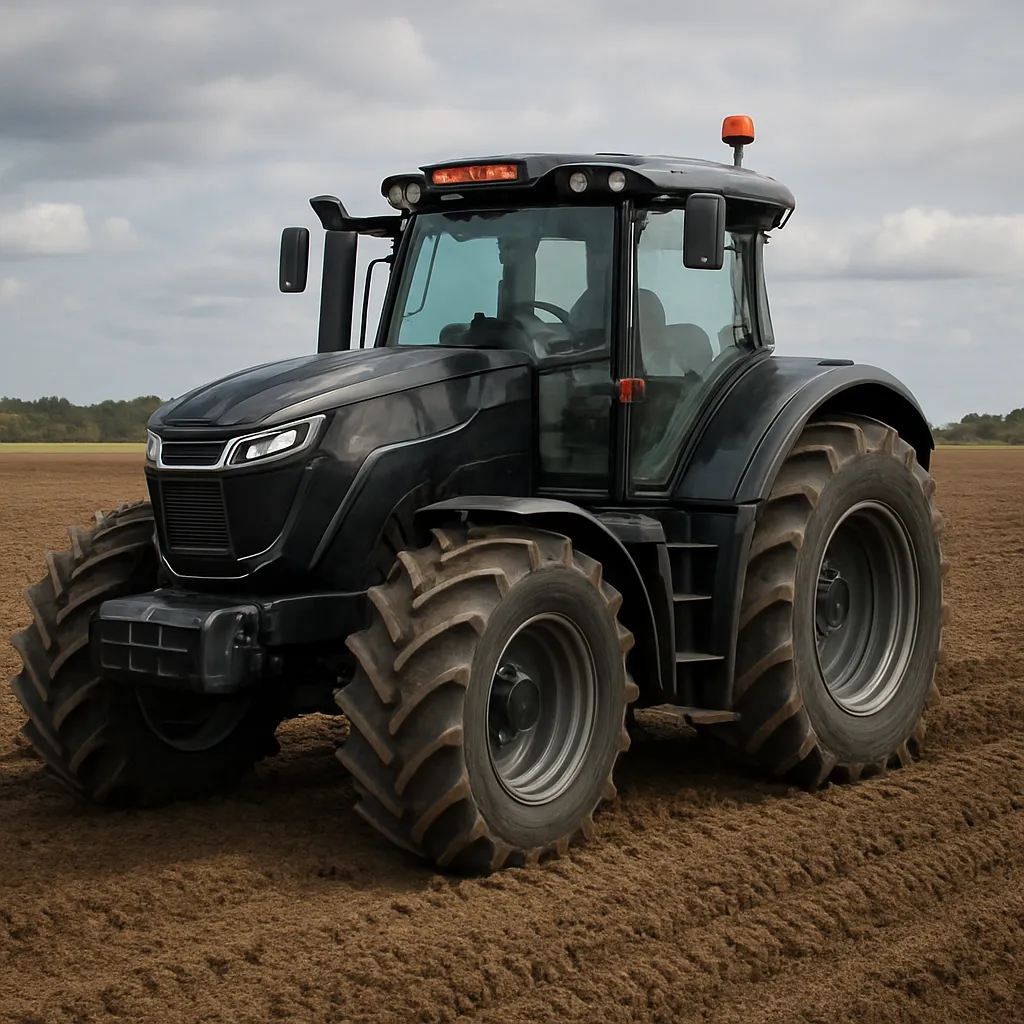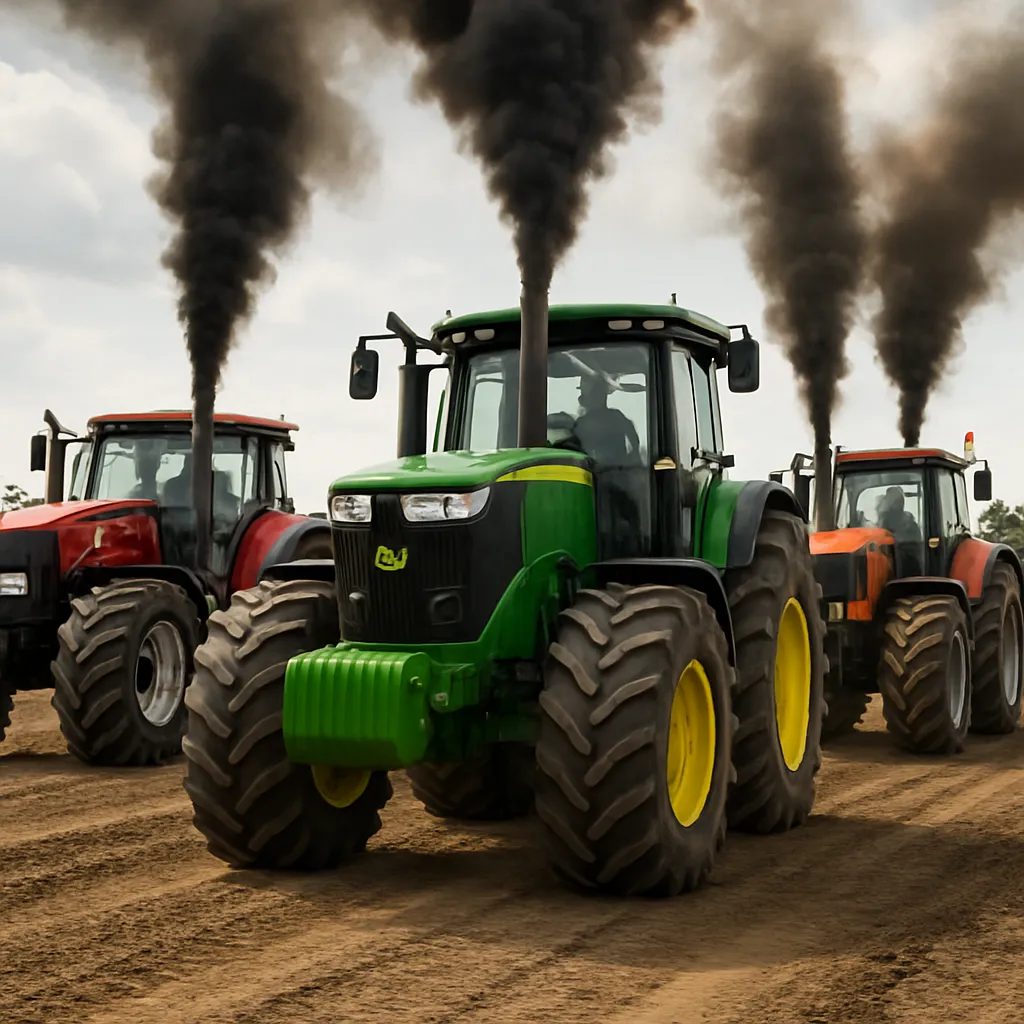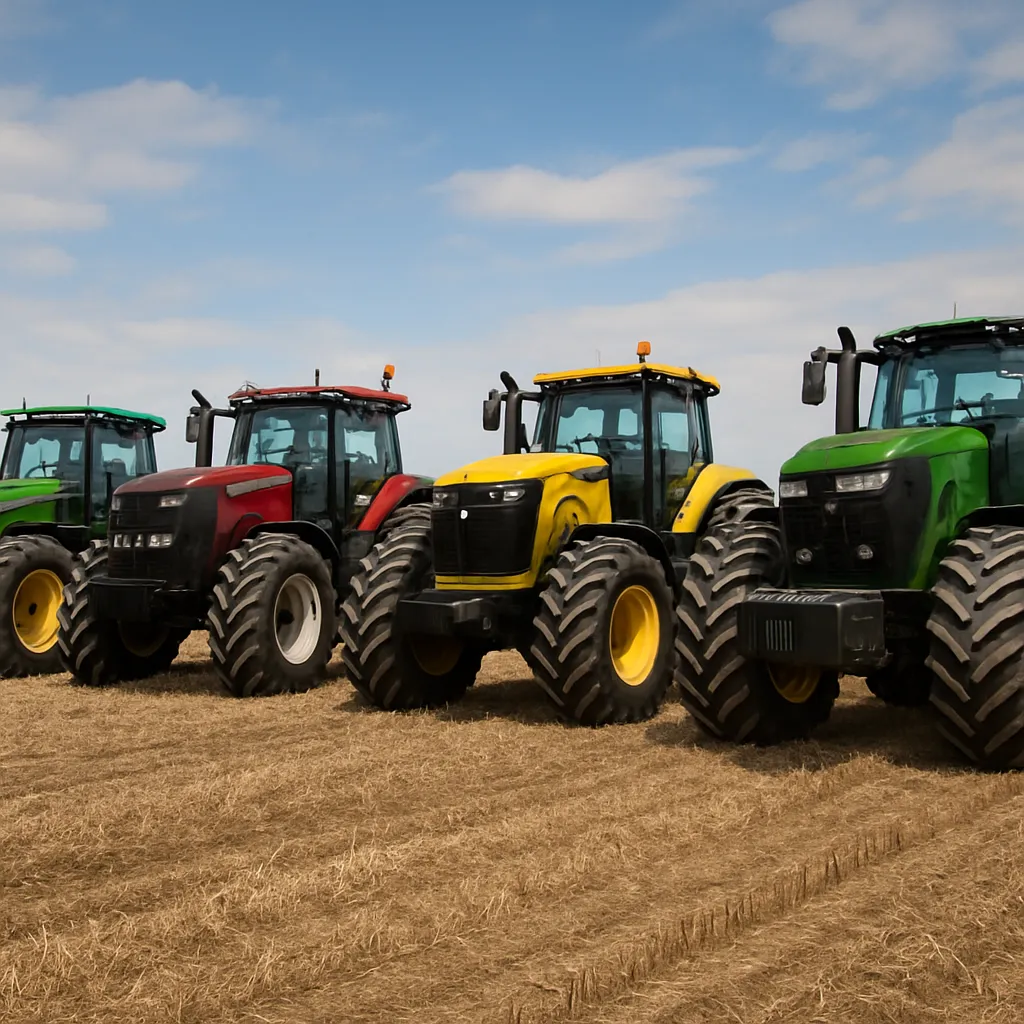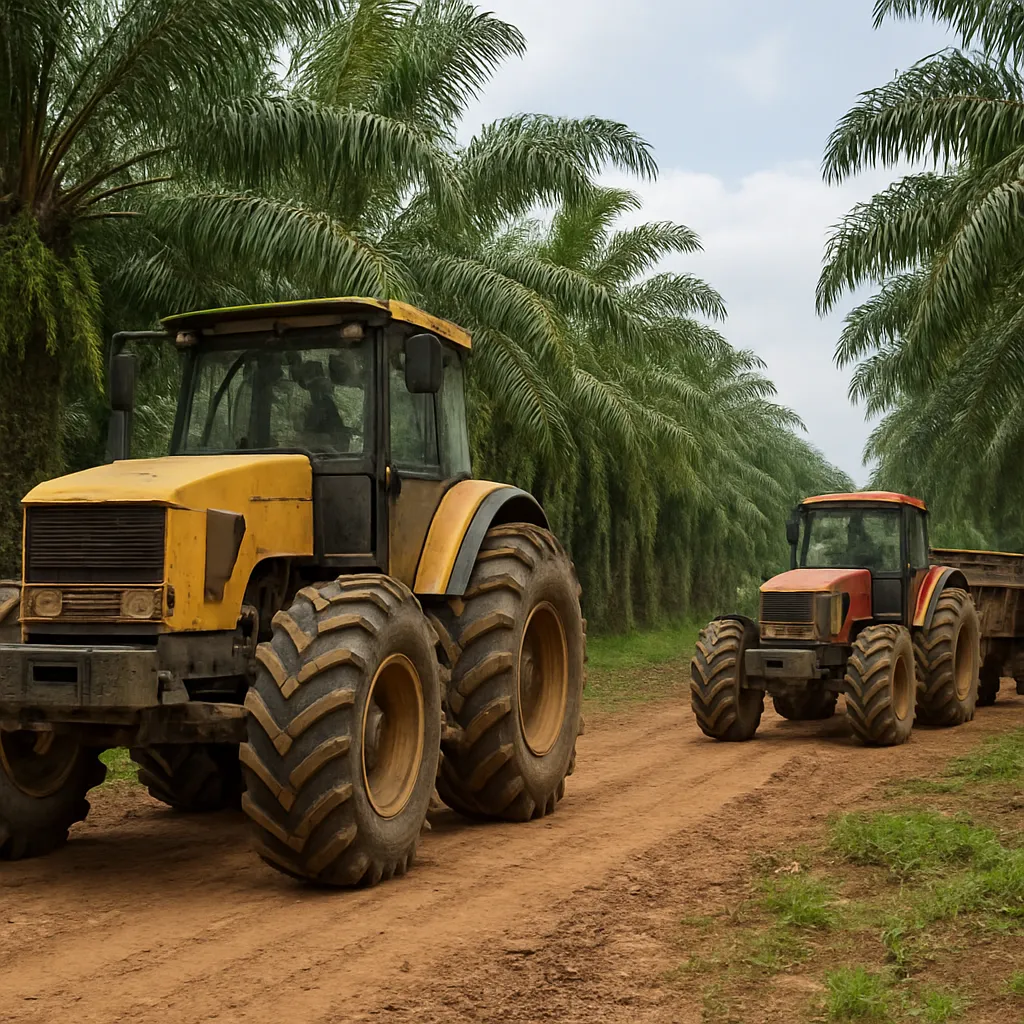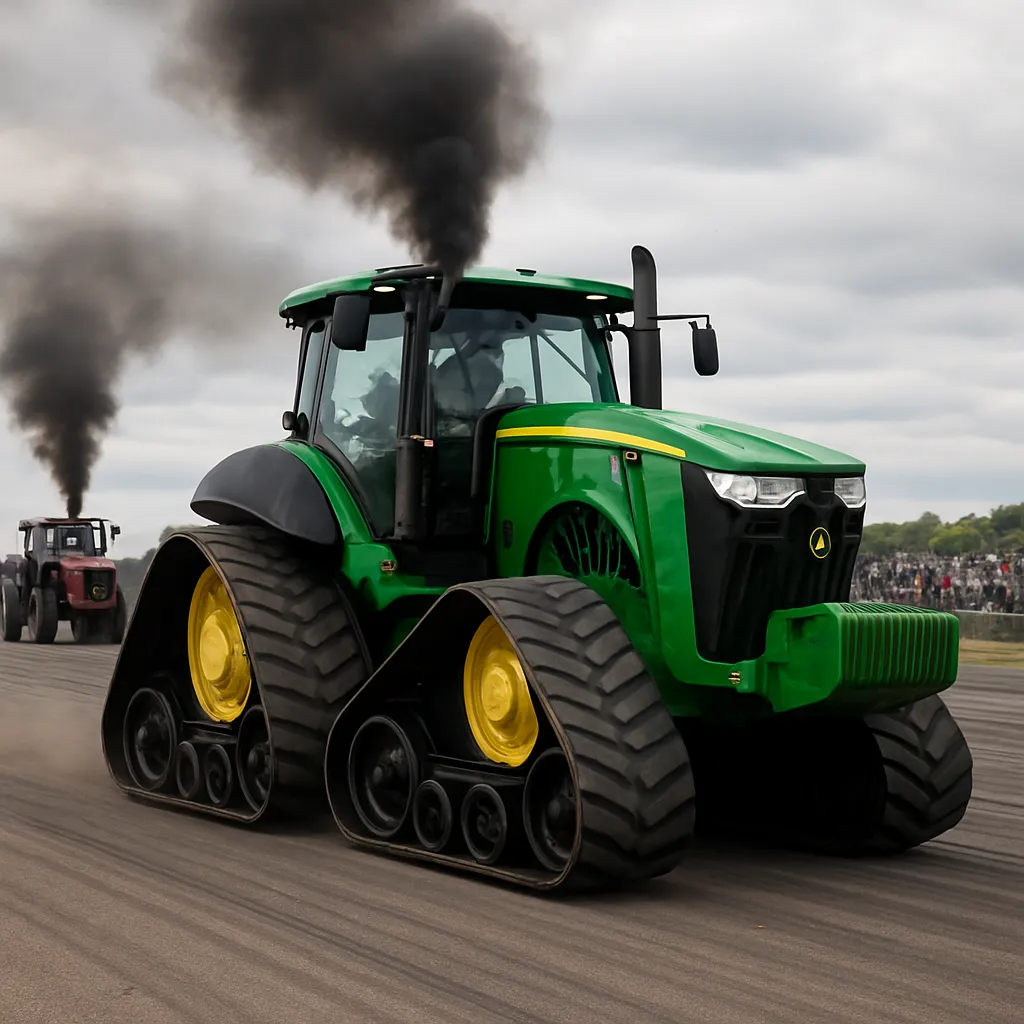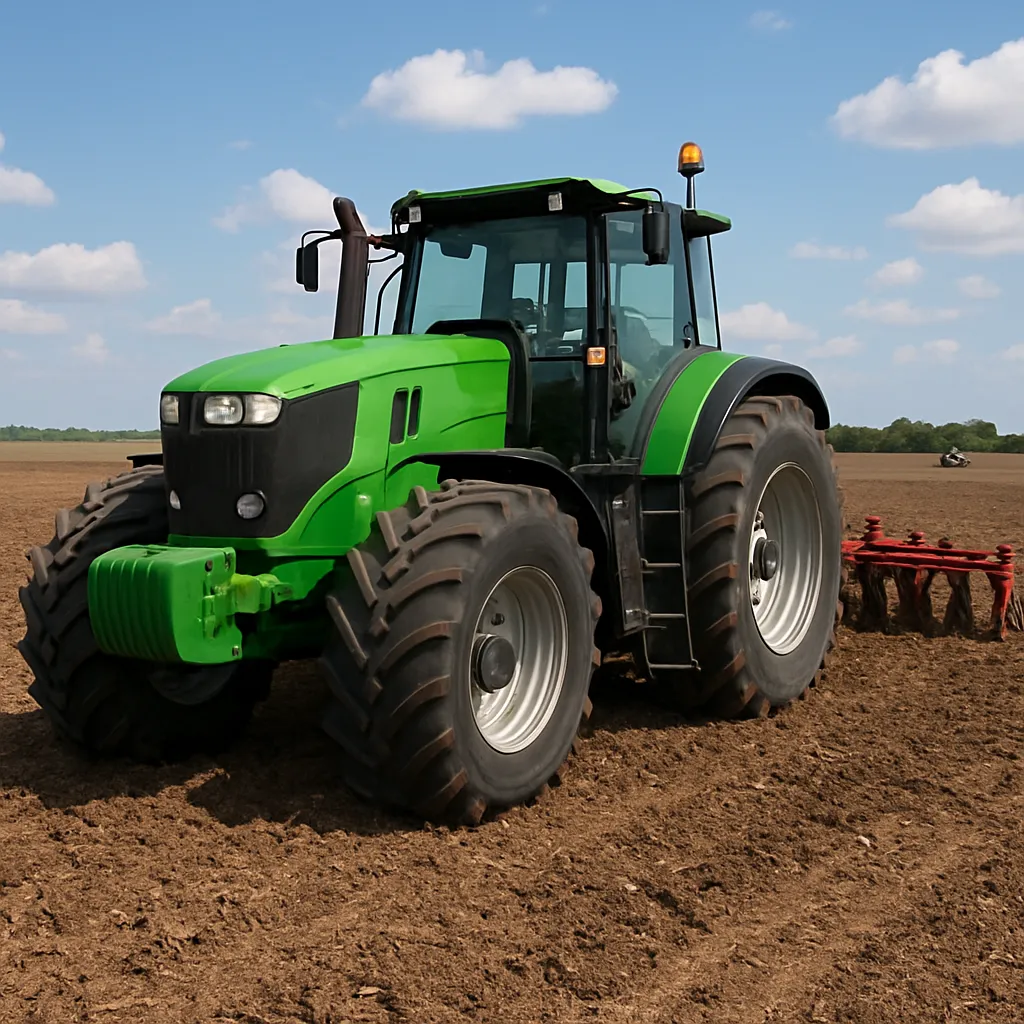
The global agricultural landscape has undergone a profound transformation thanks to the relentless rise of innovation and the quest for enhanced efficiency. Farmers across the world are increasingly turning to powerful, high-tech tractors to optimize their operations, harnessing cutting-edge systems that blend autonomy, precision, and raw horsepower. This article explores the nations at the forefront of large tractor adoption, examines the most formidable machines shaping modern agriculture, and delves into the broader economic and sustainability implications of these mechanical giants.
Top 10 Countries Leading in Large Tractor Usage
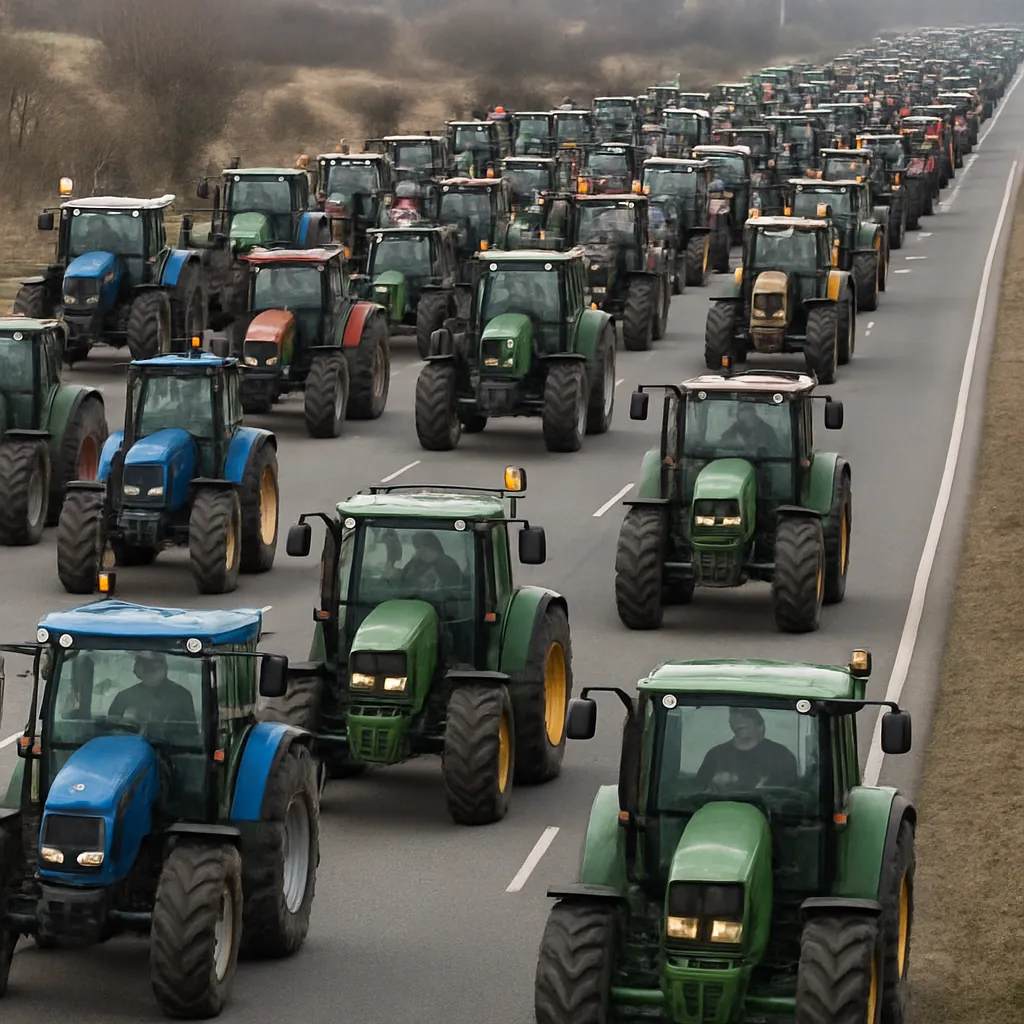
From sprawling North American plains to the fertile fields of Asia, these ten nations showcase exceptional levels of tractor deployment, reflecting both the scale of their farmlands and their commitment to advanced mechanization.
- United States: The epicenter of high-horsepower tractors, with brands like John Deere and AGCO dominating over 40% of the global market. American farmers embrace machines exceeding 600 horsepower to cultivate over 900 million acres.
- China: Rapidly expanding mechanized farming to feed its massive population, China now operates more than 30 million tractors, many featuring GPS guidance and telematics for precision planting.
- India: Home to over 5 million large tractors, India’s vast rice and wheat belts increasingly rely on advanced implements for land preparation and yield optimization.
- Brazil: Agricultural exports drive Brazil’s tractor fleet growth, with soybean and corn producers investing heavily in 300–500 HP machines capable of handling tough Cerrado soils.
- Russia: With enormous grain belts, Russia has modernized its fleets, shifting from outdated Soviet-era equipment to high-performing European and North American models.
- Canada: Vast Prairie Provinces demand robust four-track tractors, with average horsepower ratings above 350, designed for long hours in extreme climates.
- Germany: As Europe’s innovation center, Germany not only uses top-tier tractors but also exports advanced models featuring real-time data analysis and autonomous capabilities.
- Australia: The combination of large-scale farms and remote operations has led Australian farmers to adopt highly durable and fuel-efficient tractors exceeding 400 HP.
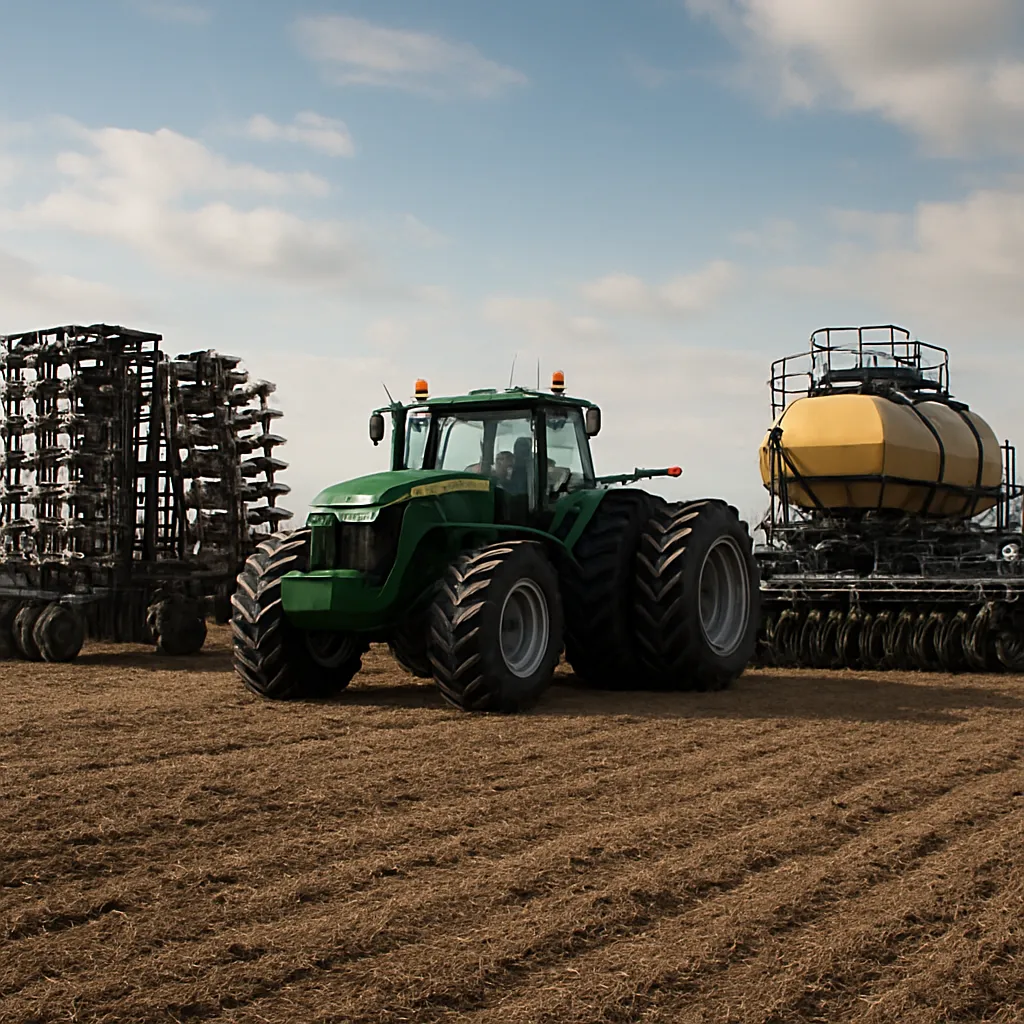
- Ukraine: Often called the “breadbasket of Europe,” Ukraine’s mechanization rate has surged post-2010, integrating precision seeders and high-capacity spreaders attached to 250–450 HP tractors.
- Argentina: Soybean and maize giants, Argentine producers invest in versatile tractors capable of both heavy tillage and fine seeding, blending South American needs with global sustainability trends.
Formidable Tractor Models Revolutionizing Field Work
Among the giants roaming today’s farmlands, several stand out for their unmatched power, advanced features, and sheer size. These machines represent the pinnacle of productivity and serve as benchmarks for the industry.
Big Bud 747 – The Legend Reborn
Originally introduced in the late 1970s, the Big Bud 747 has been revamped with a modern 1,000+ HP engine, making it the world’s most powerful tractor. Its dual-track design minimizes soil compaction while maximizing traction on diverse terrains.
Fendt 1167 Vario – German Precision at Its Peak
Fendt’s flagship model delivers 673 HP and features a continuously variable transmission (CVT) that adjusts seamlessly for both high-speed transport and heavy-duty tillage. Integrated telemetry systems enable remote monitoring and predictive maintenance.
John Deere 9RX Series – Four Tracks, Fourfold Grip
The 9RX series, peaking at 620 HP, employs a four-track undercarriage to distribute weight evenly, reducing soil compaction by up to 50%. Its advanced AutoTrac™ system enhances planting accuracy to within 2 centimeters.
Case IH Steiger Quadtrac – Rugged Versatility
Offering up to 620 HP, the Steiger Quadtrac uses independent treads that adapt to ground contours, ensuring consistent traction. Operators benefit from a spacious, climate-controlled cab equipped with a panoramic touchscreen interface.
Technological Innovations Shaping Future Agriculture
The relentless drive for higher yields, better resource management, and reduced environmental impact has spurred a wave of innovation in tractor design and functionality.
- Autonomous Operation: Fully self-driving tractors, equipped with LiDAR, radar, and AI-driven obstacle avoidance, are being piloted in the US and Europe, promising 24/7 field coverage without fatigue.
- Precision Farming: RTK-GPS corrections and sensor arrays allow seed placement with centimeter-level accuracy, optimizing plant spacing and reducing input waste.
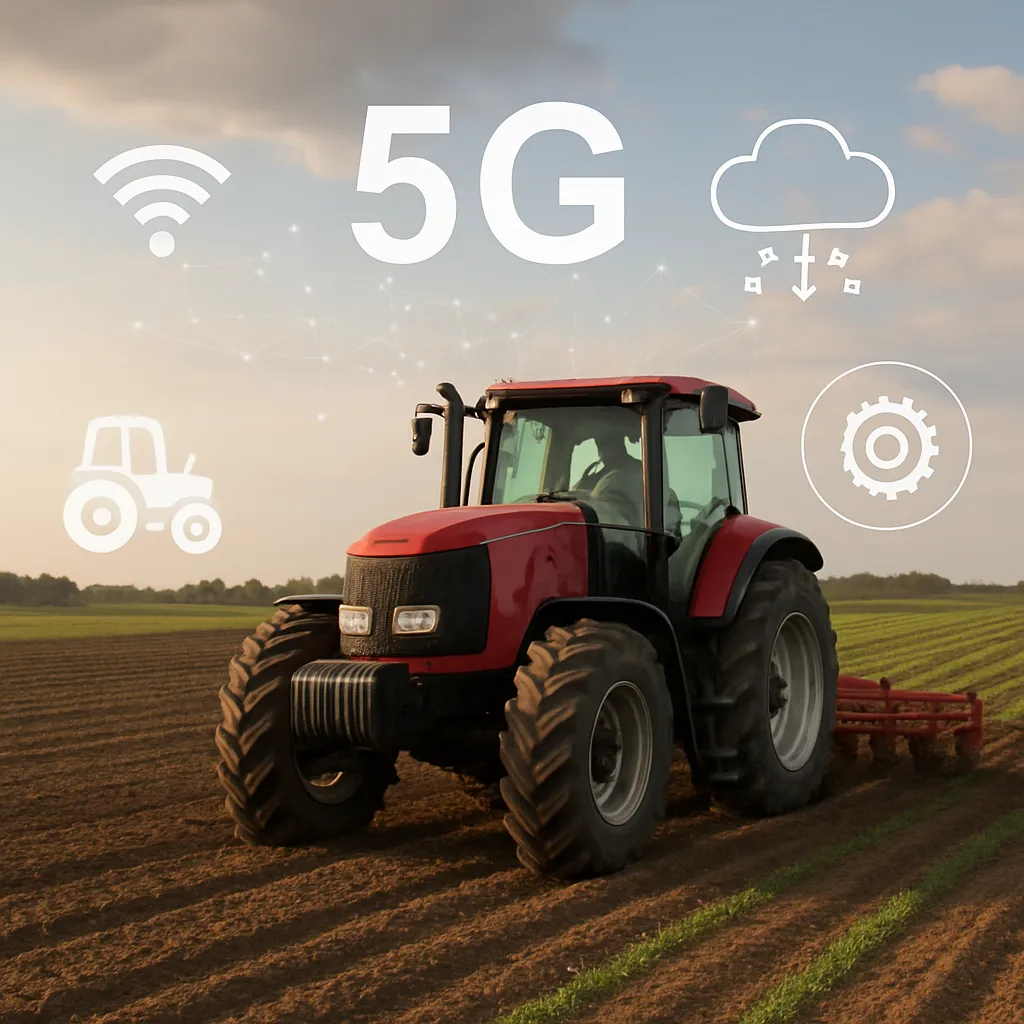
- Telematics and Data Analytics: Cloud-based platforms collect real-time machine performance and soil data, enabling predictive service alerts and data-driven decision-making.
- Electric and Hybrid Powertrains: Amidst carbon reduction goals, manufacturers are testing battery-assisted and hydrogen fuel cell tractors to slash greenhouse gas emissions during field operations.
- Modular Implements: Quick-attach systems let operators switch between plows, planters, and sprayers in minutes, maximizing tractor usage and cutting downtime.
Economic and Environmental Considerations of Massive Tractors
While global demand for large tractors continues to climb, stakeholders must weigh both economic benefits and ecological responsibilities.
Boosting Productivity and Profitability
Deploying high-horsepower tractors can increase cultivated acreage per operator, lowering labor costs and boosting output. Farm managers report up to 20% yield improvements when integrating precision technologies with large tractors.
Managing Soil Health and Sustainability
Excessive weight and repeated passes risk compaction, which diminishes root growth and water infiltration. Innovations like controlled traffic farming (CTF) confine wheel paths, preserving soil structure and reducing erosion.
Balancing Upfront Costs
Investing in a flagship tractor can exceed $600,000. Leasing options, custom hire services, and cooperative ownership models are emerging to spread these costs among multiple stakeholders.
Reducing Environmental Footprint
Integration of variable-rate application systems and auto shutoff nozzles on sprayers cuts agrochemical overuse by up to 30%, aligning large-scale operations with stringent environmental regulations.
Emerging Trends and the Road Ahead
As global food demand climbs and environmental concerns intensify, the trajectory of agriculture will be defined by how well farmers harness the potential of large tractors within a sustainable framework.
- AI-driven decision support tools that recommend optimal field passes based on live crop health imagery.
- Swarm robotics coordinating multiple smaller autonomous tractors to mimic the efficiency of a single mega-tractor while reducing soil pressure.
- Blockchain-enabled supply chains ensuring traceability from seed to shelf, influencing on-field machinery choices.
- Regenerative agriculture practices employing cover-crop seeding attachments to maintain continuous living roots and build soil organic matter.
By embracing these trends, leading agricultural nations will continue to refine the balance between scale, innovation, and stewardship, ensuring that the giants of the field drive both profitability and planetary health.