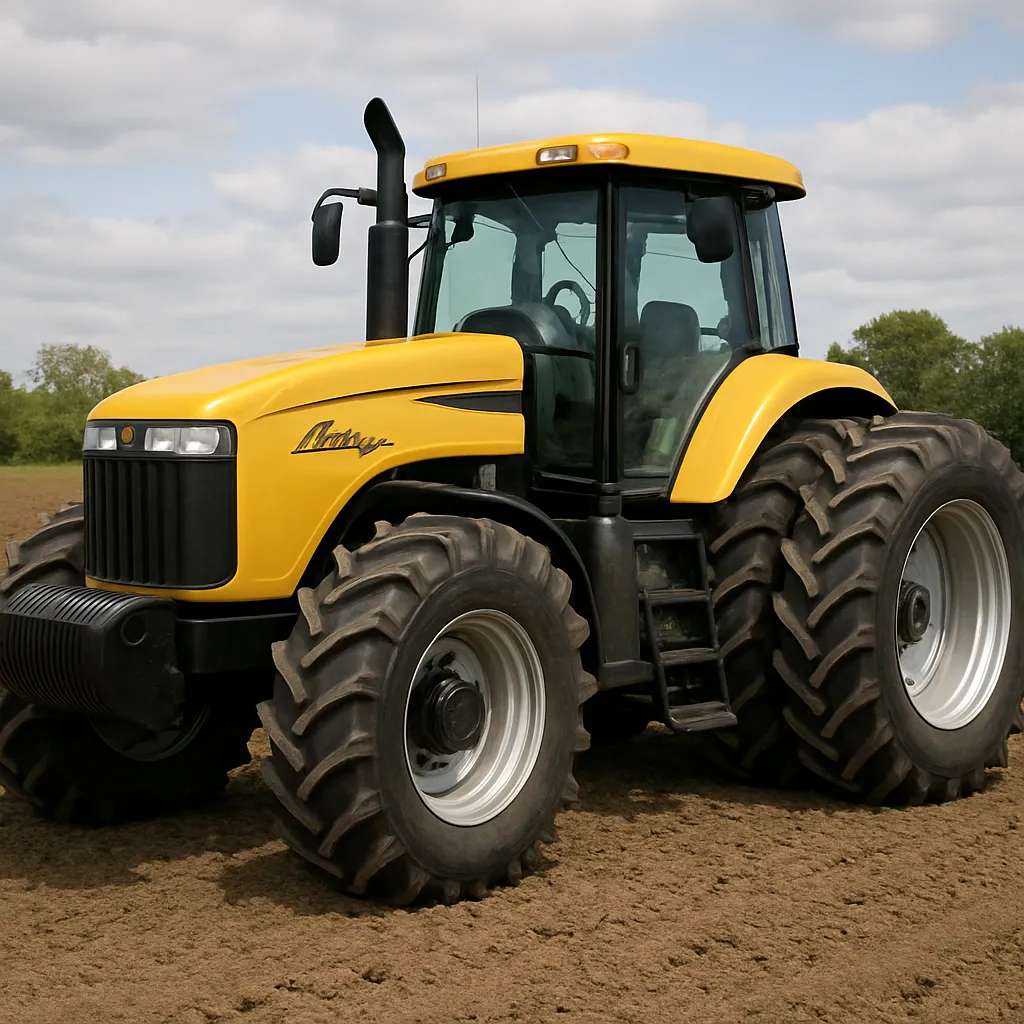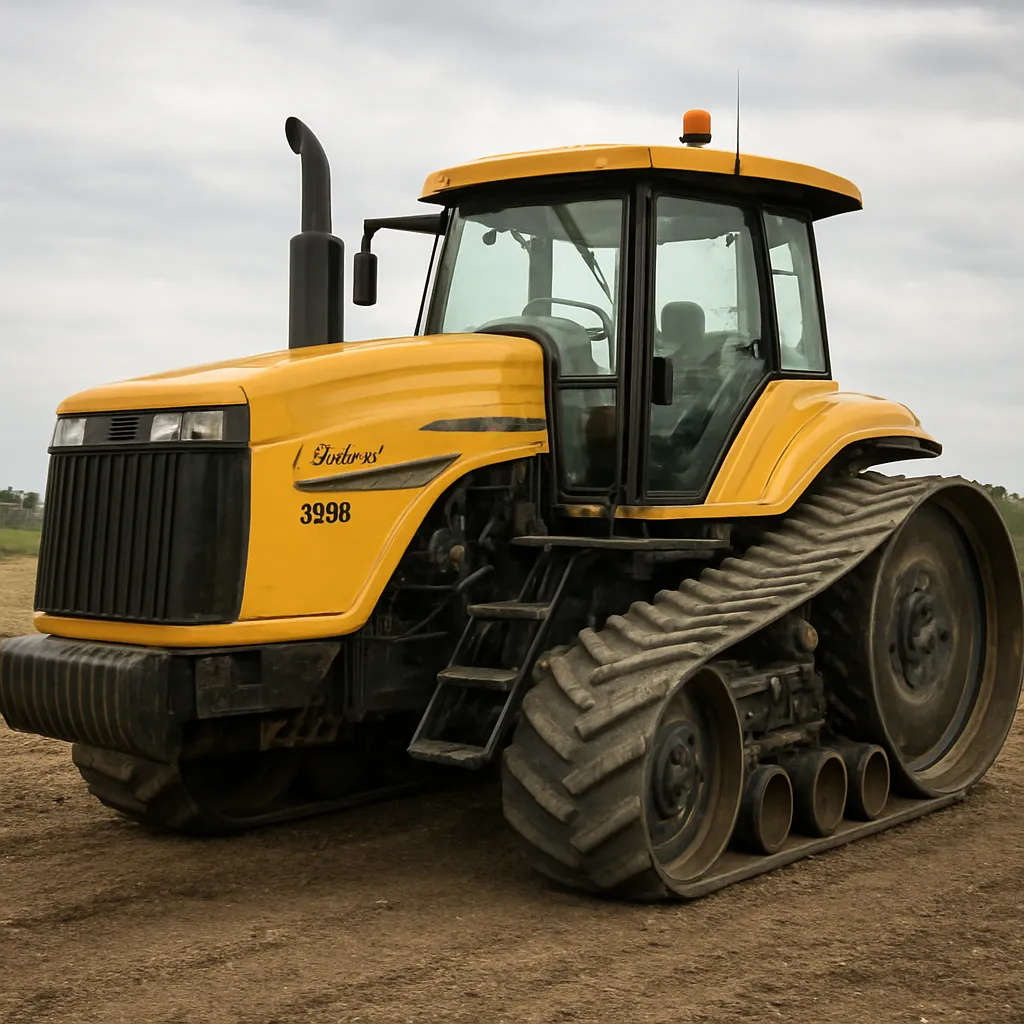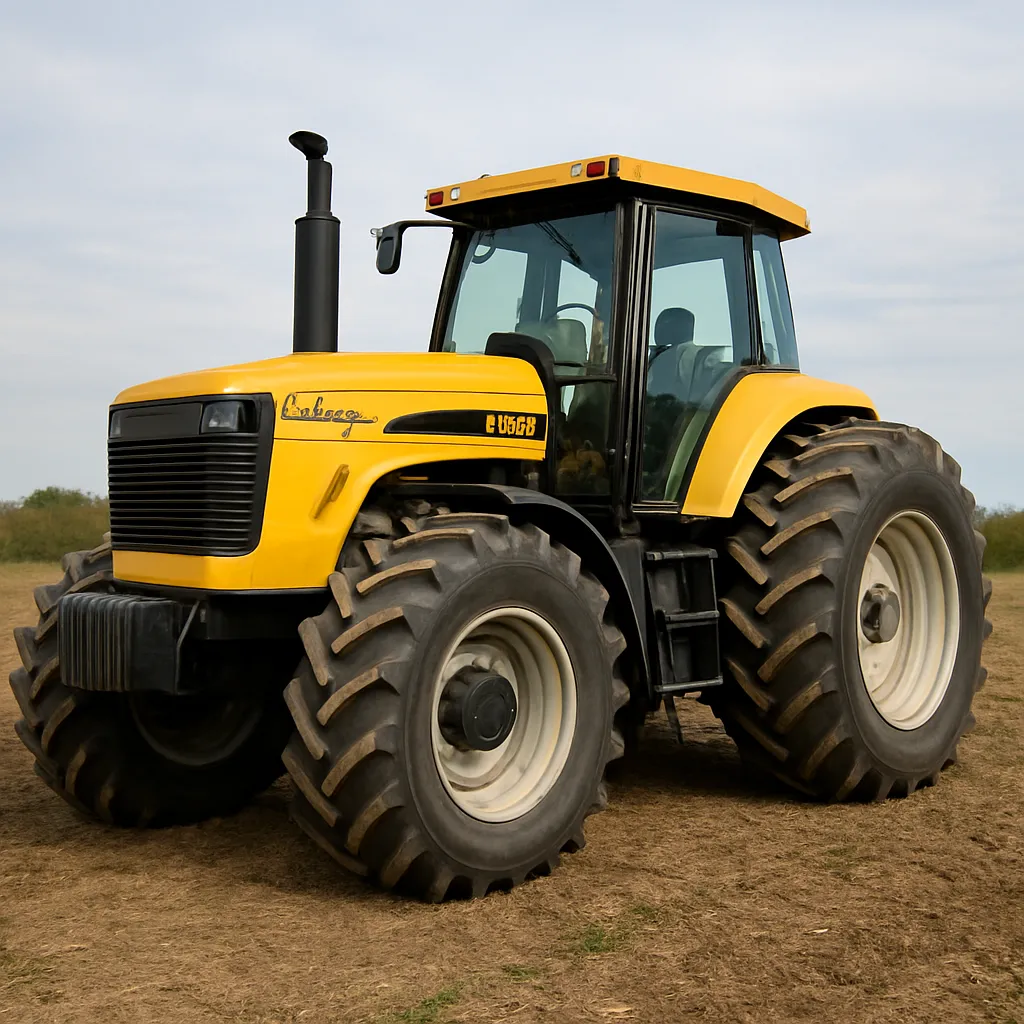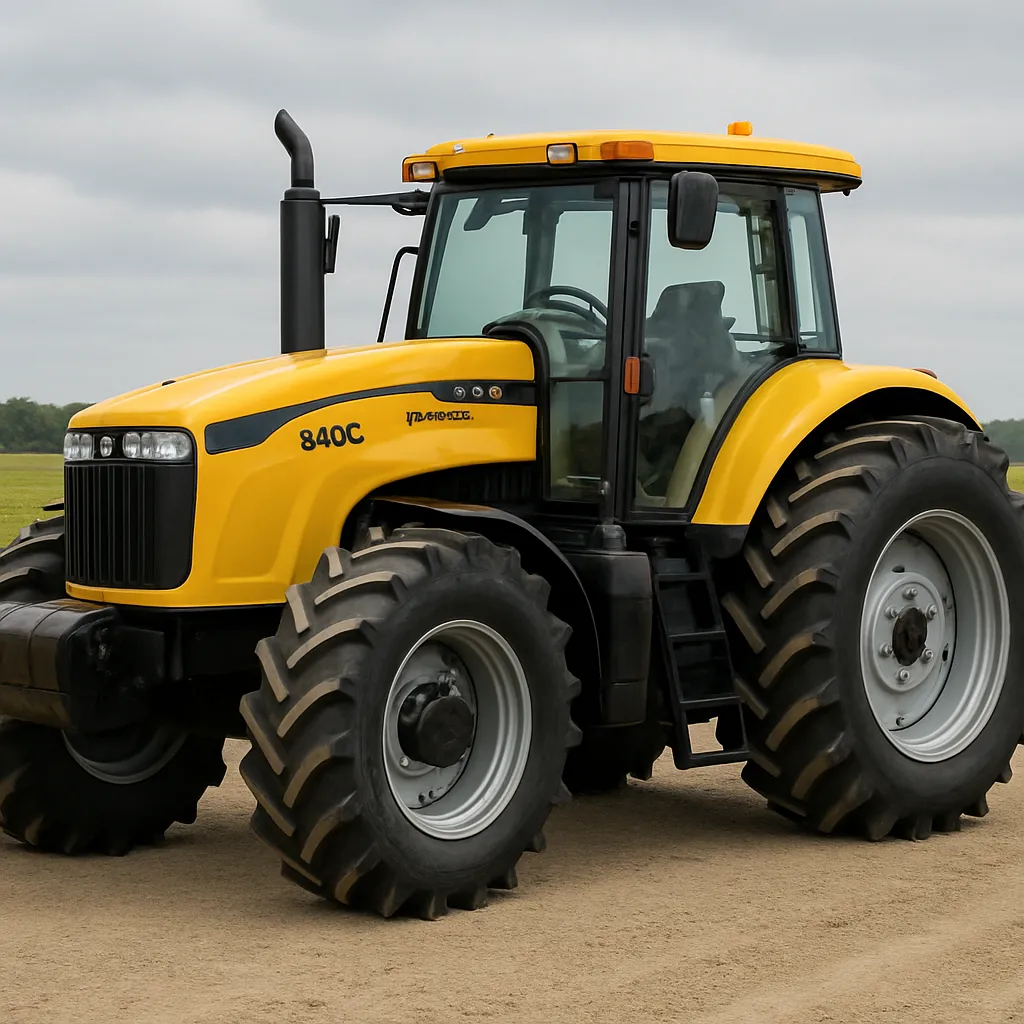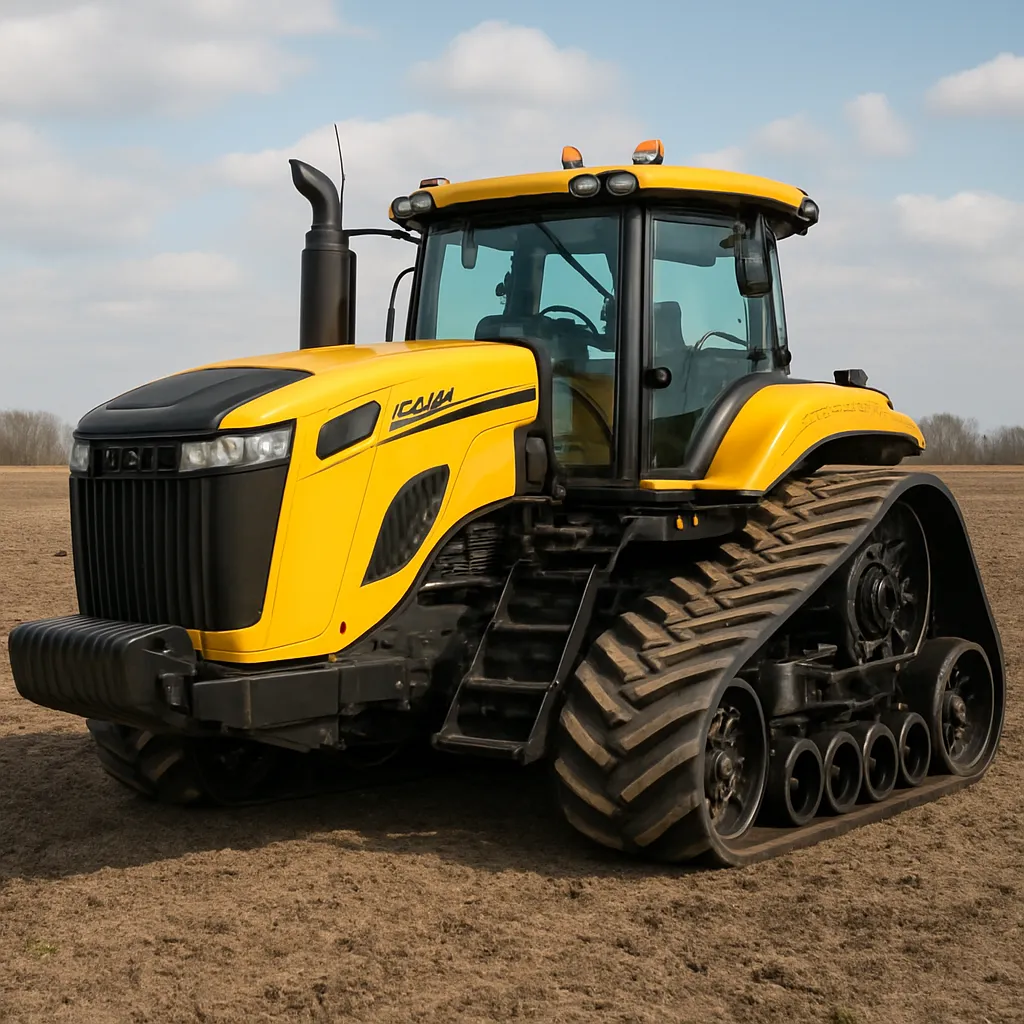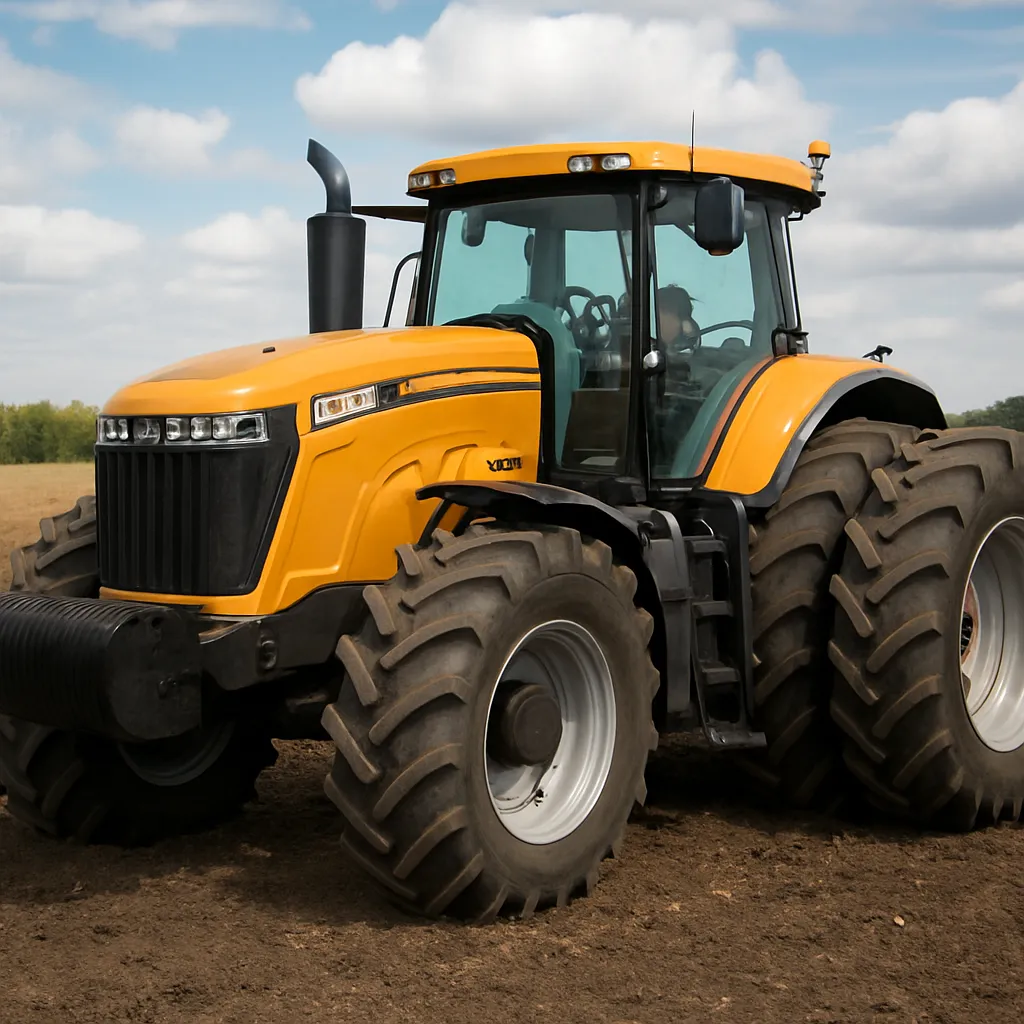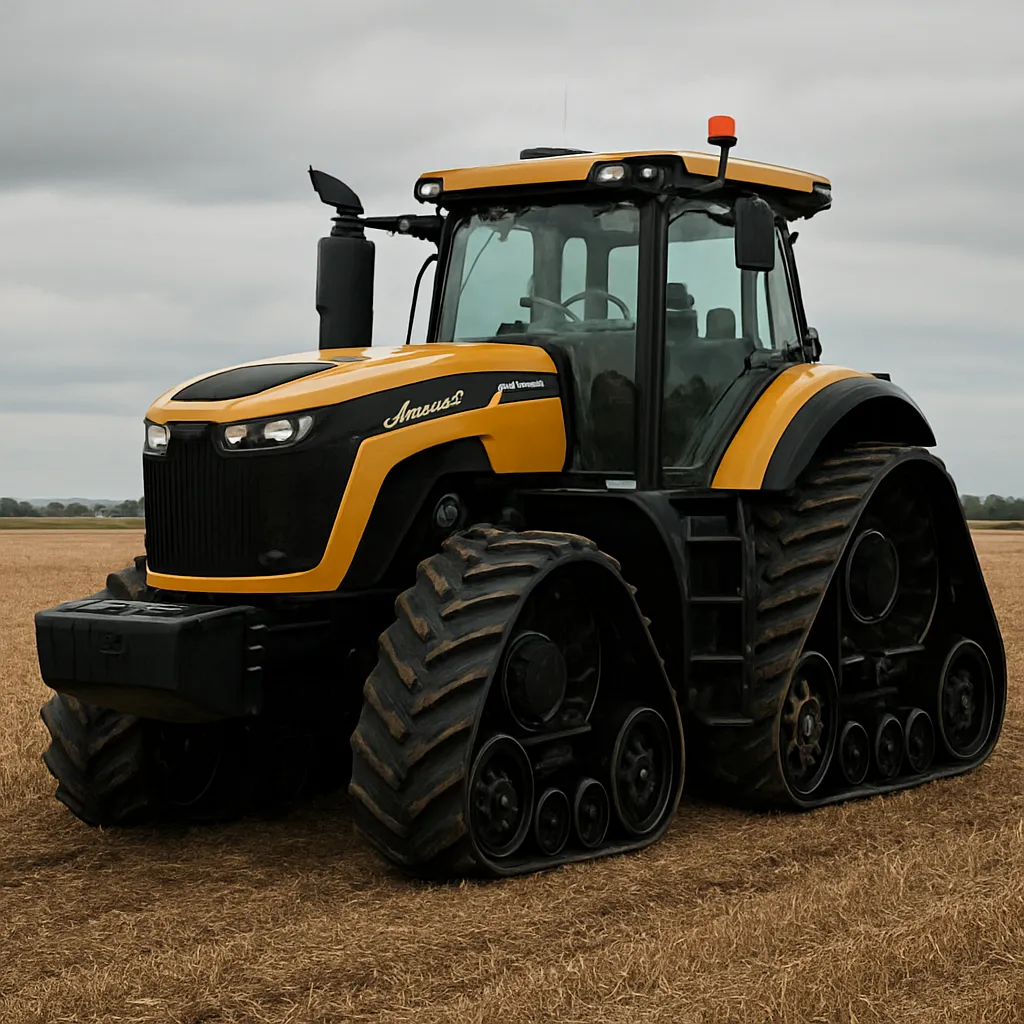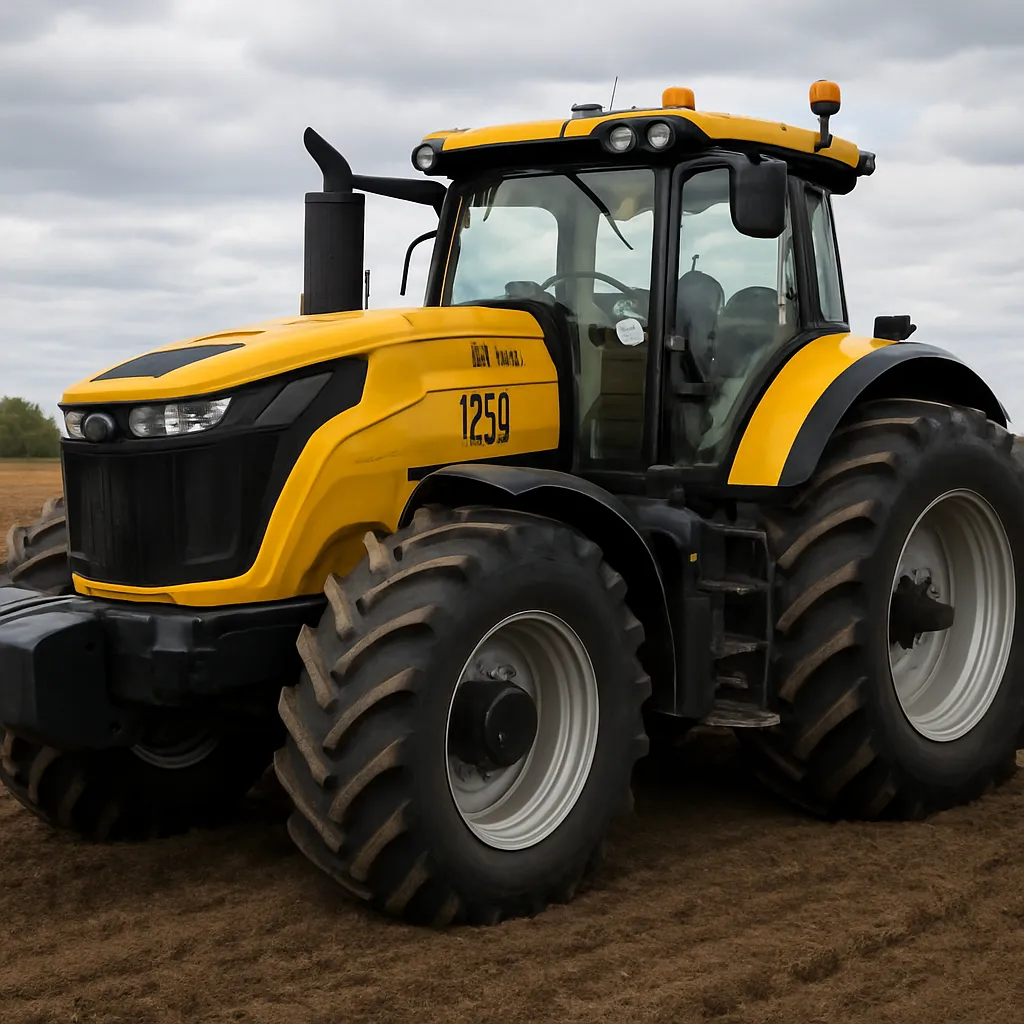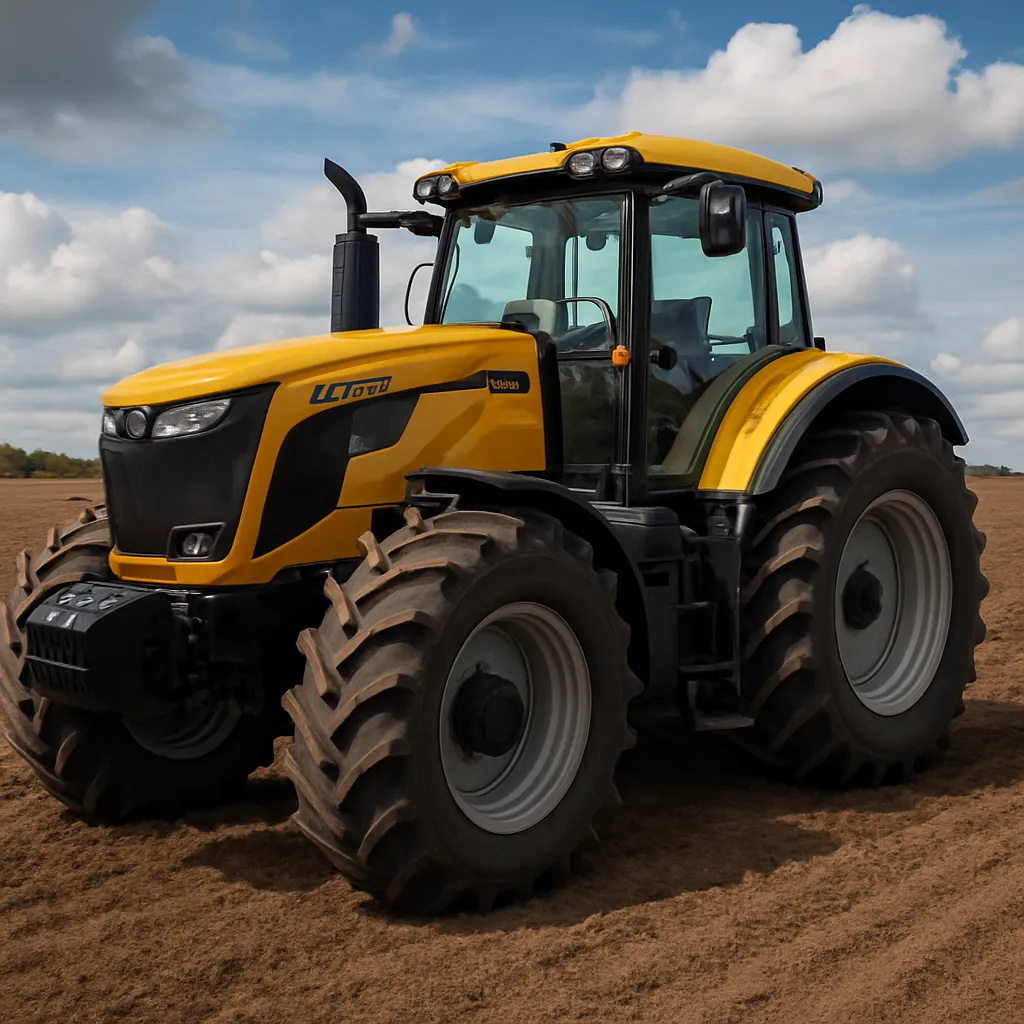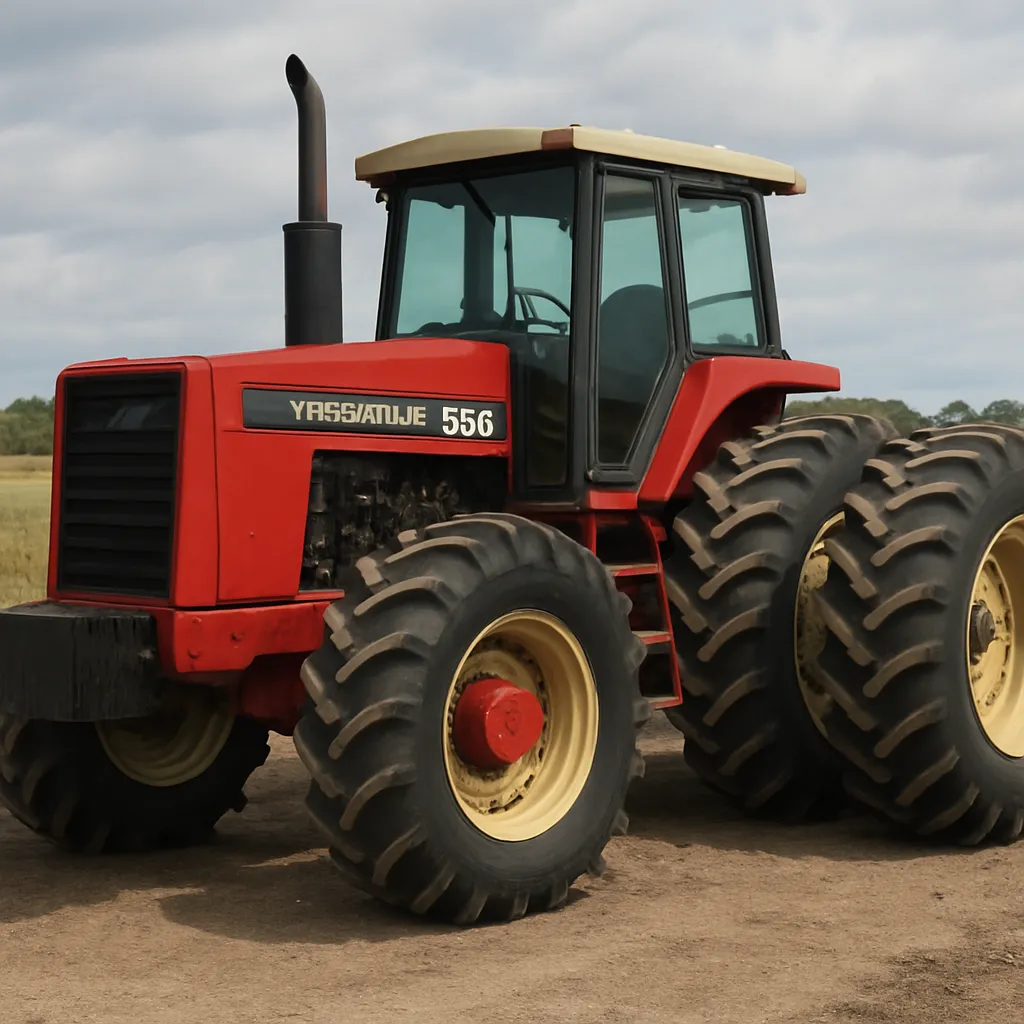
The Versatile 555 is a workhorse in the world of agricultural and land-management machinery. Designed for heavy-duty tasks across a variety of terrains, it has earned a reputation for durability, adaptability and steady performance in demanding conditions. This article outlines the model’s background, technical characteristics, typical applications, and practical considerations for owners and operators. Wherever specific numerical data is available, approximate ranges are given to reflect differences across production years and regional configurations.
Development and historical context
The Versatile brand, originating in Canada, became known for pioneering robust four-wheel-drive and articulated tractors tailored to large-scale farming and earthmoving work. The Versatile 555 emerged in a lineup aimed at bridging the gap between medium and heavy tractors, offering a balance of power and maneuverability. While exact introduction years and variant lists can differ by market, the 555 belonged to a generation of machines developed to respond to rising demands for greater traction, improved operator comfort and compatibility with a growing array of implements.
Design philosophy
- Durability over lightness: frames, axles and drivelines were designed to tolerate continuous heavy loads.
- Modularity: manufacturers offered multiple transmission and hydraulic packages so the same chassis could be optimized for fieldwork, hauling, or front-loader duties.
- Serviceability: accessible service points and straightforward mechanical layouts simplified field repairs and routine maintenance.
Positioning in the market
The 555 was marketed to farms and contractors who required more capability than small utility tractors but did not need the extreme horsepower of very large articulated machines. Its appeal included lower operational complexity compared with the absolute top-end machines, combined with adequate power for primary tillage, seeding, and pulling large implements.
Technical characteristics and performance
Technical specs for tractors vary by year and market, but common characteristics of the Versatile 555 include a robust diesel engine, heavy-duty transmission options, and a hydraulic system sized for demanding implements. Below are typical attributes and approximate figures to give a realistic sense of capability.
Engine and powertrain
- Engine type: turbocharged diesel, typically in an inline-six configuration on comparable models.
- Rated power: commonly in the mid-range for medium-large tractors; approximate figures fall in a range that suits 100–200 kW class operation (roughly 150–270 horsepower depending on tuning and market designation).
- Torque: high low-end torque for pulling implements and sustaining field loads; specific torque numbers vary with engine option but are designed to sustain operations at low rpm.
- Transmission: available as power shift or synchronized gearboxes, with multiple forward and reverse ranges to optimize field speeds and transport.
Hydraulics, PTO and hitch
- Hydraulic flow: models typically offered medium-to-high-flow hydraulic systems to supply remote cylinders and hydraulic motors for contemporary implements.
- PTO options: standard rear PTO with common speed choices (e.g., 540/1000 rpm in many tractors of this class), supporting powered tillers, balers and other driven implements.
- Three-point hitch: compatible with category II/III implements depending on chassis and lift capacity; lift capacity designed to handle large seeders and mid-size plows.
Chassis, weight and traction
- Configuration: four-wheel-drive or articulated four-wheel versions were common across the Versatile lineup to maximize traction.
- Operating weight: depending on ballast and options, a typical medium-large model could weigh in the several-tonne range (commonly quoted as multiple tonnes with ballast, tires and implements attached).
- Traction: large tires and rigid axles (or track options in some applications) provide significant drawbar pull for primary tillage.
Fuel consumption and economy
Fuel use depends heavily on task intensity, speed and engine tuning. Typical consumption under medium-to-heavy loads for a machine in this class can be in the range of 10–30 liters per hour, with plowing and heavy draft tasks at the upper end. Operators often balance fuel economy with productivity by optimizing implement settings, using appropriate gear ranges, and maintaining engine tuning.
Primary applications and implements
The name Versatile highlights the model’s broad utility. The 555 is well-suited to a range of agricultural and non-agricultural tasks, often serving as a multi-purpose machine on medium to large farms and for contractors.
Fieldwork and cropping operations
- Tillage: primary and secondary tillage with large plows, discs and cultivators; high drawbar pull supports deep tillage in heavy soils.
- Seeding and planting: towing large seed drills and air seeders across wide working widths; hydraulic flow supports seeders with active-folding mechanisms.
- Fertilizer and chemical application: powering large sprayers and applicators; stable platform for accurate dosing at speed.
Hay and forage
- Baling: pulling large square or round balers; PTO and hydraulic capacity allow efficient baler operation.
- Forage harvest support: towing wagons and powering forage equipment in support roles.
Loader and utility tasks
- Front-end loader: some configurations mount loaders for material handling, silage, manure and general farm chores.
- Snow removal and grading: heavy-duty front blades and rear implements make the tractor useful year-round.
Contracting, earthmoving and specialty work
Contractors often use machines like the 555 for land leveling, subsoiling, road maintenance and other civil tasks, where the combination of power and traction makes the tractor an economical choice compared with larger, more specialized equipment.
Operational advantages and performance in the field
The strengths of the Versatile 555 can be summarized as reliability, adaptability and consistent pulling capability. Specific advantages frequently cited by operators include:
- Traction: strong drawbar performance on a variety of soil types and weather conditions.
- Durability: heavy frames and components designed for sustained heavy use.
- Productivity: ability to tow wide implements and cover hectares quickly when properly matched to the task.
- Ease of service: mechanical simplicity relative to newer, more electronics-heavy machines can reduce downtime in remote areas.
Operator comfort and visibility
Cab designs in the 555 era aimed to improve visibility and control ergonomics compared to older industrial tractors. Typical features include elevated seating, large windows and straightforward instrument clusters. While not as refined as modern high-end cabs, they provide practical functionality for long shifts in the field.
Maintenance, longevity and ownership considerations
Keeping a Versatile 555 performing well requires regular maintenance and sensible operational practices. These machines can remain productive for decades when cared for, making them common as reliable second-hand purchases.
Routine maintenance checklist
- Engine oil and filter changes at manufacturer-recommended intervals.
- Fuel system maintenance including filters and water separators.
- Transmission and differential oil checks and changes.
- Hydraulic system fluid level and filter changes; inspection for leaks.
- Tire pressures and wear monitoring or track system inspections if equipped.
- Cooling system checks: coolant levels, hoses and radiator cleaning.
- Regular greasing of pivot points and driveline U-joints.
Common repair areas
High-stress components such as the transmission, axles and hydraulic pumps are typical focus areas for mid-life overhaul. Because many Versatile models use conventional mechanical systems, parts and service expertise are often available in major agricultural regions. However, older units can require more frequent component-level repairs if operated under extreme loads without routine care.
Economic considerations
Used units can be attractive for smaller operations seeking robust power at a lower capital cost than brand-new high-tech tractors. Total ownership cost considerations include fuel use, parts availability, potential retrofits (e.g., modern radios, GPS-ready displays), and the resale market in the region. Efficient matching of implement size to tractor power is vital to avoid excessive fuel consumption and mechanical strain.
Safety, regulations and operator training
Like all heavy agricultural equipment, safe operation of the Versatile 555 depends on training, appropriate attachments, and compliance with local regulations. Typical safety themes include:
- Pre-start inspections for fluid levels, tire condition and controls.
- Proper ballast and tire selection to prevent overturning or loss of traction.
- Use of rollover protective structures (ROPS) and seat belts where provided.
- Awareness of PTO safety and shaft guards when connecting driven implements.
- Adherence to transport speed limits and signaling when on public roads.
Market presence and second-hand trends
The Versatile brand maintained a loyal following in many agricultural markets due to the machines’ ability to handle extended, heavy-duty work. The 555, as a mid-to-large machine, frequently appears in the used market for farms scaling up or contractors seeking economical power. Resale values can vary considerably by region, hours of use and condition.
Buying tips for used examples
- Request maintenance records and verify regular service (oil, filters, hydraulic care).
- Inspect for frame or axle cracks, which are signs of heavy previous misuse.
- Check for transmission slip or overheating symptoms during a test run.
- Look for evidence of moderate fuel consumption consistent with the machine’s working history.
- Confirm availability of spare parts and quality of local service providers.
Comparisons and alternatives
When selecting a tractor for a specific operation, the Versatile 555 typically competes with other medium-large four-wheel-drive tractors from contemporary manufacturers. Buyers consider factors such as dealer support, parts network, cabin comfort and modern features like automated guidance and telemetry. For those seeking simpler mechanical systems and rugged construction, older Versatile machines remain appealing.
When to choose a modern alternative
Modern tractors offer advanced features—fuel-efficient engines with electronic controls, precision guidance systems, automated transmissions, and telematics—that can substantially increase yield and reduce input costs when integrated across a whole farm. Operations prioritizing these systems may opt for newer equipment despite higher acquisition costs.
Summary and practical perspective
The Versatile 555 stands out as a practical, purpose-built machine for tasks demanding steady power, solid traction and straightforward serviceability. While not as electronically refined as modern tractors, its mechanical simplicity can be a benefit in regions where robust, easily repairable equipment is preferred. For large-scale cropping, contracting or mixed-farm use, the model offers a balance of reliability, adaptability and cost-effectiveness that keeps it relevant on many farms.
Key considerations for potential users:
- Match implement size to tractor capability to preserve economy and longevity.
- Maintain a disciplined service schedule to sustain performance.
- Assess local parts and technical support availability before acquisition.
- Consider retrofit options (guidance, safety upgrades) to improve productivity.
Owners who keep the engine, transmission and hydraulic systems well-maintained typically find that a Versatile 555 will provide years of dependable service, making it a sound choice for those who prioritize practical durability and field-proven capability.