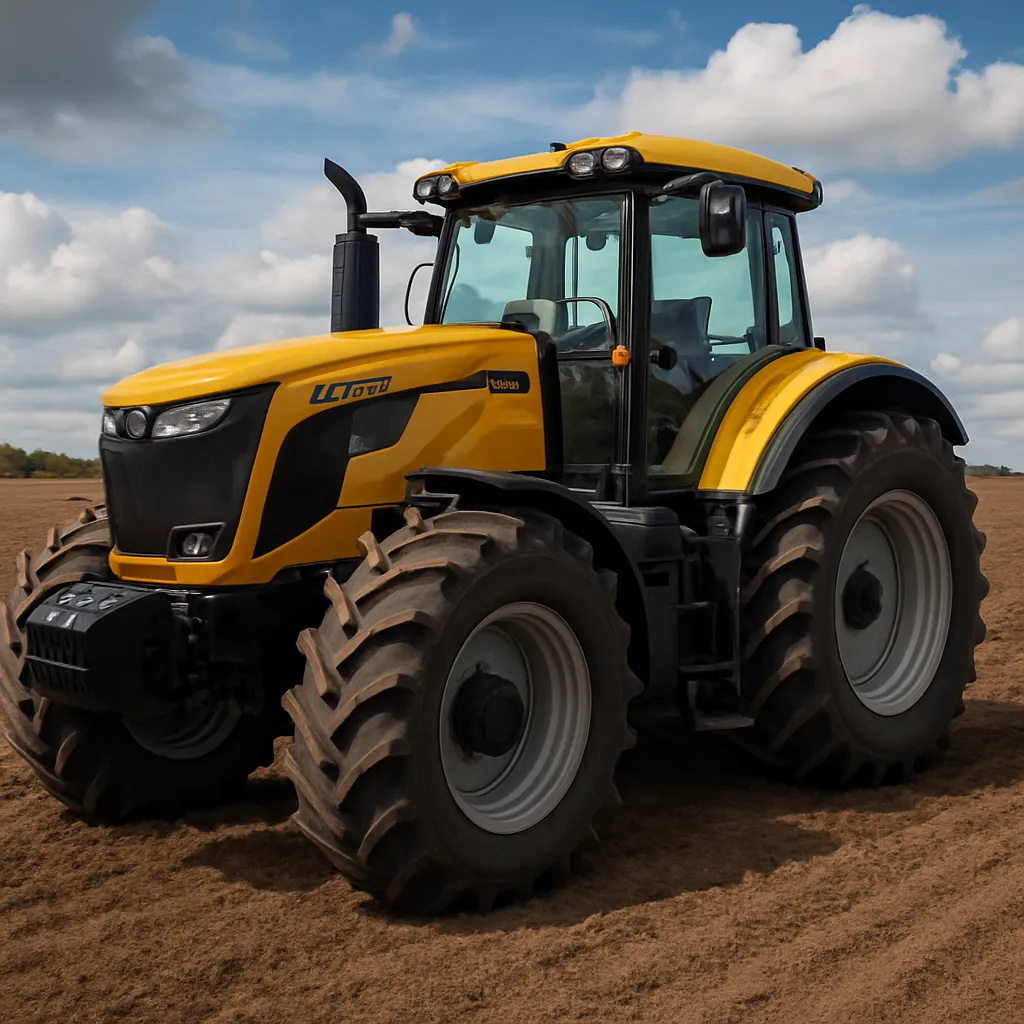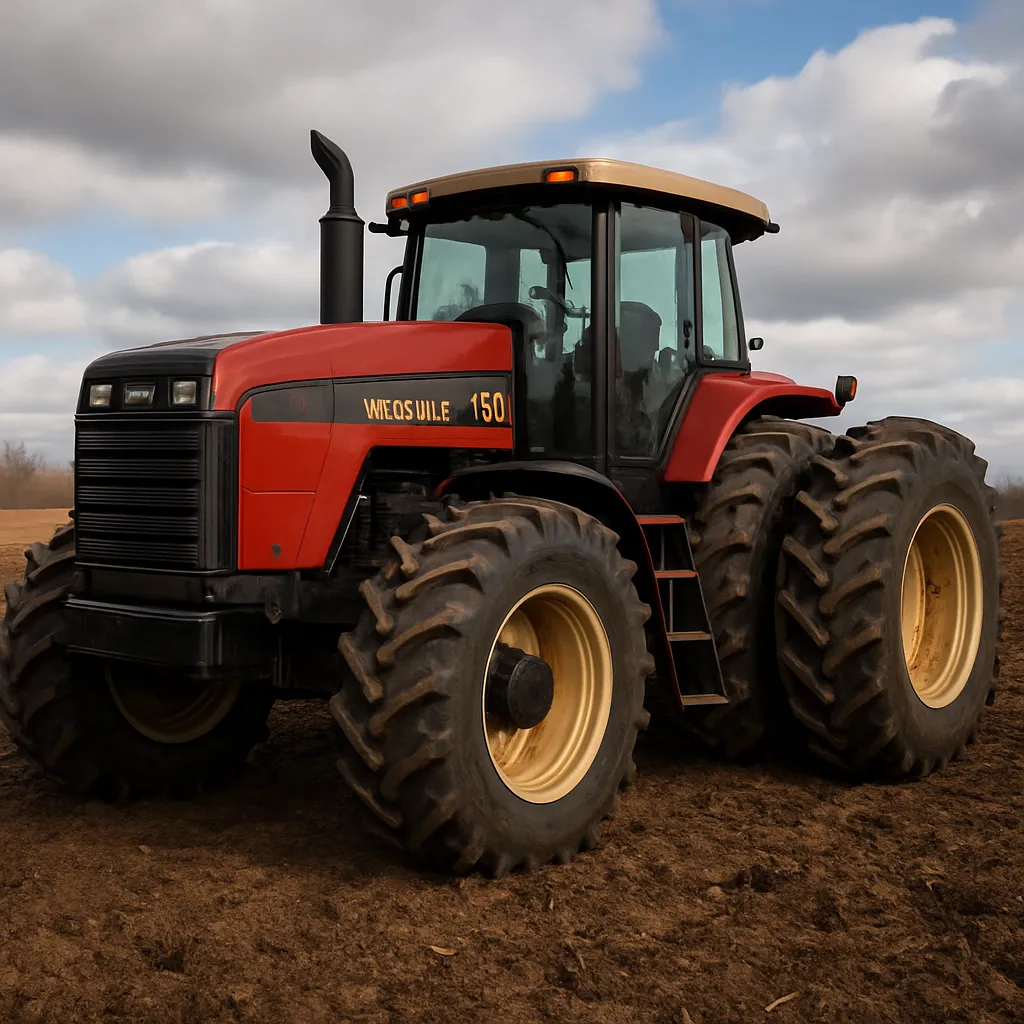
The Versatile 1150 is a member of the high‑horsepower tractor family designed for demanding large‑scale agricultural operations and heavy contracting work. Combining raw pulling power with modern electronics, configurable undercarriages, and comfort features for long days in the field, this model aims to bridge the needs of farm managers who must cover extensive hectares quickly and contractors who require robust, dependable machines. In the following sections, we explore the tractor’s background, technical options, real‑world applications, economic considerations, and the technologies that make it a competitive choice in the large tractor market.
History and brand context
The Versatile brand has a long tradition in the manufacture of large agricultural tractors. Over decades, the company built a reputation for producing powerful, simple‑to‑service 4WD machines that appealed to growers and contractors who needed high drawbar pull and long operating life. The Versatile 1150 continues this tradition by focusing on the upper end of the horsepower spectrum and offering both wheeled and tracked undercarriage options to match different field conditions and soil‑compaction strategies.
Originally known for articulated tractors and massive two‑wheel or track designs, Versatile evolved its product line through partnerships and ownership changes to incorporate modern engine technology, emissions systems, and electronics. The 1150 model is often positioned as a flagship for tasks requiring sustained, high‑speed fieldwork or heavy tillage. It represents the brand’s effort to keep pace with global trends: consolidation of farms, demand for mechanization on a larger scale, and the need for machines that can accept very large implements while maintaining fuel efficiency and operator comfort.
Design and technical characteristics
The Versatile 1150 is engineered around several core principles: maximum usable power, traction versatility, hydraulic capacity, and operator ergonomics. The following points summarize its typical technical attributes, which may vary by production year and configuration chosen by the buyer.
Powerunit and drivetrain
The heart of a high‑horsepower tractor like the 1150 is its engine and drivetrain. Manufacturers equip these machines with large displacement, turbocharged diesel engines that deliver strong low‑end torque and are tuned for sustained power output during continuous heavy work. The drivetrain usually features a heavy‑duty transmission, often with multiple ranges and optionally a powershift or continuously variable transmission (CVT) depending on model evolution. Robust final drives and heavy axles translate engine torque to the ground reliably.
Undercarriage options
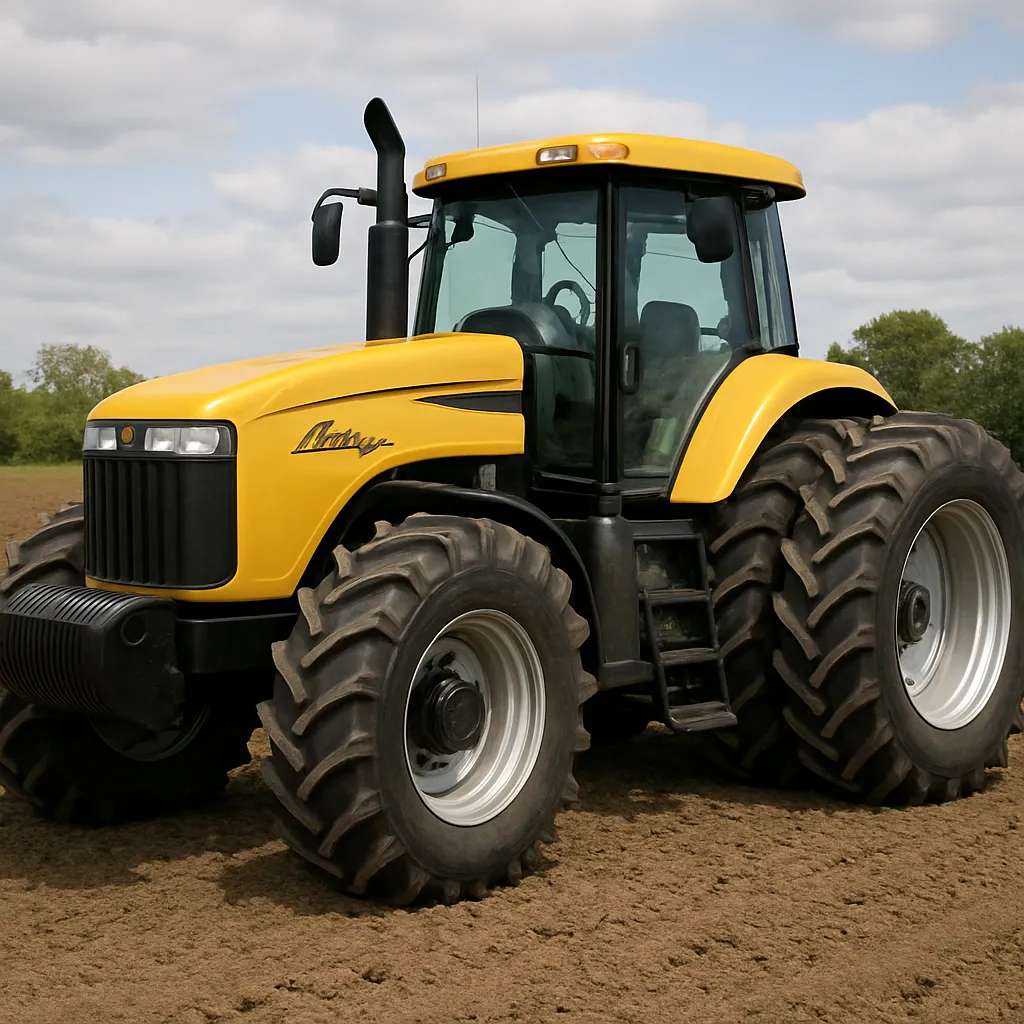
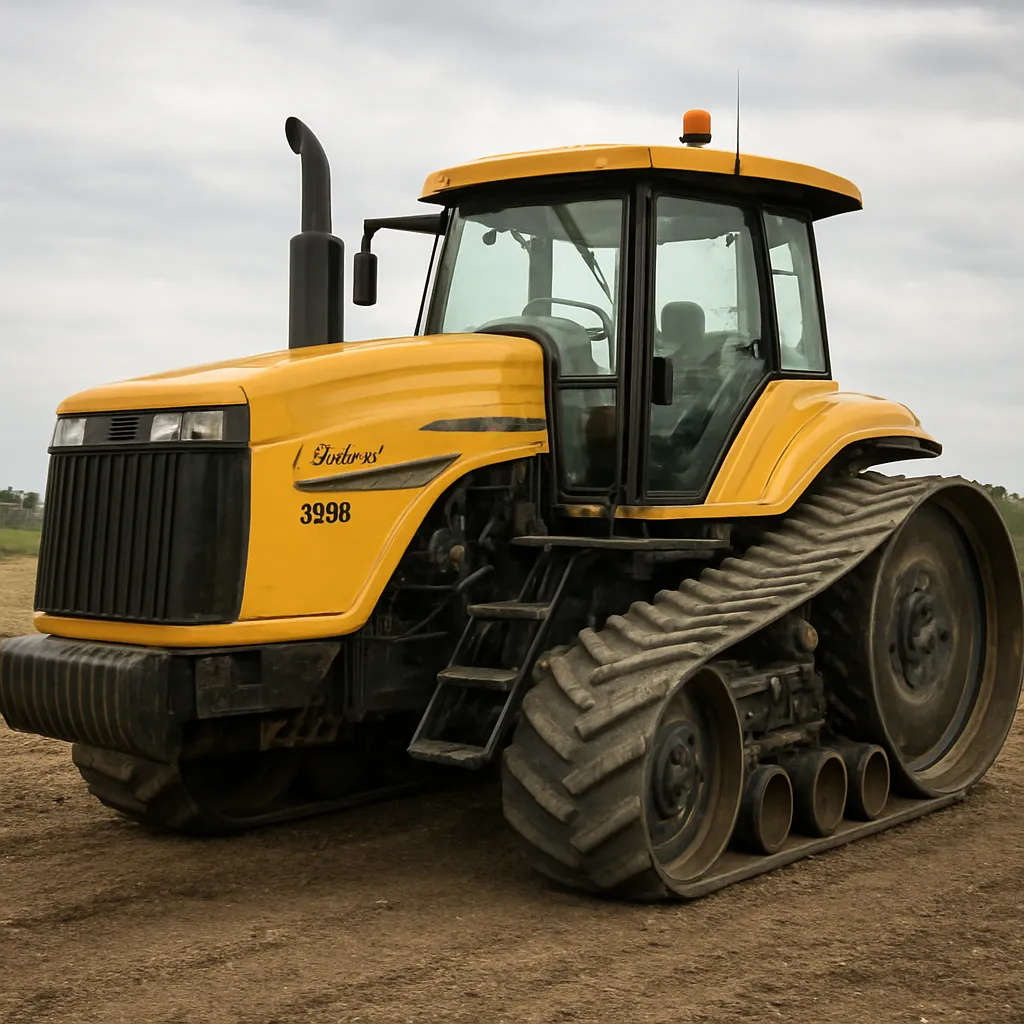
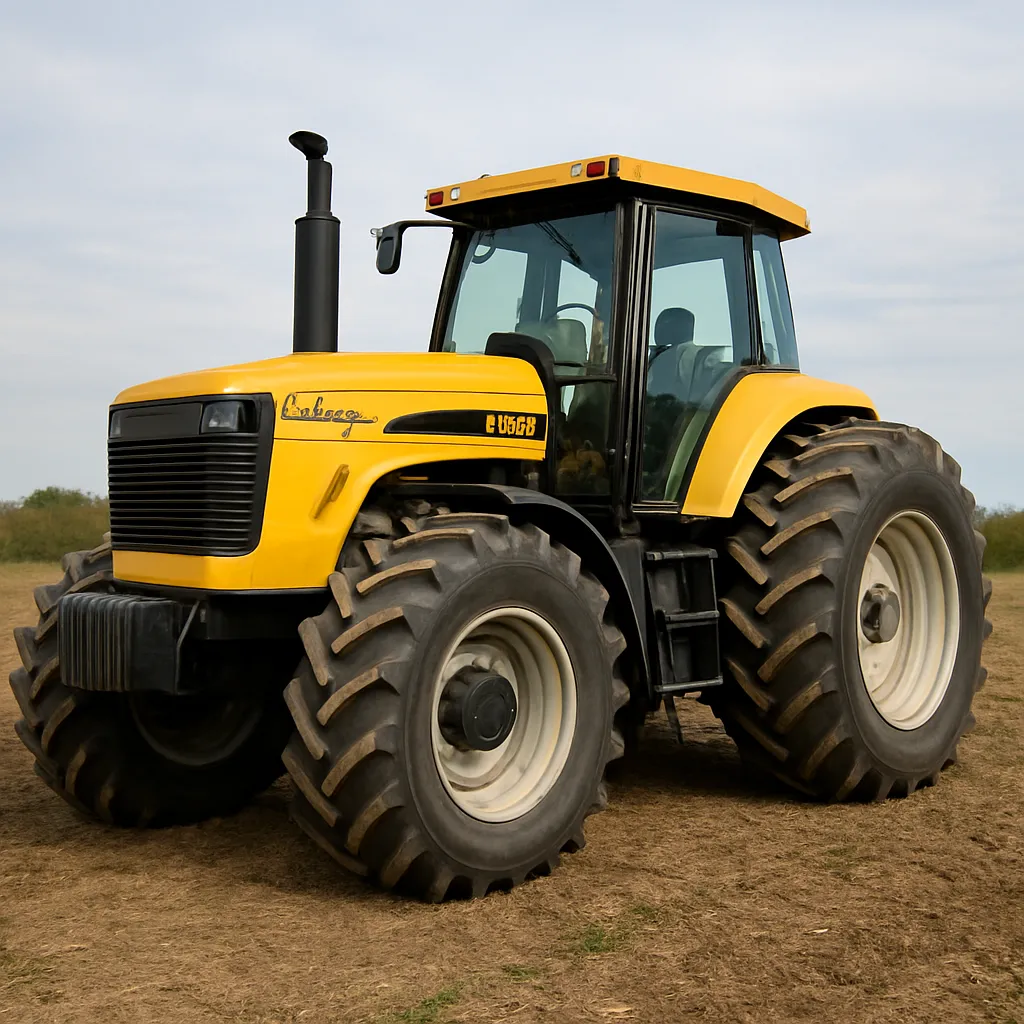
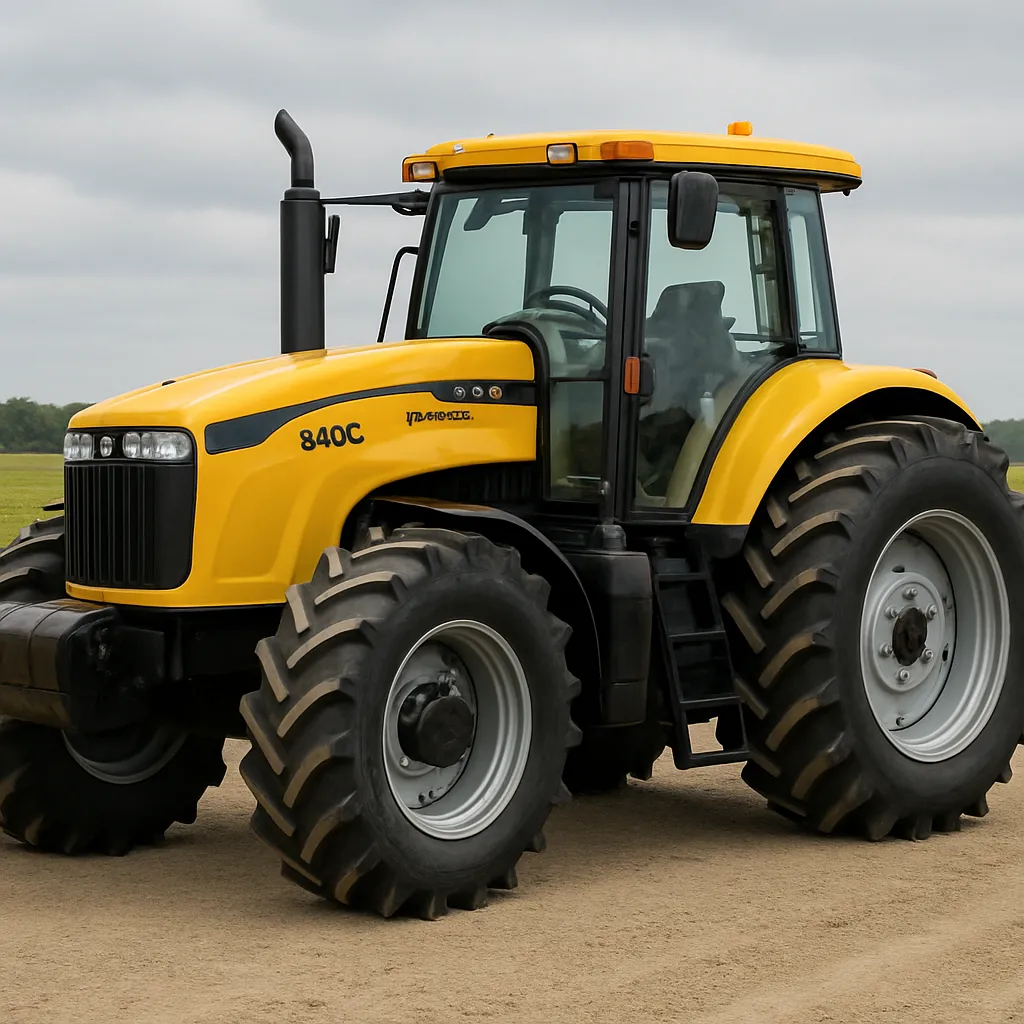
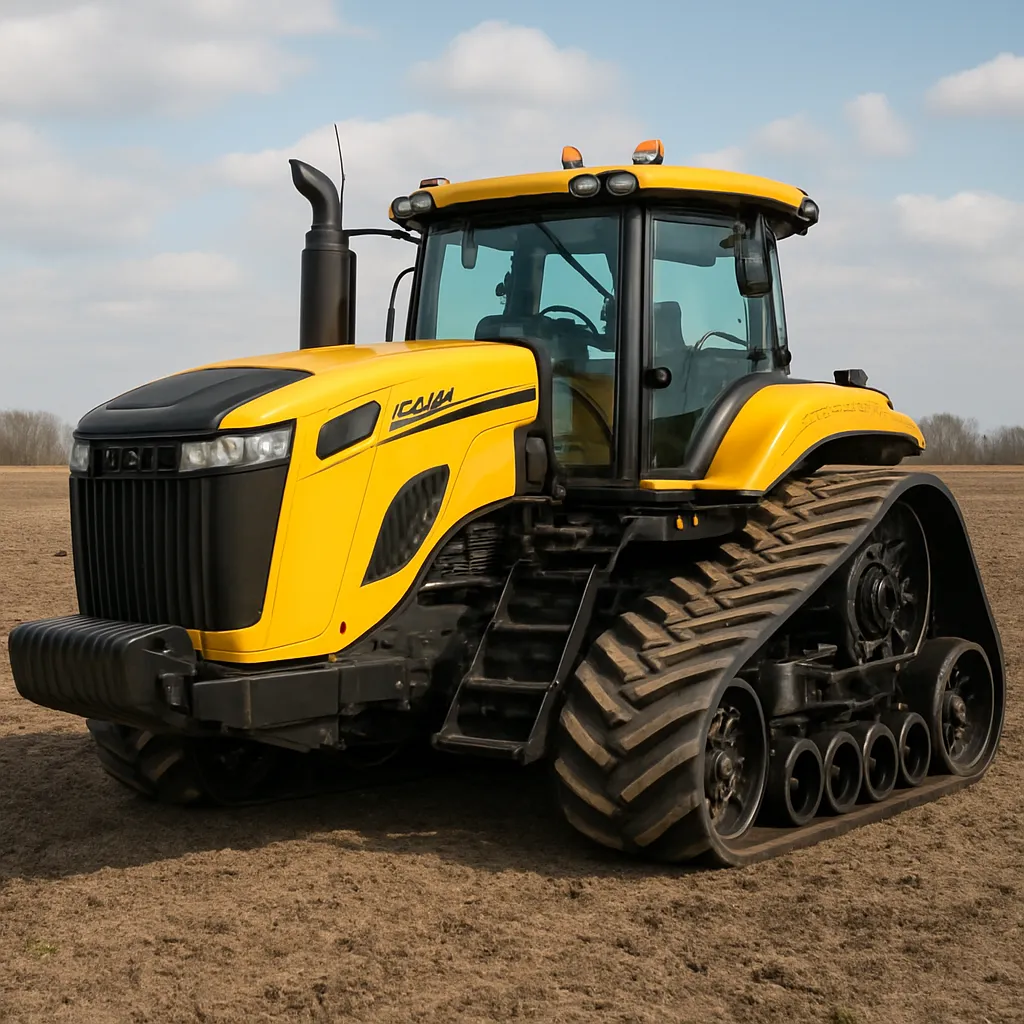
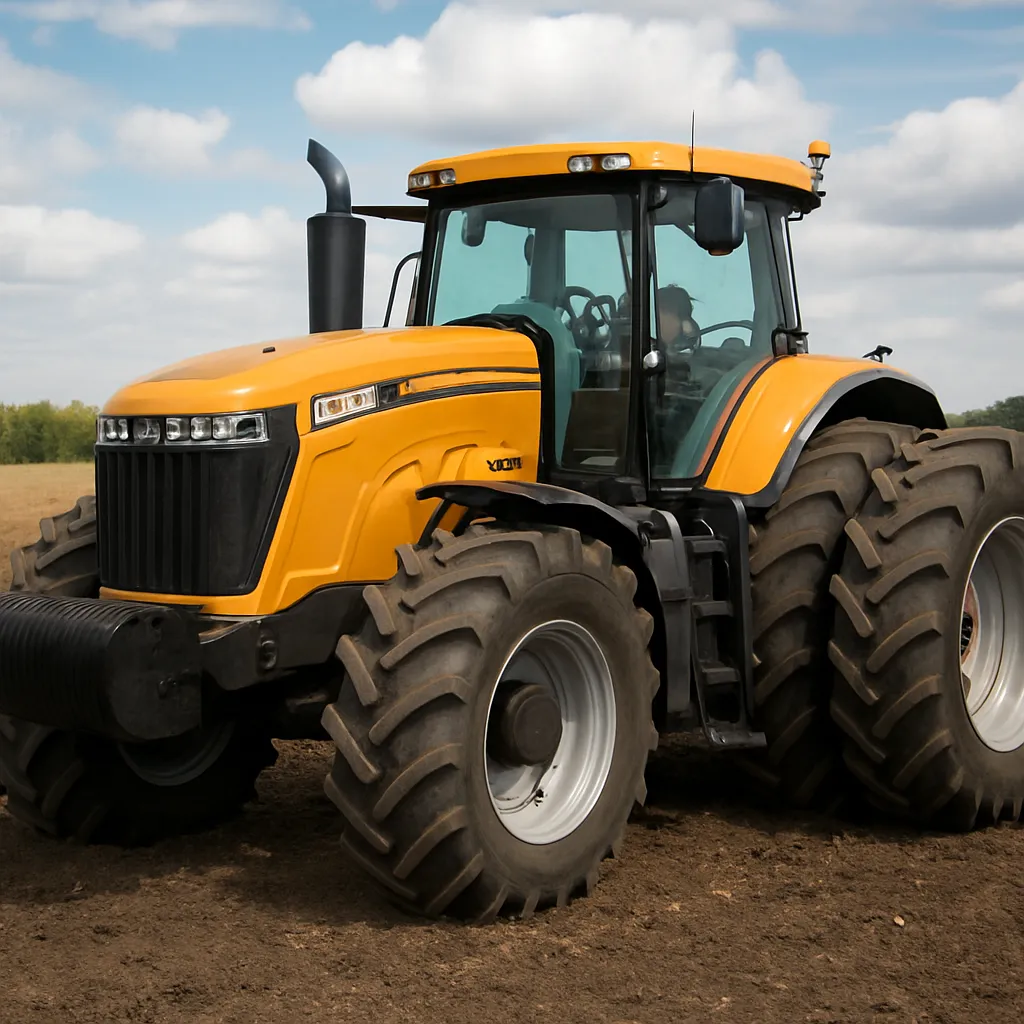
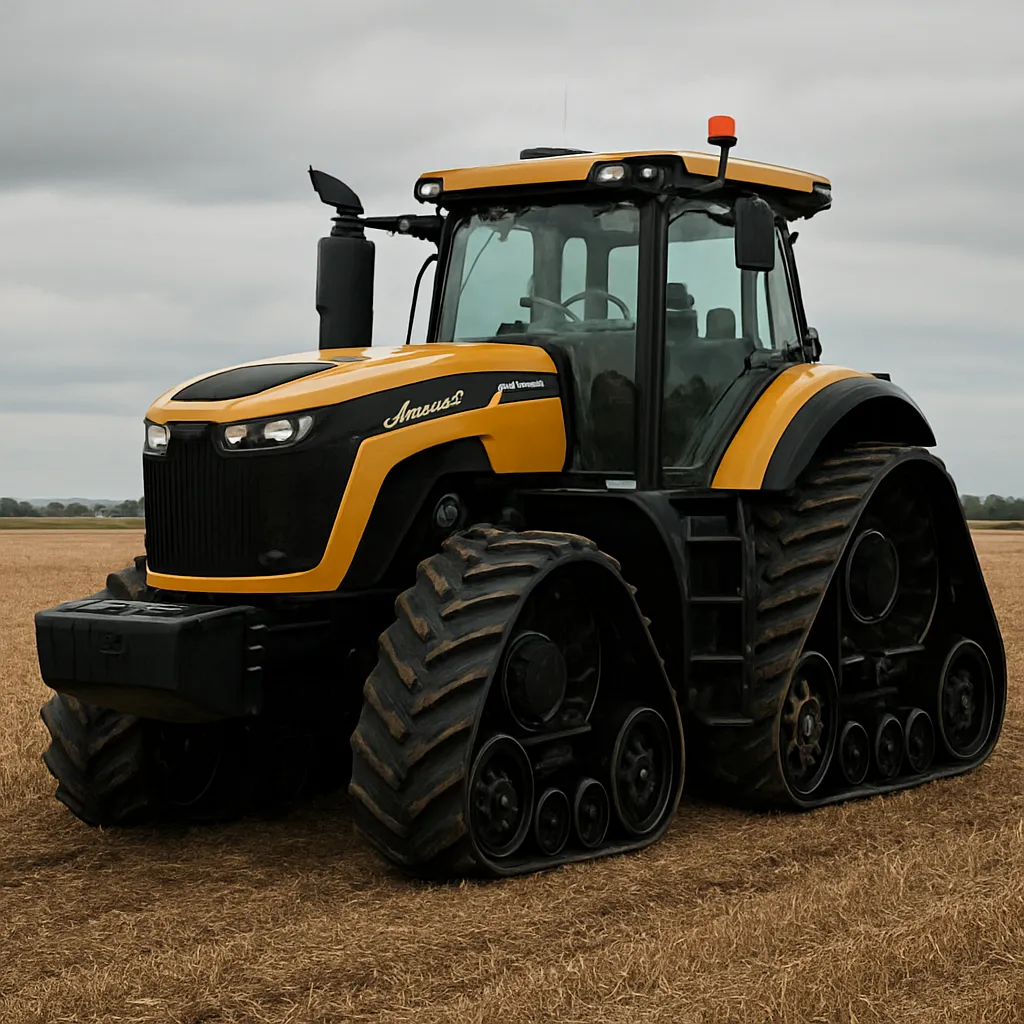
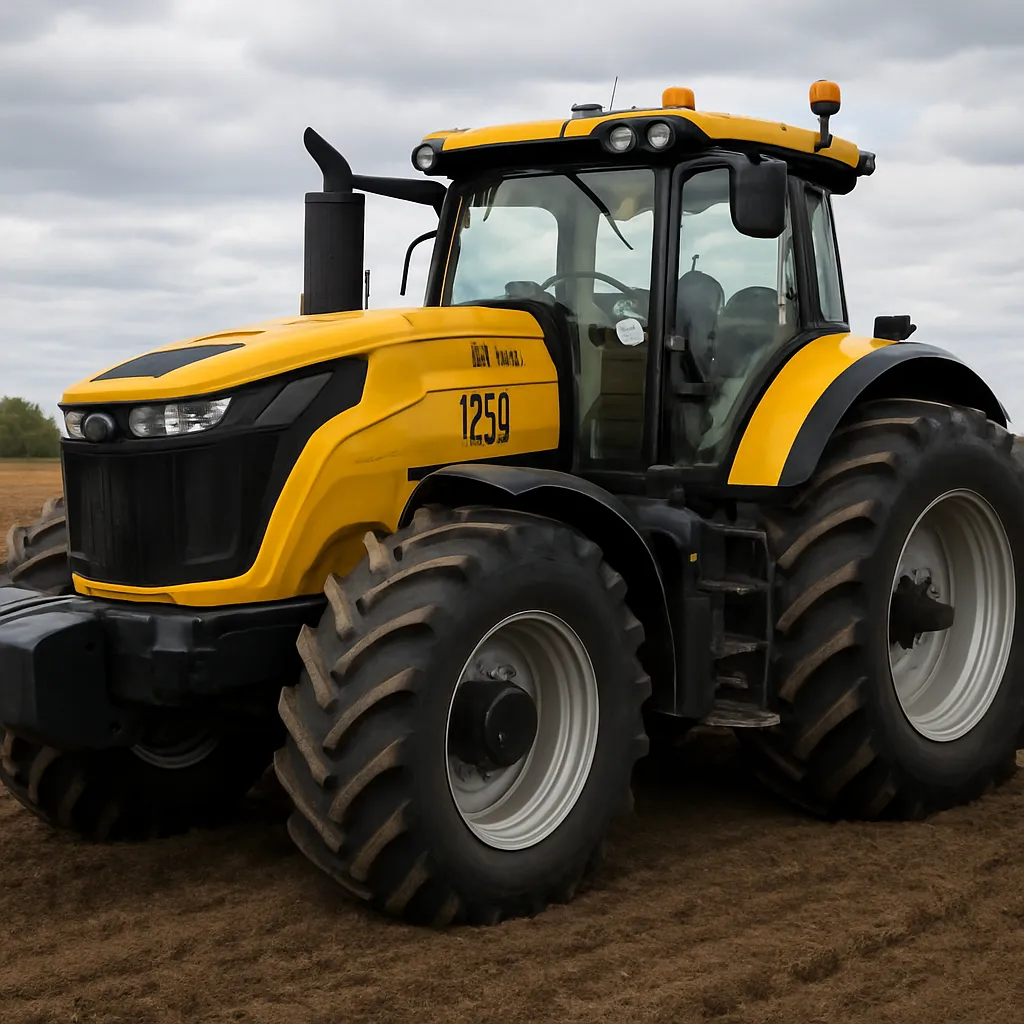
To adapt to different soils and cultivation strategies, the Versatile 1150 is offered with either large flotation tires or wide track systems (often referred to as DeltaTrack or similar proprietary designs). Tracks reduce ground pressure and minimize soil compaction while improving traction in softer fields, whereas tires can allow higher transport speeds and simpler maintenance for operations that prioritize roadwork and frequent field-to-field travel.
Hydraulics and PTO
High‑flow hydraulic systems are standard on machines of this class to operate large folding implements, active markers, and seeders with hydraulic motors. Multiple remote couplers and high‑capacity gear pumps ensure consistent hydraulic performance. PTO capability (where applicable) is robust, allowing operation of high‑power attachments suited to heavy tillage or other specialized tasks.
Cab and operator systems
Because the 1150 operates for long hours, cab design emphasizes visibility, noise reduction, climate control, and ergonomic controls. Modern variants include intuitive consoles, large touchscreen displays for implement and guidance control, and connectivity for remote diagnostics and data transfer. Seating and suspension are tuned for operator comfort on long transit or field days.
Applications and typical uses
The Versatile 1150 is built for heavy-duty tasks that smaller tractors cannot handle efficiently. Its broad application set includes:
- Agricultural primary tillage — pulling large ploughs, discs, and cultivators across wide swaths to prepare seedbeds quickly.
- Large‑scale seeding and planting — powering and towing very wide air seeders and planters, especially in regions where single‑pass seeding over thousands of hectares is common.
- Land leveling and reclamation — moving earth with scrapers or large graders in construction, drainage, and irrigation projects.
- Hauling and logistics — transporting heavy trailers, grain carts, and tankers on farms and between fields when necessary.
- Contracting and custom work — contractors offering services such as deep ripping, subsoiling, or cover crop management benefit from the machine’s high drawbar pull and long operating endurance.
Large beef cattle or dairy farms that manage their own extensive forage and cropping systems may also use a tractor like the 1150 for multi‑task operations throughout the year, especially where fleet simplification is preferred (i.e., one powerful tractor can supplant several smaller machines for certain jobs).
Performance in the field
Performance metrics for a tractor of this class are typically evaluated by drawbar pull, fuel consumption under load, ground speed while pulling implements, and effective field capacity (area covered per hour). The Versatile 1150 is designed to maximize effective field capacity by pairing high torque with wide working widths and the option to operate on tracks for better traction.
Under heavy draft conditions, the machine’s ability to sustain speed with large implements reduces overall field time. For example, when pulling a 10–14 m cultivator in medium to heavy soils, a high‑horsepower tractor can maintain consistent forward travel and reduce the number of passes needed to complete a field. This translates directly into lower labor and machine hours per hectare.
Fuel use, efficiency and economics
Fuel consumption for high‑horsepower tractors varies widely based on the task. In heavy draft work, fuel consumption can be substantial; typical ranges for tractors in this class under load are tens of liters per hour. Factors that influence fuel consumption include:
- Load level and draft — deeper tillage and harder soils increase consumption.
- Transmission and gear selection — efficient gearing and advanced transmissions can improve fuel economy.
- Implement matching — using correctly sized and configured implements reduces wasted energy.
- Tracks versus tires — tracks can improve traction and fuel economy in soft soils, while tires may be more efficient on firm soils and during transport.
From an economic perspective, the purchase price and operating costs of a Versatile 1150 will be higher than for smaller tractors, but the cost per hectare can be lower when the machine is properly matched to large acreages and when it reduces the need for multiple passes or additional tractors. Large farms and contractors typically analyze ownership costs in terms of fuel, maintenance, depreciation, and uptime. Reliability and ease of service are therefore critical to ensure that downtime does not negate the productivity gains.
Maintenance, serviceability and reliability
Designers of heavy tractors pay special attention to service access, oil and filter change procedures, and the robustness of components like transmissions, axles, and cooling systems. The Versatile 1150’s maintenance profile is characterized by:
- Accessible service points for routine maintenance to minimize downtime.
- Heavy‑duty cooling systems to cope with sustained high engine output in warm climates.
- Longer service intervals for some items, balanced against potentially greater costs for major components (e.g., turbos, emissions equipment) when they do require attention.
Modern telematics and remote diagnostic features can assist fleet managers in scheduling maintenance proactively and in identifying issues before they lead to a breakdown. These tools improve uptime and can reduce long‑term ownership costs by ensuring optimal service intervals and part replacement timing.
Technological features and precision farming
Large tractors like the Versatile 1150 increasingly incorporate advanced systems that enhance precision farming workflows:
- GPS and auto‑steering — reduce overlap, improve straightness of passes, and help maintain consistent implement control across wide working widths.
- ISOBUS compatibility — enables plug‑and‑play control of many implements from a single in‑cab terminal, simplifying setup and reducing operator errors.
- Telematics and fleet management — allow remote monitoring of location, engine hours, fuel use, and basic diagnostics.
- Engine management and emissions control — modern systems comply with regional emissions standards while balancing performance and fuel economy.
These technologies make it easier to document field operations, manage inputs precisely, and demonstrate compliance with regulatory or sustainability reporting requirements. For contractors, the ability to integrate with clients’ farm management systems and provide traceable work records is an important competitive advantage.
Statistical and comparative figures (typical ranges)
Exact specifications for the Versatile 1150 depend on the year and market configuration. Below are representative figures and ranges typical for tractors in this upper power segment to give a sense of scale and capability:
- Rated engine power: The model designation suggests placement in the upper‑horsepower class; many tractors in this segment deliver several hundred to over a thousand metric horsepower depending on tune and boost strategies. Buyers should verify the official rated power and rated torque for the specific production year.
- Operating weight: High‑horsepower tractors fitted with tracks or duals commonly range from 12,000 kg to over 25,000 kg, depending on options and ballast.
- Fuel capacity: Large tanks support long working days between refuels, often ranging from several hundred to over a thousand liters for machines intended for long single‑shift use.
- Hydraulic flow: Implement hydraulic flow rates are typically high (several hundred liters per minute combined return), necessary for driving large hydraulically driven implements.
- Ground speed: Field speeds under draft range from a few to 10+ km/h depending on implement and soil; transport speeds are often 30–40 km/h where allowed by local regulations.
Because these numbers vary, it is important to consult the manufacturer’s official documentation or an authorized dealer for the exact spec sheet for a given model year or configuration. Dealers can also provide comparative data showing how the 1150 stacks up against competing models from other manufacturers in real‑world conditions.
Advantages and limitations
The core strengths of a tractor like the Versatile 1150 are traction, sustained power, high hydraulic capacity, and the ability to move very wide implements quickly. These traits reduce per‑hectare labor and machine hours when used on appropriately sized operations.
Limitations are primarily economic: high initial cost, greater fuel consumption under heavy loads, and increased transport demands (for example, wider implements may require permits on public roads). Additionally, very high weight can be a disadvantage on fragile soils or in wet conditions where access is poor, unless the machine is equipped with tracks to distribute weight more evenly.
Operational tips and best practices
To maximize the value of a Versatile 1150, consider the following best practices:
- Match implement width and resistance to the tractor’s rated drawbar and hydraulic capacity to avoid overloading the drivetrain.
- Choose tracks or tires based on the farm’s soil types and the proportion of transport versus tillage work.
- Use precision agriculture tools (auto‑steer, section control) to minimize overlap and input waste when operating very wide implements.
- Prioritize preventative maintenance and leverage telematics to reduce unexpected downtime.
- Train operators on proper gear selection and engine load management to improve fuel economy and reduce wear.
Market position and buyer considerations
Versatile’s 1150 competes in the high‑end market against other manufacturers offering comparable horsepower and features. Buyers typically include large commercial farms, contractors, and agricultural service providers. When evaluating a purchase, potential buyers should:
- Analyze the cost per hectare for the machine in their operation versus alternatives, including the value of time saved during peak seasons.
- Assess the availability of service and parts in their region, as quick access to spare parts and experienced technicians is crucial for uptime.
- Consider resale value and the expected service life relative to local market demands for large tractors.
Interesting facts and broader context
Large tractors such as the Versatile 1150 illustrate broader trends in modern agriculture:
- Mechanization scales with farm consolidation: larger farms and contracting businesses drive demand for machines that can cover many hectares per day.
- Precision farming integration: modern high‑horsepower tractors are increasingly platforms for data collection and variable‑rate applications at very large scales.
- Environmental focus: with concerns about soil compaction and emissions, buyers often evaluate track options and emissions technologies to minimize environmental impact.
There is also a cultural and engineering tradition behind large tractors: they are symbols of efficiency on big farms, but they must be balanced against stewardship of the land. Innovations such as controlled traffic farming, improved seedbed management, and refined tillage strategies are being adopted alongside large machinery to preserve soil health.
Summary
The Versatile 1150 is a heavy‑duty tractor aimed at operations that need sustained power and high productivity across wide implements. Its strengths lie in traction, hydraulic capacity, and integration with modern precision farming tools. While operating costs and initial investment are considerable, the machine can lower a farm’s or contractor’s total cost per hectare when used appropriately. Prospective buyers should confirm specific technical data for the model year and configuration they consider, evaluate service networks, and match the tractor to the scale and nature of their work to realize the best economic and agronomic outcomes.