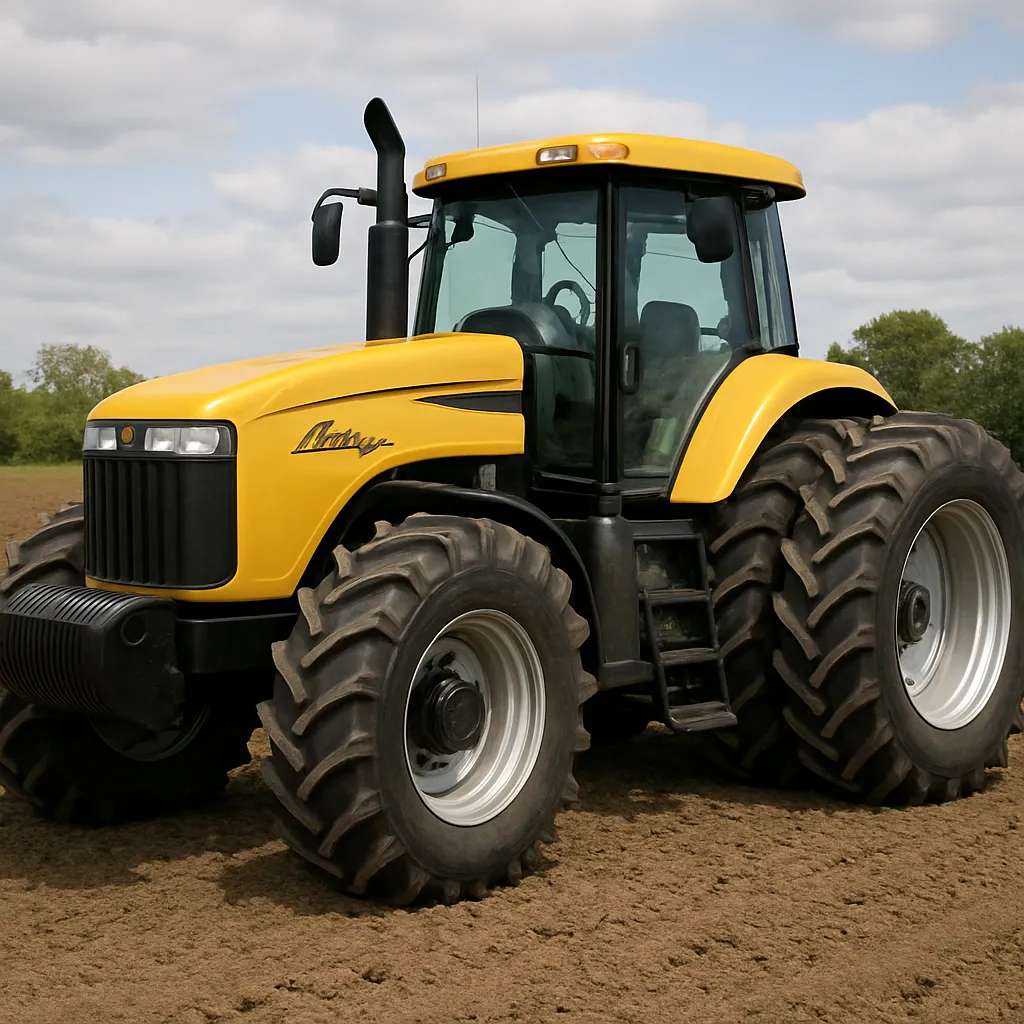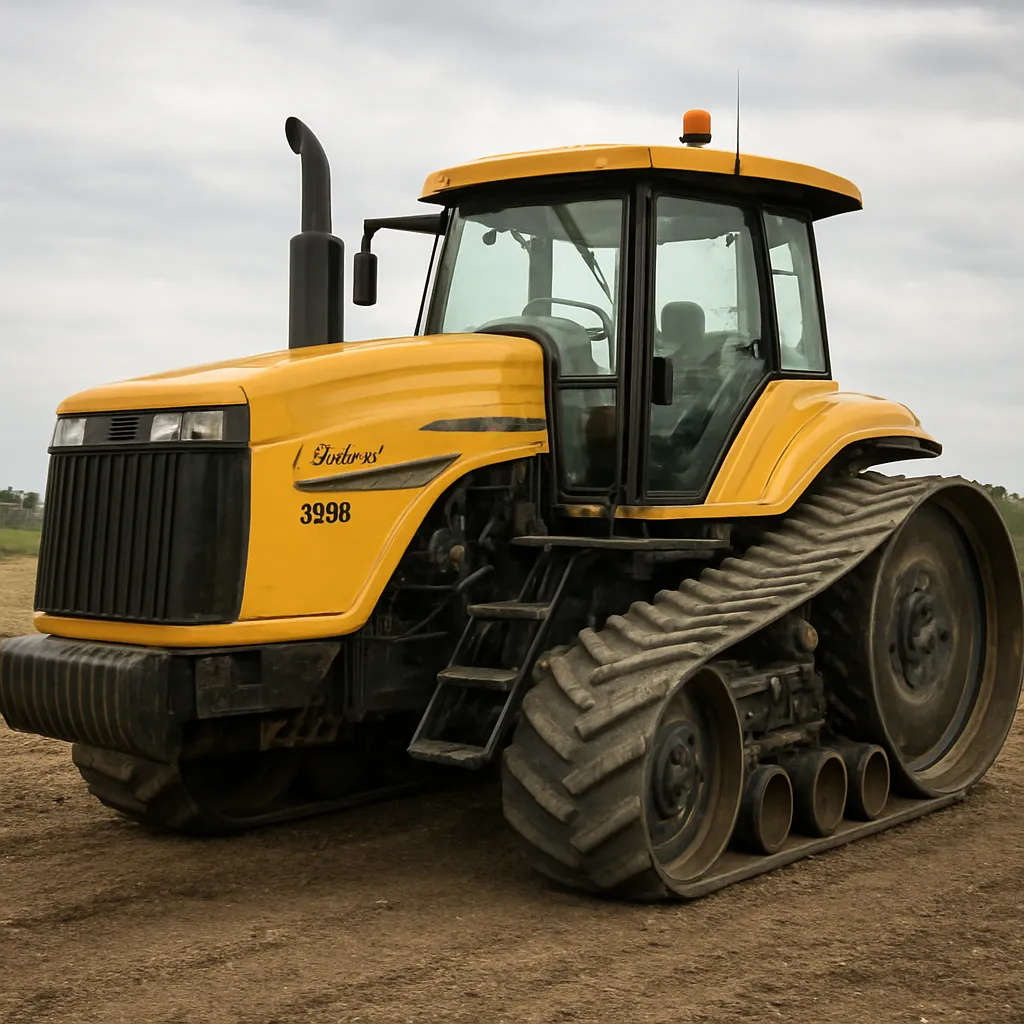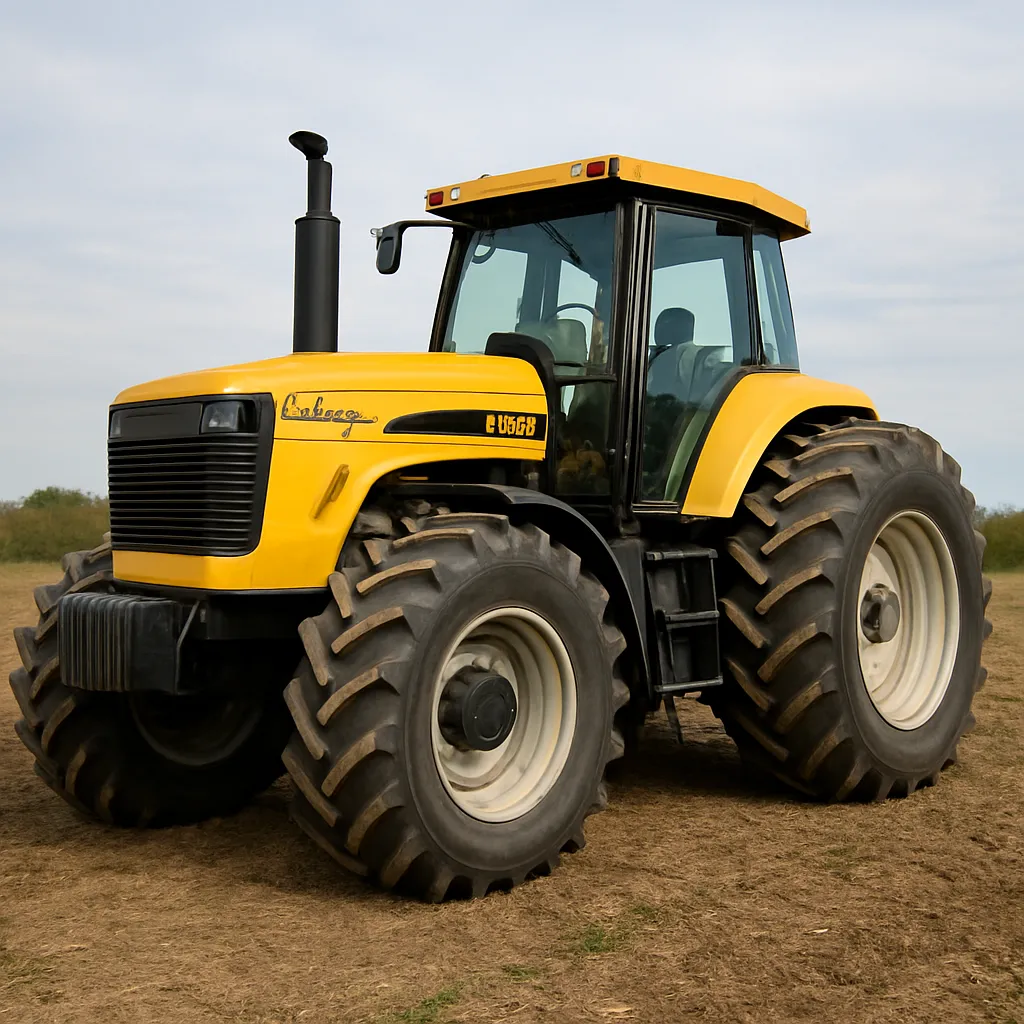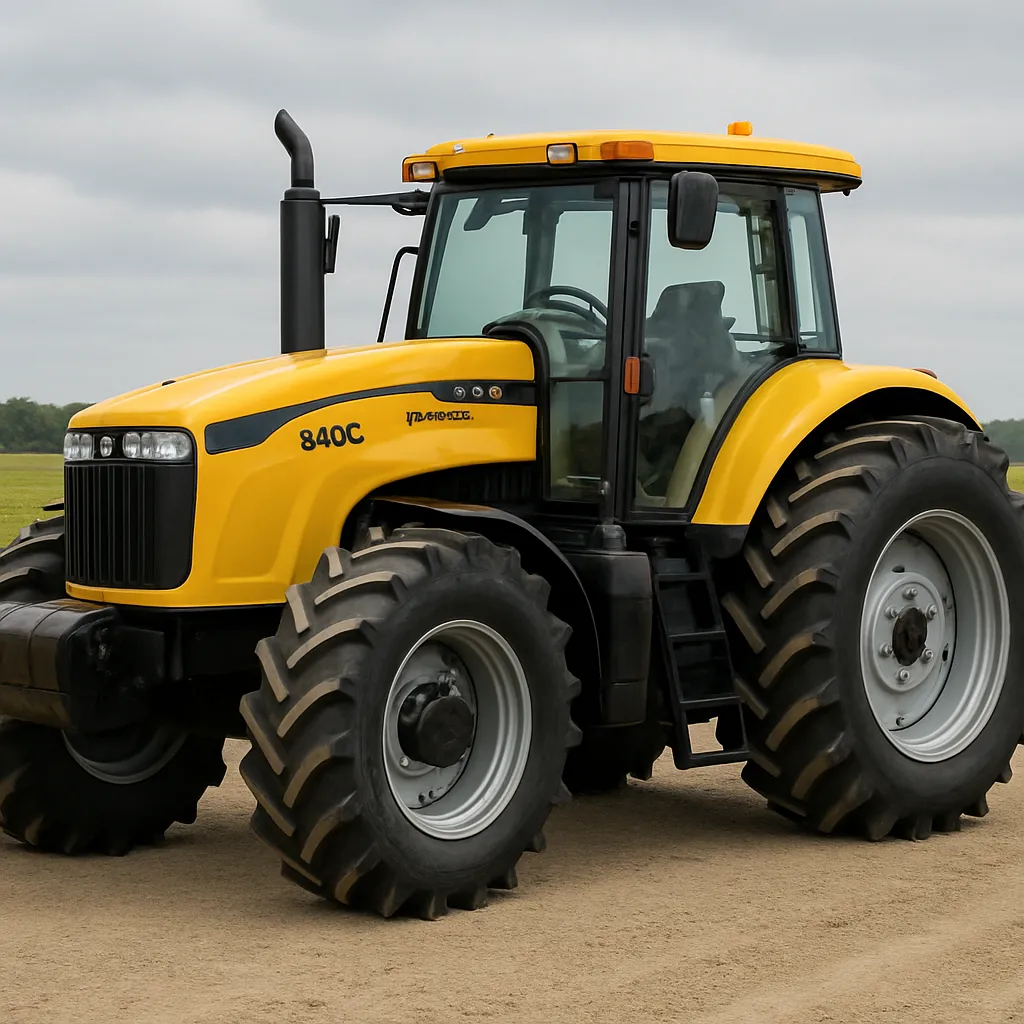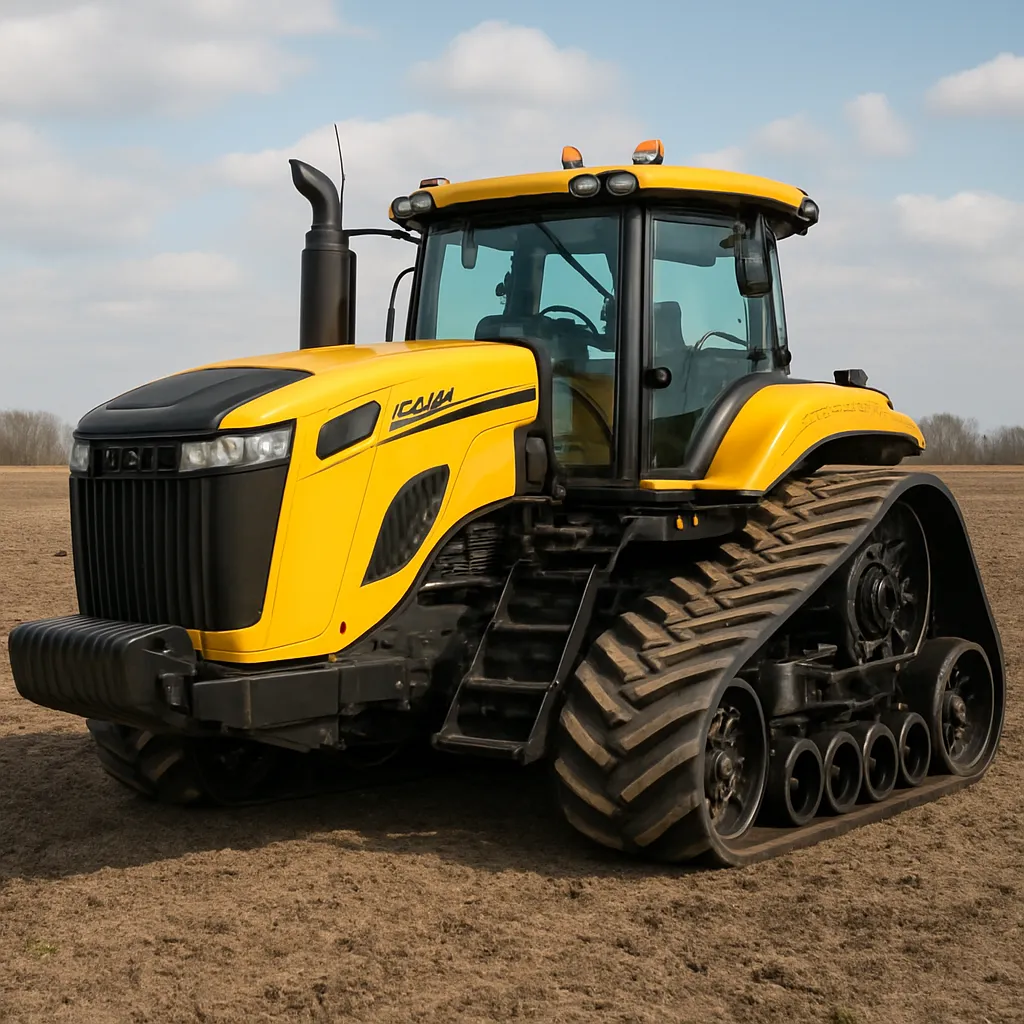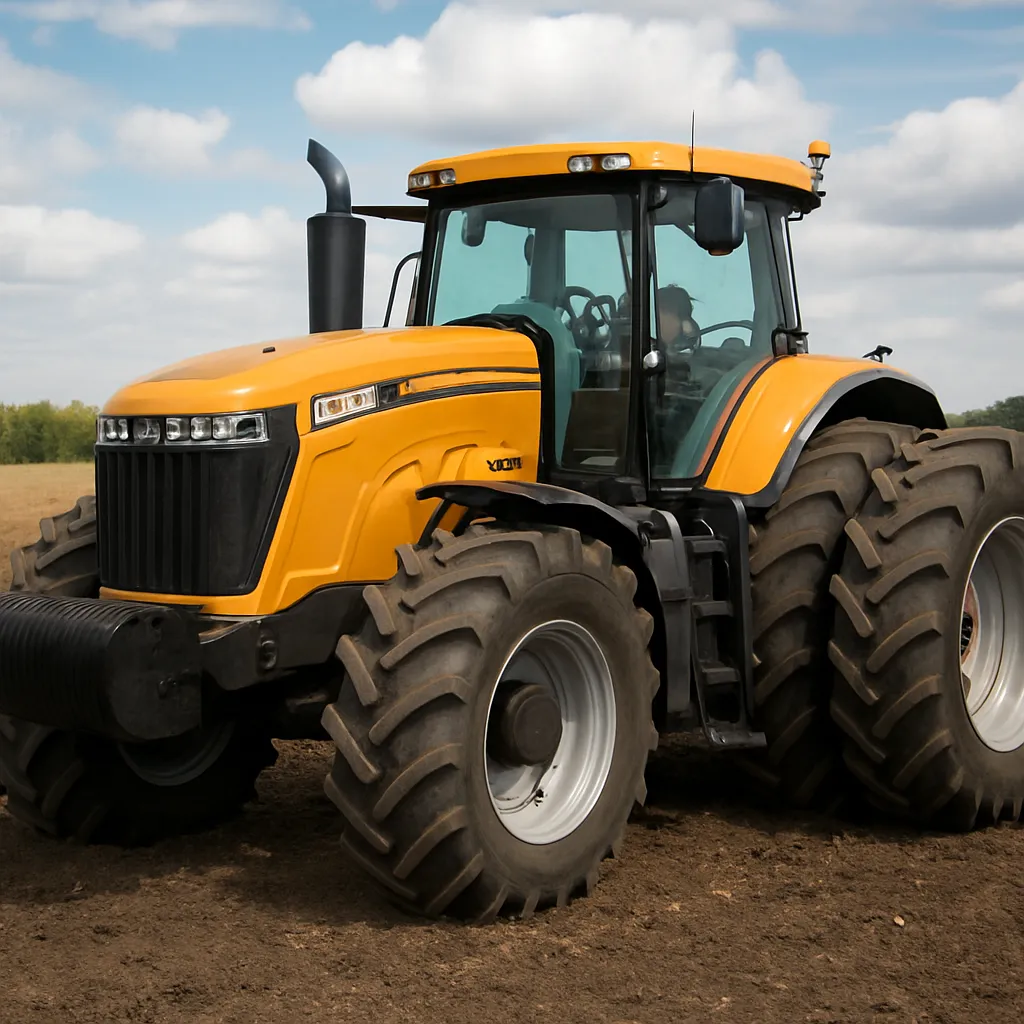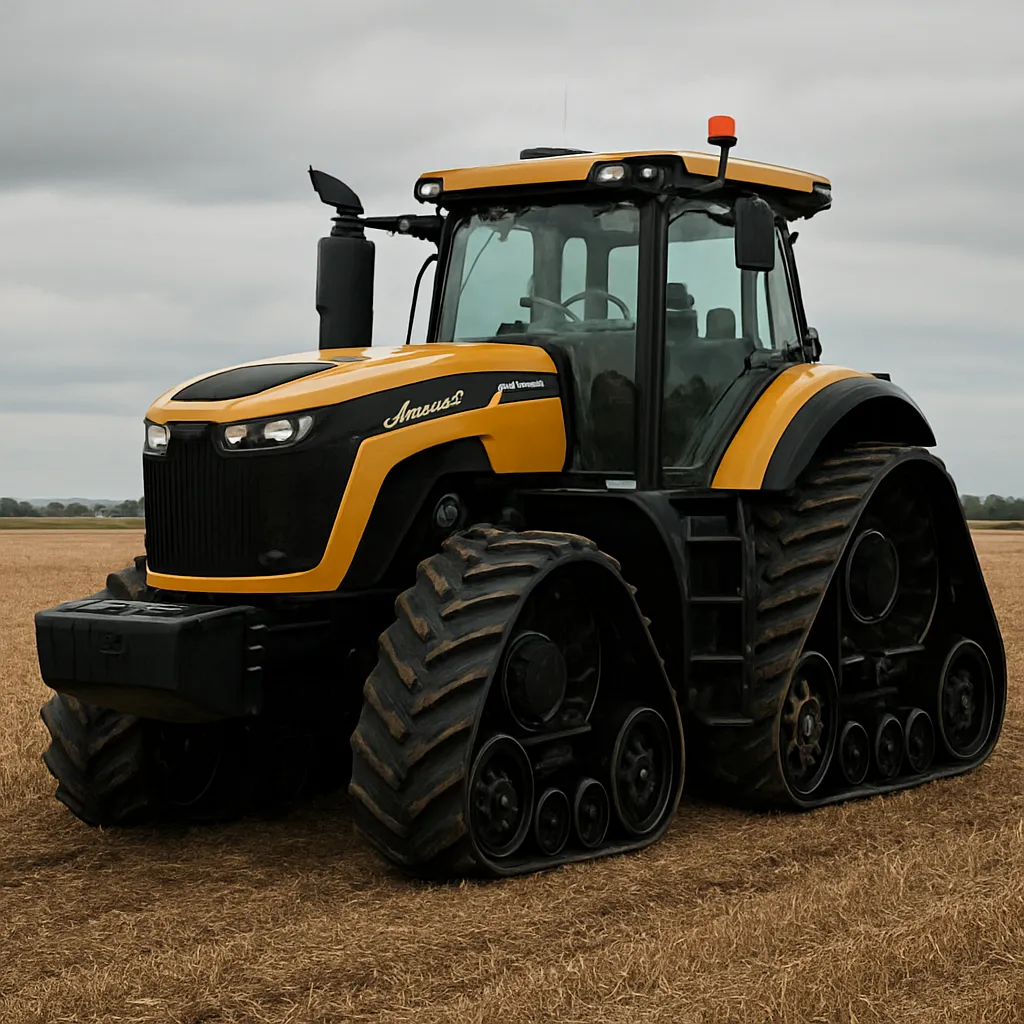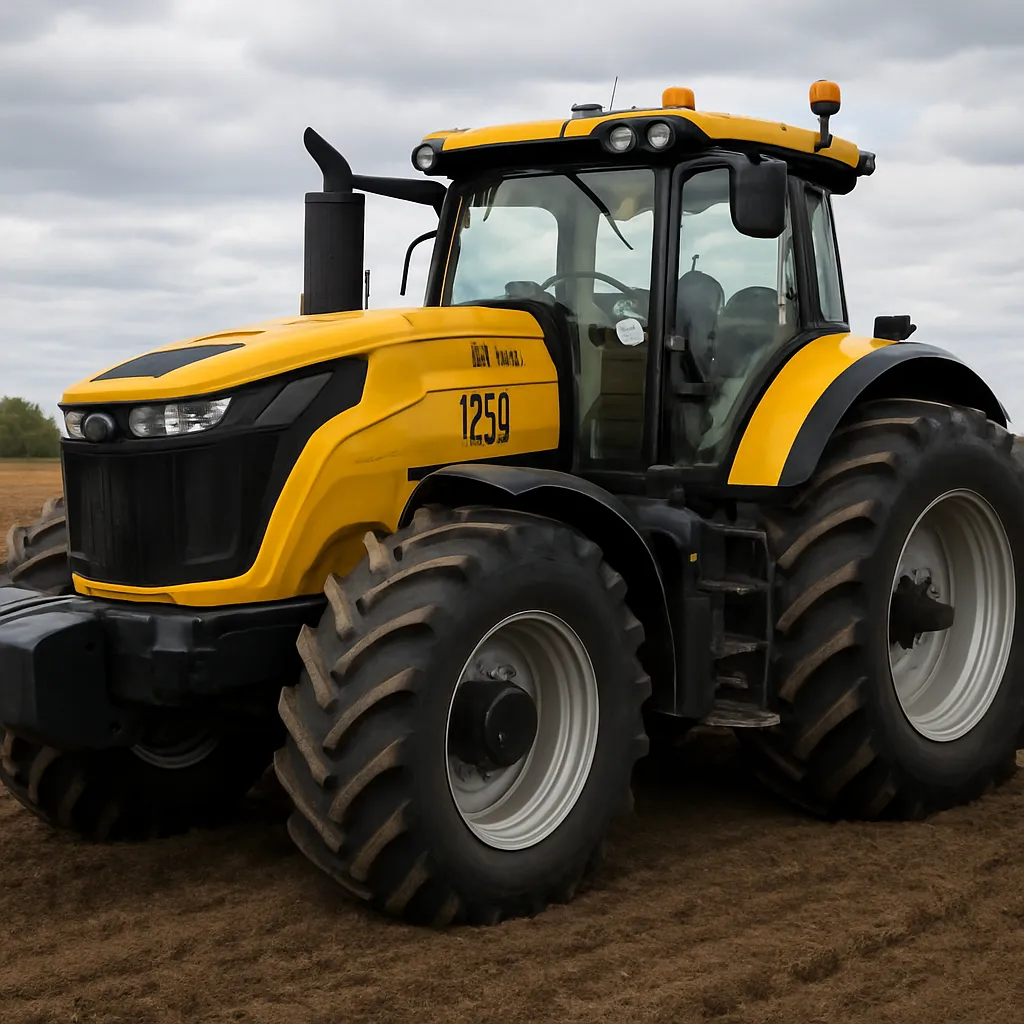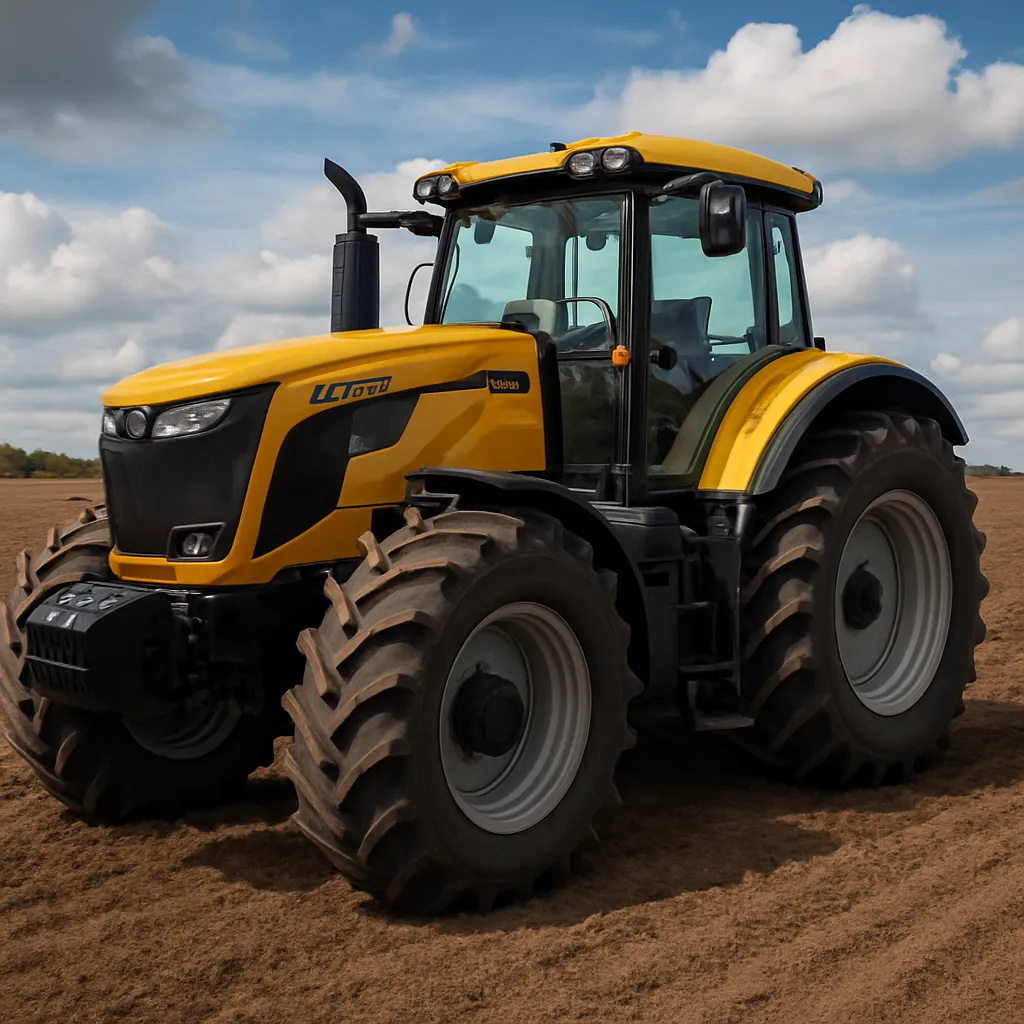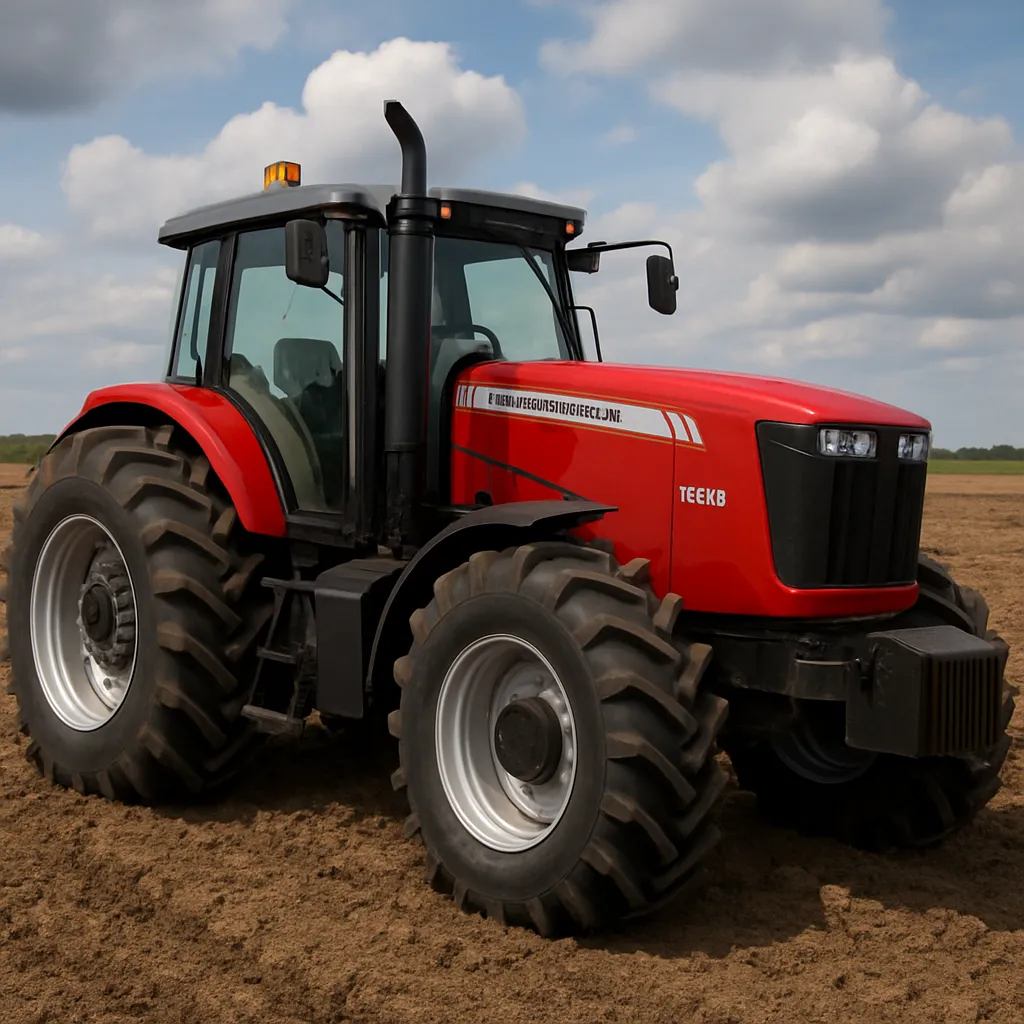
The Versatile 1156 is a widely recognized agricultural machine that has served farmers and contractors in many regions for decades. Combining rugged construction with an emphasis on adaptability, this model represents a segment of tractors designed to balance power, simplicity and multi-role capability. In the following sections you will find an overview of its design, technical characteristics (approximate where model-year-dependent), typical applications, operational strengths and practical advice about maintenance and resale considerations.
Overview and history
The Versatile 1156 belongs to a family of tractors produced under the Versatile marque, a brand with roots in Canada and a reputation for building robust, heavy-duty farm equipment. Over time the brand evolved through several ownerships but maintained a focus on reliable, high-traction machines for arable farming, mixed operations and contracting work. The 1156 has been appreciated for its balance between manageable size and meaningful output, making it a common choice for medium-sized farms and contractors needing a dependable tractor with a variety of implement compatibility.
Design and technical characteristics
Exact specifications of the Versatile 1156 vary by production year, regional configuration and optional equipment. Below are typical technical characteristics observed across common model years and configurations. These numbers are representative ranges rather than absolute values:
- Engine: Inline or V-type diesel engines, turbocharged in many variants; typical displacement regions 6.0–8.0 liters depending on the specific engine supplier and year.
- Horsepower: Rated engine horsepower commonly in the range of 100–140 hp (PTO horsepower somewhat lower). The model designation 1156 historically associates with a rated range near the 115–120 hp bracket in some markets.
- Transmission: Mechanical or powershift transmissions were offered, often with multiple forward gears and several reverse speeds to optimize field speeds and transport performance.
- PTO: Rear PTO with standard RPM settings (typically 540/1000 rpm options or equivalents depending on PTO drive configuration).
- Hydraulics: Mid- and rear-remote hydraulics with moderate flow rates sufficient for mounted and trailed implements; some models offered advanced hydraulic options for loader use or heavier implements.
- Weight and dimensions: Curb weight typically in the 3,500–5,000 kg range, depending on tires, ballast and loader attachments.
- Fuel capacity: Tanks typically sized to support long field days; common capacities range from 140 to 240 liters.
- Cab and comfort: Enclosed cabs with heating and optional air conditioning on later or upgraded models; ergonomic controls focused on durability more than luxury.
These characteristics made the machine suitable for a variety of operational tasks while keeping serviceability and robustness as priorities. Manufacturers often provided multiple trim levels and options so that a Versatile 1156 could be tailored to specific farm sizes and duties.
Typical applications and areas of use
The practical utility of the Versatile 1156 comes from its capacity to perform many tasks without the complexity and expense of larger, specialized machines. Typical applications include:
- Primary tillage work with plows or heavy cultivators on medium-sized fields.
- Seeding and planting when paired with planters or seeders suited to its horsepower class.
- Hay and forage operations, including mowing, raking and baling with mid-range implements.
- Front loader work for material handling—manure, silage, bales, feed—when equipped with a loader frame and bucket or spears.
- Transport tasks: hauling trailers, slurry tanks and equipment between fields and homesteads.
- Contracting services where a single, multi-purpose unit must cover many jobs across different customers.
Because of its balanced size, the machine is often favored by mixed farms (crop and livestock) and enterprises that need one unit to perform a diverse workload. Its traction and weight distribution make it adequate for heavier soil conditions while still maneuverable enough for smaller paddocks and yard work.
Performance and operational strengths
The Versatile 1156’s strengths are grounded in practical farm performance rather than headline figures. Common strengths reported by users and technicians include:
- Durability and long service life under heavy use, thanks to conservative engineering and robust drivetrain components.
- Simple, repair-friendly architecture that facilitates on-farm maintenance and parts replacement.
- Good traction and stability, especially with dual-wheel or appropriate ballast setups, allowing effective power transfer in challenging field conditions.
- Fuel efficiency relative to output in many operating conditions when compared to older, less optimized machines—though this is highly dependent on operator behavior and implement load.
- Strong hydraulic capacity for a mid-range class tractor, enabling it to operate loaders, three-point implements and PTO-driven machinery effectively.
Operators typically praise the ability of the 1156 to maintain steady performance across long working days, provided routine maintenance is observed.
Maintenance, common issues and tips
Routine maintenance is crucial to extending the working life of any agricultural machine, and the Versatile 1156 is no exception. Common maintenance themes and tips include:
- Regular oil and filter changes for engine, transmission and hydraulic systems to prevent wear—follow the manufacturer’s intervals but consider more frequent changes under heavy-duty or dusty conditions.
- Cooling system checks: radiator cleaning and coolant condition assessments are important, especially if the tractor works in hot climates or dusty fields.
- Fuel system care: fuel filters and water separators should be serviced to avoid injector problems; use good-quality diesel and keep tanks clean.
- Final drive and axle inspections: because the tractor is used for high-traction tasks, checking for gearbox leaks and bearing wear is recommended.
- Electrical system: battery, starter and alternator checks are simple but prevent downtime; older models sometimes need wiring inspections due to wear and rodent damage.
- Tire and ballast management: maintain correct tire pressures and balance ballast for traction without overstressing components.
Being proactive with lubrication, filter replacements and visual inspections can prevent many common failures. Given the simplicity of many Versatile models, many routine tasks can be performed in-house by a competent mechanic or farm technician.
Economic considerations and resale
When evaluating the purchase or resale of a Versatile 1156, several economic factors matter:
- Initial purchase price: often lower than newer, feature-rich tractors of similar power, making the 1156 attractive to budget-conscious operations.
- Operating costs: parts availability and affordable repair options typically keep operating costs reasonable compared to some modern electronic-heavy tractors.
- Depreciation: used prices depend strongly on hours, condition, and documented maintenance history. Tractors with consistent servicing and original components command higher resale values.
- Fuel and efficiency: while not as optimized as the latest models with advanced engine management, properly run 1156s can be cost-effective per hectare on many farms.
In many regions, a well-maintained Versatile 1156 retains value as a dependable workhorse. Buyers often prefer machines with documented service histories and visible evidence of careful use.
Comparisons, limitations and modern alternatives
Compared with contemporary tractors in the same power bracket, the Versatile 1156 tends to emphasize mechanical simplicity over electronic sophistication. This is both an advantage and a limitation:
- Advantage: Fewer complex electronic systems mean easier troubleshooting and lower repair costs; ideal where dealer support is limited.
- Limitation: Lacks some fuel-saving engine-management technologies, advanced hydraulics control and precision farming integrations found in newer tractors.
- Alternative choices: Modern mid-horsepower tractors from major manufacturers offer improved comfort, higher fuel efficiency, ISOBUS compatibility and precision guidance options. These benefits come at a higher purchase and potential maintenance cost.
For producers who prioritize technology like GPS-guided implements, section control and telematics, newer models may be preferable. For those who need simple, heavy-duty work without advanced electronics, a well-kept 1156 remains attractive.
Safety and operator considerations
Operating any farm tractor safely requires attention to training, maintenance and appropriate attachments. Specific safety points for the 1156 line include:
- Ensure roll-over protective structures (ROPS) and seat belts are in place and used.
- Verify PTO guards and shields are fitted and functional to prevent entanglement risks.
- Confirm hydraulics and linkages are correctly attached and regularly inspected for leaks or damage.
- Use appropriate personal protective equipment (PPE) during servicing—especially when dealing with pressurized hydraulic systems or fuel lines.
- Follow recommended weight and ballast guidelines to prevent instability, particularly with front loaders or heavy rear implements.
Training operators on safe hitching, load limits and visibility checks reduces accidents and extends equipment life.
Market data and usage statistics (approximate)
Detailed production and sales statistics for specific older models such as the Versatile 1156 are often not published in a consolidated public format, particularly across different decades and regional variations. However, general observations supported by dealer networks and used-machinery markets include:
- The 115–130 hp mid-range class constitutes a substantial portion of the global tractor fleet on small and medium-sized farms.
- Versatile tractors, including models like the 1156, gained particular market share in Canada, parts of the United States and some export markets in Europe and Latin America during their peak production years.
- Used units in good condition typically maintain steady demand among buyers seeking reliable, lower-cost alternatives to new machines, with resale prices influenced strongly by hours and condition.
- Average working life for a well-maintained tractor in this class can exceed 8,000–10,000 hours before major rebuilds, though many units remain productive well beyond that with appropriate overhauls.
For exact production counts or sales by year, contacting brand archives, regional dealers or agricultural historical registries is recommended. Local auction results and classified marketplaces can also provide real-time pricing trends for specific configurations and conditions.
Conclusion
The Versatile 1156 stands out as a pragmatic choice for users seeking a dependable, moderately powerful tractor that emphasizes durability, straightforward maintenance and broad implement compatibility. While it may not offer the high-end electronics and precision agriculture features of newer models, its strengths lie in robustness, cost-effectiveness and versatility for a wide range of agricultural tasks. For farmers and contractors who prioritize a proven mechanical platform with solid field performance, the 1156 remains a practical tool.
Practical next steps if you are considering a purchase
- Inspect service records and verify major components (engine, transmission, hydraulic systems) for leaks or irregular noises.
- Request an operational test in the field with common implements to check real-world performance.
- Compare running hours, maintenance history and regional parts availability to estimate lifecycle costs.
- Consider potential upgrades (loader kit, PTO attachments, comfort options) and negotiate for included accessories if available.
Choosing the right machine balances immediate cost savings with long-term operational needs. A well-maintained Versatile 1156 can be a reliable centerpiece of a productive farm fleet for years to come.