Agricultural machinery is experiencing a revolutionary transformation as engineers and farmers seek larger, more intelligent and environmentally responsible tractors to meet the demands of modern food production. This article explores how mega-sized tractors are reshaping the industry, integrating cutting-edge digital systems, and pioneering sustainable power solutions that promise to boost efficiency, reduce environmental impact, and redefine the future of farming.
Mechanical Marvels: The Rise of Mega Tractors
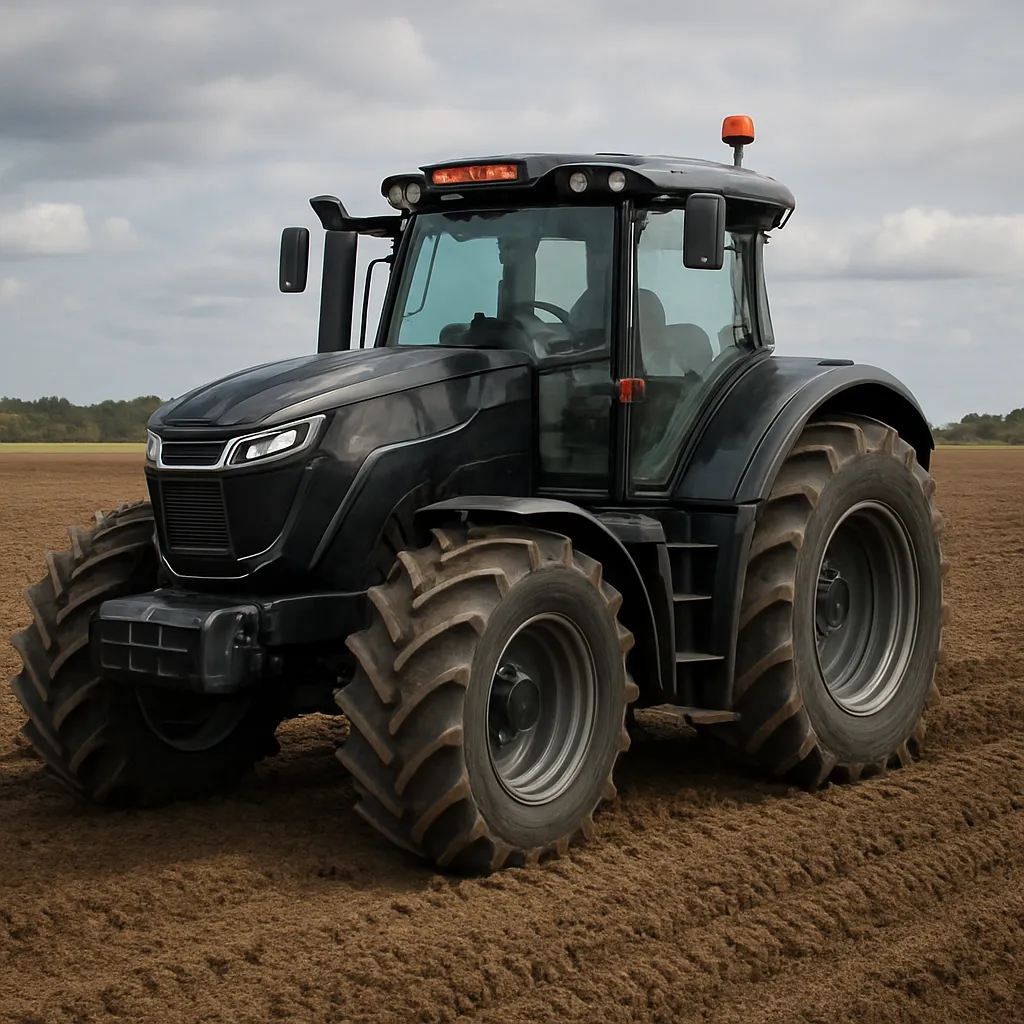
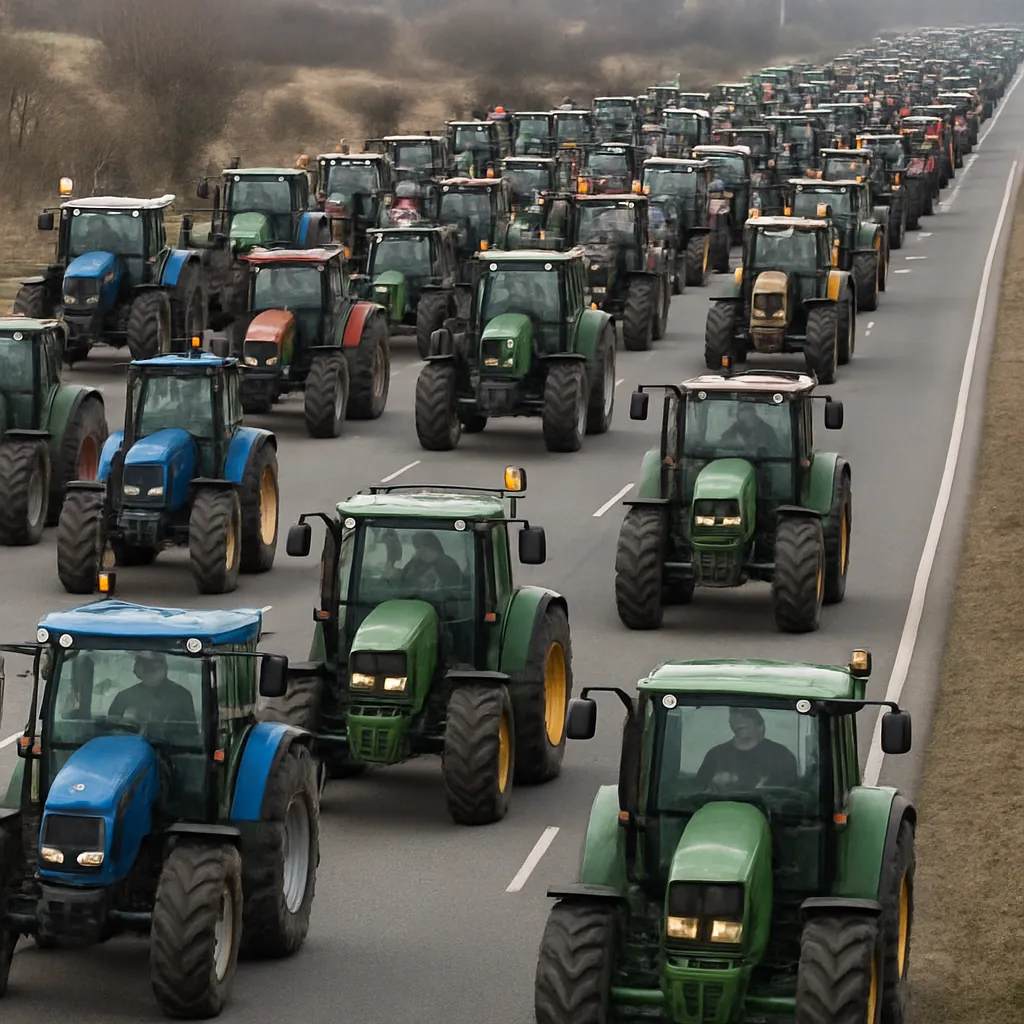
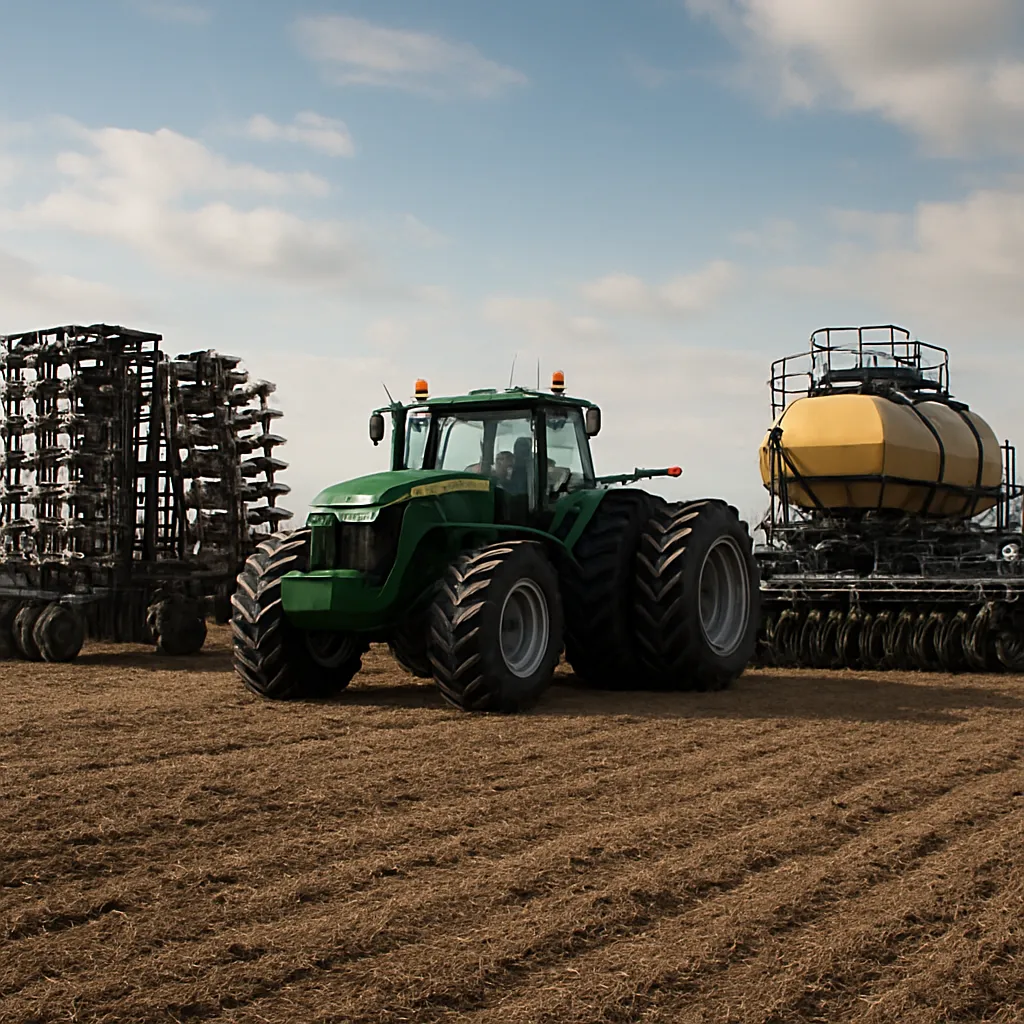
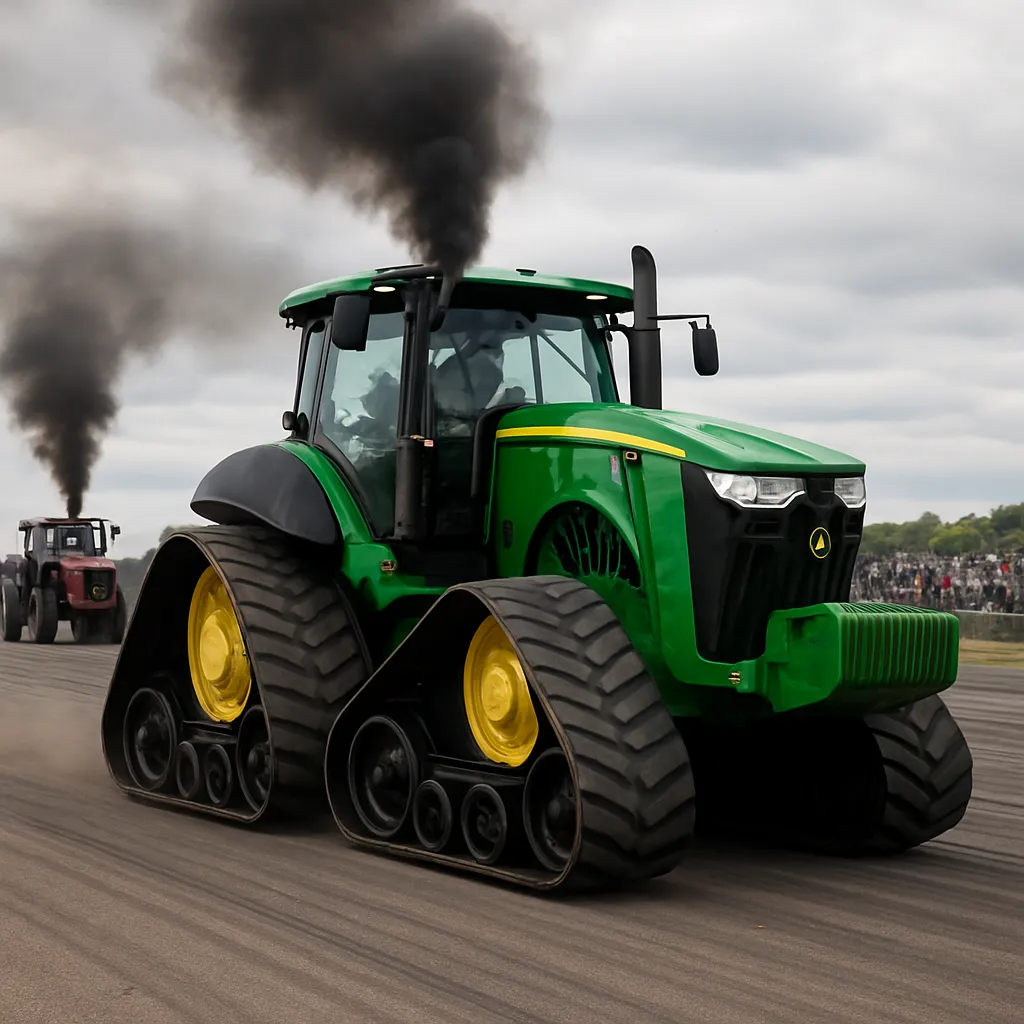
Over the past decade, the trend toward ever-larger farm vehicles has accelerated. Manufacturers deliver colossal machines boasting horsepower figures that once belonged only to industrial equipment. With track widths exceeding four meters and engines rated at over 700 hp, these mega tractors can handle multiple implements simultaneously, reducing pass counts and operational costs.
Record-Breaking Specifications
- Engine displacement often exceeds 15 liters, delivering unmatched torque at low rpm.
- Tracks and ultra-wide tires distribute weight to preserve soil structure and prevent compaction.
- Cab designs emphasize operator comfort with pneumatic seats, panoramic visibility and climate control.
Advanced hydraulics and robust powertrain components enable mega tractors to lift heavier implements and tow expansive planters. This capability translates into significant time savings during critical planting and harvest windows, while the integration of auto-depth control ensures that seeding and fertilizing operations maintain precision, even at high speed.
Smart Agriculture: Integrating AI and IoT
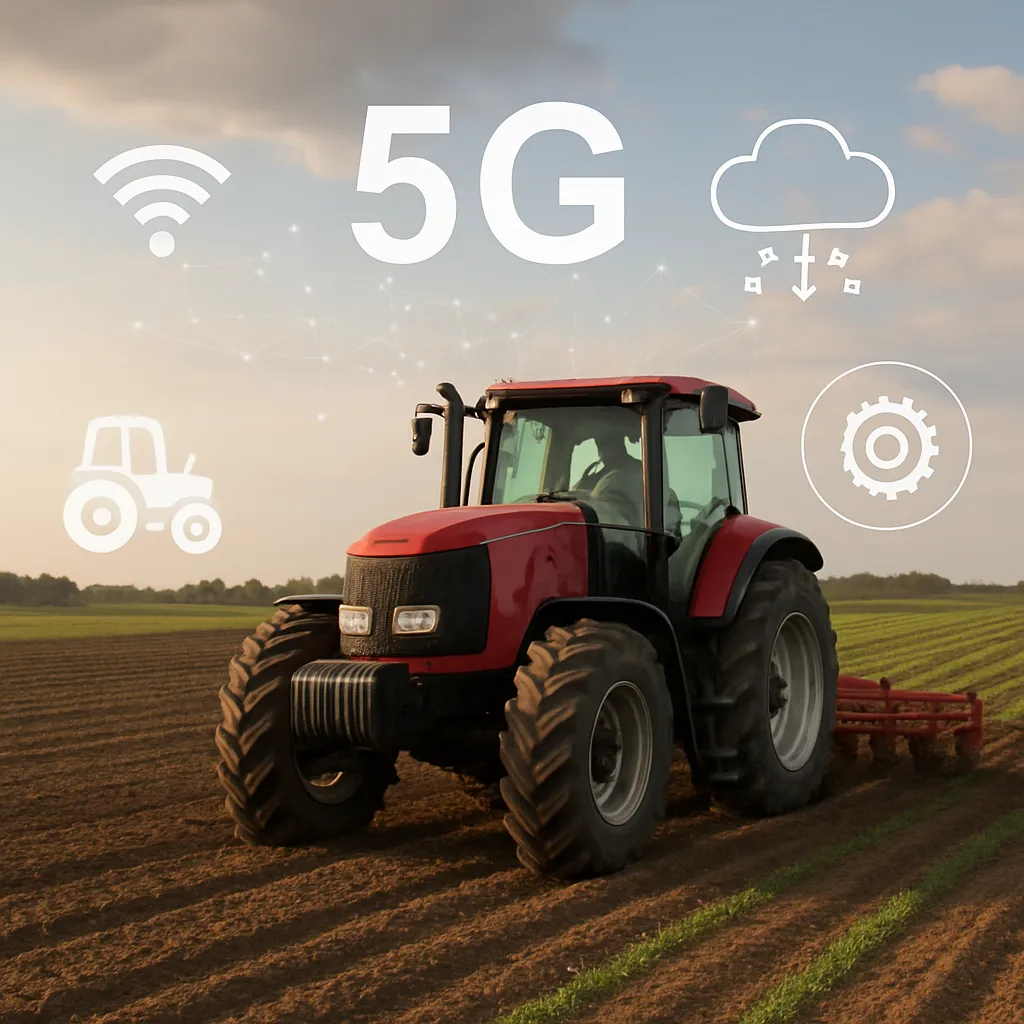
Connectivity and data-driven decision making have propelled tractors from mechanical workhorses to intelligent partners on the field. Modern machines come equipped with onboard computers capable of processing massive streams of sensor data in real time. These systems leverage automation and machine learning to optimize every aspect of fieldwork.
Autonomous and Assisted Driving
- GPS-guided auto-steering systems maintain sub-inch accuracy for straight passes.
- Remote operation consoles allow managers to supervise multiple machines from a central hub.
- Obstacle detection sensors reduce collisions and downtime in congested fields.
By integrating cloud-based platforms, tractors now transmit real-time telemetry that tracks fuel consumption, soil moisture, and crop stress indicators. Farmers can monitor multiple machines via smartphone apps and receive predictive maintenance alerts long before a component fails. This proactive approach enhances resilience and ensures uninterrupted productivity during peak seasons.
Green Power: Sustainable Propulsion and Electrification
As the agricultural sector strives to curb greenhouse gas emissions, tractor OEMs are pioneering innovative propulsion technologies. The move toward clean energy involves electric drives, hydrogen fuel cells, and renewable biofuels, each offering unique advantages for diverse farming applications.
Battery-Electric Tractors
- Zero tailpipe emissions and quieter operation improve field conditions and worker welfare.
- Modular battery packs enable quick swaps, minimizing downtime for charging.
- Regenerative braking systems capture kinetic energy during deceleration.
Hydrogen fuel cell prototypes promise extended range and refueling times comparable to diesel engines. Leveraging on-site electrolysis powered by solar or wind farms, some operations aim to produce green hydrogen in remote locations, achieving true sustainability. Meanwhile, advanced engine designs running on second-generation biofuels reduce reliance on fossil resources without sacrificing torque or uptime.
Precision Farming: Data-Driven Crop Management
Beyond raw power and eco-friendly propulsion, mega tractors also serve as roving data centers. High-resolution cameras, multispectral sensors, and yield monitors collaborate to refine agronomic decisions with an unprecedented level of detail.
Variable-Rate Application
- Soil tests and plant health scans guide site-specific fertilizer and pesticide dosing.
- Automatic implement adjustments apply the exact amount needed, cutting waste and cost.
- Historical field maps feed machine-learning algorithms that predict yield variability zones.
Cloud analytics platforms assimilate information from multiple seasons, creating digital twins of entire farms. Farmers can simulate different planting strategies or evaluate the impact of weather scenarios, all before a single seed hits the ground. This focus on connectivity and actionable insights creates a closed-loop system where machinery, data and agronomy work in harmony.
Future Outlook: Industry Trends and Challenges
Looking ahead, the trajectory for tractors is clear: bigger frames equipped with smarter systems powered by cleaner energy sources. Upcoming models will likely incorporate advanced robotics, further shrinking the need for manual intervention. Swarm farming concepts envision dozens of smaller autonomous vehicles collaborating seamlessly under the supervision of a single mega tractor or control unit.
- Interoperability standards will be crucial, ensuring machines from different manufacturers communicate via common protocols.
- Training programs and cybersecurity measures must evolve to protect complex digital infrastructures.
- Government incentives and regulatory frameworks will shape the pace of green technology adoption.
The convergence of mechanical muscle, digital intelligence and innovation heralds a new era for agriculture. As tractors become more capable, they empower farmers to feed a growing global population with minimal environmental footprint, setting a powerful example of how technology can nurture both productivity and planetary health.