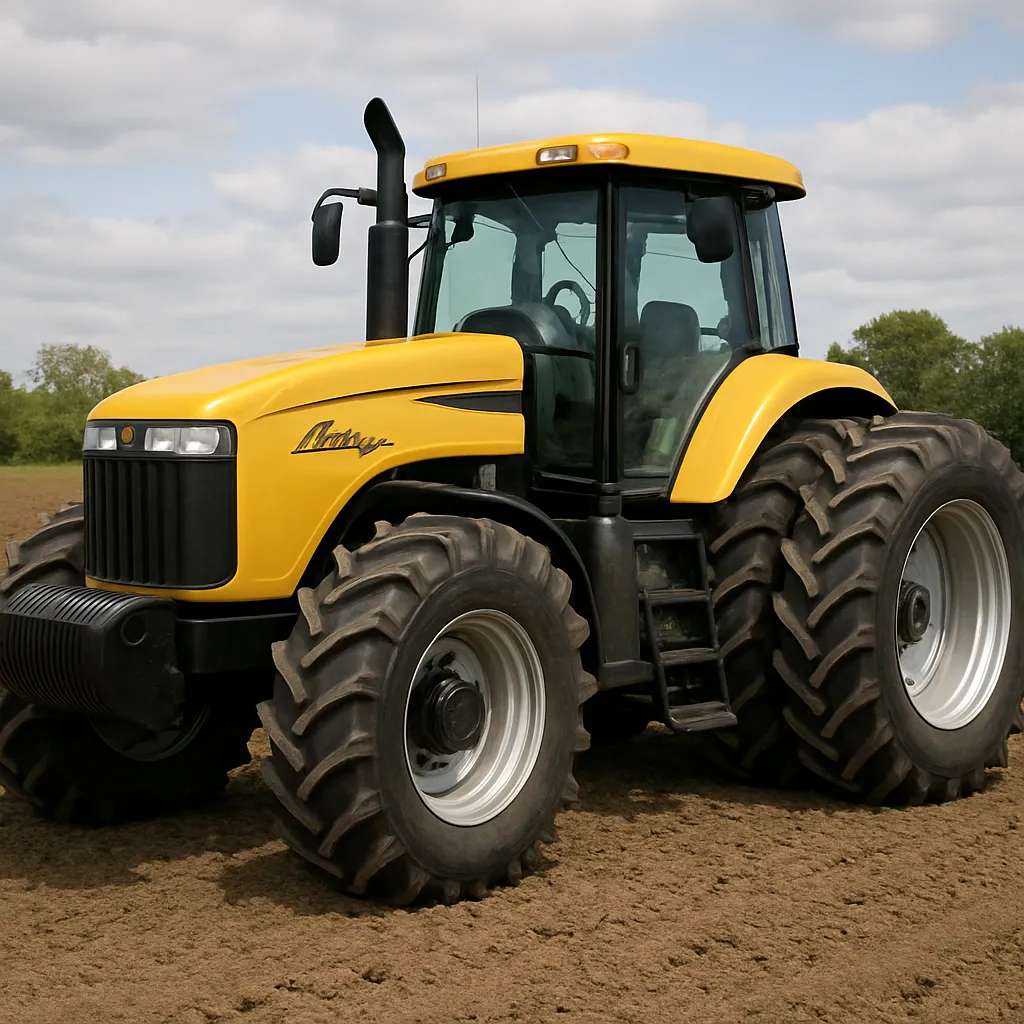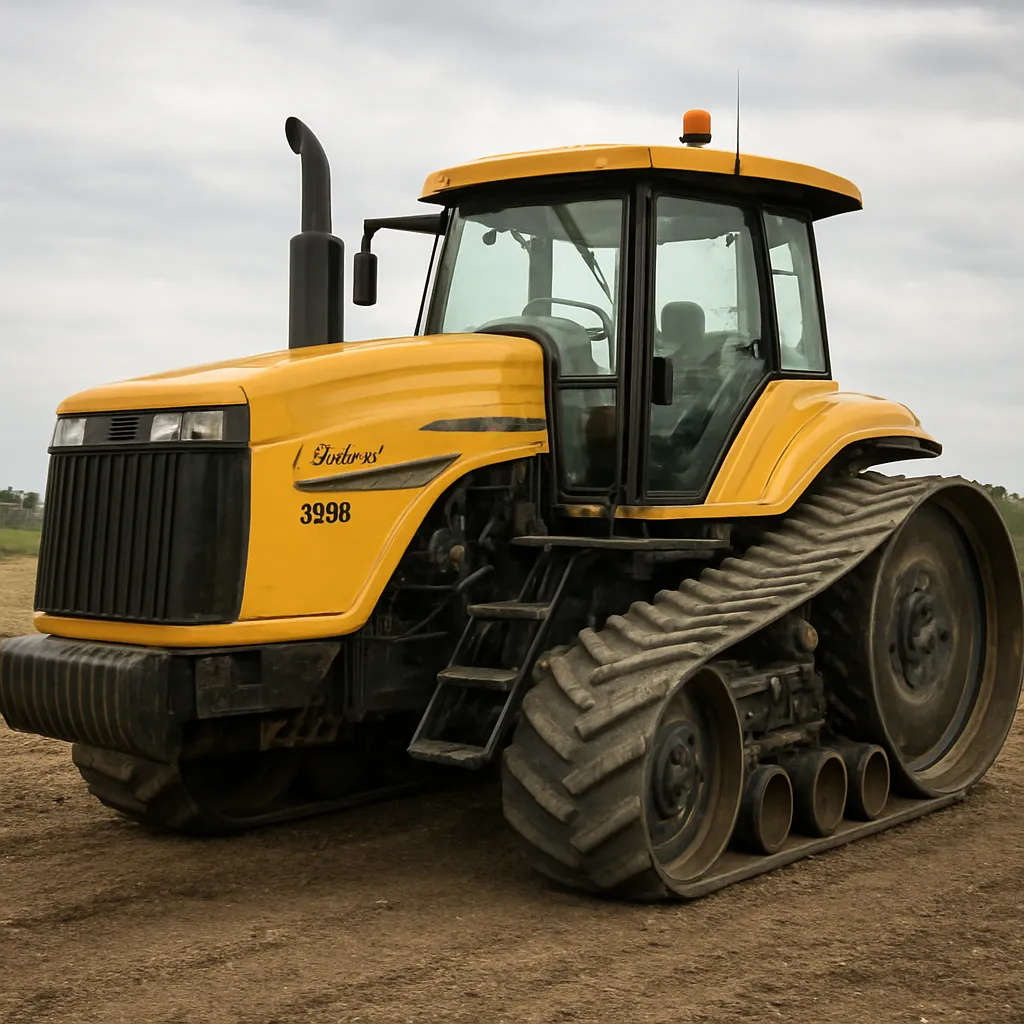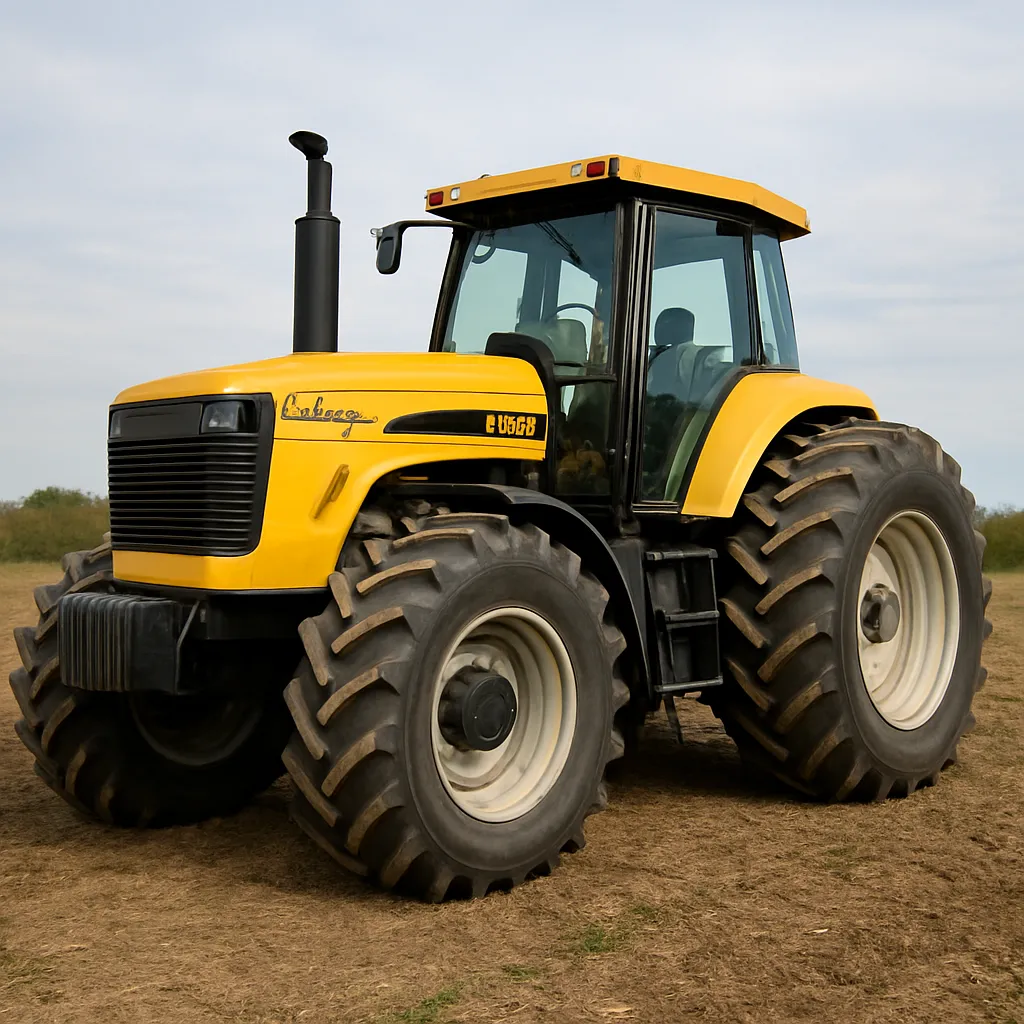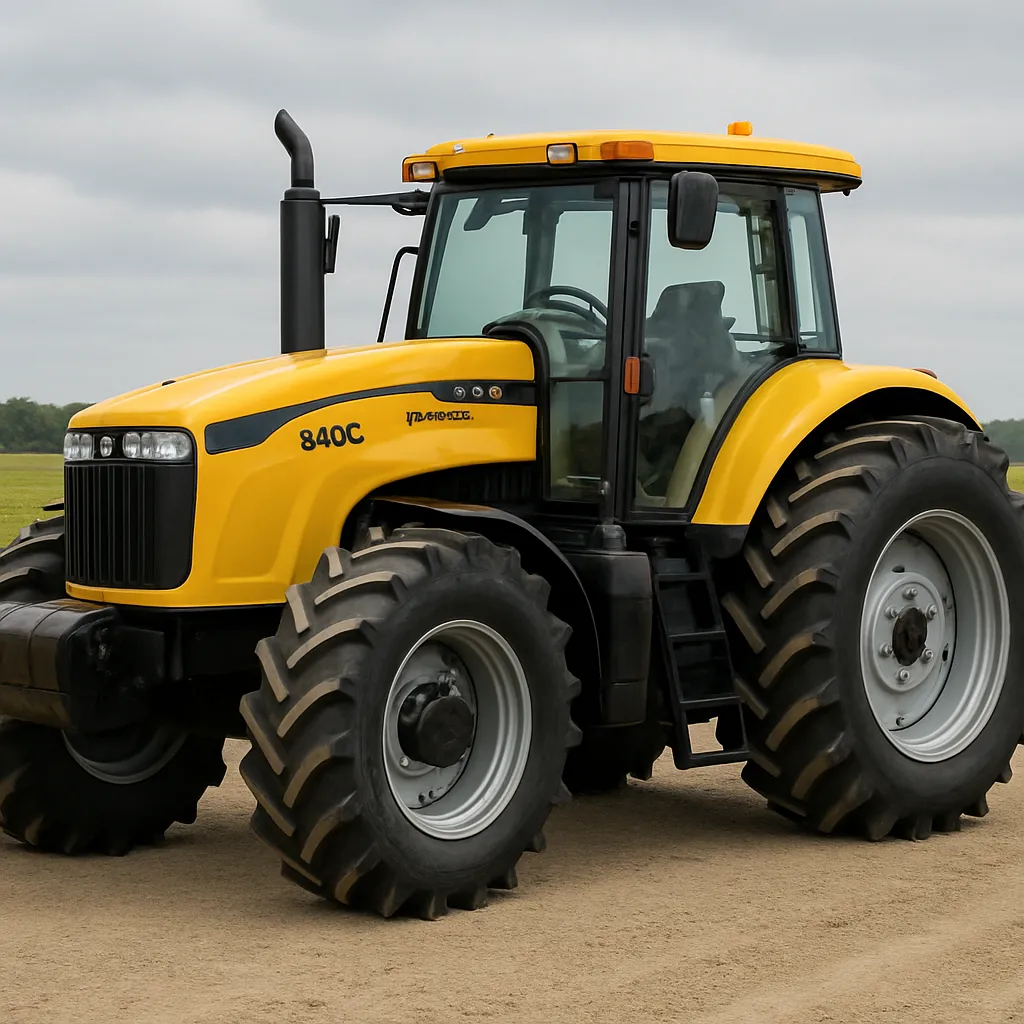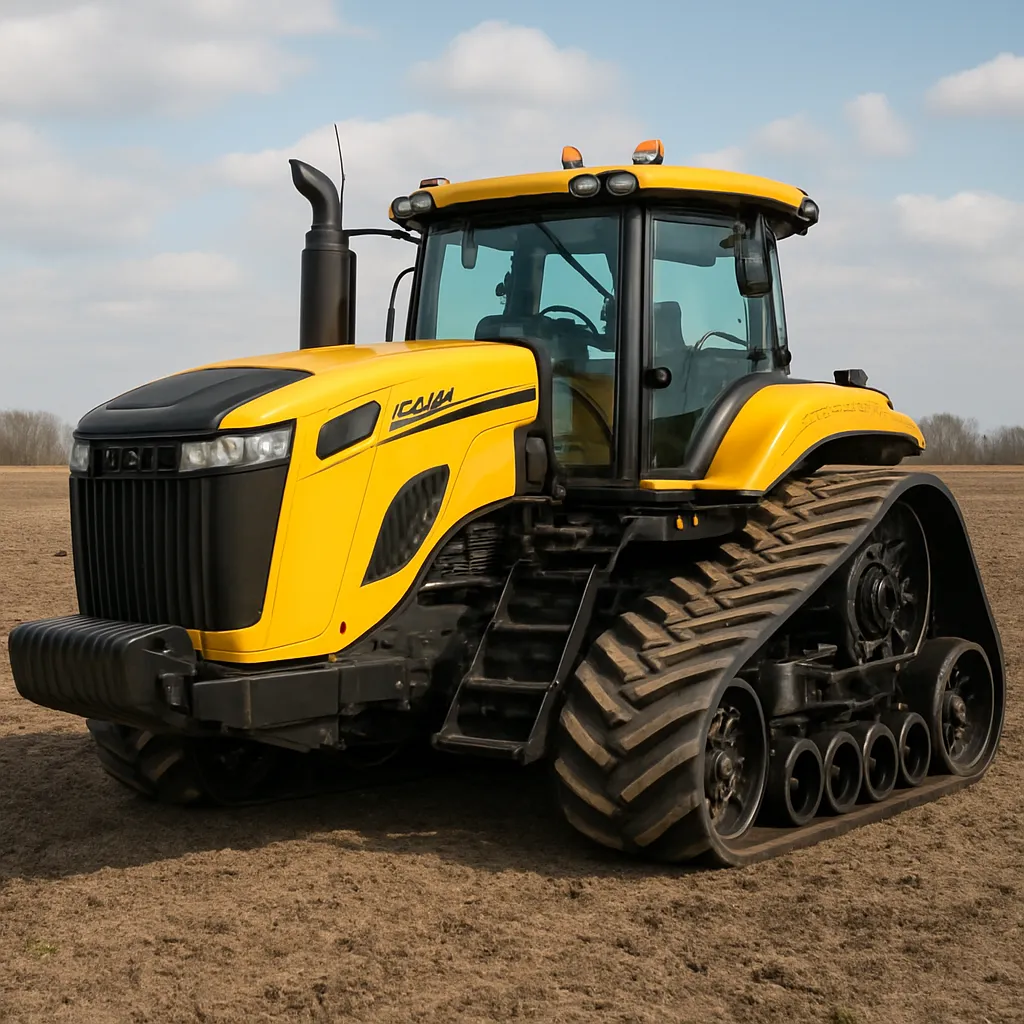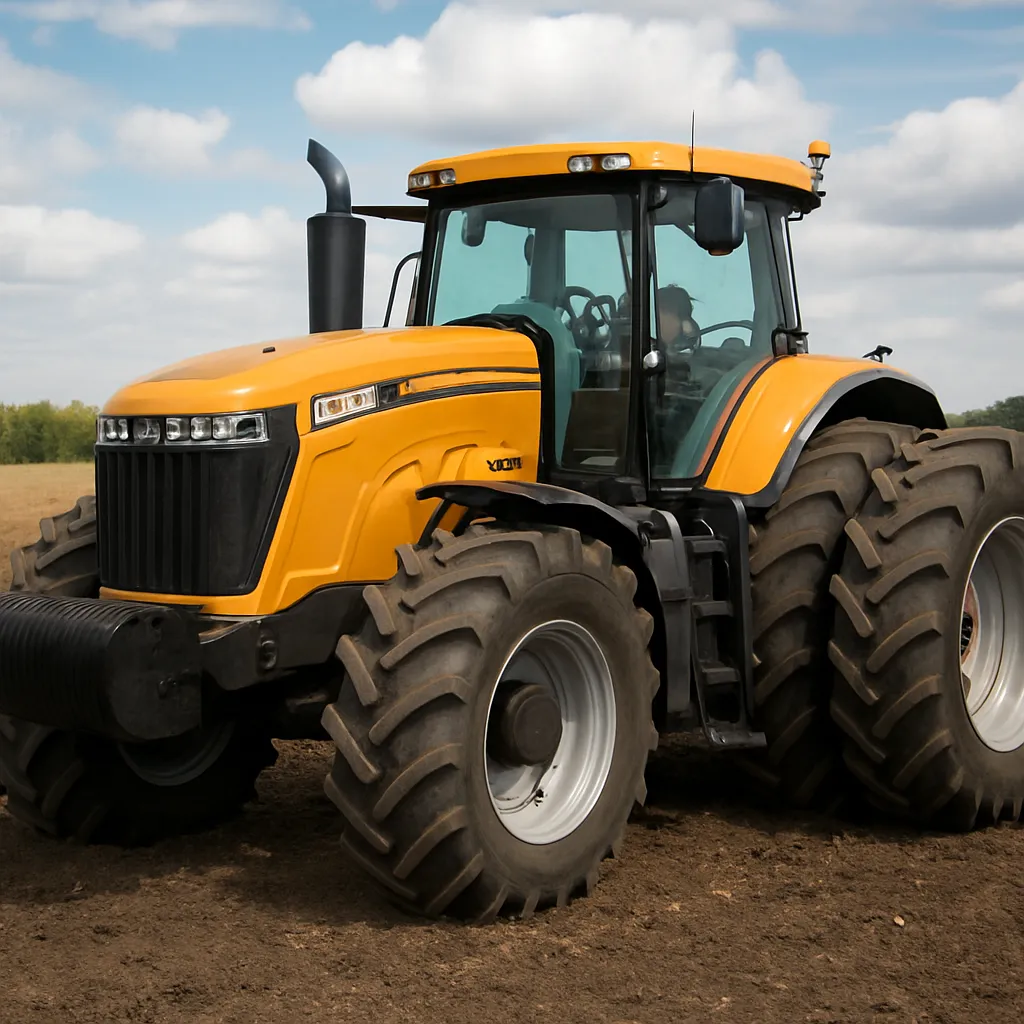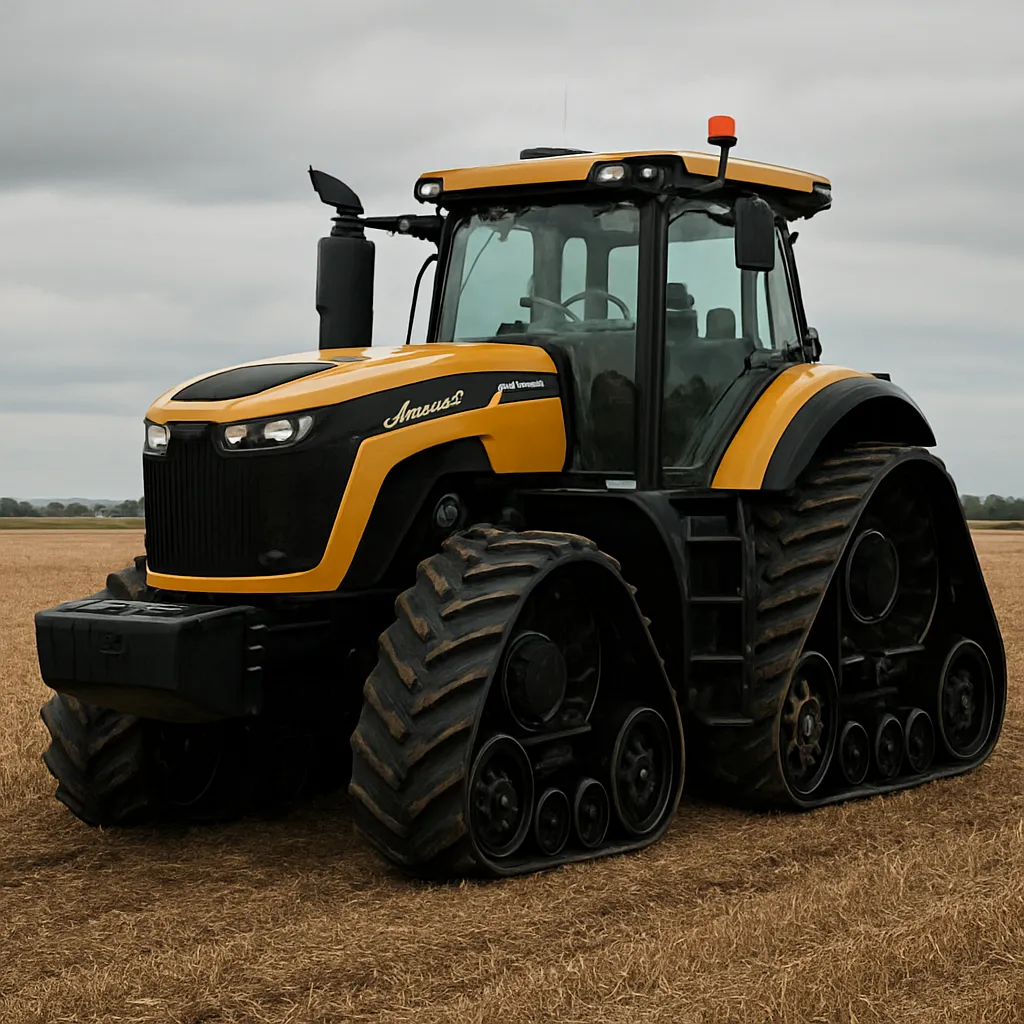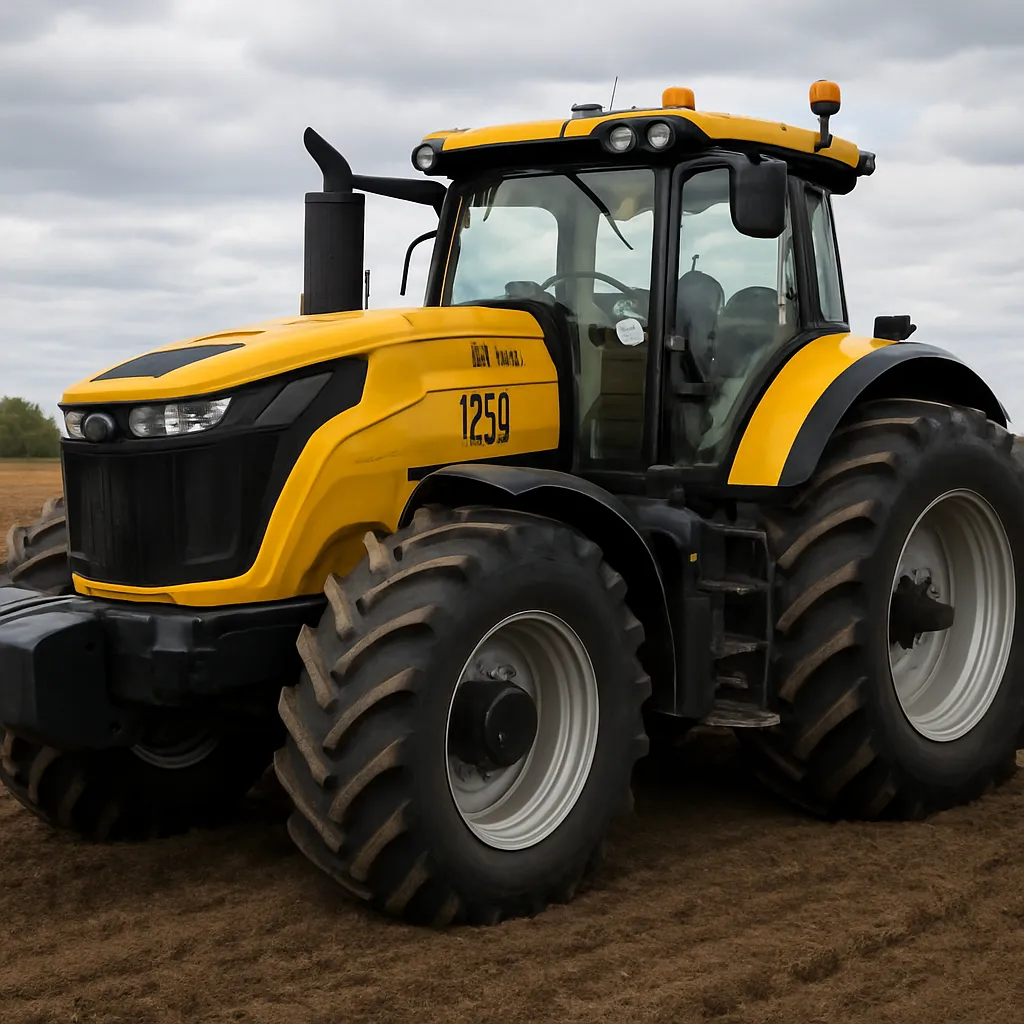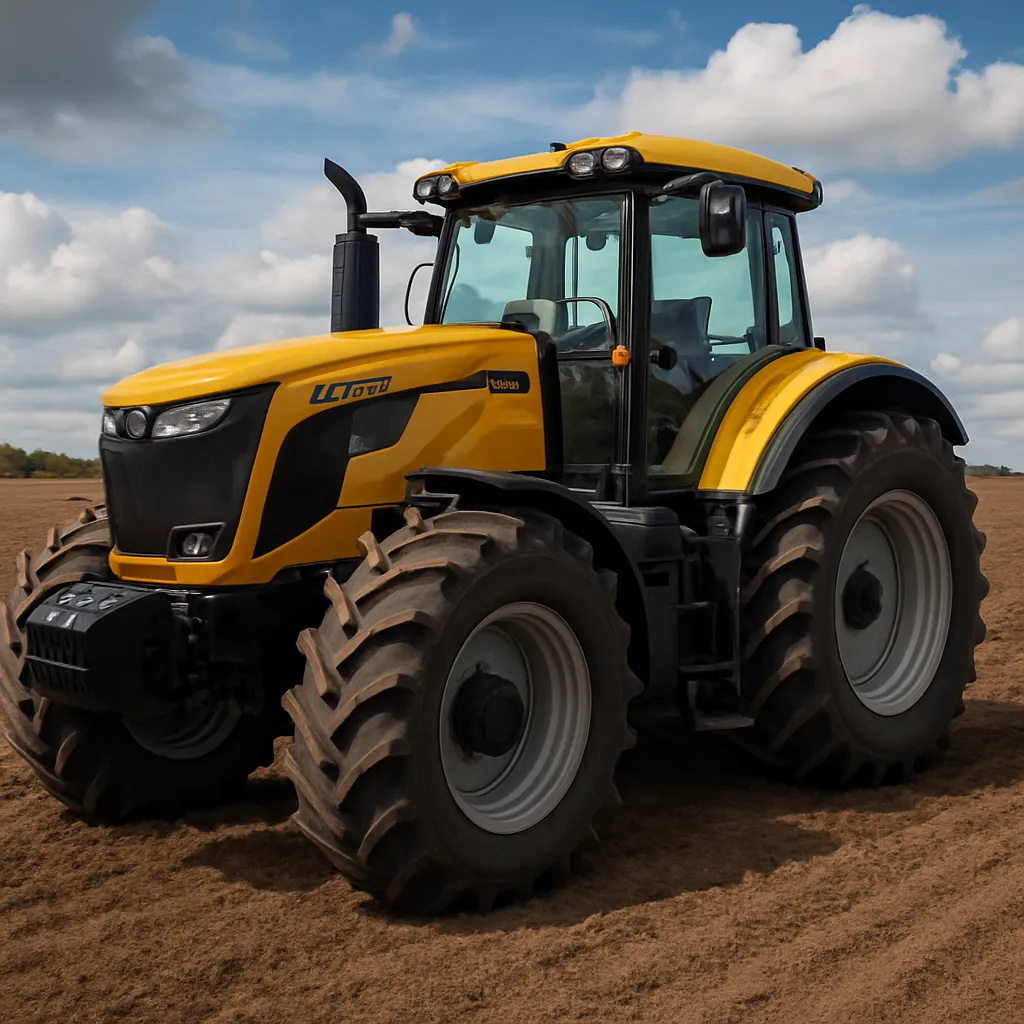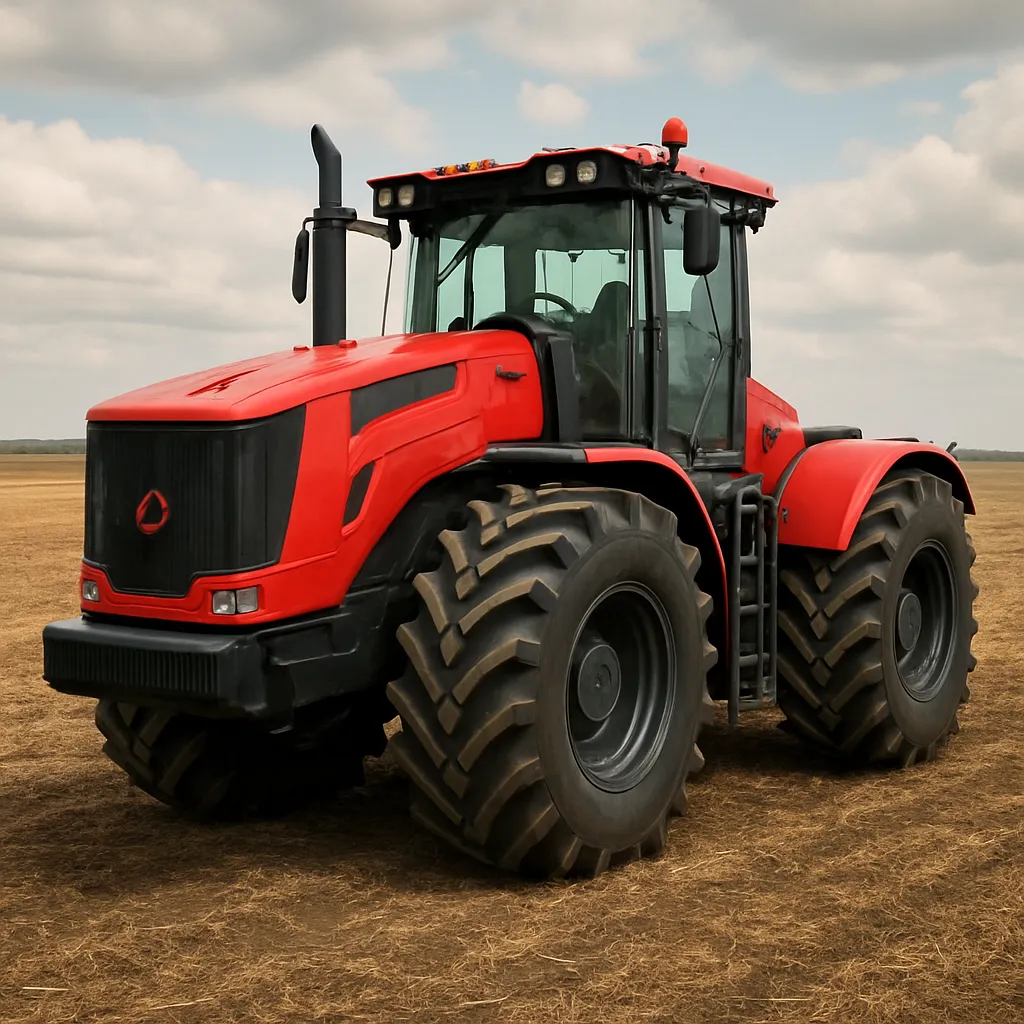
The Kirovets K-744 is a heavyweight, four-wheel-drive agricultural and industrial tractor designed for demanding tasks across vast landscapes. Built with robustness and versatility in mind, it has become synonymous with large-scale farming, heavy tillage, and specialized applications in forestry, construction, and municipal services. This article explores the K-744’s background, technical characteristics, typical applications, operational considerations, and its place in the modern mechanized economy.
Origins, design philosophy and development
The Kirovets family of tractors, produced by the St. Petersburg Tractor Plant (commonly known as Kirovets), traces its lineage to Soviet-era designs focused on high-traction utility and long service life. The K-744 was developed as a continuation and modernization of the heavy articulated tractors that had proven effective on large farms and collective agricultural enterprises. The design philosophy emphasizes strength, simplicity of repair, and the ability to mount a wide range of implements.
Evolution and modernization
Over decades, the K-744 series has seen multiple updates to meet changing emission standards, comfort expectations, and hydraulic/electrical interface requirements. These updates typically include improved engines (with better fuel injection and emission controls), upgraded cabs for operator comfort, enhanced hydraulics for higher implement capacity, and more modular electronics to ease diagnostics. Rather than a radical redesign, improvements have often followed an evolutionary path — keeping the tractor’s core features intact while modernizing subsystems.
Key design traits
- Articulated frame with central pivot for improved maneuverability and reduced soil compaction through even weight distribution.
- Robust, body-on-frame construction that prioritizes durability under heavy loads and in harsh environments.
- Powerful drivetrains and versatile PTO and hydraulic systems to operate a large variety of implements.
Technical characteristics and statistics
Specifications for the K-744 vary by model, year, and regional configuration. Below are typical characteristics and approximate figures intended to give a realistic profile rather than a single definitive specification.
Engine and powertrain
- Engine type: diesel, turbocharged (manufacturer and exact model dependent).
- Power output: commonly in the range of approximately 220 to 420 horsepower (hp) depending on the variant and whether the tractor is tuned for agricultural or industrial use.
- Torque: high torque at low RPM to support heavy draft work and towing.
- Transmission: multiple options historically offered, including multi-speed mechanical transmissions and variants with power-shift features; gear counts commonly in the multi-range forward/reverse configurations to allow flexibility in field and road operations.
Dimensions, weight and capacities (approximate)
- Operating weight: typically in the area of 9,000 to 14,000 kg depending on configuration and ballast.
- Wheelbase and overall length: designed to balance traction and implement compatibility; length varies with cab, front weights, and mounted equipment.
- Fuel capacity: large tanks to support long operating shifts in remote areas; sizes often range from several hundred liters upward.
Hydraulics, PTO and auxiliary systems
- Hydraulic flow: high-capacity pumps to support modern implements such as soil cultivators, seeders, and heavy-mounted machinery.
- PTO options: standard rear PTO with varying speed options (commonly 540/1000 rpm equivalents depending on gearbox and PTO design).
- Attachment points: heavy-duty three-point hitch and external linkage points to accept a wide array of implements.
Performance statistics and operational numbers
Because the K-744 serves many roles, useful performance metrics are best expressed as ranges or examples:
- Ploughing/driving capacity: able to manage large multi-furrow ploughs and heavy cultivators, often in the range of 3–8+ meters of working width depending on soil and implement.
- Transport and towing: rated to tow heavy trailers, heavy equipment and road-building machines at highway-compatible speeds (where legal and configured).
- Fuel consumption: depends heavily on load and usage — typical field fuel use might range from approximately 15 to 35 liters per hour under moderate to heavy work, with peaks above that under maximum draft.
Primary applications and roles
The K-744’s combination of power, traction, and modularity makes it suitable for a broad set of tasks beyond traditional agriculture. Its capacity for heavy implements and its rugged construction are often decisive in selecting it over lighter tractors.
Agriculture
- Primary tillage with large multi-furrow ploughs, deep rippers, and disk harrows.
- Seedbed preparation and heavy cultivation on large farms where single-pass operations are preferred to reduce fuel and time costs.
- Hauling grain trailers, tankers, and large seed/fertilizer spreaders across extensive fields.
- Mounted or trailed planters/seeding units for high-capacity planting operations.
Forestry and land management
- Skidding and hauling logs when fitted with winches and suitable trailers.
- Brush clearing, stump pulling and heavy earthmoving attachments for reforestation and land reclamation.
Construction, municipal and industrial uses
- Road maintenance and grading (with rear-mounted graders or front-mounted implements).
- Snow removal in extreme climates using front blades or rotary snow blowers.
- Heavy towing and site preparation in mining and pipeline corridor maintenance.
Variants and special configurations
The K-744 platform has been adapted into several submodels and special-purpose versions to accommodate different tasks, fuel standards, and operator requirements. Variants may differ in engine output, cab equipment, hydraulic flow, axle ratios, and electronic interfaces. Common adaptations include:
- High-power agricultural versions optimized for heavy tillage.
- Industrial variants with reinforced frames and specialized PTOs for continuous heavy-duty work.
- Cold-climate packages with enhanced cabin heating, insulation, and block heaters for operation in sub-zero conditions.
- Forestry packages with protective guards, winches, and strengthened undercarriage components.
Operator comfort, safety and controls
Later K-744 models emphasize a more comfortable and safer working environment. Modern cabs commonly include ergonomic seating, improved visibility, climate control, and noise reduction. Instrumentation and control layouts have been modernized to include multifunction levers, improved hydraulic control valves, and, in some retrofits, basic telematics for diagnostics.
Safety features
- Roll-over protection by virtue of the heavy cabin structure and articulated design.
- Visibility aids such as large mirrors, optional cameras and additional lighting packages for night work.
- Serviceability improvements like centralized lubrication points and easier access to engine compartments to reduce time for maintenance and lower the risk of service-related incidents.
Maintenance, reliability and life-cycle costs
The K-744’s reputation is built on durability and relatively straightforward mechanical systems. This philosophy reduces the need for specialized equipment for repairs and makes the tractor attractive in areas where access to advanced service facilities is limited.
Common maintenance considerations
- Regular engine oil and filter changes, especially important with high-hour, heavy-load use.
- Hydraulic system maintenance to preserve pump life and prevent implement control issues.
- Transmission and final-drive inspections owing to high torque loads in draft work.
Life-cycle economics
For large-scale operators, the decision to invest in a K-744 is often driven by the tractor’s ability to reduce the number of passes needed to accomplish a job, thereby saving fuel and labor over time. Resale values tend to remain reasonable in markets where the brand is established and spare parts are available. The total cost of ownership should account for fuel, consumables, expected service intervals, and downtime risk.
Global usage, markets and ecosystem
Although originating in Russia, the K-744 and similar heavy articulated tractors have found users in Eastern Europe, Central Asia, parts of the Middle East, and other regions with large-scale farming or resource extraction. Its ability to operate in harsh climates and under heavy workloads makes it popular in areas where ruggedness is a priority.
Aftermarket and parts availability
Strong aftermarket networks and local service centers in core markets are crucial to the K-744’s continued utility. Where authorized dealers exist, they provide spare parts, retrofit kits, and specialized attachments. In more remote areas, local workshops commonly adapt and maintain these tractors using available components and engineering solutions.
Strengths, limitations and comparisons
Understanding where the K-744 excels and where it may be less suitable helps in choosing the right machine for the job.
Strengths
- Traction and pulling capability for heavy draft implements.
- Robust construction that tolerates harsh environments and heavy-duty cycles.
- Modularity — can be fitted with many different implements and attachments for multi-role use.
Limitations
- Mass and size can increase soil compaction risk if proper ballast and tire/track choices are not used.
- Fuel consumption is higher relative to lighter tractors — important to weigh against productivity gains.
- In some regions, advanced electronic features and dealer support may be less available than for Western brands.
Comparison with other large tractors
Compared to Western and other international heavy tractors, the K-744 is generally positioned as a cost-effective, rugged alternative that emphasizes mechanical simplicity and serviceability. While some competitors may offer more advanced electronics, comfort features, or fuel-efficient engines, the K-744’s value lies in its ability to perform reliably under heavy loads and in extreme conditions.
Environmental considerations and emissions
Modern agricultural equipment is increasingly judged by emissions and environmental impact. Over time, K-744 versions have been updated to meet newer emission regulations in certain markets, using improved fuel injection, exhaust after-treatment, and engine tuning. Operators should consider:
- Compliance with local emissions standards when purchasing or registering the tractor.
- Implementing practices to minimize fuel consumption per hectare, such as optimizing implement choice and matching power to task.
- Potential retrofits to reduce emissions or improve fuel efficiency where regulations or economics make this sensible.
Practical tips for owners and operators
To maximize the K-744’s productive life and return on investment, owners and operators commonly follow these guidelines:
- Keep a detailed maintenance log to track service intervals and preempt issues.
- Match implements carefully to tasks — overloading a tractor reduces efficiency and shortens component life.
- Use appropriate tire or track configurations to minimize soil compaction and improve traction.
- Train operators on correct hitching, PTO use, and safe transport procedures to reduce wear and accidents.
Outlook and conclusions
The Kirovets K-744 remains a relevant choice for operations that demand heavy-duty performance, straightforward serviceability, and adaptability to a wide range of implements. Its role is strongest where scale and rugged conditions define farm and industrial work. With continued updates to powertrains, operator comfort and emissions, the K-744 platform can continue to serve large-scale agricultural, forestry, and municipal needs.
Highlighted terms
The most notable concepts associated with this tractor include: tractor, Kirovets, power, articulated, engine, four-wheel drive, durability, agriculture, forestry, versatility.