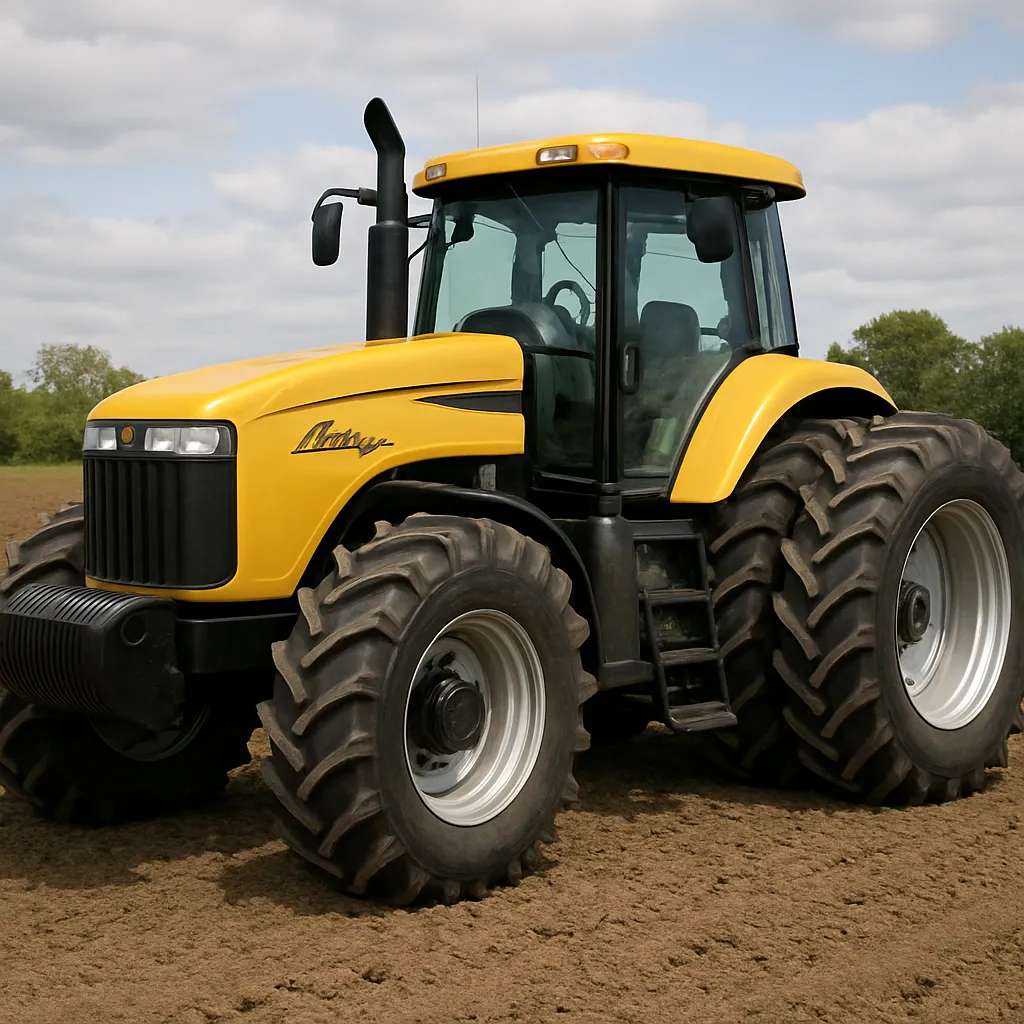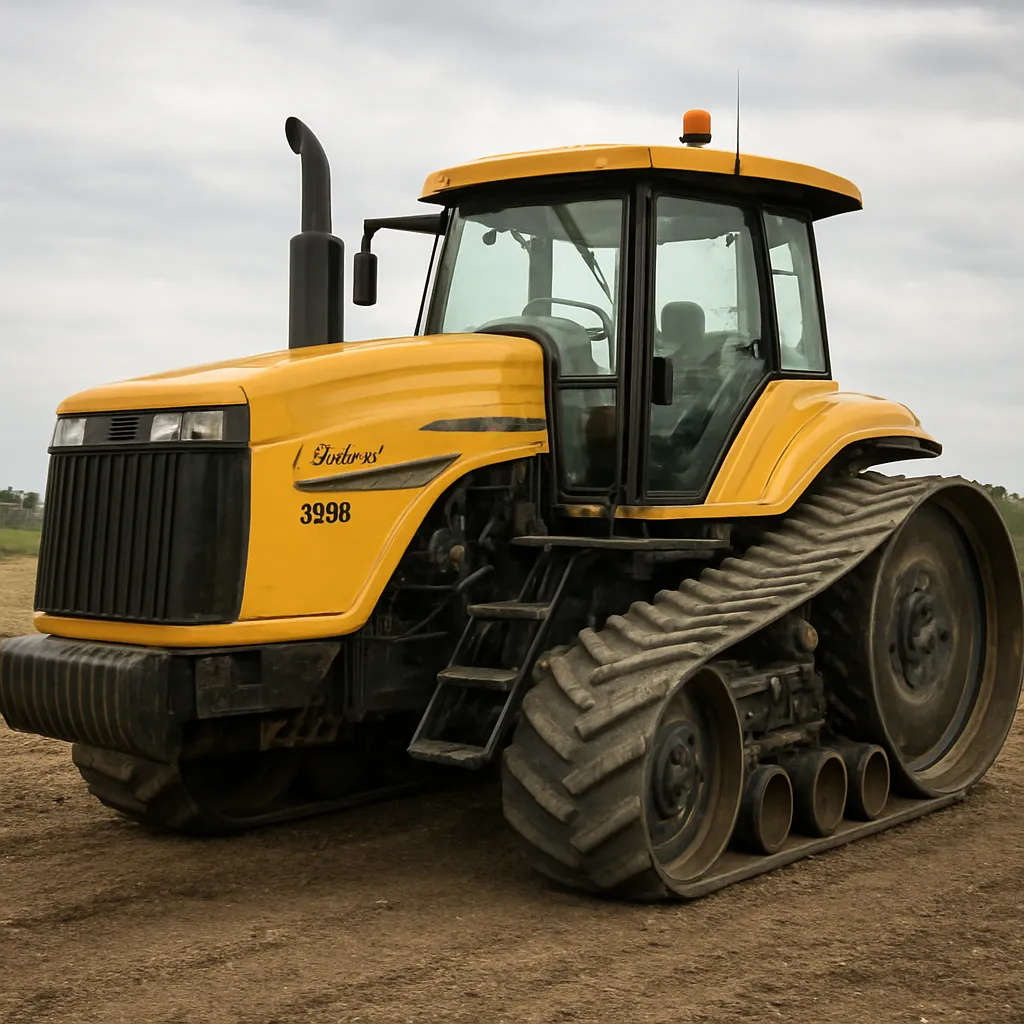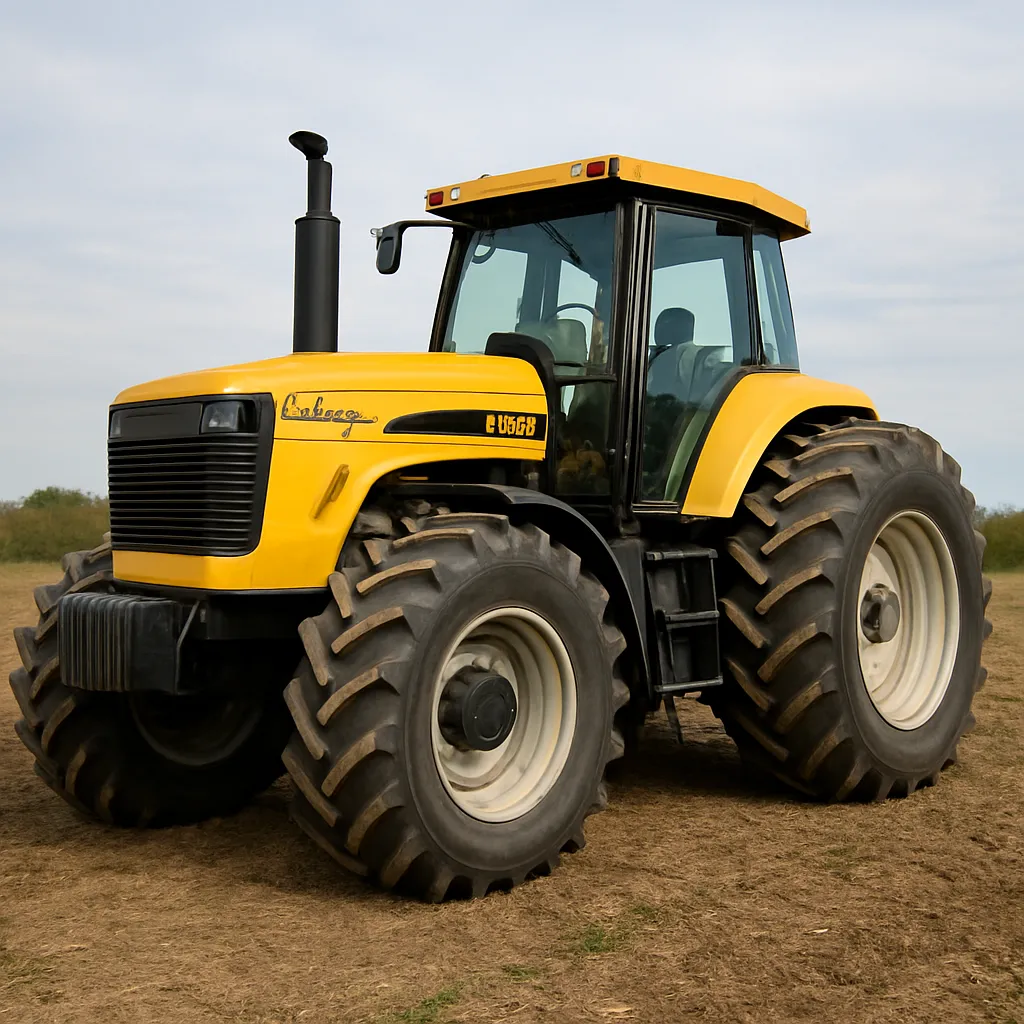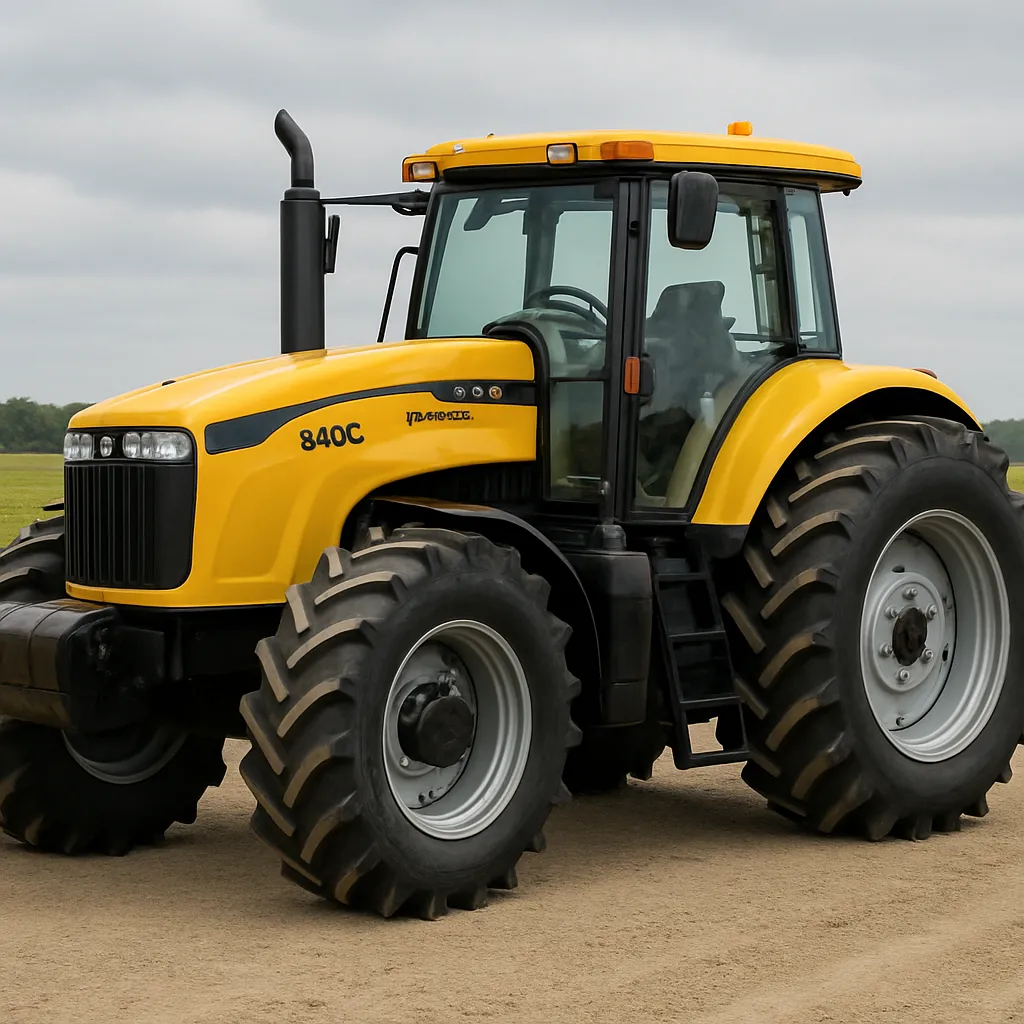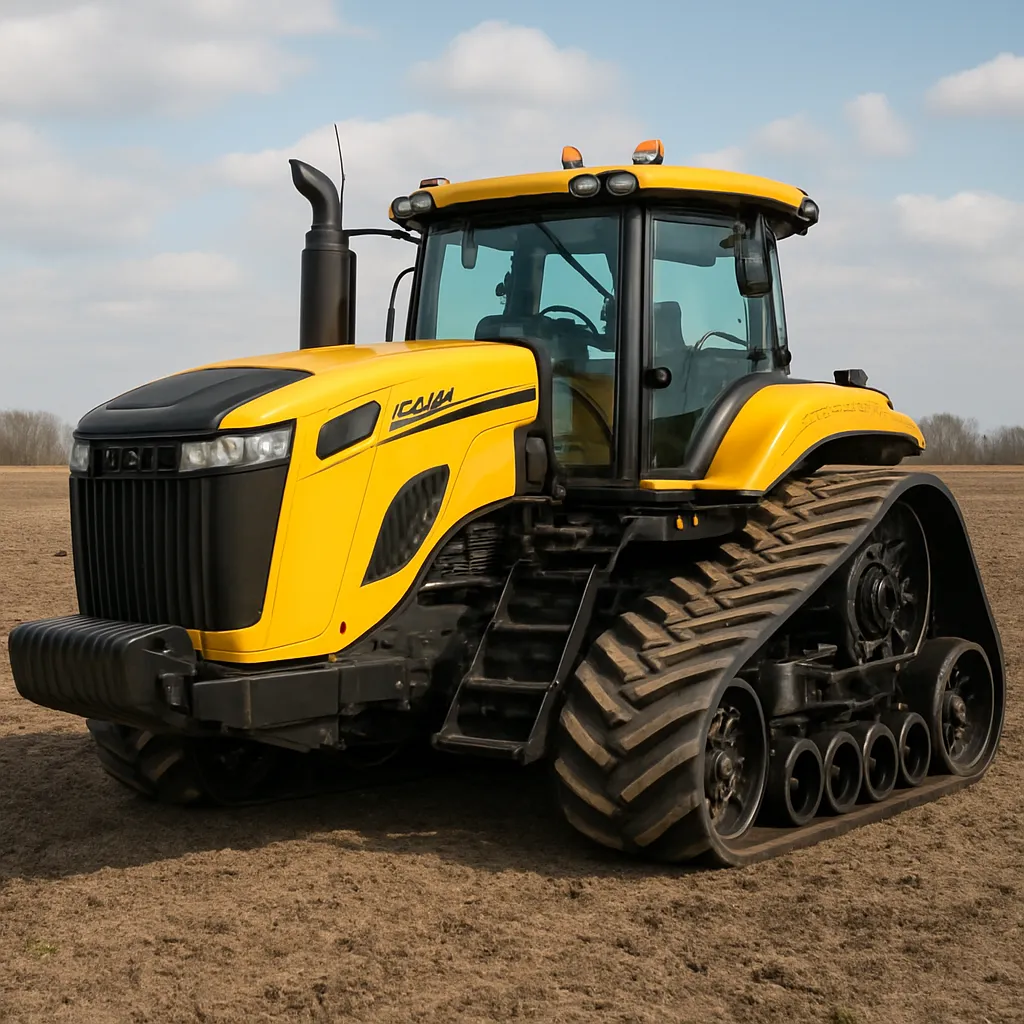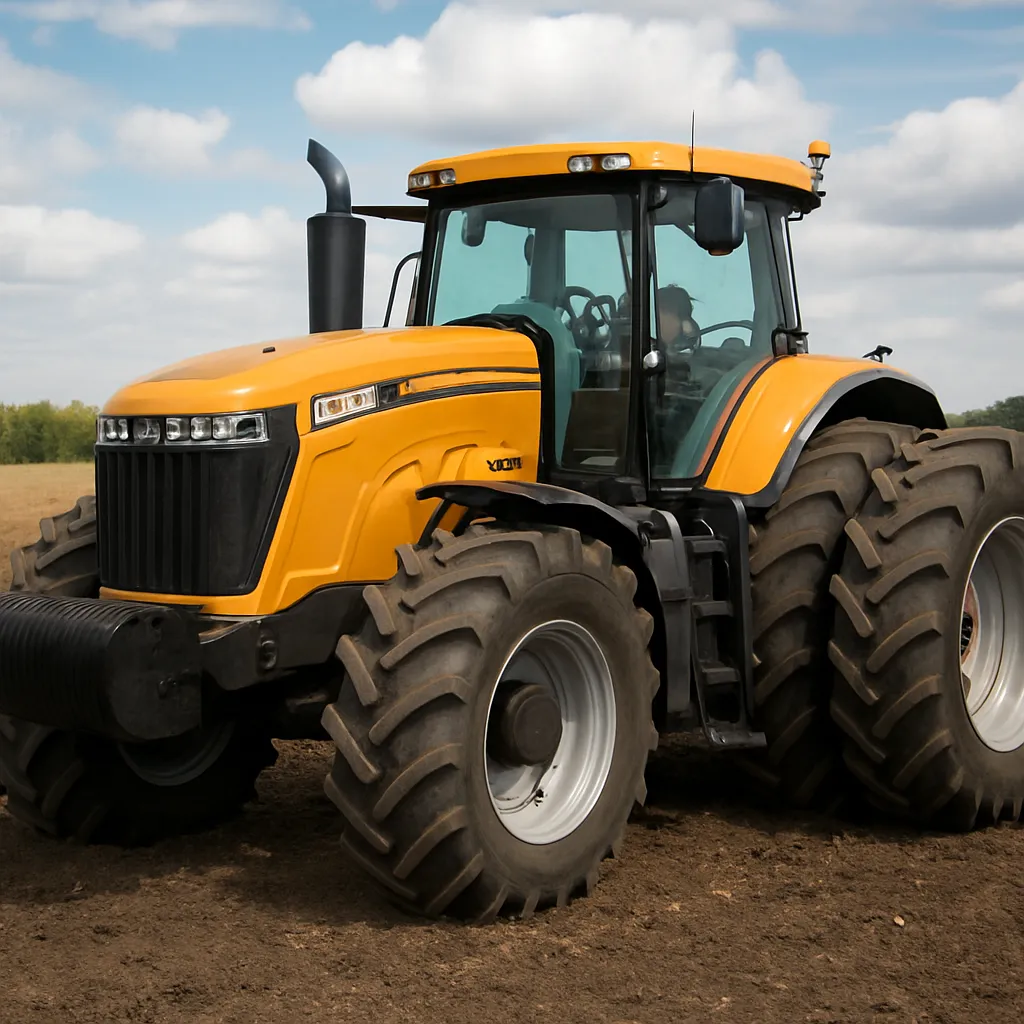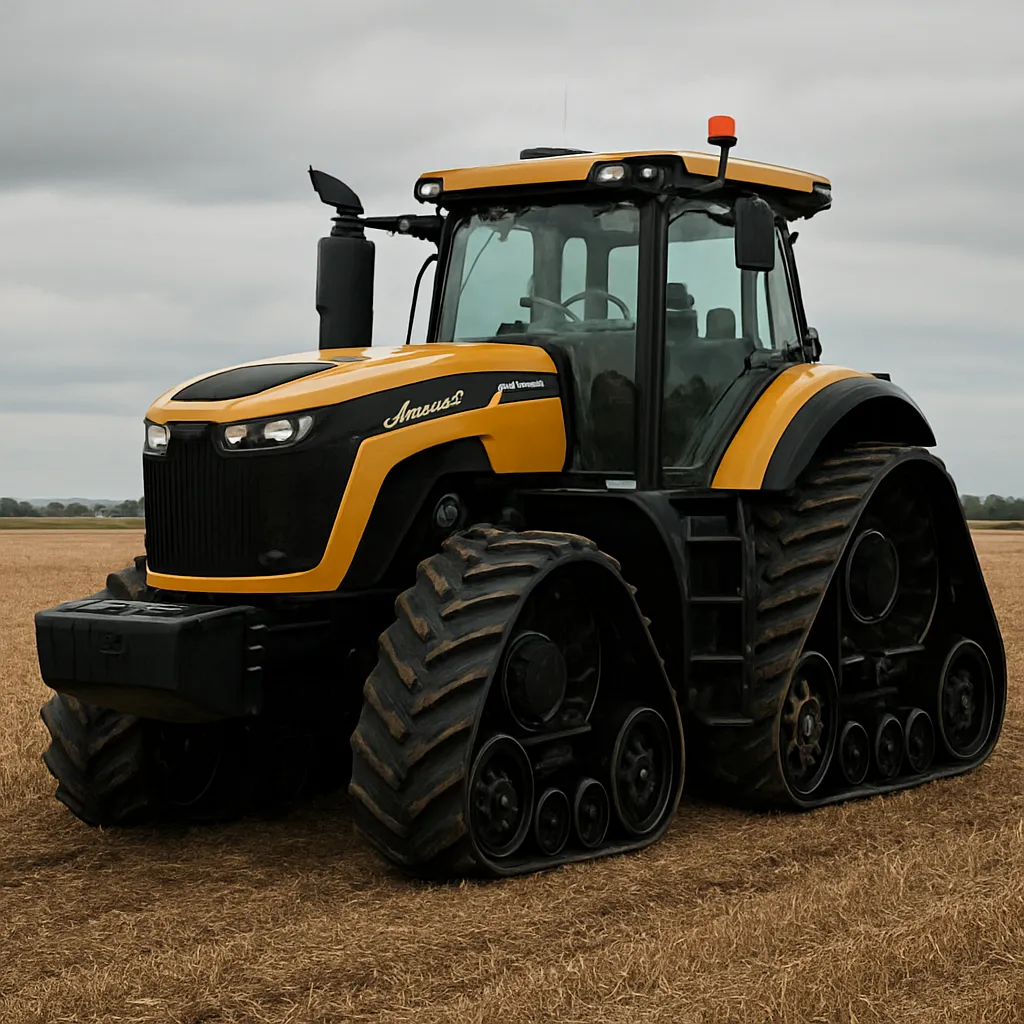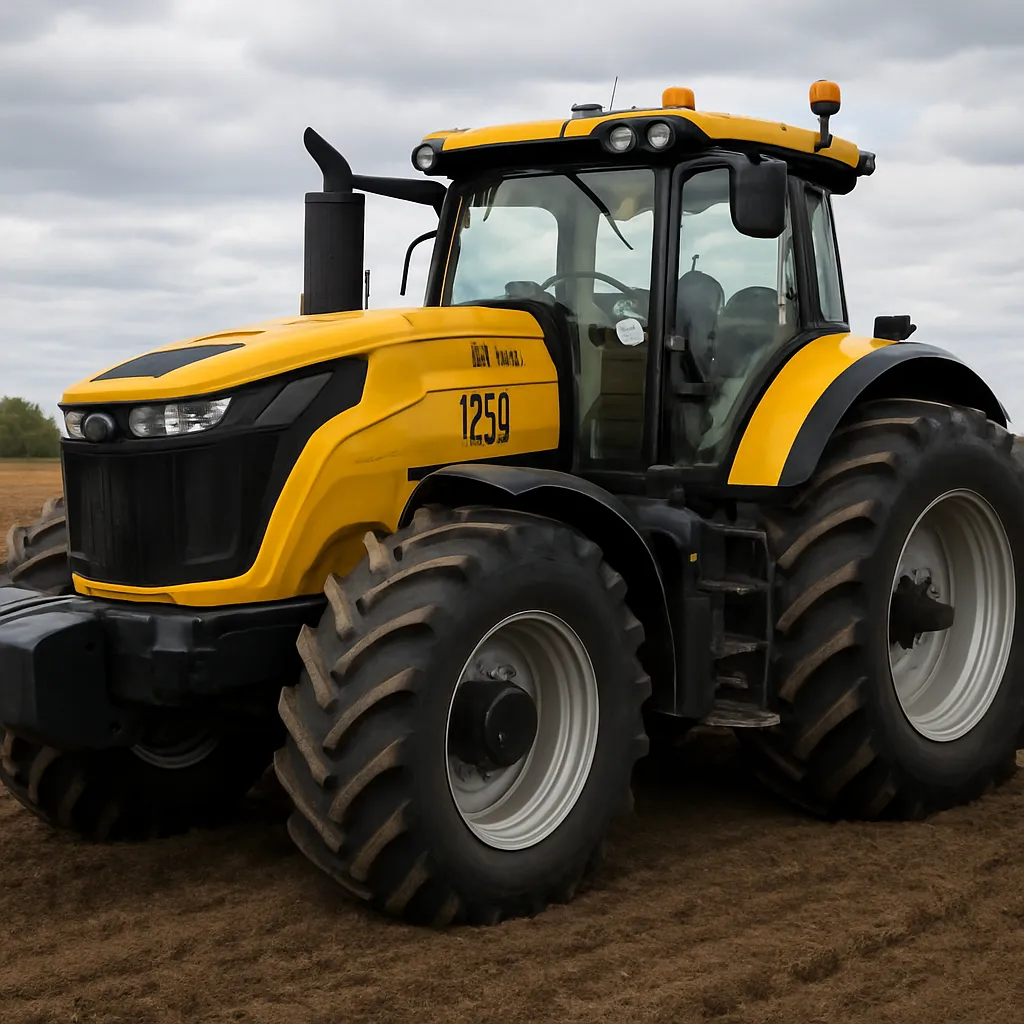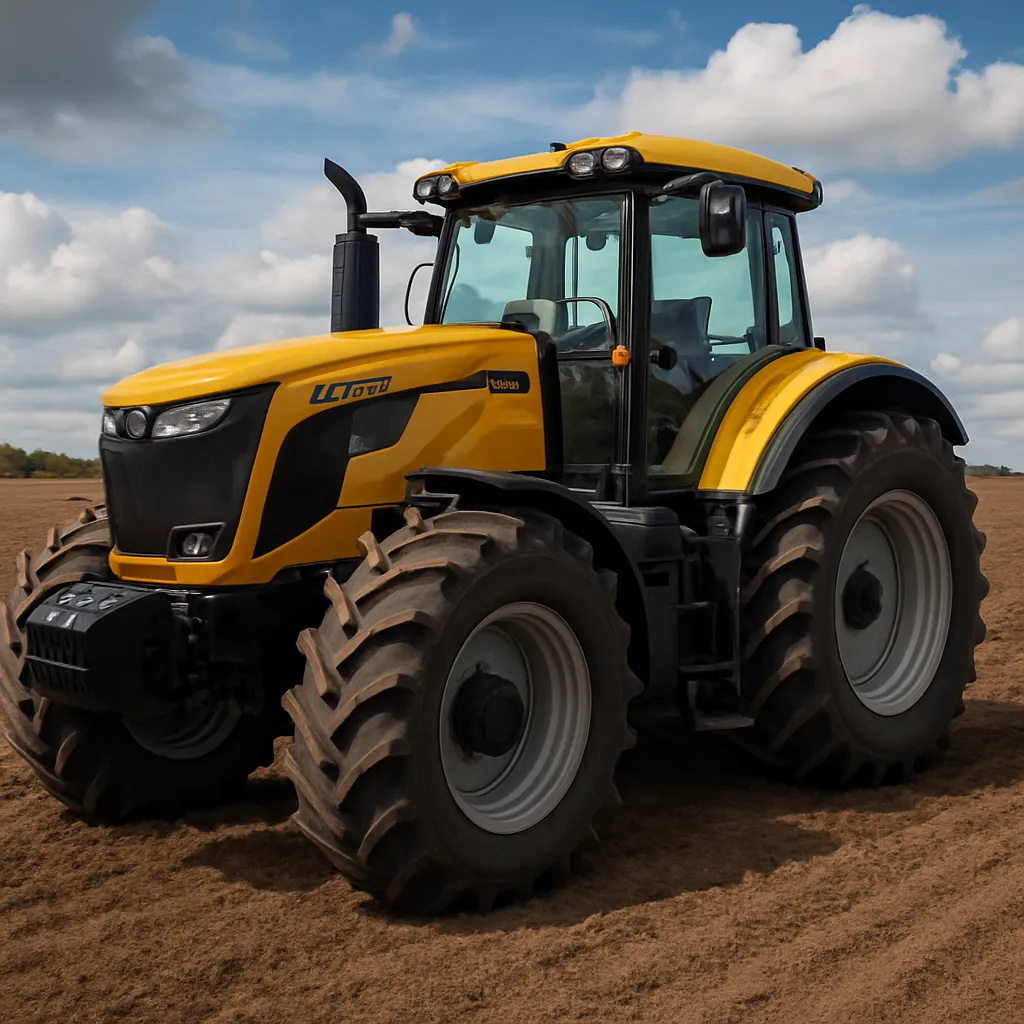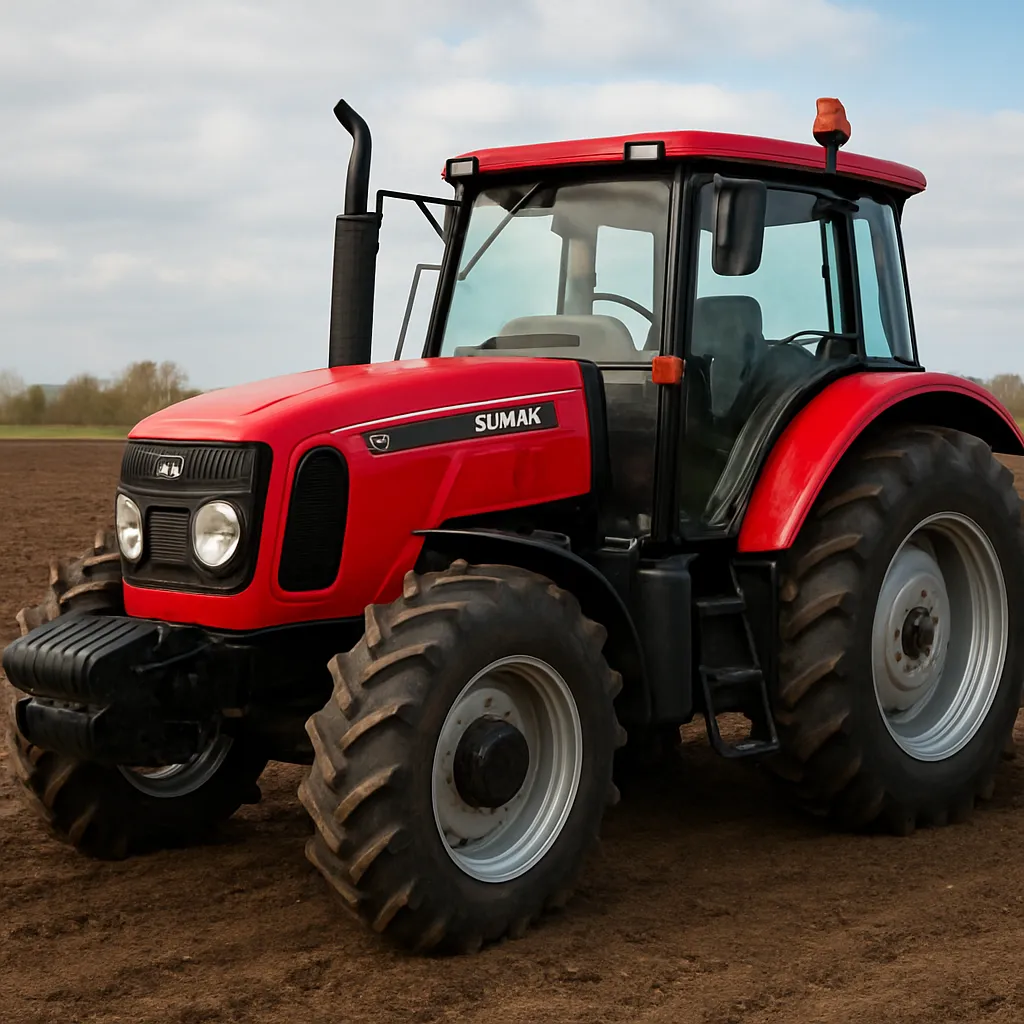
The Ursus 3854 is a notable example of Polish agricultural engineering that has found a firm place in the fields and workshops of many countries. Combining robust construction with practical solutions for everyday farm work, this tractor is valued for its reliability and adaptability. In the following sections, you will find a comprehensive overview of its background, technical features, practical applications, maintenance considerations, market role, and perspectives for modern use.
Background and development
The history of tractor production in Poland stretches back several decades, with Ursus being one of the oldest and most recognised manufacturers. The model commonly referred to as Ursus 3854 belongs to a family of medium-power tractors developed to meet the needs of mixed and arable farms, as well as contractors requiring a flexible work machine. While model designations and local variants differ by market, the design philosophy behind this series emphasises durability, simple technology, and ease of service.
Engineers focused on creating a tractor that could perform a wide range of tasks without demanding sophisticated or costly upkeep. This pragmatic approach resonated with farmers who valued straightforward mechanics and long service intervals. Over time, incremental improvements to the drivetrain, cabin ergonomics, and hydraulic systems kept the model relevant, allowing it to remain a practical choice for owners seeking an economical workhorse.
Technical characteristics and variants
Many of the core technical features that define the Ursus 3854 are designed with utility and longevity in mind. Depending on the production year and regional version, exact specifications vary; however, common attributes include a diesel-powered prime mover, a synchromesh or partial-synchromesh transmission, and an implement-ready three-point hitch with a capable hydraulic system.
Engine and performance
The heart of the tractor is its diesel engine, engineered to deliver a balance between torque and economy. Typical power outputs for tractors in this class range from medium to upper-medium ratings, suitable for plowing, tillage, mowing, and transport. Manufacturers often tuned the engine for a high torque at low RPM to improve traction and fuel economy during heavy-draft operations. While specific numbers change with variant and year, operators can expect a reliable powerband that supports both fieldwork and loader duties.
Transmission and driveline
Transmissions fitted to this family of tractors are built for robustness. Options commonly include multiple forward gears and several reverse gears, allowing close-ranging speeds for implements and road-travel speeds for transport. Many variants also offer a differential lock and a selectable drive mode that enhances traction in soft soils.
Hydraulics and PTO
A practical and responsive hydraulic system is essential for the variety of implements a farm may use. The Ursus 3854-series tractors typically provide a live power take-off (PTO) and hydraulic flow sufficient for loaders, mowers, balers, and modern three-point implements. PTO speeds are usually standardised (for example 540 rpm and sometimes 1000 rpm on some high-power variants), allowing compatibility with a wide selection of implements.
Chassis, weight and tyres
The chassis layout emphasises a low centre of gravity and stable footprint, improving safety and traction on slopes and in muddy conditions. The overall mass and tyre choices are matched to the intended tasks — heavier configurations for soil preparation and lighter setups for transport and crop work. Many owners choose to tailor tyres and ballast to their specific soil and workload needs.
Practical applications and implements
The Ursus 3854 is a multi-purpose machine. Its versatility is one reason it remains in use across diverse farming systems from smallholdings to large-scale fields, and in non-agricultural roles such as municipal services and forestry work. Typical uses include:
- Arable field tasks: ploughing, cultivator work, harrowing, and seedbed preparation.
- Hay and forage: mowing, raking, tedding, and bale handling when fitted with a loader or bale spike.
- Transport: carrying loads on trailers, moving supplies, and towing equipment between fields.
- Loader work: front-end loader attachments convert the tractor into a versatile material handler.
- Orchard and small-fruit operations: narrower tyre choices and protective canopies allow use in specialized plantings.
- Municipal and contractor roles: snow clearing, street sweeping, and light construction support.
Compatibility with common implements is a major strength. The three-point hitch and standard PTO allow farmers to connect a wide range of implements without needing custom adapters. Loaders, backhoes, mowers, seeders, sprayers and balers are frequently used in conjunction with these tractors.
Operation, ergonomics and user experience
Operators of this tractor report a pragmatic balance between comfort and functionality. Cab options range from open ROPS configurations for outdoor visibility to enclosed cabs offering climate control and sound insulation. Controls are typically straightforward, laid out for intuitive access to gear levers, hydraulics, and PTO engagement.
Key operator-focused attributes include:
- High-visibility bonnet and good sightlines for front-end work.
- Simple, robust control levers that can be serviced or replaced easily.
- Comfortable seating and vibration damping suited for long workdays.
- Visibility to mounted implements and rear linkage, which improves precision during hitching and field operations.
These practical design choices contribute to reduced operator fatigue and greater daily productivity, particularly on farms where long hours are common during planting and harvest seasons.
Maintenance, reliability and common repairs
One of the main attractions of the Ursus 3854 is its straightforward maintenance regime. The emphasis on durability and accessible components means that many routine servicing tasks can be completed by farm mechanics without specialised diagnostic tools. Typical maintenance items include oil and filter changes, fuel system servicing, hydraulic checks, and periodic clutch and gearbox adjustments.
Common repair areas, depending on age and use, include:
- Hydraulic seal replacements and pump servicing after long, heavy use.
- Wear items in the transmission and clutch—routine adjustment and occasional part replacement.
- Electrical system repairs, particularly in older units where wiring and connectors may corrode.
- Fuel system servicing to remove contaminants and service injectors or pumps.
Availability of spare parts has been historically good in regions where the tractors were common, but in some export markets older parts may require sourcing through specialist suppliers or remanufacturing. Owners often value the simplicity because it lowers the cost of ownership over the machine’s lifecycle.
Economic considerations and operational costs
When evaluating the cost-effectiveness of a tractor like the Ursus 3854, buyers usually consider purchase price, fuel consumption, ease of maintenance, and resale value. The initial purchase price for used units tends to be attractive relative to more modern, feature-rich tractors. Fuel consumption is manageable thanks to engines tuned for low-end torque rather than peak horsepower output, which can translate to savings during heavy-draft fieldwork.
Factors affecting operational economics include:
- Fuel and lubricants — the tractor’s diesel economy and oil change intervals.
- Maintenance labor — simpler mechanics reduce labor time and dependency on external service centres.
- Parts costs — availability and affordability of consumables and wear parts.
- Versatility — the ability to use one base tractor for multiple tasks reduces the need to purchase specialised machines.
As a result, many smaller farms and contractors find the total cost of ownership reasonable, particularly when balancing purchase cost against the flexibility and long service life the design offers.
Market, preservation and collector interest
Although new high-tech tractors capture media attention, there’s a steady market for reliable older models. The Ursus 3854 and its family are appreciated by enthusiasts and collectors who value mechanical simplicity and historical significance. Restoration projects are common; many vintage-tractor clubs host events, parades, and demonstrations where these machines are showcased.
Collectors often focus on:
- Authentic restoration — returning machines to original specifications and finishes.
- Functional preservation — keeping tractors in working order to demonstrate historic farming techniques.
- Community events — displays and tractor runs that celebrate agricultural heritage.
Prices for well-maintained or fully restored examples vary by region and condition. Rarer factory options or documented provenance can increase value, while tractors maintained purely for work rather than show typically trade at lower prices reflective of their utility.
Safety, environmental and regulatory aspects
Older tractors do not always meet modern emissions and safety standards out of the factory, so many owners and operators take steps to improve safety and reduce environmental impact. Retrofitting ROPS, updating lighting, and fitting fuel and hydraulic leak prevention measures are common. In regions with strict emissions regulations, modifications or restricted use may apply to older diesel units.
Key safety and compliance considerations include:
- Operator protection — ensuring ROPS and seatbelts are fitted and in good condition.
- Emissions — possible retrofits or replacement engines to meet local limits.
- Noise control — enclosed cabs and muffler maintenance reduce operator exposure.
- Hydraulic safety — proper maintenance of hoses and couplings to prevent leaks and failures.
Modern use and future outlook
Though newer tractors offer GPS guidance, automated steering, and telematics, the Ursus 3854 remains useful where simplicity, cost control, and mechanical accessibility are priorities. It is especially well suited to regions with limited access to dealer networks or where farmers prefer machines that can be repaired on-farm.
Future prospects for machines like this depend on several trends:
- Continued interest in affordable, reliable machinery in developing and transitional agricultural markets.
- Growing collector and heritage interest that preserves examples for educational use.
- Potential conversion projects such as biofuel compatibility or retrofitted electrification in niche applications.
Summary
The Ursus 3854 family of tractors represents a pragmatic approach to farm machinery design: solid engineering, practical features, and adaptability to many tasks. Owners value the tractor for its versatility, straightforward upkeep, and dependable performance. Whether used in smallholder settings, municipal roles, or maintained as a restored classic, this model continues to demonstrate why simple, well-built agricultural machines retain their appeal across generations. With responsible maintenance and appropriate safety upgrades, these tractors can remain productive and relevant even in modern agricultural contexts.