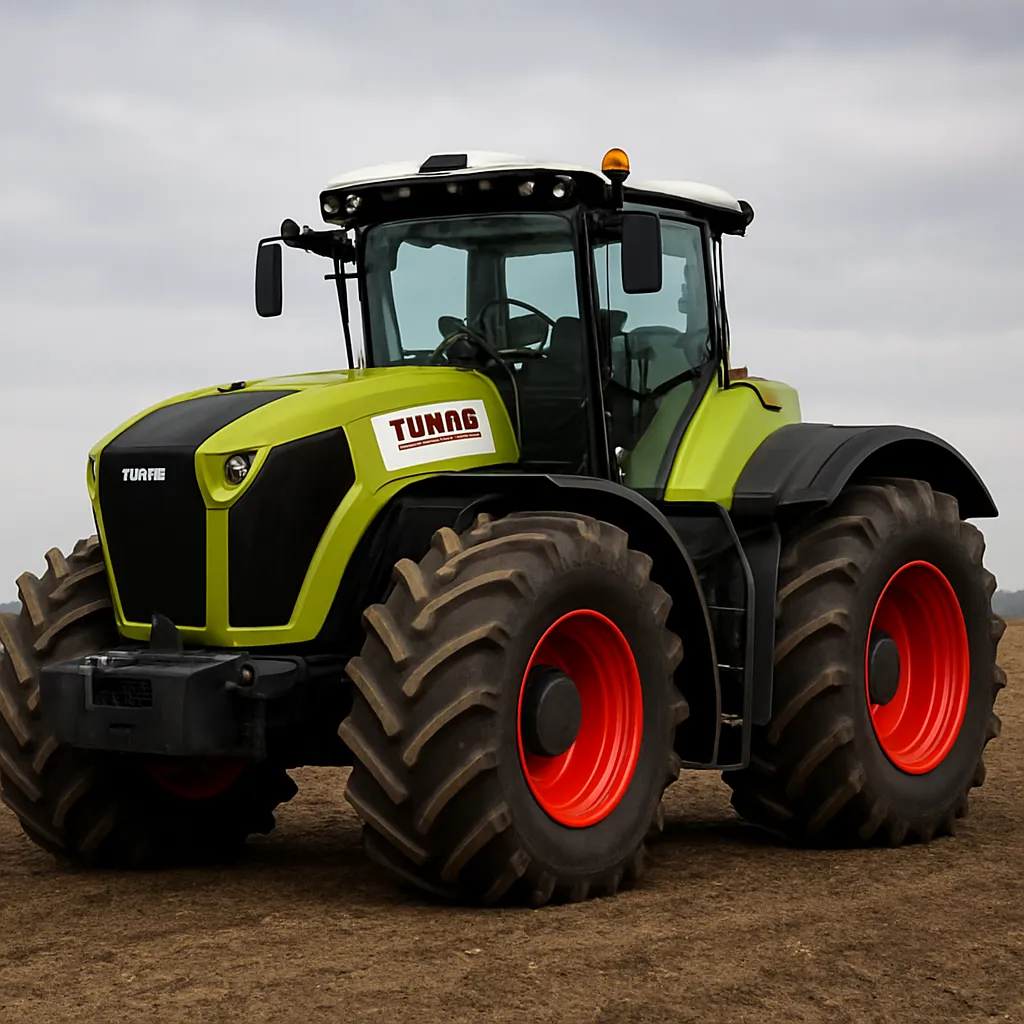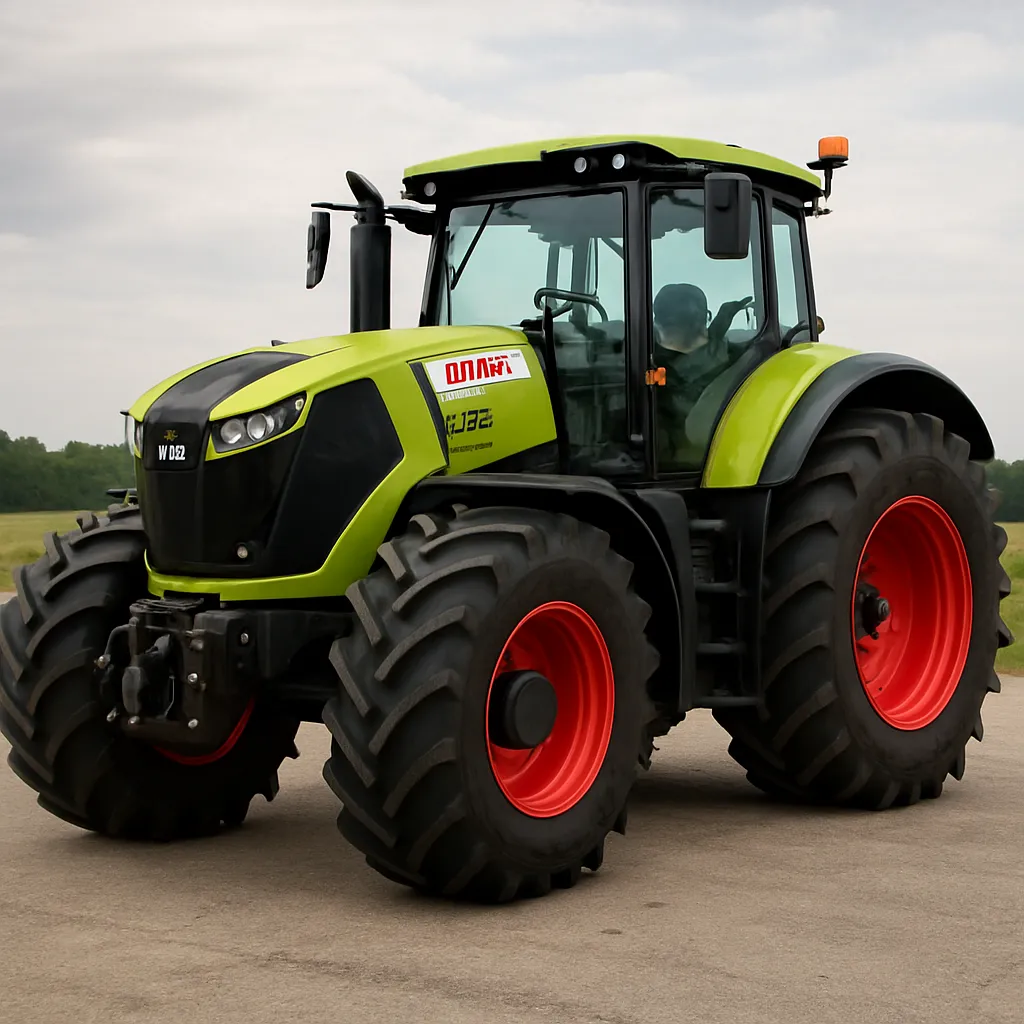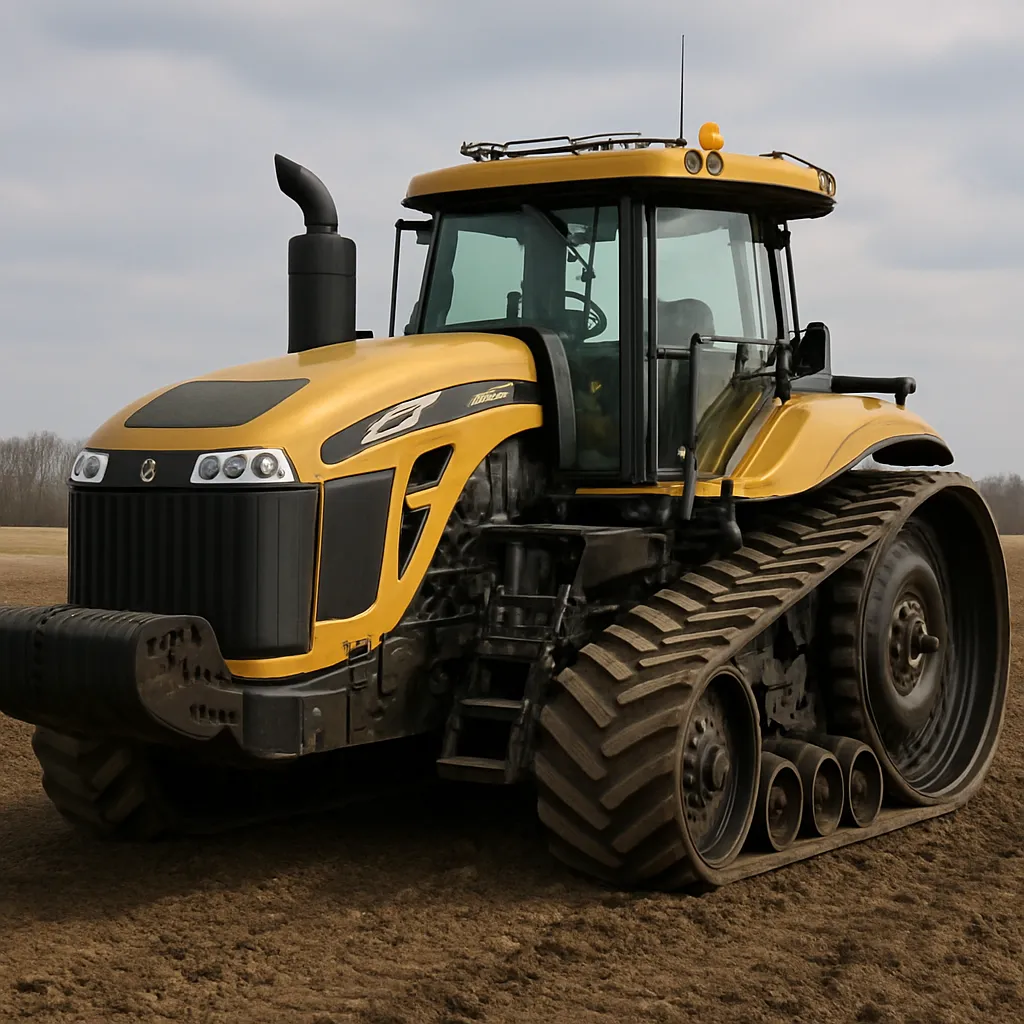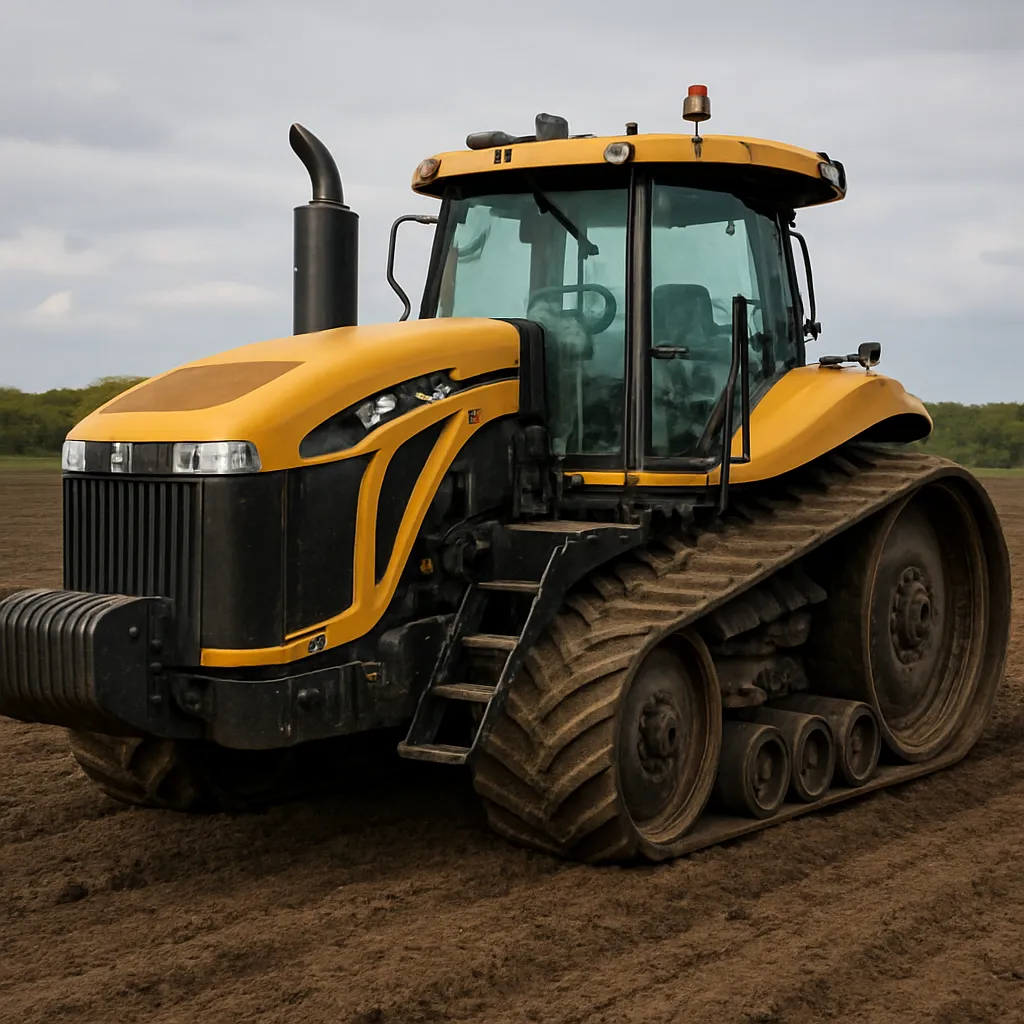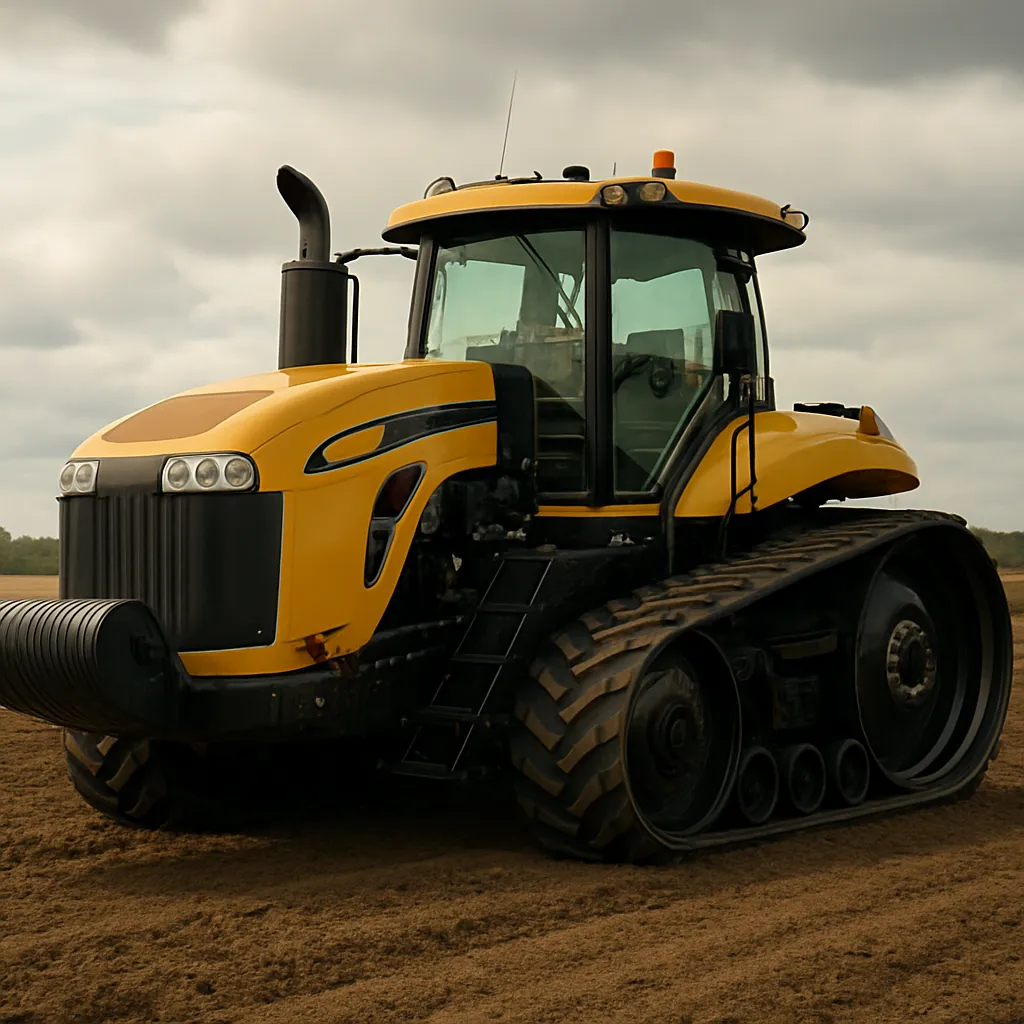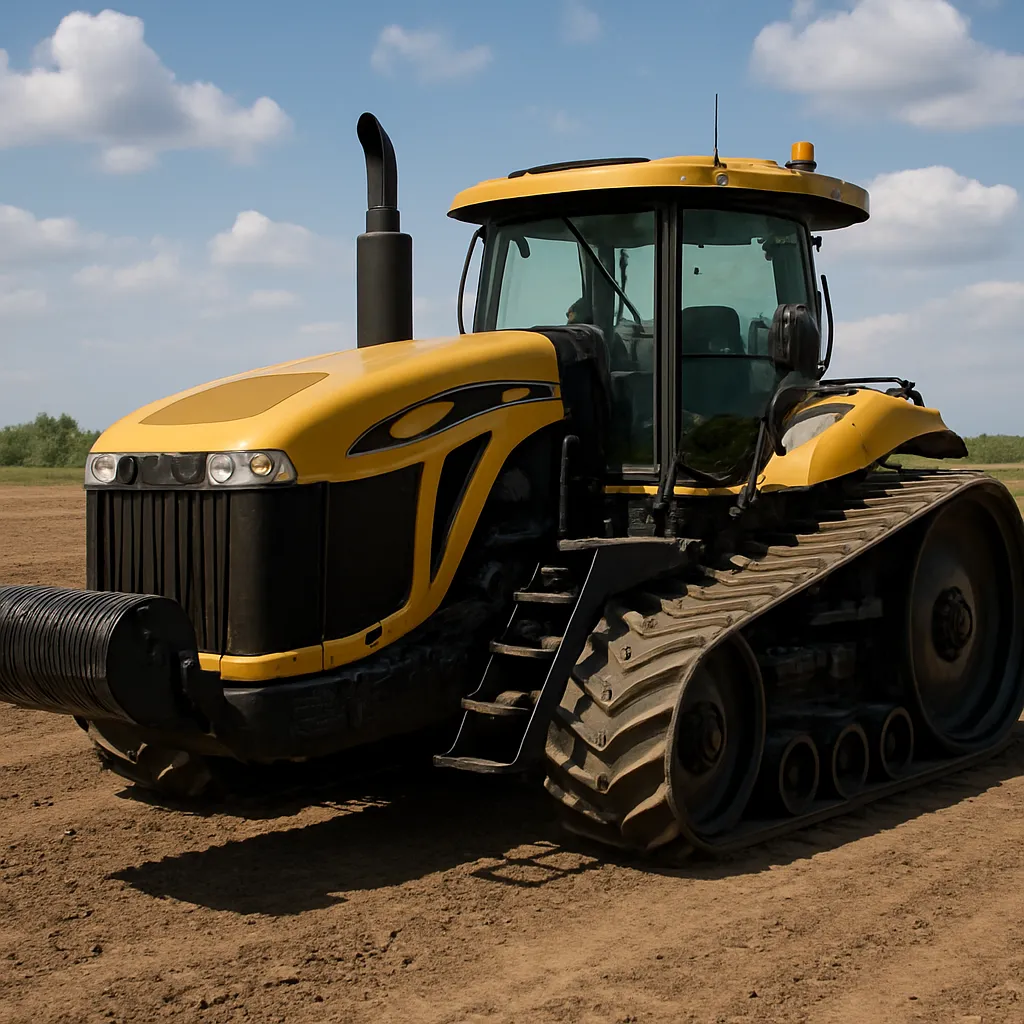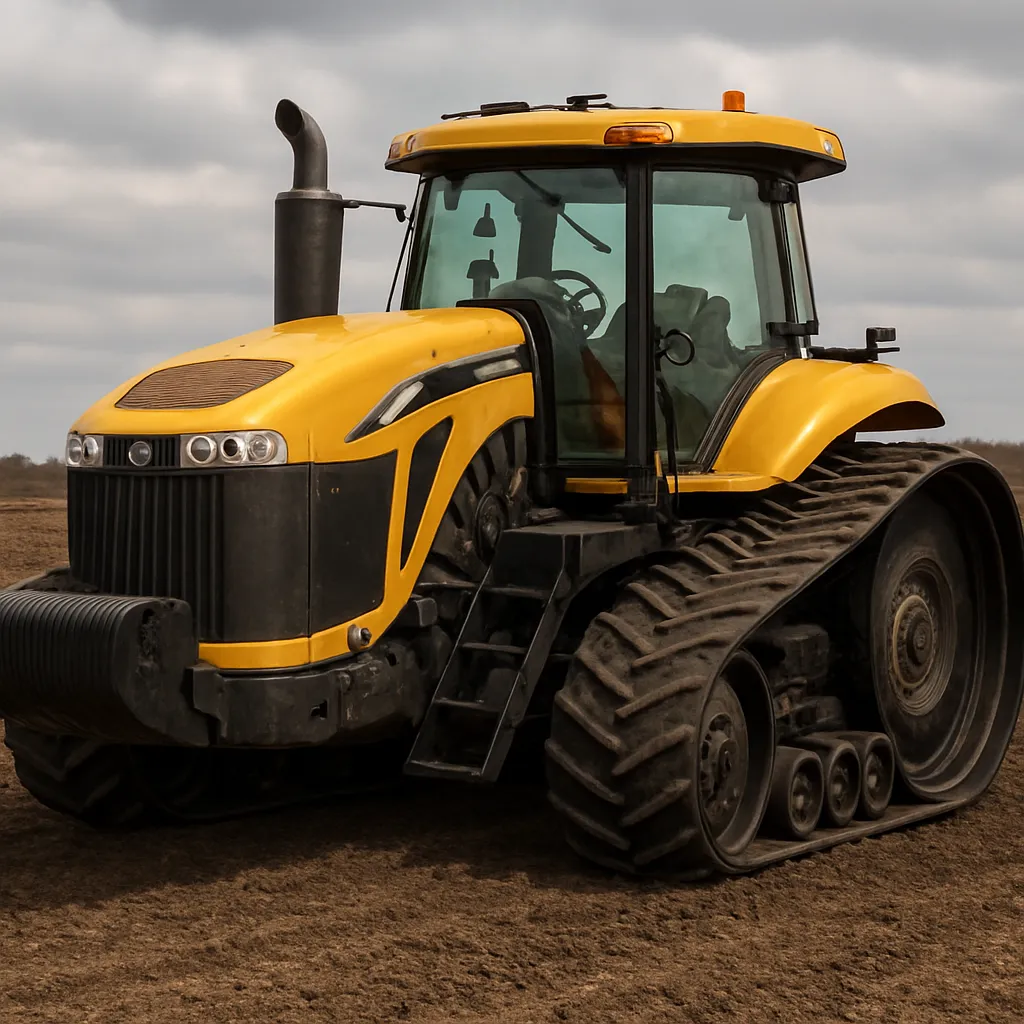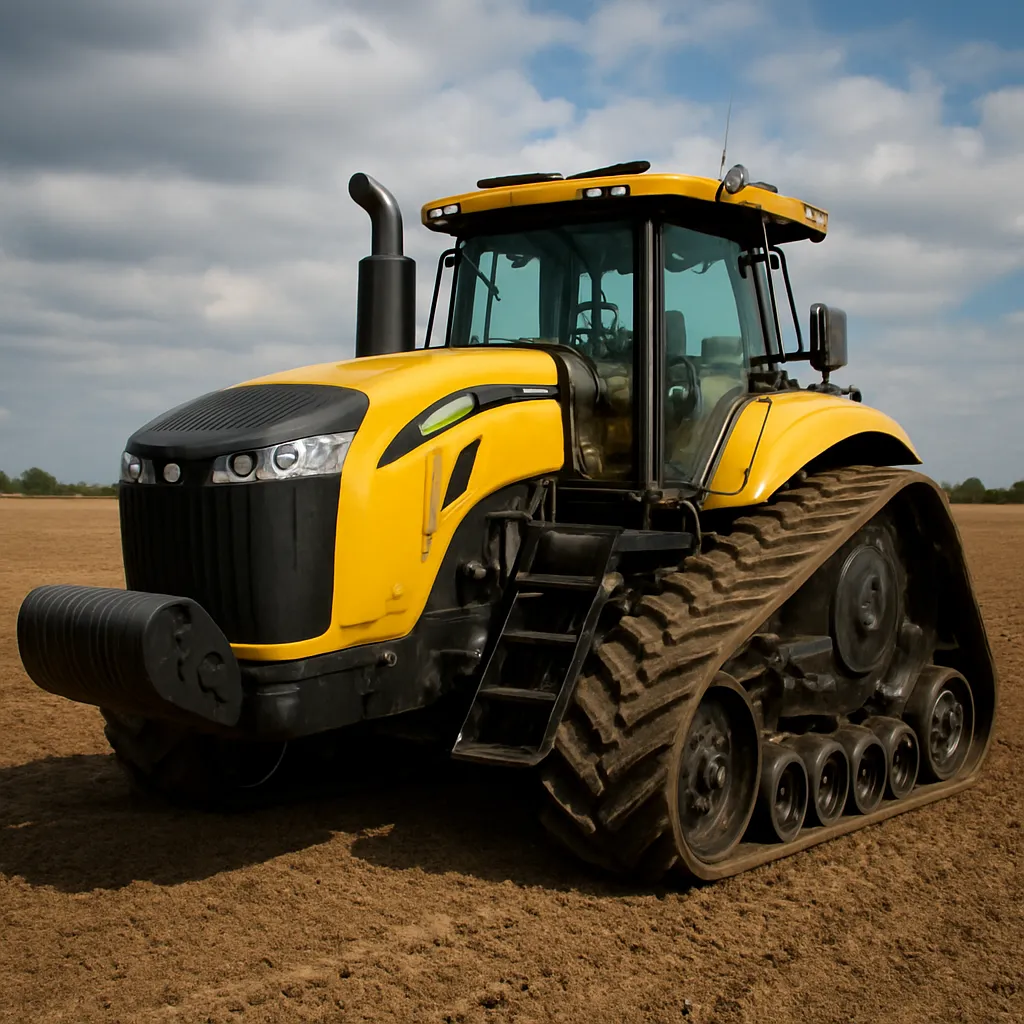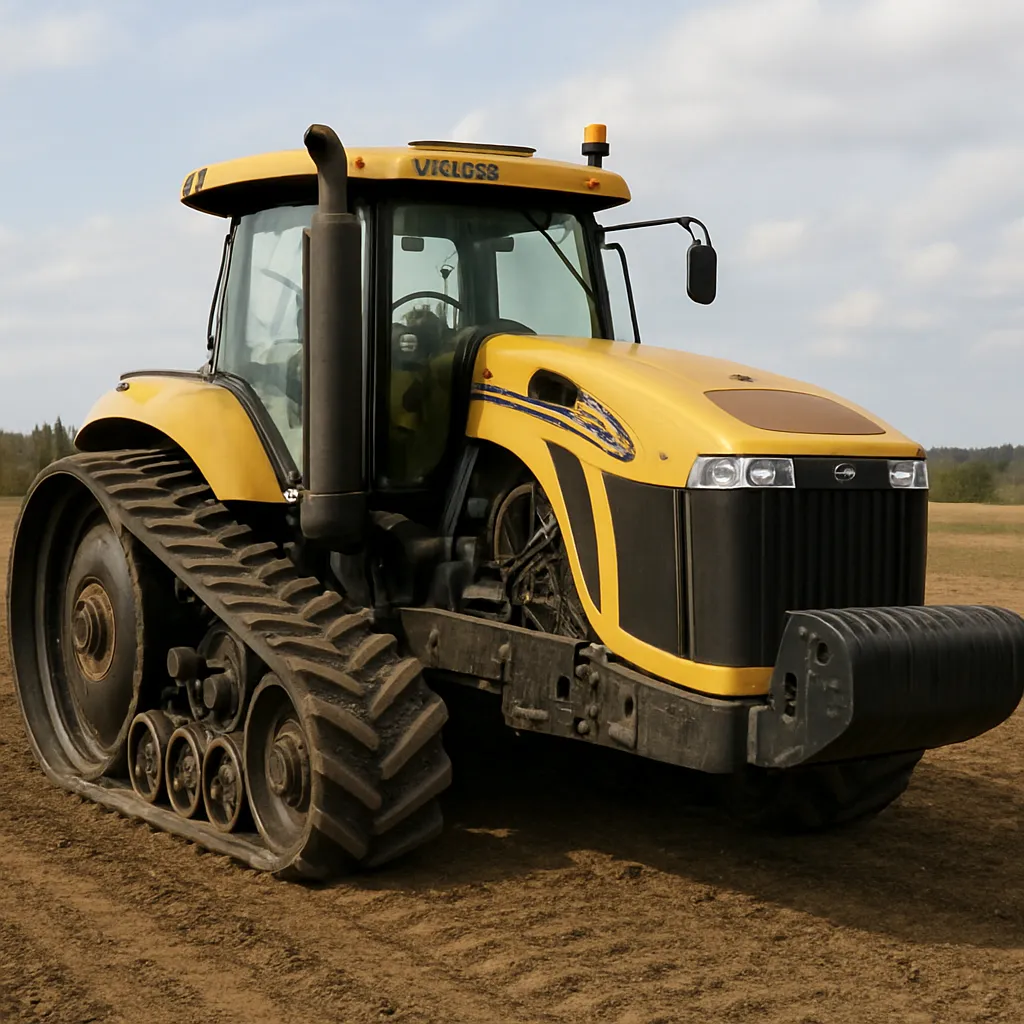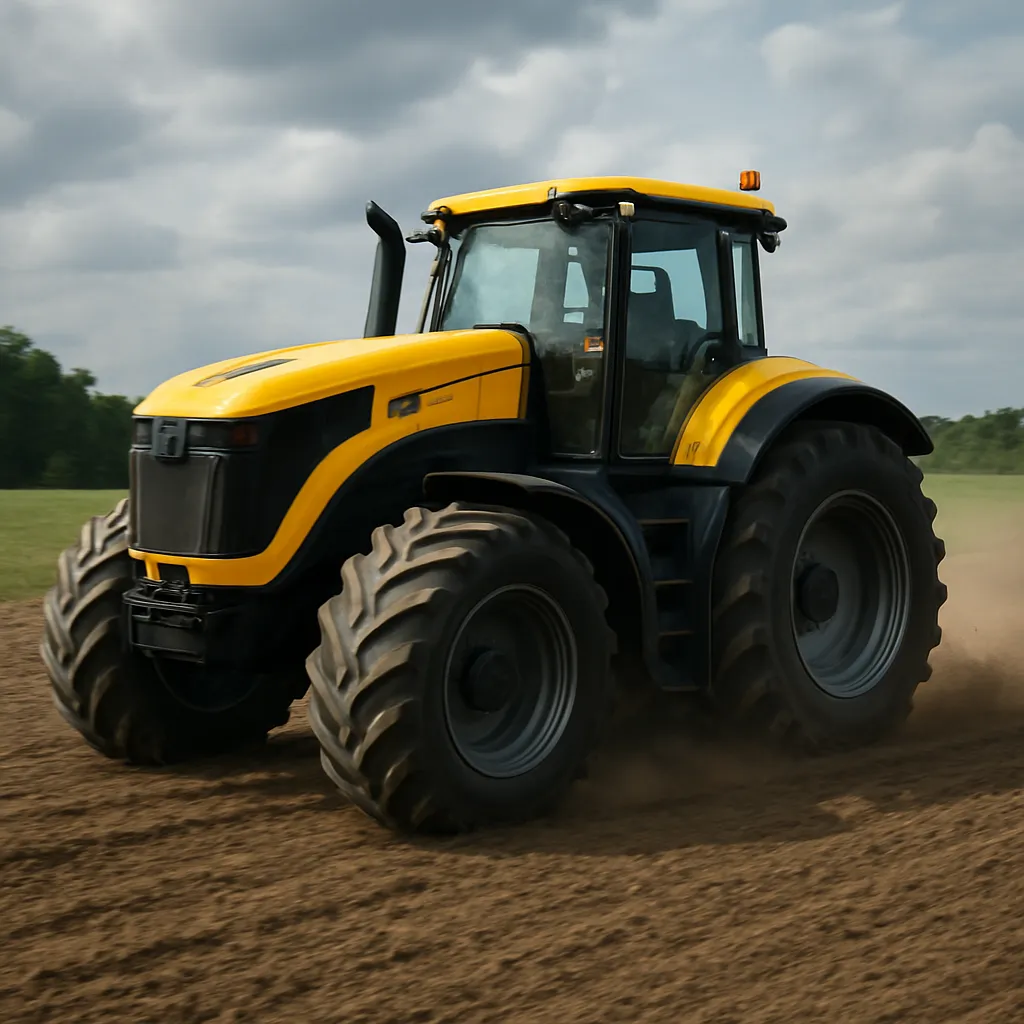
The JCB High-Speed Proto represents a modern approach to agricultural and utility machinery, combining the manoeuvrability and functionality of a conventional tractor with speeds and systems usually associated with road vehicles. Designed as a prototype to explore the limits of rapid field-to-field transport and multi-role capability, this machine showcases how innovation can address the growing need for higher operational productivity, reduced downtime, and improved operator comfort. Below, the article examines the design philosophy, typical applications, technical considerations and the broader implications of high-speed agricultural tractors in contemporary farming and contracting.
Design and engineering philosophy
At the heart of the JCB High-Speed Proto concept is the idea of blending agricultural capability with road-going performance. This approach prioritises a balance between high on-road velocity and robust field performance. High-speed tractors are not merely fast; they must preserve traction, hydraulic capacity and implement compatibility to remain useful across a wide range of tasks.
Chassis, suspension and driveline
The prototype explores advanced chassis solutions that improve ride quality at speed while maintaining ground clearance and stability on rough terrain. Typical high-speed concepts employ reinforced frames, tuned damping, and active or semi-active suspension systems to reduce bounce and wheel hop at high travel speeds. Such systems may feature electronically controlled dampers and sprung axles to ensure a predictable ride both on the tarmac and in the field.
A modern high-speed driveline often uses a combination of high-torque diesel engines and multi-stage transmissions (continuously variable transmissions, power shift or automated mechanical transmissions) tuned for quick acceleration and efficient cruising. Regimes emphasise both torque at low rpm for fieldwork and fuel-efficient cruise at higher rpm for road transfer.
Operator environment and controls
Prototypes like the JCB High-Speed Proto test ergonomic improvements for long-distance, high-speed operation. Cab technology focuses on noise reduction, vibration control and an information-rich interface. Integrated displays, adjustable seats with enhanced suspension, climate control and advanced steering systems combine to keep the operator alert and comfortable during long moves between fields or contract sites.
Electronics, telematics and safety systems
One distinguishing trait of high-speed machines is an expanded suite of electronic aids. These may include:
- Vehicle stability control and anti-lock braking systems adapted for heavy agricultural trailers
- GPS-based guidance and precision farming integration for rapid switching between transport and field modes
- Advanced telematics for remote diagnostics, route planning and fleet optimisation
- Driver assistance features such as lane-keeping aids, adaptive cruise control for farm roads and collision warnings
Altogether, these systems allow the prototype to be operated safely at higher speeds while still meeting the demands of modern agriculture.
Applications and operational benefits
The JCB High-Speed Proto is intended for a variety of uses where rapid transit is an operational advantage. While many tractors excel at working at walking speed, there is a growing category of work where transport speed directly translates to time and cost savings.
Primary application areas
- Agricultural contractors: Moving quickly between sites to carry implements, seed drills, sprayers and harvest support equipment
- Arable farms: Transporting trailers, grain carts and support wagons across large estates without the need for separate road tractors
- Livestock operations: Rapid response for feed delivery and handling tasks across dispersed paddocks
- Municipal and utility work: Roadside mowing, verges maintenance and winter service where travel on public roads is required
- Construction and groundworks: Light-duty haulage where a mix of field and road operations reduces the need for additional transport vehicles
In each case, the core advantage is time saved during transit. Shorter transfer times mean reduced labour hours, more tasks completed per shift and less wear on implements that would otherwise have to remain on the tractor during slow travel.
Operational scenarios and examples
Imagine a large arable holding with widely spaced fields: a conventional tractor with a top speed of 25–40 km/h spends significant time on roads or lanes. A high-speed tractor capable of 60–70 km/h (or higher, depending on homologation) can halve travel time between fields, enabling crews to deliver inputs or collect outputs faster and to respond to changing weather windows. In contracting, a single high-speed unit can replace the combination of a low-speed tractor and a separate road-going haulage vehicle, simplifying logistics and reducing capital expenditure.
Technical specifications and known statistics
Specific numerical data for a concept named “JCB High-Speed Proto” may vary depending on the stage of development and the public information released by the manufacturer. JCB’s production high-speed lineage is best known in the form of the Fastrac series, which established benchmarks in combining road speed with agricultural capability. Where exact prototype figures are not publicly released, the following ranges and details reflect typical targets and achievements for high-speed agricultural tractors and JCB’s historic designs.
Power and engine
- Engine type: Turbocharged diesel engines with common-rail injection are standard; hybridisation or electrification is increasingly tested in prototypes
- Power range: Many high-speed tractors operate in the 150–400 horsepower bracket depending on intended role; production JCB Fastrac models historically covered similar ranges
- Torque delivery: Emphasis on broad torque curves (high torque at low rpm) to maintain field performance despite gearing biased for road speed
Speed and transmission
- Typical top road speed for modern high-speed tractors: 50–70 km/h; specific model homologation may allow higher speeds under road regulations
- Transmission: Fully automated transmissions or CVT systems to provide smooth acceleration from low-field ratios to high-road ratios
Hydraulics, PTO and implement compatibility
- Hydraulic flow: High flow rates (e.g., 120–250 l/min or more) to support large sprayers and front-mounted implements
- PTO options: Multiple PTO speeds (540/1000/1000E or electronically modulated outputs) to suit a wide range of implements
- Linkage lift capacity: High rear lift capacities to handle large seeders, ploughs and rear-mounted equipment
Braking, axle and tyres
High-speed operation necessitates robust braking systems, often incorporating ventilated disc brakes, hydraulic-assist or electronically managed brake distribution for trailer loads. Axles are typically strengthened for high lateral loads, and tyre selection balances low-field compaction with high-speed rating capabilities.
Known statistics and adoption trends
While specific production volumes for prototype machines are rarely published, the market for high-speed agricultural tractors remains a niche but important segment. Key trends include:
- Fleet buyers and contractors show a steady preference for machines that reduce non-productive transit time
- Regional adoption correlates with farm size: larger farms and those in countries with dispersed fields adopt high-speed models more readily
- Safety and legal frameworks affect maximum permitted road speeds for agricultural vehicles, which in turn influence design targets and homologation
For precise statistics — such as exact horsepower, top speed, production numbers or fuel consumption for a specific JCB prototype — the data must come from manufacturer releases or accredited test reports. Prototypes are often used internally to trial systems that later appear in production models, which are then documented with detailed specifications.
Advantages, limitations and economic impact
The decision to use or invest in a high-speed tractor like the JCB High-Speed Proto depends on a balance of operational benefits versus costs and constraints.
Advantages
- Time savings on transit between jobs increase effective working hours and can reduce the need for multiple machines
- Improved productivity for contractors who depend on quick moves between client sites
- Potentially lower total fleet costs by combining road-haul and field functionality into a single unit
- Reduced implement idle time and lower risk of weather windows being missed due to slow repositioning
Emphasising certain speed capabilities and integrating advanced telematics creates operational transparency, letting managers schedule tasks more precisely and react quickly to changing field conditions.
Limitations and trade-offs
- Higher initial cost for prototype or high-speed models relative to conventional tractors of similar power
- Increased complexity in maintenance due to advanced suspension, braking and electronic systems
- Regulatory constraints on road speeds and required lighting or signage for agricultural vehicles
- Tyre and drivetrain wear can be accelerated by sustained high-speed use unless components are properly specified
Operators must weigh whether the time saved on transit justifies the higher acquisition and maintenance costs. In many circumstances — particularly for contractors and large-scale arable farms — the savings in labour and better asset utilisation justify the investment.
Safety, maintenance and regulatory considerations
High-speed agricultural machines require particular attention to safety and compliance. The combination of high mass and high speed changes the dynamics of accidents and places higher demands on systems that might be optional on slower machines.
Braking and stability systems
Enhanced braking systems and stability control are critical. Features commonly tested on prototypes include adaptive braking that senses trailer load, electronic locking differentials for controlled traction and active suspension that reduces pitching and roll when cornering at speed.
Visibility and lighting
Road legalisation often requires enhanced lighting packages — high-intensity LED arrays, daytime running lights and reflective marking — to ensure visibility on public roads at higher speeds. Mirrors and camera systems extend visibility around large implements and trailers.
Maintenance schedules and total cost of ownership
Maintenance considerations for a high-speed prototype tend to focus on:
- More frequent inspection of tyres, brakes and suspension components
- Electronic system diagnostics and software updates, which may be required more often than on conventional tractors
- Potential for remote servicing enabled by telematics, reducing downtime through predictive maintenance
Future directions: electrification, autonomy and modularity
As agriculture evolves, prototypes like the JCB High-Speed Proto often act as testbeds for broader technologies. Several future directions are particularly relevant:
Hybrid and electric drivetrains
Electrification addresses emissions and can offer high torque for immediate power delivery — beneficial both for field work and rapid acceleration on roads. Prototypes test battery capacities, thermal management and rapid-charging strategies suited to long working days. Hybridisation can also allow engine downsizing while preserving field performance.
Autonomy and remote operation
Autonomous technologies could be combined with high-speed capabilities to allow safe transit under remote supervision or to enable convoy movements of implement-carrying units. However, regulatory and safety hurdles remain significant, and human oversight is likely to persist for many years.
Modular implements and on-the-fly configuration
Prototypes often trial modular implement mounts and quick-change systems so that a single high-speed tractor can rapidly adapt to different tasks during the same day — for example, switching from a transport wagon to a sprayer with minimal downtime.
Conclusion: where the JCB High-Speed Proto fits in modern agriculture
The JCB High-Speed Proto exemplifies a forward-looking response to agricultural trends: bigger fields, more specialised contracting work, and a premium on time-sensitive operations. While not every farm requires a high-speed tractor, the concept has clear appeal for contractors, large-scale arable producers and mixed operations where transit time between tasks represents lost productivity. The prototype functions as both a technology demonstrator and a statement about the future direction of farm vehicle design: integrating higher speeds, smarter electronics, and versatility while managing the safety and regulatory challenges that accompany them.
If developed into a production model, such a vehicle would likely draw on the lessons of the Fastrac lineage, combining robust engine performance, advanced suspension and modern telematics to deliver measurable gains in operational efficiency. Adoption will depend on region-specific legislation, cost-benefit outcomes for users and continued advances in drivetrain and electronic systems that lower the lifetime cost of ownership.
Key words emphasised in this text:
- JCB High-Speed Proto
- tractor
- high-speed
- Fastrac
- engine
- speed
- productivity
- telematics
- payload
- suspension